How to Fish for Striped Bass
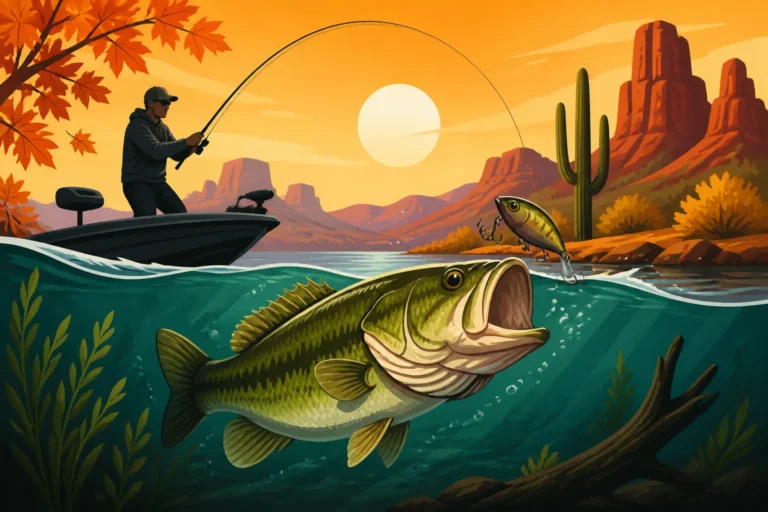
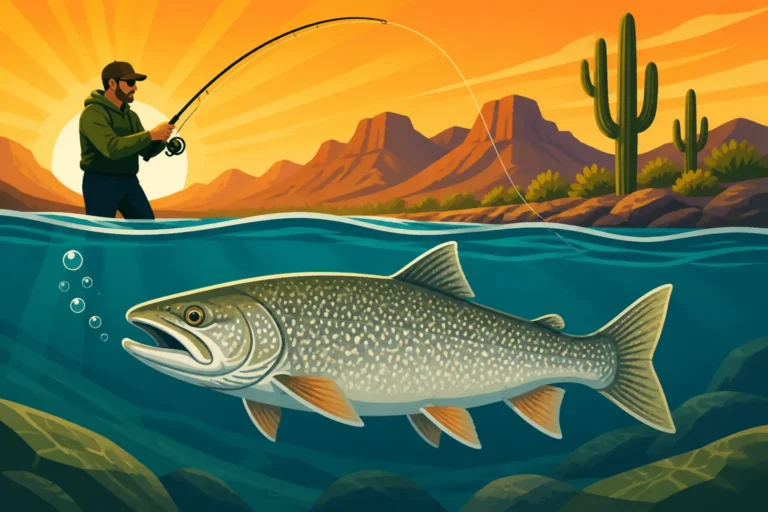
Few things get an angler's heart pumping quite like the electrifying fight of a striped bass in Arizona's vast desert lakes. Many of us arrive at places like Lake Powell or Lake Mead, staring at miles of open water, wondering how on earth to find these elusive, hard-fighting fish. This guide is designed to cut through that confusion, giving you the practical strategies, gear insights, and seasonal wisdom you need to consistently hook into impressive striped bass, turning those perplexing wide-open waters into your personal fishing grounds.
Understanding Arizona's Striped Bass
Before you even think about casting a line, it's really helpful to get into the mind of a striped bass. These aren't your typical backyard pond fish; they're apex predators in Arizona's reservoir ecosystems, and understanding their habits is the first step to success. They're built for speed and power, constantly on the hunt, and if you know where and when they like to hunt, you're already ahead of the game.
Where They Live and Thrive
Arizona's desert landscape might seem like an unlikely home for a thriving striped bass population, but our massive reservoirs provide the perfect environment. The big three you'll hear about most often are Lake Powell, Lake Mead, and Lake Havasu. Each of these immense bodies of water holds incredible numbers of striped bass, often in staggering sizes.
These fish aren't really bottom dwellers, nor do they typically hide in dense cover like a largemouth bass. Instead, they prefer the expansive open water, deep channels, and the long, winding arms of the lakes. They're pelagic, meaning they roam the open water column, constantly searching for schools of baitfish, primarily threadfin and gizzard shad. You'll often find them cruising along steep canyon walls, hanging around submerged humps, or suspended over deep water where baitfish congregate. Their schooling behavior is a key trait; where there's one striper, there are usually many, which is why when you hit a school, the action can be non-stop. Think of them like underwater wolves, hunting in packs in the vast wilderness of our Arizona lakes.
Striped Bass Behavior and Feeding Habits
Striped bass are voracious, opportunistic predators with an insatiable appetite. They spend their days chasing down shad, often herding them against canyon walls or into tight balls before launching an attack. This aggressive feeding behavior is what leads to those exhilarating "boils" that so many striper anglers dream of. A boil happens when a large school of stripers drives baitfish to the surface, creating a chaotic, churning mass of water where fish are literally jumping out trying to escape. It's an incredible sight and an even more incredible fishing experience, often lasting only a few minutes before the school dives back down.
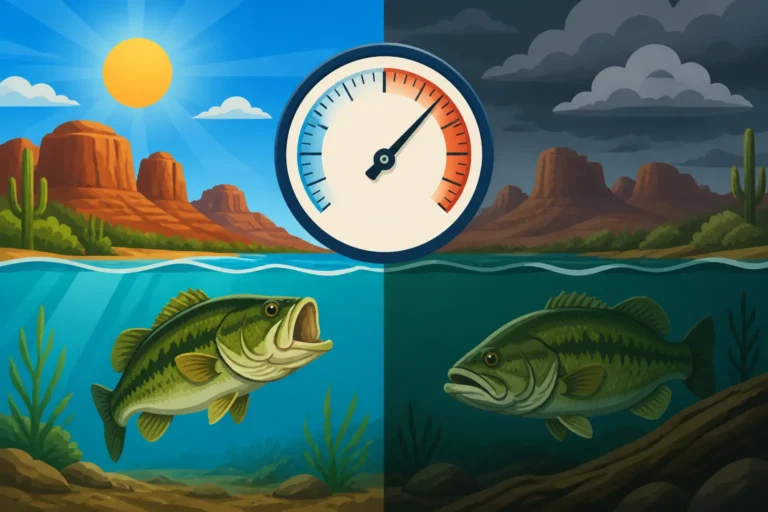
Their movements and feeding patterns are heavily influenced by water temperature and the availability of their primary food source, the shad. In the warmer months, especially summer, stripers will often move deeper during the day to find cooler, more oxygenated water. They'll then come shallower during low-light hours – dawn, dusk, and especially at night – to feed more actively. As the water cools in spring and fall, they tend to spread out more across the lake, becoming more accessible in shallower areas and along points as they chase baitfish that are also moving with the changing temperatures. Understanding these seasonal shifts and their constant pursuit of shad is crucial for consistently putting fish in the boat or on the bank.
Essential Gear for Striped Bass Fishing
Stepping up to striped bass fishing means you'll probably want to upgrade some of your tackle. While you can catch smaller stripers on general-purpose gear, these fish are powerful, and they demand tackle that can handle their incredible runs and stubborn fights. It's not about being fancy, but about being equipped for the task at hand. Having the right tools makes the experience more enjoyable and far more successful.
Rods, Reels, and Line Selection
For striped bass, you're generally looking for gear with a bit more backbone than what you'd use for typical largemouth bass. They hit hard and pull harder.
When it comes to rods, a medium-heavy to heavy action rod is ideal. This gives you the power to cast larger lures or heavy bait rigs and the strength to turn a surging fish. A length of 7 to 8 feet is pretty standard, offering good casting distance for covering open water and enough leverage to fight a strong striper without wearing yourself out too quickly. For specific applications like trolling, some anglers might go even longer. You want a rod that can absorb the shock of their powerful runs but still has enough sensitivity to feel those subtle bumps. If you're looking for dedicated options, check out specific recommendations for the "Best Rod for Striped Bass" to find something that perfectly suits your style and the type of fishing you'll be doing.
For reels, you'll typically choose between a stout baitcasting reel or a large spinning reel. Both have their advantages. Baitcasting reels, especially those with a high line capacity and a smooth, powerful drag system, are fantastic for casting heavy lures and can handle the brutal runs of big stripers. Spinning reels in the 4000 to 6000 size range are also excellent choices, particularly if you prefer their ease of use for casting and fighting fish. The key is a strong, reliable drag that won't give out under pressure.
Line selection is paramount. For your main line, braided line is a game-changer for striped bass. Its low stretch provides incredible sensitivity, allowing you to feel every bite and subtle change in your lure's action, and its superior strength-to-diameter ratio means you can pack more heavy line onto your reel. I usually opt for 30 to 65-pound test braided line, depending on the size of fish I'm targeting and the type of cover I'm fishing around. Because braid can be highly visible in clear Arizona waters, and it's not very abrasion-resistant against rocky structure or fish teeth, it's almost always a good idea to add a fluorocarbon leader. A 15 to 30-pound test fluorocarbon leader, typically 3 to 6 feet long, will give you that invisibility and abrasion resistance right where it counts, close to the lure or bait.
Lures and Baits That Get Bites
Striped bass are not particularly finicky; if it looks like a shad and moves like a shad, they'll likely hit it. However, having a diverse tackle box will prepare you for different situations and feeding moods.
For artificial lures, versatility is key. When stripers are boiling on the surface, topwater lures like poppers or walk-the-dog style baits are incredibly effective. There's nothing quite like watching a striper explode on a topwater bait! For subsurface action, swimmin' jigs with a soft plastic paddle tail, or larger paddle tail swimbaits, are absolute killers. They mimic shad perfectly and can be fished at various depths. Crankbaits, particularly deep-diving models, are excellent for trolling or casting to fish holding deeper in the water column. Don't forget spoons – both casting spoons for reaching distant boils and jigging spoons for vertical presentations when fish are holding deep beneath the boat. For some great all-around options that can often pull double duty, you might want to explore a guide on the "Best Lures for a Bass Tackle Box" which frequently includes versatile baits that stripers also love.
When artificials aren't cutting it, or you simply prefer a more natural presentation, live bait is incredibly effective. The undisputed king of live bait for Arizona stripers is the threadfin shad or gizzard shad. These are their natural forage, and nothing can quite replicate the real thing. Anglers will often catch their own bait using a cast net directly from the lake they're fishing, or sometimes you can find baitfish for sale at local tackle shops or marinas like those found at Lake Pleasant.
Cut bait can also be very productive, especially when the stripers are not actively chasing, or when you're targeting larger, lazier fish on the bottom. Fresh cut shad, anchovies, or even mackerel can be deadly, emitting a scent that draws stripers in from a distance.
Top Techniques for Chasing Stripers
Catching striped bass consistently isn't just about having the right gear; it's about knowing how to use it and, more importantly, how to find the fish in the first place. Arizona's vast reservoirs can be intimidating, but a few proven techniques will dramatically increase your chances of success.
Locating Stripers with Electronics
In large, open bodies of water like Lake Powell or Lake Mead, a quality fish finder isn't just a luxury—it's practically a necessity. These devices are your eyes underwater, helping you pinpoint baitfish schools and the predatory stripers that follow them.
Modern fish finders with sonar, Down Imaging, and Side Imaging capabilities are incredibly powerful tools. Start by learning how to interpret what you see on the screen. Striped bass often appear as distinct arches or schools of arches, sometimes suspended in the middle of the water column, other times lurking near submerged points, ledges, or humps. The real key, however, is finding the baitfish. Look for dense clouds or balls of bait; where there's bait, stripers are usually not far behind. A good unit will also show you the depth, water temperature, and bottom composition, all vital clues. Many anglers find the investment in units like those mentioned in the "Best Fish Finders for Bass Fishing in Arizona" to be well worth it, as the technology translates perfectly to finding stripers as well. Learning to distinguish between baitfish and game fish, and understanding how they relate to the underwater terrain, will be a huge step forward in your striper hunting. Pay attention to how deep the fish are holding and the structure they're relating to—this will tell you how to present your lures effectively.
Trolling for Open Water Success
Trolling is perhaps the most effective way to cover vast expanses of open water and locate scattered or suspended striped bass, especially when they're not actively boiling on the surface. It allows you to present multiple lures at various depths and speeds, effectively searching for active fish.
For trolling, you'll need a good trolling motor or your main boat engine, depending on the speed and precision required. Trolling setups can range from simple setups where you just let out line, to more sophisticated systems involving downriggers or planer boards. Downriggers are fantastic for precisely controlling the depth of your lures, ensuring they run right where you're seeing fish on your electronics. Planer boards allow you to spread your lines out wide from the boat, covering a larger swath of water and preventing tangles, especially when you're running multiple rods. You can also use lead core line which changes color every 10 yards, helping you keep track of how much line you have out and, consequently, how deep your lure is running without additional weights.
The best lures for trolling include deep-diving crankbaits that reach specific depths, large swimbaits that imitate shad, and even umbrella rigs which mimic a school of baitfish. Experiment with different colors and sizes until you find what the fish are keying in on. Aim for a trolling speed that gives your lures their natural action—usually between 2 to 4 miles per hour, though this can vary. Continually monitor your fish finder to adjust your depth and direction based on where you're seeing fish and bait. For an even deeper dive into this highly effective method, consider reading up on "Trolling Techniques for Striped Bass" to refine your approach.
Casting to Boils and Structure
When stripers are actively feeding, especially during a "boil," casting is your quickest and most exciting way to get in on the action. This technique requires quick reactions and accurate casting.
Identifying an active striper boil is often a visual game. Keep a keen eye out for splashing, churning water, and diving birds, all indicators that stripers are pushing baitfish to the surface. When you spot a boil, approach it cautiously, trying not to spook the fish. Once in range, make a long, accurate cast beyond the boil, then retrieve your lure quickly through the commotion. This prevents your lure from landing directly on top of the fish, which can sometimes scare them, and allows it to slice through the school as they feed.
For boils, topwater lures are incredibly thrilling, but fast-retrieving spoons or paddle tail swimbaits are also exceptionally effective. The key is to match the hatch as much as possible—meaning your lure should be similar in size and color to the baitfish the stripers are feeding on. Retrieve speed is usually fast and erratic to mimic fleeing bait. Boils can be fleeting, so be ready to cast quickly and make every cast count. For comprehensive advice on maximizing these exciting opportunities, consult guides like "How to Fish During a Striper Boil".
Beyond boils, casting can also be highly effective around structure. Look for prominent points, submerged humps, rock piles, or canyon walls that drop off into deep water. Stripers often patrol these areas, ambushing baitfish that swim by. Cast swimbaits, crankbaits, or even jigs to these areas, letting them sink to the depth where you expect fish to be. Vary your retrieve until you find what triggers a strike.
Live Bait and Cut Bait Strategies
While artificials are thrilling, sometimes the stripers simply prefer the real thing. Live bait and cut bait fishing are incredibly effective methods, especially when the fish are deeper, less active, or just plain picky. There's a certain satisfaction in catching your own bait and then using it to land a big striper!
Catching and Keeping Live Bait
The most potent weapon in a striper angler's arsenal is fresh live bait, particularly the shad that make up the bulk of their diet. Using a cast net is the primary way to gather your own threadfin or gizzard shad. This takes a bit of practice to throw effectively, but it's a skill well worth learning. Look for areas where shad congregate, often in shallow coves, around boat docks, or near lighted areas at night. You'll often see them flickering on the surface or showing up as dense clouds on your fish finder.
Once you've netted your bait, keeping it alive and healthy is absolutely crucial. This means having a good livewell on your boat, ideally with a constant flow of fresh, oxygenated water. A quality aerator is non-negotiable, circulating oxygen through the water to keep the shad lively. In Arizona's often scorching heat, water temperature management in your livewell is also important. Adding frozen water bottles (not ice directly, as it can contain chlorine and shock the bait) can help keep the water cool enough for your bait to survive for hours. A happy, lively baitfish is far more attractive to a striper than a sluggish or dying one. If you're fishing from shore or a smaller boat without a built-in livewell, a large cooler with a portable aerator and regular water changes can also work in a pinch.
Rigging and Fishing Live/Cut Bait
Once you have your live or cut bait, the next step is presenting it effectively. The goal is to make it look as natural and appealing as possible.
For live bait, a simple but effective setup is often best. A popular choice is a Carolina rig, consisting of an egg sinker (1/2 oz to 2 oz, depending on current and depth) above a swivel, then a 2 to 4-foot fluorocarbon leader (15-25 lb test), and finally a single hook. A 2/0 to 5/0 circle hook is often preferred, as it minimizes gut-hooking and increases the chance of a solid hookset in the corner of the fish's mouth. Hook your live shad lightly through the nose or just behind the dorsal fin, being careful not to hit its spine, so it can swim naturally.
Fishing methods for live bait vary. You can drift with the wind or current, allowing your bait to cover a wide area. You can anchor over a promising point or hump, letting your bait swim around naturally. Or, for a more controlled approach, you can slow troll your live bait, using your trolling motor to move just fast enough to give the bait a lifelike swimming action. Look for stripers suspended at various depths using your fish finder, and adjust your bait's depth accordingly. Sometimes a simple dropper loop rig can work too, suspending the bait at a specific depth without it being too close to the bottom.
When using cut bait, the scent trail is what really draws the fish in. A standard slip sinker rig works well here. Thread your cut bait onto a strong, sharp hook (again, a circle hook is a good choice), allowing the scent to disperse. This method is often best for targeting stripers on or near the bottom, or those that are less aggressive and more likely to follow a scent trail. Many anglers will also chum with small pieces of cut bait to attract stripers to their fishing area, creating a feeding frenzy before deploying their main baits.
Remember, patience is a virtue with bait fishing. Often, you'll feel a few taps before a solid take. Let the fish commit to the bait before setting the hook, especially with circle hooks, where a slow, steady pull is more effective than a hard jerk.
Seasonal Approaches to Striped Bass Fishing
Arizona's climate means distinct seasonal changes in water temperature, and these changes dramatically influence where striped bass will be and how they feed. Understanding these patterns is key to being in the right place at the right time. What works in April might not work in August, so adapting your strategy is crucial for consistent success. You can dive deeper into general trends in "Arizona Fishing Seasons Explained" for a broader understanding of the year.
Spring and Fall – Prime Time
Many anglers consider spring and fall to be the absolute prime times for striped bass fishing in Arizona. The mild temperatures of these seasons bring the water temperatures into that sweet spot where stripers are most active and often spread out more across the lake, making them more accessible.
In spring, as the water warms, baitfish become more active and start moving into shallower coves and along points. Stripers follow them closely, often found in the upper water column or cruising depths of 10-40 feet. This is an excellent time for casting topwater lures early and late in the day, as well as working crankbaits and swimbaits along transitional areas where shallow water meets deep drop-offs. The fish are often aggressive, feeding up after the cooler winter months. You'll find good opportunities for both trolling and casting during this period.
Fall mirrors spring in many ways, often providing some of the year's best fishing. As lake temperatures begin to cool down from the summer heat, stripers once again become very active. They're on the hunt, trying to pack on calories before winter sets in. Baitfish schools are often large and congregating, leading to spectacular boils. Focus on major lake points, secondary points within larger coves, and areas where you find dense schools of shad. Both trolling and casting with swimbaits, spoons, and topwater lures can be incredibly effective. The cooler air also makes for a more comfortable day on the water, adding to the enjoyment.
Summer and Winter – Deeper Tactics
While spring and fall are often highlighted, summer and winter can also offer fantastic striped bass fishing, though they often require different tactics to contend with extreme temperatures. For specific lake strategies like those for Lake Powell, understanding the seasonality is even more critical, and a guide like "Best Time of Year to Fish Lake Powell" can offer tailored advice.
Summer fishing in Arizona is synonymous with heat. The surface water can become extremely warm, driving stripers deeper to find cooler, more oxygenated water. During the day, they might be suspended over very deep water (50-100+ feet), or holding tight to deep structure. This means vertical jigging with heavy spoons or large swimbaits is a go-to technique. Trolling with downriggers to get your lures down to precise depths is also highly effective. However, the real magic of summer striper fishing often happens during low-light hours. Dawn, dusk, and especially night fishing can be phenomenal. As the sun sets, stripers often move shallower to feed, sometimes even boiling under the moonlight or around boat lights. This is when topwater and shallow-running crankbaits can shine. Remember to prioritize safety and hydration during the intense summer heat, especially if you're out during the day.
Winter brings colder water, which slows down the metabolism of both stripers and their prey. The fish tend to become more lethargic and consolidate into large schools in deep water. This is a time for slow, deliberate presentations. Vertical jigging with spoons or heavy soft plastics directly over suspended schools of stripers (which you'll find with your electronics) can be very productive. Trolling deep-diving crankbaits at slower speeds is also a viable option. Look for the warmest parts of the lake, such as areas near power plants or deep channels that hold consistent temperatures. While the action might not be as explosive as a summer boil, winter can yield some truly large, healthy fish, as they conserve energy and feed on available bait. It requires patience and precision, but the rewards can be significant.
Safety and Regulations for Striper Anglers
Fishing for striped bass in Arizona's large reservoirs means you're often on vast, unpredictable waters. Prioritizing safety and knowing the rules isn't just a suggestion; it's essential for a responsible and enjoyable outing. The Arizona Game and Fish Department (AZGFD) works hard to manage these fisheries, and your compliance helps ensure healthy fish populations for everyone.
Boating Safety and Navigation
Arizona's major striper lakes like Powell, Mead, and Havasu are massive bodies of water, often with strong winds, sudden storms, and heavy boat traffic. Even experienced boaters need to be vigilant.
First and foremost, Personal Flotation Devices (PFDs) are non-negotiable. Everyone on board, especially children, should have a properly fitted life jacket readily accessible. Children 12 and under are required to wear a PFD when on board any vessel while underway. Always be aware of the weather forecast, and don't hesitate to cut your trip short if conditions deteriorate. High winds can quickly turn calm waters into dangerous chop. You can find comprehensive details about these requirements and more on "Boating Safety Gear Requirements in Arizona".
Beyond PFDs, ensure your boat is equipped with all necessary safety gear, including a horn or whistle, navigation lights (if you'll be out at dawn, dusk, or night), a fire extinguisher, and visual distress signals. Carry a first-aid kit and ample fresh water, especially in the summer heat. Understand the rules of navigation, maintain a safe speed, and always be aware of other vessels, especially around marinas and busy fishing spots. Knowing your lake is also crucial. Have up-to-date maps (digital or paper), and understand how to read them, especially when navigating complex canyon systems or when water levels fluctuate. A GPS unit or a modern fish finder with mapping capabilities can be a lifesaver.
Understanding Limits and Special Rules
One of the unique aspects of striped bass fishing in Arizona is their management. Unlike many other sportfish, striped bass are not native to Arizona and are often considered an invasive species in these reservoirs. Because of their voracious appetites, they can significantly impact native fish populations and compete with other sportfish like largemouth bass.
Therefore, AZGFD typically imposes very generous bag and possession limits for striped bass, and often, there's no limit at all. This is to encourage anglers to harvest them, helping to control their populations and reduce their impact on the ecosystem. However, these regulations can change, and there might be specific rules for certain lakes or specific areas within a lake. It is absolutely paramount to consult the most current Arizona Game and Fish Department fishing regulations booklet or their website before each outing. A general guide to these rules can be found in "Arizona Fishing Regulations Explained".
Additionally, you will need an Arizona fishing license to fish for striped bass in public waters. Make sure your license is current and that you understand any endorsements or stamps you might need (though typically not for stripers themselves). For a comprehensive breakdown of what you need, refer to the "Arizona Fishing License Guide". Always carry your license with you when fishing, as game wardens frequently check. Ignorance of the rules is not an excuse, and violations can result in hefty fines. Be a responsible angler: know the rules, respect the resource, and leave no trace behind.
Advanced Tips for Bigger Stripers
Once you've got the basics down and are regularly catching striped bass, you might find yourself itching to land that truly trophy-sized fish. Targeting these bigger stripers often requires a bit more nuance, patience, and a deeper understanding of their habits. It's a game of quality over quantity.
Targeting Trophy Fish
Trophy striped bass don't come easy, but with a refined approach, you can increase your odds. The first step is acknowledging that these behemoths are often loners or travel in smaller packs than their smaller counterparts. They've grown large by being smart and wary.
To target larger stripers, consider using bigger baits and lures. While smaller stripers will hit a 3-inch swimbait, a trophy-hunter might prefer a 6- to 8-inch swimbait or even a large, live gizzard shad. The larger profile attracts larger fish, naturally deterring the smaller, more aggressive ones. Fishing during low light conditions, like dawn, dusk, or throughout the night, often yields the biggest fish, as they are more confident moving into shallower feeding grounds under the cover of darkness.
Focus on specific structures that hold significant prey and offer ambush points. Deep main lake points, prominent ledges, large submerged humps, and the mouths of major canyons are prime real estate for big stripers. These areas provide current breaks, deep water access, and proximity to baitfish highways. Look for the biggest arches on your fish finder, often suspended deeper than the main schools of smaller fish. Remember that Lake Powell and Lake Mead are legendary for their trophy striped bass potential; understanding "How Big Do Striped Bass Get at Lake Powell" can truly inspire your next big fish quest. Patience and persistence are your greatest allies when chasing that fish of a lifetime. It might mean fewer bites, but when that rod doubles over, you'll know it was worth the wait.
Understanding Forage Patterns
At the heart of every successful striper angler's strategy is an understanding of their food source. Striped bass are driven by their stomach, and if you can locate the baitfish, you'll locate the stripers.
This goes beyond just finding a "bait ball" on your sonar. It's about recognizing forage patterns and how they relate to the time of year, water temperature, and even time of day. In spring, shad might be spawning in shallow coves, bringing stripers in close. In summer, they might be scattered in open water or deeper, leading to those infamous "boils." Knowing the difference between a dense school of baitfish suspended in open water and a more scattered, nervous school being actively hunted is critical. Your electronics are your best friend here; learn to distinguish the shapes and movements of baitfish.
Once you've located the bait, your job is to mimic them perfectly with your lures. This means paying attention to the size, color, and swimming action of the shad you're seeing. If the shad are small, use smaller swimbaits or spoons. If they're larger, upsize your presentation. Colors like chrome, white, silver, and blue/silver combinations are usually excellent choices, as they imitate shad. The retrieve speed should also match the situation: a fast, erratic retrieve for actively feeding fish, or a slower, more subtle presentation for less aggressive stripers. Understanding "Striped Bass Diet and Feeding Habits" will provide invaluable insights into what makes these fish tick and how to best capitalize on their predatory nature. Ultimately, putting yourself in a position where bait is abundant and stripers are actively feeding on it is the most consistent path to success. You can often find great deals on various baits and lures on platforms like Amazon, ensuring you have a diverse selection for any scenario.
| Lure/Bait Type | Best Use Case | Ideal Seasons | Why It Works |
|---|---|---|---|
| Topwater Lures | Boils, low light (dawn/dusk/night), aggressive fish | Spring, Fall, Summer (low light) | Mimics fleeing bait on surface; creates exciting visual strikes. |
| Paddle Tail Swimbaits | All-around, casting to schools, slow trolling | All | Highly versatile, imitates shad, can be fished at various depths. |
| Deep-Diving Crankbaits | Trolling, deeper fish, covering open water | All | Reaches specific depths, erratic action can trigger reaction strikes. |
| Jigging Spoons | Vertical jigging over deep schools, deep water boils | All | Falls fast, flashy, triggers bites from suspended fish. |
| Live Shad | Finicky fish, slow bite, targeting bigger fish | All | Natural presentation, irresistible to stripers, particularly effective when slow. |
| Cut Bait (Shad/Anchovy) | Bottom fishing, scent trail fishing, less active fish | All | Strong scent attracts fish from a distance, good for targeting lazy or deep fish. |
Disclaimer
Fishing involves inherent risks, including but not limited to adverse weather conditions, boating accidents, and wildlife encounters. Always prioritize safety, wear appropriate personal flotation devices, and adhere to all local, state, and federal regulations. The information provided in this guide is for informational purposes only and should not be considered a substitute for official Arizona Game and Fish Department regulations. Always check the latest regulations before fishing.