Are Community Ponds Stocked Year-Round in Arizona?
It's a common thought among Arizona anglers, especially those just starting out or looking for a quick fishing fix: are our community ponds constantly replenished with fish, ready for the taking year-round? The truth is, it's a bit more nuanced than a simple "yes" or "no," and understanding the actual stocking schedules can dramatically improve your success on the water. This guide will dive deep into how Arizona's community fishing program works, what fish you can expect, and when, so you can plan your trips with confidence.
Understanding Arizona's Community Fishing Program
Arizona's Community Fishing Program is a fantastic initiative run by the Arizona Game and Fish Department (AZGFD) that brings fishing opportunities right into urban and suburban areas. For many, these local ponds are the first introduction to angling, offering convenient access without a long drive to a major lake. It's truly a gem for families and new anglers, making the joy of fishing accessible to everyone, including those who might not have a boat or extensive gear.
These community ponds aren't just random water bodies; they are carefully selected and managed by the AZGFD in partnership with local municipalities. The goal is to provide consistent, quality fishing experiences for a wide audience. This means active management, which includes everything from water quality monitoring to, you guessed it, stocking fish. The program aims to create a family-friendly atmosphere where anglers of all ages can experience the thrill of a bite without having to venture far from home. It's an incredible resource that often goes underappreciated for the sheer amount of effort that goes into maintaining these fisheries.
What Defines a Community Fishing Pond?
A community fishing pond in Arizona is typically a smaller, often man-made, impoundment located within city parks or easily accessible public spaces. Think of places like Chaparral Park Lake in Scottsdale, Kennedy Park Lake in Tucson, or Kiwanis Park Lake in Tempe. These aren't vast reservoirs like Lake Pleasant or Roosevelt Lake, but rather intimate settings designed for bank fishing, often with paved paths, restrooms, and other amenities that cater to a casual day out.
These ponds are specifically designated for intensive recreational fishing. Because they are smaller and see a lot of angler pressure, natural reproduction alone often can't sustain a healthy fish population. This is where the AZGFD's regular stocking program comes into play. They are managed with the explicit purpose of providing a "put-and-take" fishery for certain species, ensuring that there are always fish available for anglers to catch. This continuous effort distinguishes them from larger, self-sustaining lakes, making them unique and important urban fisheries.
The Role of the Arizona Game and Fish Department
The AZGFD is the backbone of the entire Arizona Fishing License Guide system, including the Community Fishing Program. Their biologists and technicians work tirelessly to manage these fisheries. They monitor water quality, conduct population surveys, and, critically, determine the stocking schedules. Their decisions are based on a combination of factors, including water temperature, angler demand, budget, and the specific fish species' needs.
It's not just about dumping fish into the water. The AZGFD carefully plans what species to stock, when, and in what quantities to ensure a sustainable and enjoyable fishing experience. They also manage the overall health of the aquatic ecosystem, addressing issues like aquatic vegetation overgrowth or nutrient imbalances. Their detailed planning is why anglers can consistently find fish in these urban oases. They are essentially curating a fishing experience, which takes a lot of scientific knowledge and practical effort.
Stocking Schedules: Seasonal vs. Year-Round
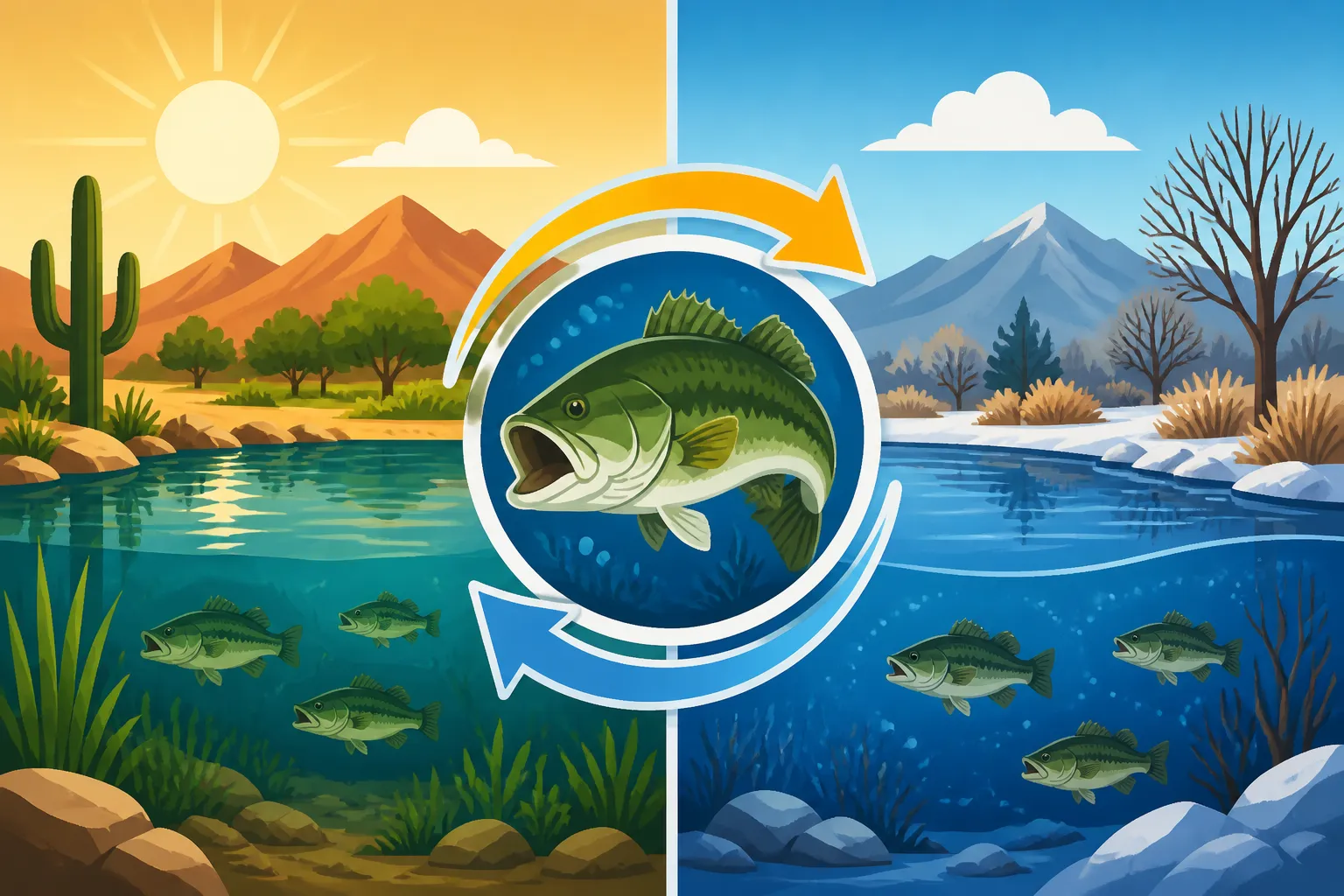
So, back to the big question: are community ponds stocked year-round in Arizona? The answer, for the most part, is no, not for all species. The stocking efforts are primarily seasonal, driven by the unique climate of Arizona and the specific temperature requirements of the fish being stocked. You wouldn't put a cold-water fish like trout into scorching hot desert water in July and expect it to thrive, right?
The AZGFD strategically rotates the types of fish stocked based on the ambient air and water temperatures. This means that while fish are present in the ponds year-round, the type of fish being introduced changes with the seasons. It’s a smart approach that maximizes the survival rates of the stocked fish and provides diverse angling opportunities throughout the year. Understanding this seasonal rotation is key to knowing what you're likely to catch at any given time.
Trout Stocking: The Cold-Water Season
When it comes to trout, Arizona's community ponds are definitely not stocked year-round. Rainbow trout are a cold-water species, meaning they thrive in cooler water temperatures. In Arizona's desert climate, this typically limits trout stocking to the cooler months of the year, usually from November through March or April. During these months, the water temperatures in community ponds drop sufficiently for trout to survive and provide excellent angling opportunities.
During this "trout season," the AZGFD frequently stocks these ponds, often on a weekly or bi-weekly basis. This makes for fantastic fishing, especially for families and beginners who want to experience the thrill of catching a feisty trout. These stockings are usually well-publicized by the AZGFD, so anglers can plan their trips accordingly. Once the desert heat starts to climb in late spring, around May, the water temperatures become too warm for trout to survive, and stocking of this species ceases until the fall. If you're looking for trout, you'll need to pay close attention to the Trout Stocking Frequency at Urban Lakes in Arizona.
Warm-Water Species: Bass, Catfish, and Panfish
While trout are a seasonal offering, other species like catfish, bass, and various panfish (bluegill, sunfish) are present in these ponds year-round. However, their stocking schedules are different from trout.
- Catfish: Channel catfish are incredibly resilient and tolerate warmer water much better than trout. The AZGFD typically stocks catfish more frequently during the warmer months, from April/May through October. These stockings might not be as frequent as trout during their peak season, but they are designed to maintain healthy populations for anglers throughout the desert summer. Catfish are also often stocked in the fall and spring, making them a consistent target.
- Bass and Panfish: Largemouth bass, bluegill, and other sunfish species are generally established populations within these community ponds. They are often self-sustaining through natural reproduction. While the AZGFD might occasionally supplement these populations with additional stockings, it's not on the same regular, frequent schedule as trout or even catfish. These species thrive in the warmer Arizona waters and provide year-round angling, though their activity levels will fluctuate with water temperature. You can often target them with success using Best Baits and Lures for Arizona Fishing methods.
Therefore, while trout stocking is strictly seasonal, you can find active populations of bass, catfish, and panfish in these ponds throughout the entire year, though their abundance might be bolstered by stocking more intensely in certain seasons for specific species.
Factors Influencing Stocking Decisions
The AZGFD's stocking decisions are a complex blend of science, logistics, and public demand. It's not just about "throwing fish in a pond." Several key factors play into their strategic planning:
- Water Temperature: This is perhaps the most critical factor, as highlighted with trout. Each species has an optimal temperature range for survival and activity. Stocking outside these ranges would lead to high mortality and wasted resources. This is why you won't see trout in July or a major catfish dump in January.
- Dissolved Oxygen Levels: Healthy fish need adequate oxygen in the water. Warmer water holds less dissolved oxygen, which can stress fish, especially in smaller, shallower ponds. The AZGFD monitors these levels to ensure conditions are suitable for stocking and fish survival.
- Angler Pressure: Community ponds are popular! High angler pressure means fish are caught and removed regularly, necessitating consistent stocking to maintain a catchable population. The more people fishing, the more often the AZGFD needs to replenish.
- Budget and Resources: Stocking fish is an expensive endeavor, involving raising fish in hatcheries, transportation, and labor. The AZGFD operates within a budget, which influences the frequency and quantity of stockings.
- Fish Availability: The number of fish available from state hatcheries also dictates stocking schedules. Sometimes, factors like disease outbreaks or facility maintenance can affect the supply of fish.
- Water Levels and Quality: Drought conditions or significant rainfall can impact pond levels and water quality, influencing when and if stocking can occur. Poor water quality can stress fish and lead to fish kills, making stocking counterproductive.
These factors combine to create a dynamic stocking schedule, proving it's far from a simple, year-round "on" switch. It requires constant monitoring and adjustment by the AZGFD.
How to Stay Informed About Stocking Schedules
For eager anglers, knowing when and where fish are being stocked is like having a secret weapon. Fortunately, the AZGFD makes it relatively easy to stay in the loop, ensuring you don't miss out on prime fishing opportunities at your favorite urban spots. Don't rely on guesswork; use the resources available to you!
One of the best ways to ensure a successful trip, especially if you're traveling, is to check current conditions. Online resources like FishingBooker can sometimes provide insights into recent catches and conditions at specific community lakes, which can indirectly tell you if the fishing has been good following a stocking. A quick check before you head out can save you time and maximize your chances of a rewarding day.
Official AZGFD Resources
The Arizona Game and Fish Department is your absolute best source for up-to-date stocking information. They are highly transparent with their schedules, as it's part of their mission to encourage public participation in fishing.
- Online Stocking Schedule Page: The AZGFD maintains a dedicated "Fish Stocking Schedule" page on their official website. This page is updated regularly, often weekly, listing the species, locations, and approximate dates of upcoming stockings for both community ponds and larger lakes. This is usually the first place I check before planning a trip to a community lake.
- Weekly Fishing Report: Beyond just stocking, the AZGFD also publishes a weekly fishing report. This report provides broader information about fishing conditions across the state, including specific updates on how the community ponds are performing. It’s a great read to get a general overview and sometimes includes tips for different species.
- Social Media: Follow the AZGFD on their social media channels (Facebook, Twitter, etc.). They often post real-time updates, photos, and announcements about recent stockings, especially for popular community lakes. This can be a very immediate way to get intel.
- Email Newsletters: Sign up for their email newsletters. You'll receive updates directly in your inbox, ensuring you don't miss critical information about stocking or other fishing news.
By utilizing these official channels, you'll always have the most accurate and timely information at your fingertips, helping you target the best days to visit for freshly stocked fish.
Local Bait Shops and Fishing Communities
Beyond the official channels, there's a wealth of localized knowledge to tap into. Local bait and tackle shops are often ground zero for community fishing information. The folks who run these shops are usually passionate anglers themselves and interact daily with other fishermen. They often know exactly when the trucks arrive or hear anecdotal reports of recent catches.
- Bait Shops: Make friends with the staff at your local bait shop. They're a treasure trove of information. They often hear directly from the AZGFD or from anglers who just came off the water. They can tell you what bait is working best, what species are biting, and often have a good idea of recent stocking activity. For example, if you're fishing a specific urban lake near Phoenix, a local shop will often have the scoop on which Community Lake Locations in Phoenix are producing.
- Online Fishing Forums and Groups: Arizona has active online fishing communities, including forums and Facebook groups dedicated to local angling. These groups are excellent places to ask questions, share tips, and get real-time reports from other anglers. Someone might have just come from the pond you're planning to visit and can give you an immediate update.
- On-Site Conversations: Don't be shy! When you're at a community pond, strike up a conversation with other anglers. Most fishermen are happy to share information, especially about what they're catching and what's been working. You might learn about a recent stocking you missed or a hot new bait.
By combining official AZGFD resources with local intelligence, you'll be one of the most informed anglers on the water, greatly increasing your chances of a successful day at a community pond.
Maximizing Your Catch at Community Ponds Beyond Stocking
While knowing the stocking schedule is fantastic, it's just one piece of the puzzle. To truly maximize your success at community ponds, you need to think beyond just when the fish are fresh from the hatchery. These smaller bodies of water have their own nuances, and understanding them can help you catch fish even on days when there hasn't been a recent stocking.
Many anglers use services like FishingBooker to find guides for larger lakes, but the principles of understanding fish behavior apply universally. Even in a small community pond, knowing about fish habits, structure, and proper presentation can make all the difference. Think about what fish eat naturally and how they react to changes in weather or light.
Targeting Different Species
Community ponds are often miniature ecosystems, hosting a variety of fish. Don't get tunnel vision for just one species!
- For Trout (Cold Season): When trout are being stocked, they are often aggressive and eager to bite. Small inline spinners (like Panther Martins or Mepps), PowerBait in various colors (chartreuse, rainbow), and small worms under a bobber are highly effective. Focus on areas where they've just been released or where there's a bit more depth. Remember that trout are often cruising the open water or hugging the bottom. These fish are typically stockers and aren't overly shy, making them great for Best Spots for Beginners at Community Lakes.
- For Catfish (Warm Season & Year-Round): Catfish are bottom feeders and have an excellent sense of smell. Stink baits, hot dogs, chicken livers, and even small pieces of shrimp are fantastic baits. Fish them directly on the bottom using a slip sinker rig. Catfish are often more active in the evenings and at night, especially during the warmer months. Look for them in deeper holes or near any submerged structure.
- For Bass (Year-Round): Largemouth bass in community ponds can be surprisingly challenging but rewarding. They often relate to any available structure—weeds, submerged brush, rock piles, or even dock pilings. Spinnerbaits, small crankbaits, plastic worms (Texas rigged or wacky rigged), and topwater lures during low light conditions can entice a bite. Early mornings and late evenings are often the best times. You can often catch multiple species in one trip at a community pond.
- For Panfish (Year-Round): Bluegill, sunfish, and crappie are perfect for kids and adults looking for consistent action. Small hooks, tiny bits of worm, crickets, bread, or even corn under a bobber work wonders. Target areas with some weed cover or near shorelines where they might be seeking shelter or food. They're often abundant and readily available.
Understanding each species' preferences will help you adapt your approach and improve your catch rate significantly. It's a great way to explore Fish Species Guide for Arizona Lakes even on a smaller scale.
Best Times and Techniques for Community Ponds
Fishing community ponds isn't just about what you use, but how and when you use it. These smaller, often heavily pressured waters require a bit of finesse and strategy.
- Early Mornings and Late Evenings: These are almost universally the best times to fish, regardless of the species or season. Fish are often more active during low light conditions, feeding more aggressively and feeling less pressured by human activity. The cooler temperatures are also more comfortable for both you and the fish, especially in Arizona's heat.
- Target Structure: Even in a seemingly featureless pond, fish will gravitate towards any form of structure. This could be a rocky bank, a submerged pipe, a clump of weeds, a shaded area under a tree, or the outflow from a fountain. These spots offer cover from predators, ambush points for feeding, and cooler water.
- Go Light: Because these ponds are often clear and heavily fished, fish can be wary. Using lighter line (4-6 lb test for trout/panfish, 8-10 lb for bass/catfish) and smaller baits can make a big difference. Light tackle also makes fighting even small fish more exciting.
- Vary Your Retrieve: Don't just cast and reel in at a steady pace. Experiment with different retrieve speeds, pauses, and jerks. Sometimes a subtle twitch is all it takes to trigger a strike, especially from cautious bass or crappie.
- Stealth and Observation: Approach the water quietly, especially if you're targeting easily spooked fish like trout or bass. Observe the water for any signs of fish activity – splashes, ripples, or even visible fish cruising. These observations can tell you where to cast and what they might be feeding on.
- Check Local Regulations: Always be aware of the specific Arizona Fishing Regulations Explained for the community pond you're visiting. Bag limits, size restrictions, and bait restrictions can vary. The Arizona Fishing Regulations Booklet Where to Find It is available online and at license dealers.
By integrating these tactics, you'll be well on your way to consistent success at Arizona's community fishing ponds, making every trip a potential adventure, not just a shot in the dark.
Stocking Overview for Arizona Community Ponds
To give you a clearer picture of what to expect, here's a table summarizing the general stocking approach for common species in Arizona's Community Fishing Program.
| Fish Species | Primary Stocking Season | Frequency of Stocking (General) | Target Water Temperature Range | Best Months to Target | Common Baits/Lures |
|---|---|---|---|---|---|
| Rainbow Trout | Cold Season (Winter) | Weekly to Bi-weekly | 45-65°F | November – April | PowerBait, Worms, Small Spinners |
| Channel Catfish | Warm Season & Transition | Monthly to Bi-monthly | 65-85°F | April – October | Stink Baits, Chicken Liver, Hot Dogs |
| Largemouth Bass | Established Population | Occasional (supplemental) | 60-80°F | Year-Round (peak Spring/Fall) | Plastic Worms, Crankbaits, Spinnerbaits |
| Bluegill/Sunfish | Established Population | Occasional (supplemental) | 60-85°F | Year-Round (peak Spring/Summer) | Worm Pieces, Crickets, Bread, Small Jigs |
This table should help you quickly identify the best times to target your preferred species and plan your outings accordingly.
Conclusion
So, to answer the burning question: no, community ponds in Arizona are not uniformly stocked year-round with all species. The stocking strategy is smart and seasonal, primarily focusing on trout during the cooler months and supplementing catfish populations during the warmer ones, while bass and panfish largely sustain themselves. Understanding these patterns, combined with smart angling techniques and utilizing resources like the AZGFD's online schedules or insights from FishingBooker, will significantly boost your success. Get out there, enjoy the incredible urban fishing opportunities Arizona offers, and remember that even a quick trip to a local pond can lead to some unforgettable catches!
Disclaimer
Fishing conditions and regulations in Arizona can change. Always consult the latest Arizona Game and Fish Department (AZGFD) regulations and stocking schedules before heading out. This guide is for informational purposes only and should not replace official AZGFD resources.