Bass Fishing Near Flagstaff
Many anglers coming to Arizona, especially those heading north, assume the cooler temperatures around Flagstaff mean it's only prime trout country. But if you've been overlooking the fantastic bass fishing opportunities nestled in the high country, you're missing out! This comprehensive guide is here to shed light on how and where to successfully target bass in the picturesque lakes surrounding Flagstaff, helping you land some impressive catches in a truly unique Arizona setting.
Understanding Flagstaff's Bass Waters
Fishing for bass in the high-elevation areas near Flagstaff offers a distinctly different experience compared to the warmer desert lakes down south. The unique climate and ecosystem here directly influence fish behavior, growth, and where you'll find them. It's crucial to understand these nuances to maximize your chances of success.
The Unique Challenges of High-Elevation Bass Fishing
Flagstaff's elevation, sitting at around 7,000 feet, brings cooler water temperatures and a significantly shorter growing season for fish compared to the sprawling desert reservoirs like Lake Pleasant or Roosevelt Lake. This means you shouldn't necessarily expect to pull out the massive trophy bass that Arizona's warmer waters are famous for. However, what these high-country bass might lack in sheer size, they more than make up for in their vibrant health, strong fighting spirit, and the stunning, pine-scented backdrop of your fishing adventure. The cooler water also dictates their activity levels; they won't be as consistently active year-round as bass in warmer climates, making seasonal timing a critical factor.
The atmospheric conditions themselves present a different kind of challenge. The lower oxygen levels at higher altitudes can subtly affect both anglers and fish. You might notice yourself getting a bit more winded after a strenuous cast or a hike to a secluded spot. For the fish, certain species are more sensitive to these conditions, though bass tend to be quite adaptable. Perhaps more impactful is the notoriously fickle mountain weather. A beautiful, calm morning can rapidly give way to strong winds, sudden thunderstorms, or even hail, especially during Arizona's monsoon season. Always pack layers, waterproof gear, and be ready to adapt to sudden shifts. Safety should always be your top priority when enjoying the outdoors.
Water clarity also plays a significant role in these lakes. Many of Flagstaff's fishing spots are spring-fed or rely heavily on snowmelt and seasonal rainfall, which can lead to considerable variations in water transparency. After heavy rains, a lake might become stained or even muddy, drastically changing how bass perceive and react to your lures. In clearer waters, a more subtle approach with natural bait colors and refined presentations is often the ticket. Conversely, stained water might call for louder, more vibrant lures or those that create significant vibration to attract attention. Taking a moment to assess the water conditions before you even wet a line can provide valuable clues for your approach.
Key Bass Species in Northern Arizona
While Arizona boasts a wide array of fish species across its diverse habitats, the Flagstaff area is primarily home to two of the most popular sportfish: largemouth bass and smallmouth bass. Each species has its preferred haunts and habits, and knowing the difference can help you refine your strategy significantly.
Largemouth bass are the classic ambush predators, and in the high-country lakes, they behave much as they do elsewhere. They typically favor the shallower, warmer sections of the lake, congregating around areas with abundant cover such as submerged vegetation, fallen trees, brush piles, and rocky outcroppings. If you're targeting largemouths, focus your efforts on these types of structures where they can lie in wait for unsuspecting prey. These fish are known for their explosive strikes and dramatic aerial displays, often leaping clear out of the water once hooked, which makes for an incredibly exciting fight.
Smallmouth bass, often referred to as "bronze backs," are a different breed entirely. They thrive in cooler, clearer waters and have a strong affinity for rocky environments. Look for them around points, steep drop-offs, gravel beds, and along rocky shorelines or canyon walls. Smallmouth are less prone to jumping but are renowned for their powerful, bulldog-like runs and relentless fighting spirit, often diving deep and using structure to their advantage. In some of the Flagstaff lakes, you might encounter both largemouth and smallmouth, but their distinct habitat preferences usually mean you'll find them in different parts of the same body of water. For a detailed comparison, our Largemouth vs Smallmouth Bass Identification guide can be incredibly helpful.
It's particularly important to remember that the bass populations in these cooler, higher-elevation lakes are often more susceptible to fishing pressure than their counterparts in Arizona's massive desert reservoirs. Their slower growth rates mean it takes longer for them to reach maturity and replenish their numbers. Because of this, practicing responsible catch and release is not just a suggestion; it's a vital part of conserving these unique fisheries. Many dedicated anglers choose to release all the bass they catch in these areas, ensuring that these beautiful and feisty fish remain abundant for future generations to enjoy. If you're thinking about regulations, our Arizona Fishing Regulations Explained article covers the basics you'll need to know.
Top Bass Fishing Lakes Near Flagstaff
When it comes to bass fishing near Flagstaff, you're not going to find the vast expanses of Lake Powell or Lake Havasu, but what you will discover are charming, often serene lakes nestled in the Coconino National Forest, offering fantastic opportunities for both largemouth and smallmouth bass.
Lake Mary (Upper and Lower)
Lake Mary, often considered the crown jewel of Flagstaff's fishing scene, is actually comprised of two distinct bodies of water: Upper Lake Mary and Lower Lake Mary. While both offer angling opportunities, they cater to different experiences. Upper Lake Mary is the larger of the two, an expansive reservoir that can feel quite substantial for a mountain lake. It's an excellent spot for largemouth bass, especially in areas with submerged timber, rock piles, and points that drop off into deeper water. Early mornings and late evenings during the warmer months are prime times here. The key to success often involves covering water, especially if you're in a boat or kayak. You'll want to target the structures mentioned earlier, perhaps using crankbaits or spinnerbaits to locate active fish, then slowing down with plastics or jigs once you find a promising area.
Lower Lake Mary, while smaller and shallower, can be a hidden gem for bass, particularly largemouth. Its depth can fluctuate significantly, sometimes even drying up in drought years, so it's always wise to check current conditions before planning a trip. When it has sufficient water, the shallower, weedy banks and limited open water create excellent habitat for bass to ambush prey. You might find success here with topwater lures in the early morning or late evening, or by working Texas-rigged worms and jigs through the weeds and along the bottom during the day. Access is generally easier for shore anglers at Lower Lake Mary, making it a great option if you're not launching a boat. For more in-depth information, our dedicated Lake Mary Fishing Guide Near Flagstaff, Arizona offers a wealth of tips and tricks.
One of the great things about Lake Mary is its accessibility. You can find several boat ramps, and plenty of shoreline access points for bank fishing. However, during peak seasons, it can get quite busy with recreational boaters and other anglers. If you're looking to book a guided trip to explore these waters, especially if you're new to the area, services like FishingBooker can help you find experienced local guides who know the ins and outs of Upper and Lower Lake Mary. They can save you valuable time by putting you on the fish quickly. Remember that a valid Arizona Fishing License Guide is required for all anglers 10 years and older.
Ashurst Lake
Ashurst Lake, located east of Flagstaff, is another fantastic option for bass anglers, though it’s perhaps more widely known for its trout. Don't let that deter you, as it holds a healthy population of largemouth bass that can be incredibly fun to target. Ashurst is a picturesque lake, often less crowded than Upper Lake Mary, offering a more serene fishing experience. The lake features good submerged structure, including rocky points and scattered weeds, which are prime hiding spots for bass.
Fishing Ashurst for bass often involves a similar strategy to Lower Lake Mary, focusing on the available cover. Because the lake is generally shallower than Upper Lake Mary, bass can be found throughout, but focusing on the areas where structure transitions into deeper water is often productive. Spinnerbaits, chatterbaits, and soft plastics rigged weedless are excellent choices for working through the scattered vegetation. Live bait, like minnows or worms, can also be very effective, especially if you're introducing kids to fishing.
Ashurst Lake also provides several campgrounds and primitive camping spots, making it an ideal destination for a weekend fishing trip where you can truly immerse yourself in the natural beauty of the region. Being able to wake up, cast a line, and watch the sunrise over the water is an experience that's hard to beat. Just be aware that like many high-elevation lakes, ice cover can restrict fishing during winter months, so plan your trip according to the seasons. Our guide on When to Fish Arizona Lakes by Month can help you determine the best time to visit.
Marshall Lake (Seasonal)
Marshall Lake is perhaps the most "seasonal" of Flagstaff's bass fishing spots. This lake is entirely rain-fed, meaning its water levels fluctuate dramatically and it can, unfortunately, be completely dry during periods of low rainfall or prolonged drought. However, when Marshall Lake is full, it transforms into an incredible bass fishery, particularly for largemouth.
When the water is up, Marshall Lake becomes a haven for bass, offering extensive shallow-water cover from submerged grasses and brush. It's often considered a "power fishing" lake due to its heavy cover, meaning techniques that allow you to cover water quickly and aggressively are often successful. Topwater frogs, weedless jigs, and heavy Texas-rigged soft plastics are prime choices for punching through or working over the dense vegetation. The bass here, when the lake is healthy, can be quite aggressive and provide thrilling strikes.
Because of its unpredictable water levels, it is absolutely essential to check current conditions with the Arizona Game and Fish Department (AZGFD) before making the drive to Marshall Lake. This is not a lake you want to show up to sight unseen, especially if you're relying on boat access. When it is fishable, however, Marshall Lake offers a wild and rewarding experience for those who time it right, truly exemplifying the unique character of Best Fishing Lakes in Arizona.
Essential Techniques and Tackle for Flagstaff Bass
Success in Flagstaff's bass waters often hinges on adapting your strategies to the unique conditions of these high-elevation lakes. Forget some of the tactics you might use in scorching desert heat; here, a more nuanced approach often pays off.
Adapting Your Approach to Cooler Waters
The cooler water temperatures in Flagstaff's lakes mean bass metabolisms are generally slower than in their desert counterparts. This translates to bass that may be less aggressive and less willing to chase a fast-moving lure over long distances. As such, slowing down your presentation is often key. Instead of rapidly retrieving a crankbait, try a more deliberate retrieve, perhaps incorporating pauses. For soft plastics, focus on crawling them along the bottom, mimicking a crayfish or a sluggish baitfish. A jig-and-pig presentation, worked slowly through structure, can be incredibly effective when bass are lethargic.
Another adaptation involves targeting deeper water and structure, especially during the colder months or in the middle of a hot summer day. While the surface might warm up, bass will often retreat to cooler, more stable temperatures found deeper, or within dense submerged cover. Using a fish finder to locate drop-offs, underwater humps, or submerged timber can significantly increase your chances. Vertical jigging or drop-shotting a finesse worm can be deadly when bass are hunkered down in deeper thermal refuges. Understanding Seasonal Movement Patterns of Arizona Bass is crucial for anticipating where they might be.
Finally, consider the concept of "matching the hatch." While not as pronounced as in trout streams, bass in these lakes feed on what's available. Crayfish are a common forage, as are various baitfish species. Pay attention to what you see around the lake, or even what fish might regurgitate if you're lucky enough to land one. Choosing lures that mimic the size, color, and action of the predominant bait can make a profound difference. Sometimes, a subtle change in lure color from bright chartreuse to a natural green pumpkin can turn a slow day into a productive one.
Go-To Baits and Lures
Building a versatile tackle box for Flagstaff bass fishing doesn't have to be complicated, but it should include a variety of lure types to cover different conditions and fish moods. Here are some essential baits and lures you'll want to have on hand:
- Soft Plastics: These are arguably the most versatile category. Texas-rigged worms, creature baits, and senkos are indispensable. For a Texas rig, use a bullet weight and a straight-shank worm hook. This setup is excellent for fishing around weeds, brush, and timber without snagging. Try natural colors like green pumpkin, watermelon red, or black and blue. You can also fish wacky-rigged senkos in open water or along weed edges for a more subtle, natural fall.
- Jigs: Both casting jigs and finesse jigs have a place here. Casting jigs, often paired with a craw-style trailer, are fantastic for mimicking crayfish and working through heavy cover. Finesse jigs, with lighter heads and smaller trailers, are perfect for targeting less active bass in clearer or deeper water. They provide a more delicate presentation that can entice bites when other lures fail.
- Spinnerbaits and Chatterbaits: When bass are more active or the water is slightly stained, these lures shine. Their flash and vibration can draw fish from a distance. Experiment with blade colors and sizes, but don't be afraid to slow-roll them in cooler water. Chatterbaits, with their distinct shimmy, are excellent for covering water and triggering reaction strikes, especially around submerged grass.
- Crankbaits: Medium-diving crankbaits in natural baitfish patterns or crayfish colors can be very effective, particularly around rocky points and transition areas. Again, a slower retrieve with occasional pauses will often outperform a fast, steady crank in these cooler waters. Lipless crankbaits can also be effective for covering broad areas of flats or around sparse vegetation.
- Topwater Lures: While not always productive in cooler water, during the warmer summer mornings and evenings, topwater action can be explosive. Frogs, poppers, and walking baits (like a Zara Spook) can draw incredible strikes, particularly in areas with lily pads or heavy cover. Make sure to have a few of these in your arsenal for those magical twilight hours.
Having a good selection of Best Baits and Lures for Arizona Fishing will certainly help you be prepared for whatever the Flagstaff lakes throw at you.
Seasonal Strategies for Success
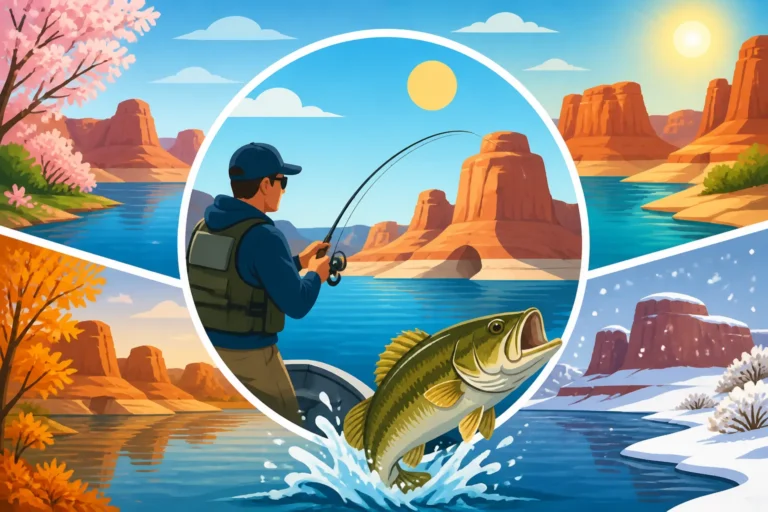
Understanding the seasonal patterns of bass in Flagstaff's lakes is paramount to consistent success. The distinct four seasons here each present unique opportunities and challenges.
Spring (Pre-spawn and Spawn): As the ice melts and water temperatures begin to rise (typically late April through June), bass move into shallower coves and flats, preparing to spawn. This is arguably the best time of year for trophy bass in these lakes. Focus on transition areas where bass move from deeper wintering grounds to shallower spawning beds. Jigs, spinnerbaits, and slow-rolled crankbaits can be highly effective during the pre-spawn. Once on beds, sight fishing with soft plastics or jigs can be productive, but practice extreme caution and quick release to protect the spawning fish. Remember, disturbed bass might abandon their nests.
Summer (Post-spawn and Summer Heat): Even in Flagstaff's cooler climate, summer brings warmer water, and bass will often transition to deeper, more oxygenated areas. Early mornings and late evenings will offer prime topwater action in shallower areas, especially around emergent vegetation. During the heat of the day, shift your focus to main lake points, submerged humps, rock piles, and drop-offs. Drop-shot rigs, deep-diving crankbaits, and heavy jigs fished slowly will get bites. FishingBooker can connect you with guides experienced in summer deep-water techniques for these specific lakes. Consider fishing at dawn or dusk when the sun is less intense.
Fall (Transition and Feeding Frenzy): As water temperatures start to drop in late summer and early fall, bass begin to feed aggressively, fattening up for winter. This can be another fantastic time to fish, as bass become more active and are willing to chase a wider variety of baits. Look for them moving back towards shallower points and flats, following schools of baitfish. Crankbaits, spinnerbaits, and chatterbaits become very effective for covering water and intercepting these actively feeding fish. The cooler air and brilliant fall foliage also make for a truly enjoyable day on the water.
Winter (Ice Fishing and Deep Water): Many of Flagstaff's lakes will freeze over in winter, offering opportunities for ice fishing, though bass are generally not the primary target during this time (trout and pike often are). If lakes remain ice-free, bass will be found in their deepest wintering holes, often becoming very lethargic. Finesse techniques like slow jigging with small spoons or blade baits, or vertically fishing drop-shot rigs, are your best bet. The bite will be subtle, and patience is key. Check for specific Arizona Fishing Season Dates and Limits to ensure you're compliant with any winter regulations or closures.
Planning Your Flagstaff Bass Fishing Trip
A successful fishing trip is often made before you even leave home. For bass fishing near Flagstaff, a bit of planning, especially regarding regulations and local services, can make all the difference.
Licenses, Regulations, and Local Knowledge
First and foremost, you will need a valid Arizona fishing license. Anyone aged 10 and older must possess one. There are various options available, from annual licenses to short-term, multi-day permits that can be perfect for visitors. You can purchase these online through the Arizona Game and Fish Department website, at authorized license dealers (like many sporting goods stores), or sometimes even at convenience stores near the lakes. Our comprehensive How to Buy an Arizona Fishing License guide walks you through the entire process.
Beyond the general license, it's crucial to be aware of Arizona's specific fishing regulations. While statewide limits apply, individual lakes can have special regulations regarding bag and possession limits, size restrictions, or even tackle restrictions. Always consult the current Arizona Game and Fish Department Fishing Regulations booklet before you head out. These are available online or at license dealers. For instance, specific waters might have catch-and-release only rules for certain species, or different daily limits for bass than the general statewide rule. Being informed prevents accidental violations and helps preserve the fishery. You can find more details in our Arizona Fishing Regulations Explained article.
Tapping into local knowledge can also be invaluable. Staff at local bait and tackle shops in Flagstaff are often treasure troves of information, providing up-to-the-minute reports on what's biting, what baits are working, and current lake conditions. Don't be shy about asking questions! Another excellent resource, especially for those unfamiliar with the waters, is hiring a local guide. Platforms like FishingBooker make it easy to find and book experienced fishing guides who specialize in the Flagstaff area. They can provide all the necessary gear, boat access, and most importantly, put you directly on the fish while teaching you the nuances of the local techniques. This can be especially beneficial if you're targeting specific species or trying new waters.
Accommodations and Local Amenities
Flagstaff is a vibrant city with a wide array of accommodations to suit every budget and preference. From cozy bed and breakfasts to major hotel chains and rustic cabins, you'll find plenty of options. Staying in Flagstaff proper gives you easy access to restaurants, gear shops, and other amenities, while still being a relatively short drive to the surrounding lakes. If you prefer to be closer to the action, there are often campgrounds and RV parks near the lakes themselves, such as those at Ashurst Lake or near Upper Lake Mary. These can offer a more immersive outdoor experience, allowing you to wake up just steps from your fishing spot.
For those planning to bring their own boat or kayak, Flagstaff and the surrounding areas have several sporting goods stores where you can pick up last-minute tackle, bait, or any forgotten gear. You'll also find gas stations and convenience stores along the routes to the lakes for essential supplies. If you're looking to rent a boat or kayak, some marinas on Upper Lake Mary offer rentals, providing a convenient way to get out on the water if you don't own your own vessel. It's always a good idea to call ahead and reserve any rentals, especially during peak seasons.
Lastly, remember that while you're focused on bass fishing, the Flagstaff area offers so much more to explore. From hiking and mountain biking trails to exploring historic Route 66 and the vibrant downtown, there's plenty to keep non-fishing companions entertained or to fill your time after a successful morning on the water. Planning for these extra activities can turn a fishing trip into a well-rounded outdoor adventure for everyone involved.
A Quick Overview of Flagstaff Bass Fishing
To help you quickly visualize the key aspects of bass fishing in the Flagstaff area, here's a table summarizing some important considerations:
| Feature/Aspect | Largemouth Bass | Smallmouth Bass | Key Lakes (Primary Bass Species) | Best Season | Recommended Lures | Special Considerations |
|---|---|---|---|---|---|---|
| Typical Habitat | Shallow, weedy cover, submerged timber, brush, structure | Rocky points, ledges, clear water, deeper structure | Upper Lake Mary (LMB) | Spring (Spawn) | Soft Plastics (Worms, Jigs, Craws) | Cooler water, slower metabolism, fragile populations. |
| Preferred Depth | 2-15 feet (seasonal) | 5-25 feet (seasonal) | Lower Lake Mary (LMB) | Fall (Feeding Frenzy) | Spinnerbaits, Chatterbaits | Check water levels for Marshall Lake. |
| Fighting Style | Jumps, thrashes | Powerful runs, deep dives | Ashurst Lake (LMB) | Early Summer / Late Fall | Crankbaits (Medium/Deep Divers) | Always check current AZGFD regulations. |
| Size Expectation | 1-3 lbs average; 4-5 lb possible | 1-2 lbs average; 3-4 lb possible | Marshall Lake (LMB – Seasonal) | Late Spring / Early Fall | Topwater (Frogs, Poppers, Walking Baits) | Catch and Release highly encouraged. |
| Water Clarity | Can tolerate stained water | Prefers clearer water | Drop-Shot Rigs (Finesse) | Weather can change rapidly, prepare for all conditions. | ||
| Forage | Crayfish, minnows, small fish, insects | Crayfish, minnows, insects |
Disclaimer
The information provided in this guide is for general informational purposes only and is subject to change. Always consult the official Arizona Game and Fish Department website or their current regulations booklet for the most up-to-date rules, licensing requirements, and specific lake conditions before planning your fishing trip. Fishing carries inherent risks, and adherence to all safety guidelines and regulations is the responsibility of the angler.