Best White Mountains Fishing Lakes in Arizona
Oh, the thought of fishing in Arizona often conjures up images of scorching desert sun, sprawling saguaros, and maybe a bass or two in a warm reservoir. And while those experiences are definitely a quintessential part of the Arizona angling scene, many folks don't realize the incredible contrast that exists in our state. If you've ever felt the disappointment of slow summer fishing on a hot desert lake or yearned for the crisp air and clear waters of a mountain stream, you're not alone. This guide is dedicated to bringing you the ultimate relief and excitement: a deep dive into the very best fishing lakes nestled high in Arizona's magnificent White Mountains, a true paradise for anyone looking to escape the heat and reel in some spectacular trout.
Why the White Mountains are an Angler's Dream Come True
For those of us who call Arizona home, the White Mountains are more than just a place; they're an escape. They offer a stark and beautiful contrast to the lower desert, providing a completely different fishing experience that can feel like a breath of fresh, cool air – literally. This region, often overlooked by those who only associate Arizona with cacti, is a treasure trove of high-altitude lakes and streams, teeming with fish species that thrive in cooler climes.
Unique High-Altitude Ecosystems
Imagine trading the shimmering heat waves of Phoenix for the cool, pine-scented breezes of a mountain forest. That's precisely what you get in the White Mountains. Perched at elevations often exceeding 7,000 feet, these lakes are fed by snowmelt and natural springs, maintaining much colder water temperatures than their desert counterparts. This cold, clean water creates ideal conditions for various trout species, which simply can't survive the brutal summers down below. It's a unique biome within our desert state, a vibrant green and blue oasis for both fish and frustrated anglers seeking a different kind of challenge and reward. You’re not just changing fishing spots; you’re entering an entirely different world where the air is thinner, the scenery is breathtaking, and the fish are feisty. It’s this very contrast that makes these waters so special and a true relief for anglers looking to diversify their Arizona fishing portfolio.
When you're accustomed to the warm, often murky waters of a desert reservoir, seeing crystal-clear mountain lakes where you can actually spot fish darting below the surface can be truly awe-inspiring. This clarity isn isn't just pretty; it offers a whole new dimension to fishing, especially for those who enjoy sight fishing or fly fishing. The cool temperatures also mean less recreational boat traffic in some areas, contributing to a more serene and focused angling experience. It's a place where you can truly connect with nature, listen to the whisper of the wind through the ponderosa pines, and feel the thrill of a hard-fighting trout on your line, all while knowing you're still in Arizona.
Abundant Stocking Programs
One of the biggest reasons the White Mountains are such a consistent producer for anglers is the tireless work of the Arizona Game and Fish Department (AZGFD). They understand the value of these cold-water fisheries and maintain robust stocking programs to ensure healthy fish populations. While some lakes naturally sustain trout, many are regularly stocked with rainbow trout, and sometimes even brook and brown trout, to supplement the native populations. This means you have an excellent chance of a successful outing, even if you're not a seasoned pro. The AZGFD goes to great lengths to provide diverse angling opportunities across the state, and their efforts in the White Mountains ensure that these remote, high-country lakes remain prime destinations.
These stocking efforts are particularly important because, while some native species like the Apache trout call these waters home, many of the fish we target don't reproduce naturally in all these lakes. The AZGFD's commitment ensures that when you make the trek up to places like Big Lake or Show Low Lake, you're not just hoping for a bite; you're casting into waters that are actively managed for your success and enjoyment. It’s comforting to know that the state is investing in these resources, making sure that your fishing trip is worthwhile. This consistent stocking also creates a dynamic environment where fish grow quickly, offering anglers the chance to catch larger, healthier specimens.
Escape the Desert Heat
Let's be real: Arizona summers are brutal. The thought of standing out on a boat under a relentless 110-degree sun, even for the most dedicated angler, can be daunting. The White Mountains offer the perfect antidote to this stifling heat. During the peak summer months, when desert lakes can feel like bathwater, temperatures in the mountains often hover in the comfortable 70s and 80s, making for a much more pleasant and extended day on the water. This shift in climate isn't just about comfort; it's about making fishing enjoyable again, allowing you to focus on the technique and the thrill of the catch rather than simply trying to survive the elements.
This elevation advantage means that while many Arizonans are hunkered down indoors with their air conditioning cranked, you could be out on a pristine mountain lake, enjoying the cool breeze and the sound of a jumping trout. It’s an opportunity to truly embrace the outdoor lifestyle without compromising on comfort or safety. For families, especially those with younger children, the cooler temperatures make a full day of fishing much more feasible and enjoyable. It also extends the fishing season for cold-water species, giving anglers more opportunities to target trout when they are most active. You might even find yourself reaching for a light jacket in July!
Essential Gear for White Mountains Fishing Adventures
Venturing into the White Mountains requires a bit of a shift in your tackle box and wardrobe compared to fishing the lower desert. The conditions are different, the target species often vary, and the mountain weather can be notoriously fickle. Being prepared with the right gear can make the difference between a frustrating day and a fantastic, memorable trip.
Rods, Reels, and Line for Mountain Lakes
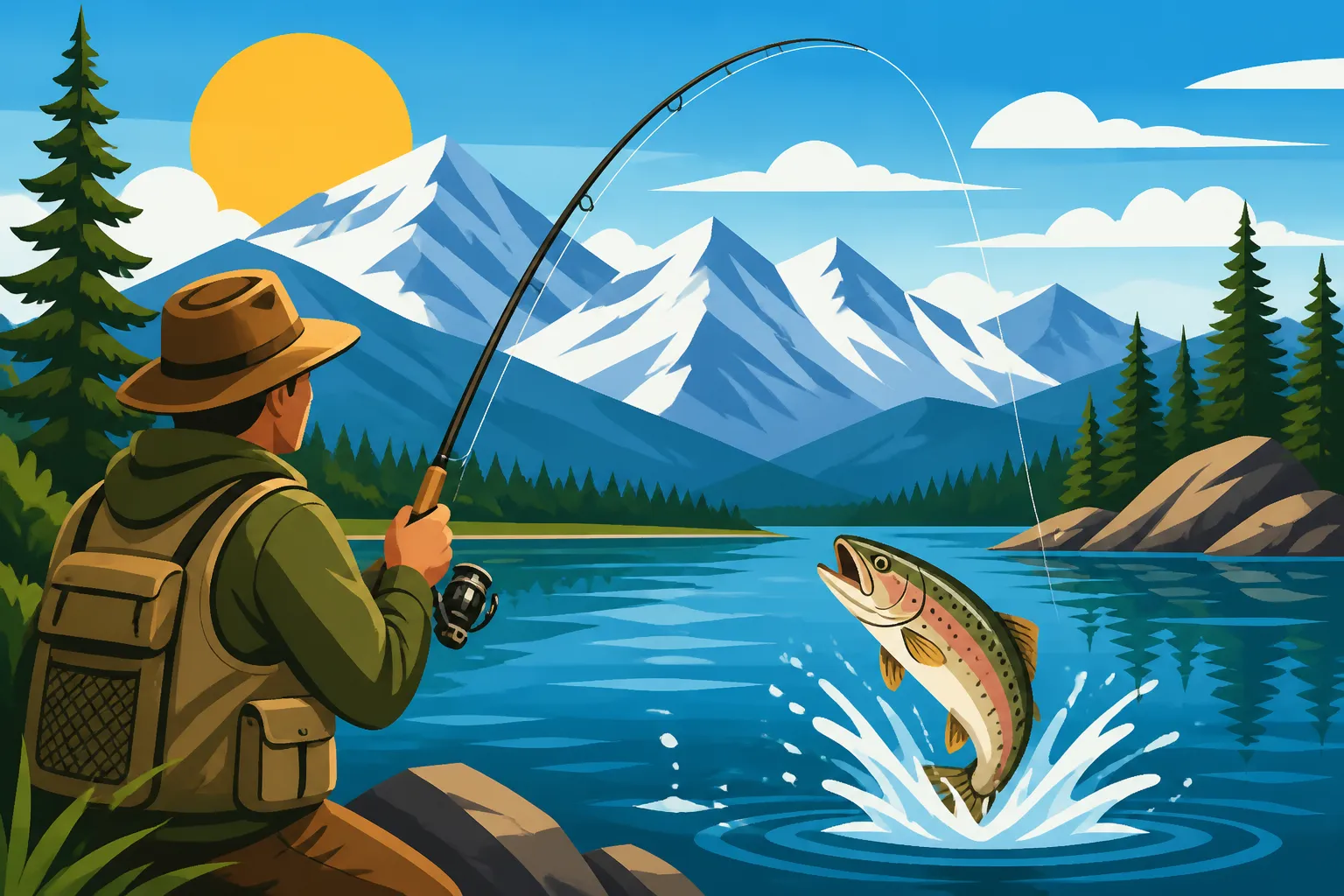
When you're targeting trout and other cold-water species in the White Mountains, finesse often trumps brute strength. You'll typically want a lighter setup than what you might use for largemouth bass in a desert reservoir. A light to medium-light spinning rod, somewhere in the 5'6" to 6'6" range, paired with a small spinning reel (size 1000-2500), is usually perfect. This combination allows for sensitive feel when detecting subtle bites and enough backbone to handle a good-sized trout. For line, 4-6 pound test monofilament or fluorocarbon is a great all-around choice. It's light enough for presentation but strong enough for most mountain lake fish. Some anglers prefer braided line with a fluorocarbon leader for added sensitivity and casting distance.
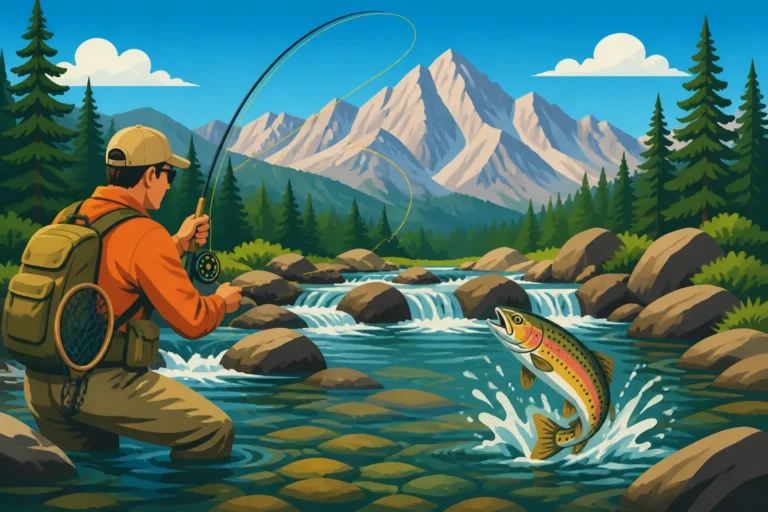
Fly fishing is also incredibly popular in these high-country lakes and streams, and for good reason. The clear waters and insect hatches provide excellent opportunities for this art form. A 3-weight to 5-weight fly rod, about 8 to 9 feet long, matched with a corresponding reel and floating fly line, is a versatile setup. You'll want an assortment of leaders and tippet in varying sizes (4x to 6x) to adapt to different conditions and fly patterns. Whether you're a seasoned fly angler or looking to try something new, the White Mountains offer an unparalleled setting for casting a fly. Knowing your equipment and matching it to the conditions will significantly improve your chances, and remember, these trout can be surprisingly strong fighters on light tackle, adding to the thrill.
Baits, Lures, and Flies that Produce
The fish in the White Mountains aren't always picky, but having a variety of offerings will definitely increase your success rate. For spin fishing, classic trout baits like powerbait (especially the neon-colored varieties), salmon eggs, and good old-fashioned nightcrawlers are consistent producers. Small inline spinners (like Rooster Tails or Mepps), tiny spoons (Kastmasters, Super Dupers), and micro jigs can also be incredibly effective, especially when fish are actively feeding. Often, matching the size and color to the natural forage or what's being stocked can make a huge difference. Don't be afraid to experiment with different retrieve speeds and depths until you find what the fish are keying in on.
If you're delving into fly fishing, a well-stocked fly box is your best friend. General patterns that mimic common aquatic insects, such as Prince Nymphs, Hare's Ear Nymphs, Pheasant Tail Nymphs, and Woolly Buggers (in various colors like black, olive, or brown), are essential. For surface activity, having some Elk Hair Caddis, Adams, and Parachute Adams on hand is crucial for when trout are rising to feed. Streamer patterns can also entice larger, more aggressive trout. Consulting with a local fly shop in towns like Pinetop-Lakeside or Greer before your trip can provide invaluable, up-to-the-minute advice on current hatches and productive patterns. This local knowledge is gold, as conditions can change rapidly in the mountains.
Weather-Appropriate Apparel and Safety
The White Mountains are known for their beautiful weather, but it can also be notoriously unpredictable. A sunny morning can quickly turn into a chilly, rainy, or even hail-filled afternoon. Layering is absolutely key. Start with a moisture-wicking base layer, add an insulating mid-layer (fleece or down), and top it off with a waterproof and windproof outer shell. Even in summer, evenings can get quite cool, so don't leave your warm jacket at home. Sturdy, waterproof hiking boots are a must, as you'll likely be navigating uneven terrain along the shorelines or trails. If you plan on wade fishing, neoprene waders are highly recommended for warmth and comfort in the cold mountain waters.
Beyond clothing, safety is paramount. Always carry plenty of water, even on cool days, as the higher elevation can lead to quicker dehydration. Sun protection is critical; the UV rays are more intense at altitude, so bring a wide-brimmed hat, polarized sunglasses, and high-SPF sunscreen. A basic first-aid kit, a map of the area, and a fully charged cell phone (though service can be spotty) are also essential. If you're heading into more remote areas, consider carrying a satellite communication device for emergencies. Always let someone know your itinerary and expected return time. Being prepared for anything will allow you to relax and fully enjoy the serene beauty of your White Mountains fishing adventure.
Top White Mountains Lakes for Trophy Trout and Consistent Action
The White Mountains boast a collection of truly exceptional fishing lakes, each with its own unique charm and angling opportunities. From expansive, boat-friendly waters to secluded fly-fishing havens, there's a spot for every type of angler. These lakes are celebrated for their natural beauty and, most importantly, their fantastic fishing.
Big Lake: The Crown Jewel
When you talk about fishing in the White Mountains, Big Lake almost always comes up first, and for good reason. Located at a breathtaking 9,000 feet, it's one of Arizona's largest and most popular high-elevation lakes. Anglers flock here for the chance to catch a variety of trout, including rainbow, brook, cutthroat, and even the native Apache trout, which is a rare and exciting catch. The lake's cold, deep waters provide an excellent habitat for these species, allowing them to grow to impressive sizes. It’s not uncommon to hear tales of trophy-sized rainbows being pulled from Big Lake, making it a bucket-list destination for many.
Access to Big Lake is generally good, with several boat ramps available for those who prefer to fish from a vessel. If you don't have your own boat, rentals are often available at the local marina. For shore anglers, there are numerous accessible points around the lake, though some areas may require a bit of a hike. Popular techniques here include trolling with spoons or flies from a boat, casting spinners or powerbait from the shore, or fly fishing the inlets and outlets during hatches. The sheer size and diverse structure of Big Lake mean there's always a new spot to explore and a new challenge to tackle. For more specific insights, check out our guide on Rainbow Trout Fishing at Big Lake. This lake truly embodies the majesty and angling potential of the White Mountains.
Show Low Lake: Family-Friendly Hotspot
Nestled just outside the town of Show Low, this lake offers a fantastic, easily accessible fishing experience that's perfect for families and anglers looking for convenience. While it might not have the high-altitude seclusion of some other White Mountains lakes, Show Low Lake makes up for it with consistent stocking and a welcoming atmosphere. Rainbow trout are the primary target here, regularly stocked by the AZGFD, ensuring that even novice anglers have a good chance of success. But it's not just trout; you can also find largemouth bass and even walleye in its waters, offering a diverse fishing experience.
Show Low Lake features a paved boat ramp, making it easy to launch your boat, and boat rentals are typically available for those without their own. The shoreline offers ample opportunities for bank fishing, with several picnic areas and facilities nearby, making it ideal for a full day out with the family. Kids especially love catching the abundant rainbow trout from the shore with simple setups using powerbait or worms. The lake's proximity to town means easy access to bait shops, restaurants, and other amenities. It’s a great option for a less rugged, more comfortable fishing trip, proving that mountain fishing doesn't always have to be a wilderness expedition. To learn more about targeting trout specifically, take a look at our Rainbow Trout Fishing at Show Low Lake guide.
Hawley Lake: A Hidden Gem
For those willing to venture a bit further, Hawley Lake offers a truly unique and serene fishing experience on the White Mountain Apache Reservation. Located at a stunning 8,200 feet, this lake is renowned for its pristine waters and trophy-sized trout, including rainbow, brook, and the elusive Apache trout. Because it's on tribal land, anglers need to purchase a special tribal fishing permit in addition to their state license. While this might seem like an extra step, it contributes to the excellent management and conservation of these precious waters, making the effort well worth it for the incredible fishing and unspoiled beauty. Understanding Tribal Land Fishing Permits in Arizona is essential before you plan your visit.
The reward for obtaining the necessary permits and making the journey to Hawley Lake is often exceptional. The lake's deep, clear waters are perfect for fly fishing, offering sight-fishing opportunities that are hard to beat. Trolling with lures or bait fishing from shore are also popular and productive methods. The surrounding forested landscape is breathtaking, providing a tranquil backdrop for your angling pursuits. This isn't just a fishing trip; it's an immersion into a beautiful, culturally rich environment. Remember to respect tribal regulations and the natural environment at all times, as this ensures these resources remain available for future generations of anglers. For details on where to acquire such permits, our guide on Where to Buy a San Carlos Apache Fishing Permit offers useful information, even if it's for a different tribal lake, the process is similar.
Other Notable White Mountains Fishing Destinations
While Big Lake, Show Low Lake, and Hawley Lake are perhaps the most famous, the White Mountains are dotted with many other fantastic fishing spots, each offering its own unique flavor of high-country angling. Don't limit yourself; explore these other gems for diverse experiences and less crowded waters.
Crescent Lake: High-Altitude Tranquility
Just a stone's throw from Big Lake, Crescent Lake offers a distinct experience, particularly favored by fly anglers seeking solitude and healthy trout. Situated at a similar elevation, its cold, clear waters are primarily managed for rainbow and brook trout. What often sets Crescent Lake apart are its specific regulations designed to enhance the fly-fishing experience and protect its delicate ecosystem. Often, motorized boats are restricted or limited to very low speeds, which significantly reduces noise and wake, creating a truly peaceful environment for wading and float tubing.
This focus on quiet recreation makes Crescent Lake an ideal spot for those who want to escape the hustle and bustle and immerse themselves fully in the art of fly casting. The lake's calm surface often mirrors the surrounding pines, creating postcard-perfect scenery. Shore access is plentiful, offering various casting positions, while a float tube or kayak allows you to explore deeper waters and structure. The serene atmosphere, combined with the chance to hook into some robust trout, makes Crescent Lake a cherished spot for many anglers who appreciate tranquility alongside their fishing.
Reservation Lake: Large and Diverse
Another magnificent body of water located on the Fort Apache Indian Reservation, Reservation Lake is one of the larger high-country lakes, offering a wide array of fishing opportunities. Like Hawley Lake, you'll need a tribal fishing permit in addition to your state license to fish here. The lake is well-known for its impressive populations of rainbow, brook, and Apache trout, but it also holds largemouth bass and channel catfish, providing a truly diverse angling experience. This versatility means you can switch tactics and target different species throughout the day, depending on what's biting.
Reservation Lake's expansive size and varied depths mean there's plenty of water to explore, whether you're trolling from a boat, casting from the shoreline, or seeking out secluded coves in a kayak. Its relatively undeveloped shores contribute to a wilder, more remote feel, making it an excellent choice for those looking for a true wilderness fishing adventure. There are usually camping facilities nearby, allowing for multi-day trips to fully explore all the lake has to offer. The chance to catch multiple species, from a hard-fighting trout to a robust bass, makes Reservation Lake a compelling choice for any angler.
Sunrise Lake: Scenic Beauty and Good Fishing
Located near the Sunrise Park Resort, Sunrise Lake is a truly picturesque fishing destination that combines natural beauty with accessible angling. This high-altitude lake, also situated on the Fort Apache Indian Reservation, is another spot where you'll need a tribal fishing permit. It's primarily managed for rainbow and brook trout, with regular stocking ensuring good catch rates, especially during the spring and summer months. The backdrop of the ski resort and surrounding pine forests makes for a stunning setting, offering ample photo opportunities alongside your fishing success.
Sunrise Lake is quite accessible, with easy parking and shoreline access in many areas. While it might be smaller than some of its counterparts, its consistent stocking and beautiful scenery make it a popular choice. It's particularly appealing for those staying at the resort or exploring the nearby recreational activities, offering a convenient way to enjoy some mountain fishing. Whether you're casting powerbait from the bank or trying your hand at fly fishing, Sunrise Lake provides a rewarding experience in a breathtaking environment. Always remember to check current tribal regulations and stocking schedules to maximize your chances here.
Strategic Planning for Your White Mountains Fishing Trip
A successful fishing trip to the White Mountains isn't just about showing up with a rod and reel; it requires a bit of planning, especially if you're traveling from the lower desert. Understanding the best times to go, what permits you need, and where to lay your head down at night can significantly enhance your experience.
Best Time to Visit and Seasonal Considerations
The White Mountains offer fantastic fishing almost year-round, but each season presents different opportunities and challenges.
Spring (April – June): This is often considered prime time. As the snow melts and waters warm slightly, trout become very active, feeding aggressively after the long winter. Stocking efforts are typically in full swing, leading to high catch rates. However, be prepared for variable weather; spring storms are common, and water levels can be high from snowmelt. It's a beautiful time, with fresh green growth and active wildlife, but layers are essential.
Summer (July – August): The ultimate escape from the desert heat. While trout might move to deeper, cooler waters during the hottest part of the day, early mornings and late evenings can be incredibly productive. Monsoon season, typically from July to September, can bring sudden thunderstorms, which can be dangerous on the water. However, post-rain fishing can be fantastic as cooler temperatures and stirred-up nutrients invigorate the fish. While less common in the White Mountains, our guide on Does Lake Mary Freeze in Winter? provides insights into winter fishing for trout if you ever consider other cold weather destinations.
Fall (September – October): Another fantastic season. The crowds thin out, the weather is usually stable and crisp, and the fall foliage is spectacular. Trout remain active, feeding heavily in preparation for winter. This is often when some of the biggest fish are caught as they bulk up. Fishing can be excellent throughout the day.
Winter (November – March): Many of the smaller lakes may freeze over, offering ice fishing opportunities for the adventurous angler (always check ice safety conditions!). Larger, deeper lakes might remain open but with slower fishing as trout become lethargic. Snow-covered landscapes offer stunning beauty, but road access can be challenging. Always check current conditions and road closures before heading out.
No matter the season, checking the AZGFD stocking schedule is a smart move, as fresh stockings can significantly boost your chances of success.
Obtaining Licenses and Permits
This is perhaps the most crucial step before heading to the White Mountains. Every angler over the age of 10 needs an Arizona fishing license to fish in public waters. You can purchase these online through the AZGFD website, at many sporting goods stores like Cabela's or Bass Pro Shops, or even at some local bait and tackle shops in mountain towns. Understanding the various options, from annual licenses to short-term versions, is key. Our comprehensive Arizona Fishing License Guide can walk you through the process, and for a detailed breakdown of costs, refer to our Arizona Fishing License Costs article.
If you plan to fish on tribal lands, such as Hawley Lake, Reservation Lake, or Sunrise Lake, you will need to purchase an additional tribal permit from the specific tribal game and fish department. These are typically available at local tribal offices, convenience stores on the reservation, or sometimes online. It’s absolutely essential to acquire these permits before you fish, as regulations are strictly enforced, and fishing without one can lead to significant fines. Always carry both your state and tribal permits with you while fishing. Knowing the rules in advance will save you a lot of headache, as our guide on Tribal Land Fishing Permits in Arizona thoroughly explains.
Finding Accommodation and Resources
The White Mountains region offers a wide array of accommodation options to suit every preference and budget. For those who love being immersed in nature, numerous campgrounds are available around lakes like Big Lake and Crescent Lake, offering everything from primitive sites to those with RV hookups. Reservations, especially during peak season, are highly recommended. If you prefer a roof over your head, towns like Pinetop-Lakeside, Greer, and Show Low offer hotels, motels, cabins, and vacation rentals. These towns also serve as excellent hubs for supplies, including bait, tackle, groceries, and dining.
For specific fishing guidance, visiting local bait and tackle shops is invaluable. The staff often have up-to-the-minute information on what's biting, where, and on what. If you're new to the area or want to maximize your chances, consider hiring a local fishing guide. They know the lakes inside and out and can put you on fish, teach you techniques, and even provide gear. Websites like FishingBooker are excellent resources for finding and booking experienced local guides who specialize in the White Mountains. Booking a guide can turn a good trip into an unforgettable one, especially for targeting specific species or learning a new technique. Our article, Do You Need a Fishing License to Fish With a Guide in Arizona?, also clarifies licensing requirements when fishing with a professional.
Tips for a Successful and Responsible Trip
The White Mountains are a pristine natural environment, and it's up to all of us to keep them that way. Beyond just catching fish, being a responsible angler and respecting the land, the wildlife, and the local communities is paramount.
Best Practices for Catch and Release
While it's always fun to bring home a limit of delicious trout, practicing catch and release, especially for larger fish or native species like the Apache trout, is a fantastic way to contribute to the health of the fishery. When you do catch a fish you intend to release, handling it properly is crucial for its survival. Minimize the time the fish is out of the water, and handle it with wet hands to protect its slime coat. Avoid squeezing or touching the gills. If possible, use a knotless, rubberized landing net, which is much gentler on fish than traditional nylon nets.
Use barbless hooks, or crimp down the barbs on your hooks, as this makes removal much easier and less damaging to the fish's mouth. If the fish has swallowed the hook deeply, cut the line as close to the mouth as possible rather than trying to rip the hook out. Gently hold the fish in the water, facing upstream, until it regains its strength and swims away on its own. These small actions make a huge difference in ensuring that those beautiful fish can continue to thrive and reproduce, providing great angling for years to come. For more detailed advice, read our guide on Catch and Release Rules for Arizona Anglers.
Respecting Tribal Lands and Regulations
Many of the most beautiful and productive fishing lakes in the White Mountains, such as Hawley Lake, Reservation Lake, and Sunrise Lake, are located on the White Mountain Apache Reservation. Fishing on these lands is a privilege, and it comes with the responsibility of adhering strictly to tribal laws and regulations. These rules are put in place not only for conservation but also to honor the cultural significance of the land and its resources. Always purchase the required tribal fishing permit in addition to your Arizona state fishing license.
Familiarize yourself with any specific regulations regarding bag limits, tackle restrictions, or designated fishing areas on tribal lands. These can sometimes differ from state regulations, and ignorance is not an excuse. Beyond the rules, it's about showing respect for the White Mountain Apache Tribe and their heritage. This includes being mindful of your presence, packing out all trash, avoiding trespassing on private or sacred areas, and generally being a courteous visitor. Supporting tribal businesses and respecting their land contributes directly to the preservation of these incredible fishing opportunities and the economic well-being of the community. For a broader understanding of fishing laws, consult our Arizona Fishing Regulations Explained guide.
Leave No Trace Principles
Whether you're fishing on state land or tribal land, practicing Leave No Trace principles is essential for preserving the pristine beauty of the White Mountains. This means packing out everything you pack in, including all trash, leftover bait, and fishing line. Even biodegradable items can take a long time to decompose in the high-altitude environment and can attract unwanted wildlife. Use designated restrooms or dispose of human waste properly by burying it at least 6-8 inches deep and 200 feet from water sources, trails, and campsites.
Be mindful of campfires, if allowed. Use established fire rings, keep fires small, and ensure they are completely extinguished before leaving. Never cut live trees for firewood. Respect wildlife by observing from a distance and never feeding animals, as this can alter their natural behaviors and create dependence. Stay on established trails to prevent erosion and protect sensitive vegetation. By following these simple guidelines, you'll help ensure that the White Mountains remain a beautiful and healthy ecosystem for everyone to enjoy, both now and in the future.
White Mountains Fishing Lakes Comparison
To help you plan your next adventure, here's a quick comparison of some of the best fishing lakes in Arizona's White Mountains:
| Lake Name | Primary Species (Stocked) | Key Features | Access / Amenities | Permit/Fee Notes |
|---|---|---|---|---|
| Big Lake | Rainbow, Brook, Cutthroat, Apache Trout | One of Arizona's largest high-altitude lakes, diverse structure, scenic beauty | Multiple boat ramps, marina (rentals), ample shore access, campgrounds | Arizona State Fishing License required. |
| Show Low Lake | Rainbow Trout, Largemouth Bass, Walleye | Convenient access, family-friendly, consistent stocking, close to amenities | Paved boat ramp, boat rentals, picnic areas, extensive shore fishing | Arizona State Fishing License required. |
| Hawley Lake | Rainbow, Brook, Apache Trout (Trophy Potential) | Pristine tribal waters, serene environment, high-altitude beauty, secluded | Boat launch, limited facilities, campgrounds | Arizona State Fishing License + White Mountain Apache Tribal Permit required. |
| Crescent Lake | Rainbow Trout, Brook Trout | Fly-fishing focus, calm waters (often restricted motorboats), tranquil | Shore access, small boat launch (non-motorized/electric), campgrounds | Arizona State Fishing License required. |
| Reservation Lake | Rainbow, Brook, Apache Trout, Largemouth Bass, Catfish | Large, diverse fishery, remote feel, multi-species opportunities | Boat launch, campgrounds | Arizona State Fishing License + White Mountain Apache Tribal Permit required. |
| Sunrise Lake | Rainbow Trout, Brook Trout | Scenic location near resort, easily accessible, consistent stocking | Easy parking, shore access, near Sunrise Park Resort facilities | Arizona State Fishing License + White Mountain Apache Tribal Permit required. |
Disclaimer
The information provided in this guide is for general informational purposes only and is subject to change. Fishing regulations, license requirements, stocking schedules, and tribal permit rules can change seasonally or annually. Always consult the official Arizona Game and Fish Department (AZGFD) website and the relevant tribal game and fish departments for the most current and accurate information before planning your fishing trip. Adherence to all local, state, and tribal laws is the responsibility of the angler. Fishing conditions, including water levels and weather, can vary greatly; always prioritize safety and check forecasts before heading out.