Salt River Arizona Fishing Guide
Oh, the Salt River! When you think of fishing in Arizona, your mind might immediately jump to the big, sprawling lakes like Roosevelt or Pleasant. But for those of us who appreciate a more intimate connection with the water, or who are perhaps tired of fighting the crowds, the Salt River system offers a truly unique and often overlooked angling experience. It's a place that can be a little intimidating to newcomers, with its varying flows, distinct sections, and ever-present desert challenges. This comprehensive guide is here to cut through the confusion and equip you with everything you need to know to successfully fish the beautiful and abundant Salt River in Arizona.
Unveiling the Charms of the Salt River System for Anglers
The Salt River isn't just one body of water; it's a dynamic system that transforms as it flows from the high country through the desert, eventually feeding a chain of vital reservoirs. For anglers, understanding this progression is key to unlocking its fishing potential. From cold-water trout streams to warm-water bass factories, the Salt River truly offers something for everyone, making it a cornerstone of Arizona's fishing landscape.
The Salt River Chain of Lakes Explained
Before it even gets to the lower river sections, the Salt River feeds a series of impressive lakes, often referred to as the Salt River chain. These reservoirs – Saguaro Lake, Canyon Lake, Apache Lake, and the granddaddy, Roosevelt Lake – are where much of the river's flow is impounded. Each of these lakes has its own unique character, depth, and fish populations, but they are all interconnected by the Salt River itself. Understanding this chain is crucial because fish move between these impoundments, and the health of one often influences the others. For instance, the fishing at Saguaro Lake, being the first major lake downstream, can be heavily influenced by what's happening further upstream on the river or in Canyon Lake. Many anglers make dedicated trips to explore the incredible bass fishing found across the entire Salt River Chain of Lakes Explained.
Unique Ecology and Fish Habitats
What makes fishing the Salt River so fascinating is its incredibly diverse ecology. Up in the higher elevations, where the river originates, you'll find classic trout stream environments, fed by snowmelt and shaded by pines. As the river descends into the Sonoran Desert, it widens, slows, and warms, taking on the characteristics of a desert river system. This transition creates a mosaic of habitats, from rocky riverbeds and swift currents to deep pools and vegetative banks. In the cooler, higher stretches, oxygenated water and ample insect life provide perfect conditions for trout. Further downstream, the warmer, slower sections and the associated reservoirs become ideal for warm-water species like bass, catfish, and various panfish. This ecological diversity means that depending on where you drop your line, you could be targeting entirely different species with completely different techniques, often just a short drive apart.
Key Fish Species to Target in the Salt River
The Salt River's varied environments mean a diverse array of fish species call it home. Knowing which fish thrive in which sections, and what their habits are, will dramatically increase your chances of a successful outing. Whether you're chasing trophy bass or a stringer of panfish, the Salt River has a target species for you.
Largemouth and Smallmouth Bass Beyond the Desert Norm
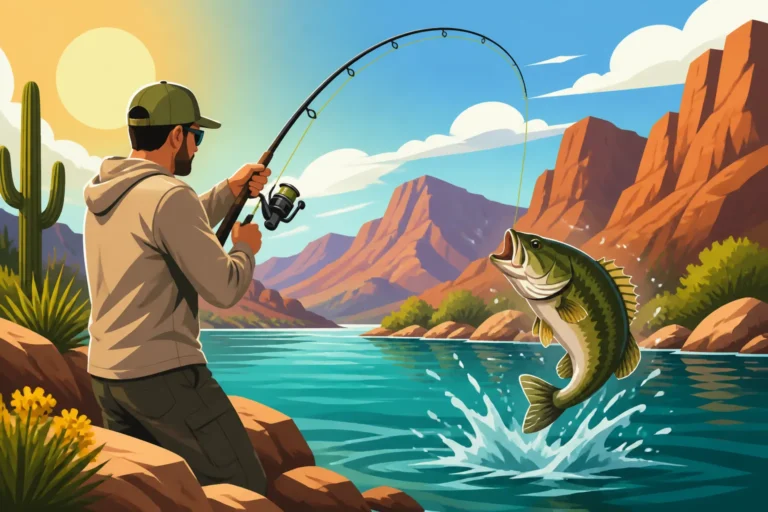
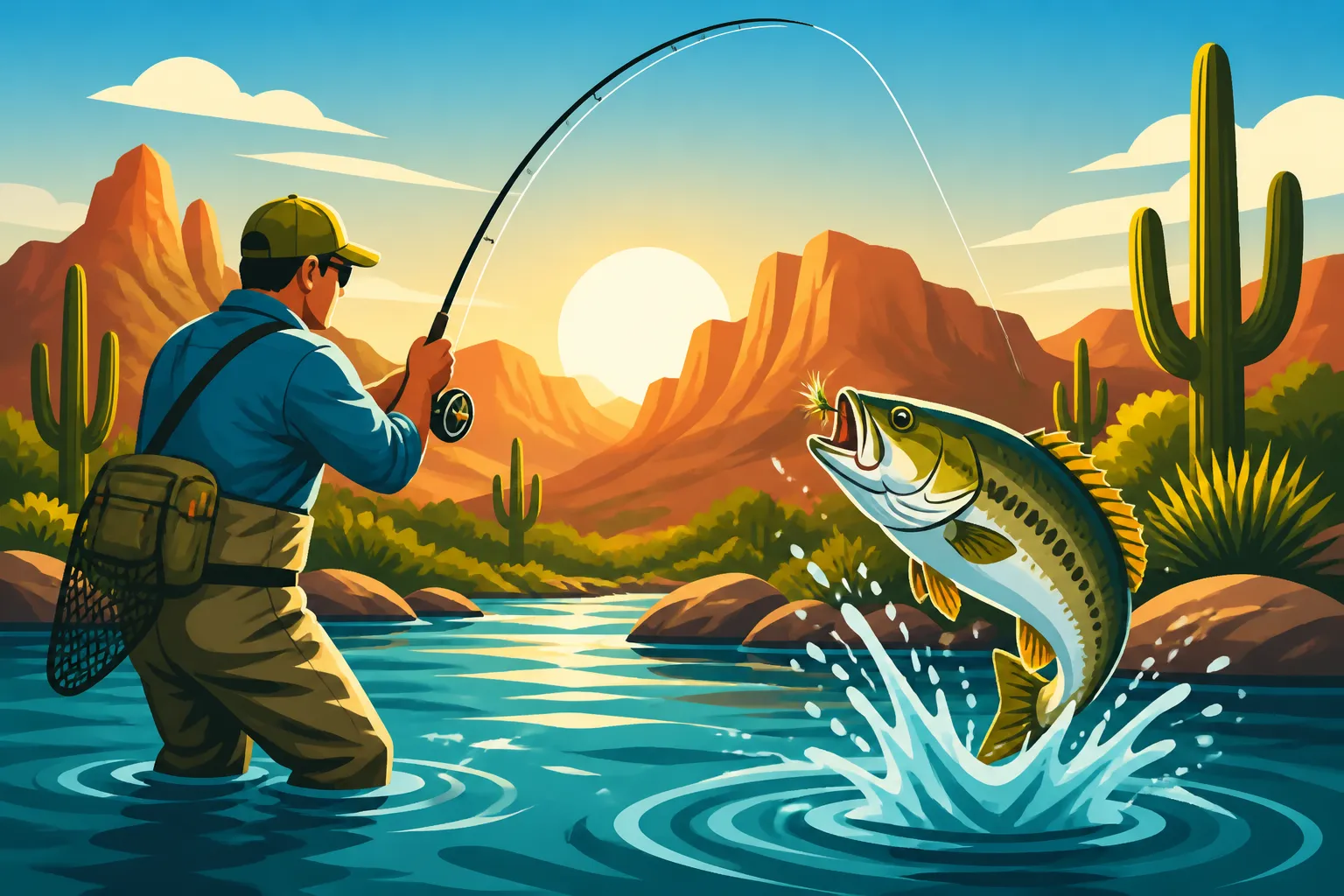
When most people think of bass fishing in Arizona, they picture largemouth bass lurking in the coves of our desert reservoirs. And indeed, the Salt River chain, particularly lakes like Roosevelt, Saguaro, and Canyon Lake, are legendary for their largemouth bass populations. These fish thrive in the warmer, nutrient-rich waters of the impoundments, often relating to submerged timber, rock piles, and points. You'll find them cruising shallow flats in spring, moving to deeper structure in summer, and holding to cover year-round. A successful largemouth angler here will often employ a variety of techniques, from topwater lures at dawn to deep-diving crankbaits and soft plastics.
But don't overlook the smallmouth bass, especially in certain sections. While not as widespread as their largemouth cousins, smallmouth can be found in the clearer, rockier areas of the Salt River and its associated lakes, particularly in sections of Canyon Lake and Saguaro where rocky bluffs and ledges create ideal habitat. These hard-fighting fish are structure-oriented, often ambushing prey from behind boulders or along current breaks. Targeting smallmouth requires a slightly different approach, often favoring finesse tactics like drop shots, small jigs, and crawfish imitations. If you're looking for a good fight, learning How to Fish for Smallmouth Bass in these specific rocky zones is incredibly rewarding.
Thriving Trout Populations in Cooler Stretches
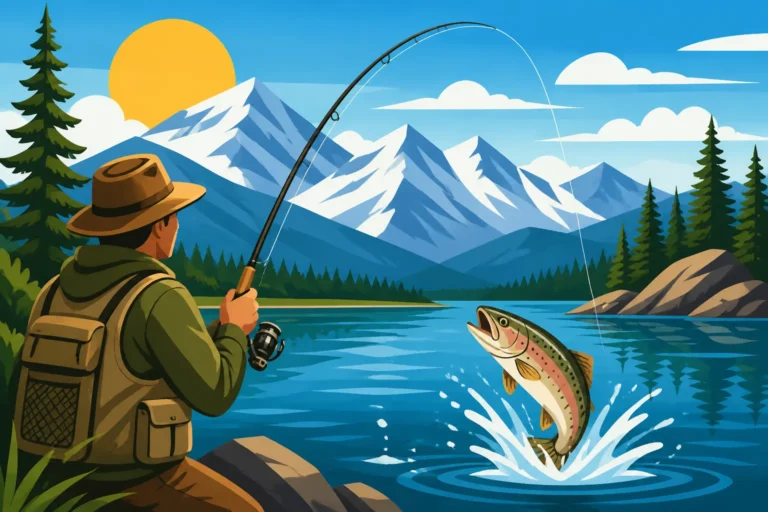
For those who prefer cooler waters and the distinct challenge of trout fishing, the Lower Salt River is a true gem, especially during the cooler months. The Arizona Game and Fish Department (AZGFD) regularly stocks rainbow trout in the river from November through March, transforming parts of this desert waterway into a legitimate trout fishery. These stocked trout provide fantastic opportunities for anglers of all skill levels, from families looking for an easy catch to seasoned fly fishers honing their craft. The consistent stocking schedule means there's almost always fresh fish to be caught.
These trout gravitate towards the deeper pools and slower current breaks, seeking refuge and feeding on nymphs, worms, and small crustaceans. Popular spots for trout include the areas around Blue Point Recreation Site and Phon D Sutton Recreation Area. Traditional baits like PowerBait, corn, and worms are highly effective, as are small spinners and spoons. Fly anglers will find success with nymph patterns, woolly buggers, and even some dry flies during hatches. The beauty of trout fishing on the Lower Salt River is its accessibility, often just a short drive from the Phoenix metro area, providing a welcome escape from the desert heat during winter. Keeping an eye on the Trout Stocking Schedule for the Lower Salt River can drastically improve your chances of hitting the water when the action is hot.
Catfish and Panfish Opportunities for Every Angler
Beyond the bass and trout, the Salt River system is also home to robust populations of catfish and panfish, offering fantastic opportunities for more relaxed angling or for introducing new anglers to the sport. Channel catfish are abundant throughout the warmer sections of the river and the impoundments, growing to impressive sizes. They are voracious eaters, making them relatively easy to catch, especially in the evenings and at night. Baits like stinkbaits, chicken livers, and cut bait are perennial favorites. The thrill of hooking into a big channel cat, especially in the dark, is a unique Salt River experience.
Additionally, various panfish species, including bluegill, redear sunfish, and even some crappie, can be found in the slower-moving sections and backwaters of the river, as well as in the reservoirs. These smaller fish are perfect targets for kids or anyone looking for consistent action. Simple setups with small hooks, a bobber, and a piece of worm or corn are often all you need. Panfish provide excellent table fare and are a wonderful way to spend a leisurely afternoon by the water. The community fishing areas along the Salt River, which are often stocked and easily accessible, are particularly good for these species.
Navigating the Seasons: Best Times to Fish the Salt River
Understanding the seasonal patterns of the Salt River is paramount for consistent fishing success. Arizona's distinct climate, with its scorching summers and mild winters, dictates fish behavior and availability. Adapting your approach to the time of year will make all the difference, transforming a slow day into a memorable one.
Spring's Explosive Action and Spawning Runs
Spring on the Salt River, typically from March through May, is arguably the most exciting time for anglers, especially for bass. As water temperatures begin to rise from their winter lows, largemouth and smallmouth bass move from deeper winter haunts into shallower coves and flats to begin their spawning rituals. This is when the fish are often at their most aggressive and predictable, making them prime targets for a variety of presentations. Anglers often find success with spinnerbaits, crankbaits, jigs, and soft plastics fished around visible cover like submerged brush, rocky points, and docks. The pre-spawn period sees bass gorging themselves, while during the spawn, they become highly protective of their beds, often striking at anything that comes too close.
Beyond bass, spring also brings excellent panfish action as they too become more active and gather in shallower areas to spawn. This is a fantastic time for families to hit the community fishing zones for bluegill and sunfish. Trout stocking, which generally concludes by the end of March, can still offer some good fishing early in the spring before the water gets too warm. Early spring mornings on the Salt River, with the desert coming alive, are truly magical and offer some of the year's best fishing.
Summer Strategies for Beating the Heat
Summer in Arizona means heat, and the Salt River is no exception. From June through September, air and water temperatures soar, dramatically changing fish behavior. While many anglers shy away from summer fishing, understanding how to adapt can still lead to productive outings. Bass, for instance, will retreat to deeper, cooler water during the hottest parts of the day. This means focusing your efforts on early mornings, late evenings, and even night fishing. Look for bass to relate to deep structure like submerged ledges, old creek channels, and the thermocline (if present in the larger lakes). Deep-diving crankbaits, heavy jigs, and Texas-rigged worms can be effective.
Catfish, however, absolutely thrive in the warm summer waters. Night fishing for channel catfish on the Salt River becomes incredibly popular and productive. These nocturnal feeders will move into shallower areas to forage, making them accessible from the bank. Use strong scents and natural baits like chicken liver or cut bait. Remember to prioritize Heat Safety Tips for Summer Fishing in Arizona if you do brave the daytime temperatures, including ample hydration, sun protection, and planning your trips for cooler parts of the day. Boating and floating on the Salt River are also popular summer activities, offering a chance to combine fishing with recreation.
Fall's Feeding Frenzy and Cooler Waters
As summer's relentless heat begins to wane, and air and water temperatures gradually drop through September, October, and November, the Salt River experiences another surge in fishing activity. This fall transition often triggers a "feeding frenzy" as fish sense the impending cooler winter months and begin to stock up on calories. Bass, in particular, become highly active again, chasing baitfish in shallower waters, making for excellent topwater and reaction bait opportunities. Shad imitations, spinnerbaits, and jerkbaits can be deadly as bass aggressively pursue their prey.
Fall is also a prime time for those exciting "striper boils" on the larger reservoirs connected to the Salt River. When schools of striped bass push baitfish to the surface, it creates a chaotic and thrilling fishing experience. For these events, having a fast-retrieve reel and topwater lures or Kastmasters ready is crucial. Furthermore, fall marks the return of trout stocking in the Lower Salt River, typically starting in November. This reintroduces a cold-water fishery just as the warm-water species are slowing down. The mild autumn weather makes for incredibly pleasant fishing conditions throughout the entire Salt River system.
Winter's Hidden Gems and Stocked Trout
Winter, from December through February, brings cooler, stable weather and a slower pace to the Salt River, but certainly not a halt to fishing. While bass activity generally slows, they can still be caught by targeting deep structure with finesse techniques like drop shots, shaky heads, and slow-rolled jigs. The key is to slow down your presentation and understand that bass will be less aggressive and more lethargic in the colder water. Focus on areas with a slight warming trend or protected coves that catch more sun.
However, winter is unequivocally the prime season for trout fishing on the Lower Salt River. With consistent stockings by the AZGFD, the river becomes a fantastic put-and-take fishery. Anglers can expect to find good numbers of rainbow trout throughout the stocked sections. Simple bait fishing with PowerBait, corn, or worms fished on the bottom or under a bobber can be incredibly effective. For those who enjoy fly fishing, winter provides excellent nymphing opportunities. The mild Arizona winters make for comfortable angling, a stark contrast to many other parts of the country. This season offers a peaceful and often highly productive experience for those willing to brave the chill. These Arizona Fishing Season Dates and Limits provide useful information for all species throughout the year.
Essential Gear and Techniques for Salt River Success
To truly excel on the Salt River, having the right gear and knowing how to employ effective techniques is crucial. The river's diverse conditions demand versatility, so a well-rounded tackle box and a willingness to adapt will serve you well. Don't let the vastness of options overwhelm you; we'll break down the essentials.
Recommended Rods, Reels, and Line Choices
For general-purpose fishing on the Salt River, especially if you're targeting bass and larger panfish, a medium-power, fast-action spinning rod in the 6'6" to 7'2" range is a versatile choice. Pair this with a 2500- or 3000-series spinning reel spooled with 8-12 pound monofilament or fluorocarbon line. Monofilament offers good castability and knot strength, while fluorocarbon provides excellent sensitivity and invisibility, especially in clearer water. If you're using braided line, a 15-20 pound braid with a fluorocarbon leader is a fantastic option for sensitivity and strength, particularly when fishing around cover. For trout on the Lower Salt River, a lighter setup, like a light-action spinning rod (5'6" to 6'6") with a 1000- or 2000-series reel and 4-6 pound monofilament or fluorocarbon, is ideal for detecting subtle bites.
For the serious bass angler on the larger reservoirs, a medium-heavy baitcasting setup with 15-20 pound fluorocarbon or braided line will be invaluable for throwing heavier lures, jigs, and punching through cover. Different rods for different techniques (crankbait rods, jig rods) will further refine your approach, but a good all-around medium-heavy stick is a great starting point. Remember that robust gear is especially important when fishing the Salt River's often rugged terrain and for handling larger, stronger fish that may inhabit the main channel.
Top Baits and Lures for Each Species
The Salt River's diverse fisheries mean a varied selection of baits and lures will be necessary. For largemouth bass, consider a mix of options:
- Soft Plastics: Texas-rigged worms and creatures baits (green pumpkin, black/blue) for fishing brush and rocks; senkos (wacky or Texas rigged) for versatile presentation.
- Jigs: Flipping jigs (black/blue, brown) for heavy cover; football jigs for rocky bottoms.
- Crankbaits: Medium-diving crankbaits (shad, crawfish patterns) for covering water; deep-diving crankbaits for summer bass.
- Spinnerbaits & Chatterbaits: For covering water and attracting aggressive strikes.
- Topwater: Frogs, poppers, and walking baits for early morning or low-light conditions.
For smallmouth bass, focus on finesse:
- Drop Shots: Small worms, minnows, or creature baits.
- Small Jigs: Grubs or tubes on light jig heads.
- Crawfish Imitations: Small crankbaits or soft plastics.
For rainbow trout in the Lower Salt River:
- Baits: PowerBait (chartreuse, rainbow), worms, corn, salmon eggs.
- Lures: Small inline spinners (Mepps, Panther Martin), spoons (Kastmaster), trout jigs.
- Flies: Nymphs (Prince Nymph, Pheasant Tail), Woolly Buggers, San Juan Worms.
For catfish:
- Prepared Baits: Stinkbaits (punch baits, dip baits).
- Natural Baits: Chicken liver, hot dogs, cut bait (from legal forage fish).
- Worms: Nightcrawlers.
Having a good selection of Best Baits and Lures for Arizona Fishing will prepare you for any situation on the Salt River.
Effective Techniques for River and Lake Sections
The techniques you employ will depend heavily on whether you're fishing the flowing river sections or the larger impoundments.
River Sections (Lower Salt River):
- Trout: For stocked trout, still fishing with bait on the bottom using a slip sinker rig, or under a bobber in slower pools, is very effective. Casting and retrieving small spinners or spoons across current breaks and into deeper holes also works well. Fly fishing with nymphs or streamers in eddies and runs is a productive method. Focus on areas downstream of riffles where food collects.
- Bass/Catfish (warmer sections): In the slower, warmer river stretches, target bass and catfish around downed trees, rock piles, and deeper bends. Carolina rigs or Texas rigs with soft plastics can entice bass, while cut bait or stinkbait on a bottom rig is ideal for catfish. Night fishing often yields the biggest cats.
Lake Sections (Saguaro, Canyon, Apache, Roosevelt):
- Bass: Employ techniques that cover different depths and structures. In spring, cast shallow-running crankbaits and spinnerbaits on points and flats, or use jigs and soft plastics around spawning beds. In summer, move to deep-diving crankbaits, jigs, and drop shots on offshore humps and ledges. Fall is great for topwater and reaction baits as bass chase baitfish. Winter calls for slow, finesse presentations.
- Striped Bass (Roosevelt, Apache): Look for schooling striped bass in open water, especially during boils. Cast Kastmasters, spoons, or topwater lures into the melee. Trolling with umbrella rigs or deep-diving crankbaits is also a popular method for locating dispersed schools.
- Panfish/Catfish: Fish around brush piles, docks, and rocky shorelines using small jigs, worms, or crickets under a bobber for panfish. For catfish, target creek channels, deep points, and brushy areas with strong-smelling baits on bottom rigs.
Consider using a guide service, especially if it's your first time on a particular lake. Services like FishingBooker can help you find experienced local guides who know the specific nuances of fishing each of the Salt River lakes.
Best Access Points and Fishing Locations Along the Salt River
The Salt River is extensive, and knowing where to go can feel like a puzzle. From easy bank access to remote boat launches, the options are varied. We’ll focus on popular and productive areas, highlighting what makes each unique for anglers.
Shore Fishing Hotspots and Bank Access
For many anglers, especially those without a boat, shore fishing is the primary way to enjoy the Salt River. The Lower Salt River, specifically, offers excellent bank access, particularly in the recreation areas managed by the Tonto National Forest.
- Blue Point Recreation Site: This is one of the most popular and easily accessible spots on the Lower Salt River. There's ample parking and a large area to spread out along the banks. During the winter stocking season, this area is a trout hotspot. It also holds bass and catfish in its deeper pools.
- Phon D Sutton Recreation Area: Another fantastic location with easy access and good bank fishing. Similar to Blue Point, it's regularly stocked with trout in winter and offers good opportunities for warm-water species during other times of the year. The river here has some nice runs and deeper pockets.
- Granite Reef Recreation Site: Located further downstream, this area provides diverse habitat with slower pools and some moving water. It's good for both trout in winter and bass and catfish year-round.
- Mesa Riverview Park (Salt River Project Canal): While technically not the main river, the canals fed by the Salt River can offer surprisingly good fishing, especially for urban anglers. This park in Mesa offers accessible fishing along a canal that's often stocked.
On the larger reservoirs, finding good shore access can be more challenging due to steep terrain. However, areas around marinas or designated day-use sites often provide some bank fishing opportunities. For example, parts of Saguaro Lake around the recreation sites offer some limited shore access, as do certain coves on Roosevelt Lake. Always check local regulations and private property boundaries before setting up shop.
Kayak and Canoe Launch Points
Kayaks and canoes are fantastic for exploring the Salt River, allowing access to areas that larger boats can't reach and offering a peaceful, immersive experience.
- Lower Salt River (Between Granite Reef and Phon D Sutton): This stretch is incredibly popular for floating and fishing. You can launch at Granite Reef Recreation Site and paddle downstream, taking out at Phon D Sutton or further down. The current is gentle enough for most paddlers, and it offers fantastic opportunities to drift for trout, bass, and panfish. Many anglers utilize multiple vehicles for a shuttle to enjoy a full day on the water.
- Canyon Lake & Saguaro Lake: Both these reservoirs offer excellent kayaking opportunities. You can launch from designated boat ramps (which usually require a Tonto Pass) or use smaller, unimproved access points if you have a lightweight kayak. Kayaks allow you to sneak into tight coves, fish steep canyon walls, and explore areas less pressured by powerboats. For specific details on launching, check out Kayak Launch Points on the Salt River.
- Roosevelt Lake: While a large lake, Roosevelt also has areas that are great for kayaking, particularly in its coves and shallower arms. The Tonto Creek arm is a prime example, offering extensive shallow areas that kayaks can easily navigate, especially for crappie and bass.
When planning a kayak trip, always consider the river flow rates, especially on the Lower Salt River, which can fluctuate. Be sure to check weather conditions and wear your PFD.
Boat-Friendly Zones on the Larger Reservoirs
For those with powerboats, the larger reservoirs of the Salt River chain offer extensive water to explore, from vast open expanses to intricate coves and submerged structures.
- Roosevelt Lake: As the largest lake entirely within Arizona, Roosevelt Lake is a boater's paradise. It boasts numerous boat ramps, including Cholla, Windy Hill, and Grapevine, offering access to different arms and sections of the lake. It's a premier destination for bass, crappie, and catfish, with plenty of deep-water structure and shallow coves to explore.
- Saguaro Lake: Closer to the Phoenix metro area, Saguaro Lake is a popular choice for day-trippers. Its main boat ramp at Saguaro Lake Marina provides easy access. The lake offers excellent bass fishing along its rocky shorelines, submerged humps, and coves. It's known for its clear water and scenic desert backdrop.
- Canyon Lake: Tucked away in a stunning canyon setting, Canyon Lake offers unique boating and fishing. The main ramp is near the Tortilla Flat turnoff. It's deeper and clearer than Saguaro in many spots, making it ideal for smallmouth bass around rocky ledges and points, as well as largemouth.
- Apache Lake: This lake is the most remote of the chain, requiring a drive down a winding, unpaved road (Apache Trail, State Route 88). Its remoteness means less pressure, and it offers fantastic bass and walleye fishing. The Burnt Corral Campground and Marina offers boat launching. Due to the unpaved access, Apache Lake is best approached with a sturdy vehicle.
Remember that all boaters on Arizona waters must adhere to specific Boating Safety Gear Requirements in Arizona, including having enough life jackets for everyone on board. Before heading out, always check lake levels and ramp conditions, especially during dry seasons. Consider booking a guided trip through services like FishingBooker if you're unfamiliar with these vast lakes; a guide can quickly put you on fish and teach you the local nuances.
Understanding Regulations and Conservation Efforts
Fishing on the Salt River, like anywhere else, comes with responsibilities. Understanding and adhering to Arizona's fishing regulations isn't just about avoiding fines; it's about contributing to the conservation of these precious aquatic resources for future generations. Arizona Game and Fish Department (AZGFD) plays a vital role in managing and protecting these fisheries.
Arizona Fishing Regulations Explained
The Arizona Game and Fish Department sets the rules and limits for all public fishing waters in the state. These regulations cover everything from license requirements to bag and possession limits, legal fishing methods, and size restrictions. Before you even cast a line, you need a valid Arizona Fishing License Guide. Licenses are required for most anglers aged 10 and older. You can purchase them online, at AZGFD offices, or from authorized license dealers like sporting goods stores. The cost varies depending on residency, age, and license type; checking the Arizona Fishing License Costs page is always a good idea.
It's absolutely crucial to familiarize yourself with the current Arizona Fishing Regulations booklet, available online or at license dealers. This booklet details statewide rules, but also specific regulations for certain waters, which can supersede the general rules. For example, some lakes might have special slot limits for bass, or specific restrictions on bait usage. Ignorance of the rules is not an excuse, and violating them can lead to significant fines and penalties, and even loss of fishing privileges. Always double-check bag and possession limits, especially for species like bass and trout, as these can vary by location and time of year. Knowing your Fishing Bag and Possession Limits Explained is key to ethical angling.
Special Rules for the Salt River and Community Fishing Areas
While statewide regulations provide a baseline, the Salt River and its associated lakes often have specific rules that anglers need to be aware of.
- Lower Salt River Trout Regulations: During the winter stocking season, the Lower Salt River is often designated as a "community fishing water" with specific trout bag limits that might differ from statewide trout limits. It's typically a put-and-take fishery, meaning you can keep a certain number of fish. Always confirm the exact limits for the section you're fishing.
- Tonto National Forest Pass: Many of the popular access points along the Lower Salt River and for the Salt River chain of lakes (like Blue Point, Phon D Sutton, Saguaro Lake, Canyon Lake access points) are located within the Tonto National Forest. This means you will need to display a Tonto Pass or other valid recreation pass (such as an America the Beautiful Pass) on your vehicle. These passes can be purchased at various vendors, including convenience stores near the recreation areas or online.
- Live Bait Restrictions: While live bait is generally legal in Arizona, there might be specific restrictions on certain types of live bait (e.g., non-native species) in particular waters to prevent the spread of invasive species. Always verify if your chosen live bait is permitted in the specific Salt River section you are fishing.
- Boat-Specific Rules: On the large reservoirs, pay attention to wake restrictions, no-wake zones, and general boating safety rules. Some lakes might have specific rules regarding speed or types of motors permitted in certain areas.
Conservation efforts on the Salt River go beyond just regulations. AZGFD regularly monitors fish populations, conducts habitat restoration projects, and manages stocking programs to ensure healthy fisheries. Anglers can contribute by practicing responsible catch and release, especially for larger breeding fish, and by properly disposing of all trash and fishing line. Protecting the Salt River's delicate ecosystem ensures that this amazing fishing resource remains vibrant for years to come.
Safety First: Enjoying Your Salt River Adventure Responsibly
Fishing the Salt River is an incredible experience, but it’s important to remember that it’s also an outdoor adventure in the Sonoran Desert. Safety should always be your top priority. From the intense summer sun to unpredictable monsoon storms and local wildlife, being prepared and aware will ensure your trip is enjoyable and safe.
Heat Safety and Hydration
Arizona summers are no joke, and temperatures along the Salt River can soar well above 100°F. Dehydration and heatstroke are serious risks that can quickly turn a fun day into a dangerous situation.
- Hydrate, Hydrate, Hydrate: Carry significantly more water than you think you'll need. Electrolyte drinks can also be beneficial. Drink water frequently, even if you don't feel thirsty.
- Dress for Success: Wear lightweight, light-colored, loose-fitting clothing made from moisture-wicking materials. A wide-brimmed hat, polarized sunglasses, and a buff or neck gaiter are essential for protecting your skin from the sun's intense UV rays.
- Seek Shade: Plan your fishing spots to include access to shade, whether from trees, rock formations, or a pop-up canopy if you're bank fishing.
- Timing is Everything: During summer, fish early in the morning, late in the evening, or consider night fishing when temperatures are significantly cooler. Avoid the midday sun entirely if possible.
- Sunscreen is Your Friend: Apply high-SPF, waterproof sunscreen regularly, especially to exposed skin.
Remember, if you start feeling dizzy, nauseous, or experiencing muscle cramps, get to shade, cool down, and rehydrate immediately. Your health is more important than catching one more fish.
Monsoon Season Precautions
Arizona experiences a distinct monsoon season from roughly mid-June through September. While these storms bring welcome rain, they also bring unique hazards to outdoor activities, including fishing on the Salt River.
- Flash Floods: The most significant danger is flash floods. Even if it's not raining where you are, heavy rains upstream can send a wall of water rushing down the river or into washes and canyons. Always check weather forecasts for the entire watershed, not just your immediate location. If you see dark clouds, hear thunder, or notice the water level rising or becoming muddy suddenly, get to higher ground immediately.
- Lightning: Monsoon storms are often accompanied by intense lightning. If you're on the water in a boat or kayak, or fishing from an exposed bank, seek shelter indoors or in a hard-topped vehicle at the first sign of lightning. Do not stand under tall trees.
- Wind and Dust Storms: Strong winds and blinding dust storms (haboobs) can also pop up quickly, making boating and driving hazardous. If you're caught in a dust storm, pull off the road and wait it out. On the water, strong winds can make paddling difficult and create dangerous chop on the larger lakes.
It's wise to carry a weather radio or use a reliable weather app on your phone that can provide real-time updates and alerts specific to your location. Planning your trips for non-monsoon periods or for early mornings before storms typically develop is a good strategy.
Wildlife Awareness and Respect
The Salt River flows through wild and semi-wild areas, meaning you'll likely encounter a variety of Arizona's native wildlife.
- Snakes and Insects: Be aware of rattlesnakes, especially in rocky areas and tall grass. Watch where you step and place your hands. Scorpions and venomous spiders are also present.
- Larger Animals: You might see wild horses, deer, javelina, or even mountain lions in more remote areas. Give all wildlife plenty of space and never approach or feed them.
- Critters in the Water: Be aware of potential hazards like sharp-spined fish (catfish) when handling them. While rare, always be cautious.
- Trash In, Trash Out: Always pack out everything you pack in, and perhaps even a little more. Littering not only harms the environment but can also be dangerous to wildlife. Responsible outdoor etiquette is key to preserving the beauty and health of the Salt River for everyone.
Disclaimer
Please note that fishing regulations, conditions, and fish stocking schedules can change frequently. Always consult the official Arizona Game and Fish Department website or their current fishing regulations booklet before planning any fishing trip to the Salt River or any other Arizona waters. This guide provides general information and recommendations, but it is the individual angler's responsibility to stay informed of the latest rules and safety guidelines.