Do You Need a Fish Finder to Catch Bass?
It's a common dilemma for bass anglers in Arizona: you see all the pros on TV and social media with their fancy boats bristling with electronics, and you wonder if you're seriously missing out. Does having a fish finder make or break your bass fishing success, or is it just another expensive gadget? This guide will dive deep into that question, exploring when a fish finder is truly a game-changer for bass, when it might be overkill, and how you can still have incredible days on the water with or without one.
The Honest Truth About Fish Finders and Bass Fishing
Let's cut right to the chase: do you need a fish finder to catch bass in Arizona? The short answer is no, not absolutely. People have been catching bass for generations without any electronic assistance, relying on their instincts, knowledge of the water, and keen observation. However, the more nuanced answer is that a fish finder, especially a modern one, can provide a significant advantage, fundamentally changing how you approach a lake or river. It's a tool, much like a specific rod or lure, that can enhance your efficiency and understanding of the underwater world.
Think about it this way: imagine trying to navigate a new city without a map or GPS. You could eventually find your way by trial and error, asking locals, and recognizing landmarks. But with a map, you're immediately more efficient, you understand the layout, and you can make informed decisions about your route. A fish finder works similarly for anglers, offering a "map" of what lies beneath the surface, revealing structure, depth changes, and even the fish themselves. The question isn't solely about needing it, but about how it can elevate your game and potentially save you a lot of time and frustration, especially on Arizona's vast and diverse lakes.
Dispelling the Myth of the "Magic Box"
Some anglers, particularly those new to the sport or considering their first fish finder, might view it as a "magic box" that instantly tells you where all the bass are hiding. This simply isn't true. A fish finder is a sophisticated piece of technology, but it requires a human operator who understands how to interpret the data it presents. You can have the most expensive unit on your boat, but if you don't know what you're looking at – whether it's a thermocline, a brush pile, or indeed a school of bass – it's just a screen showing squiggly lines.
The real magic isn't in the device itself, but in the knowledge and experience of the angler using it. Learning to distinguish between baitfish and game fish, understanding how different types of structure appear on the screen, and correlating those readings with actual catches takes time and practice. It's a skill set that develops over many fishing trips, much like learning to cast accurately or choosing the right lure for the conditions. So, while a fish finder offers incredible potential, it's not a substitute for developing your fundamental fishing instincts and understanding of bass behavior.
What a Fish Finder Actually Does for Bass Anglers
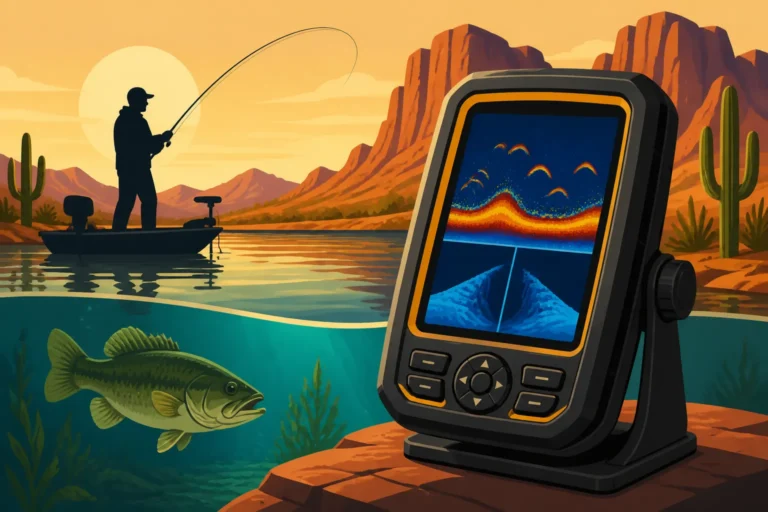
At its core, a fish finder uses sonar technology to send sound waves into the water and listen for their echoes. These echoes are then translated into an image on a screen, painting a picture of the underwater environment. For bass anglers, this means seeing a multitude of things that would otherwise remain hidden. You can identify submerged humps, ledges, rock piles, brush, and standing timber – all prime real estate for bass. It also shows you the depth, water temperature, and contours of the lake bottom, which are crucial pieces of information for patterning bass.
Beyond just identifying structure, modern fish finders can often distinguish between different types of targets, allowing you to discern schools of baitfish from larger game fish, like bass. Advanced features like side imaging or 360-degree sonar give you a wider view, letting you scout vast areas quickly without having to drive directly over them. This kind of technology transforms fishing from a purely observational sport into one where you have a clearer, real-time understanding of what's happening beneath your boat, significantly improving your ability to locate and target bass.
How Fish Finders Revolutionize Bass Angling (and When They Don't)
For serious bass anglers, particularly those who regularly fish larger bodies of water like Lake Pleasant, Roosevelt Lake, or Lake Havasu, a fish finder isn't just a luxury; it's practically standard equipment. The ability to quickly locate subtle depth changes, isolated cover, or schools of baitfish can mean the difference between a frustrating day and a successful one. However, there are also scenarios where their utility diminishes, and traditional methods shine.
A fish finder truly shines when you're targeting bass that are relating to specific underwater features or when you're trying to cover a lot of water efficiently. Whether you're fishing deep-water structure in the middle of summer or looking for offshore humps in cooler months, the eyes a fish finder gives you underwater are invaluable. It allows for precision casting and jigging, putting your lure directly in the strike zone.
The Advantages of Modern Sonar Technology
Modern fish finders offer an array of technologies that provide incredible detail and coverage. Traditional 2D sonar is excellent for seeing directly beneath your boat, showing depth, structure, and fish arches. Down imaging or DownScan takes this a step further, providing photo-like images of what's directly below, making it much easier to identify brush piles, stumps, or rock formations where bass might be hiding. How to Read a Fish Finder for Bass delves deeper into interpreting these images.
Then there's side imaging or SideScan, which is arguably one of the biggest game-changers for bass fishing. This technology allows you to scan wide areas to either side of your boat, revealing structure and fish that you would never see with traditional sonar. Imagine idling down a bank and seeing a submerged weed line 50 feet to your left, complete with bass holding on its edge, all without driving over them. This ability to "look" sideways allows anglers to quickly eliminate unproductive water and focus on high-potential areas, saving precious time on the water. Brands like Lowrance and Humminbird are well-known for their cutting-edge sonar technologies.
| Fish Finder Technology | What it Shows | Best Use for Bass Fishing |
|---|---|---|
| 2D Sonar | Basic depth, fish arches, bottom composition | General fish detection, depth changes directly below boat |
| Down Imaging/DownScan | Photo-like images directly below boat | Identifying specific submerged structure (trees, rocks, brush) |
| Side Imaging/SideScan | Wide view to the sides of the boat (up to hundreds of feet) | Scouting large areas, finding offshore structure, locating schools of fish |
| Live Sonar (e.g., LiveScope) | Real-time moving images of fish and lures | Seeing fish react to your bait, targeting individual fish, deep-water jigging |
When a Fish Finder is Less Crucial
While powerful, fish finders aren't always the primary tool you need. For certain types of bass fishing, particularly in smaller, shallower waters or when targeting active, visible fish, other skills and observations come to the forefront. For instance, if you're fishing a small pond or a river with obvious cover like lily pads or overhanging trees, visual cues and understanding the natural flow of the water might be more important. In these scenarios, Shore Fishing Techniques for Beginners can often be just as effective.
Similarly, during specific seasons when bass are actively spawning or aggressively chasing bait in the shallows, observation often trumps electronics. If you're sight fishing for bedding bass or throwing topwater lures to visible boils, your eyes and understanding of bass behavior are your best "fish finder." In these situations, knowing where bass should be based on their life cycle and the prevailing conditions is more critical than seeing them on a screen. Sometimes, the best way to catch bass is simply by presenting the right lure in the right place, based on your intuition and knowledge of the water.
Fishing Without a Fish Finder: Tried-and-True Techniques
Even if you don't have a sophisticated fish finder, you can absolutely still be a highly successful bass angler in Arizona. Many legendary bass fishermen learned their craft before advanced electronics were commonplace, and their techniques remain incredibly effective. It all comes down to understanding bass behavior, reading the water, and employing smart fishing strategies.
One of the most important aspects of fishing without a fish finder is to simply slow down and be observant. Pay attention to everything around you: the birds diving for baitfish, the ripples on the surface indicating activity, changes in bank topography, and where shady areas might offer refuge for bass. These subtle clues, when pieced together, can paint a surprisingly accurate picture of what's happening beneath the surface. It’s about becoming a detective on the water, rather than relying on a gadget to give you the answers.
Reading the Water for Bass Clues
Learning to "read the water" is an art form that pays dividends whether you have electronics or not. Bass are creatures of habit and structure. They relate to cover, changes in depth, and food sources. When you're on the water, look for visible signs of these elements. This could be a rocky point jutting out into the lake, a standing dead tree near the bank, a patch of lily pads, or a shaded overhang. These are all prime locations where bass are likely to congregate. Best Bass Fishing Lakes in Arizona will often highlight areas rich in these types of visible structures.
Beyond physical structure, pay attention to the water itself. A noticeable change in water clarity, a current seam, or even a subtle temperature difference (which you can feel with your hand) can indicate a transition zone where bass might be ambushing prey. Observing other anglers' success (or lack thereof) can also provide clues, helping you narrow down productive patterns or areas. This kind of nuanced observation, often gained through years of experience, is a powerful alternative to electronic scouting.
Proven Strategies for Locating Bass Without Sonar
When you're fishing without a fish finder, systematic coverage and understanding seasonal patterns become paramount. Instead of trying to find individual fish, you focus on finding high-probability areas where bass are likely to be.
- Fan Casting: This involves casting your lure in a fan-like pattern, covering a wide area from a single position. It's a great way to "feel out" the bottom, detect hidden structure, and locate active fish. If you get a bite, you can then concentrate your efforts in that specific zone.
- Targeting Transition Zones: Bass love areas where one type of cover or depth transitions into another. Think about where rock meets sand, shallow water drops off into deeper channels, or a weed line ends. These edges are often feeding highways for bass.
- Following the Food: Bass are always where the food is. Look for signs of baitfish activity, such as flickering on the surface, or predatory birds diving. If you find the bait, the bass are usually not far behind. Best Baits and Lures for Arizona Fishing often correlate with the predominant forage base.
- Understanding Seasonal Movements: Bass patterns change dramatically with the seasons. In spring, they're often shallow for spawning. In summer, they might move deeper to cooler water or relate to shade. Fall sees them feeding aggressively, often shallow again, while winter can push them into deeper, more stable temperatures. Knowing these Arizona Fishing Seasons Explained helps you predict where they might be, even without seeing them on a screen.
By combining these observational and strategic approaches, you can develop a deep understanding of Arizona's bass fisheries. Many anglers find immense satisfaction in deciphering the puzzle of bass location through their own efforts and connection to the environment, proving that technology is just one path to success. For beginners, focusing on these fundamental skills is key to building a strong foundation in the sport.
Deciding If a Fish Finder Is Right for Your Bass Fishing Style
Ultimately, the decision of whether to invest in a fish finder for bass fishing in Arizona comes down to your personal fishing style, your budget, and the types of waters you frequent. There's no one-size-fits-all answer, and both approaches – with or without electronics – have their merits and dedicated followers.
If you're primarily a casual bank angler who enjoys the peace and quiet of a local pond, a fish finder might be an unnecessary expense. However, if you're serious about targeting trophy bass, enjoy exploring vast reservoirs, or participate in tournaments, the advantages offered by a quality fish finder can be substantial. It's about aligning the tool with your specific goals and how you want to experience the sport.
Factors to Consider Before Buying
Before you even think about hitting up Bass Pro Shops or Amazon for a fish finder, take a moment to consider these points:
- Your Budget: Fish finders range wildly in price, from simple, portable units that are relatively inexpensive to high-end, multi-faceted systems that can cost as much as a small car. Determine what you're willing to spend, keeping in mind that you also might need accessories like a dedicated battery, mounting hardware, and transducers.
- Type of Fishing: Do you fish from a boat, a kayak, or primarily from the shore? If you're a kayak angler, a smaller, more portable unit might be ideal. If you have a large bass boat, you might want a unit with a bigger screen and more advanced features. For shore anglers, portable, castable sonar devices are an option, though their utility is more limited compared to boat-mounted units. Best Kayaks for Fishing in Arizona and their rigging options are a related consideration.
- The Waters You Fish: Are you mostly on small community lakes, or do you tackle expansive desert reservoirs like Lake Powell or Lake Roosevelt? On larger, deeper, and more complex waters, a fish finder's utility greatly increases. On small, shallow, or visually distinct ponds, its necessity diminishes.
- Your Learning Curve Tolerance: Are you willing to invest time in learning how to use and interpret a fish finder? It's not always intuitive, and getting the most out of your unit requires understanding its settings and how to read the screen effectively. Many resources, including online videos and dedicated forums, can help you master this skill.
- Tournament Aspirations: If you have any interest in competitive bass fishing, a fish finder moves from being a helpful tool to an almost essential piece of equipment. The speed and efficiency it provides in locating fish and structure are critical in a tournament setting where every minute counts.
The Value of Experience Over Technology
Regardless of whether you choose to use a fish finder, remember that nothing replaces time on the water and the wisdom gained from experience. A seasoned angler with basic gear and a deep understanding of a particular lake will often out-fish a novice with the most advanced electronics. The fish finder is a tool to gather information, but it's your brain that processes that information and makes decisions.
Consider starting simple. If you're a beginner, focus on mastering the basics: casting techniques, knot tying, lure presentation, and understanding seasonal bass patterns. As you gain confidence and skill, then you can explore adding a fish finder to your arsenal. Even a basic unit can offer insights that help you connect the dots between what you see on the surface and what's happening below. Ultimately, the goal is to enjoy your time fishing in Arizona, and whether that involves high-tech gadgets or just a rod and reel, the choice is yours.
Disclaimer
This article is for general informational purposes only and does not constitute professional advice. Laws, prices and regulations vary by location and change over time. Consult a qualified professional for guidance on your specific situation.