Best Setup for Fishing From a Kayak
Setting up a kayak for fishing, especially in Arizona's unique and often challenging environments, can feel like a daunting task. You want to be efficient, comfortable, and most importantly, safe, without feeling like you're hauling your entire garage onto the water. This guide is all about helping you create the ideal kayak fishing setup that perfectly balances portability, functionality, and the specific needs of angling in the Grand Canyon State, ensuring you're ready for everything from serene urban ponds to vast desert reservoirs.
Why Kayak Fishing in Arizona is a Game Changer
Arizona's diverse aquatic landscapes, from the high mountain lakes to the scorching desert reservoirs, present both challenges and incredible opportunities for anglers. Traditional boat fishing is fantastic, but sometimes, those hard-to-reach coves, shallow flats, or quiet stretches of river are where the real magic happens. That's where kayak fishing truly shines. It’s an intimate experience with the water and the fish, allowing you to stealthily approach areas that larger boats simply can’t access.
The Unique Appeal of Arizona's Waterways for Kayak Anglers
Imagine silently paddling into a remote canyon on Lake Powell, the towering red rock walls reflecting in the still water, and knowing you're likely the only one fishing that hidden pocket. Or perhaps navigating the quieter sections of the Salt River, casting for trout without the rumble of a motor disturbing the peace. This is the essence of kayak fishing in Arizona. Our desert lakes, while often vast and open, also boast countless secluded coves, submerged timber, and narrow channels that become prime habitats for bass, crappie, and even stripers. A kayak lets you get right into these fishy hideouts. It's about precision, stealth, and a deeper connection to the environment. You can hug the shoreline, skip baits under overhanging brush, or gently drift over submerged structure with a control that's hard to replicate from a larger vessel. For those who love the peace and quiet, and the challenge of hunting fish in untouched areas, kayak fishing here is unparalleled. It truly offers a unique perspective on Arizona's Best Fishing Lakes in Arizona.
Overcoming Common Kayak Fishing Challenges
Let's be real, kayak fishing isn't without its quirks, especially when you factor in Arizona's climate and topography. Stability can be a concern, particularly for beginners or those who like to stand and cast. You're in a much smaller craft, so every movement matters. Storage is another big one; how do you pack all your essential gear, tackle, and provisions for a full day on the water without cluttering your limited space or overloading your vessel? Then there's the heat – Arizona summers are no joke, and staying hydrated and protected from the sun is paramount. Kayaks also expose you more directly to the elements, so proper preparation is key. Finally, transporting a kayak, especially if you're venturing to more remote launch points without paved ramps, requires some thought. But don't let these challenges deter you. With the right setup and a bit of planning, each one can be effectively managed, turning potential drawbacks into part of the adventure. Many of these issues are easily addressed by choosing the right kayak and outfitting it smartly, which we'll dive into next.
Essential Kayak Features and Modifications for Arizona Fishing
Your kayak is your fishing platform, and just like any good foundation, it needs to be solid and suited to its purpose. The sheer variety of kayaks available can be overwhelming, but for Arizona fishing, certain features and modifications will make a world of difference.
Choosing the Right Kayak for Arizona's Desert Lakes
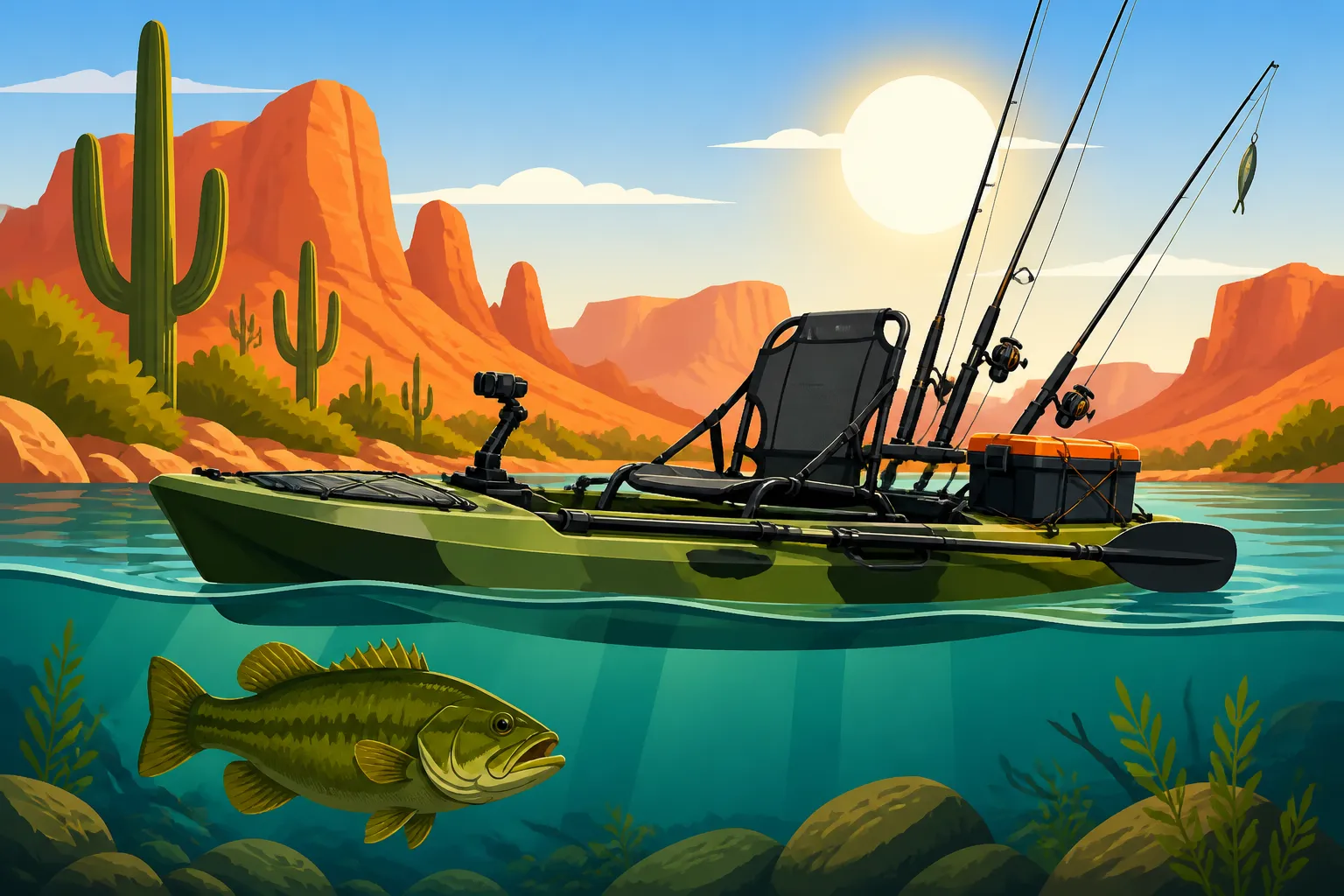
When you're looking at Best Kayaks for Fishing in Arizona, the first big decision is often between a sit-on-top (SOT) and a sit-in kayak. For fishing in Arizona's generally warm waters, a sit-on-top is almost always the preferred choice. They offer superior stability, making it easier to cast, move around, and even stand up in some models. Plus, if you happen to capsize, re-entry is much simpler on a SOT. Sit-in kayaks offer more protection from the elements, which might be nice in colder mountain lakes, but they lack the open deck space and versatility for rigging that SOTs provide.
Consider the length and width: longer kayaks (12-14 feet) track straighter and cover distance more efficiently, which is great for large reservoirs like Lake Pleasant or Roosevelt Lake. Shorter, wider kayaks (10-12 feet) are more maneuverable and stable, ideal for smaller lakes, tight coves, or river sections. Pedal-drive kayaks, like those from Hobie or Old Town, have revolutionized kayak fishing. They allow for hands-free propulsion, meaning you can fish while moving, maintain position against wind, or cover vast distances without tiring your arms. While they come with a higher price tag, the efficiency and angling advantage they provide are often worth the investment, especially on big waters. When thinking about Kayak Weight Capacity for Fishing Gear, remember to factor in not just your body weight, but all your tackle, cooler, battery, and anything else you'll be bringing along. A kayak that is too close to its maximum capacity will ride lower, be less stable, and harder to paddle or pedal.
Must-Have Kayak Accessories and Their Purpose
Once you've got your kayak, it's time to deck it out. These accessories aren't just for show; they're vital for a productive and enjoyable day on the water.
- Rod Holders: You'll want at least two, preferably flush-mount or adjustable models that can be positioned for trolling, holding spare rods, or simply keeping your active rod out of the way while you paddle or re-tie. Brands like YakAttack and Scotty offer excellent, durable options that are widely compatible.
- Anchoring System: Arizona's winds can pick up unexpectedly, and an anchor is crucial for holding your position over a fish-holding spot. A small, folding grapnel anchor (1.5-3 lbs) with about 50 feet of line is usually sufficient. Consider a trolley system, which allows you to move your anchor point from the bow to the stern of your kayak, helping you adjust to wind and current. This is a critical piece of gear, and you can find comprehensive guides on Best Kayak Anchors for Still Fishing to help you choose.
- Fish Finder: Even a basic fish finder can dramatically increase your success. It helps you locate structure, depth changes, and, of course, fish. Many modern units are compact and battery-powered, perfect for kayaks. Look for models with GPS for marking hotspots. Companies like Humminbird and Lowrance make excellent kayak-specific fish finders, often available at retailers like Bass Pro Shops or online at Amazon.
- Storage Solutions: Dry bags are your best friend for electronics, wallets, and keys. Tackle boxes designed for kayak use are often smaller, waterproof, and fit into compact spaces. A milk crate or a specialized kayak fishing crate (often with rod holders built-in) can sit behind your seat, offering organized storage for tackle, a small cooler, and other essentials. Bungees and cargo nets are also invaluable for securing gear to your kayak's deck.
- Paddle Leash: This might seem minor, but losing your paddle mid-lake is a nightmare. A simple leash keeps it tethered to your kayak.
- Seat Upgrade: Many stock kayak seats are basic. An aftermarket seat with better back support and padding can make a huge difference in comfort, especially on long fishing days.
- Paddle Holder: Whether it's clips or bungee straps, having a designated spot to secure your paddle when you're actively fishing frees up your hands.
- Measuring Board/Ruler: Essential for ensuring your catches meet Fishing Bag and Possession Limits Explained in Arizona. Many are designed to attach to your kayak.
This table provides a quick overview of essential kayak accessories:
| Accessory | Purpose | Key Features to Look For |
|---|---|---|
| Rod Holders | Secure rods while paddling, trolling, or re-tying | Adjustable angles, flush-mount or rail-mount, durable construction |
| Anchor System | Hold position in wind/current, over structure | Grapnel anchor (1.5-3 lbs), anchor trolley, sufficient line |
| Fish Finder | Locate fish, identify structure, measure depth | Compact size, battery-powered, GPS capability (optional) |
| Dry Bags | Protect electronics, valuables from water | Waterproof seals, various sizes, clear window for phones (optional) |
| Tackle Management | Organize and secure lures, tools, terminal tackle | Waterproof boxes, fishing crates with rod holders, bungee cords |
| Paddle Leash | Prevent paddle loss | Coiled or straight, quick-release clip |
| Seat Upgrade | Enhance comfort for long trips | Padded, adjustable back support, breathable material |
| Paddle Holder | Secure paddle when not in use | Bungee clips, flush-mount clips |
| Measuring Board | Measure fish to comply with regulations | UV resistant, clear markings, integrated with kayak (optional) |
| Cooler | Keep drinks, snacks, and catch cold | Small, insulated, can be secured to kayak |
Your On-Water Gear: Rods, Reels, and Tackle for Kayak Fishing
Beyond the kayak itself, the fishing gear you choose and how you organize it will significantly impact your effectiveness and enjoyment. Space is at a premium, so smart choices are paramount.
Selecting Rods and Reels for Kayak Limitations
When fishing from a kayak, less is often more, but you still need the right tools for the job. You'll want to think about rod length and action specifically tailored for a seated or low-profile casting position.
- Rod Length: Generally, rods between 6'6" and 7'6" are ideal for kayak fishing. Anything much longer can be cumbersome to cast from a seated position, especially if you have gear behind you or are fishing in tight quarters. Shorter rods (under 6'6") might limit casting distance. Look for rods that break down into two pieces for easier transport and storage. For Best Fishing Rods for Bass in Arizona, a medium-heavy power fast action rod around 7 feet is a versatile choice for throwing a variety of lures. For trout, a lighter action rod around 6'6" to 7'0" would be perfect.
- Reel Type: Both spinning and baitcasting reels have their place. Spinning reels are generally easier for beginners and excel with lighter lures and lines, making them great for panfish or trout at community lakes. Baitcasting reels offer more power and precision for casting heavier baits and fighting larger fish like bass or striped bass. Whichever you choose, consider models known for their durability and smooth drag. For Best Fishing Reels for Beginner Anglers in Arizona, a good quality spinning reel is often recommended due to its ease of use.
- Line Choice: Spooling up with the right line is crucial. Braided line is popular for its strength-to-diameter ratio and sensitivity, allowing you to feel subtle bites. A fluorocarbon leader is often added to braided line for stealth in clear Arizona waters. Monofilament is a good all-around choice for its stretch and knot strength, particularly for beginners. Match your line strength to the species you're targeting – heavier for bigger bass and stripers, lighter for crappie and trout.
Packing just a few versatile rods is key. Maybe one medium-heavy baitcasting setup for bass, and one medium-light spinning setup for finesse techniques or panfish. This covers most scenarios you'll encounter without overwhelming your limited space.
Smart Tackle Management in a Small Space
This is where the rubber meets the road. A cluttered kayak is a frustrated angler. The goal is to have everything you need within easy reach, organized, and protected from the elements.
- Waterproof Tackle Boxes: Invest in quality waterproof tackle boxes. They protect your lures and terminal tackle from splashes and unexpected dunkings. Slim, rectangular boxes often fit better into kayak hatches or crates than bulky traditional ones. Group similar items together (e.g., all crankbaits in one box, jigs and plastics in another).
- Limited Lure Selection: You don't need every lure you own. Think about the specific species you're targeting and the conditions you expect. For bass, a few key options might include a topwater, a crankbait, a jig, and some soft plastics. For trout, a small selection of spinners, spoons, and perhaps some powerbait. This forces you to be strategic and prevents overpacking.
- Accessory Organization: Small, individual containers or magnetic trays can hold hooks, sinkers, swivels, and other small items, preventing them from scattering. A dedicated tool caddy or holder for pliers, line cutters, and a measuring tape keeps them accessible and secure. Many kayak fishing crates have built-in spots for these.
- Rod Leashes: Just like your paddle, a rod leash is a cheap insurance policy against losing a valuable rod and reel combo overboard. You'll be making dynamic movements, and accidents happen.
- Bait Storage: If you're using live bait, a small, aerated bait bucket that can be secured to your kayak or placed in a scupper hole is ideal. For scent-based baits or soft plastics, keep them in their original packaging inside a waterproof box to prevent messes.
- The "Grab Bag" Concept: For frequently used items like a specific lure, sunglasses, sunscreen, and a snack, consider a small, waterproof pouch that you can clip to your PFD or place in a front hatch. This reduces rummaging and keeps essentials within arm's reach. Retailers like Amazon offer a wide array of waterproof bags and tackle organizers perfect for this.
Safety and Comfort: Staying Prepared on Arizona's Waters
Arizona's beauty comes with its own set of challenges, particularly when it comes to sun exposure and unexpected weather. Your setup isn't complete without prioritizing your well-being on the water.
Crucial Safety Gear for Kayak Anglers
Never skimp on safety, especially on bigger lakes or fast-moving rivers.
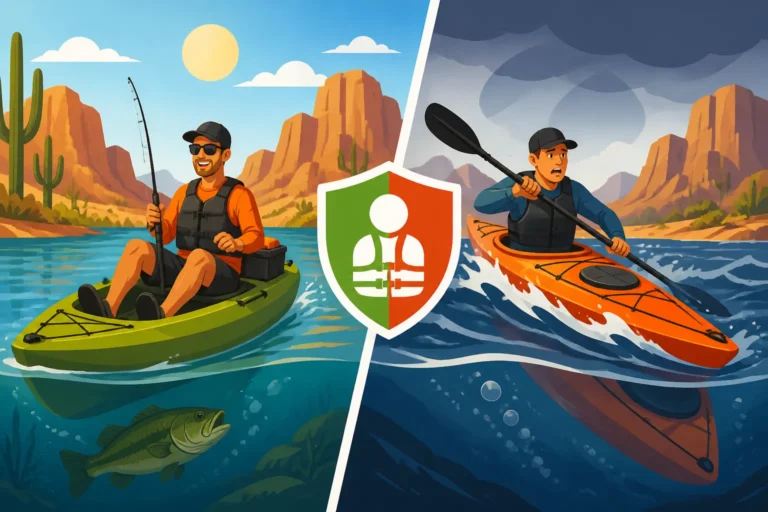
- Personal Flotation Device (PFD): This is non-negotiable. Always wear a PFD, even if you're an experienced swimmer. Modern fishing PFDs are designed with pockets and features that actually enhance your fishing experience, making them comfortable enough to wear all day. They come in various styles, including inflatable options that are less bulky. Always check the PFD Requirements for Kids in Arizona if you have younger paddlers with you.
- Communication Device: A fully charged cell phone in a waterproof case is a minimum. For more remote areas, a VHF marine radio or a satellite messenger like a Garmin InReach can be a lifesaver, especially where cell service is spotty (which is common in many of Arizona's more secluded fishing spots).
- First Aid Kit: A compact, waterproof first aid kit is essential for dealing with minor cuts, hook punctures, scrapes, or other common fishing mishaps. Include basics like bandages, antiseptic wipes, pain relievers, and any personal medications.
- Whistle or Air Horn: Required by law on many waterways, a whistle is crucial for signaling for help or alerting other boaters to your presence, particularly in low light or fog.
- Navigation: While a fish finder with GPS is great, also carry a physical map or a reliable GPS app on your phone, especially when exploring new or vast bodies of water like Lake Powell. Knowing your location and how to get back is critical. For broader understanding, refer to Boating Safety Gear Requirements in Arizona.
- Paddle (and a spare!): Even with a pedal drive, a paddle is your backup propulsion. Ensure it's the correct length for your kayak and paddling style. Some kayak anglers even carry a breakdown spare paddle, just in case.
Maximizing Comfort for Long Days on the Water
Arizona fishing often means long days under a strong sun. Comfort isn't a luxury; it's a necessity for endurance and enjoyment.
- Sun Protection: This is paramount.
- Wide-Brimmed Hat: Offers more protection than a baseball cap.
- Sunscreen: High SPF, waterproof, and applied liberally and often.
- UV Protective Clothing: Long-sleeved shirts, pants, and neck gaiters made from UPF-rated fabric provide excellent protection without being overly hot.
- Polarized Sunglasses: Not only do they protect your eyes from harmful UV rays, but they also cut glare on the water, allowing you to see submerged structure and even fish, giving you a distinct advantage.
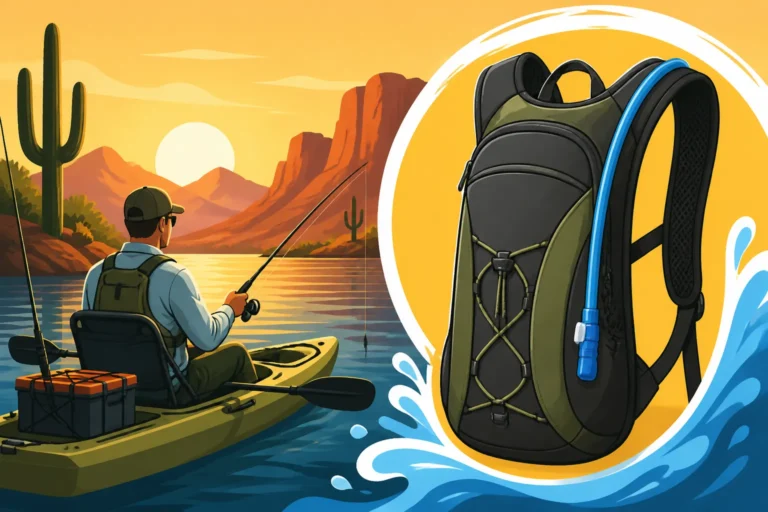
- Hydration: Always carry more water than you think you'll need. Arizona heat can lead to dehydration quickly. Insulated water bottles or a hydration bladder in a backpack are great options. Consider bringing electrolyte drinks as well. Heat Safety Tips for Summer Fishing in Arizona is a must-read for any angler.
- Snacks: Energy bars, fruit, and other non-perishable snacks will keep your energy levels up throughout the day.
- Comfortable Seat: As mentioned, a good quality seat can drastically reduce fatigue and discomfort. Look for breathable materials and good back support.
- Cooler: A small, well-insulated cooler is vital for keeping your drinks and snacks cold, and for preserving any fish you decide to keep. You can find excellent compact fishing coolers at Bass Pro Shops or on Amazon. Consider a model like a Yeti or RTIC that excels at keeping ice for extended periods, critical in our hot climate. For more specific recommendations, check out Best Coolers for Hot-Weather Fishing in Arizona.
- Small Dry Towel: Handy for drying hands, wiping down gear, or even cooling off if you soak it in the water.
By thoughtfully outfitting your kayak with these essentials and prioritizing both safety and comfort, you'll be well-prepared to tackle Arizona's fantastic fishing opportunities. Kayak fishing truly offers an unparalleled connection to the water, and with the right setup, you'll be enjoying it for years to come.
Disclaimer
This article is for general informational purposes only and does not constitute professional advice. Laws, prices and regulations vary by location and change over time. Consult a qualified professional for guidance on your specific situation.