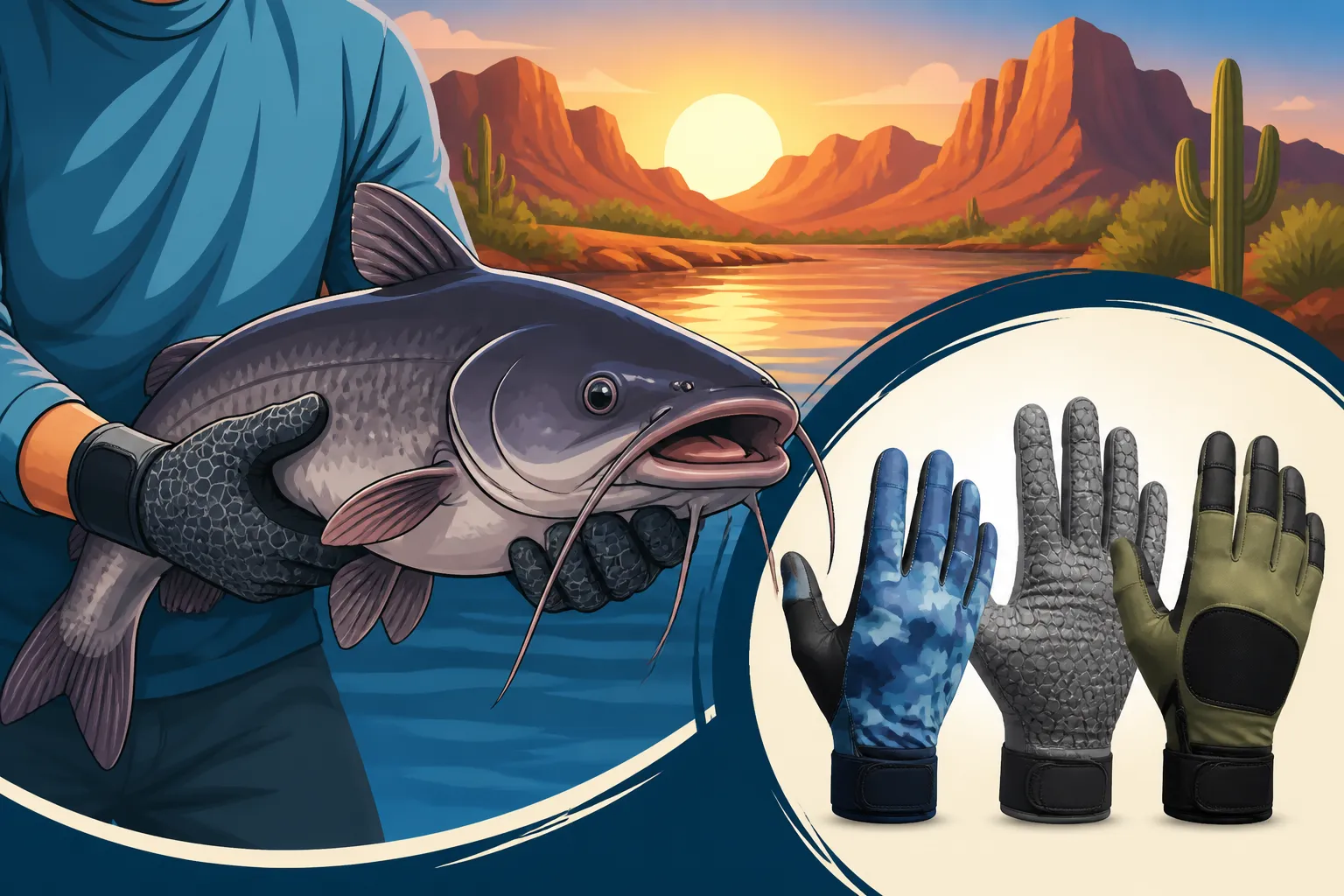
Best Fishing Gloves for Handling Catfish
There's nothing quite like the thrill of feeling that solid tug on your line, knowing you've hooked into a powerful Arizona catfish. But let's be honest, the excitement can quickly turn to apprehension when it's time to actually get that whiskered marvel into the boat or onto the bank. Those sharp pectoral and dorsal fins, combined with a notoriously slimy body and a scent that seems to cling to your skin for days, can make handling a catfish a real challenge. This guide is here to walk you through the essential considerations for choosing the best fishing gloves, ensuring both your safety and a more pleasant experience when you land your next big whisker fish in the Grand Canyon State.
Why Catfish Demand Special Gloves: Understanding the Challenge
Catfish aren't like your average panfish or even some bass. They come equipped with natural defenses that, while brilliant for their survival, can be a real pain for anglers. Understanding these unique characteristics is the first step in appreciating why a good pair of fishing gloves isn't just a luxury, but often a necessity.
The Perils of Catfish Spines and Pectoral Fins
Anyone who's ever handled a channel catfish, flathead, or even a smaller bullhead knows the sting of those sharp spines. Located on their dorsal (back) fin and their two pectoral (side) fins, these spines are incredibly rigid and can deliver a painful puncture wound if you're not careful. It’s not just the initial prick; these wounds can fester, get infected, and seriously sideline your fishing plans. I've seen more than one otherwise fantastic day on Roosevelt Lake or the Colorado River cut short because someone got "finned" by a catfish. The fish can thrash violently, and one wrong move can send a spine deep into your hand. It's a common frustration that can easily be avoided.
The Unforgettable Slime and Lingering Odor
Beyond the spines, catfish are notorious for their protective layer of thick, slippery slime. This slime helps protect them from disease and predators in their natural habitat, but it makes holding onto a squirming fish nearly impossible with bare hands. That slick coating not only compromises your grip, increasing the risk of getting finned, but it also carries that distinctive, pungent catfish odor. And let me tell you, that smell has a way of sticking around, permeating everything it touches – your hands, your clothes, your tackle, and even the steering wheel of your truck. Trying to wash it off with a quick splash of lake water rarely does the trick. Specialized gloves create a barrier, making cleanup much simpler.
Beyond Comfort: Protecting Your Hands and the Fish
It's easy to focus on how gloves protect us from the fish, but it's equally important to consider how they can protect the fish from us, especially if you're practicing catch and release. When handling a catfish with bare hands, the struggle and often rough grip can remove their protective slime coating, leaving them vulnerable to infections. A good pair of handling gloves can provide a more secure, gentler grip, allowing you to quickly and safely unhook and release the fish with minimal stress. This is particularly important for species like the bigger flatheads where you want to minimize any harm. Understanding the specific needs for handling these species is a big part of being a responsible angler, whether you’re targeting big ones on the Colorado River or smaller ones in community lakes. You can learn more about specific species in our Catfish Fishing Guide for Arizona.
Key Features to Look for in Catfish Handling Gloves
When you're out there, whether you're targeting the huge flatheads of the Colorado River or the plentiful channel cats in Lake Pleasant, you want gear that performs. Choosing the right fishing gloves for catfish isn't just about picking up any old pair. It's about finding the balance between protection, dexterity, and ease of use. Here's what truly matters:
Material Matters: Puncture Resistance and Durability
The core purpose of a catfish glove is to stop those nasty spines from reaching your skin. This means the material is paramount.
- Heavy-Duty Rubber or PVC: These are often the go-to for serious protection. Think thick, industrial-grade gloves, sometimes with a textured outer layer for grip. They offer excellent puncture resistance against spines and are fantastic for repelling slime and odor. The downside? They can be bulky, which reduces dexterity, and they don't always breathe well, making your hands sweaty in Arizona's heat.
- Specialized Cut-Resistant Fabrics: Some advanced fishing gloves incorporate materials like Kevlar, Dyneema, or other high-performance synthetic fibers, often blended with durable nylons or spandex for flexibility. These fabrics are designed to resist cuts and punctures, making them effective against spines while often offering better flexibility and breathability than pure rubber. They might feel more like a thick fabric glove but have a hidden strength.
- Leather: While traditional, leather isn't typically the top choice for catfish. It can absorb slime and odor, become stiff when wet, and isn't as puncture-resistant as other options. Unless it's heavily treated and very thick, it's generally best avoided for direct catfish handling.
When comparing materials, consider the thickness. Thicker gloves offer more protection but sacrifice dexterity. A glove that's too thin, even if made from a "cut-resistant" material, might still allow a sharp spine to penetrate. Look for gloves that strike a good balance, offering robust protection without making your hands feel like clumsy clubs.
Grip and Dexterity: Holding On Without Hurting
What good is a glove if you can't hold onto the fish, or if you can't even unhook it? The ideal catfish glove provides a superior grip, even when wet and slimy, while still allowing you enough dexterity to perform necessary tasks.
- Textured Surfaces and Non-Slip Coatings: Many gloves designed for fishing will feature textured palms and fingers, often with a rubberized or silicon coating. This is crucial for maintaining a firm hold on a squirming, slimy catfish. Without a good grip, the fish can slip, potentially injuring both you and the fish, or worse, making a quick escape before you've had a chance to get that picture.
- Balance Between Protection and Functionality: This is the eternal struggle. The thickest, most impenetrable gloves might make it impossible to tie a knot, operate your reel, or even properly grasp a pair of pliers. Conversely, a glove with excellent dexterity might not offer enough protection. Look for gloves that have a pre-curved design or stretchable components that allow your hand to move naturally. Some anglers even use one heavy-duty glove for handling the fish directly and a lighter, more dexterous glove on their other hand for tasks like unhooking. Finding a good pair of gloves that offer both grip and reasonable dexterity is key, especially if you plan on doing a lot of catch-and-release fishing where precise movements are necessary.
Length and Coverage: Forearm Protection is Key
While the hands are the primary target for spines, don't overlook the importance of forearm protection. Catfish, especially larger ones, can be quite long, and their fins aren't just limited to the mouth area.
- Extended Cuffs: Gloves that extend past your wrist, often well up your forearm, provide a critical extra layer of protection. This is particularly valuable when reaching into a deep livewell to retrieve a fish, or when handling a particularly feisty flathead. A long cuff ensures that if the fish thrashes, its spines won't accidentally catch your forearm. It also keeps more of that legendary slime off your skin and clothes.
- Snug Fit: Regardless of length, the glove should fit snugly around your wrist or forearm without being overly tight. A loose cuff can allow water, slime, and even a rogue spine to sneak in, defeating the purpose of the glove. Some gloves feature adjustable wrist straps or elastic cuffs to ensure a secure fit.
Cleanliness and Odor Control: Easy to Wash and Quick to Dry
Let's face it, one of the biggest deterrents to handling catfish is the mess and the smell. Good gloves can mitigate this significantly.
- Non-Porous Materials: Gloves made from non-porous materials like rubber or PVC are champions at resisting odor absorption. They can be quickly rinsed off with a hose or bucket of water, and because they don't absorb liquids, they don't retain the fishy smell.
- Easy to Clean and Quick-Drying: Even fabric-based cut-resistant gloves should be designed for easy cleaning. Look for materials that can be hosed down, perhaps even machine washed (check manufacturer's instructions!), and that dry relatively quickly. Nothing's worse than pulling on damp, smelly gloves from your last trip. Some gloves even incorporate anti-microbial treatments to help combat odor-causing bacteria. After a long day of fishing on Lake Havasu, the last thing you want is a lingering fish smell in your vehicle.
Types of Gloves Suited for Catfish Anglers
Just like there are different types of rigs for different fish, there are various glove options available, each with its own set of pros and cons for the catfish angler. Knowing your options can help you select the best protection for your specific needs, whether you're targeting big channel cats or the elusive Arizona Flathead Catfish Record.
Heavy-Duty Fillet/Cleaning Gloves
These are often the behemoths of the glove world, typically found in kitchens or fish processing plants, but they have a definite place on a serious catfish angler's boat.
- Description: These gloves are usually quite thick, made from heavy-duty rubber, PVC, or sometimes a combination of materials with reinforced palms and fingers. They are designed for maximum protection against cuts and punctures, making them excellent at fending off catfish spines. They often extend well up the forearm, providing extensive coverage.
- Pros:
- Ultimate Protection: When it comes to stopping spines, these are often the best. The thickness and material composition provide a formidable barrier.
- Excellent Slime and Odor Resistance: Their non-porous nature means slime and odor sit on the surface and can be easily rinsed away, preventing them from soaking into the glove material.
- Durability: Built for tough work, these gloves tend to last a long time, even with frequent use.
- Cons:
- Reduced Dexterity: This is their biggest drawback. Tying knots, working small lure components, or even unhooking a fish can feel cumbersome and difficult. Precision tasks are nearly impossible.
- Bulkiness: They can feel clunky and heavy, especially for smaller hands.
- Heat: In Arizona's scorching summers, your hands can get very sweaty inside these gloves, as they offer little to no breathability.
These gloves are ideal if your primary concern is absolute protection and you don't need fine motor skills for your specific fishing technique. For instance, if you're planning to keep all your catfish and primarily use them for handling while moving fish to a cooler, they're a solid choice. Many general outdoor retailers, including places like Bass Pro Shops, will carry various heavy-duty options, often marketed for fish processing or general work.
Specialized Fishing/Handling Gloves
This category covers gloves specifically designed with anglers in mind, attempting to blend protection with usability.
- Description: These gloves come in a wide variety of designs, from full-finger to three-quarter finger or even fingerless options. They often incorporate a mix of materials, such as synthetic leathers, neoprene, or advanced cut-resistant fabrics on the palms and fingers, paired with breathable mesh on the back of the hand. Many feature textured or rubberized palms for improved wet grip.
- Pros:
- Improved Dexterity: Compared to heavy-duty industrial gloves, these offer significantly better feel and flexibility, making it easier to tie knots, handle lines, and unhook fish.
- Better Grip: Often designed with specific wet-grip patterns and coatings, they help you hold onto slimy fish more effectively.
- Breathability: Many designs incorporate breathable fabrics, which is a huge plus for comfort during long days on the water in Arizona.
- Specialized Features: Some models include magnetic hook holders, reinforced finger tips, or specific padding for comfort.
- Cons:
- Varying Levels of Protection: Not all specialized fishing gloves are created equal when it comes to puncture resistance. While many can handle smaller spines or offer basic protection, some might not be robust enough for the largest, sharpest catfish spines. You'll need to check the material specifics carefully.
- Odor Absorption: Gloves with fabric components can sometimes absorb fish odor, requiring more thorough washing and drying.
- Cost: Quality specialized fishing gloves can sometimes be pricier than basic utility gloves.
These gloves are a great all-around choice for many anglers who want a balance of protection and functionality. They are widely available online through retailers like Amazon, or in person at larger sporting goods stores.
Cut-Resistant Work Gloves (A DIY Option)
Sometimes, the best solution might be found outside the fishing aisle. Industrial cut-resistant gloves, not necessarily designed for fishing, can offer a practical and often cost-effective alternative.
- Description: These are gloves typically used in construction, manufacturing, or food service industries where protection against sharp objects is critical. They are often made from high-performance fibers like Kevlar, HPPE (High-Performance Polyethylene), or Dyneema, sometimes with a nitrile or polyurethane coating on the palm for grip and added puncture resistance.
- Pros:
- Excellent Cut/Puncture Resistance: Their primary design is to protect against cuts and punctures, making them very effective against catfish spines.
- Often More Affordable: You can often find high-quality cut-resistant work gloves for a lower price point than specialized fishing gloves, especially when bought in multi-packs.
- Good Dexterity (for some models): Many thinner gauge cut-resistant gloves offer surprising dexterity, allowing for precise work.
- Cons:
- Less Water Resistance: Unless they have a full rubberized or nitrile coating, many fabric-based cut-resistant gloves will soak up water and slime, potentially absorbing odor and becoming heavy.
- Not Designed for Fishing Grip: While they offer cut resistance, the grip might not be optimized for handling wet, slimy fish.
- Breathability Varies: Some models can be quite warm, while others offer decent airflow.
If you're on a budget or prefer a more minimalist approach, a pair of good quality, coated cut-resistant work gloves can certainly do the trick. Just be mindful of their water absorption if you're frequently dunking your hands.
Here's a quick comparison table to help you decide:
| Glove Type | Puncture Resistance (Spines) | Dexterity | Slime/Odor Resistance | Breathability | Common Uses |
|---|---|---|---|---|---|
| Heavy-Duty Fillet/Cleaning Gloves | Excellent | Poor | Excellent | Poor | Fish processing, large catfish retention, ultimate protection |
| Specialized Fishing Gloves | Good to Very Good | Good | Good | Fair to Good | General angling, catch & release, balanced use |
| Cut-Resistant Work Gloves | Very Good | Fair to Good | Fair to Good (coated) | Fair | Budget-friendly, general protection, processing |
Best Practices for Handling Catfish, Gloves or Not
Having the right gloves is a huge step, but even with the best hand protection, knowing how to properly handle a catfish can make all the difference. It's about minimizing stress on the fish (if releasing) and maximizing safety for yourself. These practices apply whether you're targeting small channel cats in a community pond or wrestling a monster flathead out of Lake Pleasant.
The Proper Grip: Securing the Fish Safely
Many anglers instinctively grab a fish anywhere they can, but with catfish, a strategic approach is best to avoid those sharp spines.
- The "Lip Grip" (for some species): For channel catfish and even smaller flatheads, a firm grip on the lower jaw (the "lip") can be quite effective. With your gloved hand, slide your thumb inside the lower jaw and your fingers outside, pressing them together firmly. This often immobilizes the fish and gives you excellent control. The key is to avoid placing your fingers too far back into the gill plates, as this can injure the fish.
- Gill Plate Hold (with caution): For larger flatheads or when a lip grip isn't feasible, a careful grip behind the gill plate can work, but this requires significant caution and a robust glove. You're essentially holding the fish by the thick, bony part of its head, just behind the gills. Never put your fingers into the actual gills, as this is extremely damaging to the fish. The strong, thick material of your catfish glove will be your best friend here, as the pectoral fin spines are directly below this area.
- Supporting the Body: Once you have a secure head grip, always support the fish's body with your other gloved hand, especially for larger specimens. This takes pressure off the jaw and spine, and gives you better control over a thrashing fish. Imagine trying to hold a wriggling snake – you need control over the whole body, not just the head. This technique is particularly important for those powerful Flathead Catfish Average Weight on the Colorado River.
Quick Release vs. Retention: Minimizing Stress
Your handling technique should also be informed by whether you plan to release the fish or keep it.
- For Catch and Release: Speed and gentleness are paramount. Have your camera ready, your pliers easily accessible (many anglers use a pair of Best Pliers and Tools for Anglers for quick hook removal), and a measurement device if you're tracking size. The goal is to minimize the time the fish is out of the water. With your gloves on, secure the fish, quickly remove the hook, snap a photo if desired, and gently return it to the water, supporting it until it swims away on its own power. A good, secure grip from your gloves ensures you can manage the fish efficiently without prolonged struggle.
- For Retention (Keeping the Fish): If you're planning to keep your catch, the objective is to get it safely into a livewell or a cooler as quickly as possible. Your gloves protect you from spines and slime during this process. Once the fish is securely in the livewell, you can remove your gloves before handling other gear. For anglers keeping fish, learn about Best Coolers to Keep Fish Fresh to ensure your catch stays prime.
Cleaning and Maintenance of Your Gloves
Neglecting your gloves after a successful fishing trip will quickly lead to them becoming smelly, stiff, and less effective. Proper care extends their lifespan and keeps them ready for your next outing.
- Immediate Rinse: As soon as you're done fishing for the day, give your gloves a thorough rinse with fresh water. This removes the bulk of the slime and any initial odor. A garden hose works perfectly for this.
- Soap and Water Wash: For a deeper clean, especially for gloves with fabric components, wash them with mild soap and water. Dish soap or even a gentle hand soap can work wonders. Pay special attention to the palm and finger areas where most of the grime accumulates.
- Thorough Drying: This is crucial for preventing mildew and lingering odors. Hang your gloves to air dry completely. Avoid direct sunlight or high heat, which can degrade materials like rubber or synthetic fabrics over time. If possible, turn fabric gloves inside out to ensure the interior dries thoroughly. For rubberized gloves, simply wiping them dry after rinsing is often enough.
- Storage: Once dry, store your gloves in a well-ventilated area, perhaps alongside your other Essential Tackle Box Setup for Arizona Beginners. Avoid stuffing them into a sealed bag where moisture can get trapped and odors can build up.
By incorporating these practices, you'll find that handling catfish becomes less of a chore and more of a confident, controlled part of your fishing adventure. So, go ahead, get geared up, and get ready to tackle those Arizona catfish with confidence!
Disclaimer
This article is for general informational purposes only and does not constitute professional advice. Laws, prices and regulations vary by location and change over time. Consult a qualified professional for guidance on your specific situation.