Is the Razorback Sucker Still Found in Arizona?
For any angler who has spent time on Arizona's vast and diverse waterways, there's a natural curiosity about the unique creatures that call these waters home. One species, in particular, often sparks questions due to its intriguing history and endangered status: the Razorback Sucker. Many wonder if this fascinating native fish still swims in Arizona's rivers and lakes, or if it's merely a ghost of the past. This guide will dive deep into the world of the Razorback Sucker, exploring its presence, the challenges it faces, and what's being done to ensure its future in the Grand Canyon State.
The Unique World of the Razorback Sucker: A Native Arizona Fish
The Razorback Sucker (Xyrauchen texanus) isn't your everyday sport fish. It's a truly remarkable native species, perfectly adapted to the dynamic and often harsh conditions of the Colorado River basin. For centuries, these fish thrived in the warmer, turbid waters of Arizona's major rivers, playing a vital role in the ecosystem. Their unique name comes from the prominent bony keel, or "razorback," behind their head, giving them a distinctive profile that once made them easily recognizable in the bustling river environments.
Imagine the Colorado River a hundred years ago: vast, untamed, with seasonal floods and shifting channels. This was the Razorback Sucker's domain. They are long-lived fish, capable of surviving for decades, and historically grew to impressive sizes, sometimes exceeding three feet in length. Their diet primarily consists of invertebrates and plant matter, which they filter from the river bottom, acting as natural vacuum cleaners for the ecosystem. They have a fascinating life cycle, with adults moving to floodplains and shallow, warm areas to spawn, and their young then dispersing into the main channels. This reliance on natural flood cycles and specific habitats is a key factor in understanding their current plight.
Historical Range and Habitat in Arizona
Historically, Razorback Suckers were widespread throughout the warm-water portions of the Colorado River and its major tributaries within Arizona. This included sections of the Colorado River itself, especially below the Grand Canyon, as well as the lower reaches of the Gila River and the Salt River. They were particularly common in slower-moving backwaters, oxbow lakes, and marshy floodplains connected to the main river channels. These areas provided the calm, nutrient-rich environments ideal for spawning and for the survival of their young.
Anglers of yesteryear might have encountered them more frequently, though they were rarely a target species due to their bottom-feeding nature. They were simply part of the rich tapestry of native aquatic life that defined the desert rivers. The health of the Razorback Sucker population was, in many ways, an indicator of the overall health of the entire river system. As you can imagine, a thriving population meant a balanced and robust aquatic environment, something we strive for even today. Understanding this historical abundance helps us appreciate the scale of their decline and the immense efforts now required for their recovery.
Why Its Status is a Lingering Question
The reason "Is the Razorback Sucker Still Found in Arizona?" is a frequently asked question stems from a dramatic decline in their populations, beginning in the early to mid-20th century. This decline was so severe that for a time, many feared they might be completely gone from much of their historical range. The species was listed as endangered under the Endangered Species Act in 1991, a clear signal of their precarious situation.
The primary drivers of this decline were complex and multifaceted, largely tied to human alterations of the river system. The construction of massive dams like Hoover Dam and Glen Canyon Dam fundamentally changed the character of the Colorado River. These dams created cold, clear reservoirs and released cold, regulated water downstream, altering the historical warm-water habitat that Razorback Suckers depended on. Furthermore, the introduction of non-native fish species, which often outcompeted native fish for food and habitat, or directly preyed on the vulnerable young suckers, exacerbated the problem. These changes made it incredibly difficult for Razorback Suckers to complete their life cycle naturally, leading to a drastic drop in numbers and raising serious doubts about their long-term survival in the wild.
Current Status and Ongoing Conservation Efforts in Arizona
The good news is that, yes, the Razorback Sucker is still found in Arizona! However, its presence is largely due to intensive, ongoing conservation efforts rather than robust natural reproduction in many areas. It's a testament to dedicated biologists, conservationists, and the various state and federal agencies working tirelessly to prevent this unique fish from disappearing forever. The question isn't just about presence, but about the viability of its populations.
Today, wild populations are primarily concentrated in a few key areas, particularly in Lake Mohave and Lake Havasu along the lower Colorado River, where some natural spawning still occurs. However, even in these locations, survival of young fish is very low, mainly due to predation by non-native species. Upstream in the Grand Canyon, Razorback Suckers are occasionally found, often attributed to augmentation efforts. This highlights the delicate balance and the constant vigilance required to maintain their existence. You might also be interested in learning about other imperiled species, such as the Colorado Pikeminnow Status in Arizona or the Bonytail Chub Conservation Status, as they share similar stories of survival and recovery efforts.
Reintroduction and Stocking Programs
One of the most critical components of Razorback Sucker recovery in Arizona (and across its broader range) has been extensive reintroduction and stocking programs. Biologists collect adult Razorback Suckers from the wild or raise them in specialized hatcheries. These fish are then bred, and their young are grown to a size where they are less vulnerable to predation by non-native fish. Once they reach this "predator-proof" size, they are released into suitable habitats.
These programs are carefully planned and executed, often involving significant logistical challenges. For instance, fish might be transported by specialized trucks to remote river stretches or specific coves within large reservoirs. The goal is to boost existing wild populations and re-establish them in areas where they were extirpated. Sites like Lake Roosevelt and various stretches of the Colorado River have received these stocked fish, with researchers continually monitoring their survival and movement using methods like PIT (Passive Integrated Transponder) tags. These tags allow individual fish to be identified if recaptured, providing invaluable data on their movements and longevity in the wild.
Habitat Restoration and Protection Initiatives
Beyond simply stocking fish, conservation efforts also focus heavily on restoring and protecting the critical habitats that Razorback Suckers need to survive and, hopefully, eventually reproduce naturally. This involves several strategies:
- Removal of Non-Native Species: Invasive fish like bass, catfish, and carp are a major threat, particularly to young Razorback Suckers. Efforts are made to control or remove these species in specific areas designated as critical habitat for native fish. This can involve targeted fishing efforts, electrofishing, or even controlled water drawdowns in certain impoundments.
- Recreating Spawning and Nursery Habitats: In some areas, efforts are underway to restore the shallow, warm-water wetlands and floodplains that Razorback Suckers historically used for spawning and as nurseries for their young. This can involve modifying water management practices, creating new backwater channels, or enhancing existing ones. For instance, temporary ponds might be created where young Razorback Suckers can grow without predator pressure before being released into the main river system.
- Water Management Strategies: Collaborative efforts with dam operators, such as the Bureau of Reclamation, aim to implement water release schedules that mimic natural river flows more closely, creating beneficial conditions for native fish while still meeting other water demands. This is a complex balancing act, but vital for species like the Razorback Sucker that evolved with specific river dynamics.
These initiatives represent a long-term commitment, often involving multiple agencies and research institutions. The work is challenging, costly, and requires constant adaptation, but the persistence of the Razorback Sucker in Arizona is a direct result of these dedicated conservation efforts. You can learn more about the broader picture by checking out Native Fish Species of Arizona and Endangered Fish Species in Arizona Rivers.
Challenges to Razorback Sucker Survival in Arizona
Despite the tremendous conservation efforts, the Razorback Sucker still faces an uphill battle for long-term survival in Arizona. The challenges are deeply ingrained in the altered landscape and ecology of the Colorado River system, making recovery a complex and ongoing endeavor. Understanding these obstacles is key to appreciating the fragility of their existence and the importance of continued vigilance.
Impact of Dams and Altered River Flow
The construction of large dams like Hoover Dam, Glen Canyon Dam, and Parker Dam has fundamentally reshaped the aquatic environment of the Colorado River basin. While these dams provide vital water, power, and flood control, they have inadvertently created conditions that are detrimental to native warm-water fish species like the Razorback Sucker.
Here's how:
- Cold Water Releases: Dams typically release cold water from deep within their reservoirs. This drastically lowers downstream water temperatures, converting historical warm-water habitats into cold-water environments. Razorback Suckers are warm-water fish; their spawning, growth, and survival are severely impacted by these consistently colder temperatures, especially in sections like the Colorado River below Glen Canyon Dam.
- Loss of Seasonal Floods: Historically, the Colorado River experienced dramatic seasonal floods that scoured riverbeds, reshaped channels, and connected main rivers to vital floodplain wetlands. These floods were crucial for creating and maintaining spawning and nursery habitats for native fish. Dams, by regulating flow, eliminate these natural flood cycles, leading to more stable but ultimately less dynamic and productive habitats for species like the Razorback Sucker.
- Habitat Fragmentation: Dams also act as physical barriers, fragmenting river systems and preventing fish from migrating to historical spawning grounds or connecting with different parts of their populations. This isolation can lead to reduced genetic diversity and makes populations more vulnerable.
Predation by Non-Native Species
Perhaps the single most significant and pervasive threat to Razorback Suckers, particularly their young, comes from invasive non-native fish species. These species were introduced intentionally (for sport fishing or mosquito control) or accidentally over the past century and have since proliferated throughout Arizona's waterways.
Common culprits include:
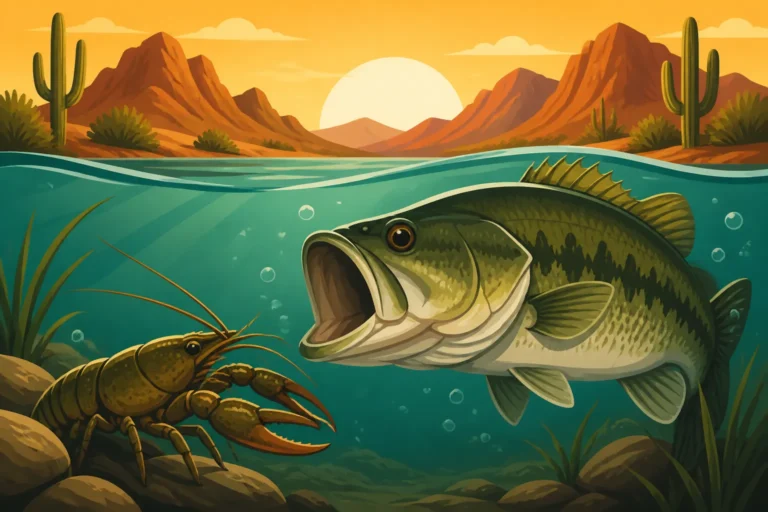
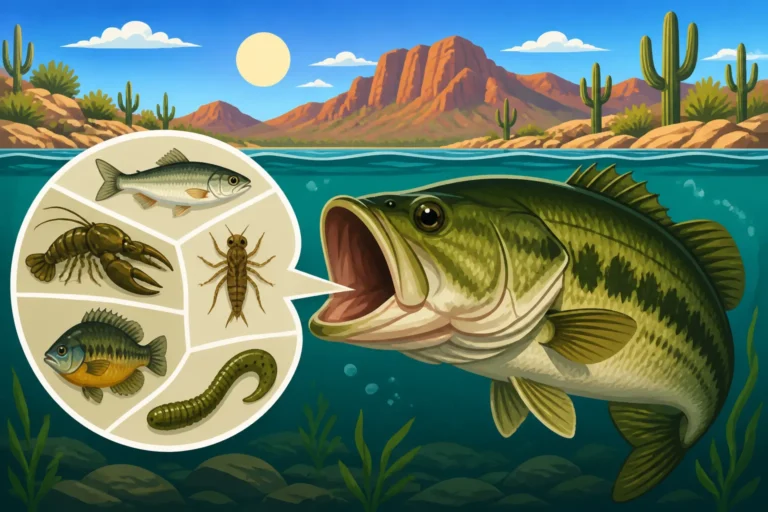
- Largemouth Bass and Smallmouth Bass: These voracious predators readily consume small fish, including juvenile Razorback Suckers. Their predatory efficiency is a primary reason why natural recruitment (survival of young to adulthood) is so low in many areas where Razorback Suckers still spawn.
- Channel Catfish and Flathead Catfish: While adult Razorback Suckers are large, their young are susceptible to predation by these powerful bottom-dwelling predators. Flathead catfish, in particular, are highly effective predators of other fish.
- Other Introduced Species: Crappie, sunfish, and even some species of carp can compete with Razorback Suckers for food and habitat, putting additional pressure on already struggling native populations.
The issue isn't just predation; it's also competition for resources. Non-native species often outcompete native fish for food and prime habitat, further stressing the Razorback Sucker. Managing these non-native populations is incredibly difficult in large, interconnected river systems, making it an ongoing and resource-intensive challenge for conservationists. This problem is echoed across many native species conservation efforts, including those for the Bonytail Chub Conservation Status.
How Anglers Can Help with Razorback Sucker Conservation
While the Razorback Sucker may not be a target species for anglers, recreational fishing can still play a significant role in its conservation. Every angler on Arizona's waters can contribute to the survival of this unique native fish. It’s about being aware, responsible, and informed.
Identifying and Reporting Potential Sightings
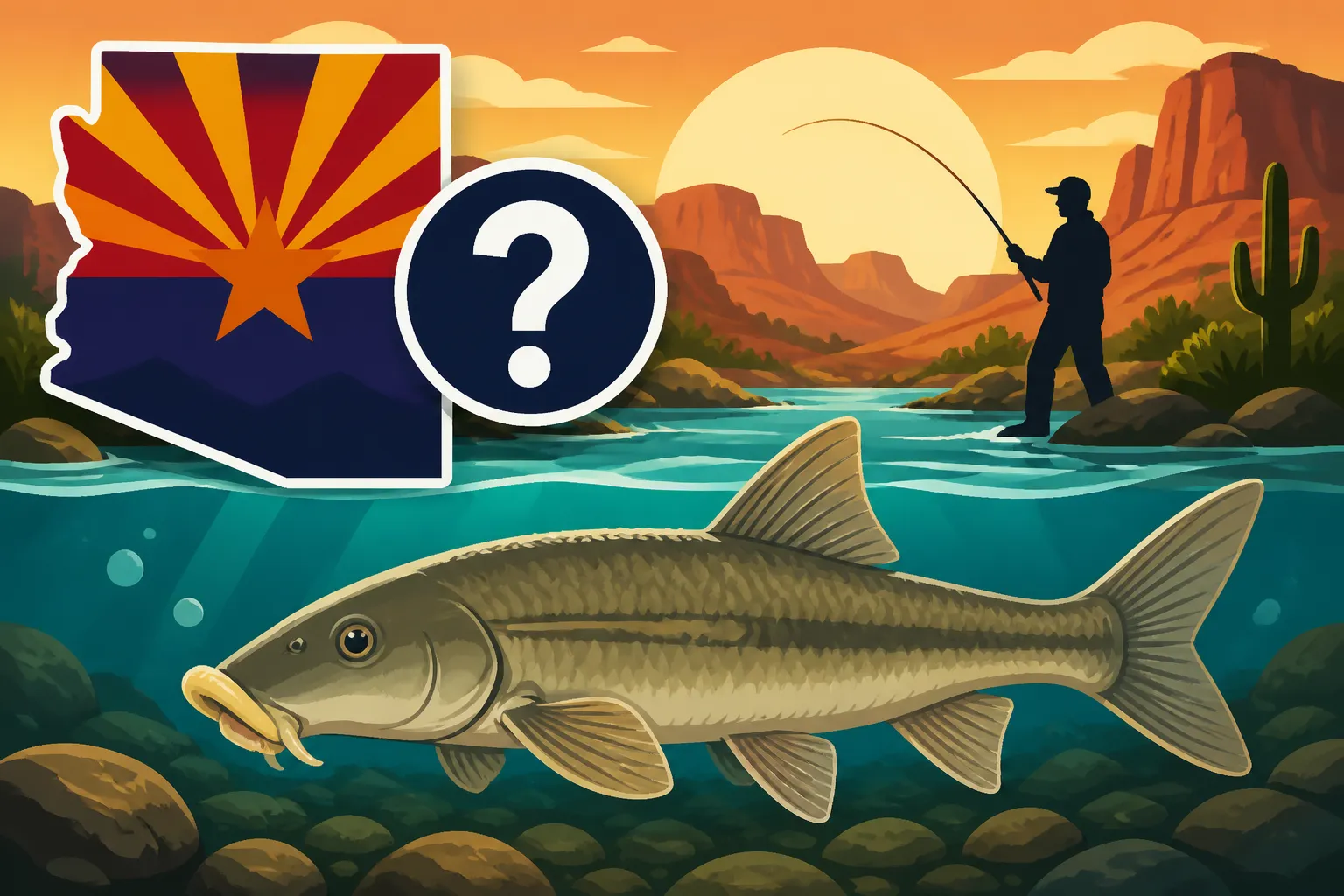
Given their endangered status, accidental catches of Razorback Suckers are rare, but they do happen, particularly in areas like Lake Mohave, Lake Havasu, or even parts of the lower Colorado River. Knowing what they look like is the first step. Remember that distinctive bony keel on their back! They also tend to have a thick body, small head, and a large, fleshy, sucker-like mouth positioned on the underside of their head. Their coloring is typically dark olive to brownish on the back, fading to a lighter belly.
If you believe you have accidentally caught a Razorback Sucker, it's crucial to:
- Identify it quickly and gently: Minimize handling time.
- Take a clear photo: If possible, safely get a photo of the fish in the water to confirm identification.
- Release it immediately: Return the fish to the water as quickly and gently as possible, even if it appears sluggish. Avoid touching its gills or eyes.
- Report the sighting: Contact the Arizona Game and Fish Department (AZGFD) or the U.S. Fish and Wildlife Service. Provide details on where and when you caught it, and include any photos. This information is vital for researchers tracking populations and understanding their distribution.
Your quick actions and reporting can provide critical data for biologists working to save this species. Remember, the rules regarding Catch and Release Rules for Arizona Anglers apply, but with extra care for endangered species.
Best Practices for Fishing in Native Fish Habitats
Even if you're not targeting a Razorback Sucker, practicing responsible angling helps protect all native species, particularly those in sensitive habitats. Here are some key practices:
- Minimize Disturbance: When fishing in areas known to be home to native fish, try to minimize your impact. Avoid trampling vegetation along shorelines or disturbing spawning beds. If you're using a boat, be mindful of propeller wash in shallow areas.
- Use Proper Catch and Release Techniques: If you're catching and releasing other species, ensure you're using techniques that maximize fish survival. This includes using appropriate tackle, barbless hooks (where legal and practical), and handling fish gently. A good quality net, often available on Amazon, can help land fish safely without excessive handling. Learning how to properly unhook and release fish, especially when using live bait, is paramount.
- Prevent the Spread of Aquatic Invasive Species (AIS): This is absolutely critical. AIS can outcompete native fish and degrade their habitats. Always clean, drain, and dry your boat, trailer, and fishing gear thoroughly after each outing. Inspect your waders, boots, and tackle for any hitchhiking plants or organisms. Never transport live fish or bait from one body of water to another. This is covered more broadly in Invasive and Protected Fish Species in Arizona.
- Be Aware of Regulations: Always know and follow the specific fishing regulations for the waters you're visiting. Some areas may have special restrictions to protect native fish. The Arizona Fishing Regulations Explained guide is your best friend here.
Supporting Conservation through Education and Equipment Choices
Your role as an angler extends beyond the water. Educating yourself and others is powerful.
- Learn About Native Fish: The more you know about Arizona's native aquatic species, their challenges, and their importance, the better advocate you can be. Share your knowledge with fellow anglers, friends, and family.
- Support Conservation Organizations: Many local and national organizations are dedicated to native fish conservation. Consider donating your time or resources to groups that work on Razorback Sucker recovery or broader native fish initiatives.
- Thoughtful Gear Choices: When purchasing fishing gear, consider items that promote responsible angling. For example, some fishing nets are designed with rubberized mesh to be gentler on fish, reducing slime coat removal and injury during catch and release. Many companies offer such products, easily found on platforms like Amazon. Similarly, investing in quality polarized sunglasses, like those you can find on Amazon, not only protects your eyes from the harsh Arizona sun but also helps you spot fish and potential habitat issues more clearly. For longer trips, especially on large lakes like Lake Powell, having adequate boating safety gear, which can be sourced from various retailers including Amazon, is not just about personal safety but also about respecting the environment and its inhabitants.
By embracing these practices and staying informed, anglers become vital partners in the ongoing effort to ensure the Razorback Sucker remains a living, breathing part of Arizona's natural heritage. Every gentle release and every reported sighting contributes to a more complete picture for biologists and a brighter future for this unique fish.
| Threat Category | Specific Impacts | How it Affects Razorback Suckers |
|---|---|---|
| Habitat Alteration | Dams, reservoirs, water diversions | Blocks migration, creates cold/clear water, reduces flows |
| Predation | Introduced game fish (bass, catfish) | Consume eggs and vulnerable juvenile suckers |
| Competition | Introduced forage fish (carp, tilapia) | Outcompete for food and space |
| Pollution | Agricultural runoff, urban development | Degrades water quality, impacts food sources |
| Disease | Increased stress from poor conditions | Reduces survival rates and reproductive success |
Disclaimer
This article is for general informational purposes only and does not constitute professional advice. Laws, prices and regulations vary by location and change over time. Consult a qualified professional for guidance on your specific situation.