Arizona State Record Smallmouth Bass Details
There's a special kind of thrill that comes with chasing a state record, especially when it comes to a hard-fighting species like the smallmouth bass. For many dedicated anglers in Arizona, the idea of hooking into a truly monumental bronzeback is a constant, simmering dream. It's not just about the size, but the challenge, the strategy, and the incredible fight these fish offer. But what exactly is the Arizona state record for smallmouth bass? Knowing the details can fuel your ambition and help you understand the caliber of fish that calls our desert lakes home. This guide will dive deep into the known specifics of Arizona's smallmouth bass record and give you insights into how these impressive fish grow so large in our unique waters, offering strategies and gear tips for anyone hoping to make their own mark in Arizona fishing history.
The Elusive Arizona Smallmouth Bass Record: What We Know
When you talk about record fish, especially a species as beloved as the smallmouth bass, anglers' ears perk up. There's a certain reverence for the fish that holds the top spot, a testament to its survival and the angler's skill (or sometimes, just pure luck!). For Arizona, the smallmouth bass record is a particularly impressive benchmark, one that truly showcases the potential of our desert lakes.
A Look at the Current State Record Holder
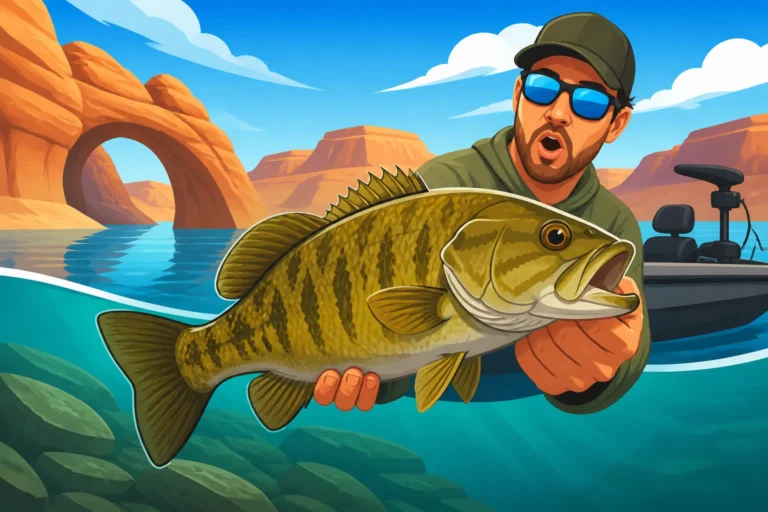
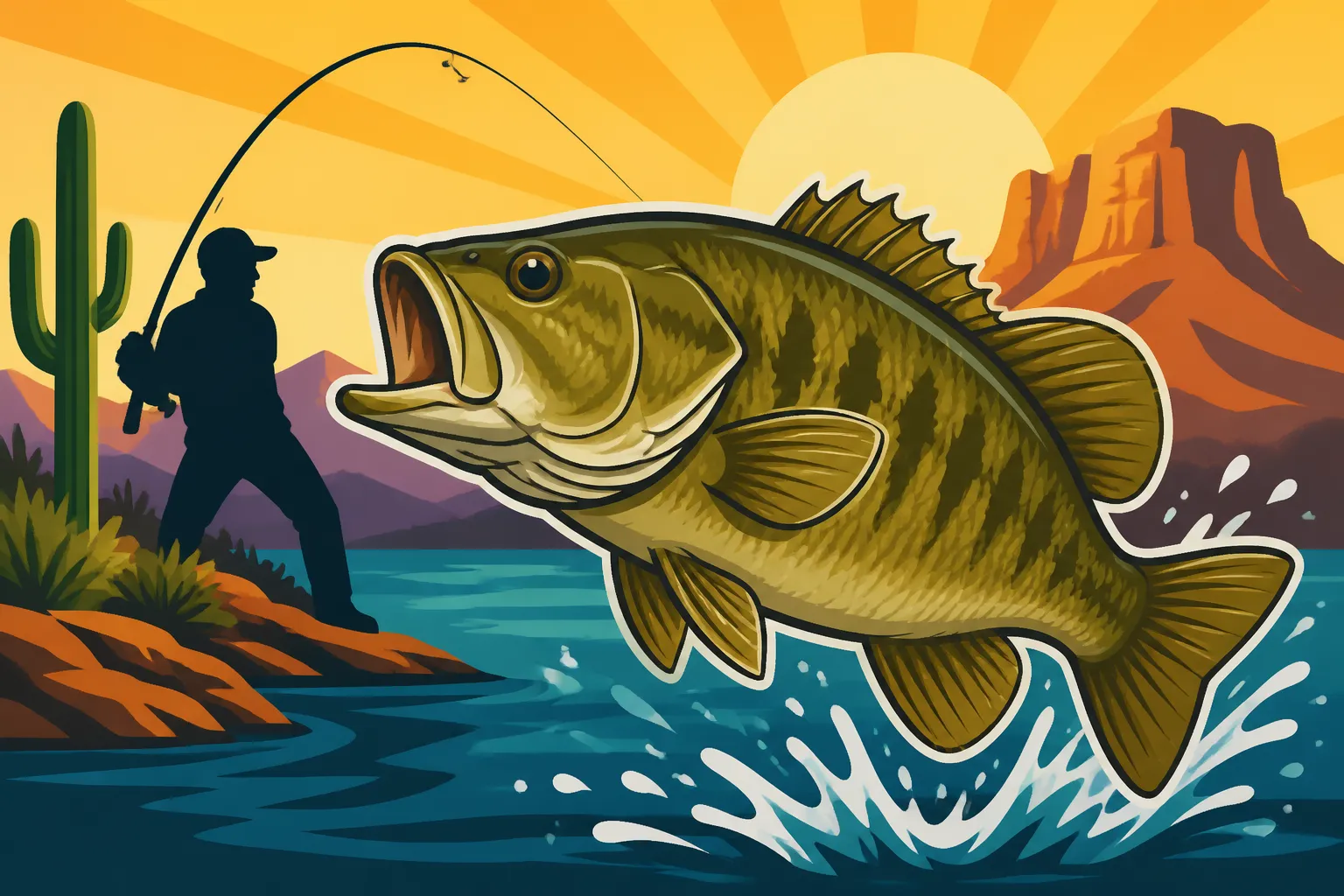
The current Arizona state record for smallmouth bass stands at a hefty 6 pounds, 4 ounces. This magnificent fish was caught by angler Mike Turley way back on March 26, 1988, from the deep, clear waters of Lake Powell. Think about that for a moment: 1988. That's a long time for a record to stand, which speaks volumes about the quality of that particular catch and the challenge of surpassing it.
Imagine the excitement of reeling in a smallmouth of that magnitude! It's not just a big fish; it's a testament to the thriving ecosystem of Lake Powell and the dedication of an angler who was clearly in the right place at the right time with the right technique. Breaking a record that's stood for decades isn't merely about catching a big bass; it's about finding that once-in-a-lifetime fish, often in conditions that demand patience and precision. The longevity of this record also highlights how truly exceptional a 6-pound-plus smallmouth is in Arizona, making any pursuit of a new record a true quest. If you're passionate about these feisty fish, our Smallmouth Bass Fishing Guide for Arizona offers a great starting point for understanding their habits and habitats.
The Allure of Trophy Smallmouth in Arizona
Why do anglers get so captivated by the idea of a trophy smallmouth? Well, for starters, smallmouth bass are widely considered one of the hardest-fighting freshwater fish pound-for-pound. When you hook into a smallmouth, especially a large one, you know you're in for a battle. They jump, they dive, they pull with surprising strength, and they never give up easily. This makes catching a large one incredibly rewarding.
In Arizona, catching a big smallmouth feels even more special because they thrive in environments that don't always scream "bass haven." Our clear, rocky desert lakes and canyons provide them with prime habitat, but they still require skill to locate and entice. The challenge of deciphering their patterns in deep, clear water adds another layer to their appeal. It's not just fishing; it's a strategic game of hide-and-seek with a powerful opponent. The sheer beauty of a bronzeback, with its iridescent scales and fierce eyes, only adds to its mystique. Every cast holds the promise of that explosive strike from a true giant.
Understanding Where Arizona's Smallmouth Bass Thrive for Size
Arizona might be known for its desert, but it's also home to some incredible lakes that produce genuinely massive smallmouth bass. These aren't your typical murky farm ponds; they are often deep, clear, and rocky, providing the perfect conditions for smallmouth to grow to impressive sizes, even challenging state records.
Key Lakes and Environmental Factors
When we talk about trophy smallmouth in Arizona, one name almost always comes up first: Lake Powell. It’s no coincidence that the state record was caught there. Lake Powell Arizona Fishing Guide will tell you that this massive reservoir, straddling the Arizona-Utah border, is famous for its intricate canyon systems, endless rock formations, and incredibly clear water. These deep, rocky environments are exactly what smallmouth bass love. They use the ledges, boulders, and submerged structures for ambush points, shelter, and spawning.
Other notable lakes that consistently produce good-sized smallmouth include Bartlett Lake, Apache Lake, and Canyon Lake, all part of the Salt River chain. These lakes share similar characteristics: clear water, steep rocky banks, and plenty of submerged structure. The combination of these features creates a perfect storm for smallmouth growth.
The environmental factors at play are crucial. Clear water allows sunlight to penetrate deeper, supporting a healthy forage base. The rocky structures provide ample hiding spots and areas for crayfish, a favorite food of big smallmouth, to thrive. Consistent water levels, when they occur, also contribute to stable populations and growth. Understanding the Smallmouth Bass Habitat in Arizona Lakes is key to finding these trophy fish. They prefer cooler, oxygen-rich water than their largemouth cousins, and these deep reservoirs provide just that, especially during the scorching summer months when they retreat to the depths.
Forage and Growth Dynamics
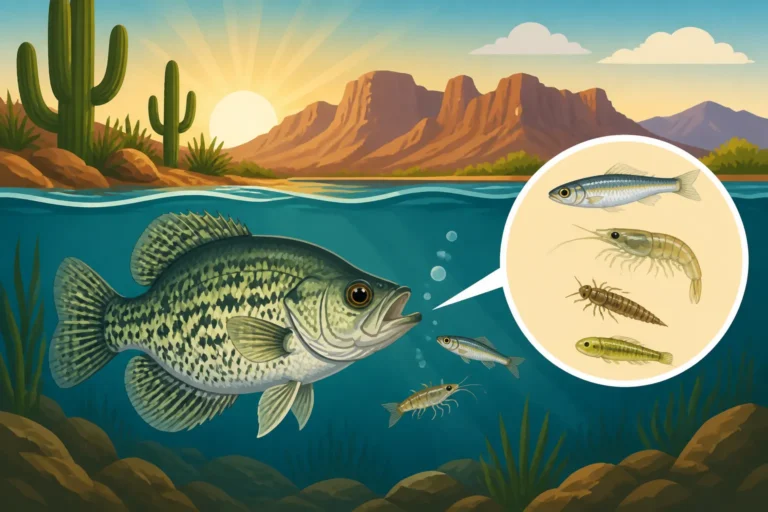
So, what makes these Arizona smallmouth grow so large? It largely comes down to an abundant and nutritious food supply. While smallmouth are opportunistic feeders, specific prey items are key to packing on the pounds. Crayfish are absolutely essential for big smallmouth. These crustaceans are high in protein and readily available in the rocky habitats where smallmouth live. If you flip over a rock in a smallmouth lake, chances are you'll find a crayfish scurrying away.
Beyond crayfish, many Arizona lakes also boast healthy populations of threadfin shad and various sunfish species (like bluegill and green sunfish). These smaller fish provide a high-energy diet that allows smallmouth to bulk up rapidly. When you have a plentiful buffet of both protein-rich crustaceans and calorie-dense baitfish, smallmouth bass can grow year-round, developing that deep, football-like body shape that trophy anglers dream of. The interplay of water temperature also dictates their metabolism. While they can tolerate warm surface waters for short periods, their optimal feeding and growth temperatures are cooler, which is why they often relate to deeper structure during hotter parts of the year, where the forage is still plentiful. Learning about the Smallmouth Bass Average Weight at Lake Powell gives you an idea of the potential.
The following table outlines some key factors contributing to trophy smallmouth growth in Arizona:
| Factor | Description | Impact on Smallmouth Growth | Key Arizona Lakes Where Prominent |
|---|---|---|---|
| Clear Water | High visibility, allowing deep light penetration. | Supports abundant aquatic vegetation and plankton, leading to a robust food chain. Allows visual hunting. | Lake Powell, Canyon Lake, Bartlett Lake |
| Rocky Structure | Boulders, ledges, submerged cliffs, gravel beds. | Ideal habitat for crayfish (primary food source), ambush points, spawning grounds, and thermal refuge. | Lake Powell, Canyon Lake, Apache Lake |
| Abundant Forage | High populations of crayfish, threadfin shad, sunfish. | Consistent, nutrient-rich food supply allowing rapid growth and high fat reserves, especially in cooler months. | Lake Powell, Roosevelt Lake, Bartlett Lake |
| Stable Water Temps | Consistent cool water in deeper sections. | Optimal metabolic rates for feeding and growth, avoiding heat stress. Longer feeding windows. | Deep sections of larger reservoirs |
| Low Fishing Pressure | Areas less accessed by anglers. | Allows fish to grow older and larger without being caught frequently. Increased likelihood of reaching trophy size. | Remote canyons of Lake Powell, less accessible coves |
Strategies and Gear for Chasing a Record Smallmouth
Catching a state-record smallmouth bass isn't about luck alone; it's about understanding their behavior, employing the right techniques, and having reliable gear. These fish are smart, powerful, and often reside in challenging environments.
Top Techniques for Big Smallmouth
When targeting giant smallmouth in Arizona's deep, clear lakes, you need to think vertically and precisely. They often suspend or hug tight to structure in deeper water, making conventional shallow-water bass tactics less effective.
One of the most potent techniques is drop-shotting. This involves a small hook tied a foot or two above a weight, allowing your bait to hover enticingly off the bottom. It's incredibly effective when fish are lethargic or suspended, offering a subtle presentation they can't resist. Using a quality electronics setup to locate submerged points, ledges, and humps where baitfish might congregate is crucial before deploying a drop shot. Our Drop Shot Techniques for Smallmouth Bass article goes into great detail on how to perfect this method, and How to Rig a Drop Shot for Smallmouth Bass will get you started with the basics.
Jig fishing is another classic, especially with football jigs or hair jigs, which imitate crayfish and bottom-dwelling prey. Working these slowly along rocky ledges and creek channels can elicit powerful strikes. The key is feeling the bottom and detecting those subtle "thunks" or increased pressure that signal a bite. Remember, big smallmouth often don't hammer a jig; they just "load up" on it.
Crankbaits that dive deep are excellent for covering water and identifying active fish, especially those with rattles that mimic fleeing baitfish. Look for models designed to reach depths of 15-25 feet or more, depending on the structure you're targeting. Running a deep-diving crankbait along a steep canyon wall, like you'd find in Lake Powell, can trigger aggressive reaction strikes from larger smallmouth that are ambushing prey. Don't be afraid to experiment with retrieve speeds; sometimes a slow, deliberate retrieve with pauses is best, while other times a fast, erratic retrieve can ignite their predatory instincts.
Essential Gear for Trophy Hunting
To consistently catch big smallmouth, you need gear that can handle the abuse and provide the sensitivity needed for subtle bites in deep water.
Your rod and reel combo should be balanced for finesse presentations while still having enough backbone to haul a big fish out of heavy cover. For drop-shotting and jigging, a sensitive medium-light to medium-action spinning rod (6'6" to 7'6") paired with a high-quality spinning reel (2500-3000 series) is ideal. Look for a fast tip for sensitivity and a strong backbone to set the hook and fight the fish. If you're using heavier jigs or larger crankbaits, a medium-heavy casting setup might be more appropriate. You can find a fantastic selection of both spinning and baitcasting combos on Amazon, perfect for any budget or skill level. Check out guides like Best Fishing Rods for Bass in Arizona and Best Fishing Reels for Beginner Anglers in Arizona (even if you're not a beginner, the principles of quality apply!) to help you choose wisely.
Fishing line is paramount. For the main line, many anglers prefer a thin, strong braided line (10-20 lb test) for its incredible sensitivity and lack of stretch, especially when fishing deep. Because Arizona's lakes are so clear, you'll want to add a fluorocarbon leader (6-12 lb test) of 6-10 feet to your braided main line. Fluorocarbon is nearly invisible underwater, extremely abrasion-resistant, and helps with bait presentation. For a truly stealthy approach, some anglers will use straight fluorocarbon, but you'll sacrifice some sensitivity at extreme depths. Learning about Best Fluorocarbon Line for Clear Water will help you pick the right choice.
Finally, don't skimp on lures. For smallmouth, natural colors that mimic crayfish or shad are often best. Think green pumpkin, watermelon red, brown, and various shad patterns for soft plastics, jigs, and crankbaits. Having a diverse selection of weights for your drop shots and jigs is also crucial, allowing you to adapt to different depths and wind conditions. Remember, quality gear makes a difference when every bite could be the one you've been dreaming about. Finding reliable brands and products on Amazon can help ensure you're well-equipped for your next trophy smallmouth quest.
Responsible Angling and Conservation for Arizona Smallmouth
While the thrill of chasing a state record is undeniable, it's equally important for anglers to prioritize responsible practices. The continued health of Arizona's smallmouth bass populations, and the potential for future record breakers, depends heavily on how we treat these fish and their habitats.
Practicing Catch and Release Effectively
If your goal is to land a true trophy smallmouth—perhaps even a record contender—the odds are high that you'll want to release it safely back into the water. Practicing proper Catch and Release Rules for Arizona Anglers is crucial to ensure these big fish survive to spawn again and grow even larger, or to give another angler the chance to experience that fight.
Here are some key tips for effective catch and release:
- Minimize Fight Time: Use appropriate gear to land the fish as quickly as possible without "playing it out" to exhaustion. A prolonged fight can deplete a fish's energy reserves, making it less likely to survive.
- Handle with Care: Always wet your hands before touching the fish to protect its slime coat, which is vital for disease prevention. Avoid holding the fish by the gill plates or eyes. If possible, keep the fish in the water while unhooking.
- Support Its Body: If you must lift the fish for a quick photo, support its body horizontally with one hand under its belly and the other gently gripping its lower jaw (bass thumb, anyone?). Avoid holding large fish vertically by the jaw only, as this can damage their internal organs.
- Use Barbless Hooks (or Crimp Barbs): Barbless hooks make unhooking much faster and reduce injury to the fish's mouth. Many anglers crimp down the barbs on their treble hooks for this reason.
- Quick Photography: Have your camera ready so you can snap a quick picture and release the fish promptly. The less time it's out of water, the better its chances of survival.
- Revive If Necessary: If a fish seems lethargic after unhooking, gently hold it upright in the water, facing into a mild current, and allow water to flow over its gills until it's strong enough to swim away on its own.
Remember, every trophy fish released safely is an investment in the future of our fisheries.
Protecting Arizona's Smallmouth Fisheries
Beyond individual catch and release practices, broader conservation efforts are vital. Arizona's smallmouth bass fisheries face challenges from fluctuating water levels, invasive species, and habitat degradation. By adhering to all fishing regulations—including bag limits, size restrictions, and bait restrictions—we contribute to the overall health of the ecosystem. Understanding regulations like Fishing Bag and Possession Limits Explained and Special Regulation Waters in Arizona can prevent accidental violations and help protect these valuable resources.
Supporting organizations that work on habitat restoration, water quality initiatives, and responsible stocking programs also plays a role. It's about being good stewards of the environment that provides us with such incredible angling opportunities. For instance, being mindful of preventing the spread of aquatic invasive species by cleaning your boat and gear thoroughly after each outing helps protect our waters from unseen threats that can severely impact native and established fish populations. Every angler has a responsibility to not only enjoy the resource but also to help preserve it for generations to come.
Disclaimer
This article is for general informational purposes only and does not constitute professional advice. Laws, prices and regulations vary by location and change over time. Consult a qualified professional for guidance on your specific situation.