Summer Fishing Strategy for Desert Lakes
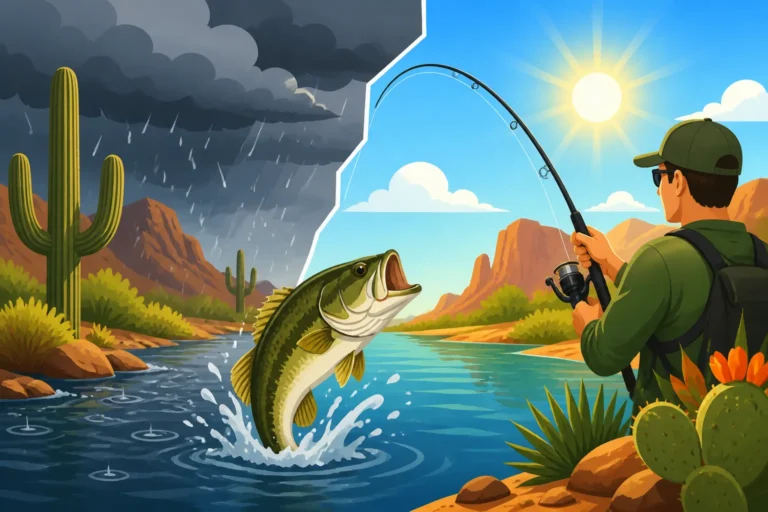
When the Arizona sun beats down, turning our beautiful desert lakes into shimmering mirrors that seem to bake everything around them, many anglers feel like the fish just vanish. The truth is, they don't disappear; they just get a whole lot smarter about finding comfort. This guide is all about equipping you with the strategies, techniques, and safety knowledge to continue finding success on the water, even when the thermometer hits those triple-digit numbers.
Understanding the Summer Challenge in Arizona's Desert Lakes
Summer fishing in Arizona can feel like an entirely different sport than during the cooler months. The picturesque blue waters might look inviting, but below the surface, a complex shift occurs that directly impacts where and how fish live. It’s crucial to understand these changes before you even think about casting a line.
The Impact of Extreme Heat on Fish Behavior
The most obvious change in Arizona's desert lakes during summer is, of course, the water temperature. As the air heats up, so does the surface water, often reaching uncomfortable, even dangerous, levels for many fish species. This extreme heat forces fish to adapt dramatically. They're cold-blooded creatures, so their metabolism and activity levels are heavily influenced by their environment. When the water gets too warm, their metabolism can actually slow down, making them less inclined to chase a meal vigorously.
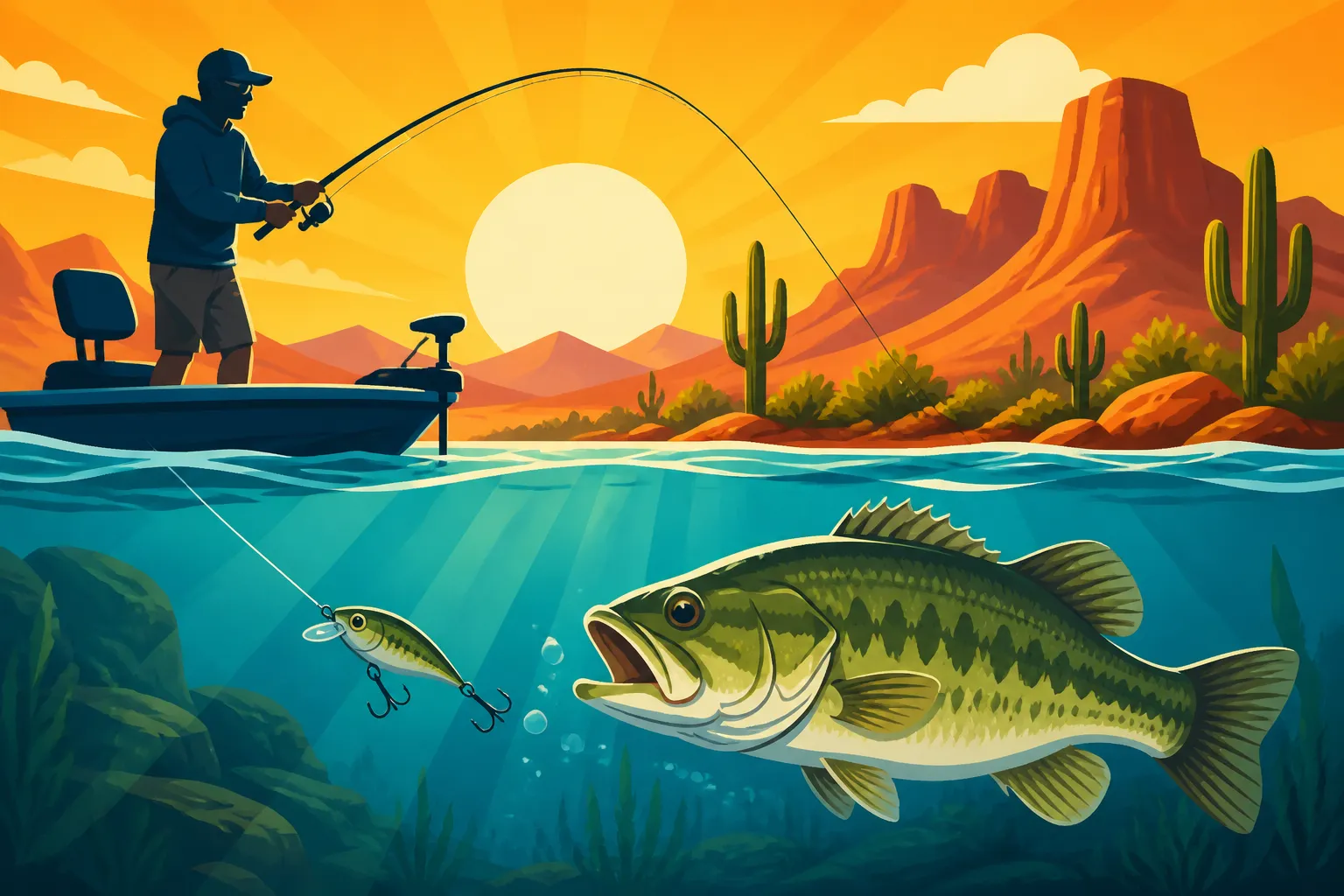
More importantly, the rising temperatures lead to the formation of a "thermocline." Think of this as an invisible dividing line in the water. Above the thermocline, the water is warmer and often has less dissolved oxygen because warmer water holds less oxygen. Below it, the water is cooler and typically holds more oxygen, at least to a certain depth. Fish, especially species like largemouth bass, crappie, and even some catfish, will gravitate to this cooler, oxygen-rich water. This means they often move to deeper sections of the lake, congregating around submerged structures, ledges, or creek channels where they can find respite from the oppressive heat. Understanding these thermal and oxygen dynamics is key to predicting where the fish will be hiding.
Common Frustrations for Summer Anglers
Let's be real, many of us have experienced the frustration of summer fishing in Arizona. You drag yourself out of bed before dawn, drive to your favorite lake, launch the boat, and then… nothing. Or maybe a few sluggish bites that don't quite connect. It feels like the fish have developed some kind of secret handshake, and you're not in the club. The relentless sun beats down, making every cast feel like a monumental effort, and after a few hours of fruitless effort, it's easy to pack it in feeling "skunked."
This feeling of fish "disappearing" is a common one. Anglers who rely on the same techniques and locations they use in spring or fall often find themselves bewildered. The shallow coves and points that were teeming with bass just weeks ago now seem barren. Adding to this is the genuine concern for safety. Spending hours under the brutal Arizona sun can lead to dehydration, heat exhaustion, or even heatstroke if you're not careful. It’s easy to get so focused on fishing that you forget to prioritize your own well-being, which just compounds the frustration of a slow bite.
Prime Times and Locations for Summer Success
To overcome the summer slump, you've got to shift your mindset. Forget the midday sun; think about capitalizing on the cooler, more forgiving hours of the day and knowing precisely where the fish are hiding.
Embracing the Early Bird and Night Owl Approaches
The single most impactful change you can make to your summer fishing strategy is timing. Those scorching daytime hours are tough on both fish and anglers. Instead, become an early bird or a night owl.
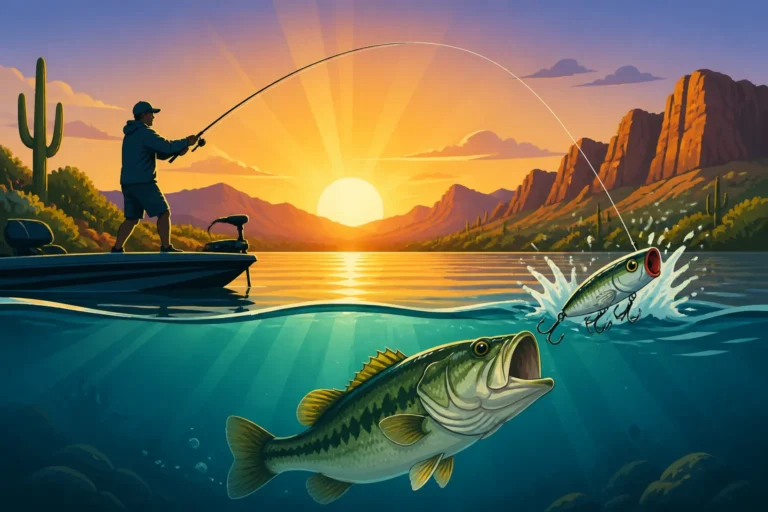
Dawn Patrol: Getting out on the water before the sun even peeks over the horizon is often your best bet. The air is cooler, the water surface has had a chance to cool slightly overnight, and fish that have been lethargic in the deeper, cooler water will often move shallower to feed. This is when you can experience some incredible topwater action or find bass actively foraging along shaded banks, points, or submerged vegetation. As the sun climbs higher, these fish will retreat, so make those first few hours count. For more details on this, check out our guide on the Best Time of Day to Fish in Arizona Heat.
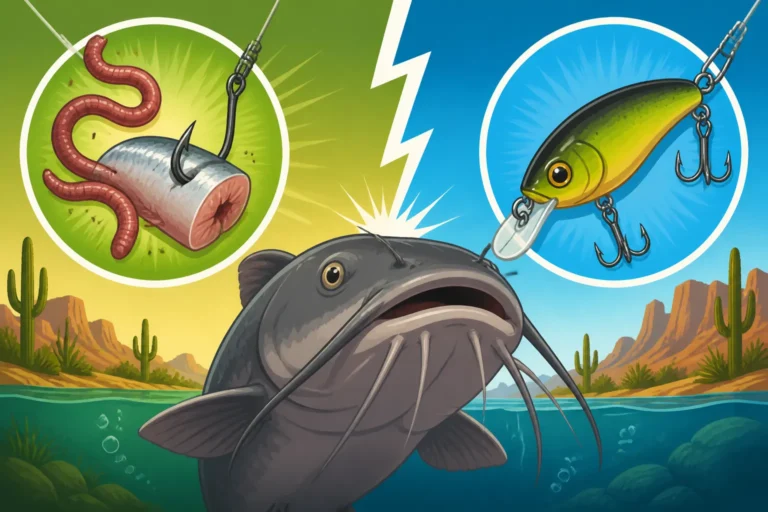
Night Fishing: For many species, especially our whiskered friends like catfish, night fishing is not just an option, it's often the best option in summer. Catfish are naturally nocturnal feeders, and the cooler nighttime temperatures make them much more active. They'll move into shallower areas, flats, and creek channels to hunt. Bass can also be caught at night, often around boat docks, submerged lights, or any structure that might attract baitfish. Before heading out after dark, always double-check the specific lake regulations regarding night fishing, as some areas might have restrictions. This is also a fantastic time for species like crappie, which can school up under lights or around brush piles in surprisingly shallow water.
Locating Deep Water and Shade Structures
Since fish are trying to escape the heat, your primary mission is to find cool, oxygenated water. This almost always means targeting deeper areas of the lake, often in conjunction with some form of structure that provides shade or ambush points.
Submerged Structures: Look for features like submerged timber, old creek channels, drop-offs, points that extend into deeper water, and humps. These structures provide refuge from the sun and can create current breaks or temperature variations that fish appreciate. A good fish finder is an invaluable tool for pinpointing these underwater havens, revealing not just the structure itself but often the fish holding tight to it. If you're looking to upgrade your electronics, you can find a wide range of options on platforms like Amazon. Our article on Deep Water Structure Fishing Techniques offers more in-depth advice on how to approach these spots.
Canyon Walls and Ledges: Many of Arizona's desert lakes, like Canyon Lake or Lake Powell, feature steep canyon walls. These provide excellent shade throughout much of the day. Fish will often hold along these shaded ledges and walls, particularly if there are submerged rocks or brush. Understanding Canyon Ledge Fishing Techniques can give you an edge in these unique environments. Main lake points that drop off quickly into deep water are also prime real estate, as fish can move up to feed and quickly retreat to cooler depths. The same goes for dam faces, which often have deep water access and abundant structure. A quality fish finder is almost a necessity for effectively navigating these deep, structured environments; our guide to the Best Fish Finders for Bass Fishing in Arizona can help you choose the right one.
Effective Techniques and Baits for Summer Desert Fishing
Once you've located those deeper, cooler sanctuaries, you can't just throw out any old lure and expect success. Summer demands a more finessed approach, generally slowing things down and presenting baits right where the fish are holding.
Slowing Down and Targeting Deeper Zones
When fish are less active due to the heat, they're not usually going to chase a fast-moving bait across open water. They're conserving energy, and you need to present an easy meal right in front of them. This means slowing down your retrieve and focusing on vertical presentations or baits that stay in the strike zone longer.
Finesse Techniques: Techniques like drop-shotting are incredibly effective. A drop shot rig keeps your bait suspended off the bottom, directly in the fish's face, allowing you to subtly twitch it without moving it too far from the structure. This is particularly deadly for smallmouth bass and finicky largemouth. Our guide on Drop Shot Techniques for Smallmouth Bass dives deep into this method. Carolina rigging is another excellent choice, allowing you to drag a soft plastic bait along the bottom, mimicking a crayfish or lizard, which are common prey items in these lakes. Learn more in How to Fish a Carolina Rig for Largemouth Bass.
Deep Cranking and Jigs: Don't shy away from crankbaits, but choose those designed to dive to the depths where the fish are holding. Slow, methodical retrieves are key. Similarly, heavy jigs tipped with creature baits or large worms can be bounced along bottom structure, enticing strikes from wary bass or even large flathead catfish. When it comes to bait choices, soft plastics in natural colors (green pumpkin, watermelon, browns) are often the most consistent producers. For a comprehensive look at what to tie on, check out our article on the Best Lures for Largemouth Bass in Arizona Lakes.
Capitalizing on Low-Light and Surface Activity
While deep-water techniques are crucial during the heat of the day, those brief windows of dawn, dusk, and nighttime present opportunities for more exciting, active bites, particularly on the surface.
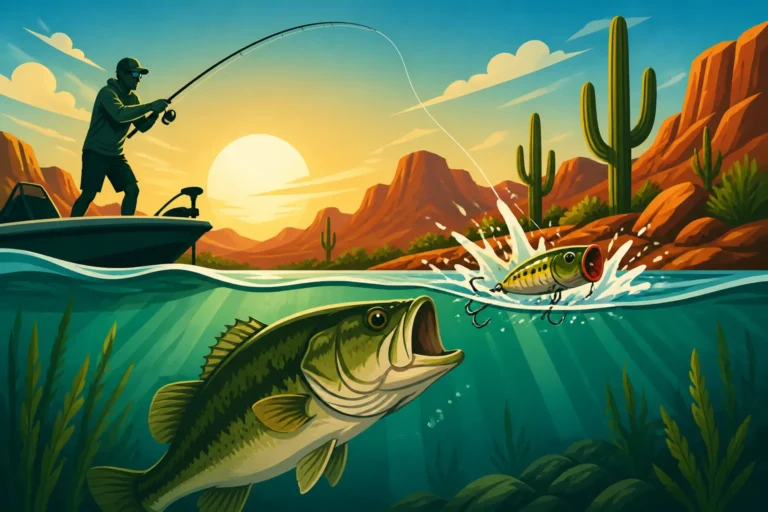
Topwater Thrills: When the sun is just coming up or sinking below the horizon, and the water surface is calm, topwater lures can be absolutely explosive. Buzzbaits, poppers, and walking baits (like a Zara Spook) can draw incredible strikes as bass, and sometimes even striped bass, come up from the cooler depths to ambush unsuspecting baitfish. These moments are often fleeting, so be ready to capitalize. Our article on Topwater Fishing Techniques for Bass has some great pointers.
Chasing Boils: Keep an eye out for "boils" – areas where schools of striped bass are pushing baitfish to the surface, creating a feeding frenzy. This is usually a morning or evening phenomenon and can be incredibly exciting. When you spot a boil, cast fast-moving lures like Kastmasters, swimbaits, or even topwater baits into the commotion. The key is speed and accuracy. Understanding How to Fish During a Striper Boil can help you make the most of these opportunities. These surface explosions, while rare, are unforgettable and prove that even in summer, Arizona's desert lakes can provide heart-pounding action.
Essential Gear and Safety for Arizona Summer Anglers
Beyond just finding fish, summer fishing in Arizona requires a significant emphasis on personal safety and having the right gear to endure the elements. Ignoring these aspects can turn a fun outing into a dangerous situation.
Must-Have Gear for Beating the Heat
The desert sun is no joke, and heat-related illness can sneak up on you faster than you think. Proper hydration and sun protection are paramount.
Hydration is Non-Negotiable: Bring plenty of water – more than you think you'll need. Electrolyte drinks or powders can also be a lifesaver, as you'll sweat out essential minerals. Keep them in a well-insulated cooler. Our guide on Best Coolers for Hot-Weather Fishing in Arizona has some excellent recommendations for keeping your drinks and catch icy cold.
Sun Protection from Head to Toe: Wear a wide-brimmed hat, sunglasses with good UV protection, and long-sleeved, lightweight, breathable shirts with UPF (Ultraviolet Protection Factor) ratings. Don't forget sunscreen for any exposed skin, reapplying frequently, especially if you're sweating or getting wet. Many of these essential sun-protection items can be easily found and ordered through Amazon, ensuring you're ready for your next trip. To learn more about how to stay safe, check out our Heat Safety Tips for Summer Fishing in Arizona.
Specialized Tackle for Desert Conditions
Beyond personal safety, a few adjustments to your tackle can make a big difference in your success and enjoyment.
Line Selection: The clear waters of many Arizona desert lakes demand more invisible line choices. Fluorocarbon main line or leaders are excellent for their low visibility and abrasion resistance, which is important when fishing around rocky submerged structures. Consider bumping up your line strength slightly, as those summer fish, when they do bite, can fight hard and try to bury you in cover.
Portable Shade and Boat Covers: If you're boat fishing, a bimini top or some form of portable shade can make your day infinitely more comfortable. Even a simple umbrella can offer a small reprieve from the direct sun. For those longer trips, a good boat cover will help protect your vessel from the intense UV rays when not in use.
Coolers for the Catch: If you plan on keeping fish, a quality cooler filled with ice is absolutely essential. Fish spoil quickly in the heat, so getting them on ice immediately after catching is critical for maintaining their freshness and taste. A comprehensive overview of necessary items for a successful and safe trip can be found in our Best Fishing Gear Checklist for Desert Lakes.
Summer Fishing Strategy Comparison
To help you visualize the different approaches to summer fishing in Arizona's desert lakes, here's a quick comparison of strategies:
| Strategy Aspect | Early Morning (Dawn Patrol) | Midday (Extreme Heat) | Night Fishing |
|---|---|---|---|
| Primary Goal | Capitalize on active surface feeding | Target deep, lethargic fish | Entice nocturnal feeders |
| Key Species | Bass (largemouth, smallmouth), Stripers | Bass, Crappie, Catfish | Catfish, Crappie, sometimes Bass |
| Location Focus | Shaded banks, points, shallow cover | Deep channels, ledges, submerged structure, dam faces | Shallow flats, lighted docks, creek bends |
| Typical Techniques | Topwater lures, spinnerbaits, shallow crankbaits | Drop-shot, Carolina rig, deep jigs, deep crankbaits | Bottom rigs with natural bait, slow moving plastics, suspended lights |
| Bait/Lure Type | Frogs, poppers, buzzbaits, chatterbaits | Soft plastics (worms, creature baits), heavy jigs, deep diving crankbaits | Stink baits, cut bait, hot dogs, live worms, glow jigs |
| Angler Comfort | Best – cooler temps | Worst – extreme heat, sun exposure | Good – cooler temps |
| Safety Emphasis | Hydration, sun protection | Extreme hydration, sun protection, breaks | Lighting, buddy system, bug spray |
Disclaimer
This article is for general informational purposes only and does not constitute professional advice. Laws, prices and regulations vary by location and change over time. Consult a qualified professional for guidance on your specific situation.