How to Rig a Live Minnow for Crappie
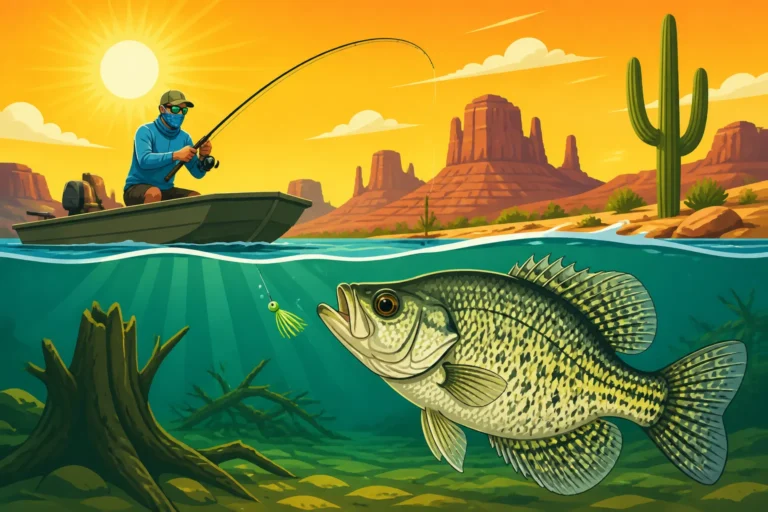
Crappie fishing in Arizona can be one of the most rewarding experiences, but let's be honest, these fish can be incredibly finicky! When they're not biting on artificial lures, a live minnow can be your absolute secret weapon. The trick isn't just having the minnows, though; it's knowing how to rig a live minnow for crappie effectively so it presents naturally and entices those slabs to strike. This guide will walk you through everything you need to know to turn those slow days into successful crappie hauls in Arizona.
Understanding Crappie Behavior and Why Live Minnows are Irresistible
Crappie are fascinating fish. They often school up, especially around structure, and when they decide they're hungry, they can be aggressive. However, there are plenty of times, particularly in the clear, often challenging waters of Arizona's lakes, when they become incredibly shy. That's when a live minnow truly shines.
The Picky Palate of Arizona Crappie
Crappie, whether it's the black or white variety, are primarily sight feeders with a penchant for small, living prey. Their natural diet consists largely of insects, small crustaceans, and, you guessed it, small fish like minnows. When conditions are tough – say, after a cold front or when the water is crystal clear and calm – crappie can become very discerning. They'll scrutinize anything that enters their feeding zone. An artificial lure, no matter how realistic, sometimes just doesn't have that nuanced movement, scent, or vulnerability that a live minnow offers.
Think about it: a struggling, naturally swimming minnow looks like an easy meal. It's an instinctive trigger for a crappie. In many of Arizona's popular crappie lakes, like Roosevelt Lake or Alamo Lake, the water can be quite clear, making fish extra wary. A subtle, natural presentation from a live minnow is often the key to getting these picky eaters to commit. For a deeper dive into their preferences, check out our comprehensive Crappie Fishing Guide for Arizona.
When Live Minnows Outperform Artificial Lures
While jigs and other artificial baits certainly have their place, there are specific scenarios where live minnows will almost always give you an edge:
- Cold Water Conditions: During the cooler months of late fall, winter, and early spring, crappie metabolism slows down. They're less inclined to chase a fast-moving lure. A live minnow, suspended tantalizingly in their strike zone, requires minimal effort for them to snatch, making it incredibly effective.
- Post-Front Conditions: After a cold front rolls through, the air pressure often drops, and fish become lethargic. They'll hug structure tighter and feed less aggressively. This is precisely when a struggling live minnow, presented slowly and patiently, can coax a bite when nothing else will.
- Targeting Deeper Crappie or Suspended Schools: Crappie often suspend in the water column or hold tight to submerged brush piles, especially during the heat of the Arizona summer or in deeper, cooler waters. Presenting a live minnow at a precise depth, either vertically or by slow-trolling, ensures that your bait is directly in front of their faces, where its natural movements are hard to resist.
Essential Gear for Your Live Minnow Setup
Rigging a live minnow isn't complicated, but having the right components makes a world of difference. You need gear that's delicate enough for crappie, yet strong enough to handle a feisty minnow and the occasional larger bycatch.
Selecting the Right Hooks and Line
Your choice of hook and line is paramount when fishing with live minnows for crappie. These details often determine whether that light bite translates into a hooked fish.
- Hooks: For crappie, small, light-wire hooks are the way to go. The goal is to hook the minnow without hindering its natural movement too much, and to be small enough for a crappie's mouth.
- Aberdeen Hooks: These are probably the most popular choice. They have a thin wire, which means they cause less damage to the minnow, allowing it to stay livelier longer. The light wire also straightens out under heavy pressure, which can be a blessing if you get snagged in brush piles – you might lose the fish, but you save your hook and sometimes your entire rig. Look for sizes #4, #6, or #8. You can find a wide variety of these on Amazon.
- Kahle Hooks: These have a wide gap, which can be excellent for hooking minnows through the mouth or lips. The wide gap also helps expose the hook point better when a crappie bites. Sizes #4 or #6 are typically good for crappie.
- Barbed vs. Barbless: Most hooks come barbed. If you practice catch and release, consider pinching down the barb or using barbless hooks to minimize harm to the fish. However, for crappie, whose mouths are somewhat delicate, the barb helps ensure the hook stays put.
For more on hook choices, explore our guide on Best Hooks for Live Bait Fishing.
- Line: Crappie have excellent eyesight, especially in the clear waters found at many Arizona fishing spots. This means line visibility is a huge factor.
- Monofilament (Mono): A traditional choice, mono offers good knot strength and a bit of stretch, which can be forgiving when a crappie bites gently. Its slight buoyancy can also be an advantage when you want your minnow to swim a bit higher in the water column. Go for 4-6 pound test.
- Fluorocarbon: This line is nearly invisible underwater, making it a fantastic choice for wary crappie. It's also more sensitive than mono, helping you detect those subtle bites. Fluorocarbon sinks faster, which can be helpful for getting your minnow down quickly. Again, 4-6 pound test is ideal.
- Braided Line: While very sensitive and strong, braided line is generally too visible for a direct crappie tie-on. If you use braid for your main line, tie a 6-10 foot fluorocarbon leader to it for the best stealth and sensitivity combination.
Using lighter line is absolutely critical. Anything heavier than 6-pound test often reduces bites, especially on tough days. For a more detailed comparison of lines, check out our article on Best Line for Crappie Fishing.
Optimizing with Weights and Bobbers
The right weights and bobbers allow you to present your minnow at the perfect depth and with the desired action.
- Weights: You need just enough weight to get your minnow to the desired depth and keep it there, without inhibiting its natural movement.
- Split Shot: These small, pinch-on weights are perfect for crappie fishing. You can easily add or remove them to adjust your sink rate. Place one or two small split shots (typically 1/16 oz or 1/8 oz) about 6 to 12 inches above your hook. This allows the minnow some freedom to swim naturally while still getting your bait down.
- Slip Sinkers: For deeper presentations or when you need to get through current, a small egg sinker or bullet sinker (1/8 to 1/4 oz) can be used above a small barrel swivel. The line slides through the sinker, allowing the crappie to pick up the minnow without feeling the weight immediately. This is particularly useful when bottom fishing for crappie.
- Bobbers: Bobbers are invaluable for maintaining depth and detecting strikes, especially when still fishing.
- Fixed Bobbers: These attach directly to your line at a set depth. They're great for shallow water or when you know the crappie are holding at a consistent depth near the surface.
- Slip Bobbers: This is arguably the most versatile bobber for crappie fishing in Arizona. A slip bobber slides freely on your line, stopping at a pre-set bobber stop (a small knot or piece of string) that you can slide up or down to adjust your fishing depth. This allows you to fish much deeper than your rod length and cast your bait out easily. This is fantastic for targeting crappie suspended in 15-20 feet of water in lakes like Lake Pleasant. Many anglers rely on options found on Amazon for their slip bobbers. Learn more about choosing the right float in our guide on Best Bobbers for Panfish.
Step-by-Step Guide to Rigging Your Minnow for Maximum Effectiveness
Now that you have your gear, let's get into the nitty-gritty of how to rig your live minnow. The way you hook the minnow dictates its action and how long it stays alive.
The Classic Lip-Hook Method
This is a go-to method for many crappie anglers because it offers a natural presentation and keeps the minnow lively for a long time.
- Detailed Steps:
- Gently grasp the minnow, being careful not to squeeze it too hard or remove too many scales. A small minnow bucket net or a light touch is key.
- Locate the minnow's mouth.
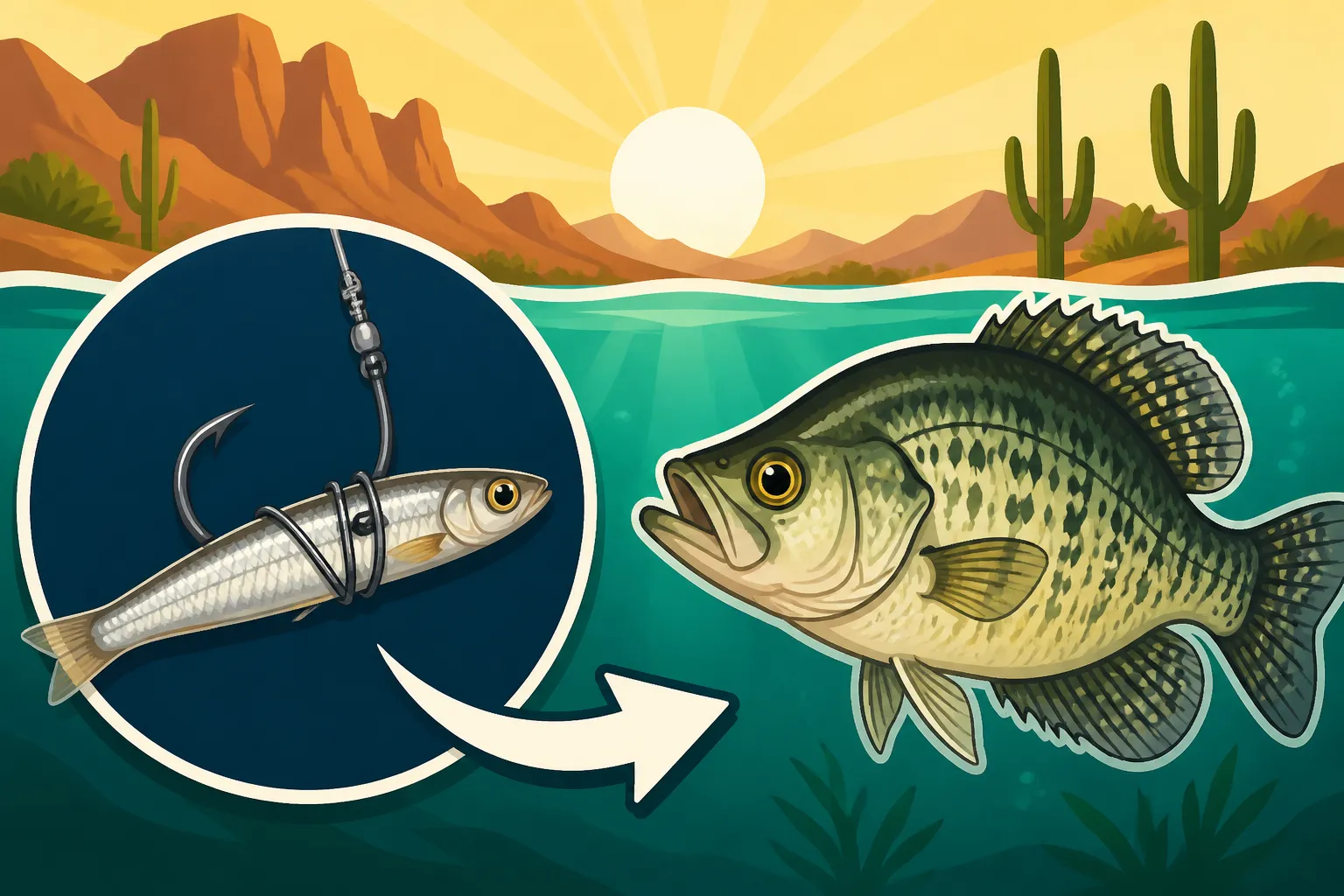
- Pass your small crappie hook (e.g., a #6 Aberdeen) through the bottom lip and then out through the top lip. Ensure the hook goes through both lips, but not through the hard part of its snout or too far back into its mouth, which could kill it.
- Pros:
- Natural Swimming Action: The minnow can swim freely, mimicking natural prey, which is often irresistible to crappie.
- Longevity: Since the vital organs aren't pierced, the minnow tends to stay alive and active for a longer period.
- Versatility: Excellent for drifting, slow trolling, or fishing under a fixed bobber where a subtle presentation is desired.
- Cons:
- Easily Stolen: A crappie can sometimes nip at the minnow's tail or body and steal it off the hook without getting hooked itself.
- Minnow Might "Gulp" the Hook: Sometimes, the minnow will try to swallow the hook, potentially killing itself or making it less effective.
- Best for: Still fishing with a bobber, especially in shallower areas or when crappie are suspended but not highly active. It's also great for slow drifting over submerged structure.
The Active Dorsal-Hook Method
This method is designed to make the minnow swim more erratically and actively, which can sometimes trigger a strike from less aggressive fish.
- Detailed Steps:
- Again, gently secure the minnow in your hand.
- Locate the minnow's dorsal fin (the fin on its back).
- Carefully insert your hook just beneath the skin in front of or below the dorsal fin, making sure to avoid the spine. The goal is to get the hook through enough skin and muscle to hold, but not so deep that it paralyzes or kills the minnow.
- Pros:
- Increased Activity: Hooked this way, the minnow tends to swim away from the pressure, creating a more erratic, panicked action that can attract attention.
- Harder to Steal: It's more difficult for crappie to pick off the minnow without encountering the hook.
- Cons:
- Reduced Lifespan: While careful hooking can extend its life, this method generally shortens the minnow's active time compared to lip hooking.
- Less Natural Action: If hooked too deeply or incorrectly, the minnow's swimming action can look unnatural.
- Best for: Vertical jigging or dropping your minnow directly into dense structure like brush piles where you want an active, struggling presentation. This can be especially effective when you're targeting crappie holding tight to cover, as detailed in our guide on How to Fish a Brush Pile for Crappie.
Crafting the Ideal Crappie Rig
Beyond how you hook the minnow, the overall setup of your line, weight, and bobber constitutes the "crappie rig."
- The Simple One-Hook Rig: This is the most common and effective setup for most situations.
- Tie your chosen crappie hook (e.g., #6 Aberdeen) directly to your main line (4-6 lb mono or fluorocarbon) using a Palomar or improved clinch knot.
- Attach one or two small split shot weights about 6-12 inches above the hook. This keeps your minnow down but allows it enough line to swim naturally.
- If using a bobber, either attach a fixed bobber above the split shot (for shallow water) or rig a slip bobber setup for deeper presentations. For a slip bobber, you'll thread your line through the bobber, then tie on a bobber stop above it, followed by a small bead (to keep the stop from pulling through the bobber).
- Tandem Rigs: For those days when crappie are really schooled up and aggressive, a tandem rig can allow you to fish two minnows at once, or two jigs, or a minnow and a small jig.
- This typically involves tying a short dropper line (6-12 inches) with a hook off your main line using a surgeon's loop or a three-way swivel. Then, your main line continues down to another hook or a sinker.
- Some pre-made crappie rigs utilize this concept, offering two hooks spaced about a foot apart, with a weight at the very bottom. This can be particularly useful when you're trying to quickly determine the exact depth of a crappie school.
- Adding a Swivel: A small barrel swivel placed above your split shot or slip sinker can be very helpful. It prevents line twist, which can be a problem with a lively minnow swimming in circles. Ensure the swivel is as small and light as possible to maintain stealth.
| Hooking Method | Pros | Cons | Best Use Cases |
|---|---|---|---|
| Through the Lip | Most natural swimming action, minnow lives longer. | Minnows can be easily stolen by crappie, can accidentally gulp hook. | Drifting, slow trolling, still fishing under a bobber in open water. |
| Dorsal Fin | Minnow swims more actively/erratically, harder for crappie to steal. | Minnow lifespan is generally shorter, can appear less natural if done wrong. | Vertical jigging into brush piles, fishing suspended fish, active presentations. |
Advanced Tips for Presenting Live Minnows to Arizona Crappie
Knowing how to rig your minnow is just half the battle. How you present it in the water is equally, if not more, important for consistent crappie success.
Mastering Depth and Location
Crappie are creatures of habit and structure. Finding them and presenting your bait at their exact depth is crucial.
- Utilize Your Electronics: A good fish finder is an invaluable tool for locating crappie. Look for submerged brush piles, standing timber, ledges, or schools of fish suspended in open water. Even entry-level models available on Amazon can help you mark fish and structure. While our guide on How to Read a Fish Finder for Bass focuses on bass, the principles of identifying structure and fish arches are directly applicable to crappie.
- Adjusting Bobber Depth: Once you've marked crappie, adjust your slip bobber stop so your minnow is suspended just above their heads. Crappie typically feed upwards, so having the bait slightly above them is often more effective than below. Experiment with different depths until you find the sweet spot.
- Targeting Shaded Areas and Submerged Cover: In Arizona's often sunny and clear conditions, crappie will frequently seek out shade and cover. Focus your efforts around submerged trees, brush piles, docks, and rock ledges. Even fishing from a pier, like those found at some Best Fishing Piers in Arizona, can put you over prime crappie habitat if there's submerged structure nearby.
Techniques for Different Scenarios
The best way to present your live minnow often depends on the specific conditions and location you're fishing.
- Vertical Presentation (Jigging and Dropping):
- This technique is ideal when you've located a school of crappie holding tight to vertical structure, such as standing timber or brush piles.
- Carefully position your boat or kayak directly over the structure, using your electronics to guide you.
- Gently lower your minnow rig straight down into the cover, being mindful of snags. Maintain just enough slack to allow the minnow to swim naturally, but not so much that you can't feel a bite.
- Very subtle jigging, perhaps a slight raise and lower of the rod tip, can sometimes trigger a strike. This is a common and effective tactic in lakes like Roosevelt Lake, a popular destination for Roosevelt Lake Arizona Fishing Guide enthusiasts.
- Drifting and Slow Trolling:
- When crappie are scattered or suspended in open water, or when you're trying to locate a school, drifting or slow trolling can be highly effective.
- Let the wind gently push your boat across a likely area, or use a trolling motor at a very slow speed (0.5 to 1.0 mph).
- Run multiple lines at different depths to quickly find where the fish are holding. This method allows your live minnows to cover a lot of water naturally.
- Still Fishing with a Bobber (Shore or Boat):
- The classic bobber setup is perfect for relaxed fishing from the bank or when anchored in a good spot.
- Cast your rigged minnow and bobber out to a promising area – near a drop-off, shaded bank, or visible cover.
- Watch your bobber closely. A crappie bite can be a subtle dip, a twitch, or the bobber slowly submerging.
- This is an excellent method for targeting crappie in the calmer waters of urban lakes, like those listed in our Community Park Lakes in Phoenix guide, or from shore at larger reservoirs. To enhance your chances from shore, explore our tips on Best Shore Fishing Spots in Arizona.
- Retrieve Speed: When retrieving a live minnow, do so very slowly. The minnow is doing most of the work to attract attention. If you're not getting bites, try pausing the retrieve frequently, letting the minnow swim in place for a few seconds. The most effective presentations often involve minimal rod movement.
Remember, the best crappie fishing often comes down to patience and adaptability. Always be willing to change your depth, location, or even your hooking method if what you're doing isn't producing bites. For those just starting out, getting your Best Tackle for a First Fishing Trip sorted is a great initial step.
Disclaimer
Fishing conditions and regulations in Arizona can change. Always check the latest Arizona Game and Fish Department regulations before heading out to ensure you are compliant with all local laws regarding licenses, bag limits, and specific water body rules. Stay safe on the water and be mindful of your surroundings.