How to Fish Clear Water in Winter
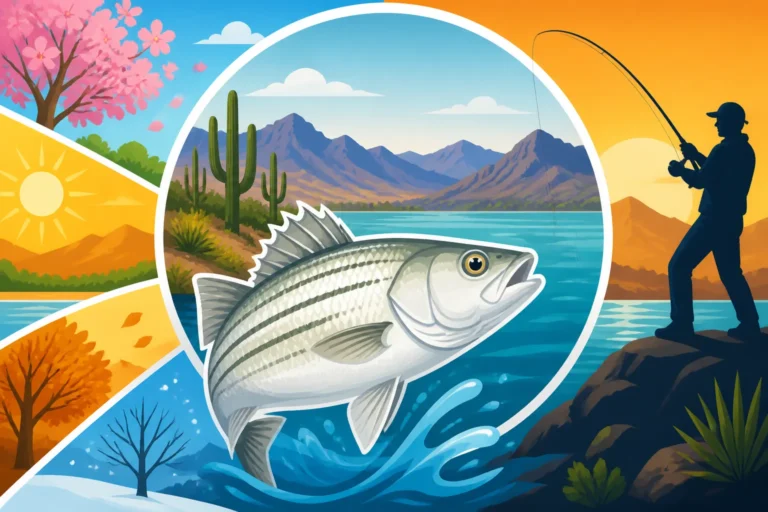
When winter sets in across Arizona, many anglers find themselves scratching their heads, wondering why their usual go-to spots and techniques aren't producing. The seemingly tranquil, crystal-clear waters can be deceptive, making fish incredibly wary and challenging to catch. This comprehensive guide is dedicated to helping you unravel the mysteries of fishing clear water in Arizona during the colder months, providing actionable strategies to ensure your winter fishing trips are successful.
Understanding Arizona's Winter Clear Water Challenge
Winter fishing in Arizona is a unique beast. While we might not have ice fishing across the entire state, our desert lakes and high-country reservoirs certainly get cold. And with that cold comes increased water clarity, which can turn fishing from a relaxing pastime into a frustrating puzzle if you don't adjust your approach.
Why Winter Water Clarity Matters
Think about it from a fish's perspective. In the summer, algae blooms, runoff, and increased boat traffic often create murkier conditions, providing fish with cover and making them less cautious. But come winter, the water clears dramatically. This means fish have much better visibility, and conversely, you become much more visible to them. They can spot your boat, your shadow, and your line from a greater distance, making them shy away from presentations that might work perfectly well in warmer, stained water.
This increased visibility doesn't just apply to anglers; it also changes how fish interact with their environment and their prey. Every movement of your lure, every glint of your hook, every unnatural splash stands out. This heightened sense of awareness means your tactics need to be far more refined and natural. A heavy line or a brightly colored, erratic lure that might trigger a strike in murky water could send fish scattering in clear, cold conditions.
Common Misconceptions About Winter Fishing
Many anglers believe that fish become completely dormant in winter, or that they simply won't bite. While it's true that their metabolism slows down, making them less aggressive and active, they still need to eat. The misconception often stems from using summer techniques in winter conditions. You might hear frustrated stories from friends who went out, saw plenty of fish on their sonar, but couldn't get a single bite. This isn't because the fish aren't hungry; it's because they're not reacting to the presentations being offered.
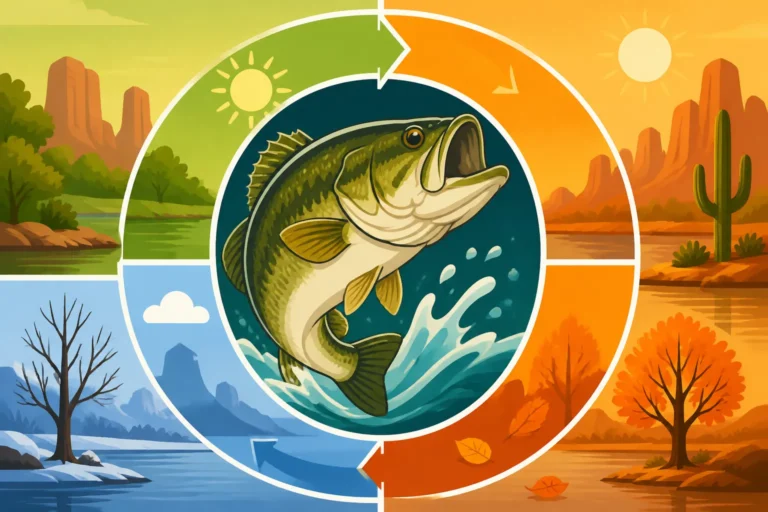
Another common misconception is that all fish move to the deepest parts of the lake and stay there. While many species, especially bass, do seek deeper, more stable temperatures, they also relate to structure at various depths. They might suspend over deep water, hold tight to a submerged rock pile, or even move into shallower sun-warmed coves during the warmest parts of the day. Understanding these nuanced movements is key to cracking the winter code. Our Arizona Fishing Seasons Explained guide delves deeper into seasonal fish behavior across the state.
The Impact of Cold and Clear Conditions
The combination of cold and clear water has a profound impact on fish behavior.
Firstly, cold water slows down a fish's metabolism. This means they digest food slower, don't need to eat as often, and are less willing to expend energy chasing down fast-moving prey. They become lethargic and opportunistic, preferring an easy meal that doesn't require much effort. This directly translates to needing slower, more deliberate presentations from anglers.
Secondly, the clarity of the water means scent and sound travel differently. While scent can be important, it disperses slowly in cold water. Sound, however, can travel quite effectively, and any unnatural noises – like banging tackle boxes or loud boat engines – can spook fish from a significant distance. Your approach needs to be stealthy.
Consider how sunlight penetrates clear water more deeply. On bright, sunny winter days, fish might move to areas with more shade or deeper structure to avoid direct light. Conversely, on overcast days, they might be more inclined to suspend or roam shallower. Understanding these subtle environmental cues is part of becoming a successful winter angler. This is particularly true for fish in the deeper canyons of Lake Powell Arizona Fishing Guide or the clearer reservoirs near Phoenix.
Essential Gear and Tackle Adjustments for Clear Winter Water
Successfully fishing clear water in winter demands a thoughtful re-evaluation of your tackle. What works in stained water or during aggressive feeding periods simply won't cut it when fish are finicky and can see everything.
Line Choice for Low Visibility
This is perhaps the single most critical adjustment you can make. In clear water, line visibility is paramount. Forget your heavy, brightly colored monofilament – that's a beacon for wary fish.
- Fluorocarbon is your friend: Fluorocarbon line is virtually invisible underwater because it has a refractive index very similar to water. This makes it the top choice for main lines or leaders in clear conditions. It's also more abrasion-resistant than mono, which is a bonus when fishing around rocky winter structure. For finesse techniques, a 4-8 lb test fluorocarbon leader tied to a braid mainline is often ideal. Brands like Seaguar and Sunline offer excellent fluorocarbon options.
- Light Monofilament: If fluorocarbon isn't your preference or budget allows for it, a high-quality, clear monofilament in lighter pound tests (e.g., 4-6 lb) can still work, especially for floating baits or where a bit more stretch is desired. However, for maximum invisibility, fluorocarbon reigns supreme.
- Braid with Fluorocarbon Leader: For spinning gear, many anglers prefer a thin, low-visibility braided mainline (e.g., 8-15 lb test) for its sensitivity and casting distance, coupled with a 6-10 foot fluorocarbon leader. This gives you the best of both worlds: sensitivity and stealth. When selecting your braided line, ensure it's a quality, tightly woven braid that casts smoothly. You can find a wide range of these specialized lines and leaders on platforms like Amazon. Our guide on Best Line for Trout Fishing offers more detailed advice on specific line types for different species.
Downsizing Baits and Lures
In winter, "less is more" when it comes to lure size and action. Fish are not actively chasing large meals. They want something small, easy, and natural-looking.
- Smaller Profiles: Opt for lures that are significantly smaller than what you'd typically throw in warmer months. Think 1/16 to 1/8 ounce jigs, 2-3 inch soft plastic worms, or tiny spoons.
- Natural Colors: Bright, flashy colors are usually too aggressive and unnatural in clear, cold water. Instead, stick to natural baitfish patterns (greens, browns, grays, whites, silvers) or muted, translucent colors that mimic small invertebrates. Shad, ghost minnow, green pumpkin, and watermelon colors are often highly effective.
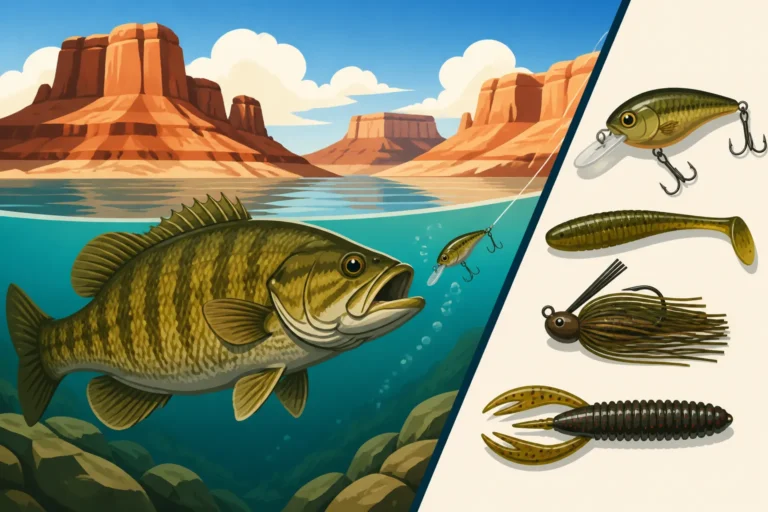
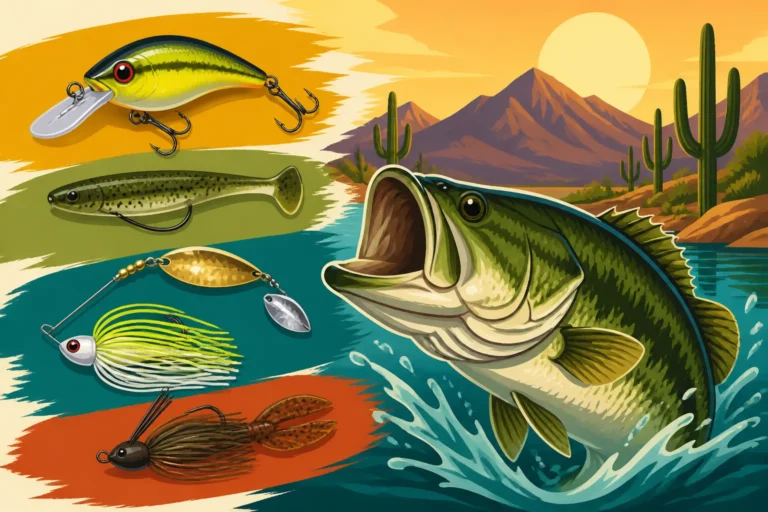
- Subtle Action: The action of your lure should be subtle and lifelike, not frantic. Think slow-moving plastics, gentle jigging spoons, or soft, undulating swimbaits. These presentations mimic injured or lethargic baitfish, which are easier targets for sluggish predators. A good place to start building your collection of winter baits is to explore the "Best Lures for Largemouth Bass in Arizona Lakes" or "Best Lures for Smallmouth Bass at Lake Powell" for specific recommendations.
Rod and Reel Setup for Finesse
Your rod and reel also need to match the finesse approach required for clear, cold water.
- Sensitive Rods: A medium-light to medium power spinning rod, 6'6" to 7'6" in length, with a fast action tip, is ideal. The fast action allows for good hooksets even with light line, while the sensitive tip helps detect the often extremely subtle bites of winter fish. Graphite rods are excellent for this as they transmit even the slightest tap.
- Smooth Drag Reels: Pair your sensitive rod with a spinning reel in the 1000-2500 size range, known for its smooth, consistent drag system. When using light line, a smooth drag is crucial to prevent break-offs once a fish is hooked. A slight hesitation in the drag can snap thin fluorocarbon instantly. Many anglers find a great selection of high-quality finesse reels and rods on Amazon, often at competitive prices.
Advanced Techniques for Success in Clear Winter Water
Once you have your gear dialed in, it's time to refine your techniques to specifically address the challenges of clear, cold water. This isn't about power fishing; it's about precision, patience, and subtlety.
Slow and Subtle Presentations
This cannot be stressed enough: slow down! Your retrieve speed in winter should be agonizingly slow compared to other seasons.
- Slower Retrieves: Whether you're using a crankbait, a swimbait, or a jig, reduce your retrieve speed significantly. Imagine you're trying to retrieve just fast enough to impart a minimal action to the lure, making it look like an easy meal.
- Pauses are Key: Incorporate long pauses into your retrieve. Often, a fish will follow a lure for a distance and only strike when it pauses or slowly falls, mimicking a dying or struggling baitfish. These pauses can last anywhere from a few seconds to 10-15 seconds, especially with jigs or dropshot rigs.
- Subtle Twitches and Bounces: Instead of aggressive jerks or rips, use gentle twitches of the rod tip to animate your lure. For bottom-hugging baits, a soft lift and fall or a subtle drag along the bottom can be incredibly effective. Consider looking into Drop Shot Techniques for Smallmouth Bass and Jig Fishing Techniques for Bass for more specific guidance on these presentations.
Targeting Deep Water Structure
In clear, cold water, fish often congregate on deep water structure where temperatures are more stable and they can ambush prey.
- Ledges and Humps: Focus on sharp drop-offs, underwater humps, and points that extend into deep water. These areas act as highways for baitfish and provide excellent ambush points for predators. Use your fish finder to locate these features and identify any schooling bait or larger fish holding on them.
- Submerged Timber and Rock Piles: These structures offer crucial cover and warmth. Fish will often bury themselves deep within brush piles, fallen trees, or rock formations. Vertical jigging spoons, small jigs, or dropshot rigs fished precisely into these cover areas can be highly effective. Understanding how to interpret your electronics to pinpoint these structures is invaluable.
- Identifying Thermoclines (if present): While more common in summer, some deeper reservoirs might still have subtle temperature breaks that concentrate fish. Learning How to Fish Deep Structure in Summer Heat can give you foundational knowledge that applies to finding deep fish in winter as well, just with slower presentations.
Leveraging the Winter Sun and Shade
Even in winter, the sun plays a role in fish behavior, especially in clear water.
- Sun-Warmed Areas: On bright, sunny days, look for shallow flats, rock banks, or coves that receive direct sunlight for extended periods. These areas can warm up a few degrees, attracting baitfish and subsequently predators. Fish might move into these zones during the warmest parts of the day, often mid-morning to mid-afternoon.
- Shadow Lines: In clear water, fish can be incredibly wary of direct sunlight, especially if they are shallow. They might position themselves right on the edge of a shadow line, waiting for prey to pass through. Casting your lure precisely into these shaded zones, or along the transition, can trigger bites.
- Overcast Days: Overcast conditions can be a blessing in disguise for winter anglers. Without harsh direct light, fish might feel more comfortable moving shallower and roaming more freely throughout the day. These days can be excellent for targeting suspending fish or those relating to more subtle, shallower structures. For more comprehensive insights, explore our Winter Bass Fishing Tactics in Arizona.
Specific Lure and Bait Recommendations
Having the right techniques is great, but you also need the right tools in your tackle box. Here are some proven performers for clear winter water in Arizona.
Finesse Baits that Shine
These lures are designed for subtlety and realism, making them perfect for finicky winter fish.
- Dropshot Rigs: The dropshot is a legendary finesse technique. It allows you to present a small, soft plastic bait (like a 3-4 inch worm or minnow imitation) suspended at a precise depth above a sinker. The bait flutters and quivers with the slightest rod movement, looking incredibly natural. This is especially effective when fish are suspended or holding tight to vertical structure.
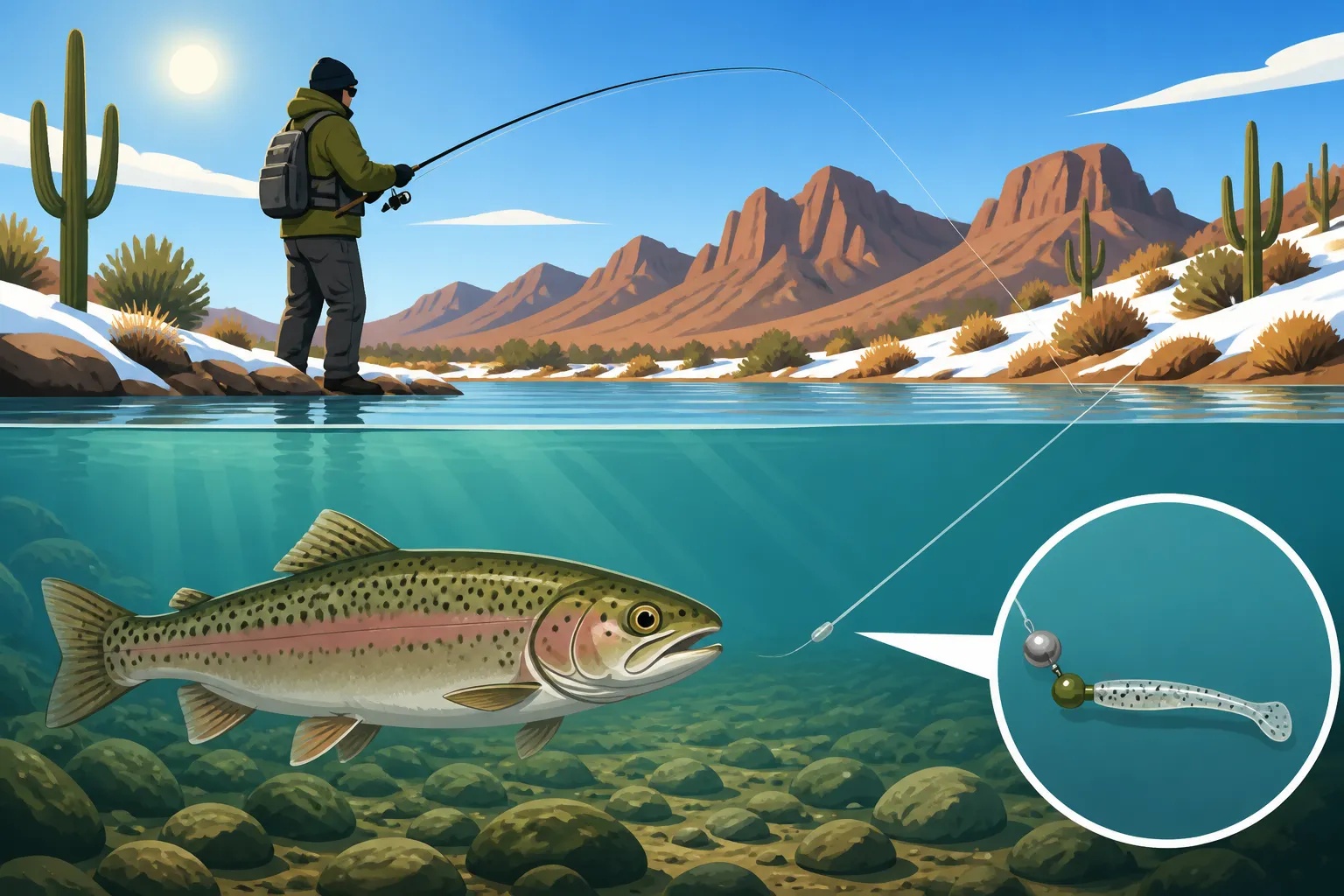
- Ned Rigs: This simple yet deadly setup consists of a small, mushroom-head jig (1/16 to 1/8 oz) paired with a 2.5-3 inch soft plastic stick bait. The buoyant plastic stands straight up off the bottom, creating an irresistible, natural presentation. It's fantastic for bass that are reluctant to bite anything else.
- Small Jigs (Tube Jigs, Marabou Jigs): Tiny tube jigs, in natural colors, can mimic crawfish or small baitfish falling slowly. Marabou jigs, with their pulsating feather skirts, have incredible natural action in cold water and are especially effective for trout and smallmouth bass.
- Tiny Swimbaits: Small, soft plastic swimbaits (2-3 inches) rigged on a light jig head can be deadly. Fish them with a slow, steady retrieve, just enough to get the tail moving. The subtle swimming action can be just what a lethargic predator is looking for.
Natural Baits and Their Presentation
Sometimes, the most natural presentation is a truly natural bait.
- Live Minnows: For larger bass, crappie, and even some trout, a small live minnow hooked lightly and fished under a slip bobber or on a dropshot rig can be irresistible. The live action often triggers bites when artificials fail. Remember to check local regulations for baitfish use.
- Nightcrawlers/Worms: For panfish and trout, a piece of a nightcrawler or a small worm, fished on a small hook with minimal weight, is a classic. The natural scent and movement are highly appealing.
- PowerBait (for Trout): For stocked trout, especially in Arizona's community fishing lakes or winter-stocked streams, PowerBait (or similar scented dough baits like Berkley PowerBait) remains a staple. Fish it on a small treble hook with a sliding sinker, allowing the bait to float off the bottom. Our Rainbow Trout Fishing Guide for Arizona details more about this.
Remember, the key is stealth. Minimize noise, cast accurately, and let your natural presentations do the talking. For more general information on the fish you might encounter, check out our Fish Species Guide for Arizona Lakes.
Winter Clear Water Tackle Summary
Here's a quick rundown of some go-to options for various species when facing clear winter water in Arizona:
| Species Targeted | Recommended Lure/Bait | Line Type & Weight (Leader) | Retrieve Speed / Action | Ideal Depth |
|---|---|---|---|---|
| Largemouth Bass | Ned Rig, Dropshot (2-3" worm), Small Jig (1/8 oz) | Fluorocarbon 6-8 lb (or braid w/ 6-8lb fluoro leader) | Very slow drag, long pauses, subtle twitches | 15-40 ft, deep structure |
| Smallmouth Bass | Dropshot (2-3" minnow/worm), Small Jig, Tiny Swimbait | Fluorocarbon 4-6 lb (or braid w/ 4-6lb fluoro leader) | Slow shake, short hops, steady reel | 20-50 ft, rocky ledges |
| Rainbow Trout | PowerBait, Small Spoon, Marabou Jig, Live Worm | Monofilament or Fluorocarbon 2-4 lb | Still (PowerBait), Slow retrieve, vertical jig | 5-20 ft, near bottom |
| Crappie | Micro Jig (1/32-1/16 oz), Live Minnow, Crappie Tube | Monofilament 4 lb | Slow twitch and pause, vertical jig | 10-30 ft, suspended near brush |
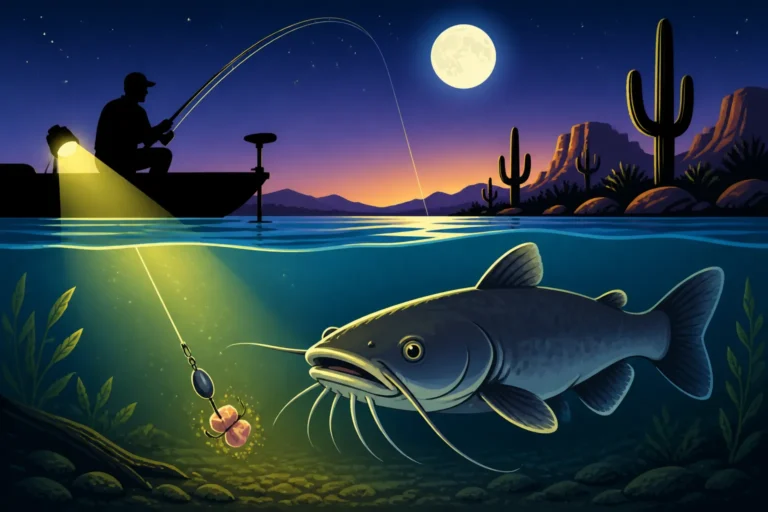
| Catfish | Cut Bait (small pieces), Hot Dogs, Worms | Monofilament 10-15 lb | Still on bottom (Carolina Rig) | 10-40 ft, bottom holes |
By adapting your gear and approach to the unique challenges of clear, cold water, you'll find that Arizona's winter fishing can be incredibly rewarding. It demands patience and precision, but the reward of a hard-earned catch in the crisp winter air is truly special.
Disclaimer
Fishing conditions and regulations in Arizona can change. Always consult the latest Arizona Game and Fish Department regulations before heading out to fish. This guide provides general information and recommendations, but it is your responsibility to ensure compliance with all current laws and safety guidelines.