Night Fishing Techniques and Safety
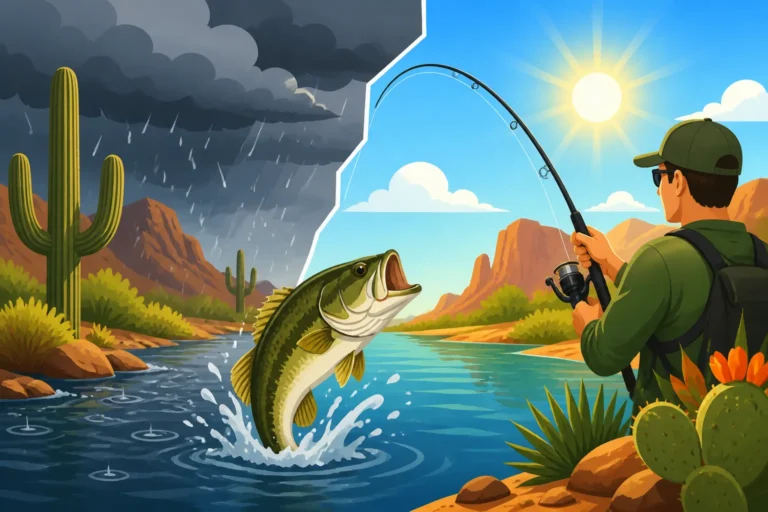
Trying to fish in Arizona during the scorching daytime heat can be a real struggle, making even the most dedicated anglers rethink their plans. The sun beats down mercilessly, fish go deep to escape the warmth, and the whole experience can feel more like a chore than a relaxing outing. But what if I told you there's a magical time when the desert cools, the crowds thin, and the fish become more active? This comprehensive guide will walk you through everything you need to know about mastering night fishing in Arizona, from the techniques that work best to the essential safety precautions that will keep you safe under the stars.
Why Embrace Night Fishing in Arizona?
Arizona's daytime temperatures, especially in the low desert areas, can be brutal for both anglers and fish. The thought of casting a line under a triple-digit sun is enough to make anyone sweat. This is where the magic of night fishing truly shines, offering not just a reprieve from the heat but also a unique opportunity to connect with some of the state's most sought-after species when they're at their most active.
Escaping the Arizona Heat
Let's be real, the summer heat in Arizona is no joke. Trying to enjoy a peaceful day of fishing when it's 110 degrees Fahrenheit is often more misery than pleasure. Your lines get hot, your hands get sweaty, and staying hydrated becomes a constant battle. This oppressive heat drives many species, particularly bass and crappie, deep into cooler waters during the day, making them harder to locate and tempt with a lure.
Night fishing completely flips this script. As the sun dips below the horizon, those intense desert temperatures begin to cool, making for a far more comfortable and enjoyable experience. The water temperature near the surface also drops, encouraging baitfish to move shallower, and bringing larger predatory fish right behind them. This cooler environment isn't just better for you; it often means more active fish, leading to better bites and more productive outings. You might even find yourself wishing you had started fishing at night sooner after experiencing the serene calm and comfortable temperatures that come with it. It’s a fantastic alternative to trying to figure out the Best Time of Day to Fish for Bass in Summer.
Targeting Nocturnal Predators
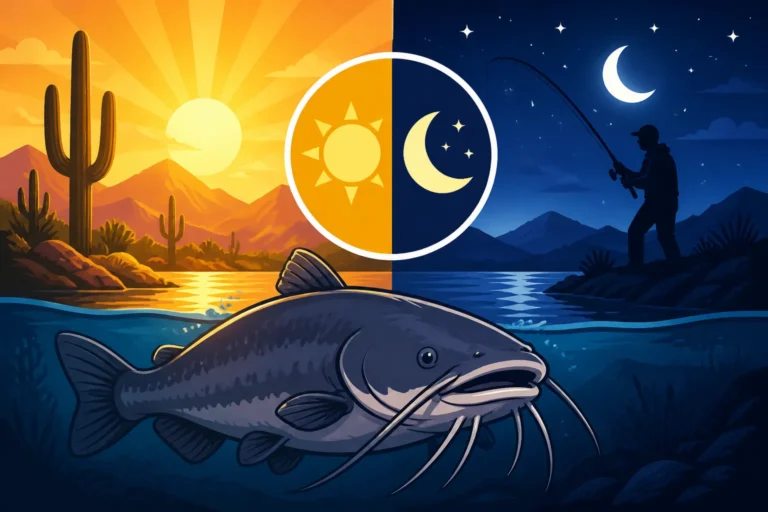
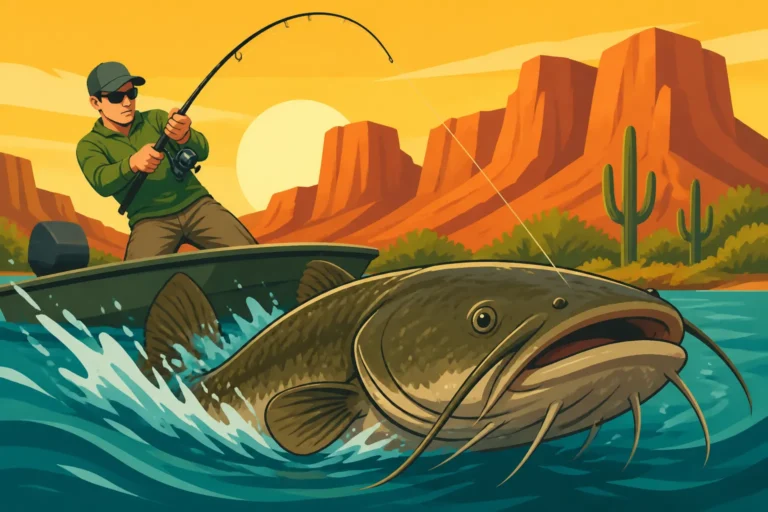
Many of Arizona's most popular game fish become significantly more active under the cover of darkness. Think about it: the low light conditions give an advantage to fish that rely on scent, vibration, and low-light vision to hunt, rather than sight. Catfish, in particular, are notorious nocturnal feeders. They use their sensitive barbels to detect food along the bottom, making them prime targets for night anglers. You'll often find them cruising the shallower flats and coves where they wouldn't dare venture during bright daylight.
But it's not just catfish. Largemouth bass, striped bass, and even crappie can turn into aggressive feeders once the sun goes down. Striped bass often push baitfish to the surface under the glow of fishing lights, creating exciting "boils" that are incredibly fun to target. Largemouth bass will move out from deep cover to ambush prey in shallower water. The unique feeding patterns of these species at night mean you're not just fishing, you're tapping into a different, often more exciting, fishing experience altogether. Understanding these shifts in behavior is key to a successful night out.
The Unique Ambiance of Night Fishing
Beyond the practical benefits, there’s an undeniable magic to fishing under a blanket of stars. The hustle and bustle of daytime boat traffic vanish, replaced by the gentle lapping of water against your boat or the quiet rustle of reeds along the shore. The desert air, crisp and cool, carries the sounds of nocturnal wildlife – a distant owl hoot, the splash of a fish, the chirping of crickets. It’s a profoundly peaceful and meditative experience that allows you to truly disconnect and immerse yourself in nature.
The moon and stars provide a breathtaking backdrop, and if you're lucky, you might even catch a meteor shower. There’s a certain camaraderie among night anglers, a shared appreciation for the tranquility and challenge of fishing in the dark. This unique atmosphere is a huge part of the appeal, offering a different perspective on your favorite Arizona fishing spots and creating memories that are distinctly different from any daytime trip.
Essential Gear for Night Fishing Success
Venturing out onto the water or bank after dark requires a bit more preparation than your typical daytime excursion. Safety, visibility, and having the right tools are paramount. Don't just grab your regular tackle box and head out; a few specialized items can make all the difference between a frustrating night and a fantastic one.
Lighting Solutions: Headlamps and Boat Lights
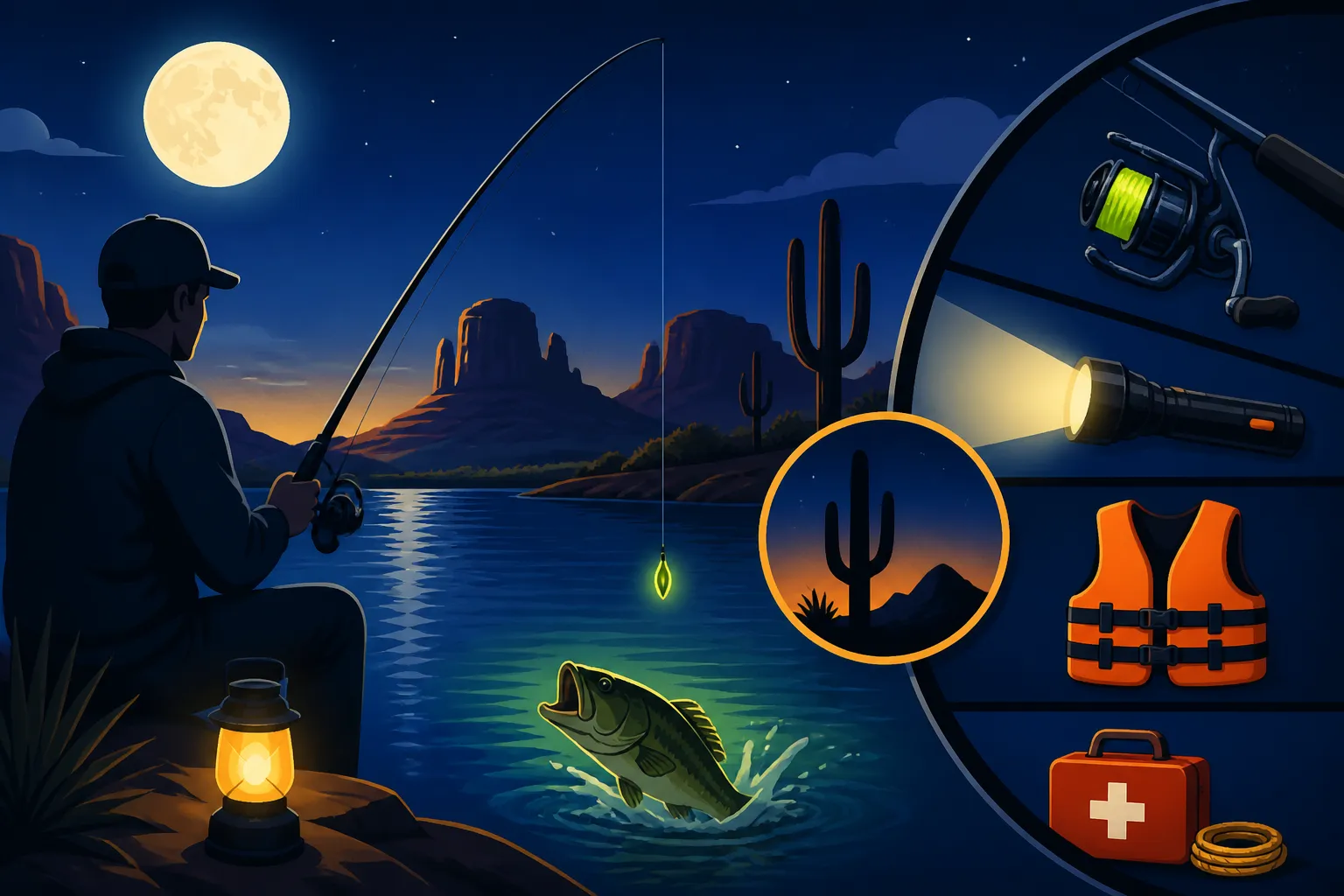
Visibility is your number one concern when night fishing. You need to see what you're doing, but you also need to be seen by others, especially if you're on a boat. A good headlamp is non-negotiable. Look for models with red light options, as red light preserves your night vision and is less disruptive to others and the fish. Brands like Black Diamond or Petzl offer excellent hands-free lighting. You'll want something comfortable, durable, and with a long battery life. Consider carrying a spare, fully charged headlamp or extra batteries, because there's nothing worse than being plunged into total darkness unexpectedly. Many great options can be found on Amazon, often with adjustable brightness and beam patterns.
For boat anglers, adequate boat lighting is crucial for safety and navigation. Navigation lights (red, green, and white all-around) are legally required after sunset and before sunrise. Beyond that, consider adding submersible fishing lights or floating lights. These lights attract plankton and baitfish, which in turn draw in predatory species like crappie and striped bass, making them invaluable for concentrating fish around your boat. Companies like Hydro Glow and Green Glow make popular fishing lights. Always check your boat's battery capacity to ensure you can power these lights for an extended period without draining your starting battery.
Specialized Night Tackle and Baits
While many of your favorite daytime baits and lures will still work at night, some adjustments can significantly increase your success. For catfish, stink baits, cut bait, and live worms are king. Catfish rely heavily on scent, and strong-smelling baits are incredibly effective in the dark. Brands like Berkley PowerBait Catfish Dough or pre-prepared cut baits like shad or chicken livers work wonders. When targeting larger flatheads, fresh live bait such as bluegill or small carp, legally caught, can be irresistible. Remember to check Live Bait Rules for Arizona Lakes before using live bait.
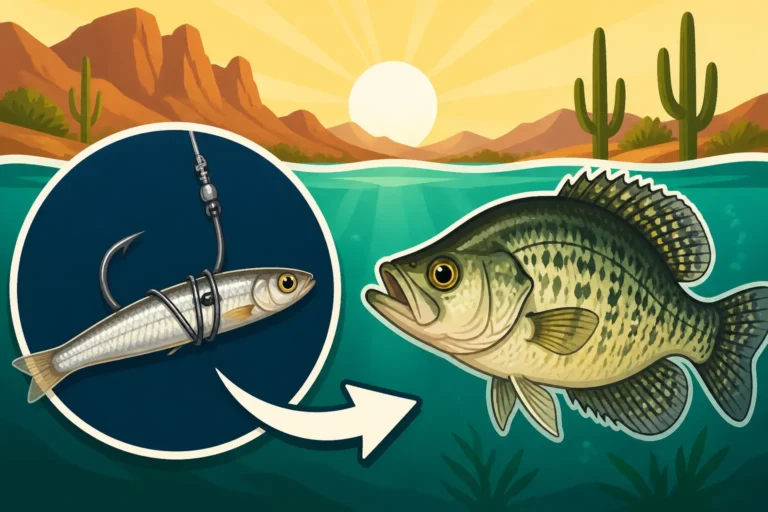
For bass and crappie, consider lures that create a lot of vibration or have a strong profile. Dark-colored spinnerbaits, bladed jigs (ChatterBaits), and large soft plastics like worms or creature baits can be very effective for bass. For crappie, small jigs tipped with scent, or slow-trolled minnows under a light, are top choices. Lures with rattles can also help fish locate them in the dark. Many night anglers swear by black or dark blue lures because they create a strong silhouette against the moonlit sky or the glow of artificial lights. Even adding glow-in-the-dark jig heads or lure components can sometimes make a difference. Don't forget to have a solid selection of Best Baits and Lures for Arizona Fishing suitable for low light.
Personal Safety and Comfort Items
Beyond your fishing gear, your personal safety and comfort should be a priority. The desert might cool down at night, but temperatures can still fluctuate, so layering clothing is a smart move. A light jacket or hoodie is often welcome, even in summer. Closed-toe shoes are essential to protect your feet from hooks, sharp rocks, and any critters that might be scuttling around.
Bug spray is an absolute must, especially if you're near standing water, as mosquitoes and other insects can be relentless. Brands like OFF! or Sawyer Picaridin are effective. A first-aid kit stocked with essentials for minor cuts, scrapes, and bug bites is also crucial. For hydration, bring plenty of water and snacks, even if the heat isn't as intense. A thermos with coffee or hot cocoa can be a real morale booster on cooler nights.
If boating, ensure you have all required Boating Safety Gear Requirements in Arizona, including easily accessible personal flotation devices (PFDs) for everyone on board, a sound-producing device, and a fire extinguisher. Finally, tell someone where you're going and when you expect to return. This simple step can be life-saving if an unexpected emergency arises. A good waterproof dry bag, often available on Amazon, can keep your phone, keys, and wallet safe from splashes or accidental drops in the dark.
Here's a quick checklist of essential night fishing gear:
| Item Type | Specific Item | Why It's Essential | Key Features to Look For |
|---|---|---|---|
| Lighting | Headlamp | Hands-free illumination for rigging, baiting, safety | Red light mode, adjustable brightness, long battery life |
| Boat Navigation Lights (if boating) | Legal requirement, essential for visibility | USCG approved, reliable power source | |
| Submersible/Floating Fishing Lights | Attracts baitfish and predators | Brightness, color (green/white), battery/power draw | |
| Personal Safety | First-Aid Kit | Addresses minor injuries and emergencies | Comprehensive, waterproof container |
| Bug Spray | Repels mosquitoes and other insects | DEET or Picaridin based | |
| Warm Layers/Jacket | Protects against fluctuating desert night temps | Moisture-wicking, easily packable | |
| Water & Snacks | Hydration and energy | Plenty of liquids, easy-to-eat foods | |
| PFDs (if boating) | Life-saving flotation device | USCG approved, correct size for each person | |
| Whistle/Air Horn (if boating) | Sound signal for distress/alerting others | Loud, easily accessible | |
| Fishing Specific | Dark-colored Lures | Strong silhouette, good for low light | Spinnerbaits, jigs, worms in black, blue, purple |
| Scented Baits | Attracts fish using smell | Stink baits, cut bait, Berkley PowerBait | |
| Rod & Reel (appropriately spooled) | Your primary fishing tool | Reliable, sensitive, matched to target species | |
| Landing Net | Safely land fish in the dark | Rubberized, glow-in-the-dark handle optional | |
| Pliers/Hook Remover | Essential for safe hook removal | Strong, rust-resistant, often with a light | |
| Navigation | Fully Charged Phone (GPS) | Navigation backup, emergency communication | Waterproof case recommended |
Top Techniques for Arizona Night Fishing
Once you’re geared up and ready, it’s time to talk tactics. Night fishing isn't just daytime fishing after dark; it often requires a different approach to locate and entice fish. The key is understanding how fish behave when the sun goes down and adapting your presentation accordingly.
Slow and Steady for Catfish
When it comes to night fishing in Arizona, catfish are often the most reliable target. Their acute sense of smell and touch gives them an advantage in low light, and they'll readily move into shallower areas to feed. The most effective technique is generally a slow, patient approach, often fishing on the bottom.
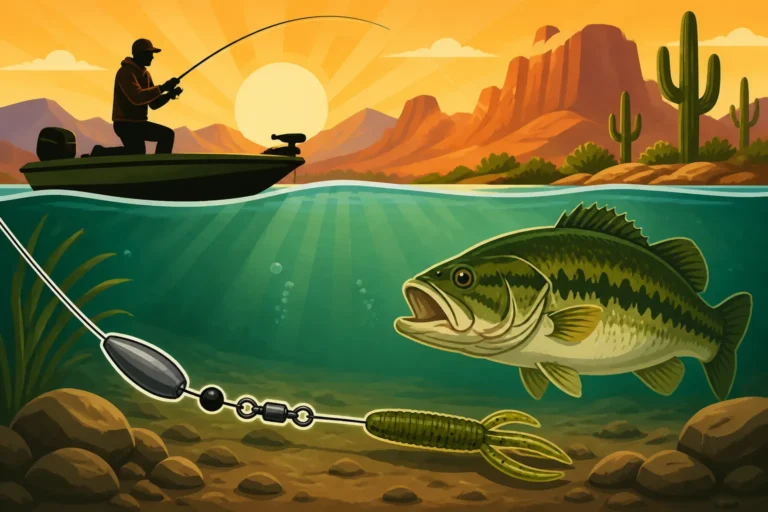
Use a simple bottom rig with a heavy enough sinker to hold your bait in place, especially if there's any current or wind. A Carolina rig or a three-way swivel rig with a bell sinker is popular. Use large, smelly baits like cut shad, chicken liver, or prepared stink baits. Cast your bait out, let it sink to the bottom, and then simply wait. You might need to give catfish a little time to find the bait. They'll often pick it up and move off with it, creating a slow, steady pull on your line. Don’t be too quick to set the hook; let them commit. Consider placing your rod in a rod holder and using a bell or electronic bite alarm so you don't miss those subtle takes. This method is incredibly effective in many Arizona lakes like Roosevelt Lake and the slow-moving sections of the Colorado River. You can learn more about Catfish Night Fishing Techniques and How to Fish for Catfish at Night for even more in-depth tips.
Working Structure for Bass and Crappie
While catfish are often cruising the open flats, bass and crappie tend to stick close to structure, even at night. The cover of darkness gives them confidence to move shallower, but they still prefer to have something to ambush prey from or hide near. Look for submerged trees, rock piles, ledges, docks, and even bridge pilings. These areas will hold baitfish, which in turn attract the predators.
For bass, try slowly working dark-colored jigs, creature baits, or large plastic worms along the edges of structure. A slow, methodical retrieve is often best, allowing the fish ample time to detect your lure via vibration or scent. Spinnerbaits with large, thumping blades or bladed jigs can also be deadly when retrieved slowly near cover. Target areas where there’s a sudden depth change or dense brush. Bass will often position themselves on the darker side of any light source, using it for ambush. For crappie, fishing under a submersible light is a game-changer. The lights attract plankton, which draws in minnows, and then the crappie move in for the feast. Drop small jigs (1/32 to 1/8 oz) tipped with minnows or soft plastic crappie tubes directly into the light column. Pay attention to the depth at which you're getting bites, as crappie will often suspend at a specific depth.
Locating Stripers Under Lights
Striped bass are another fantastic target for night anglers, especially on larger reservoirs like Lake Powell, Lake Mead, and Lake Pleasant. They are highly predatory and often feed aggressively under the right conditions. One of the most exciting ways to target stripers at night is by using powerful submersible fishing lights.
As mentioned, these lights attract incredible numbers of baitfish, primarily shad, to the surface. When a large school of baitfish congregates, it's often only a matter of time before the stripers move in, creating chaotic "boils" where they aggressively attack the distressed bait. When this happens, cast topwater lures, poppers, or swimming plugs directly into the boil. Another highly effective method is to drop cut bait or live bait (such as anchovies or threadfin shad where legal) down into the light column, allowing it to slowly drift. The stripers will often cruise through the lit area, picking off easy meals. Pay close attention to your fish finder; you'll often see large schools of bait and then big arches representing stripers beneath them. Patience is key; it might take some time for the light to establish a good bait concentration, but when the stripers show up, the action can be furious. Remember to check regulations for striped bass limit at Lake Pleasant or Striped Bass Limit at Lake Powell.
Safety First: Navigating the Night
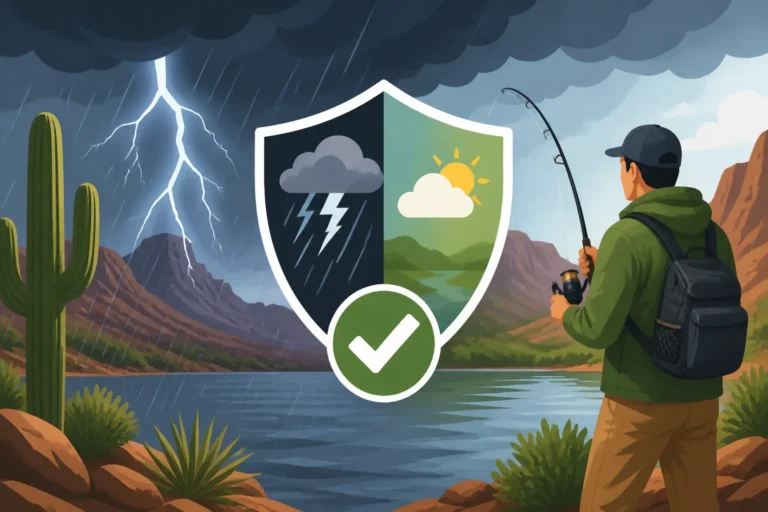
Night fishing in Arizona offers solitude and exciting action, but it also introduces unique challenges and safety considerations that aren't present during the day. Taking proactive steps to ensure your safety and that of anyone fishing with you is absolutely paramount.
Navigating in Low Light Conditions
Operating a boat or even moving along unfamiliar shorelines in the dark requires heightened awareness. If you're on a boat, know your waterway intimately before you go out at night. Submerged hazards like rocks, stumps, or shallow areas that are easy to spot during the day become invisible death traps after dark. Rely on your GPS and charts, but also trust your memory of the lake. Always drive slower at night than you would during the day. Your navigation lights are there to make you visible, but they don't illuminate your path ahead.
For shore anglers, stick to familiar areas with clear paths and minimal obstructions. A powerful headlamp, ideally one that can switch between a bright white beam for navigating and a red light for preserving night vision, is essential. Scan the ground ahead of you for uneven terrain, loose rocks, or any potential trip hazards. Avoid venturing into dense brush or areas with steep, unstable banks. It’s always a good idea to arrive before sunset to get a good lay of the land, note landmarks, and identify any potential dangers.
Dealing with Wildlife Encounters
Arizona's desert ecosystem comes alive at night, and while seeing nocturnal wildlife can be a fascinating part of the experience, it also means being aware of potential encounters. Rattlesnakes are a primary concern. They are most active during cooler hours and can be difficult to see in the dark. Always wear sturdy, closed-toe shoes and use your headlamp to scan the ground around you before stepping or reaching into dark areas. Never step over a log or rock without checking the other side first. If you encounter a snake, give it a wide berth and do not provoke it.
Other critters like scorpions, tarantulas, and Gila monsters are also nocturnal. While generally not aggressive, a bite or sting can ruin your night. Again, vigilance with your lighting and being mindful of where you place your hands and feet will prevent most issues. On the water, be aware of larger animals like deer or javelina that might come down to the water's edge. While not directly dangerous, a startled animal could present an unexpected hazard. Generally, these animals are more afraid of you than you are of them, but maintaining a respectful distance is always the best policy.
Emergency Preparedness Checklist
Accidents can happen, even to the most careful anglers. Being prepared for emergencies can make all the difference. Beyond the first-aid kit mentioned earlier, consider these additional items:
- Communication Device: A fully charged cell phone is a must, but remember that service can be spotty in remote areas of Arizona. Consider a satellite messenger or a VHF radio (if boating) for more reliable communication. Many dedicated anglers use devices like the Garmin InReach, which allows for two-way satellite communication and SOS capabilities. You can find these devices on Amazon.
- Extra Power: A portable power bank for your phone or headlamp batteries is a lifesaver.
- Whistle or Air Horn: If you're in distress, a loud sound can attract attention much more effectively than yelling, especially over the water.
- Fire Starter: Even if you don't plan on having a fire, waterproof matches or a lighter can be crucial for warmth or signaling in an unexpected overnight scenario.
- Change of Clothes: If you accidentally fall in the water or get soaked, having dry clothes can prevent hypothermia, even in the desert, where night temperatures can drop significantly.
- Knife or Multi-tool: Always handy for cutting line, making repairs, or other unexpected tasks.
- Basic Tool Kit (for boaters): Spare fuses, a basic wrench, and screwdrivers can help with minor mechanical issues.
- Share Your Plan: Before you leave, tell a trusted friend or family member exactly where you're going, what time you expect to return, and who you're with. This allows someone to initiate a search if you don't check in.
These precautions, while seemingly extensive, are all about allowing you to enjoy the unique tranquility and excitement of night fishing without unnecessary worry.
Best Arizona Waters for Night Fishing
Arizona's diverse waters offer fantastic night fishing opportunities, from large desert reservoirs to smaller community ponds. Knowing where to go and what species to target can significantly improve your chances of success.
Desert Lakes for Bass and Catfish
Many of Arizona's large desert reservoirs are absolute goldmines for night anglers. Lakes like Lake Pleasant, Roosevelt Lake, and Bartlett Lake are prime locations. These lakes hold healthy populations of largemouth bass, striped bass, and various species of catfish. As the sun sets and the surface temperatures drop, these fish become much more active, moving into shallower coves and flats to feed.
At Lake Pleasant, for instance, you can target striped bass with submersible lights in the main lake or focus on coves for largemouth bass around submerged brush piles. Roosevelt Lake is renowned for its excellent bass and crappie fishing, and at night, these species will often stage near submerged timber or rocky points. Bartlett Lake offers fantastic catfishing opportunities, especially along its expansive shorelines and sandy coves. When fishing these larger lakes at night, familiarity with the terrain is key. Use your depth finder to locate subtle humps, ledges, and channels that will act as highways for nocturnal predators. Always be mindful of the fluctuating water levels, which can expose new hazards or change familiar shorelines. These are generally considered some of the Best Fishing Lakes in Arizona for good reason.
Community Lakes and Ponds
Don't overlook the incredible convenience and accessibility of Arizona's urban and community fishing lakes. Places like Tempe Town Lake, Encanto Lagoon in Phoenix, or Kennedy Lake in Tucson are regularly stocked by the Arizona Game and Fish Department (AZGFD) with catfish, rainbow trout (in cooler months), and sustain populations of bass and sunfish. These lakes are perfect for a spontaneous night outing, especially if you live in or near a city.
While boat access might be limited or restricted, these lakes offer ample shoreline access and are generally safer for night fishing due to their urban settings and often well-lit pathways. They are fantastic spots for families or beginners looking to try night fishing without venturing into the wilderness. Catfish are a prime target, especially in the warmer months, but you can also find bass cruising the edges of docks and submerged vegetation. Always check local regulations for specific lake hours and any night fishing restrictions, as some community parks might close after dark. The AZGFD provides schedules for their Community Fishing Program, indicating when catfish or trout are stocked, which can help you plan your trips for optimal success.
Rivers for Catfish and Carp
For those who prefer moving water, certain river sections in Arizona can be incredibly productive for night fishing, especially for catfish and carp. The Colorado River, particularly slower-moving stretches below dams like Laguna Dam near Yuma or sections through Lake Havasu, offers excellent opportunities for trophy-sized flathead and channel catfish. The river's current can concentrate baitfish and provide a constant supply of food, keeping the catfish active all night long.
The Lower Salt River near Phoenix, especially during cooler winter months when trout are stocked, can also provide night fishing action for channel catfish. While known for trout during the day, the catfish are still present and can be quite aggressive after dark. Fishing rivers at night requires extra caution due to currents and potential changes in water levels. Always wear a PFD if wading or boating, and be aware of your surroundings. Using heavier weights to keep your bait in place is crucial. Carp, though often overlooked, are strong fighters and can be targeted with corn or dough balls fished on the bottom in these river systems at night. They are surprisingly fun to catch and can grow to impressive sizes.
Species-Specific Night Fishing Strategies
Now that we've covered the general techniques and locations, let's dive into some specific strategies for targeting the most popular Arizona game fish under the cloak of night. Understanding the nuances of each species' nocturnal behavior will help you refine your approach.
Largemouth and Smallmouth Bass at Night
Bass, both largemouth and smallmouth, are creatures of habit, and their habits shift at night. While they might be deep and lethargic during the oppressive daytime heat, the cooling temperatures and reduced light often trigger an aggressive feeding response as they venture into shallower waters.
For largemouth bass, focus your efforts on ambush points in depths of 2-15 feet. Look for docks, submerged timber, weed lines, and rocky transitions. Dark-colored spinnerbaits with large thumping blades, bladed jigs (ChatterBaits), and slow-moving jigs tipped with bulky plastic craws or worms are excellent choices. A slow retrieve is key; bass aren't going to chase a fast-moving lure as aggressively in the dark. Use your headlamp sparingly, and cast to the dark edges around any artificial light sources, as bass will often sit in the shadows waiting to ambush prey attracted to the light. The subtle vibration and silhouette of these lures against the dark water are what attract them.
Smallmouth bass, often found in clear, rocky lakes like Lake Powell or certain sections of the Colorado River, will also move shallower at night. Target rocky points, submerged ledges, and canyon walls. Ned rigs, drop shot rigs, or small jigs tipped with dark-colored tubes or grubs can be highly effective. The key is to work these baits slowly along the bottom, mimicking crayfish or small baitfish. Smallmouth rely heavily on their lateral line to detect vibrations, so subtle movements can be more effective than flashy presentations. Both species are most active during the new moon phase when the night is darkest, as this gives them the greatest advantage over their prey.
Channel and Flathead Catfish Strategies
Nighttime is truly prime time for Arizona's catfish species. Both channel cats and flatheads become ravenous feeders once the sun dips below the horizon. They rely primarily on their highly developed sense of smell and touch to hunt.
Channel catfish are omnivores and will readily eat a wide variety of baits. For them, strong-smelling baits are paramount. Cut baits like shad, carp, or even hot dogs soaked in garlic, are incredibly effective. Pre-made stink baits, dough balls, or chicken livers are also perennial favorites. Fish these baits directly on the bottom using a Carolina rig or a simple slip-sinker rig. Target shallower flats, creek channels, and the backs of coves where water might be slightly warmer and food more abundant. Community lakes are fantastic for channel cats at night. You can catch them with quite basic gear, making them an excellent target for beginners.
Flathead catfish are different; they are pure predators and strongly prefer live bait. Small bluegill, green sunfish, or carp, legally caught, are their top choice. These fish can be absolute monsters, so you'll need heavy tackle, stout hooks, and strong line to handle them. Fish your live bait on the bottom near deep holes, log jams, or significant underwater structure in rivers like the Colorado or large reservoirs like Alamo Lake or San Carlos Lake. Flatheads are patient hunters, so a good strategy is to set multiple rods with live bait and wait. When a flathead hits, it's usually a slow, powerful drag pull. Giving them time to swallow the bait before setting the hook is crucial. Remember to use heavy-duty circle hooks to ensure a solid hookset and to prevent gut-hooking. Knowing the local catfish limit at Lake Pleasant or Flathead Catfish Average Weight on the Colorado River can also help in preparing for your catch.
Crappie and Striped Bass Under Lights
As previously mentioned, crappie and striped bass offer some of the most exciting night fishing action, especially when utilizing artificial lights.
For crappie, your submersible fishing lights are your best friend. Position your boat in a coves or near submerged structure in about 15-30 feet of water. Deploy your lights and wait for about 20-30 minutes for the plankton and baitfish to gather. Once the baitfish are schooling in the light, the crappie will usually follow. Use small jigs (1/32 to 1/8 ounce) tipped with a small minnow, a crappie tube, or a soft plastic grub. Drop your bait into the light column and slowly reel it up or twitch it. Crappie often suspend at a specific depth, so experiment until you find the strike zone. Sometimes, a tiny glow-in-the-dark jig head can make all the difference. Lakes like Roosevelt, Canyon, and Saguaro are known for their excellent crappie populations.
Striped bass fishing at night can be explosive. On large lakes like Lake Pleasant and Lake Powell, stripers will often drive huge schools of shad to the surface under fishing lights, creating incredible "boils." When this happens, cast topwater lures, spoons, or swimbaits directly into the frenzy. If boils aren't happening, you can still target them by suspending cut bait (anchovies or shad) or live bait in the light column. Use a fairly heavy sinker to get your bait down quickly, as stripers can be found at various depths under the lights. Pay attention to your fish finder; you’ll see the bait balls and the larger arches of the stripers below or around them. Trolling large swimbaits or umbrella rigs (where legal) around the perimeter of the light field can also pick up cruising stripers. Their aggressive nature and powerful fights make them a thrilling target in the cool night air.
Disclaimer
Fishing activities carry inherent risks. Always prioritize safety, understand local regulations, and be aware of your surroundings. This guide provides general information and recommendations; specific conditions and rules may vary. Consult the Arizona Game and Fish Department (AZGFD) for the most current regulations, licensing requirements, and safety guidelines before any fishing trip. The author and publisher are not responsible for any accidents, injuries, or legal infractions incurred while following the advice in this guide.