Trout Stocking Season in Arizona
It can be incredibly frustrating to pack up your gear, drive to a promising fishing spot, and spend hours without a single bite, especially when you're hoping to land some feisty trout. Many anglers, new and seasoned alike, often feel like they're playing a guessing game when it comes to finding stocked trout in Arizona. This comprehensive guide is designed to take the mystery out of the equation, providing you with all the insights into Arizona's trout stocking season, revealing where and when to find these popular fish, and equipping you with the best techniques to make your next trip a success.
Understanding Arizona's Trout Stocking Program
Arizona is a desert state, and the idea of thriving trout fisheries might seem counterintuitive to some. However, thanks to the dedicated efforts of the Arizona Game and Fish Department (AZGFD), trout fishing is not only possible but a fantastic reality for thousands of anglers each year. The stocking program is a vital component of making this happen, bringing trout to waters that might otherwise be too warm or simply lack the natural conditions for self-sustaining trout populations.
Why Arizona Stocks Trout
The primary reason Arizona invests heavily in trout stocking is to expand and enhance fishing opportunities for its residents and visitors. Unlike many states with abundant natural trout streams, Arizona's warm climate and limited perennial cold-water rivers mean that many popular fishing locations, especially at lower elevations, can't support trout year-round. This is where the "put-and-take" philosophy comes into play. Trout, mostly rainbows, are raised in state hatcheries and released into lakes and rivers specifically for anglers to catch. It's a fantastic way to provide a consistent and accessible fishing experience, particularly for families and beginners who might find native trout fishing in wild, remote streams more challenging. Beyond just recreational fishing, stocking also helps to supplement the more natural, self-sustaining trout populations found in the higher elevations, ensuring a healthy ecosystem for these sensitive species.
How the Stocking Program Works
The backbone of Arizona's trout stocking efforts lies in its state-of-the-art hatcheries, like the Page Springs Hatchery near Cornville and the Sterling Springs Hatchery near Flagstaff. These facilities are meticulously managed to raise healthy, vibrant trout that are ready for release. From tiny fingerlings, these fish are carefully nurtured, fed, and monitored until they reach a catchable size, typically around 10-12 inches. It's a complex operation that ensures a steady supply of fish for the various stocking programs throughout the year.
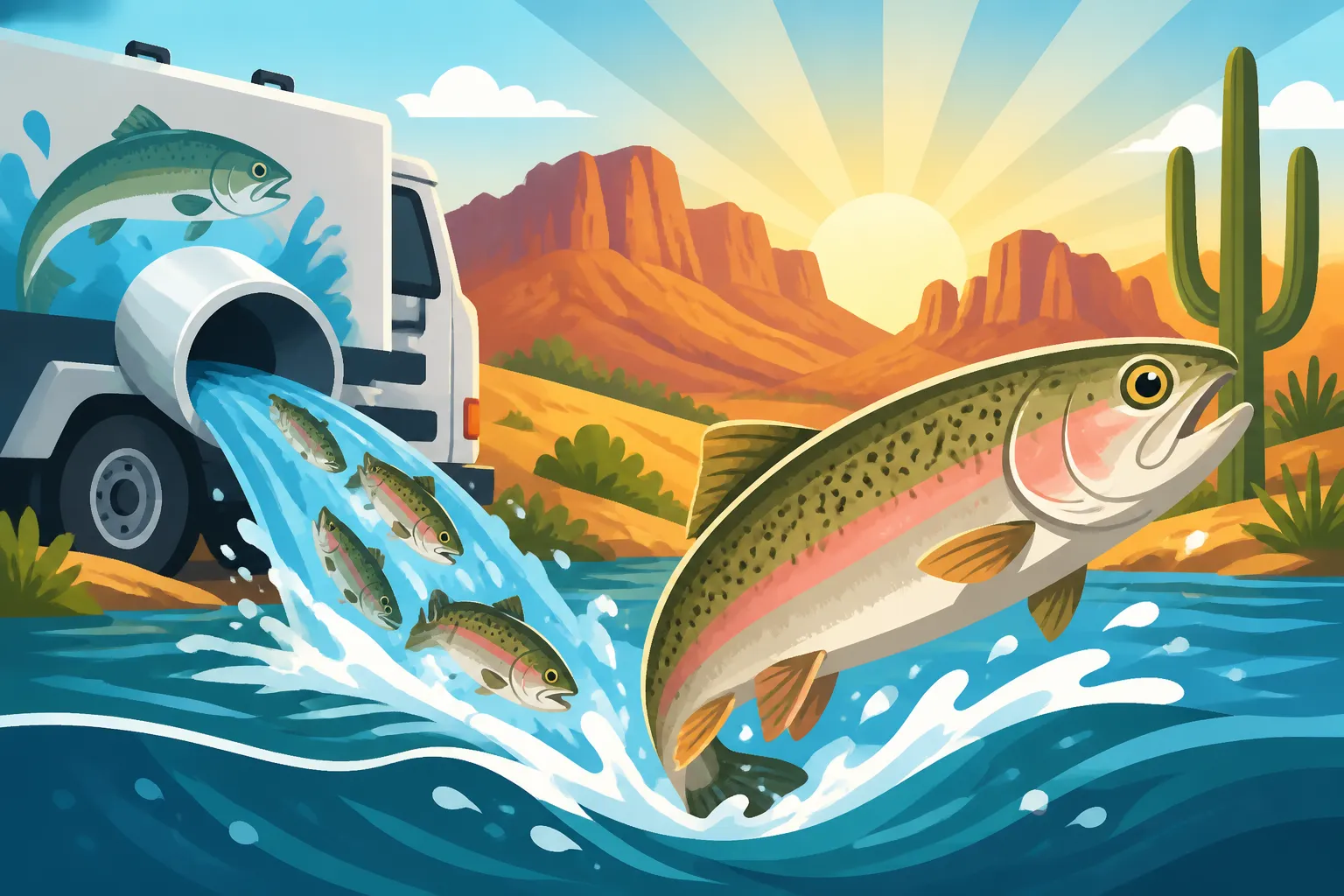
Once the trout are ready, the logistical challenge of transporting them to various lakes and rivers across a vast state begins. Specialized tanker trucks, equipped with oxygenated water systems, are used to safely move thousands of fish, sometimes for hundreds of miles. The AZGFD biologists and technicians carefully select release points based on accessibility, water quality, and angler needs, aiming to distribute the fish effectively. While Rainbow Trout are the most commonly stocked species due to their hardiness and popularity with anglers, certain high-elevation streams and lakes might also receive releases of Brown Trout or even the rare, native Apache Trout in conservation efforts.
Anglers often wonder how quickly the fish spread out after stocking. Initially, trout tend to remain concentrated near the release points, making the days immediately following a stocking event particularly productive. Over time, they disperse throughout the body of water, seeking out food and favorable conditions. This initial concentration is precisely why knowing the stocking schedule can be a game-changer for your success on the water.
Seasonal Stocking Schedules Across the State
Arizona's diverse topography, ranging from scorching desert floors to snow-capped mountains, means that trout stocking isn't a one-size-fits-all affair. The AZGFD carefully times its releases to coincide with optimal water temperatures, ensuring the survival and vitality of the stocked fish. This results in distinct seasonal patterns for different regions of the state.
Fall and Winter Stocking in Warmer Climates
As the scorching summer heat begins to subside and Arizona's lower elevation waters cool down, typically from October through March or April, the focus shifts to urban lakes and lower elevation rivers. This is the prime time for trout fishing in cities like Phoenix, Tucson, and Yuma, where winter temperatures are mild and pleasant. The AZGFD's Community Fishing Program lakes, in particular, become hotspots, receiving frequent deliveries of rainbow trout. Imagine casting your line in a local park pond, surrounded by palm trees, while friends and family enjoy a picnic – it's a unique Arizona experience.
During these cooler months, rivers like the Lower Salt River, easily accessible from the Phoenix metropolitan area, also become fantastic trout fisheries. These sections of river are too warm to support trout during the summer, but the winter inflow of colder water creates perfect conditions for stocked rainbows to thrive, providing excellent opportunities for both fly and spin anglers. Similarly, ponds and smaller lakes in communities across the central and southern parts of the state see regular infusions of trout, creating easy and rewarding fishing close to home. These stocking efforts typically continue until ambient air and water temperatures rise consistently above safe levels for trout, usually in late spring.
Spring and Early Summer in High Country
Once spring truly arrives, usually starting in April and continuing through June or early July, the stocking efforts move northward and upward in elevation. As the winter snow melts from Arizona's mountain ranges, the high country lakes and streams in areas like the White Mountains, near Flagstaff, and Payson become accessible and hospitable for trout. These are the picturesque pine-scented fishing experiences many anglers dream of, surrounded by cooler temperatures and stunning scenery.
Lakes such as Big Lake, Woods Canyon Lake, Show Low Lake, and the numerous smaller ponds and streams in the Apache-Sitgreaves National Forests are routinely stocked with rainbow and sometimes other trout species. The AZGFD ensures that these popular destinations are well-supplied, coinciding with the influx of campers and vacationers seeking respite from the desert heat. Fishing during this period often involves scenic drives and, in some cases, a bit of hiking to reach pristine spots. Just be sure to keep an eye on weather patterns, as mountain conditions can change rapidly, and late-season snowstorms are not unheard of, even in May.
Summer Limitations and Monsoon Considerations
As Arizona plunges into the intense heat of summer, typically from July through September, trout stocking programs face significant limitations. Most of the lower elevation waters become far too warm to sustain trout, even for a short period. The "put-and-take" strategy largely halts in these areas to prevent unnecessary stress and mortality for the fish. Anglers wanting to target trout during this period must head for the highest elevations where water temperatures remain cool enough for the fish to survive, often relying on spring-fed streams or very deep, cold mountain lakes.
Even in the high country, stocking can become less frequent if a particularly hot summer pushes water temperatures past critical thresholds, especially in shallower lakes or streams. This means that during the peak summer months, your chances of encountering recently stocked trout are greatly reduced unless you're targeting specific, very cold, high-elevation waters. The monsoon season, which usually runs from July to September, adds another layer of complexity. While rain is a welcome sight, heavy downpours can cause flash flooding, turn rivers into muddy torrents, and make many roads inaccessible, temporarily halting stocking efforts and making fishing conditions challenging. Always check local conditions and forecasts before heading out during this period.
Targeting Stocked Trout Best Times and Techniques
Successfully catching stocked trout isn't just about showing up when they're biting; it's about understanding their behavior, knowing what they're likely to eat, and using the right gear. Stocked trout, especially fresh plants, often behave differently from their wild counterparts, offering unique opportunities for anglers.
Best Times to Fish After Stocking
The golden rule for targeting stocked trout is simple: fish as soon as possible after a stocking event. These fish, fresh from the hatchery, are often disoriented and eager to feed, having been accustomed to a consistent diet in their previous environment. The first 24-48 hours after a release are often the most productive, sometimes leading to what anglers affectionately call "combat fishing" due to the sheer number of eager fish and fellow enthusiasts.
However, if you can't make it out immediately, don't despair. Stocked trout will generally remain catchable for several days to a couple of weeks, though they tend to spread out more and become a bit warier as time goes on. They also start to acclimate to their new environment and forage for natural foods, making them a bit more challenging, but still very catchable. The key here is checking the official Arizona Game and Fish Department (AZGFD) stocking schedule. This invaluable resource is updated weekly and details exactly which lakes and rivers have received fresh trout. By knowing when and where the fish were planted, you can dramatically increase your chances of a successful outing. You can often find this information directly on the AZGFD website or through local bait and tackle shops which keep close tabs on the schedules.
Effective Baits and Lures for Stocked Trout
When it comes to tempting stocked trout, simplicity often reigns supreme. These hatchery-raised fish are conditioned to a particular diet, making certain artificial baits incredibly effective. Your go-to options should include various forms of PowerBait, especially the fluorescent-colored doughs and nuggets (chartreuse, rainbow, and orange are perennial favorites). Rigging PowerBait off the bottom with a small treble hook and a light leader, allowing it to float just above the bottom, is a classic and highly effective technique. Corn, yes, regular canned corn, is also surprisingly effective, especially in community lakes where trout might be accustomed to various offerings. Live worms, particularly nightcrawlers cut into smaller pieces, are another universal bait that few trout can resist.
For those who prefer lures, small inline spinners like Mepps, Panther Martin, and Rooster Tail are fantastic. Their flashing blades and vibrating action mimic small baitfish or insects, triggering an aggressive strike from curious trout. Small spoons, such as the classic Kastmaster or Thomas Buoyant, are also excellent choices, especially when retrieved with a stop-and-go action that imitates injured prey. For anglers looking to try fly fishing, small nymphs (like a Prince Nymph or Copper John), woolly buggers, or even dry flies mimicking midges or small mayflies can be highly effective, particularly in streams or after the initial stocking frenzy has subsided. Many of these effective baits and lures can be easily found on platforms like Amazon, allowing you to stock your tackle box conveniently from home before your next trip.
Essential Gear for Stocked Trout Fishing
You don't need a boatload of expensive gear to have a blast catching stocked trout. A simple, light-action spinning rod, typically between 5 to 7 feet long, paired with a small spinning reel (like a 1000 or 2000 series) spooled with 4 to 6-pound monofilament or fluorocarbon line, will cover most situations. This lighter setup allows for longer casts with small baits and lures and makes fighting even a modest trout a thrilling experience.
Beyond the rod and reel, a few key pieces of terminal tackle are essential. You'll want a selection of small hooks (sizes 10-14, both treble and single), an assortment of split shot or small egg sinkers to get your bait to the desired depth, and some small bobbers if you prefer fishing suspended baits. A pair of needle-nose pliers or a multi-tool is invaluable for removing hooks and cutting line, and a small net can help you safely land your catch, especially if you plan on practicing Catch and Release Rules for Arizona Anglers. Don't forget a cooler with ice to keep your catch fresh if you plan on bringing some home for dinner – fresh trout are delicious! Having these basics on hand, perhaps stored in a compact tackle box available on Amazon, will prepare you for a successful day on the water.
Where to Find Stocked Trout Key Locations
Arizona boasts a wide array of locations where you can find stocked trout, from easily accessible urban ponds to remote mountain lakes. Knowing these key areas will help you narrow down your options based on your location and preferred fishing experience.
Community Fishing Program Lakes
For sheer accessibility and family-friendly fun, it's hard to beat Arizona's Community Fishing Program lakes. The AZGFD goes to great lengths to stock these urban and suburban waters with thousands of trout, primarily during the cooler fall, winter, and spring months. These lakes are typically well-maintained, offer easy bank access, and often feature amenities like restrooms, picnic areas, and paved pathways, making them perfect for beginners, kids, and anglers with mobility challenges.
You'll find these gems sprinkled across metropolitan areas like Phoenix, Tucson, and Yuma. Popular examples include Tempe Town Lake in Tempe, the various ponds within Phoenix's Community Park Lakes in Phoenix, Kennedy Lake in Tucson, and the Yuma West Wetlands Pond. The consistent stocking schedule, which you can check weekly on the AZGFD website, means that a productive day of fishing is often just a short drive away. It's a fantastic way to introduce new anglers to the sport or for seasoned veterans to enjoy some quick action without traveling far. Remember that these lakes often have specific rules and limits that can differ from statewide regulations, so always check the signage or the AZGFD guide.
Northern Arizona Coldwater Lakes and Streams
When the desert lowlands start to heat up, seasoned trout anglers head for the hills – specifically, the high country of Northern Arizona. This region, encompassing areas like the White Mountains, Flagstaff, and Payson, offers a completely different trout fishing experience. Here, you'll find stunning pine forests, cooler temperatures, and a network of lakes and streams that are regularly stocked with trout during the spring and early summer.
Iconic destinations like Big Lake, Show Low Lake, Woods Canyon Lake, and Willow Springs Lake in the White Mountains are prime examples. These lakes often offer boat rentals, camping facilities, and plenty of shoreline access, providing a full outdoor adventure. For stream anglers, places like Oak Creek Canyon near Sedona and sections of the Verde River (especially the upper stretches) receive regular trout plants, offering opportunities for both spin fishing and fly fishing in picturesque settings. Fishing in these areas often means embracing cooler mornings, mountain air, and the chance to escape the summer heat, making for truly memorable trips. Before heading up, it's wise to consult the Best Trout Fishing Spots in Arizona guide for more localized recommendations.
Lower Salt River and Colorado River Tailwaters
Beyond the community ponds and mountain lakes, some unique river systems offer fantastic stocked trout opportunities in Arizona. The Lower Salt River, easily accessible east of Phoenix, is a prime example. From late fall through spring, the AZGFD stocks thousands of rainbow trout into its cooler waters, transforming it into a vibrant fishery. Anglers can enjoy wading, bank fishing, or even float tubing these scenic stretches of river, often catching their limit of rainbows within a short distance of the city.
Further west, the Colorado River also presents exceptional trout fishing, particularly in its tailwater sections below major dams. Willow Beach, below Davis Dam on the Arizona-Nevada border, is renowned for its trophy-sized rainbow trout. While these fish are technically self-sustaining in the cold, consistent waters, the AZGFD does supplement the population with hatchery-raised fish to maintain angler success. Fishing Willow Beach often involves drifting from a boat or kayak, targeting the deeper pockets and current breaks. The trout here can grow quite large, offering a thrilling challenge on lighter tackle. Always be aware of the specific Arizona Fishing Regulations Explained for these unique border waters, as they can sometimes differ from statewide rules.
Maximizing Your Stocked Trout Fishing Experience
Catching stocked trout can be incredibly rewarding, but there's an art to consistently finding success. It involves a combination of diligent preparation, smart tactics, and a respectful approach to the resource.
Checking Stocking Reports and Local Conditions
One of the absolute best ways to increase your chances of catching stocked trout is to stay informed. The Arizona Game and Fish Department is your best friend here. They publish weekly trout stocking schedules on their official website, detailing which lakes and rivers have been stocked, the dates of the releases, and often even the species and approximate numbers of fish. Making it a habit to check this report before planning your trip is paramount. It ensures you're fishing where the fish are, maximizing your valuable time on the water.
Beyond the official reports, local bait and tackle shops are goldmines of real-time information. The folks working there live and breathe fishing, and they often have the latest scoop on recent stocking successes, what baits are working best, and current water conditions. Don't be shy about striking up a conversation. Online fishing forums and local social media groups can also provide valuable insights, though always cross-reference with official sources. Finally, pay attention to the weather. A sudden cold front can put fish off the bite, while a monsoon downpour can muddy waters and make access difficult. Using a reliable weather app or even specialized fishing apps can give you an edge, helping you choose the best days to head out. For instance, a durable, waterproof fishing bag, easily found on Amazon, can keep your essentials safe during unexpected showers.
Respecting Regulations and the Environment
Having a successful fishing trip isn't just about catching fish; it's about being a responsible and ethical angler. Before you even cast a line, ensure you have a valid Arizona Fishing License Guide. This isn't just a formality; your license fees directly support the stocking programs and conservation efforts that make Arizona's fisheries possible. If you're targeting trout, particularly in some designated waters, you might also need to acquire a Trout Stamp Requirements in Arizona, so always double-check the latest regulations.
Familiarize yourself with the specific Fishing Bag and Possession Limits Explained for the water you're fishing. These limits are in place to ensure sustainable fishing for everyone. If you plan on practicing catch and release, handle the fish gently, minimize their time out of water, and use appropriate techniques to ensure their survival. Always leave your fishing spot cleaner than you found it, packing out all trash, including discarded fishing line. Protecting Arizona's beautiful natural spaces is a shared responsibility, and every angler plays a crucial role in maintaining these resources for future generations.
Troubleshooting Common Stocked Trout Challenges
Even with the best information and gear, stocked trout can sometimes be finicky. If you're not getting bites, don't immediately assume the fish aren't there. Often, it's a matter of adjusting your approach. One common challenge is high fishing pressure; if a spot has just been stocked and is crowded, the fish might be stressed or have seen every bait in the book. Try moving to a less crowded area of the lake or river, or experiment with more subtle presentations.
Another issue can be depth or presentation. If you're fishing PowerBait on the bottom, try varying your leader length. If using lures, experiment with different retrieve speeds or sizes. Sometimes, a slight change in lure color or scent can make all the difference. Stocked trout also tend to stay in schools, so if you catch one, there are likely more in the immediate vicinity. If the bite dies, consider moving a short distance to locate another school. Understanding the Seasonal Movement Patterns of Trout in Stocked Lakes can also help; as they acclimate, they often move to deeper, cooler water or seek out available structure. Patience and a willingness to experiment are your greatest assets when troubleshooting a slow bite.
| Location Type | Primary Stocking Season | Key Species Stocked | Common Baits/Lures | Notes |
|---|---|---|---|---|
| Community Lakes (Urban) | Fall, Winter, Early Spring | Rainbow Trout | PowerBait, Worms, Corn, Spinners | Easy access, family-friendly, high pressure |
| High Country Lakes | Spring, Early Summer | Rainbow Trout | Worms, Spinners, Spoons, Flies | Scenic, cooler temps, camping available |
| Lower Salt River | Fall, Winter, Early Spring | Rainbow Trout | PowerBait, Worms, Small Spinners | Flowing water, wade fishing, near Phoenix |
| Willow Beach (CO River) | Year-Round (less frequent plants) | Rainbow Trout | PowerBait, Sardines, Heavier Lures | Trophy potential, strong current, boating often preferred |
Disclaimer
The information provided in this guide is for general informational purposes only and is subject to change. Fishing regulations, stocking schedules, and local conditions can vary and be updated by the Arizona Game and Fish Department at any time. Always consult the official AZGFD website or their current fishing regulations booklet for the most accurate and up-to-date information before planning your fishing trip.