Fall Bass Fishing Tactics in Arizona
As the scorching Arizona summer sun begins to mellow, many anglers find themselves scratching their heads when it comes to bass fishing. That aggressive, predictable bite from spring and early summer seems to vanish, replaced by finicky fish that are here one minute and gone the next. But don't despair! Fall in Arizona can actually offer some of the most exhilarating bass fishing of the year, provided you understand how these desert dwellers react to the changing seasons. This guide will help you decode fall bass behavior and equip you with the tactics to fill your livewell.
Understanding the Fall Bass Migration and Behavior
When we talk about "fall" in Arizona, we're not necessarily talking about crisp autumn air and changing leaves in the same way folks in other parts of the country might. Here, fall means a gradual cooling of water temperatures after months of intense heat, which triggers a significant shift in bass behavior. This transition phase is crucial for understanding where the fish are and what they're willing to bite.
The Post-Summer Power Feed
After enduring the brutal heat of summer, where bass often retreat to deeper, cooler waters and become somewhat lethargic, the cooling water temperatures of early fall spark a resurgence of activity. As the surface temperatures begin to drop from the triple digits down into the 80s and then 70s, bass sense that winter is coming. This instills a powerful instinct to feed aggressively, building up fat reserves to sustain them through the colder months. Think of it as their last big push before the deep chill. They'll often move out of their deep summer haunts and start chasing baitfish with renewed vigor, making for some truly exciting topwater action and power fishing opportunities.
Schooling Behavior and Baitfish Chases
One of the most defining characteristics of fall bass fishing in Arizona, especially for species like largemouth and particularly striped bass, is their intensified schooling behavior. Baitfish, primarily threadfin and gizzard shad, gather in massive schools, often pushed to the surface by predatory bass and stripers. When you see a "boil" on the surface – a frenzy of fish busting bait – that's your cue! These schooling fish can be found in open water, chasing bait in massive wolf packs, but they also relate to main lake points, humps, and submerged islands where they can ambush passing baitfish. Understanding these patterns is key, as a successful day can depend on locating these active schools. Sometimes, you'll see both largemouth and striped bass participating in these feeding frenzies, creating a truly memorable experience. This active pursuit is one of the clearest signs that Arizona Fishing Seasons Explained are in full swing for bass.
The Turnover Effect
While less pronounced in many of Arizona's warmer, shallower desert lakes compared to deeper, colder reservoirs elsewhere, "turnover" can still be a factor, particularly in our deeper lakes like Canyon Lake or even sections of Lake Powell. Turnover occurs when the cooler surface water becomes denser and sinks, pushing the warmer, deoxygenated water from the bottom to the surface. This can temporarily disrupt fish patterns, making them scattered and difficult to locate. Bass might suspend in open water, or they might move to areas with more stable oxygen levels, often near inflowing creeks or areas with abundant submerged vegetation. The timing of turnover is highly dependent on water body size, depth, and how quickly temperatures drop, but generally, it's a phase to be aware of in early to mid-fall as the lake transitions.
Top Arizona Lakes for Fall Bass Fishing
Arizona boasts an incredible array of lakes, each offering unique opportunities for fall bass anglers. Knowing which lakes shine during this season can dramatically increase your chances of success. When considering your next trip, remember that many of the Best Fishing Lakes in Arizona really come alive in the fall.
Central Arizona Hotspots: Roosevelt, Pleasant, and Canyon
These three reservoirs are arguably the jewels of central Arizona bass fishing, and fall is when they truly shine.
- Roosevelt Lake: As Arizona's largest lake, Roosevelt is a fall paradise. The massive influx of baitfish moving into the main lake and creek arm channels creates incredible schooling opportunities for largemouth bass. Target main lake points, humps, and the mouths of creeks like Tonto Creek or Salome Creek. As water levels fluctuate, pay attention to newly submerged brush and timber, which become prime ambush points. The post-monsoon clarity can also make for some excellent sight fishing if conditions are right. For many, the Best Time of Year to Fish Roosevelt Lake is undeniably in the fall.
- Lake Pleasant: Known for its clear waters and abundant striped bass population, Lake Pleasant also offers fantastic largemouth action in the fall. The key here is often finding those schooling stripers, as largemouth will frequently join the fray to feast on the same shad. Focus on the main lake body, especially around humps, points, and the massive submerged structures like the old Agua Fria River channel. Topwater action can be explosive early and late in the day.
- Canyon Lake: This deep, clear, canyon-bound lake can be tricky but incredibly rewarding. Smallmouth bass thrive in its rocky depths, and fall sees them becoming more active, moving onto ledges and points to feed. Largemouth will patrol the numerous coves and structure, especially areas with submerged timber and rockslides. The clearer water often demands a more subtle approach, but the sheer beauty of the surroundings makes Canyon Lake an unforgettable fall destination.
Western Arizona Gems: Havasu and Mead
Don't overlook the mighty Colorado River reservoirs on the western side of the state, especially if you're chasing truly monster bass.
- Lake Havasu: Famous for its world-class bass fishing, Lake Havasu is a must-visit in the fall. Both largemouth and smallmouth bass become highly active, relating to the lake's abundant submerged vegetation, rocky points, and artificial habitat structures (like those put in by the Lake Havasu Fisheries Improvement Program). The cooling water brings fish into shallower depths, making pitching jigs, throwing spinnerbaits, and working topwater frogs over matted vegetation incredibly effective. It's a prime destination for a Largemouth Bass Fishing Guide for Arizona.
- Lake Mead: While a vast and often challenging body of water due to its size and fluctuating levels, Lake Mead offers incredible opportunities for both largemouth and especially smallmouth bass in the fall. Focus on the steep canyon walls, rocky points, and submerged islands. Smallmouth will aggressively chase crankbaits and finesse baits along these structures. Striped bass are also abundant here, often schooling and pushing shad into predictable areas, providing additional action for anglers. The Striped Bass Fishing Guide for Arizona highlights how productive this region can be.
Northern Arizona Opportunities
While the desert lakes get most of the attention for bass, don't forget that northern Arizona's cooler, higher-elevation lakes can also offer unique fall bass experiences, particularly for smallmouth. Lakes like Lake Mary or Fool Hollow Lake, while perhaps better known for trout, do hold bass that become more active as water temperatures cool, especially in their shallower, weedy sections. These spots can offer a tranquil escape from the busier southern lakes.
Prime Lures and Baits for Autumn Bass Success
Fall bass fishing in Arizona requires a versatile tackle box. The fish can be aggressive one moment and incredibly picky the next, so having a range of options is crucial. The cooling water temperatures mean you can often get away with bolder presentations than in the summer heat. You'll find a lot of excellent choices at stores like those found on Amazon, making it easy to stock up.
Reaction Baits for Active Fish
When bass are in their aggressive, feeding mood, reaction baits are your best friends. These lures are designed to provoke a strike, even from fish that aren't actively hunting.
- Spinnerbaits and Bladed Jigs: These are staples for a reason. The flash and vibration mimic baitfish perfectly, and you can cover a lot of water quickly. In early fall, when fish are still somewhat shallow, a ½-ounce spinnerbait with tandem willow blades in white or chartreuse can be deadly around points, coves, and submerged brush. As the fall progresses and fish might be slightly deeper, a bladed jig (like a ChatterBait) in similar colors or a perch pattern can generate powerful strikes, especially when fished around grass lines or brush.
- Crankbaits: Deep-diving crankbaits are excellent for targeting bass holding on main lake points, submerged humps, and channel swings. Choose colors that imitate shad (chrome, bluegill, shad patterns). Medium-diving crankbaits work well for covering shallower flats and coves. Experiment with retrieve speeds; sometimes a steady retrieve is best, other times a stop-and-go or deflecting it off structure is what triggers the bite.
- Topwater Lures: When baitfish are busting on the surface, nothing beats topwater. Walking baits (like a Heddon Super Spook) or poppers can ignite explosive strikes during low-light conditions (dawn, dusk, or overcast days). Even in the middle of the day, if you see a schooling boil, a quickly retrieved topwater lure can be the ticket. These are often the first lures to go into my tackle box, especially for those early morning excursions. Mastering Topwater Fishing Techniques for Bass will pay dividends in the fall.
Finesse Presentations for Finicky Bites
There will be days in the fall when the power bite just isn't happening. Cooling water, increased fishing pressure, or post-frontal conditions can make bass incredibly finicky. This is when finesse tactics truly shine.
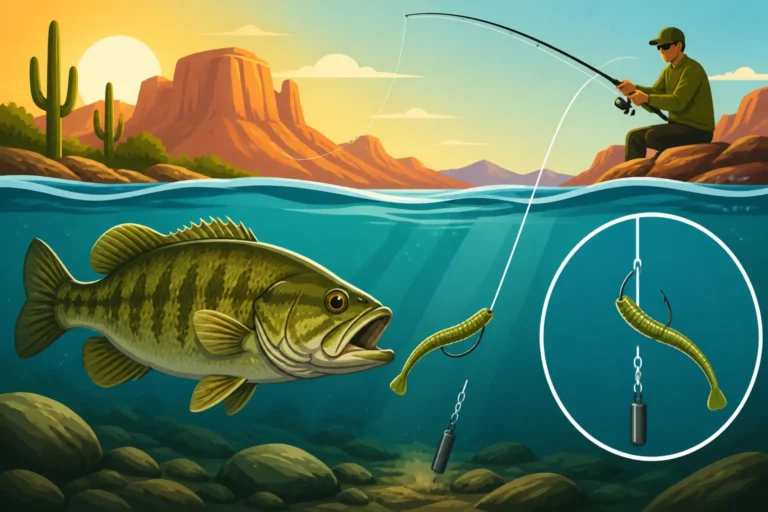
- Drop Shots: An absolute killer for deeper, clear water bass, especially smallmouth, but largemouth will eat it too. Rig a small soft plastic (like a Roboworm or a Z-Man Finesse TRD) on a specialized drop shot hook, with a sinker tied below. This allows your bait to suspend enticingly off the bottom, irresistible to hesitant fish. Fish it around rocky points, ledges, and submerged timber.
- Jigs: Both football jigs for deeper, hard bottom areas and flipping/pitching jigs for heavy cover are essential. In fall, a ½-ounce football jig in brown, green pumpkin, or black and blue can be deadly on rocky points and humps. For brush and submerged trees, a weedless jig can be pitched into cover, mimicking crawfish or a bulky baitfish. Tip with a craw trailer for added bulk and action.
- Ned Rigs: This simple yet incredibly effective presentation consists of a small jig head paired with a buoyant soft plastic worm (often called a "Ned Rig worm"). It stands straight up on the bottom, offering a subtle, enticing presentation that even inactive bass struggle to ignore. It's particularly effective in clear, cooler water when bass are lethargic or pressured.
Live Bait and Soft Plastics
Sometimes, the most natural presentation is the most effective, and soft plastics can often mimic live bait better than anything else.
- Swimbaits: Both hard and soft swimbaits can be incredibly productive, especially when bass are keying in on larger baitfish. Soft swimbaits, rigged on a weighted swimbait hook or a jig head, can be retrieved through schooling fish or over submerged vegetation. Hard swimbaits offer a more realistic profile and can be deadly when fished slowly along drop-offs or points. You can find a huge variety of these, from the realistic to the more artistic, on platforms like Amazon.
- Worms and Creature Baits: Texas-rigged or Carolina-rigged plastic worms and creature baits remain fall staples. These are fantastic for probing brush, rocks, and grass. Colors like green pumpkin, junebug, and plum are consistent producers. Experiment with different sizes and actions; sometimes a subtle straight-tail worm is preferred, other times a bulky creature bait with lots of appendages.
- Live Bait: While many dedicated bass anglers prefer artificials, never underestimate the power of live bait, especially if you're struggling. Live shad, shiners, or even large minnows can be incredibly effective, particularly when fished on a free-line or under a slip bobber in areas where bass are actively feeding or schooling. Just be sure to check local regulations on baitfish use.
Effective Techniques for Different Fall Scenarios
Fall is a season of change, and bass can be found in a multitude of locations and depths. Being able to adapt your techniques to different scenarios is what separates a good fall angler from a great one. The Seasonal Movement Patterns of Arizona Bass really dictates where you should focus your efforts.
Targeting Shallow Water Ambush Points
Early fall, when water temperatures are still relatively warm but cooling, can bring bass into shallower areas, especially during low-light conditions or overcast days. They're looking for ambush points where they can easily corral and attack baitfish.
- Coves and Flats: Look for coves with gradual slopes leading to deeper water, and shallow flats adjacent to major creek channels or the main lake. Bass will move into these areas to feed, particularly if there's submerged vegetation, scattered rock, or brush piles. Fan-cast spinnerbaits, bladed jigs, or shallow-diving crankbaits to cover water quickly. If you see signs of baitfish, slow down and pitch jigs or Texas-rigged worms into any visible cover.
- Points and Shoreline Structure: Main lake points and secondary points within larger coves are classic fall hotspots. Bass will stage on these points, waiting for baitfish to move by. Shoreline rock, laydowns, and docks also provide excellent cover. Fish these areas with topwater lures early, then switch to crankbaits, jigs, or even shaky heads as the sun gets higher. Remember that wind blowing into a point can often concentrate both baitfish and bass, making it an even better target.
Fishing Deeper Structure and Secondary Points
As fall progresses and water temperatures continue to drop, bass will often start migrating towards deeper wintering grounds. However, they'll often hold up on secondary points, humps, and ledges along these migration routes, especially during midday or high-pressure conditions.
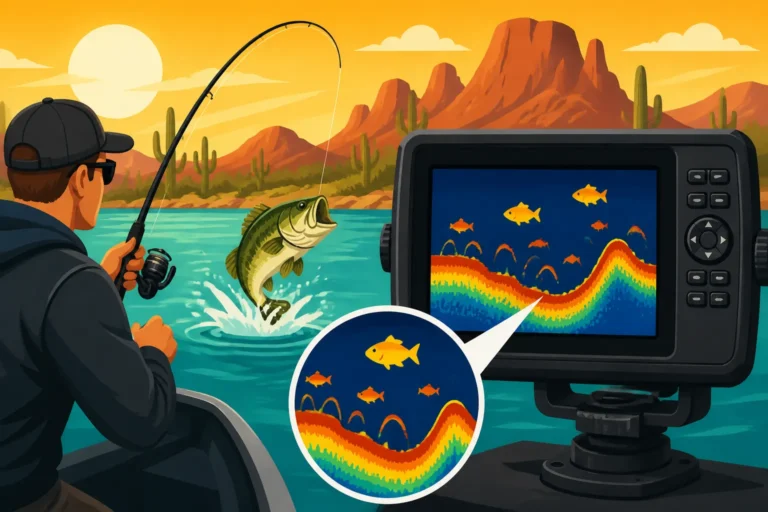
- Humps and Ledges: These offshore structures become magnets for bass in the fall. Use your electronics to locate humps, submerged islands, and sharp ledges in 15-30 feet of water. Once you find them, target them with deep-diving crankbaits, football jigs, or a drop shot. Vertical jigging spoons can also be incredibly effective on tightly schooled fish on these structures. It's often a game of searching and then thoroughly picking apart a specific area.
- Channel Swings and Brush Piles: River or creek channels that wind through the lake provide highways for bass. Look for areas where these channels swing close to a main lake point or a flat, creating a distinct break. Submerged brush piles along these channel edges or on top of humps are also prime holding spots. Slow-rolling a large spinnerbait, dragging a Carolina rig, or fishing a heavy jig can entice bites from fish hunkered down in this cover.
Leveraging Topwater Action and Boils
One of the most thrilling aspects of fall fishing in Arizona is the potential for explosive topwater action, especially from schooling bass and striped bass. These "boils" are often short-lived but incredibly intense.
- Spotting the Boils: Keep a keen eye on the water, especially during dawn and dusk. Look for birds diving (terns are often a giveaway), ripples, or outright explosions on the surface. These are sure signs that predatory fish are pushing bait to the surface. Have a rod rigged and ready with a topwater walking bait, a popper, or a small spoon for quick casts.
- Approaching and Casting: Once you spot a boil, approach cautiously but quickly. Don't drive your boat directly into the feeding fish. Instead, stay a good casting distance away and make long, accurate casts into the commotion. Often, the fish will hit immediately. If the boil subsides, retrieve quickly and look for the next one. Sometimes, a reaction bait like a fast-retrieved swimbait or a small jig can pick up stragglers or fish feeding just below the surface after the main boil dies down.
Adapting to Arizona's Unique Fall Weather Patterns
Arizona's fall weather isn't always predictable, and understanding how these unique patterns influence bass behavior is critical for consistent success. From cooling waters to post-monsoon changes, being prepared for anything will give you an edge.
Dealing with Cooling Water Temperatures
Unlike many other regions, Arizona lakes often start fall with extremely warm water. The transition from 90+ degrees down to the 70s and 60s is gradual but impactful.
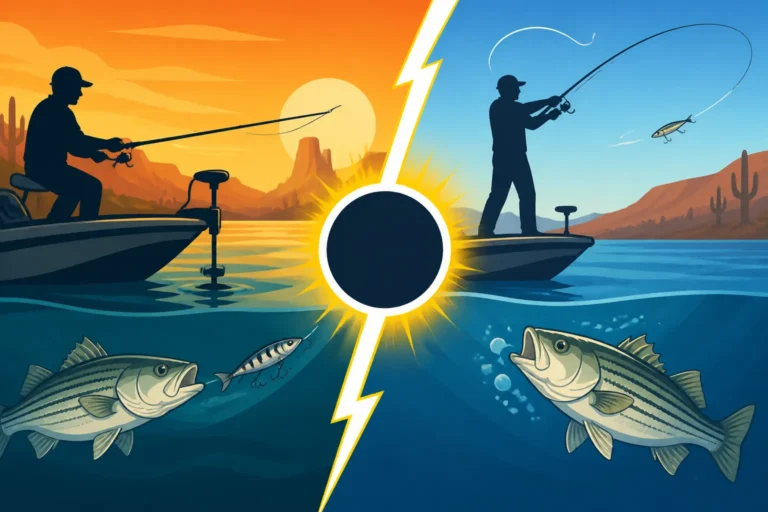
- Early Fall (Warm Transition): In September and early October, water temperatures might still be in the 80s. Bass will be active, but they might still seek slightly deeper water during the brightest parts of the day. Focus on low-light periods for topwater and shallow cranking. As the sun gets high, move to main lake points and deeper structure. This period can offer some of the Best Time of Day to Fish in Arizona Heat.
- Mid to Late Fall (Cooling Down): By late October and November, water temperatures will consistently be in the 70s and 60s. This is often when the schooling bite peaks, and bass are found throughout the water column. As temperatures drop further, bass will start consolidating in deeper wintering areas. This might require a slower, more deliberate approach with finesse baits, jigs, or even slow-rolled umbrella rigs. They'll still eat, but the window for aggression might shorten.
Post-Monsoon Clarity and Pressure Changes
Arizona's monsoon season typically wraps up by mid-September. The heavy rains can significantly impact lake conditions, and the post-monsoon period in fall brings its own set of challenges and opportunities.
- Water Clarity: After heavy monsoon rains, many lakes, especially those fed by rivers like Roosevelt Lake or Alamo Lake, can experience significant turbidity. This muddy water can scatter bass or push them into clearer feeder creeks. As the water clears in the fall, bass will often return to their normal patterns, but sometimes the sudden change in clarity can temporarily shut them down. In murky water, use lures with strong vibration and bright colors (chartreuse, white, black/blue). In clear water, opt for natural colors and more subtle presentations.
- Barometric Pressure: Post-frontal conditions following a monsoon storm can lead to high, stable barometric pressure, which often makes fish less active. Conversely, falling pressure before a storm can trigger a strong bite. Pay attention to weather forecasts; fishing before a front can be fantastic, while fishing right after one might require more patience and finesse. Consider How to Fish During Arizona's Monsoon Season transitions into these clearer fall conditions.
Wind and Its Impact on Fall Bass
Wind is a constant factor in Arizona, and it plays a huge role in fall bass fishing. Smart anglers learn to use it to their advantage.
- Wind-Blown Banks and Points: Wind pushes baitfish into wind-blown banks and points, which in turn attracts bass. These areas are often highly oxygenated and can be excellent targets. Position your boat to cast with the wind, allowing you to make long casts and cover more water efficiently.
- Turbulence and Cover: Wind creates ripple and chop on the water's surface, which breaks up light penetration and makes it harder for bass to distinguish your lure from natural prey. This also makes bass feel more secure to feed in shallower water. However, extreme winds can make boat control and casting difficult. On very windy days, seek out protected coves or areas with less exposure, or focus on deeper, wind-sheltered structures where fish might seek refuge.
| Fall Bass Lure Type | Best Conditions/Scenario | Target Depth | Example Lure | Amazon Search Term Suggestion |
|---|---|---|---|---|
| Topwater | Boils, Low-light, Overcast, Active Fish | Surface | Spook, Popper | "walking bait lure" |
| Spinnerbait | Covering Water, Around Cover, Active Fish | Shallow to Mid-depth | Willow Blade | "bass spinnerbait" |
| Bladed Jig | Grass, Wood, Turbid Water, Moderate to Active Fish | Shallow to Mid-depth | ChatterBait | "bladed jig bass" |
| Crankbait (Medium/Deep) | Main Lake Points, Ledges, Humps, Actively Feeding Fish | Mid to Deep | Strike King 5XD | "deep diving crankbait" |
| Swimbait (Soft/Hard) | Imitating Shad, Schooling Fish, Larger Profile | Mid to Deep (variable) | Keitech Swing Impact | "soft swimbait bass" |
| Football Jig | Rocky Bottom, Humps, Ledges, Deeper Water | Deep | Arkie Jig | "football jig bass" |
| Flipping/Pitching Jig | Heavy Cover, Brush Piles, Docks | Shallow to Mid-depth | Rubber Jig | "flipping jig bass" |
| Drop Shot | Finicky Fish, Clear Water, Deep Structure | Mid to Deep | Roboworm | "drop shot rig" |
| Ned Rig | Highly Pressured Fish, Clear Water, Subtle Bites | Shallow to Mid-depth | Z-Man Finesse TRD | "ned rig kit" |
Remember, fall bass fishing in Arizona is all about embracing the transition. Stay mobile, pay attention to the conditions, and don't be afraid to experiment with different baits and depths. There’s a world of excitement waiting for you on the water!
Disclaimer
Fishing conditions and regulations can change rapidly. Always consult the latest Arizona Game and Fish Department regulations before heading out. This guide is for informational purposes only and should not replace official sources. Practice responsible angling and conservation.