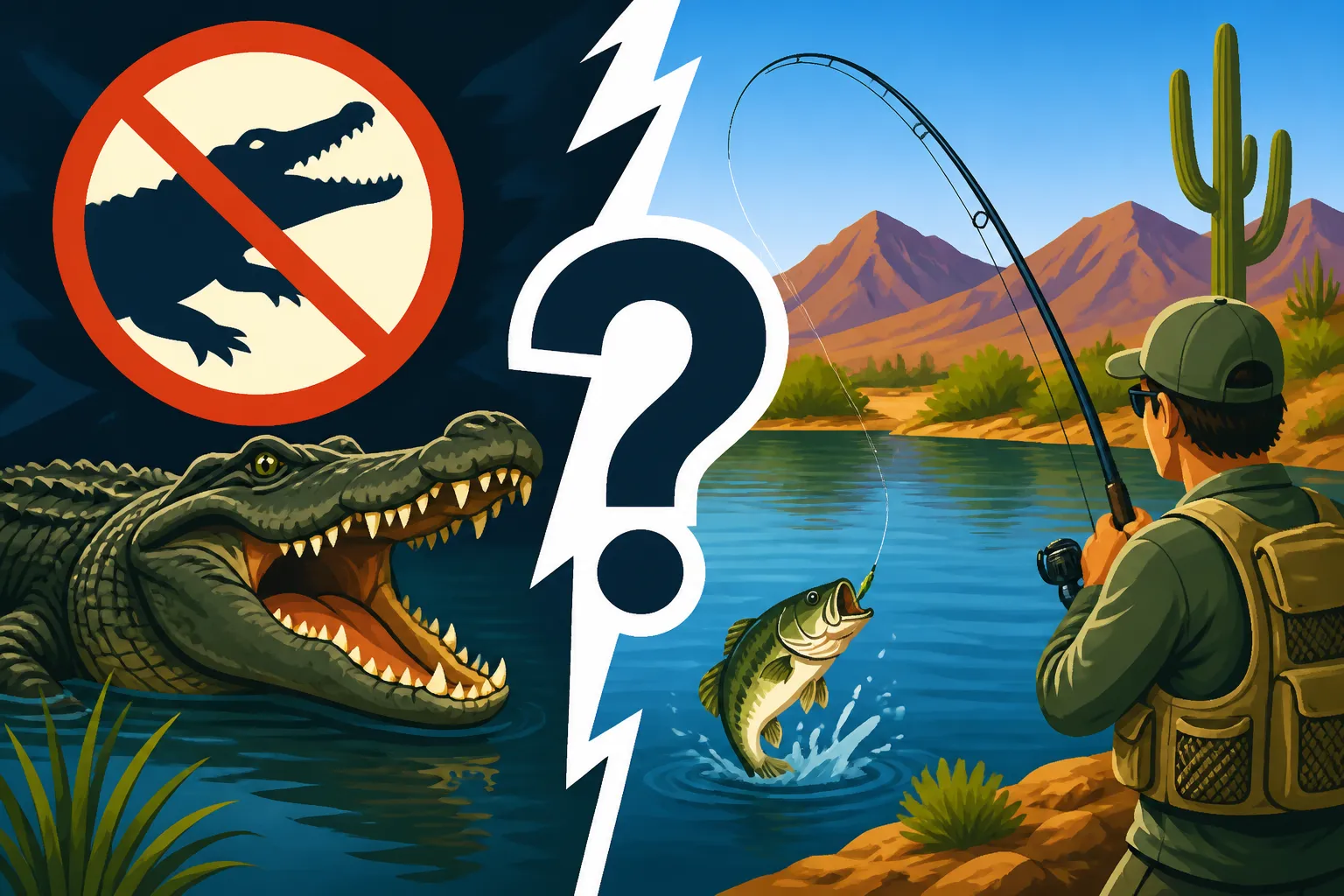
Are There Alligators or Dangerous Wildlife at Arizona Lakes?
It's completely understandable to wonder about what kind of creatures might be lurking when you're headed out to enjoy Arizona's beautiful lakes, especially with all the myths and rumors floating around. The image of an alligator suddenly surfacing in the middle of a peaceful desert lake is certainly enough to make anyone pause! Many of us who love spending time by the water have had that fleeting thought, but thankfully, this guide is here to set the record straight and equip you with realistic expectations and safety knowledge for enjoying Arizona's diverse aquatic environments.
Debunking the Alligator Myth in Arizona's Waters
Let's get this out of the way right from the start: no, you will not encounter alligators in Arizona's lakes, rivers, or streams. The idea that these large reptiles might be stalking the shores of Lake Pleasant or Roosevelt Lake is a common misconception, but it's just that – a myth. Arizona's climate and ecosystems simply aren't suitable for sustaining alligator populations. Alligators thrive in warm, humid, freshwater environments, typically found in the southeastern United States, like Florida, Louisiana, and Georgia, where they have vast swamps and slow-moving rivers.
The natural habitat requirements of alligators, including their need for consistently high humidity and warm temperatures year-round, are not met in Arizona. While our summers are scorching, our winters can be surprisingly chilly, particularly at night and in higher elevations, which wouldn't allow alligators to survive and reproduce in the wild. Furthermore, the desert landscape and the mostly arid conditions, even around our reservoirs, don't provide the kind of lush, marshy cover and abundant prey base that alligator populations depend on. Any sighting of an alligator in Arizona would almost certainly be an illegally released pet, a rare and isolated incident, and it wouldn't constitute a self-sustaining wild population. Rest assured, when you're casting your line into the waters of Canyon Lake or searching for the best spots for crappie, you won't need to worry about one of these prehistoric predators.
Real Wildlife Concerns Around Arizona Lakes and Rivers
While the alligator fear is unfounded, it doesn't mean Arizona's beautiful natural areas are entirely devoid of wildlife that could pose a threat if not respected. The Grand Canyon State is home to an incredible array of creatures, and many of them share our waterways. The key to staying safe is awareness, education, and preparedness. Most animals want absolutely nothing to do with humans, and conflicts usually arise from accidental encounters or when animals feel threatened. Understanding the actual residents of these areas will help you enjoy your fishing trips and outdoor adventures safely.
Venomous Reptiles and Arthropods
When you're walking along the shore, reaching into brush, or flipping over rocks for bait, the primary concern around Arizona's lakes and rivers generally comes down to venomous snakes and arthropods. These creatures are often well-camouflaged and can be found in a variety of habitats near water.
Rattlesnakes are the most prominent venomous snake species in Arizona, and they are definitely present in areas around lakes and rivers. They often seek refuge under rocks, in crevices, or dense vegetation near water sources, especially during the hotter parts of the day, as they are drawn to cooler, damper spots and the prey that congregates there. There are several species of rattlesnakes found across the state, including the Western Diamondback Rattlesnake, Mohave Rattlesnake, and Sidewinder, each with distinct markings but all sharing the telltale rattle. If you hear that distinctive rattle, locate the snake and back away slowly and calmly. Most bites occur when people try to handle, harass, or accidentally step on a snake. Always wear sturdy, closed-toe shoes or boots, watch where you step and place your hands, and avoid walking through tall grass or dense underbrush without caution. When choosing your fishing spot, consider areas with open ground where you can easily spot potential hazards.
Scorpions are another common concern. While most scorpion stings are painful but not life-threatening, the Arizona bark scorpion, the most venomous scorpion in North America, can deliver a sting that is medically significant, especially for children, the elderly, or those with compromised immune systems. They are nocturnal and often hide under rocks, logs, or debris during the day. Before picking up anything from the ground, give it a quick visual check. If you're camping near water, always shake out your shoes and clothing before putting them on. You might also encounter black widow spiders, whose bites can cause severe muscle pain, cramping, and nausea. They often build irregular webs in dark, sheltered areas like under boat docks, within hollow logs, or in neglected equipment. Keeping an eye out for their distinctive shiny black bodies and red hourglass marking is a good practice.
While exceedingly rare, the Gila monster is Arizona's only venomous lizard. These distinctive, beaded lizards are shy and generally avoid human contact, but they can deliver a painful, tenacious bite if provoked or threatened. They are typically found in rocky areas or desert washes, not usually in or directly beside the water itself, but could be present in the broader riparian zones. It’s best to admire them from a distance. If you're looking to explore some of the more remote areas, perhaps guided by a local expert found through platforms like FishingBooker, they will often be well-versed in identifying and avoiding such creatures.
Larger Mammals and Defensive Encounters
Arizona's diverse landscapes around its lakes also host a variety of larger mammals. While direct attacks are rare, encounters can become problematic if animals feel threatened, especially if they have young.
Javelina, or collared peccaries, are common in many parts of Arizona, including areas near urban lakes and larger reservoirs like Lake Pleasant. These pig-like animals travel in herds and can be quite defensive if they perceive a threat to their group or their young. While they typically mind their own business, they have poor eyesight and might charge if startled or cornered. Keep a safe distance and avoid feeding them. If a javelina approaches, make noise, wave your arms, and try to make yourself appear larger. For families heading out, checking on Family Fishing Spots Near Phoenix can help you choose areas that are generally well-trafficked and have fewer hidden nooks for wildlife to hide.
Coyotes are ubiquitous in Arizona, from urban fringes to remote wilderness. While generally timid around humans, they can become habituated to human presence, especially if fed. They are typically not a threat to adults but can pose a danger to small pets or unattended children. Keep food secured and never leave children unsupervised. In more remote regions, particularly in the forested areas of northern Arizona or near less-traveled lakes, you might encounter black bears or mountain lions. Bears are primarily drawn to human food sources, so proper food storage in bear-resistant containers is crucial when camping. Mountain lion sightings are rare, and attacks on humans are even rarer, but they are apex predators. If you encounter a mountain lion, make yourself look as large as possible, make noise, and fight back if attacked. This is why understanding Boating Safety Gear Requirements in Arizona extends beyond just life jackets; it includes being prepared for all potential outdoor scenarios.
When you're planning your trip to places like Roosevelt Lake or Alamo Lake, knowing what wildlife to expect and how to behave around them is just as important as knowing the Best Bass Fishing Techniques for Arizona Lakes. Many local fishing guides, often found via resources like FishingBooker, can offer invaluable insights into specific local wildlife patterns and how to stay safe.
Aquatic Dangers and Unseen Threats
While the land-based critters often get the most attention, there are also a few aquatic considerations to keep in mind, though most are not "dangerous" in the sensational way people might imagine.
Fish and Other Water Dwellers
Arizona's waters are teeming with various fish species. While most pose no threat, a few can give you a nasty surprise if not handled carefully. Catfish, particularly larger channel catfish or flathead catfish, possess sharp pectoral and dorsal fins with spines that can inflict painful punctures if you're not careful when unhooking them. Always use a good pair of fishing pliers, and consider wearing gloves, especially if you're targeting big cats. Likewise, some panfish like bluegill and sunfish have sharp spines on their fins. The best practice for handling any fish is to be cautious and use appropriate tools.
Less common, but worth noting for clarity, are snapping turtles. While true alligator snapping turtles are not native to Arizona, common snapping turtles (Chelydra serpentina) can be found in some parts of the state. These reptiles have powerful jaws and can deliver a severe bite if provoked or handled improperly. However, they are generally shy and will avoid human interaction. If you encounter one, give it a wide berth. Remember, these are wild animals, and they deserve respect and space. Knowing the specific Fish Species Guide for Arizona Lakes can help you identify what you might catch and how to handle it safely.
Water Quality and Environmental Hazards
Beyond the animal kingdom, the environment itself can present hazards, particularly in Arizona's extreme conditions. Poor water quality can sometimes be an issue, especially after heavy rains that wash pollutants into lakes or during periods of drought when water levels are low. Always check for advisories from the Arizona Department of Environmental Quality (ADEQ) or local health departments regarding swimming or consumption warnings before heading out. Harmful algal blooms (HABs) can occur in warm, stagnant waters and produce toxins that are dangerous to humans and pets. These often appear as discolored water, scums, or mats on the surface.
Heat stroke and dehydration are perhaps the most significant "dangers" for anglers in Arizona, particularly during the brutal summer months. Temperatures can easily soar above 100°F (38°C), making it crucial to stay hydrated, wear sun-protective clothing, and seek shade. Check out Heat Safety Tips for Summer Fishing in Arizona for comprehensive advice. Similarly, the monsoon season brings sudden, intense thunderstorms, lightning, and flash floods, especially in washes and canyons. Always check the weather forecast before heading out, and if you see dark clouds approaching, seek shelter immediately. Understanding How to Fish During Arizona's Monsoon Season is vital for your safety.
Essential Safety Measures for Anglers and Lake Visitors
Staying safe around Arizona's lakes and rivers is mostly about common sense and being prepared. By taking a few proactive steps, you can significantly reduce your risk of encountering problems with wildlife or the environment.
Dress Appropriately and Stay Alert
One of the easiest ways to protect yourself is through your attire. Long pants and closed-toe shoes or hiking boots are highly recommended, even on warm days, to guard against snake bites, scorpion stings, and thorny desert plants. Consider gaiters for added snake protection if you're venturing into dense brush. Light-colored, loose-fitting clothing will also help keep you cool in the desert heat and make it easier to spot ticks or other insects.
Always be aware of your surroundings. Before you sit down, clear the area of any potential hiding spots for scorpions or spiders. When stepping over logs or rocks, look before you place your foot. If you're fishing from the bank, scan the ground around you for rattlesnakes before casting. During Night Fishing Techniques and Safety, always carry a powerful flashlight or headlamp to illuminate your path and scan the banks for reflective eyes or movement. A good Fishing Gear Checklist for Desert Lakes should always include these essential safety items.
Respect Wildlife and Maintain Distance
This is paramount. Wild animals are just that – wild. Never approach, feed, or attempt to handle any wildlife, no matter how docile they may appear. Giving animals plenty of space is the best way to prevent defensive encounters. If you spot a snake, simply back away slowly and calmly. If a javelina or coyote approaches, make noise and assert your presence. Keeping food secured and trash properly disposed of is also critical to prevent attracting unwanted animal visitors to your campsite or fishing spot. For those considering an extended stay, researching Camping Options Near Roosevelt Lake will reveal designated areas with rules designed to promote both human safety and wildlife protection.
Have a Plan and Emergency Preparedness
Before heading out to any Arizona lake, especially if it's a new or remote location, do your homework. Understand the specific Arizona Fishing Regulations Explained for that body of water, and research local conditions, including recent wildlife sightings or environmental advisories. Share your itinerary with someone reliable, letting them know where you're going and when you expect to return. Always carry a fully charged cell phone, though remember that cell service can be spotty in many remote areas.
An essential component of any outdoor trip should be a well-stocked first-aid kit. This kit should include items for treating snake bites (though often the best treatment is to get to medical help, not to administer roadside remedies), scorpion stings, cuts, scrapes, and dehydration. Carry plenty of water—more than you think you'll need—and know the signs of heatstroke and dehydration. If you find yourself in a situation where you need assistance, consider that many local guides, which you can often find listed on services like FishingBooker, are also trained in wilderness first aid and emergency response, providing an added layer of security.
Here's a quick reference table of common Arizona lake wildlife and key safety tips:
| Wildlife Species | Primary Concern | Safety Tip |
|---|---|---|
| Rattlesnakes | Venomous bite | Watch your step, wear boots, avoid dense brush. If encountered, back away slowly. |
| Scorpions | Painful, sometimes dangerous sting | Check shoes/clothing before putting on, use a headlamp at night, check under rocks. |
| Black Widows | Venomous bite | Check dark, sheltered areas (under docks, logs). |
| Gila Monster | Venomous, tenacious bite | Rare, but admire from a distance, never provoke. |
| Javelina | Defensive charge if threatened | Maintain distance, don't feed. Make noise and appear large if approached. |
| Coyotes | Can be habituated, threats to small pets | Keep food secured, never feed. Supervise children and pets closely. |
| Black Bears / Mountain Lions | Predatory (rare), defensive (if surprised) | Secure food/trash, make noise on trails. If encountered, make yourself large, fight back if attacked. |
| Catfish/Panfish | Sharp spines | Handle with care, use pliers, consider gloves. |
| Common Snapping Turtles | Strong bite if provoked | Give them space, do not attempt to handle. |
The natural beauty of Arizona's lakes and rivers offers incredible opportunities for fishing, boating, and enjoying the outdoors. By understanding the real, rather than imagined, wildlife considerations and taking sensible precautions, you can ensure your adventures are both memorable and safe.
Disclaimer
The information provided in this guide is for general informational purposes only and does not constitute professional advice. Always exercise caution and common sense when engaging in outdoor activities. Wildlife behavior can be unpredictable, and environmental conditions can change rapidly. Consult official sources such as the Arizona Game and Fish Department (AZGFD) and local authorities for the most up-to-date regulations, advisories, and safety guidelines before any fishing or outdoor excursion in Arizona.