Warmest Lakes for Winter Bass Fishing in Arizona
Oh, the crisp air of an Arizona winter morning! It sounds idyllic, doesn't it? But for us bass anglers, that drop in temperature often brings a familiar frustration: sluggish fish and slow days on the water. It can feel like the bass have simply vanished, leaving us wondering if our beloved sport is even worth pursuing until spring. But don't hang up your rods just yet! This comprehensive guide is all about revealing Arizona's secret weapon against winter doldrums: the warmest lakes where bass not only survive the chill but can still be actively caught.
The Winter Bass Dilemma in Arizona Waters
When those desert nights turn truly cold and the mountain peaks don a dusting of snow, many anglers assume it's time to switch to trout or just wait it out. It's a common misconception that all Arizona lakes become uniformly cold and lifeless for bass in winter. While it's true that the biting cold can put a damper on fishing, some of our amazing desert lakes retain enough warmth to keep bass active, albeit with a different set of rules. Understanding why and how bass react to cooler temperatures is key to unlocking successful winter angling.
How Cold Water Impacts Bass Behavior
Imagine stepping into an ice-cold shower – you're not exactly feeling energetic, are you? It's similar for bass. As water temperatures drop, their metabolism slows down dramatically. They become more lethargic, their feeding windows shrink, and they're less inclined to chase a fast-moving meal. Their digestive system also works slower, meaning they don't need to eat as frequently. This isn't because they're gone; they're just conserving energy, much like we might huddle under a blanket with a warm drink instead of running a marathon.
This physiological change dictates their behavior. Bass will seek out the warmest, most stable water they can find, which often means moving deeper or congregating in specific areas like sun-exposed coves, near thermal vents (if present), or alongside dark rock formations that absorb heat. Their movements become less erratic and more subtle. You won't typically see explosive topwater action, but rather a more subdued hunt for a slow, easy meal. The frustration often comes from fishing our usual "hot spots" with summer tactics and finding nothing but empty water.
Why Certain Lakes Stay Warmer
Not all lakes are created equal when it comes to retaining heat. Several factors contribute to why some Arizona lakes offer better winter bass fishing conditions than others. First and foremost is elevation. Lakes at lower elevations, like those closer to Phoenix, naturally experience warmer ambient air temperatures, which in turn helps prevent rapid water temperature drops. These lakes also tend to be deeper and have larger volumes of water, which are more resistant to temperature fluctuations. A vast body of water takes longer to cool down and retains its heat more effectively than a shallow pond.
Secondly, the surrounding topography plays a significant role. Lakes nestled in deep canyons, surrounded by dark rock walls, can actually benefit from the sun's angle in winter. Those dark rocks absorb solar radiation and radiate heat into the water, creating localized warm pockets. Additionally, deep coves and protected areas, especially those on the northern or western sides of a lake (which receive more direct sunlight in the winter afternoon), can warm up a few crucial degrees more than the main lake body. Understanding these thermal refuges is like having a secret map to where the bass are wintering.
Arizona's Premier Warm-Water Bass Havens for Winter
When the mercury dips, knowing where to go can make all the difference between a frustrating day and a fantastic one. Arizona boasts several incredible lakes that consistently offer some of the best winter bass fishing opportunities, largely due to their ability to retain warmth. These aren't just good fishing spots; they're reliable sanctuaries where bass congregate and remain accessible even when other waters are frigid.
Lake Pleasant: Phoenix's Go-To for Winter Bass
Just a short drive north of Phoenix, Lake Pleasant stands out as a prime destination for winter bass fishing. Its relatively low elevation and immense size—it's one of the largest lakes in Central Arizona—mean its water temperatures don't plummet as dramatically as some higher-elevation impoundments. In the heart of winter, when other lakes might be in the low 40s, Lake Pleasant can often hold water temperatures in the mid to high 50s, which is a sweet spot for more active bass.
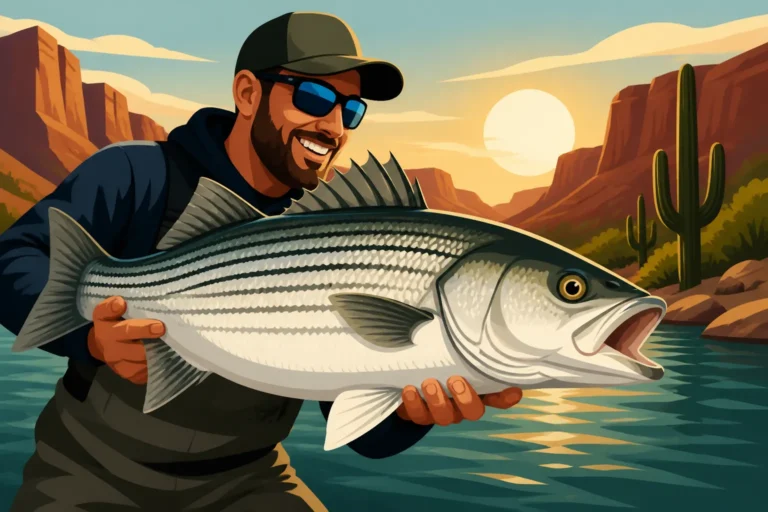
Anglers often find robust populations of both largemouth and striped bass here. During winter, both species tend to hold in deeper water, often suspending over structure or relating to points, humps, and submerged creek channels. You'll want to focus on areas with good sun exposure, especially in the afternoons. The lake's vast expanses mean there's plenty of room to explore, and a good fish finder is invaluable for locating those deeper schools. Many anglers even book trips through services like FishingBooker to leverage local guide knowledge for winter striper and largemouth patterns on Lake Pleasant. Its sheer size and consistent productivity make it an undeniable favorite.
Roosevelt Lake: Northern Arizona's Consistent Winter Producer
While slightly further east and at a higher elevation than Lake Pleasant, Roosevelt Lake still offers fantastic winter bass fishing, often staying warmer than some of its Tonto Creek chain counterparts. Its massive size contributes to thermal stability, and its intricate network of coves, points, and submerged structure provides endless hiding spots for bass. Winter water temperatures here can range from the low to mid-50s, keeping largemouth bass active enough for solid bites.
Anglers targeting Roosevelt's winter largemouth should concentrate their efforts in the main lake body, especially around the Salt River and Tonto Creek arms, and focus on deep points and channel swings. The bass here will often suspend in the water column or hug tight to structure like standing timber and rock piles. The clearer water conditions often associated with winter mean that finesse techniques can be particularly effective. It's a lake that demands patience and precision, but the rewards—often chunky largemouth—are well worth the effort. You might even discover some of the Best Bass Fishing Lakes in Arizona here.
Saguaro Lake and Canyon Lake: Taming the Desert Winter Chill
Part of the beautiful Apache Trail chain of lakes, Saguaro Lake and Canyon Lake are nestled in deep canyons, which surprisingly helps them retain heat during the colder months. These lakes, with their dark canyon walls, absorb sunlight and warm the surrounding water, creating favorable conditions for bass. Their proximity to the Phoenix metro area also makes them easily accessible for a quick winter fishing trip. Water temperatures often hover in the low to mid-50s, allowing for good bass action.
At Saguaro Lake, anglers should focus on the main lake points, ledges, and deep creek channels. Largemouth bass will often relate to the abundant submerged brush and rock formations. For Canyon Lake, the steep canyon walls provide excellent vertical cover, and bass will often stack up on ledges or suspend in deeper water near points. Both lakes benefit from careful use of electronics to pinpoint those elusive winter schools. Fishing in these scenic lakes during winter offers not just the chance for a great catch, but also breathtaking views without the summer crowds.
Alamo Lake: A Western Arizona Gem for Cold-Weather Action
Further west, Alamo Lake State Park is a renowned bass factory that continues to produce even in the winter months. While it might feel a bit more remote, the travel is often rewarded with fewer crowds and excellent fishing. Alamo's lower elevation helps keep its water temperatures hospitable for bass, often staying in the mid-50s or even touching 60 degrees on warmer winter days. This lake is known for its incredible largemouth bass population, and winter is no exception for finding quality fish.
Winter bass at Alamo Lake will often relate to the primary creek channels, deep points, and any remaining standing timber. The lake's clear water and abundance of structure make it a fantastic location for a slower, more deliberate approach. Look for baitfish activity, as bass will often follow these schools. Anglers looking to explore Alamo Lake's winter offerings can find detailed information on getting the necessary permits in the Arizona Fishing License Guide. It's a destination that truly shines when many other lakes are struggling.
| Lake | Typical Winter Water Temp (F) | Primary Bass Species | Key Winter Structures | Top Winter Lure Styles |
|---|---|---|---|---|
| Lake Pleasant | 52-58 | Largemouth, Striped Bass | Deep points, Humps, Creek channels | Spoons, Drop shots, Underspins, Jigs |
| Roosevelt Lake | 50-56 | Largemouth Bass | Deep points, Channel swings, Timber | Jigs, Finesse worms, Crankbaits, Blade baits |
| Saguaro Lake | 50-56 | Largemouth Bass | Main lake points, Ledges, Brush | Jigs, Drop shots, Carolina rigs, Small swimbaits |
| Canyon Lake | 50-56 | Largemouth Bass | Steep ledges, Vertical cover, Points | Jigs, Drop shots, Spoons, Blade baits |
| Alamo Lake | 53-60 | Largemouth Bass | Creek channels, Deep points, Timber | Jigs, Finesse worms, Blade baits, Crankbaits |
Mastering Winter Bass Techniques on Arizona's Warmer Lakes
Even in warmer winter lakes, bass are not as aggressive as they are in spring or summer. They're still bass, and they still need to eat, but their approach to feeding is drastically different. This means we, as anglers, need to adjust our techniques to match their slower metabolism and more lethargic disposition. It's less about power fishing and more about finesse and patience.
Slow Presentations and Finesse Tactics
The cardinal rule for winter bass fishing is slow down. Everything about your presentation should be significantly slower than what you'd typically do in warmer months. A bait that's darting and flashing quickly might just spook a cold-water bass, or it might simply be too much effort for them to chase. Think subtle twitches, long pauses, and slow drags.
For instance, when using a jig, instead of hopping it aggressively, try dragging it slowly along the bottom, allowing it to "crawl" over structure. When you feel a bump, give it an extra-long pause before a gentle twitch. The bite itself might be incredibly subtle – a slight tick, a spongy feeling, or simply added weight on your line. You might also want to explore the nuances of Winter Bass Fishing Tactics in Arizona. Often, the best approach is to present a bait directly in front of a bass's face and let it sit there, almost teasing them into a reactionary strike out of annoyance or opportunity rather than hunger.
Identifying Key Winter Bass Structures and Depths
Even in warmer lakes, winter bass will gravitate towards specific structures and depths that offer thermal stability and easy access to baitfish. Look for areas that transition from shallow to deep water, such as main lake points that extend into channels, creek channel bends, and steep ledges. These spots allow bass to move vertically with ease if conditions change or to ambush passing bait.
Depth is paramount. While some bass might move shallow on sunny afternoons, the majority will hold in deeper water, often 15 to 40 feet, depending on the lake's depth and clarity. Look for structures like submerged brush piles, rock slides, and humps using your electronics. If you find one bass, chances are there are more in the immediate vicinity, as winter bass often school tighter. Pay close attention to any areas that might offer a slight temperature increase, even just a degree or two, as these can be bass magnets.
Lure Selection for Sluggish Winter Bass
Choosing the right bait is critical when bass are lethargic. You need lures that can be fished slowly, mimic easy prey, and appeal to a bass's reduced desire to chase. Finesse baits are your best friends in winter.
- Jigs: Football jigs or stand-up jigs in darker colors (black and blue, green pumpkin) with a subtle trailer are phenomenal. They can be slowly dragged or hopped along the bottom, perfectly imitating a crawfish.
- Drop Shots: This technique allows you to present a small plastic worm or creature bait directly in the strike zone, above a weight, keeping it suspended and tantalizing. It’s incredibly effective for bass that are suspended or holding tight to structure. Check out how to refine your Drop Shot Techniques for Smallmouth Bass.
- Blade Baits and Spoons: These lures are excellent for vertical jigging over deeper schools of bass. The flash and vibration can trigger reactionary strikes. A slow lift-and-drop presentation is key.
- Finesse Swimbaits/Underspins: Small swimbaits rigged on a light jig head or an underspin can be retrieved very slowly, mimicking a stunned or injured baitfish.
- Small Crankbaits: Sometimes, a small, slow-floating or suspending crankbait can draw strikes, especially on warmer winter afternoons. Look for models that dive to the depth you're targeting and can be paused effectively.
Remember, scent can also be a significant advantage in cold water. Adding scent to your soft plastics or jigs can give a hesitant bass that extra incentive to commit.
Essential Gear and Safety for Winter Bass Anglers
Winter fishing in Arizona, even on warmer lakes, still requires preparation, especially regarding your gear and personal safety. While you might not be breaking ice, the air can be chilly, and water can be unforgivingly cold if you end up in it. Having the right tools and knowing how to stay comfortable and safe will make your winter outings much more enjoyable and productive.
Rod, Reel, and Line for Finesse Applications
When it comes to winter bass fishing, your rod and reel setup should lean heavily towards finesse. Forget the heavy flipping sticks and beefy baitcasters of summer.
- Rods: A medium-light to medium power spinning rod, typically 6'6" to 7'2" in length, with a fast or extra-fast action is ideal. This combination allows for long, accurate casts with lighter baits, excellent sensitivity to detect those subtle winter bites, and enough backbone to fight a solid bass. For deeper jigging or larger baits, a sensitive medium-heavy casting rod might be appropriate, but keep the action on the faster side.
- Reels: Pair your spinning rod with a high-quality spinning reel in the 2000-3000 size range. Look for a smooth drag system, which is crucial for fighting larger fish on lighter lines. For casting, a baitcasting reel with a moderate gear ratio (around 6.x:1) can be useful for slowing down your retrieve.
- Line: This is where things get critical. Fluorocarbon line is a winter favorite due to its low visibility, excellent sensitivity, and resistance to water absorption. Use 6-10 lb test for most finesse applications. Some anglers prefer a braided main line (10-20 lb) with a fluorocarbon leader (6-10 lb) for maximum sensitivity, especially in deeper water. Understanding Best Line for Bass Fishing in various conditions can give you a significant edge.
Staying Warm and Safe in Cooler Conditions
Even if the sun is out, desert winter mornings can be frigid, and temperatures can drop rapidly in the afternoon. Dressing in layers is paramount.
- Layering: Start with a moisture-wicking base layer, add an insulating mid-layer (fleece or down), and top it with a waterproof and windproof outer shell. This allows you to adjust to changing conditions throughout the day.
- Extremities: Don't forget your head, hands, and feet. A warm hat, insulated gloves (some fingerless options are great for dexterity), and wool socks with waterproof boots are essential.
- Hydration: Even in cooler weather, staying hydrated is important, especially in Arizona's dry climate. Bring plenty of water or a warm thermos of coffee or tea.
- Sun Protection: The winter sun can still be intense. Sunscreen, polarized sunglasses, and a wide-brimmed hat are a must.
- Life Jackets: Always wear a Coast Guard-approved personal flotation device (PFD) when on the water, especially in colder temperatures. If you fall in, cold shock is a serious danger. Review PFD Requirements for Kids in Arizona and for adults to ensure compliance and safety.
- Emergency Kit: Have a fully charged cell phone, a first-aid kit, and emergency supplies (blanket, snacks) readily accessible. Consider letting someone know your float plan. If you're using a guide service like those found on FishingBooker, they will, of course, have all necessary safety equipment.
The Role of Electronics in Locating Winter Fish
In winter, bass are often schooled tightly and holding to specific pieces of structure. Modern fish finders are not just helpful; they're almost essential for consistently finding these fish.
- Side Imaging/Down Imaging: These technologies allow you to scan large areas quickly and see structure and fish off to the sides or directly beneath your boat with incredible clarity. Look for subtle changes in bottom contour, submerged timber, rock piles, or bait balls.
- 2D Sonar: While side/down imaging helps locate areas, traditional 2D sonar is excellent for seeing fish directly beneath your transducer, especially when vertical jigging. Pay attention to arches or dots that might indicate suspended fish.
- Mapping/GPS: High-definition mapping chips can reveal subtle depth changes, old creek beds, and humps that are perfect winter bass habitat. Mark waypoints of any productive areas or interesting structures you find.
- Temperature Gauge: Pay close attention to your fish finder's water temperature gauge. Even a difference of one or two degrees can concentrate fish in a specific area. Look for slightly warmer pockets, especially on sunny days. Being able to effectively use a fish finder to locate structure and fish can be a game-changer for your winter success.
It might take a bit more patience and a shift in mindset, but winter bass fishing on Arizona's warmer lakes can be incredibly rewarding. You'll often find less competition on the water and the chance to catch some truly quality fish that are less pressured. So, bundle up, slow down, and enjoy the unique challenge and beauty of desert winter fishing.
Disclaimer
Fishing regulations, conditions, and fish behavior can change. Always check the latest Arizona Game and Fish Department regulations before heading out. Exercise caution and prioritize safety on the water. This guide is for informational purposes only and does not constitute professional advice.