Best Time of Year to Fish the Salt River
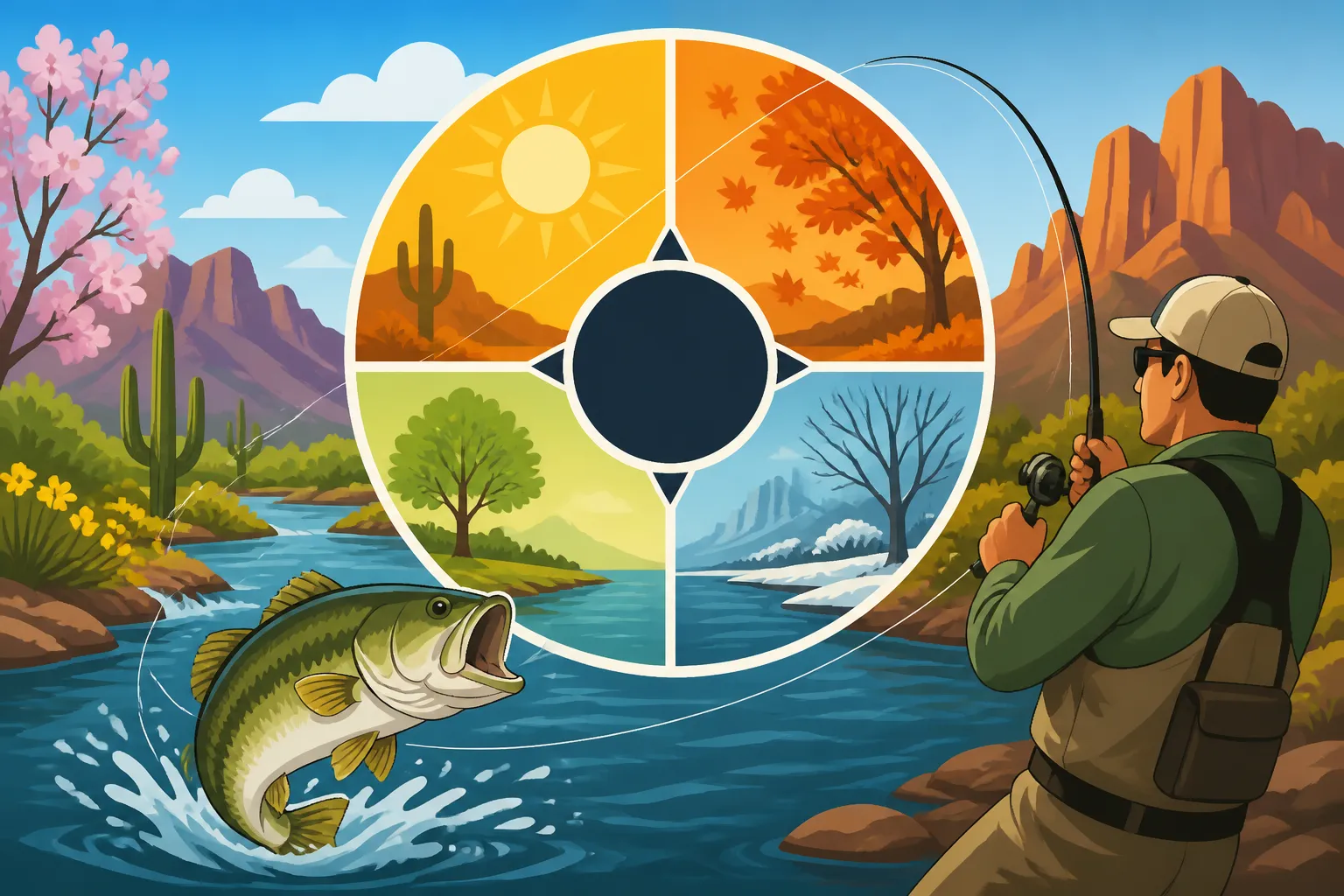
It can be incredibly frustrating to plan a fishing trip to a beautiful place like the Salt River, only to find the conditions aren't right or the fish aren't biting. Arizona's dynamic climate means that the "best" time to fish isn't a static answer; it shifts with the seasons, water levels, and target species. This comprehensive guide is here to untangle that complexity, giving you the insider knowledge on when to cast your line in the Salt River for the most rewarding experience.
Understanding the Salt River's Seasonal Fluctuations
The Salt River, particularly the Lower Salt River accessible from the Phoenix metropolitan area, is a unique fishery influenced heavily by seasonality and water management. Unlike a typical lake, its riverine nature means flow rates, temperature, and stocking schedules play a huge role in determining fishing success. Knowing what to expect each season can dramatically improve your chances.
Spring: A Season of Awakening and Opportunity
Spring is arguably one of the most exciting times to fish the Salt River. As the desert thaws from its mild winter chill, the river springs to life, offering diverse opportunities for anglers. Water temperatures begin to climb steadily, activating fish species that have been less active during the colder months.
In March and April, the lower Salt River often sees a surge in trout activity as the Arizona Game and Fish Department (AZGFD) continues its winter trout stocking program. These freshly stocked rainbow trout are usually eager to bite, providing excellent action for both fly and spin anglers. It's a fantastic time for families and beginners to experience success. Further upstream or in sections less frequently stocked, you might find residual trout from earlier stockings. Beyond trout, this is when the warm-water species, particularly bass, begin to stir. Largemouth and smallmouth bass move into shallower areas, preparing for their spawn. They're actively feeding, making them susceptible to a variety of lures and baits. The vegetation along the banks starts to green up, offering cover for both baitfish and predatory species. Understanding the Arizona Fishing Seasons Explained can help you align your expectations with the natural rhythms of the river.
By May, as temperatures really start to heat up, the trout fishing begins to wane, largely due to the rising water temperatures becoming less hospitable for rainbow trout. However, the bass action usually peaks. Anglers targeting bass will find them aggressively feeding post-spawn, recovering energy. This transition period often means you can still catch a few trout early in the month, but your focus should shift quickly to bass and even early catfish activity.
Summer: The Heat and the Fight for Cooler Waters
Summer on the Salt River presents unique challenges, primarily due to the intense Arizona heat. Water temperatures can soar, especially in shallower, slower-moving sections, making it tough on both fish and anglers. However, savvy anglers can still find success by adjusting their timing and tactics.
During June, July, and August, the trout stocking officially ceases for the warmer months. Any trout remaining in the river will seek out deeper pockets, springs, or areas with stronger current where the water remains cooler. These fish become much harder to locate and entice. For warm-water species like bass and catfish, the early mornings and late evenings become prime fishing windows. The fish will be most active during these cooler parts of the day, retreating to deeper, shadier spots or under dense vegetation during the midday sun. Night fishing for catfish, especially channel catfish and flatheads, becomes particularly productive in the summer. They are opportunistic feeders that use the cover of darkness to hunt for food. Using stink baits, cut bait, or even live worms can yield excellent results. It's crucial to prioritize Best Time of Day to Fish in Arizona Heat and ensure you are well-hydrated and protected from the sun during any summer outing.
The monsoon season, typically from July through September, adds another layer of complexity. While rain is often a welcome relief, heavy downpours can cause flash flooding, dramatically increase river flows, and turn the water muddy. Fishing immediately after a significant rain event can be challenging due to poor visibility and strong currents. However, once the flows stabilize and the water clarity begins to improve, the influx of fresh water and nutrients can sometimes trigger a feeding frenzy among certain species, particularly catfish. It's a gamble, but one that can pay off if you time it right.
Fall: A Renaissance of Fishing Activity
As the scorching summer heat gives way to cooler temperatures, the Salt River experiences a remarkable fishing renaissance. Fall, spanning September through November, is widely considered one of the best times to fish in Arizona, and the Salt River is no exception.
Starting in September, and especially by October, water temperatures in the Salt River begin to drop significantly, creating ideal conditions for a wide range of species. This is when the Arizona Game and Fish Department typically resumes its stocking of rainbow trout, bringing fresh batches of eager fish into the river. These stockings continue throughout the fall and into the winter, offering consistent opportunities for trout anglers. Check the Trout Stocking Schedule for the Lower Salt River regularly to plan your trips around these releases. The cooler water revitalizes the trout, making them more active and willing to chase lures, flies, and bait. Beyond trout, bass also experience a resurgence in activity. They enter a "fall feeding frenzy" as they stock up on calories in preparation for the upcoming winter. This means they're often aggressively chasing baitfish, making topwater lures, crankbaits, and spinnerbaits highly effective.
November truly shines as an exceptional month. You get the best of both worlds: consistent trout stockings and active bass. The crowds tend to be lighter than in spring, and the weather is simply glorious for a day out on the water. Catfish are still very active, especially in the earlier part of the fall, before the water gets too cold. Anglers looking for diverse catches will find fall to be incredibly productive. When considering a trip, especially with a guide, many anglers check resources like FishingBooker to find local experts who can capitalize on these prime fall conditions.
Winter: Cold Water and Consistent Trout
Winter on the Salt River, from December through February, is synonymous with trout fishing. While other species become less active, this is the prime time for rainbow trout, making it a favorite for many local anglers.
During these months, the AZGFD maintains a regular stocking schedule for rainbow trout. The cold water temperatures are perfect for these salmonids, and they thrive in the consistent flows of the Lower Salt River. Anglers can expect to find trout throughout the stocked sections, often concentrated in deeper pools, eddies, and areas with slower currents. Popular baits include powerbait, worms, corn, and small spinners or spoons. Fly anglers will find success with nymph patterns and small streamers. This is an ideal time to explore different sections of the river. The winter weather in Arizona is typically mild and sunny, making for very comfortable fishing conditions, especially for those escaping colder climates. Even though the trout are the main draw, you might still pick up a few hardy bass or catfish, particularly on warmer winter days or in the deeper, more stable pools.
While the trout fishing is consistent, remember that the cold water means other species like bass and catfish will be very lethargic. They'll be holding tight to structure or in the deepest parts of the river, only feeding sporadically. Targeting them effectively requires slow presentations and a lot of patience. This season is less about variety and more about reliable trout action.
Targeting Specific Species: When to Focus Your Efforts
While the Salt River offers a multi-species fishery, understanding the peak times for each type of fish will help you tailor your trips for maximum success.
Rainbow Trout: Cooler Months are King
For rainbow trout, there's no question: the cooler months are absolutely the best time to fish the Salt River. This typically runs from October through May, with peak activity directly following stockings.
The AZGFD's stocking program ensures a healthy population of catchable trout throughout these months. As soon as the water temperatures drop in the fall, usually by mid-October, the stockings begin. They continue consistently through the winter and spring, usually ending around late May when the river gets too warm for trout survival. During these periods, trout are actively feeding and can be caught using a variety of methods. Light tackle with small inline spinners like a Rooster Tail or Panther Martin, small spoons, or even just a simple worm or PowerBait rig under a bobber can be incredibly effective. Fly fishermen will find success with nymphing techniques, using patterns like Copper Johns, Pheasant Tails, and prince nymphs, especially in the deeper runs and riffles. If you're looking for consistent action and don't mind targeting a stocked species, then plan your Salt River trips between fall and late spring. Remember to always check the latest Arizona Fishing Regulations Explained for bag and possession limits.
Post-Stocking Frenzy
It's a well-known secret among local anglers that the days immediately following a trout stocking event offer some of the hottest action. These fish, often fresh from the hatchery, are not yet "river-wise" and are eager to eat. If you can get to the river within a day or two of a stocking, your chances of catching your limit dramatically increase. This is where staying updated on the Trout Stocking Season in Arizona becomes a huge advantage. Many anglers make it a point to track these releases. However, don't just rely on the immediate post-stocking period; trout will acclimate and spread out, offering good fishing for weeks after a release, albeit requiring a bit more skill to find and tempt them.
Largemouth and Smallmouth Bass: Spring and Fall Dominate
Bass fishing on the Salt River is fantastic during the moderate temperatures of spring and fall. These are the seasons when bass are most active, feeding aggressively and preparing for or recovering from spawning.
In spring (March-May), bass activity ramps up as water temperatures rise. They move into shallower water, especially around submerged logs, rock structures, and patches of vegetation, as they enter their pre-spawn and spawning phases. This is when they are often most aggressive and can be caught on a wide array of lures, from crankbaits and spinnerbaits to soft plastics like Texas-rigged worms and jigs. The Salt River has a healthy population of largemouth bass, and smallmouth bass can also be found in areas with rockier bottoms and stronger currents, though they are less prevalent than their largemouth cousins in most stretches. If you’re planning a trip focused on bass, booking a guided trip through platforms like FishingBooker can significantly shorten your learning curve, as local guides know the prime spawning and feeding areas.
Fall (September-November) mirrors spring in terms of bass activity. As temperatures cool down from the summer heat, bass begin their "fall feed," gorging themselves to build up fat reserves for winter. This means they are actively chasing baitfish, making reaction lures highly effective. Topwater action can be phenomenal during early morning and late evening hours, and lipless crankbaits, spinnerbaits, and swimbaits are excellent choices for covering water and finding active fish. Even though the Salt River isn't known for trophy bass on the scale of some of Arizona's larger reservoirs like Lake Pleasant, it still offers consistent action for good numbers of solid fish. For specific tactics, diving into Best Bass Fishing Techniques for Arizona Lakes can provide valuable insights.
Summer and Winter Bass Challenges
During the peak summer heat, bass will retreat to deeper, cooler water or dense shade. They become much more lethargic and require very slow presentations, often with soft plastics fished meticulously around structure. Early mornings, late evenings, and even night fishing are your best bets if you insist on bass fishing in the summer. Similarly, in winter, bass are in a semi-dormant state. They'll be found in the deepest, most stable pools and will rarely chase fast-moving lures. Slow-rolling jigs, drop shot rigs, or tiny finesse baits presented directly to their holding areas can sometimes tempt a bite, but don't expect fast action.
Catfish: Warm Water Enthusiasts
Catfish, particularly channel catfish and flathead catfish, are warm-water species that thrive in the Salt River during the warmer half of the year.
The best time for catfish is from late spring through early fall (April-October). As water temperatures rise, catfish become incredibly active. They are bottom-dwellers and opportunistic scavengers, making them relatively easy to catch once you locate them. Channel catfish are abundant throughout the Salt River and are often found in deeper pools and slower sections. They readily take prepared stink baits, chicken livers, shrimp, and worms. Flathead catfish, which can grow to impressive sizes, prefer live bait such as bluegill or small carp and are often found near submerged timber and rock piles, especially in the larger, slower pools.
Summer (June-August) is prime time for night fishing for catfish. The intense daytime heat drives these nocturnal predators to feed more actively after sunset. Setting up camp for an evening of catfish fishing can be a relaxing and highly productive way to beat the heat. Just ensure you're familiar with Live Bait Rules for Arizona Lakes if you plan to use live offerings. Even into early fall, catfish remain active as they feed heavily to prepare for winter. As water temperatures start to dip in late fall and winter, catfish become less active, though a persistent angler might still hook one on a warm winter day.
Navigating Environmental Factors: Flow, Temperature, and Monsoon Impact
The Salt River is a dynamic system, and its fishing potential is heavily influenced by environmental factors that can change quickly. Keeping an eye on these conditions is just as important as knowing the season.
The Impact of Water Flow and Level
The Salt River's flow is largely controlled by upstream dams, primarily the Stewart Mountain Dam at Saguaro Lake, which releases water into the Lower Salt River. These releases are critical for metropolitan water supply and can fluctuate based on demand, snowmelt runoff, and reservoir levels.
- High Flow: Periods of high flow can occur during significant rain events or heavy releases from upstream dams. While fresh water can sometimes stimulate fish activity, excessively high and fast flows can make fishing difficult and even dangerous. Fish will often move to slower eddies or slack water areas to escape the main current. Bank access might be limited, and wading can be treacherous. Anglers should exercise extreme caution during high-flow periods.
- Low Flow: Conversely, very low flows can concentrate fish in smaller pools, making them easier targets but also putting them under stress. Low water can also expose obstacles and make access challenging for some sections. While fishing can be good, fish may also be more spooky in shallow, clear water.
- Stable Flow: The most consistent and usually best fishing conditions occur during stable, moderate flows. Fish become comfortable in their environment, establish feeding patterns, and are less stressed. Before you head out, always check the current flow rates for the Salt River, which are often available through the Salt River Project (SRP) website or other hydrological monitoring sites. This information is invaluable for planning a safe and productive trip.
Water Temperature's Role
Water temperature is perhaps the single most critical factor for fish activity. Every species has an optimal temperature range for feeding, spawning, and general activity.
- Cold Water (Below 50°F / 10°C): In the coldest winter months, trout are thriving, while bass and catfish are very sluggish. You'll need slow presentations, smaller baits, and direct placement to entice a bite from warm-water species. Trout, however, will be actively feeding.
- Cool Water (50-65°F / 10-18°C): This is ideal for trout and signals the beginning and end of the prime feeding windows for bass. In spring and fall, these temperatures stimulate significant bass activity (pre-spawn and fall feeding frenzies).
- Warm Water (65-80°F / 18-27°C): This range is excellent for bass and catfish. Bass will be active, and catfish will be in their prime. Trout will be stressed and seeking cooler refuges.
- Hot Water (Above 80°F / 27°C): During peak summer, these temperatures can be dangerous for fish, especially trout. Warm-water species like bass and catfish will become lethargic during the day, becoming more active at night or in the coolest parts of the day. Catch and release in very hot water can significantly stress fish, leading to higher mortality rates. Consider shortening your fight times and releasing fish quickly if the water is extremely warm.
Monsoon Season Considerations
The Arizona monsoon season (typically July to September) brings intense, albeit brief, thunderstorms. These storms can have a profound effect on the river.
- Flash Flooding and Turbidity: Heavy rainfall upstream can lead to rapid increases in water flow and severe turbidity (muddy water). This reduces visibility for sight-feeding fish like bass and can push them out of their normal feeding lies. It can also make fishing unsafe due to strong currents and slippery banks.
- Post-Storm Opportunities: Once the initial surge of muddy water passes and the river begins to clear and stabilize, the fishing can sometimes improve dramatically. The fresh influx of water can bring new food sources into the river, and the slightly cooler temperatures can invigorate fish. Catfish often respond very well to these conditions, as they rely more on scent than sight to feed. For example, after a strong monsoon, you might see an uptick in activity for a couple of days once the water color starts to improve. Many anglers consult local fishing reports or guides via FishingBooker to understand the river's immediate conditions after a major weather event.
Planning Your Salt River Fishing Trip
To truly maximize your experience on the Salt River, consider a few key planning elements beyond just the season. Whether you're a seasoned angler or a beginner, a little preparation goes a long way.
Essential Gear and Preparedness
No matter the time of year, being properly equipped is paramount for a successful and safe trip to the Salt River. Arizona's desert environment demands certain considerations.
For trout, a light action rod with 4-6 lb test line is generally sufficient. For bass and catfish, a medium-heavy action rod with 8-15 lb test is more appropriate, especially if you're targeting larger flatheads. Always bring a variety of baits and lures, as fish preferences can change quickly. Sun protection is non-negotiable year-round. Think wide-brimmed hats, sunglasses, long-sleeved UPF shirts, and plenty of sunscreen. Hydration is also key; carry more water than you think you'll need, particularly in the warmer months. A cooler with ice for drinks and to keep any kept fish fresh is also a smart move. Having a good understanding of How to Fish Arizona's Desert Lakes will also prepare you for the specific conditions you might encounter.
Access and Local Knowledge
The Lower Salt River offers numerous access points, many of which are part of the Tonto National Forest Recreation Area. Be aware that a Tonto Pass is often required for parking and accessing these areas. Check with the Tonto National Forest or local vendors for pass requirements. Some of the most popular fishing spots are easily reachable from the Phoenix metropolitan area, making them convenient for day trips. You can find more details on these locations in guides like Best Fishing Spots Near Phoenix, Arizona. Local bait shops are also fantastic resources for up-to-the-minute information on water conditions, recent stockings, and what baits are currently working best. Don't hesitate to stop in and chat with the experts before you head to the water.
Internal Links for Deeper Dives
As you plan your Salt River adventure, keep these valuable resources in mind for even more detailed information:
- For comprehensive guidance on the river itself: Salt River Arizona Fishing Guide
- To stay informed about trout releases: Trout Stocking Schedule for the Lower Salt River
- To learn more about catching trout: Rainbow Trout Fishing Guide for Arizona
- To understand all the rules: Arizona Fishing Regulations Explained
- For specific information on how many fish you can keep: Fishing Bag and Possession Limits Explained
- If you're interested in using live critters: Live Bait Rules for Arizona Lakes
- To sharpen your bass game: Best Bass Fishing Techniques for Arizona Lakes
- General info on when things happen: Arizona Fishing Seasons Explained
By combining seasonal insights with real-time conditions and expert advice, you'll be well on your way to a successful and enjoyable fishing trip on Arizona's beautiful Salt River.
Disclaimer
The information provided in this guide is for general informational purposes only and is subject to change. Always check the latest regulations, stocking schedules, and river conditions from the Arizona Game and Fish Department and local authorities before planning any fishing trip. Fishing carries inherent risks, and personal safety should always be your top priority.