Lees Ferry Arizona Fishing Guide
Lees Ferry, for many Arizona anglers, represents a fishing experience unlike almost anywhere else in the state. If you’ve ever felt like the desert lakes are just too hot, too crowded, or too challenging for consistent trout action, Lees Ferry is your refreshing oasis. This guide is here to unravel the unique charm and specific nuances of fishing this legendary stretch of the Colorado River, ensuring your trip is nothing short of memorable and productive.
What Makes Lees Ferry So Unique for Anglers?
When you talk about Lees Ferry, you're not just talking about another bend in the river. This place is a true gem, carving its own niche in the Arizona fishing landscape, and it's unlike the typical warm-water bass or catfish havens found elsewhere in the state. Its unique characteristics are precisely what draw anglers from all over the world, seeking a specific, often spectacular, kind of fishing experience.
The Tailwater Fishery Phenomenon
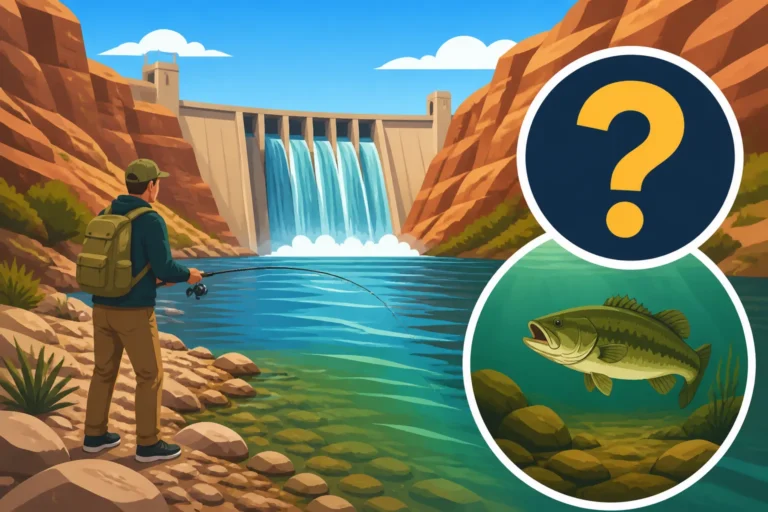
Lees Ferry is essentially a tailwater fishery, which means the water flowing through it comes directly from the bottom of Glen Canyon Dam. Why is this important? Well, think about the immense volume of water held back by the dam in Lake Powell. The water at the bottom of that massive reservoir stays consistently cold, no matter how scorching the Arizona sun gets overhead. This constant release of cold, oxygenated water creates an ideal, stable environment for cold-water species, particularly trout, to thrive year-round. It's a stark contrast to the fluctuating temperatures of most natural rivers and lakes, offering a remarkably consistent fishing ground.
This steady flow and cold temperature not only keep the trout happy but also foster a rich ecosystem of aquatic insects and small baitfish that serve as their primary food source. Unlike many other Arizona waters where trout stocking is essential to maintain populations, Lees Ferry boasts a strong, self-sustaining population of wild rainbow trout. Anglers often comment on the sheer fight and robust health of these fish, a direct testament to the stable, food-rich environment created by the dam's tailwater release. It’s a remarkable example of how a man-made structure can inadvertently create an incredible natural fishery.
Pristine Water and Scenery
Beyond the excellent fishing, the sheer beauty of Lees Ferry is a major draw. Imagine towering red and ochre canyon walls, sculpted over millennia, rising dramatically from the emerald green waters of the Colorado River. The water itself is often remarkably clear, especially when dam releases are consistent and sediment isn't being stirred up further upstream. This clarity allows for sight fishing opportunities, where you can actually spot trout holding in seams and feeding lanes, adding another layer of excitement and challenge to your angling.
The remote, almost spiritual, atmosphere is palpable. There are no bustling cities or sprawling developments right on the banks, just the raw, majestic power of the canyon. This pristine environment means cleaner air, less noise pollution, and a feeling of truly getting away from it all. For many, the experience of being immersed in this breathtaking landscape is as rewarding as the fishing itself. It’s not just a fishing trip; it's an escape into one of Arizona's most iconic natural wonders, offering a serene backdrop to your angling adventures.
Primarily a Trout Fishery
While other parts of the Colorado River system might boast a diverse range of species, Lees Ferry is unequivocally a trout fishery. The dominant species here are healthy, hard-fighting rainbow trout. Occasionally, you might hear whispers of a brown trout being caught, but these are incredibly rare and usually a delightful surprise for anglers. The conditions, from the cold water temperatures to the specific insect hatches, are perfectly tailored for rainbows.
This focus simplifies the angler's approach in some ways – you know what you're targeting, and you can concentrate your gear and techniques accordingly. However, it doesn't mean the fishing is simple! These wild trout can be incredibly discerning, making Lees Ferry a fantastic place to hone your trout fishing skills, particularly with fly fishing. It's a place where matching the hatch and presenting your fly or lure just right truly pays off. If your angling heart beats for the thrill of a strong rainbow on the line, Lees Ferry should be at the very top of your list for Arizona fishing destinations.
Getting There and Navigating Lees Ferry
Reaching Lees Ferry is an adventure in itself, often involving a scenic drive through some incredible Arizona landscapes. Once you arrive, understanding the unique access points and navigation options is key to maximizing your fishing time. This isn't your average lake with multiple boat ramps; it's a specific, controlled environment that requires a little forethought.
Access Points and Launching Your Boat
The primary access point for Lees Ferry is located near Page, Arizona, just below Glen Canyon Dam. You'll drive down a winding road into the canyon to reach the designated boat ramp. This ramp is well-maintained and provides access for drift boats, rafts, and motorboats up to a certain size. It's the only motorized boat launch available for this unique stretch of the river. Due to the cold, powerful current, launching and retrieving can be a bit more challenging than on a calm lake, so always exercise caution and heed any posted warnings.
For those planning to float the river, which is a very popular way to fish Lees Ferry, this is where your journey begins. Be prepared for potentially long lines during peak season, especially if you’re launching a larger vessel. There are also specific parking areas for boat trailers, and it’s important to park correctly to avoid issues. Remember that space can be limited, so arriving early, especially on weekends or holidays, is always a good strategy. Knowing the Fishing Access at Lees Ferry is crucial for a smooth start to your day.
Float Trips and Guided Experiences
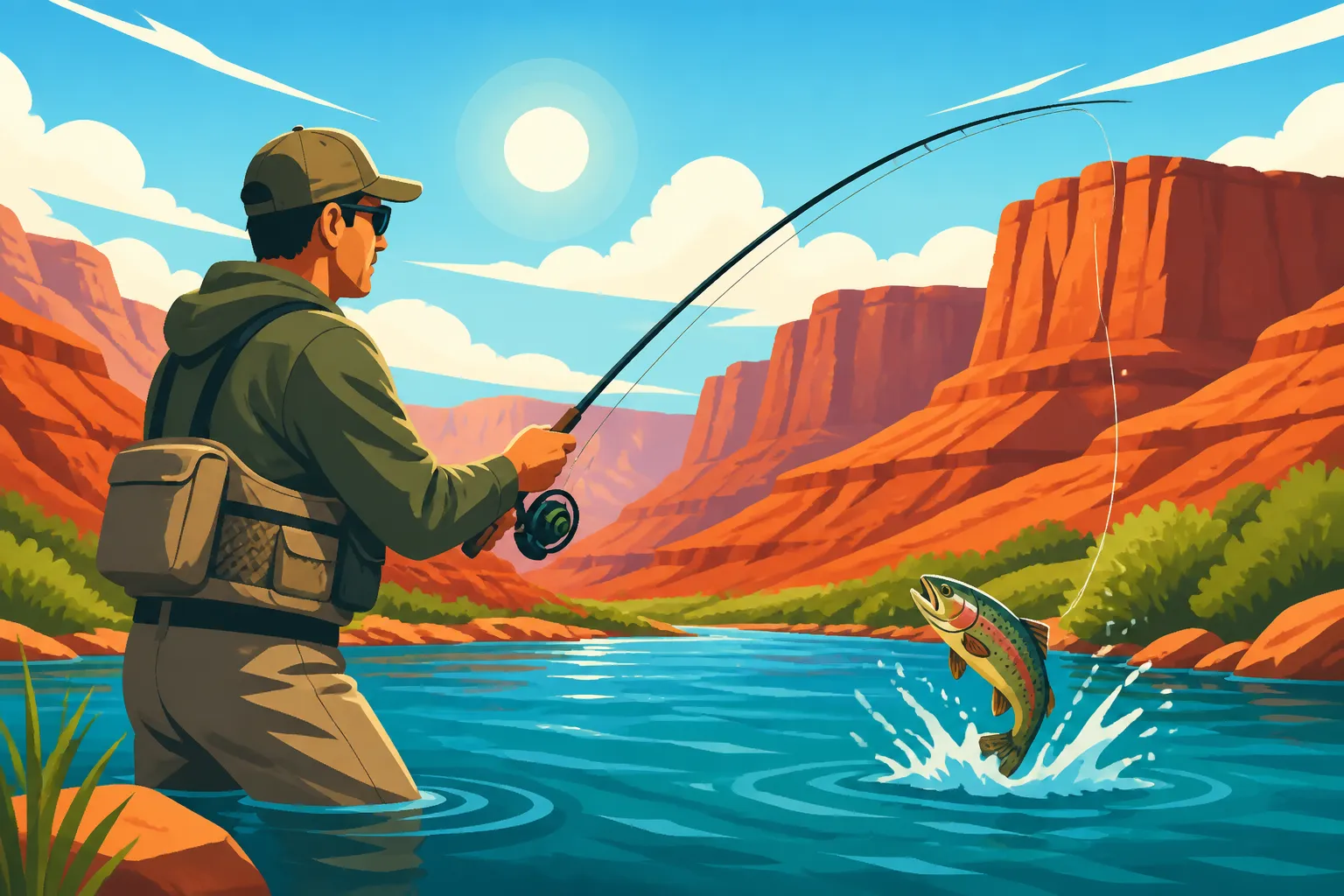
One of the most popular and often most effective ways to fish Lees Ferry is via a float trip. Whether you're in a drift boat or a McKenzie-style boat, being able to cover significant stretches of river, stopping at prime holding water, and presenting flies or lures from a stable platform is incredibly advantageous. Many anglers hire professional guides for this experience, and for good reason. Local guides have an intimate knowledge of the river's currents, the ever-changing hatches, and where the trout are likely to be holding at any given time.
If you're considering a guided trip, booking in advance is highly recommended, especially during peak seasons. Services like FishingBooker can be an excellent resource for finding experienced, reputable Lees Ferry guides who specialize in fly fishing or spin fishing this challenging yet rewarding water. A good guide will provide all the necessary gear, instruction, and local insights, turning a potentially frustrating day into a truly successful and educational one. This is particularly valuable for first-timers who want to get acquainted with the river's subtleties without the steep learning curve.
Understanding the "Walk-In" Section
For those who prefer to stay on solid ground or simply want a different experience, Lees Ferry offers a fantastic "walk-in" section. This stretch of river is accessible from the main parking area and extends upstream towards the dam for approximately a mile. It’s a very popular spot for shore anglers and waders, and it’s a great option if you don’t have a boat or just want to fish for a few hours. The walk-in access provides anglers with plenty of room to spread out, cast from the bank, or wade into the shallows where allowed.
The walk-in area can be incredibly productive, particularly for those willing to scout and move around. You'll find sections with slower currents, deeper pools, and rocky shelves that hold fish. However, because it's so accessible, it can also experience more fishing pressure. This means the fish here can be particularly wary and require a stealthier approach and precise presentation. It's a wonderful place to practice your casting, nymphing, or even throwing small spin-casting lures. Just be mindful of other anglers and respect their space, as this popular stretch sees a lot of activity.
Target Species and What to Expect
When you commit to a fishing trip at Lees Ferry, you're primarily committing to chasing one magnificent species. While some Arizona waters are known for their diverse populations, Lees Ferry keeps things focused, and that focus is on quality over quantity in terms of species.
Rainbow Trout Abundance and Size
The star of the show at Lees Ferry is undoubtedly the rainbow trout. These aren't your average stocker rainbows; the fish here are wild, hard-fighting, and grow to impressive sizes thanks to the consistent food supply and stable environment. It's not uncommon to hook into rainbows in the 16-20 inch range, and fish over 20 inches are a regular occurrence for those who put in the time and effort. While trophy fish in the mid-20s are less common, they are definitely present and provide the ultimate challenge.
What makes these fish so exciting is their incredible strength and fight. Fed by a diet rich in aquatic insects like midges, scuds, and annelids, they are robust and often put up acrobatic fights. The sheer abundance of healthy rainbows means that even on a challenging day, the possibility of hooking into multiple quality fish is very real. Whether you're nymphing deep, dry fly fishing during a hatch, or even throwing small spinners, the reward is often a beautiful, vibrant rainbow that will test your tackle and your angling prowess. For more in-depth information on these fantastic fish, check out our Rainbow Trout Fishing Guide for Arizona.
Other Species or Lack Thereof
Let's be clear: if you're coming to Lees Ferry hoping for bass, catfish, or crappie, you're in the wrong place. The specific cold, clear tailwater environment, while perfect for trout, simply isn't conducive to the warm-water species that thrive in other Arizona lakes and rivers. This means you won't encounter the diverse ecosystem found in places like Lake Pleasant or Roosevelt Lake. The beauty of Lees Ferry lies in its specialization.
While the occasional anomaly might occur, and a rare brown trout or even a smaller, native sucker might be caught, these are truly exceptions. Your tackle box should be geared almost exclusively towards trout fishing. This focus allows anglers to really dial in their techniques and gear for one specific type of fish, which can be incredibly rewarding. Embrace the single-species focus, and you'll find that Lees Ferry offers more than enough excitement and challenge with its incredible trout population.
Seasonal Expectations for Trout Action
One of the great things about Lees Ferry is that it's a year-round fishery, thanks to that consistent cold water release from Glen Canyon Dam. However, certain seasons do offer different experiences and challenges:
- Spring (March-May): This is often considered prime time. Insect hatches become more prolific, with midges, caddis, and even some mayflies making appearances. The fish are actively feeding after the winter, and water levels are often stable. Weather is usually pleasant, making for comfortable fishing conditions.
- Summer (June-August): While Arizona sizzles elsewhere, Lees Ferry remains cool. Fishing can still be excellent, especially in the early mornings and late evenings. Terrestrial insects (grasshoppers, cicadas) can become important patterns to imitate. The heat can make for fewer crowds, but sun protection is paramount.
- Fall (September-November): Another fantastic season. Hatches can be strong, and the fish are often aggressive, fattening up for winter. The fall foliage in the canyon adds to the already stunning scenery. Stable weather and active fish make this a highly sought-after time.
- Winter (December-February): Don't count winter out! While temperatures can be chilly, the fishing can be exceptional, particularly for nymphing. Midges are the dominant food source, and fish often stack up in deeper, slower runs. Crowds are typically at their lowest, offering a more solitary experience.
Understanding these seasonal nuances allows you to plan your trip effectively, whether you're chasing large hatches or focusing on subsurface tactics. Lees Ferry truly offers consistent action, regardless of the time of year, making it a unique year-round destination for trout enthusiasts. For more on how seasons affect fish, consider our guide on Arizona Fishing Seasons Explained.
Essential Gear and Techniques for Lees Ferry Trout
Fishing Lees Ferry isn't like casting a lure in a community pond. The wild trout in this clear, cold tailwater demand a refined approach. Having the right gear and understanding specific techniques will make a world of difference between a frustrating day and a truly epic one.
Fly Fishing Rigs and Flies
Lees Ferry is renowned as a premier fly fishing destination, and for good reason. The consistent insect life and clear water make it an ideal environment for this method.
For fly fishing, a 9-foot, 5 or 6-weight rod is generally considered the workhorse. This length and weight provide enough power to cast in potentially windy conditions and handle larger trout, while still offering the finesse needed for delicate presentations. Pair it with a reliable reel that has a smooth drag system, loaded with a weight-forward floating line. For subsurface nymphing, a strong leader (9-12 feet) tapering to 4x or 5x fluorocarbon tippet is common.
When it comes to flies, understanding the prevalent insect life is key. Midges are a year-round staple, so various midge patterns (zebra midges, larva, pupa, emergers in sizes 18-22) are absolute must-haves. Scuds (sizes 14-18) are also incredibly important, as they are a primary food source for the larger trout. Other essential nymph patterns include San Juan Worms, annelid imitations, and small prince nymphs. During spring and fall, caddis and mayfly patterns (like Parachute Adams, Elk Hair Caddis, or various emergers) can be productive. Terrestrials such as ant or hopper patterns can work well in summer. Having a varied selection, typically in smaller sizes, is critical. For a deeper dive into techniques, explore our guide on Fly Fishing Techniques for Trout.
Spin Fishing Setups and Lures
While fly fishing often takes the spotlight, spin fishing can be incredibly effective at Lees Ferry, especially for those new to the area or who prefer this method. The key is to downsize your gear and use lighter lines for a more stealthy approach.
For spin fishing, a lightweight spinning rod, typically 6 to 7 feet in length with a fast action, paired with a small spinning reel (size 1000-2000), is ideal. Load your reel with 4 to 6-pound test monofilament or fluorocarbon line. Fluorocarbon is often preferred due to its low visibility and abrasion resistance in the clear water. The lighter line allows for longer casts and a more natural presentation, which is crucial for these wary trout.
When it comes to lures, small inline spinners (like Panther Martins, Mepps, or Rooster Tails) in sizes 0-2 are highly effective, especially in natural silver, gold, black, or brown patterns. Small spoons, such as Kastmasters or Little Cleos, in similar sizes and colors, can also work wonders, particularly when fish are feeding on baitfish. Soft plastics, especially small grubs or trout worms rigged on a light jig head, can mimic the bottom-dwelling insects and scuds that trout frequently feed on. Some anglers also have success with very small crankbaits designed for trout. The critical thing is to use lures that are appropriately sized for the relatively small prey items in the river and to present them subtly.
Reading the Water and Presentation
Regardless of whether you're fly fishing or spin fishing, understanding how to read the water is paramount at Lees Ferry. Trout will hold in specific areas where food is abundant and they can conserve energy. Look for seams where faster current meets slower water, behind large rocks or underwater structure, in deeper pools, and along current breaks near the banks. These are prime ambush points where trout wait for food to drift by.
Your presentation must be precise and natural. In the clear water of Lees Ferry, sloppy casts or unnaturally drifting lures will spook fish. For fly anglers, achieving a drag-free drift with nymphs or dry flies is critical. This means your fly should move at the same speed as the current, just like a natural insect. For spin anglers, casting upstream and allowing your lure to drift naturally downstream, reeling just enough to keep tension and impart action, is often more effective than simply casting straight across or downstream. Stealth is key; approach potential fishing spots quietly, avoid heavy footsteps on the bank, and make accurate, soft casts. The wild trout here are smart and easily spooked, so patience and finesse will always be rewarded.
Regulations and Conservation at Lees Ferry
Lees Ferry is not just a fishing spot; it's a specially managed section of the Colorado River within Glen Canyon National Recreation Area. This means specific rules are in place to protect its unique fishery and pristine environment. Anglers absolutely need to be aware of these regulations before casting a line.
Special Regulations and Catch Limits
Unlike general statewide regulations, Lees Ferry has its own set of rules designed to manage its world-class trout fishery. The most significant aspect is that the entire Lees Ferry section of the Colorado River is designated as special regulation waters. This typically means specific limits on the number of fish you can keep, often a lower daily bag limit than other areas, and sometimes size restrictions. For example, often only one trout may be kept, and it must fall within a specific slot limit (e.g., 12 to 16 inches). This is intended to protect the larger, spawning trout and allow the younger fish to grow.
Anglers should always consult the most current Arizona Game and Fish Department (AZGFD) regulations booklet, specifically the section pertaining to Lees Ferry, before any trip. These regulations can change, so having the up-to-date information is crucial. You'll also need a valid Arizona Fishing License Guide, and sometimes a specific trout stamp depending on state rules, even if you plan on catch-and-release. Ignorance of the rules is not an excuse, and game wardens are frequently patrolling this popular area to ensure compliance.
Practicing Responsible Angling
Given the wild and precious nature of the Lees Ferry fishery, practicing responsible angling is paramount. This goes beyond just following the regulations; it's about ethical treatment of the fish and the environment. Catch and release is a common practice here, especially for the larger trout, and it's highly encouraged to ensure the sustainability of the population. If you do plan to release fish, handle them with extreme care:
- Use barbless hooks to minimize damage to the fish's mouth.
- Wet your hands before touching the fish to protect its slime coat.
- Minimize the time the fish is out of the water, especially for photos.
- Support the fish horizontally in the water until it swims away strongly.
Beyond fish handling, responsible angling also extends to the environment. Pack out all trash, avoid disturbing sensitive riparian zones, and be mindful of your impact. Lees Ferry is a fragile ecosystem within a stunning natural landscape, and every angler has a role to play in preserving its beauty and health for future generations. This is a prime example of why understanding Arizona Fishing Regulations Explained fully is so important.
Permit Requirements and Rules
While you'll definitely need a standard Arizona fishing license, there are a few other considerations for Lees Ferry. Because the area is within the Glen Canyon National Recreation Area, there might be specific fees for boat launches or day-use access, especially if you're using designated facilities. These fees typically go towards the maintenance and upkeep of the recreational area.
For multi-day float trips, especially those extending far downstream into the Grand Canyon, there are much more extensive permit requirements managed by the National Park Service. These are highly sought-after permits with lottery systems, and they are distinct from a simple day trip to Lees Ferry. For the typical Lees Ferry angler staying within the main fishing section, it’s usually just the state fishing license and any applicable park entrance/launch fees. Always double-check with the National Park Service website for Glen Canyon and the Arizona Game and Fish Department before your trip to ensure you have all the necessary permits and understand any specific rules, such as those covered in Fishing License Age Requirements in Arizona or Trout Stamp Requirements in Arizona.
Planning Your Lees Ferry Fishing Trip
A successful trip to Lees Ferry involves more than just knowing where to cast. Thoughtful planning regarding timing, logistics, and professional assistance can elevate your experience from good to absolutely unforgettable.
Best Times to Visit for Trout
As we touched on earlier, Lees Ferry is a year-round fishery, but different seasons offer distinct advantages. For many, spring (March-May) and fall (September-November) are considered the sweet spots. During these periods, the weather is generally milder, insect hatches are often more predictable and prolific, and the fish are typically very active. Spring offers the excitement of emerging insects and hungry post-winter trout, while fall provides consistent feeding opportunities as fish bulk up for the colder months. These seasons often see a good balance of comfortable temperatures and strong fishing action.
Summer (June-August) can be fantastic for those who can brave the heat. While daytime air temperatures can soar, the water remains consistently cold. Early mornings and late evenings are prime fishing times, and the reduced crowds can make for a more solitary experience. Winter (December-February) is surprisingly productive, especially for nymphing. The fish tend to congregate in deeper, slower pools, and while the weather can be brisk, a sunny winter day in the canyon is absolutely stunning. Ultimately, the "best" time often depends on your personal preferences for weather, crowd levels, and specific fishing techniques.
Accommodation and Amenities Nearby
Lees Ferry is remote, and that's part of its charm. You won't find a bustling metropolis right outside the park entrance. The nearest services and accommodations are primarily found in Page, Arizona, which is about an hour's drive from the Lees Ferry boat ramp. Page offers a range of options, from budget-friendly motels to more upscale hotels, as well as restaurants, grocery stores, and bait/tackle shops (though specialized fly shops for Lees Ferry might be limited to dedicated outfitters).
Within the Glen Canyon National Recreation Area itself, there is a campground at Lees Ferry for those who prefer to stay closer to the action. It's a primitive campground with basic amenities, so be prepared. Reservations are often highly recommended, especially during peak seasons. Some anglers also opt for lodging in nearby Marble Canyon or Bitter Springs, which offer a few more rustic options. Planning your overnight stays in advance is crucial, as spontaneous bookings, particularly during busy times, can be challenging due to the remote nature of the area.
Hiring a Local Guide for an Edge
For first-time visitors or even seasoned anglers looking to maximize their success, hiring a local fishing guide is often the best investment you can make. Lees Ferry is a complex river system with nuanced currents, ever-changing insect hatches, and specific holding patterns for its wild trout. A knowledgeable guide brings years of experience navigating these waters and understanding the fish behavior. They'll know precisely which flies or lures are working, where the fish are holding, and how to present your offering effectively.
Beyond just finding fish, guides offer invaluable instruction, help with rigging, and provide all the necessary gear if you don't have your own. They can turn a steep learning curve into an enjoyable and productive day on the water. Reputable guide services can be found through local fly shops in Page or via online booking platforms. When searching for guides, consider using a service like FishingBooker, which allows you to compare different guides, read reviews, and book with confidence. Having an expert show you the ropes, especially on a unique water like Lees Ferry, can significantly enhance your fishing experience and ensure you make the most of your precious time on this legendary Arizona river.
| Feature | Fly Fishing | Spin Fishing |
|---|---|---|
| Rod Type | 9-foot, 5 or 6-weight fly rod | 6-7 foot light/fast action spinning rod |
| Reel Type | Matching fly reel with smooth drag | Size 1000-2000 spinning reel |
| Line Type | Weight-forward floating fly line | 4-6 lb monofilament or fluorocarbon |
| Primary Targets | Midges, Scuds, Caddis, Mayflies, Worms | Small inline spinners, spoons, grubs, trout worms |
| Presentation Style | Drag-free drifts, matching the hatch | Upstream casts, natural drifts, subtle retrieve |
| Stealth Requirement | High (clear water, wary fish) | High (clear water, wary fish) |
| Best for | Replicating natural insect hatches, finesse | Covering water, beginners, accurate casting |
| Learning Curve | Moderate to High | Low to Moderate |
Disclaimer
Please be aware that fishing regulations, conditions, and access points can change. Always consult the latest Arizona Game and Fish Department regulations booklet and local advisories before heading out on your fishing trip to Lees Ferry. Safety first, and always practice responsible angling.