Saguaro Lake Arizona Fishing Guide
For many Arizona anglers, the idea of finding a truly rewarding fishing experience can feel like chasing a mirage in the desert heat. You hear about these fantastic lakes, but getting the real scoop on where to go, what to use, and when to be there can be frustratingly vague. This guide is dedicated to demystifying fishing at Saguaro Lake, giving you the in-depth knowledge you need to turn those hopeful casts into successful catches.
Saguaro Lake Overview and Its Unique Fishing Environment
Saguaro Lake, nestled within the Tonto National Forest, is one of the jewels of Arizona's desert lakes. It’s part of the Salt River chain and offers a diverse and challenging fishing environment that keeps anglers coming back year after year. Understanding its unique characteristics is the first step toward unlocking its potential.
Lake Characteristics and Aquatic Habitat
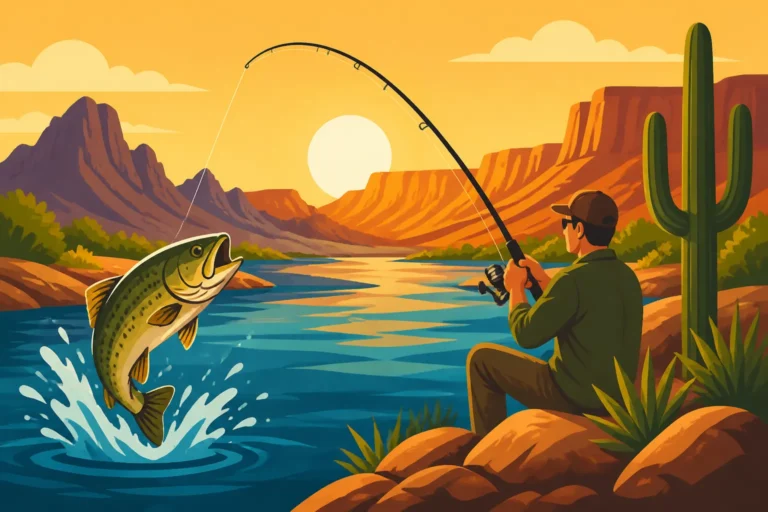
Saguaro Lake is a substantial body of water, covering about 1,260 acres with a maximum depth of around 100 feet. Its picturesque setting, surrounded by saguaro cacti and towering cliffs, often makes people forget just how good the fishing can be. The lake's shoreline is incredibly varied, ranging from steep rocky bluffs and submerged ledges to gradual points and coves lined with brush and mesquite trees. This diverse structure provides an abundance of cover for different fish species throughout the year.
The water clarity in Saguaro can vary significantly, often influenced by recent rains or recreational boat traffic, but generally, it's on the clearer side compared to some other desert lakes. This means fish can be more visually oriented, making lure color and presentation critical. Underwater, you'll find submerged timber, rock piles, and artificial habitat structures installed by the Arizona Game and Fish Department (AZGFD), all serving as prime ambush points and holding areas for various species. The lake's deeper sections can hold thermoclines during the warmer months, concentrating fish at specific depths where oxygen and temperature are optimal.
Common Fish Species in Saguaro Lake
Saguaro Lake is a true multi-species fishery, offering something for almost every type of angler. While it's particularly famous for its bass, there's a thriving population of other sport fish that provide exciting opportunities.
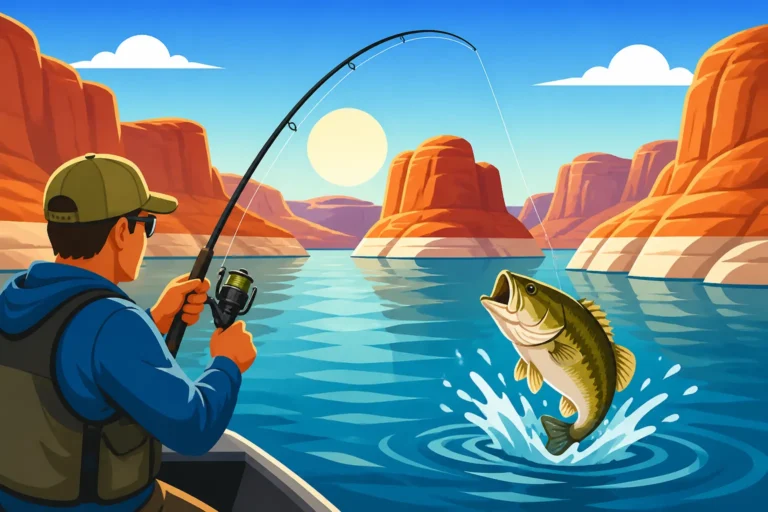
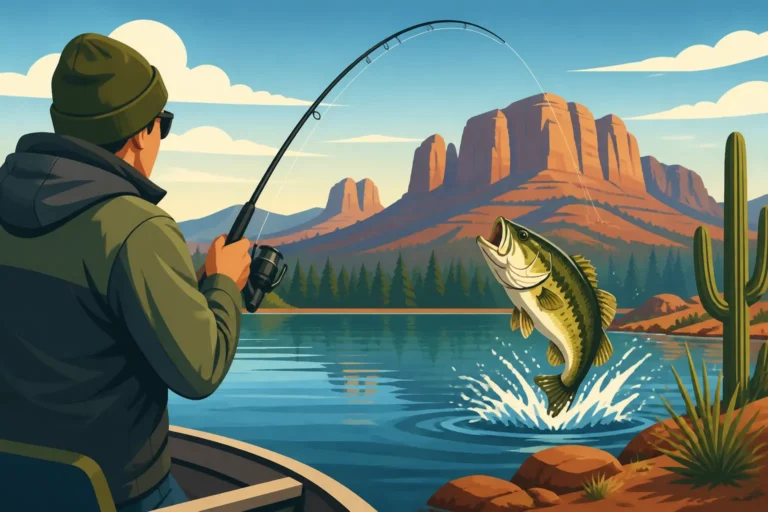
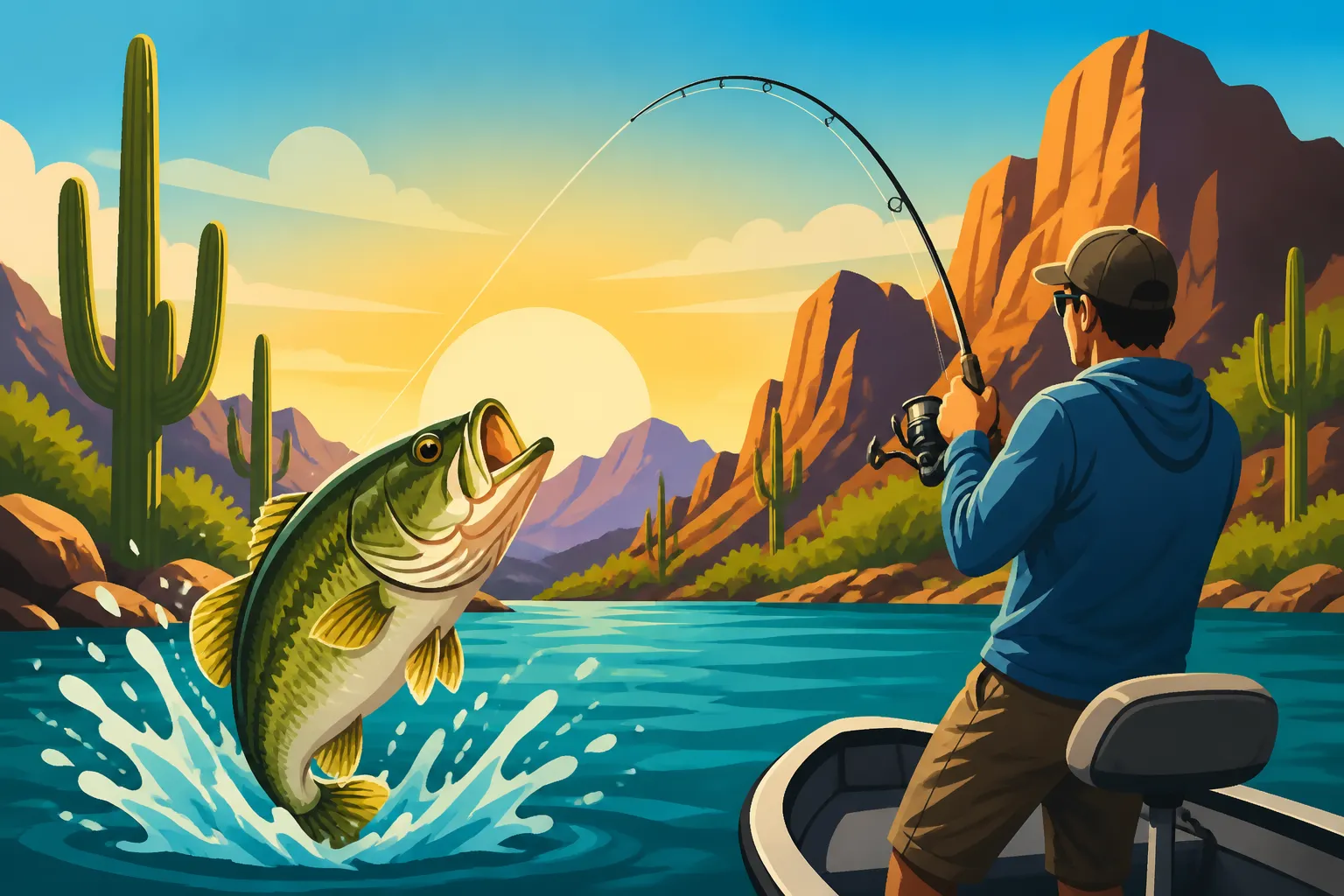
The undisputed king of Saguaro Lake is the Largemouth Bass. These hard-fighting fish thrive in the lake's rich habitat, with many anglers reporting catches in the 3-5 pound range, and trophy-sized bass pushing well into the double digits are a real possibility. They relate heavily to cover – whether it's submerged brush, rocky points, or shady ledges. You'll find them aggressive, especially during the spawn and feeding frenzies. For a deeper dive, check out our Largemouth Bass Fishing Guide for Arizona.
Following closely behind are Crappie, both black and white varieties, which offer fantastic action, especially in the cooler months. Saguaro's crappie tend to school up around brush piles and timber, making them a popular target for anglers equipped with electronics or those who know the lake's structure well. Beyond these, you'll encounter a healthy population of Channel Catfish and the occasional hefty Flathead Catfish, particularly in the lake's deeper, muddier areas. And let's not forget the Sunfish species like Bluegill and Redear Sunfish, which provide consistent action for kids and casual anglers, often found near shore around docks and vegetation.
Best Times to Fish Saguaro Lake
Knowing when to hit the water can be just as crucial as knowing where. Saguaro Lake's fishing patterns are heavily influenced by Arizona's distinct seasons and daily weather fluctuations. Planning your trip around these cycles will dramatically increase your chances of success.
Seasonal Breakdown for Key Species
Each season at Saguaro Lake presents unique challenges and opportunities.
- Spring (March – May): This is arguably the most exciting time to fish Saguaro Lake, especially for bass. As water temperatures rise into the 60s, both largemouth and smallmouth bass move shallow for their annual spawn. You'll find them actively feeding, guarding beds, and often visible in clear water. This is prime time for sight fishing and targeting aggressive fish. Crappie also become very active, schooling up in shallower coves and around brush for their spawn. Early spring trout stockings also occur in some areas, offering bonus opportunities.
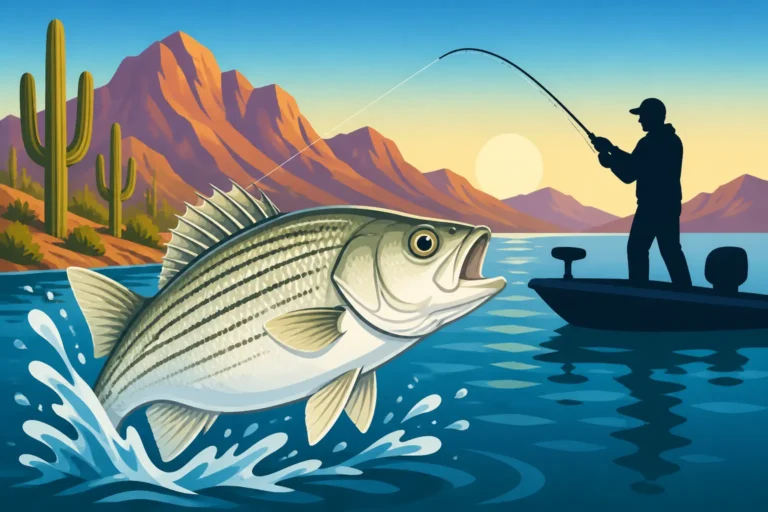
- Summer (June – August): Arizona summers are brutal, and Saguaro Lake is no exception. While the heat drives many anglers off the water, serious enthusiasts know that excellent fishing can still be had. The key is to fish early mornings, late evenings, or even at night. Bass move to deeper, cooler water, relating to submerged structure, ledges, and deep points. Striped bass (though less common in Saguaro than other lakes, they can occasionally show up if passing through the system) and catfish thrive in the warm water, often feeding aggressively after dark. Hydration and sun protection are paramount during this season.
- Fall (September – November): As temperatures begin to cool, Saguaro Lake's fish enter a major feeding period, stocking up for winter. This "fall bite" can be incredibly productive, with bass chasing baitfish in the upper water column. Crappie become more predictable as they start to school again, and catfish remain active. This is a fantastic time for various techniques, from topwater in the mornings to working deeper baits as the day progresses.
- Winter (December – February): Don't let the cooler weather deter you. Winter fishing at Saguaro can be fantastic, though often requiring more patience and finesse. Bass move to deeper points, creek channels, and vertical structure, often schooling tightly. Slow-moving baits like jigs, drop shots, and spoons become highly effective. Crappie will be suspended in deeper water or tight to submerged brush piles. Trout are also frequently stocked in winter, especially in the lower Salt River that feeds Saguaro, offering a different kind of fishing challenge.
Daily Timing and Weather Considerations
Beyond the seasons, daily timing and weather play a huge role in Saguaro Lake's fishing success.
- Early Morning and Late Evening: These are almost always the most productive times, especially during the warmer months. The lower light conditions encourage fish to move shallower and feed more aggressively. Topwater lures can be incredibly effective during these twilight hours for bass, while crappie and catfish are often more active just before sunrise and after sunset.
- Mid-day: In summer, mid-day fishing can be tough, requiring anglers to target deep, shaded structure. However, in cooler months, a sunny mid-day can warm the shallow water and spur fish activity. Cloudy days can often extend the prime feeding windows, as the reduced light keeps fish more comfortable in shallower water for longer.
- Wind: A moderate breeze can be a blessing, creating a "chop" on the water that breaks up the surface, making it harder for fish to see you and more comfortable for them to feed shallow. Wind also concentrates baitfish, which in turn attracts predators. However, strong winds can make boat control difficult and fishing unpleasant, especially on an open lake like Saguaro.
- Water Temperature: Keep an eye on water temperature. It dictates fish metabolism and behavior. Bass generally become active above 50°F and hit their peak spawning activity in the mid-60s. Crappie have similar preferences, while catfish are more tolerant of warmer temperatures. Using a thermometer or your fish finder can help you pinpoint the ideal temperature zones.
- Monsoon Season: While it might seem counterintuitive, fishing during or immediately after a summer monsoon storm can be incredibly productive. The rain cools the surface water, adds oxygen, and can wash nutrients and bait into the lake, triggering a feeding frenzy. However, safety is paramount. High winds, lightning, and flash floods are real dangers. If you're going to venture out during this period, be sure to consult our Arizona Monsoon Season Fishing Guide for vital safety tips.
Top Fishing Techniques and Lures for Saguaro Lake
Saguaro Lake's diverse habitat means you need a versatile tackle box and a willingness to adapt your techniques. What works one day might not the next, but mastering a few core strategies will put you well on your way to consistent catches.
Bass Fishing Strategies
Largemouth bass are the primary target for many anglers at Saguaro, and there are several proven methods to entice them.
- Soft Plastics: These are the bread and butter for Saguaro bass. Texas-rigged worms, Senkos, and creature baits are excellent choices for working around submerged brush, rocky points, and ledges. Colors like green pumpkin, junebug, and watermelon are often highly effective. When fishing heavy cover, a strong hook and braided line are essential to pull fish out of snags. For fishing deeper, especially when bass are suspended, a Carolina rig can be deadly.
- Crankbaits and Spinnerbaits: These reaction baits are fantastic for covering water and eliciting strikes from active bass. Medium-diving crankbaits in shad patterns or crawfish colors work well along rocky shorelines and points. Spinnerbaits, particularly those with willow leaf blades, are excellent for fishing around brush and submerged timber, especially in stained water or on overcast days. Lipless crankbaits can also be very effective for schooling bass, particularly in the fall.
- Topwater Lures: When conditions are right—early mornings, late evenings, or cloudy days—there’s nothing more exciting than a topwater strike. Poppers, walking baits, and frog imitations (especially around any sparse vegetation) can bring explosive action. These lures are best worked slowly, allowing the fish time to commit to the strike. Learning Best Bass Fishing Techniques for Arizona Lakes will significantly enhance your Saguaro Lake experience.
- Jigs: Flipping and pitching jigs into heavy cover is a classic technique for big bass. A black and blue jig, or one mimicking crawfish, can be irresistible to larger fish holding tight to structure. Swim jigs can also be very effective for covering water around submerged trees and grass lines.
Crappie, Catfish, and Panfish Tactics
While bass often steal the spotlight, Saguaro Lake's crappie, catfish, and panfish offer consistent and often easier action.
- Crappie: For crappie, the most common and effective technique is vertical jigging or slow trolling with small jigs (1/16 to 1/8 ounce) tipped with a minnow or a soft plastic grub. Look for them around submerged brush piles, standing timber, and deeper creek channels. A fish finder is invaluable for locating crappie schools. During the spawn, they’ll move shallower into coves, where small tube jigs or even tiny spinnerbaits can be very effective. Many anglers swear by a "spider rigging" technique, using multiple rods with different depths and baits to find what the crappie prefer. Our Crappie Fishing Guide for Arizona has more specific details.
- Catfish: Saguaro Lake boasts a healthy population of Channel Catfish, and some monster Flatheads. For Channels, stink baits, cut baits (like shad or hot dogs), and even chicken livers fished on the bottom are highly productive. A simple bottom rig with an egg sinker above a swivel and a leader with a circle hook usually does the trick. Night fishing for catfish is exceptionally popular and often yields the biggest catches, especially in warmer months. Flatheads prefer live bait, like small sunfish or carp, fished on stout tackle near deep structure or rocky banks. Check out our Catfish Fishing Guide for Arizona for more specialized tips.
- Panfish (Bluegill, Redear Sunfish): These delightful fish are perfect for beginners and families. A small hook, a bit of bobber, and some worms, crickets, or mealworms are all you need. Look for them around docks, fallen trees, and shaded shoreline vegetation. They provide steady action and are excellent table fare. Small jigs or spinners can also work wonders.
| Target Species | Best Season | Recommended Lure/Bait | Key Technique |
|---|---|---|---|
| Largemouth Bass | Spring, Fall | Soft Plastics (worms, Senkos), Crankbaits, Jigs, Topwater | Flipping/Pitching, Casting, Trolling |
| Crappie | Spring, Winter | Small Jigs (minnow-tipped), Grubs | Vertical Jigging, Slow Trolling, Drifting |
| Channel Catfish | Summer, Fall | Cut Bait (shad, hot dogs), Stink Bait, Chicken Liver | Bottom Fishing (especially at night) |
| Flathead Catfish | Summer | Live Bait (sunfish, carp) | Bottom Fishing (heavy tackle, specific spots) |
| Bluegill/Sunfish | Spring, Summer | Worms, Crickets, Mealworms | Bobber Fishing, Small Jigs |
Access Points and Amenities for Anglers
Getting to and around Saguaro Lake is fairly straightforward, but knowing your options for launching a boat, finding shore access, or even renting equipment can save you a lot of hassle.
Boat Ramps and Marinas
Saguaro Lake offers excellent facilities for boaters, making it a popular destination for those with powerboats, pontoons, and bass boats.
The primary access point is the Saguaro Lake Marina, located on the western side of the lake. This full-service marina provides multiple boat ramps, ample parking (though it can fill up quickly on weekends), a general store for last-minute supplies, fuel, and boat rentals. If you don't have your own vessel, you can easily rent a pontoon boat or a fishing boat here, making it accessible for everyone. It’s also a common pick-up point for guided fishing trips; you can often find reputable local guides through platforms like FishingBooker, many of whom operate directly out of Saguaro Lake Marina. These guides know the lake intimately and can dramatically increase your chances of a successful outing, especially if you're new to the area.
Another important access point is the Butcher Jones Recreation Site, which offers another boat ramp and more primitive access. This area can be a good alternative when the main marina is bustling, though its amenities are more limited. Remember to check current conditions and any potential closures with the Tonto National Forest or Arizona Game and Fish Department before heading out.
Shore Fishing and Kayak Access
Even if you don't have a boat, Saguaro Lake offers some decent opportunities for bank anglers and kayakers, though it does require a bit more planning and legwork.
- Shore Fishing: The most accessible shore fishing can be found around the Butcher Jones Recreation Site and near the Saguaro Lake Marina causeway. These areas provide relatively easy access to the water's edge, often with some submerged structure nearby. Anglers can target bass, catfish, and panfish from these spots. However, the steep, rocky terrain in many other parts of the lake makes shore access challenging or impossible. For specific, proven bank fishing locations, you might want to look into Shore Fishing Access Points at Saguaro Lake. Patience is key for shore anglers, as mobility is limited, but a well-placed bait can still yield excellent results.
- Kayak and Canoe Access: Saguaro Lake is a fantastic destination for kayak fishing. Its numerous coves, calmer backwaters, and relatively sheltered areas offer excellent opportunities to explore quietly and target fish that might be spooked by larger boats. You can launch kayaks from the regular boat ramps, but the Butcher Jones Recreation Site often provides easier, less crowded hand-launching options. Kayak anglers can effectively target bass along the rocky shorelines and submerged brush, or venture into deeper water for crappie and catfish. Always remember to wear your personal flotation device (PFD) and check weather conditions, as desert lakes can get windy quickly, making paddling challenging.
Essential Gear and Safety Tips for Saguaro Lake
Fishing at Saguaro Lake means dealing with Arizona's unique environment – often hot, sunny, and sometimes prone to sudden weather changes. Having the right gear and prioritizing safety are non-negotiable for an enjoyable and successful trip.
Recommended Fishing Gear
Your gear choices should reflect the diverse species and conditions at Saguaro Lake.
- Rods and Reels: For largemouth bass, a medium-heavy to heavy action casting rod (6'6" to 7'6") paired with a baitcasting reel is ideal for working jigs, Texas rigs, and crankbaits. A medium action spinning rod (6'6" to 7') with a 2500-3000 size spinning reel is excellent for lighter soft plastics, smaller crankbaits, and finesse techniques. For crappie and panfish, a light to ultralight spinning setup is perfect. If you're targeting big catfish, you'll want a heavy-duty rod and reel combo capable of handling powerful runs.
- Line: For bass, a 15-20 lb fluorocarbon or monofilament line is versatile for most situations, while 30-50 lb braided line is preferred for fishing heavy cover with jigs or frogs. For crappie, light 4-6 lb monofilament or fluorocarbon is sufficient. Catfish anglers should spool up with 20-30 lb monofilament or braided line, especially for flatheads. Using a leader, especially with fluorocarbon, can be beneficial in Saguaro's clearer waters.
- Terminal Tackle: A well-stocked tackle box for Saguaro should include a variety of hooks (EWG hooks for Texas rigs, straight shank for pitching, circle hooks for catfish), sinkers (bullet weights, egg sinkers), swivels, and bobbers. Don't forget pliers, line cutters, and a measuring tape to ensure your fish meet Fishing Bag and Possession Limits Explained.
- Lures and Baits: As discussed, a range of soft plastics, crankbaits, jigs, and topwater lures will cover your bass fishing needs. For crappie, small tube jigs, curly tail grubs, and live minnows are essential. For catfish, bring a selection of stink baits, chicken livers, and cut baits. Live worms and crickets are always a good bet for panfish and can often entice other species too.
Staying Safe in the Desert Environment
Safety is paramount, especially when enjoying the outdoors in Arizona. The desert environment of Saguaro Lake demands respect and preparation.
- Sun Protection: The Arizona sun is intense. Always wear a wide-brimmed hat, sunglasses (polarized sunglasses are fantastic for spotting fish and structure), and long-sleeved, breathable UV-protective clothing. Apply broad-spectrum sunscreen frequently, even on cloudy days. Sunburn can quickly ruin a trip and lead to long-term health issues.
- Hydration: Dehydration is a serious risk. Bring far more water than you think you'll need – at least one gallon per person per day is a good starting point, especially in summer. Electrolyte drinks can also be beneficial. Avoid excessive alcohol consumption, as it accelerates dehydration.
- Weather Awareness: Arizona weather can change rapidly, particularly during the monsoon season (July-September). Sudden thunderstorms can bring high winds, lightning, and heavy rain, turning calm waters into treacherous conditions. Always check the forecast before you go, and be prepared to get off the water if dark clouds or lightning appear. Pay attention to our Arizona Monsoon Season Fishing Guide for detailed safety precautions.
- Boating Safety: If you're on a boat, ensure all required safety gear is aboard and accessible. This includes PFDs for everyone (required for children under 12), a fire extinguisher, signaling devices, and navigation lights. Familiarize yourself with Arizona's Boating Safety Gear Requirements in Arizona. Be mindful of other boaters, especially jet skis and pleasure craft, which can be numerous on weekends.
- Wildlife: While not typically aggressive, Saguaro Lake is home to various wildlife, including rattlesnakes, scorpions, and javelina. Be aware of your surroundings, especially when walking along the shore or through brush. Give wildlife its space, and never attempt to handle a snake.
Local Regulations and Conservation Efforts
Understanding and adhering to the local fishing regulations is not just about avoiding fines; it's about contributing to the health and sustainability of Saguaro Lake's fisheries. The Arizona Game and Fish Department (AZGFD) works hard to manage these resources for future generations.
Arizona Fishing Regulations Specific to Saguaro Lake
While many general statewide regulations apply, it's crucial to be aware of any lake-specific rules that might be in place for Saguaro Lake.
- General Arizona Regulations: Before heading out, make sure you have a valid Arizona fishing license. You can find comprehensive details in our Arizona Fishing License Guide. Be sure to check the current AZGFD fishing regulations booklet, which is available online or at license dealers, for the most up-to-date information on bag limits, size limits, and legal fishing methods. For example, some species may have slot limits, meaning fish within a certain size range must be released, while others outside that range can be kept. It's important to understand these nuances.
- Saguaro Lake Specifics: While Saguaro Lake generally follows statewide regulations for its primary sport fish like largemouth bass and crappie, always double-check the latest AZGFD regulations handbook for any special provisions that might be unique to the lake. This could include temporary closures, specific gear restrictions, or altered bag limits if a particular species needs extra protection or management. For instance, sometimes there are specific size and bag limits for bass that differ from the general statewide rules, especially during or immediately after the spawning season.
- Youth and Age Requirements: Remember that even young anglers have specific rules. While there's a minimum age to fish without a license in Arizona, it's essential to know the specific Fishing License Age Requirements in Arizona to ensure everyone in your party is compliant.
Supporting Sustainable Fishing Practices
Every angler has a role to play in preserving the quality of fishing at Saguaro Lake and other Arizona waters. Practicing responsible angling ensures that these resources remain vibrant for years to come.
- Catch and Release: For many anglers, especially those targeting trophy bass, catch and release is a common practice. If you plan to release fish, handle them with care. Minimize their time out of the water, support their body weight, and use appropriate tools like de-hookers. Avoid placing fish on hot, dry surfaces. For specific guidelines, see our article on Catch and Release Rules for Arizona Anglers.
- Respect Bag and Size Limits: These limits are put in place by biologists to ensure healthy fish populations. Taking more than your legal limit or keeping undersized fish can significantly impact the fishery. Be honest and measure your catches accurately.
- Leave No Trace: Pack out everything you pack in, and perhaps even a little more. Dispose of all trash, including fishing line, hooks, and bait containers, properly. Never leave litter on the shore or in the water. Monofilament fishing line, in particular, can be incredibly harmful to wildlife.
- Report Violations: If you witness any fishing violations, such as poaching or exceeding bag limits, report them to the Arizona Game and Fish Department. Your vigilance helps protect the resource.
- Support AZGFD: A portion of your fishing license fees goes directly to funding conservation efforts, fish stocking programs, and habitat improvement projects at lakes like Saguaro. By purchasing a license, you're directly contributing to better fishing for everyone.
Saguaro Lake offers a quintessential Arizona fishing experience – challenging, rewarding, and set against a stunning desert backdrop. By understanding its unique environment, timing your visits, employing effective techniques, and adhering to conservation principles, you can consistently enjoy all that this beautiful lake has to offer. Whether you're chasing a trophy largemouth, filling a stringer with crappie, or just enjoying a peaceful day on the water, Saguaro Lake rarely disappoints. Consider booking a guided trip, perhaps through FishingBooker, to tap into local expertise and maximize your chances of success on this incredible body of water.
Disclaimer
Please remember that fishing conditions, regulations, and lake access can change. Always check the most current Arizona Game and Fish Department regulations and local advisories before planning your trip to Saguaro Lake. This guide provides general information and recommendations, but it is the angler's responsibility to stay informed and adhere to all applicable rules and safety guidelines.