Smallmouth Bass Limit at Lake Powell
Navigating the specific fishing regulations for a particular species in a vast body of water like Lake Powell can feel like a real head-scratcher. It's easy to get tangled up in questions about daily limits, possession rules, and whether certain fish are considered invasive or a prized catch. This comprehensive guide is here to untangle all that confusion, specifically addressing the smallmouth bass limit at Lake Powell so you can fish with confidence and stay on the right side of the rules.
Understanding Smallmouth Bass Regulations at Lake Powell
Lake Powell is an incredible fishery, straddling the border between Arizona and Utah, and it offers some truly spectacular opportunities to catch smallmouth bass. However, like any popular fishing destination, it comes with its own set of rules designed to manage the ecosystem and ensure sustainable fishing for everyone. It's not just about what you can catch, but also how many, and why those numbers are set.
Why Regulations Matter for Lake Powell's Smallmouth Bass
Smallmouth bass, while a highly sought-after sport fish, aren't native to the Colorado River system, which feeds Lake Powell. They were introduced, and over time, they’ve established a very healthy population. This thriving population, however, plays a role in the lake's delicate ecosystem. For years, the Arizona Game and Fish Department (AZGFD) and Utah Division of Wildlife Resources (UDWR) have managed these populations carefully. Sometimes, regulations are designed to protect native species that might be impacted by non-native predators like smallmouth bass. Other times, they're set to maintain a healthy balance within the smallmouth population itself, ensuring good sizes and numbers for anglers in the future. It’s a constant balancing act, and understanding that helps you appreciate why these rules exist in the first place. You can learn more about general fishing rules in our detailed guide on the Arizona Fishing Regulations Explained.
The Current Smallmouth Bass Limit
Alright, let’s get down to brass tacks. For smallmouth bass at Lake Powell, the current regulations set by both Arizona Game and Fish Department and Utah Division of Wildlife Resources are typically quite generous, often encouraging harvest due to their non-native status and prolific nature. As of the most recent updates, there is no daily bag limit or possession limit for smallmouth bass at Lake Powell. That's right, you can keep as many smallmouth bass as you can reasonably catch and utilize, provided you are fishing legally with a valid license and adhering to all other general fishing laws.
This "no limit" policy reflects the agencies' management strategy for an abundant, non-native species that can sometimes compete with or prey upon native fish species or other desirable sport fish like striped bass, especially in their early life stages. It also means anglers have a fantastic opportunity to enjoy consistent action and bring home a delicious meal. Always remember, though, regulations can change, so it's vital to stay current. This generous limit applies to both the Arizona and Utah portions of Lake Powell, provided you have the appropriate fishing license that covers both states or a valid license from one state with a reciprocal agreement. For more on getting your license, check out our Arizona Fishing License Guide.
Navigating the Nuances of Lake Powell Fishing Rules
While the "no limit" rule for smallmouth bass at Lake Powell might seem straightforward, fishing regulations often have subtle complexities. It's not just about knowing the numbers; it's about understanding how to correctly apply them and avoid common pitfalls.
Differentiating Smallmouth from Other Bass Species
One of the biggest challenges for anglers, especially those new to Lake Powell, is accurately identifying the fish they catch. Lake Powell is home to several bass species, including largemouth bass, smallmouth bass, and sometimes even striped bass. Accidentally keeping a largemouth bass beyond its limit while believing it was a smallmouth could lead to a citation.
Here’s a quick rundown on how to tell them apart:
-
Smallmouth Bass:
- Typically have vertical bars or splotches on their sides, not a distinct lateral line.
- The jaw does not extend past the eye.
- Their eyes are often reddish.
- Usually more bronze or brownish in color.
- Found more often in rocky, open water, points, and ledges.
-
Largemouth Bass:
- Have a distinct horizontal dark stripe (lateral line) running down their side.
- The jaw extends significantly past the eye.
- Usually greener in color.
- Prefer warmer, shallower water with plenty of vegetation or submerged timber.
-
Striped Bass:
- Very distinct, unbroken horizontal stripes running the length of their body.
- Often silvery or dark bluish-gray on top.
- Can grow much larger than smallmouth or largemouth.
If you're ever unsure, the safest bet is to release the fish or consult a reliable field guide. Many anglers keep a small, waterproof fish identification chart on their boat or phone (easily found on platforms like Amazon) for quick reference. Knowing your species is key to adhering to the Arizona Fishing Regulations Explained.
How Bag and Possession Limits Work
Even though smallmouth bass at Lake Powell typically have no daily bag or possession limit, it's crucial to understand what these terms mean for other species you might encounter, as they are standard across most fishing regulations.
-
Daily Bag Limit: This refers to the maximum number of a particular fish species you are allowed to catch and keep within a 24-hour period, typically from midnight to midnight. Once you reach this number, you must stop fishing for that species or switch to catch-and-release only for the remainder of that day. For example, if the daily bag limit for largemouth bass at Lake Powell was 6, you could only keep 6 largemouth bass in one day.
-
Possession Limit: This refers to the maximum number of a particular fish species you are allowed to have in your possession at any given time, whether that's in your cooler, on your boat, in your vehicle, or back at your campsite or home. The possession limit is usually equal to one or two daily bag limits. It's designed to prevent anglers from stockpiling fish over multiple days. Since smallmouth bass at Lake Powell have no daily bag limit, there is no possession limit either.
Let's look at an example for a hypothetical species with a limit:
| Fish Species (Hypothetical) | Daily Bag Limit | Possession Limit |
|---|---|---|
| Smallmouth Bass (Lake Powell) | No Limit (Encouraged Harvest) | No Limit |
| Largemouth Bass | 6 | 12 |
| Channel Catfish | 25 | 25 |
This table clarifies that while smallmouth are wide open, other species might have strict limits. Always consult the official AZGFD or UDWR regulations for the most current information, as these numbers can change. Knowing the Arizona Fishing Season Dates and Limits is also critical for planning your trips.
Practical Tips for Responsible Smallmouth Bass Angling
Catching a lot of smallmouth bass at Lake Powell is incredibly fun, but being a responsible angler goes beyond just knowing the limits. It involves practicing ethical fishing techniques that ensure the health of the fish and the environment for years to come, especially if you plan on releasing some of your catch.
Catch and Release Best Practices
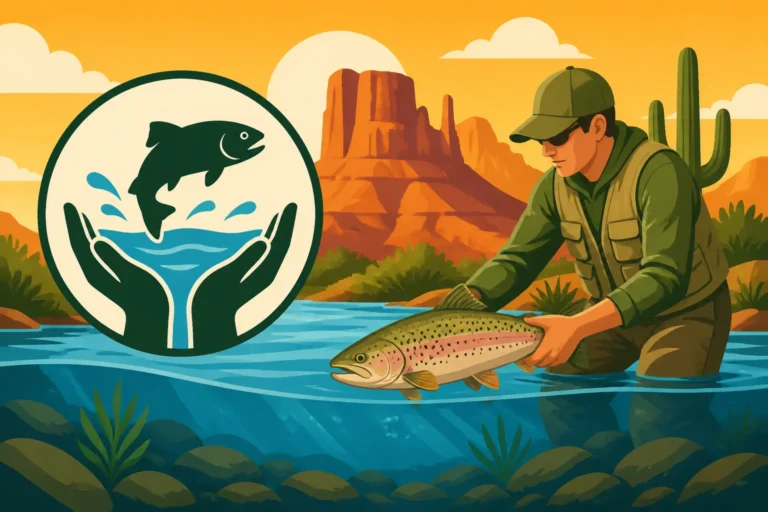
Even with no limit, many anglers choose to practice catch and release, especially for larger, trophy-sized smallmouth bass, or simply because they don't need to keep every fish they catch. Doing this correctly is crucial for the fish's survival.
Here are some best practices:
- Minimize Fight Time: Bring the fish in as quickly as possible without overstressing it. A prolonged fight can exhaust the fish, making it harder for it to recover.
- Use Barbless Hooks or Pinch Barbs: Barbless hooks make removal much easier and cause less damage to the fish's mouth. If your hooks aren't barbless, simply crimp down the barb with a pair of pliers, which you can easily find on Amazon.
- Handle with Care:
- Wet Hands: Always wet your hands before touching the fish to protect its protective slime coat, which guards against disease.
- Support the Body: Support the fish horizontally, especially larger ones, to avoid damaging its internal organs or jaw. Never hold a fish solely by its jaw (lip grip) if it's heavy and unsupported.
- Keep it in the Water: If possible, unhook the fish while it's still in the water, especially if you're not planning on taking a photo.
- Quick Hook Removal: Use needle-nose pliers or a de-hooking tool to remove the hook quickly. If the fish is deeply hooked, it’s often best to cut the line as close to the hook as possible rather than tearing the fish’s throat trying to remove it.
- Revive Properly: If the fish seems sluggish, hold it gently in the water, facing into a gentle current (or move it back and forth softly if there's no current) until it swims away on its own. Don't just toss it back; make sure it's strong enough to orient itself and swim off.
These practices are vital for adhering to Catch and Release Rules for Arizona Anglers and ensuring the long-term health of the fishery.
Staying Informed About Regulation Changes
As mentioned, fishing regulations are not set in stone; they can and do change. Environmental factors, fish population assessments, and management goals all contribute to potential adjustments. Relying on outdated information could lead to an unintentional violation, which is the last thing any angler wants.
Here’s how to stay informed:
- Official Agency Websites: The Arizona Game and Fish Department (AZGFD) and Utah Division of Wildlife Resources (UDWR) websites are your primary, most reliable sources. They publish current fishing regulations, emergency closures, and any changes that occur.
- Physical Regulations Booklets: Pick up a physical copy of the current year's fishing regulations wherever licenses are sold, such as sporting goods stores like Bass Pro Shops or even local convenience stores and marinas. These are handy to have on hand, especially when you're out of cell service range, which can happen frequently at Lake Powell.
- Signage at Ramps and Marinas: Often, boat ramps and marinas will post signs with important regulation updates or reminders. Pay attention to these when you launch your boat or visit a local outpost.
- Fishing Forums and Groups (with caution): Online fishing communities can be great for sharing tips, but always cross-reference any regulation information with official sources. Misinformation can spread quickly.
- Local Bait and Tackle Shops: Owners and staff at local bait and tackle shops are usually very knowledgeable about local regulations and conditions. Places like Stix and Stones Bait & Tackle in Page, Arizona (near Lake Powell) are great resources.
Before every trip, especially at the start of a new calendar year, take a few minutes to review the latest rules. This simple step can save you a lot of hassle and ensure a smooth, enjoyable fishing experience. If you’re planning a trip, exploring resources like the Lake Powell Arizona Fishing Guide or general guides for the Best Fishing Lakes in Arizona can provide additional context.
Common Questions and Misconceptions About Lake Powell Smallmouth
Even experienced anglers can have lingering questions or misconceptions about specific regulations, especially concerning species like smallmouth bass in a unique environment like Lake Powell. Let’s clear up a few of these.
Do Smallmouth Bass Need a Trout Stamp in Arizona?
This is a common question, particularly for anglers who fish waters known for trout. In Arizona, a trout stamp (also known as an Urban Fishing Program Class H license stamp for urban waters) is specifically required for taking trout from designated trout waters or participating in the Urban Fishing Program. Smallmouth bass are not trout. Therefore, you do not need a trout stamp to legally catch and keep smallmouth bass in Lake Powell or any other Arizona waters, regardless of whether you’re keeping them or practicing catch-and-release. Your general Arizona fishing license is sufficient for smallmouth bass. However, if you also plan to target trout in specifically designated trout waters, then yes, you would need the appropriate stamp. Always check the official regulations for specifics on which waters require a trout stamp. For more details, you can look into Trout Stamp Requirements in Arizona.
Impact of Water Levels on Regulations
Lake Powell is famous for its dramatically fluctuating water levels, which can change not just the landscape but also fishing conditions. While water levels don't directly change the bag limits for smallmouth bass, they can indirectly influence fishing patterns and management strategies.
When water levels are low, certain spawning areas or shallow cover for smallmouth bass might become exposed, potentially impacting their reproductive success or creating more concentrated fishing spots. Conversely, rising waters can open up new habitat and distribute fish more widely. The AZGFD and UDWR constantly monitor these environmental changes. While a "no limit" rule for smallmouth has been consistent for a while, extreme ecological shifts could, in theory, lead to future regulation adjustments if populations were significantly impacted or if they started to have an outsized negative effect on native species.
Anglers often adjust their techniques based on water levels. For example, during low water, smallmouth might be more concentrated around remaining deep structure or submerged rock piles. For specific techniques, consider resources like Best Lures for Smallmouth Bass at Lake Powell or information on the Best Time of Year to Fish Lake Powell. Remember, understanding the environment helps you not only catch more fish but also appreciate the rationale behind management decisions.
Disclaimer
Please note that fishing regulations are subject to change. While every effort has been made to provide accurate and up-to-date information, it is the angler's responsibility to verify current regulations with the official Arizona Game and Fish Department (AZGFD) and Utah Division of Wildlife Resources (UDWR) before fishing. This guide is for informational purposes only and should not be considered a substitute for official legal documents.