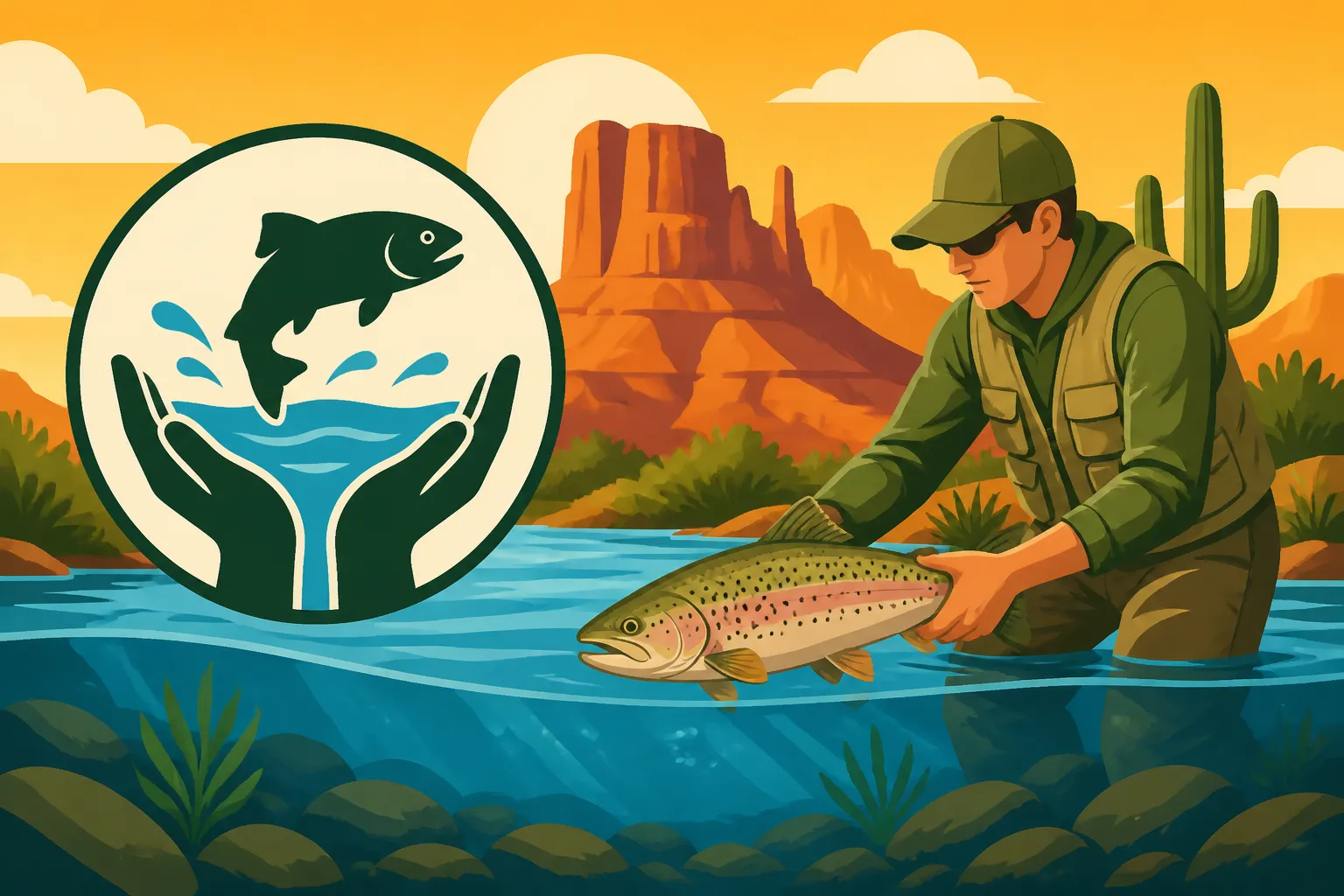
Are There Catch and Release Only Waters in Arizona?
It’s a scenario many Arizona anglers have faced: you’re out on a beautiful lake or stream, the fish are biting, and you’re having a fantastic time. Then, a thought pops into your head – can I even keep these fish, or am I supposed to put them back? Navigating Arizona's fishing regulations can sometimes feel like trying to untangle a particularly stubborn fishing knot, especially when it comes to understanding if a certain body of water, or even a particular species, is under a "catch and release only" mandate. Nobody wants to accidentally break the rules, and it’s a valid concern for anyone who cares about both the sport and the health of our precious fisheries. This guide is here to untangle that knot for you, diving deep into where and why catch and release rules apply in Arizona, and how you can be a responsible angler every time you hit the water.
Understanding Catch and Release Regulations in Arizona
Arizona offers an incredible diversity of fishing experiences, from high mountain trout streams to expansive desert reservoirs. With such variety comes a range of regulations designed to protect and enhance these unique fisheries. While many waters allow you to keep a certain number of fish, there are indeed specific areas and situations where catch and release is not just encouraged, but legally required.
Why "Catch and Release Only" Rules Exist
These rules aren't put in place to frustrate anglers; quite the opposite, in fact. They are vital conservation tools used by the Arizona Game and Fish Department (AZGFD) for several crucial reasons, primarily focused on maintaining healthy fish populations and preserving sensitive ecosystems.
One major reason is the protection of native fish species. Arizona is home to several unique and often threatened native fish, like the Apache Trout and the Gila Trout, which are critically important to the state's natural heritage. In areas where these species live, or where efforts are underway to restore their populations, strict catch and release rules are enforced to ensure that every one of these precious fish has the best possible chance to survive and reproduce. Accidental mortality, even from careful handling, can set back years of conservation work. These special regulations help prevent any further decline and give these fish a fighting chance.
Another significant driver for catch and release rules is the creation and maintenance of "trophy" fisheries. Imagine a place where you know you have a genuine shot at catching a truly massive fish – that's often the result of catch and release policies. By ensuring that larger, older fish are returned to the water, they continue to grow, contribute to the gene pool, and provide angling opportunities for many seasons to come. This strategy builds a population of impressive-sized fish, drawing anglers who specifically seek that challenge. It creates a sustainable model where the thrill of the catch is paramount, rather than the harvest.
Lastly, some areas might be designated catch and release only for habitat protection or during specific recovery periods. If a certain stretch of river or a small lake is undergoing ecological restoration, or if a fish population has suffered a decline due to environmental factors, temporary or permanent catch and release rules can give that fishery the breathing room it needs to recover and thrive once more. It's all about ensuring that Arizona's incredible fishing legacy continues for generations, and sometimes, that means letting them go.
General Arizona Fishing Regulations and Catch Limits
For the vast majority of Arizona's waters, anglers are allowed to keep a certain number of fish, provided they adhere to the established bag and possession limits. These limits are set by the Arizona Game and Fish Department and vary by species, body of water, and sometimes even by season. For instance, you might find a daily limit of six bass at one lake, while another might have a stricter limit or a minimum size requirement. The idea behind these limits is to allow for sustainable harvest while preventing overfishing.
However, it's crucial to understand that these general regulations are distinct from the "catch and release only" stipulations. When a body of water or a specific section is designated as catch and release only, it means no fish of the designated species (or sometimes, no fish at all) may be kept, regardless of size or quantity. The intent is clear: every fish caught must be immediately and safely returned to the water. This is a fundamental difference that anglers must be aware of to comply with the law.
These regulations are dynamic, meaning they can change from year to year, or even within a fishing season, based on scientific data, environmental conditions, and management goals. That's why simply assuming "the usual rules apply" can get you into trouble. It’s always your responsibility to consult the most current rulebook. Understanding the nuances of the Arizona Fishing Regulations Explained is paramount for any angler planning a trip to the state's diverse waterways. Always assume there could be special regulations, and double-check before you cast your line with the intention of keeping your catch.
Identifying Arizona's Designated Catch and Release Waters
While the blanket "catch and release only" designation isn't widespread across all of Arizona's countless fishing spots, there are indeed very specific and often highly renowned locations where these rules are strictly enforced. These areas are typically managed for very particular reasons, such as protecting unique ecosystems or cultivating world-class trophy fisheries. Knowing these spots and their specific rules is key to being a responsible angler in the Grand Canyon State.
Lees Ferry: A Premier Catch and Release Trout Fishery
If there's one location that instantly comes to mind when discussing catch and release in Arizona, it's Lees Ferry. Located on the Colorado River, nestled in a stunning canyon just below the Glen Canyon Dam and upstream of the Grand Canyon, Lees Ferry is renowned worldwide as a blue-ribbon trout fishery. This unique stretch of river is almost exclusively managed as a catch and release destination for its abundant and robust rainbow trout population.
The sheer quality of the fishing here is exceptional, with anglers frequently hooking into large, healthy rainbow trout that thrive in the cold, clear, nutrient-rich waters released from the dam. The regulations at Lees Ferry are very specific and are designed to protect this incredible resource. For instance, anglers are typically restricted to using artificial flies and lures only, and all hooks must be barbless. This minimizes harm to the fish, allowing for a higher survival rate upon release. The idea is to promote a trophy fishery where the experience of catching a beautiful fish is the main goal, not necessarily taking it home for dinner. Many anglers travel from all over the globe to experience the unparalleled dry fly fishing or nymphing opportunities at Lees Ferry.
Strict adherence to these rules is not just about legality; it's about preserving a fragile ecosystem and a world-class angling experience. Fishing guides at Lees Ferry are meticulous about proper handling and immediate release, setting a high standard for all visitors. This iconic spot truly embodies the spirit of conservation through catch and release, ensuring its status as one of the Best Trout Fishing Spots in Arizona for generations to come. For an even deeper dive into this incredible location, check out our comprehensive Lees Ferry Arizona Fishing Guide.
Native Fish Protection Areas and Special Regulations
Beyond the trophy trout waters, catch and release rules are critical in specific areas dedicated to the conservation and recovery of Arizona's native fish populations. These aren't always well-known tourist spots; sometimes they are remote, delicate streams where every single native fish caught is a significant event for conservation efforts.
The high-country streams of the White Mountains, for example, are often home to native Apache Trout and Gila Trout. These species are considered threatened or endangered, and their recovery is a top priority for wildlife managers. In many of these specific streams or stream sections, a strict catch and release policy is in effect for these native trout, often requiring artificial lures and barbless hooks, similar to Lees Ferry. The goal is to prevent any take that could jeopardize their breeding populations or slow down their recovery. Anglers venturing into these areas must be acutely aware of which species they are targeting or might incidentally catch, and know how to identify and immediately release protected fish.
Other protected native species, such as the Colorado Pikeminnow or Razorback Sucker, might be found in designated sections of the Colorado River and its tributaries. While these are less common targets for recreational anglers, if they are inadvertently caught, it is absolutely imperative that they are released immediately and unharmed. These zones are often identified by signage, and detailed information is always available in the Arizona Game and Fish Department's regulations. Understanding Native Fish Protection Rules in Arizona and supporting efforts like Apache Trout Conservation in Arizona is crucial for all anglers, as these native species are an irreplaceable part of Arizona's natural heritage.
Temporary or Seasonal Catch and Release Rules
It’s also important to remember that not all catch and release rules are permanent or apply year-round to an entire body of water. The AZGFD sometimes implements temporary or seasonal catch and release regulations for specific species or in particular areas. These might be put in place for a variety of reasons, often to protect fish during vulnerable periods or to aid in population recovery after an environmental event.
For example, during certain spawning periods, a specific species might be designated catch and release only in a particular lake or river section to allow them to successfully reproduce without disturbance from harvest. This ensures that the next generation of fish has the best chance to hatch and grow, contributing to a healthier fishery in the long run. These temporary rules are a dynamic management tool, allowing the AZGFD to respond quickly to ecological needs.
Another instance could be following a drought or a fish kill event. If a lake's fish population has been significantly reduced, special catch and release rules might be implemented for a season or two to give the remaining fish a chance to rebound before harvest is once again permitted. These regulations are typically well-publicized by the AZGFD, but it’s up to the individual angler to stay informed. Always consult the latest Arizona Fishing Season Dates and Limits and pay close attention to any special notices regarding Special Regulation Waters in Arizona that might be issued throughout the year. The bottom line is that regulations aren't static; they evolve, so your knowledge of them should too.
Best Practices for Ethical Catch and Release Fishing
Even when you're in a waterbody where you can keep fish, practicing ethical catch and release is a skill every responsible angler should cultivate. Whether it's a designated catch and release only area or you simply decide to let that big one swim another day, knowing how to release a fish properly significantly increases its chances of survival. It’s all about minimizing stress and injury to ensure that fish lives to fight another day, or even better, spawn many more fish!
Minimizing Stress and Injury to Fish
The moment a fish is hooked, it's under stress. Your goal as an ethical angler is to minimize this stress and any physical injury during the entire process, from the fight to the release. The first step is to land the fish quickly. While a long, drawn-out fight might feel exciting, it exhausts the fish, making it less likely to recover after release. Use tackle that is appropriately matched to the size of the fish you're targeting; don't try to land a trophy bass on ultra-light gear unless you're prepared for a marathon fight.
Once the fish is at hand, handling it properly is paramount. Always, always wet your hands before touching a fish. Dry hands can remove the protective slime coat that fish have, making them vulnerable to infection and disease. Avoid squeezing the fish, especially around its internal organs. If possible, keep the fish in the water while you remove the hook. If you must bring it out, support its body horizontally and gently. Never hold a fish vertically by the jaw if it's a larger species like a bass or a large trout, as this can severely damage its jaw and internal organs.
Using barbless hooks, or crimping down the barbs on your existing hooks with a pair of pliers, is another excellent practice. Barbless hooks come out much more easily and cause less tearing, speeding up the release process and reducing injury. When the hook is out, gently cradle the fish in the water, facing it into a slow current, until it regains its strength and swims away on its own. Don't just toss it back; make sure it's ready.
Essential Gear for Responsible Anglers
Having the right tools on hand makes ethical catch and release much easier and more effective. You wouldn't try to build a house without a hammer, and you shouldn't practice catch and release without the right gear to ensure the fish's well-being.
First on the list is a good pair of fishing pliers or forceps. These are absolutely invaluable for quickly and safely removing hooks, especially those deeply embedded or in tricky spots. Brands like Rapala or Berkley offer excellent options, and you can find a wide selection of durable, rust-resistant fishing tools on Amazon that are perfect for this task. Having a pair ready means less fumbling and less time the fish is out of the water.
Next, consider your landing net. A net with a rubberized, knotless mesh is vastly superior to traditional nylon nets. The rubberized mesh prevents hooks from getting tangled (saving you frustration) and, more importantly, protects the fish's delicate slime coat and fins from damage. It’s a small investment that makes a huge difference in fish survival. Look for a net that's large enough for the fish you expect to catch.
Finally, and perhaps obviously, make sure your hooks are appropriate. As mentioned, barbless hooks are ideal. If you're using trebles, consider replacing them with single hooks, or at least crimping down two of the three barbs, and always pinch down any remaining barbs. This simple modification greatly improves a fish's chances of survival. When you're putting together your Essential Tackle Box Setup for Arizona Beginners, definitely prioritize these items. If you're looking for durable and reliable options, checking out Best Pliers and Tools for Anglers can help you make an informed choice for your specific needs.
Here's a quick reference table for essential catch and release gear:
| Gear Item | Purpose | Key Features for C&R |
|---|---|---|
| Fishing Pliers | Crucial for quickly and safely removing hooks, especially those that are deeply set or hard to reach. | Long nose, serrated jaws, rust-resistant, spring-loaded for easy one-hand use. |
| Forceps | Smaller, more precise tool for tiny hooks or delicate operations, particularly useful for trout and panfish. | Long, thin jaws, locking mechanism, surgical grade steel. |
| Landing Net | Helps secure the fish quickly at the boat or bankside, minimizing fight time and stress. | Rubberized, knotless mesh (protects slime coat), adequately sized for target fish, lightweight handle. |
| Barbless Hooks | Designed to minimize tissue damage and allow for quick, clean hook removal. Essential in C&R designated waters. | No barb, sharp point, appropriate size for bait/lure. |
| Hook File/Hone | Ensures your hooks remain razor-sharp, allowing for quick penetration and solid hooksets, which can reduce the chance of a swallowed hook. | Fine grit, easy to handle, portable. |
| Line Clippers | For quickly cutting line if a hook is too deep to remove, allowing for immediate release with minimal stress. | Sharp, precise blades, often integrated into pliers. |
By being prepared with the right gear and adopting responsible handling techniques, you'll not only contribute to the health of Arizona's fisheries but also enhance your own enjoyment of the sport, knowing you're doing your part for conservation.
Where to Find Current Regulations and Updates
The world of fishing regulations can sometimes feel like a moving target. Rules can change, special conditions can pop up, and what was true last year might not be true today. This is especially vital for catch and release rules, which often apply to very specific locations or species. Assuming you know the rules or relying on outdated information is a surefire way to accidentally find yourself in violation. The good news is that reliable, up-to-date information is readily available if you know where to look.
Arizona Game and Fish Department Resources
Without a doubt, the single most authoritative and comprehensive source for all Arizona fishing regulations is the Arizona Game and Fish Department (AZGFD). They are the governing body responsible for managing the state's wildlife and fisheries resources, and their information is always the most current and accurate.
Your first stop should always be the official AZGFD website. They have dedicated sections outlining all current fishing regulations, often broken down by region, species, and specific bodies of water. You can usually find a downloadable PDF of their annual fishing regulations booklet, which is a fantastic resource to keep on your phone or print out and carry with you. This booklet details everything from license requirements and bag limits to special regulations, including any catch and release only waters. Always ensure you're looking at the current year's regulations, as these are updated annually. Reading through the Arizona Fishing Regulations Booklet Where to Find It is an essential pre-trip ritual for any angler.
Beyond the annual booklet, the AZGFD website will also post alerts or special notices regarding temporary closures, regulation changes, or specific conditions in certain areas. For example, if a native fish recovery project is underway in a particular stream, they will usually post detailed information about it. Staying connected to their updates, perhaps by subscribing to their newsletter or following their social media channels, is a smart move for dedicated anglers. Before heading out, always take a few minutes to quickly review the specific rules for your intended fishing destination. This diligence prevents misunderstandings and ensures you're compliant. Don't forget that understanding the Arizona Fishing License Guide is your first step to legality before you even worry about catch and release rules.
Local Guides and Bait Shops
While the AZGFD website is your primary resource, don't underestimate the value of local expertise. When you're planning a trip, especially to an unfamiliar area, stopping by a local bait and tackle shop or chatting with a local fishing guide can provide incredibly valuable, hyper-local, and up-to-the-minute insights that might not be immediately obvious in the official documentation.
Local bait shop owners and their staff are often out on the water themselves or constantly interacting with anglers who are. They know which particular coves have special rules, if a certain species is experiencing a population boom or bust, or if any unadvertised temporary conditions might be affecting the fishery. They can tell you about specific spots that are managed as catch and release for a particular species, or if certain lures are prohibited in certain areas. It's like getting insider information directly from the source!
Similarly, professional fishing guides operating in an area are intimately familiar with every nuance of the local regulations and conditions. They make it their business to know, not just because it's their livelihood, but because they are often deeply invested in the health of the fisheries they guide on. Asking a guide about current rules, especially regarding catch and release, is always a wise move. They can offer practical advice on handling fish in specific conditions and point out exactly where these rules apply. It's worth noting that if you're ever looking for a place to get your license or pick up some local knowledge, checking out Finding Arizona Fishing License Dealers Near You can also lead you to these invaluable local resources. These community hubs are more than just shops; they're knowledge centers for local anglers.
Disclaimer
Please remember that fishing regulations are subject to change. While this guide provides a comprehensive overview, it is essential for all anglers to consult the most current Arizona Game and Fish Department regulations before heading out to fish. Your Arizona fishing license serves as your agreement to abide by all state fishing laws and regulations. Ignorance of the law is not a valid defense for any violations. Tight lines and happy fishing!