Can You Keep Native Fish Species in Arizona?
Navigating the fishing regulations in Arizona can sometimes feel like trying to untangle a particularly stubborn fishing line. One area that often causes confusion and even anxiety for well-meaning anglers is the question of native fish species. You want to enjoy the incredible fishing opportunities Arizona offers, but you also want to do the right thing for the environment, and accidentally breaking a rule, especially concerning protected species, is a real worry. This comprehensive guide is here to clear up that confusion, helping you understand which native fish call Arizona home, why they are protected, and what you need to know to fish responsibly and legally.
The Critical Importance of Native Fish Protection in Arizona
Arizona's aquatic ecosystems are unique, often harsh, and incredibly fragile. For thousands of years, native fish species here have adapted to extreme temperatures, fluctuating water levels, and isolated habitats. These fish are not just random creatures; they are living testaments to evolution and vital components of a delicate balance. When you're out on the water, whether it's a bustling reservoir or a secluded mountain stream, understanding the distinction between native and non-native species is absolutely crucial, not just for compliance but for conservation.
What Defines a "Native" Fish in Arizona
When we talk about native fish in Arizona, we're referring to species that have naturally occurred in the state's waters without human introduction, dating back to before European settlement. These are the fish that evolved here, adapted to the specific conditions of Arizona's rivers, streams, and springs. Their presence signifies a healthy, natural ecosystem. Think about how a cactus is native to the desert – it belongs there, thrives there, and is an integral part of that landscape. The same goes for our native fish. They are part of Arizona's natural heritage, often found in specific river systems like the Colorado River basin or the unique sky islands of the southeastern part of the state.
Why Protecting Native Fish is Paramount
The reasons for the strict protection of Arizona's native fish are profound and critical. Many of these species face immense threats, including habitat destruction, water diversion, pollution, and perhaps most significantly, competition and predation from introduced non-native fish species. Imagine introducing a new, aggressive neighbor into a quiet, established community; that's often what happens when non-native species are introduced to native fish habitats. They can outcompete native fish for food, prey on their young, or even introduce diseases.
The Arizona Game and Fish Department (AZGFD) invests significant resources into protecting and restoring these populations. This isn't just about sentimentality; it's about ecological stability. Each species plays a role, and losing one can have a ripple effect throughout the ecosystem. Protecting them ensures the long-term health of our aquatic environments and preserves biodiversity for future generations. It’s why topics like Apache Trout Conservation in Arizona are so vital to the state's conservation efforts.
Identifying Arizona's Protected Native Fish Species
It's one thing to hear about "native fish," but quite another to know exactly who they are when you're standing on the bank with a rod in your hand. The vast majority of Arizona's truly native fish species are protected, meaning it is illegal to harvest them. The best rule of thumb? If you suspect it might be native and you can't definitively identify it as a commonly stocked sportfish, release it immediately and carefully.
Highly Protected and Endangered Species
Arizona is home to several federally and state-protected native fish species, many of which are endangered or threatened. Catching and, especially, retaining these fish can lead to severe penalties, including hefty fines and even imprisonment. It's not a risk worth taking.
Here are some of the most critical native species you might encounter, and what you need to know:
- Apache Trout (Oncorhynchus apache): Arizona's state fish! Found primarily in the White Mountains. These beautiful trout are a conservation success story but remain highly protected. If you're fishing in designated Apache Trout waters, it's often strictly catch-and-release, or requires specific artificial lures and barbless hooks. Always check the current Arizona Fishing Regulations Explained before heading out.
- Gila Trout (Oncorhynchus gilae): Another native trout species, found in smaller, isolated streams. Like the Apache Trout, they are federally protected, and conservation efforts are ongoing. Anglers are very unlikely to encounter them in areas open to general fishing, but if you do, they must be released unharmed. You can learn more about the specific areas they inhabit in guides like Gila Trout Range in Arizona.
- Razorback Sucker (Xyrauchen texanus): This unique, humpbacked fish is easily identifiable by the sharp keel on its back. Primarily found in the Colorado River system, including Lake Havasu, Lake Mohave, and Lake Mead. It is critically endangered. If caught, it must be released immediately and unharmed. Reports of accidental catches are sometimes requested by AZGFD to monitor populations, but never keep one. Knowing the Razorback Sucker Status in Arizona Rivers is important for any angler in the lower Colorado.
- Colorado Pikeminnow (Ptychocheilus lucius): The largest minnow in North America, once widespread in the Colorado River basin. These fish are predatory and can grow quite large. They are federally endangered. Catching one is rare, but if you do, handle with extreme care and release it immediately.
- Bonytail Chub (Gila elegans): Another endangered species of the Colorado River system, characterized by its slender body and small head. Like the Pikeminnow and Razorback Sucker, if accidentally caught, immediate and careful release is mandatory.
- Humpback Chub (Gila cypha): Distinctive for its prominent dorsal hump behind its head, this species is well-adapted to the turbulent waters of the Grand Canyon. It is federally endangered and strictly protected. Anglers in the Lees Ferry section of the Colorado River, for example, have very specific regulations to follow to avoid impacting this species. Articles like Humpback Chub Habitat in the Grand Canyon provide crucial details.
Other Native Fish You Might Encounter (and Still Can't Keep)
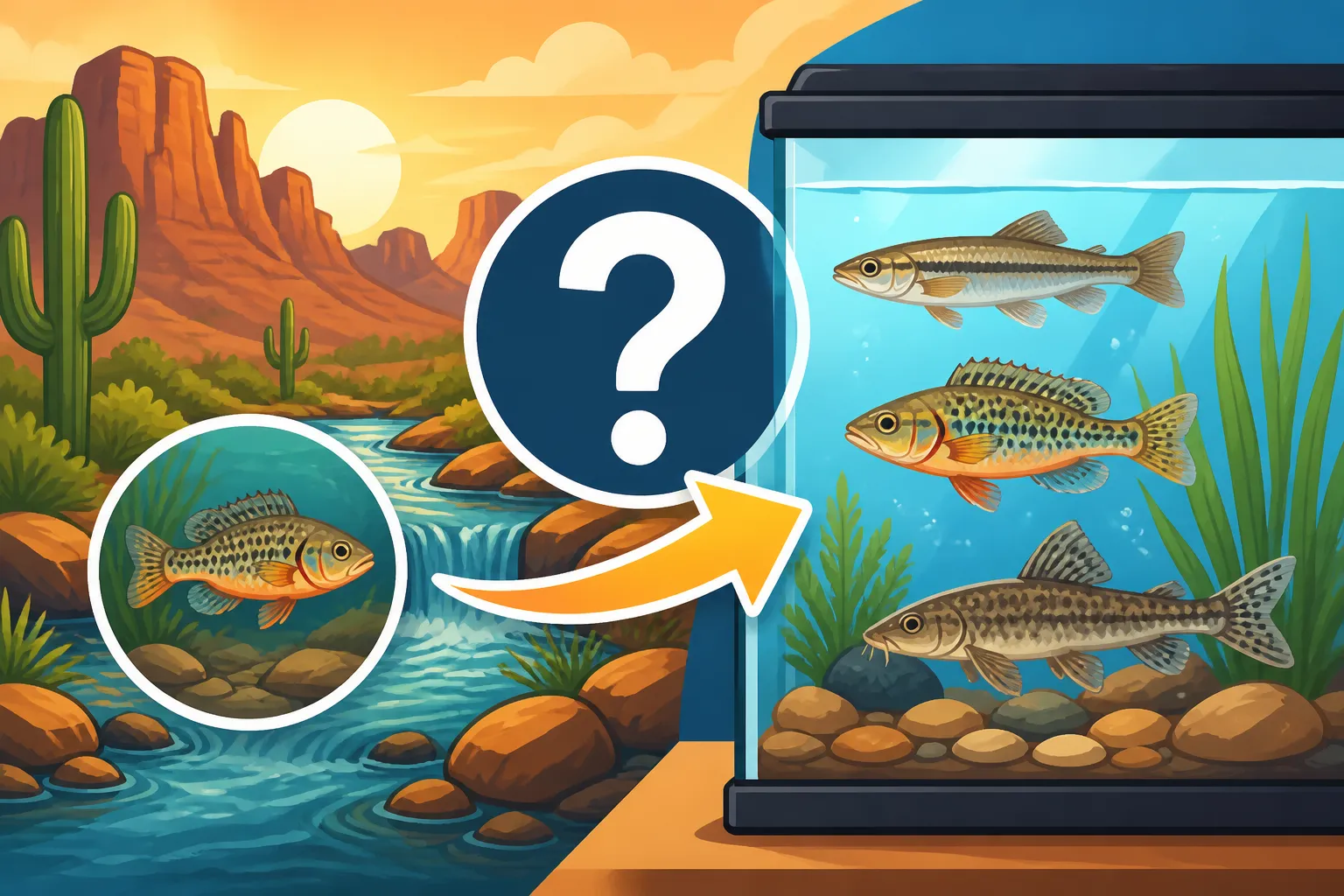
While the species listed above are the most prominent and highly protected, Arizona is also home to numerous other native fish like various dace, minnows, and suckers that are generally not legal to keep for sport or consumption. These smaller species often serve as forage for larger fish in their natural habitats. The key takeaway here is that if you're targeting sportfish like bass, trout, or catfish, and you hook something that doesn't fit that description, it's almost certainly a native species that needs to go back into the water unharmed.
Here’s a quick overview of some common native fish you might encounter in Arizona, and their general status:
| Native Fish Species | General Protection Status | Identification Key | Habitat Focus |
|---|---|---|---|
| Apache Trout | State/Federally Protected | Dark spots, golden body, small scales, usually in high-elevation streams | White Mountains streams |
| Gila Trout | Federally Protected | Smaller spots than Apache, golden-olive body, typically smaller streams | Isolated headwater streams |
| Razorback Sucker | Federally Endangered | Distinctive bony keel (razorback) behind head, large mouth underneath | Colorado River mainstem and large reservoirs |
| Colorado Pikeminnow | Federally Endangered | Large, torpedo-shaped minnow, long snout, large mouth | Large rivers of the Colorado River Basin |
| Bonytail Chub | Federally Endangered | Extremely slender body, long, narrow caudal peduncle (tail base) | Colorado River mainstem and backwaters |
| Humpback Chub | Federally Endangered | Pronounced fleshy hump behind head, slender body, small head | Grand Canyon, swift Colorado River currents |
| Sonora Sucker | Generally Protected | Often mottled green/brown, large fleshy lips, inferior mouth, can be large | Rivers and larger perennial streams |
| Desert Sucker | Generally Protected | Similar to Sonora, smaller, often found in smaller streams and tributaries | Desert streams and rivers |
| Roundtail Chub | Generally Protected | Cylindrical body, large scales, trout-like appearance, large mouth | Mid-elevation rivers and streams |
| Speckled Dace | Generally Protected | Small, mottled, often dark spots, common in small streams | Small streams and creeks, often widespread |
Disclaimer: This table provides general guidance. Always consult the most current Arizona Game and Fish Department regulations for definitive and up-to-date information.
Navigating Regulations and Practicing Responsible Angling
The goal for any angler in Arizona should be to have a great time while leaving the aquatic environment, and its native inhabitants, better than you found it. This means being informed and prepared.
Accidental Catch and Immediate Release Protocol
It happens to the best of us: you're targeting a feisty largemouth bass, and suddenly you've got something on the line that looks… different. If you accidentally catch a native fish, the rules are clear and non-negotiable:
- Identify if Possible: Try to quickly identify the fish. If it matches the description of any protected native species, proceed to release.
- Minimize Stress and Handling: Keep the fish in the water as much as possible. Avoid dragging it onto hot, dry surfaces. Wet your hands before touching the fish to protect its slime coat.
- Quick Release: Use needle-nose pliers or a de-hooking tool (many anglers find models from brands like Amazon invaluable for quick, clean hook removal) to remove the hook as quickly and gently as possible. If the hook is deeply embedded and cannot be removed without causing further harm, cut the line as close to the hook as possible.
- Resuscitate if Necessary: If the fish seems stunned or unresponsive, hold it gently upright in the water, facing into the current (if any), until it regains strength and swims away on its own.
- Do NOT Keep: Under no circumstances should you ever keep a protected native fish. The penalties for doing so are severe.
These Catch and Release Rules for Arizona Anglers are paramount when fishing anywhere, but especially when there's a chance of encountering sensitive species.
Understanding Special Regulation Waters
Certain waters in Arizona are specifically managed for native fish conservation, meaning they have even stricter rules. These might include:
- Gear Restrictions: Only artificial lures, flies, or barbless hooks may be permitted to minimize harm to accidentally caught native species.
- Designated Catch-and-Release Areas: Some streams or sections of rivers might be entirely catch-and-release, often to protect native trout populations.
- Access Restrictions: Some delicate native fish habitats might have limited access or require special permits to enter.
For example, high-elevation streams in the White Mountains that are home to Apache Trout often fall under these special regulations. Always check the specific regulations for the water body you plan to fish before you go. The official AZGFD website and the annual Arizona Fishing Regulations Booklet Where to Find It are your best friends.
Resources and Practices for the Responsible Angler
Being a responsible angler means more than just following the rules; it means being an active participant in conservation.
Arizona Game and Fish Department Resources
The Arizona Game and Fish Department (AZGFD) is the primary resource for all things fishing and wildlife in the state. Their website is a treasure trove of information, including:
- Current Regulations: Always check the latest yearly regulations booklet.
- Fish Species Information: Detailed guides on identifying various fish species, including natives. You can find comprehensive information under resources like the Native Fish Species of Arizona guide.
- Fishing Reports and Stocking Schedules: While these mostly focus on sportfish, they can give you an idea of what's active in certain areas.
- Conservation Initiatives: Information on ongoing projects to protect native species and how you can support them.
- Reporting Violations: If you witness someone illegally harming or keeping native fish, it's crucial to report it to Operation Game Thief. Understanding potential Fishing Violation Fines and Penalties in Arizona can underscore the seriousness of these actions.
Educating yourself is the first and most powerful step.
Best Practices for Minimizing Impact
Beyond regulations, adopting best practices for minimal impact helps protect all fish, native or not.
- Proper Gear: Using the right gear, like appropriately sized rods and reels, helps land fish quickly, reducing stress. While you're shopping for tackle, remember that quality items can be found on Amazon, from Best Fishing Rods for Bass in Arizona to an Essential Tackle Box Setup for Arizona Beginners.
- De-hooking Tools: Keep a good pair of long-nose pliers or a dedicated de-hooking tool readily accessible. These allow for swift hook removal without excessive handling.
- Barbless Hooks: Consider using barbless hooks, especially in sensitive areas or when targeting species you intend to release. They are much easier to remove. You can either buy them pre-made or crimp down the barbs on your existing hooks with pliers.
- Leave No Trace: Pack out everything you pack in. Dispose of fishing line, bait containers, and other trash properly. Litter can harm wildlife and degrade habitats.
- Spread the Word: Share your knowledge with other anglers, especially those new to the sport. Encouraging responsible practices helps foster a culture of conservation among the fishing community.
By understanding Arizona's native fish, respecting their protected status, and practicing responsible angling, you can ensure that these unique aquatic treasures continue to thrive for generations to come. Enjoy your time on Arizona's beautiful waters!
Disclaimer
The information provided in this guide is for general informational purposes only and does not constitute legal advice. Fishing regulations in Arizona can change, and it is the sole responsibility of each angler to consult and comply with the most current Arizona Game and Fish Department (AZGFD) regulations and local ordinances before engaging in any fishing activity. Always verify specific rules, including those pertaining to native species, bag limits, and gear restrictions, directly with official AZGFD sources.