Do You Need Special Hooks for Catch and Release?
It's a question every responsible angler eventually asks, especially when fishing our beautiful, yet fragile, Arizona waters: "Do I really need special hooks for catch and release?" We all want to enjoy the thrill of the catch, but just as importantly, we want to ensure those fish swim away healthy and strong to fight another day. This guide is here to untangle the myths and give you the straightforward answers on hook selection and best practices for successful catch and release, helping you protect our precious aquatic resources.
Understanding Catch and Release Ethics in Arizona
Fishing in Arizona is a unique experience. We're often casting lines in desert oases, high-mountain streams, or vast reservoirs that face unique environmental pressures. The decision to catch and release isn't just a personal preference; it's often a vital conservation practice, and sometimes, it's even mandated by specific regulations. Understanding the ethical foundation of catch and release helps us appreciate why our gear and techniques truly matter.
The Importance of Minimizing Fish Harm
When we catch a fish, even with the best intentions for release, we're putting it through a stressful experience. From the initial strike to being landed, handled, and then returned to the water, there are numerous opportunities for the fish to be injured. Think about it: a hook piercing its mouth, the struggle on the line, being out of water, the potential for rough handling, and the stress of being exposed to air and human touch. All these factors contribute to the fish's physiological stress, and severe injuries can unfortunately lead to post-release mortality.
Our goal as ethical anglers, particularly in Arizona where many fisheries are sustained by stocking or face limited natural reproduction, should always be to minimize this harm. We want the fish to recover quickly and completely, ensuring it can resume its normal activities—feeding, reproducing, and evading predators. This isn't just about feeling good; it's about contributing to the long-term health and sustainability of the fishing spots we love. Sometimes, the regulations themselves reflect this concern, with specific Catch and Release Rules for Arizona Anglers for certain species or waters.
Arizona's Unique Fishing Pressures
Arizona's fisheries operate under diverse conditions, from the cold, clear trout streams of the White Mountains to the warm, often heavily-pressured bass lakes of the desert. These varied environments mean fish can be under different levels of stress even before they bite your lure. For instance, fish in warmer desert lakes like Lake Pleasant or Roosevelt Lake, especially during the scorching summer months, are already dealing with elevated water temperatures and lower oxygen levels. Adding the stress of being caught and improperly handled can push them past their limit.
Conversely, in some of our more delicate trout streams, where native species might be present or populations are slow to recover, minimizing any potential injury is paramount. Regulations often reflect these sensitivities, sometimes requiring specific tackle or mandating catch and release entirely. By adopting best practices, including mindful hook selection, we help reduce the cumulative impact of angling on these valuable resources, ensuring future generations can experience the same joy we do. It’s not always easy, especially when the fishing is hot, but it’s a critical part of being a good steward of our shared outdoors.
The Role of Hook Selection in Catch and Release
Now, let's get to the heart of the matter: do you need special hooks? The short answer is, "Yes, absolutely, if you want to maximize the survival rate of released fish." While any hook can catch a fish, not all hooks are created equal when it comes to minimizing damage for release. The choice of hook can make a monumental difference in where the fish is hooked, how easily the hook is removed, and ultimately, its chances of survival.
Barbless Hooks: The Gold Standard
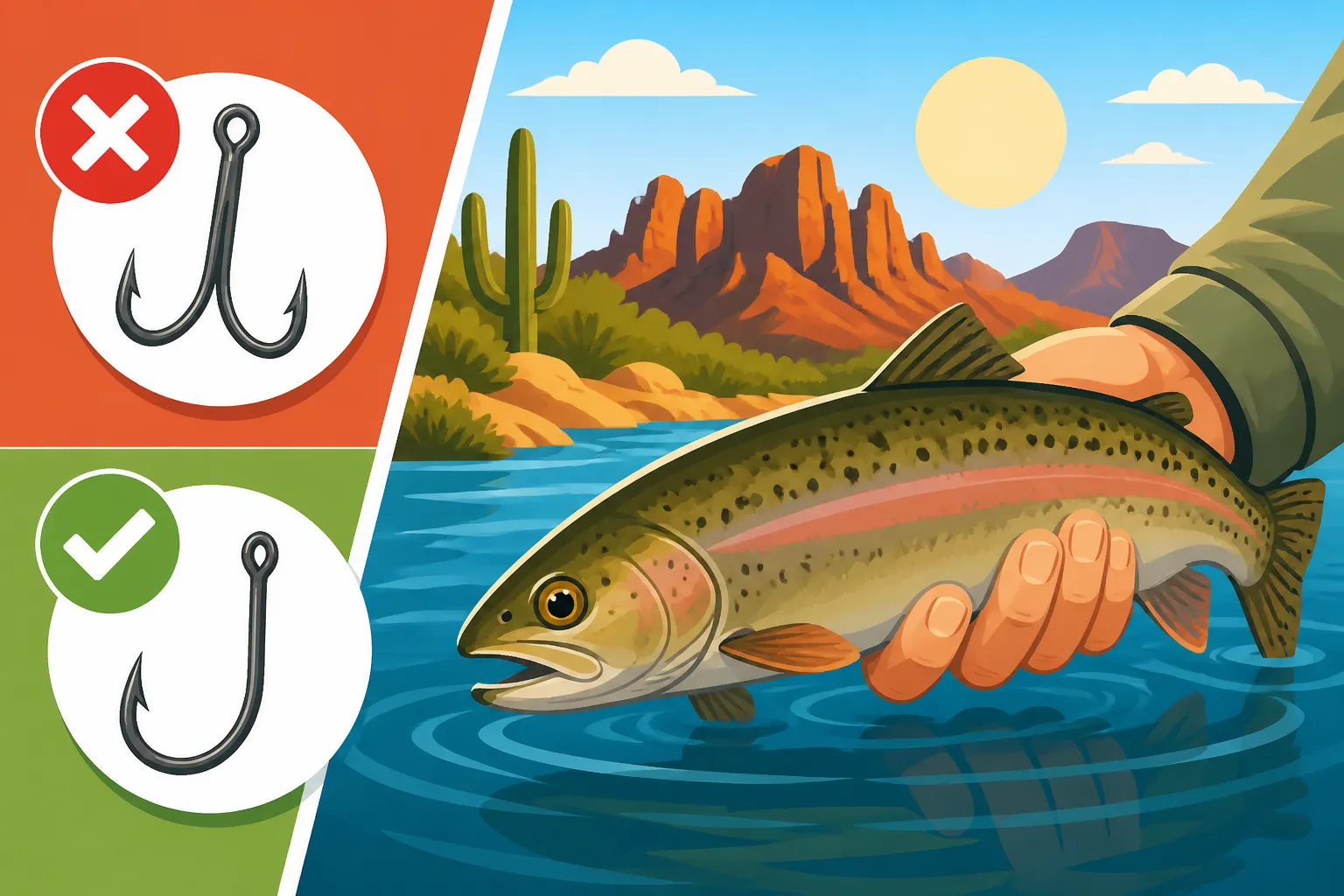
When it comes to catch and release, barbless hooks are often considered the gold standard. What's a barbless hook? It's exactly what it sounds like: a hook without the small, pointed barb near the tip that's designed to keep the fish from coming off. Without that barb, the hook penetrates less aggressively and, crucially, comes out much more easily.
The primary benefit is less tissue damage. When a barbed hook is removed, the barb often tears a larger hole or rips flesh, especially if the fish thrashes. A barbless hook slides out cleanly, causing minimal trauma to the fish's mouth or throat. This means quicker unhooking times, less stress for the fish, and a higher chance of survival. Many experienced fly anglers have used barbless hooks for decades, often pinching down the barbs on their existing hooks. You can also buy hooks pre-barbless from retailers like Bass Pro Shops or Amazon, making the transition super simple. While some might worry about losing fish with barbless hooks, with proper line tension and technique, you'll find your hook-up ratio remains excellent. It's about a consistent fight, not just the initial snag.
Circle Hooks: A Game Changer for Gut-Hook Prevention
If you primarily fish with bait, circle hooks are truly revolutionary for catch and release. Unlike traditional "J" hooks, which often result in fish swallowing the hook and getting gut-hooked (a death sentence for most released fish), circle hooks are designed to hook fish in the corner of the mouth, almost every time.
How do they work? The key is their unique shape. When a fish swallows a baited circle hook, the hook point is turned inward, facing the shank. As the line tightens and the fish begins to swim away, the hook slides out of the gullet and naturally rotates to catch on the corner of the fish's jaw. The trick is not to set the hook aggressively like you would with a J-hook. Instead, just let the fish take the bait, and when you feel steady pressure, slowly reel in and let the hook do its job. This passive hooking mechanism dramatically reduces deep hooking, making it far easier to release fish unharmed. For species like catfish or even some bass where bait fishing is common, switching to circle hooks is one of the most impactful changes you can make for conservation. Some Arizona Fishing Regulations Explained even mandate circle hooks in specific areas or for certain species to protect vulnerable populations.
Treble Hooks and Their Challenges
Treble hooks, with their three points, are incredibly effective at snagging fish, which is why they're standard on so many popular lures like crankbaits, topwaters, and jerkbaits. However, for catch and release, they present significant challenges. The multiple points increase the likelihood of foul hooking (hooking the fish anywhere other than the mouth) or hooking in multiple places at once. Imagine a fish thrashing around with three hook points embedded in its jaw, gill plate, or even its eye. The damage can be extensive, making removal difficult and increasing the chance of fatal injury.
For dedicated catch and release anglers, replacing treble hooks with single hooks, or at the very least, pinching down the barbs on trebles, is a common practice. Many manufacturers now offer lures with single hooks or easy-to-replace treble options. While it takes a little extra effort, swapping out trebles on your favorite Best Lures for Largemouth Bass in Arizona Lakes for single, barbless hooks significantly improves a fish's chances of survival. It might feel counterintuitive at first, but the benefit to the fish outweighs any perceived slight drop in hook-up ratio. It’s a trade-off many conservation-minded anglers are willing to make.
| Hook Type | Description | Pros for Catch & Release | Cons for Catch & Release | Ideal For |
|---|---|---|---|---|
| Barbless Hook | Single point, no barb | Minimal tissue damage, easy removal, quick release | Can increase fish loss if line tension isn't maintained | Fly fishing, Lure fishing, situations where minimal harm is paramount |
| Circle Hook | Distinctive circular bend, point turns inward | Virtually eliminates gut hooking, hooks in mouth corner | Requires different hook-setting technique (no forceful set) | Bait fishing for all species, especially catfish, bass, trout (when using bait) |
| Standard J-Hook | Classic "J" shape, with barb | Strong hook sets, good holding power | High risk of deep hooking, more tissue damage upon removal | Best avoided for intentional catch and release, especially with bait |
| Treble Hook | Three barbed points emerging from a single shank | High hooking percentage, good for active lures | Maximum tissue damage, multiple hook points, difficult removal | Use with caution; consider replacing with single hooks or crushing barbs for C&R |
Beyond the Hook: Best Practices for Successful Release
Choosing the right hook is a fantastic first step, but it's only one piece of the puzzle for successful catch and release. Even with the best hooks, improper handling can still undo all your good intentions. True conservation-minded angling means adopting a holistic approach, from how you fight the fish to how you send it back into the water.
Proper Fish Handling Techniques
This is where many well-meaning anglers inadvertently cause harm. Once you've landed a fish, the clock starts ticking. Minimize its time out of the water. If possible, keep the fish in the water while you remove the hook. For larger fish that must come out, handle them gently with wet hands or a wet glove. Dry hands can remove the fish's protective slime layer, making it vulnerable to disease. Avoid squeezing the fish, especially around the belly and gills, as this can damage internal organs.
For bass and similar species, you can often lip them (hold them by the lower jaw) for control. However, avoid holding larger fish horizontally by just the lip without supporting their tail, as this can dislocate their jaw or damage their spine. Support the fish's body with your other hand. For trout or other delicate species, cradle them gently with both wet hands. Always avoid touching the gills or eyes. If you plan to take a photo, do it quickly, holding the fish horizontally and supported, and get it back in the water within seconds. Remember, a quick release is a good release. Investing in some Boating Safety Gear Requirements in Arizona often includes basics like a landing net, which is also a great tool for safer fish handling.
Essential Tools for Quick Release
Having the right tools ready can make the difference between a quick, clean release and a struggle that harms the fish. First and foremost, a good pair of long-nosed pliers or, even better, a dedicated hook remover is indispensable. These tools allow you to reach hooks that are a bit deeper without having to put your fingers near sharp teeth or gills, and they provide leverage for a smooth extraction. Keep them easily accessible in your tackle box or boat.
Another invaluable tool is a net made of rubberized or knotless material. Traditional knotted nets can strip a fish's protective slime coat and damage fins or scales, especially on delicate species like trout. Rubberized nets are much gentler on the fish and also prevent hooks from getting tangled, saving you precious time. You can find these tools at any reputable outdoor outfitter or through online retailers like Amazon, often bundled with other Essential Tackle Box Setup for Arizona Beginners items. Having these on hand means you’re prepared to safely and efficiently get that fish back in the water.
Knowing When to Keep or Release
While catch and release is a noble practice, there are times when, despite your best efforts, a fish is simply too injured to survive. If a fish is deeply gut-hooked, bleeding profusely from the gills, or appears severely distressed and unable to swim away on its own after a reasonable recovery period, it might be more humane to keep it if regulations allow. Always know the Arizona Fishing Season Dates and Limits and possession limits for the species you're targeting.
Releasing a mortally wounded fish only means it will likely die slowly and be wasted. By keeping it (within legal limits), at least it can be utilized. This decision can be tough, but it's part of being a responsible angler. It highlights why proper hook selection and handling are so crucial in the first place—to avoid these difficult situations. Our aim is always a healthy release, but acknowledging when that's not possible is also part of the responsibility.
Disclaimer
This article is for general informational purposes only and does not constitute professional advice. Laws, prices and regulations vary by location and change over time. Consult a qualified professional for guidance on your specific situation.