Life Jacket Requirements for Children in Arizona
It's a common question that pops up every time families head out to Arizona's beautiful lakes and rivers: "Do kids really need to wear a life jacket the whole time?" The water can be so inviting, and sometimes, parents are a little unsure about the exact rules and regulations for their children's safety. This guide is here to clear up all that confusion and give you peace of mind, ensuring your little anglers and adventurers stay safe while enjoying Arizona's incredible waterways.
The Non-Negotiable Rules: When Kids Must Wear a Life Jacket in Arizona
Navigating the rules around personal flotation devices (PFDs), or life jackets, can feel a bit like deciphering a complex fishing regulation manual. But when it comes to children, Arizona’s laws are crystal clear because safety is paramount. You really don't want to get caught off guard, not only because of potential fines but, more importantly, because of the genuine risk to your child's well-being. It’s always better to be safe than sorry, and understanding these requirements is the first step.
Age-Specific Requirements for Wear
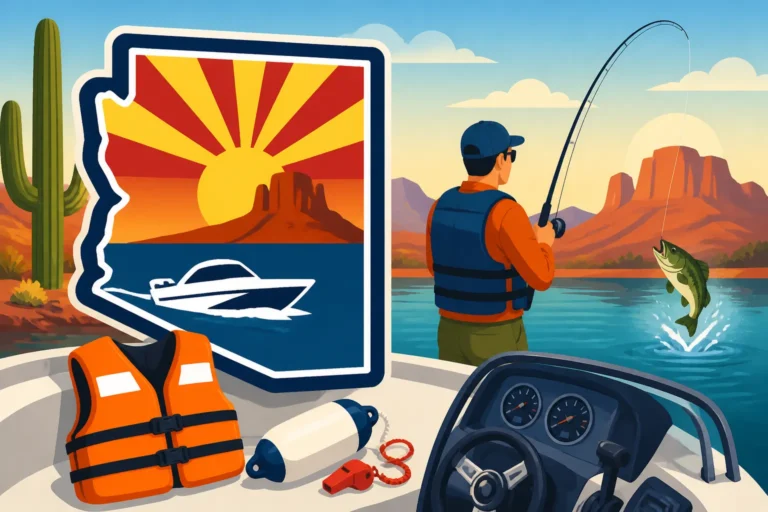
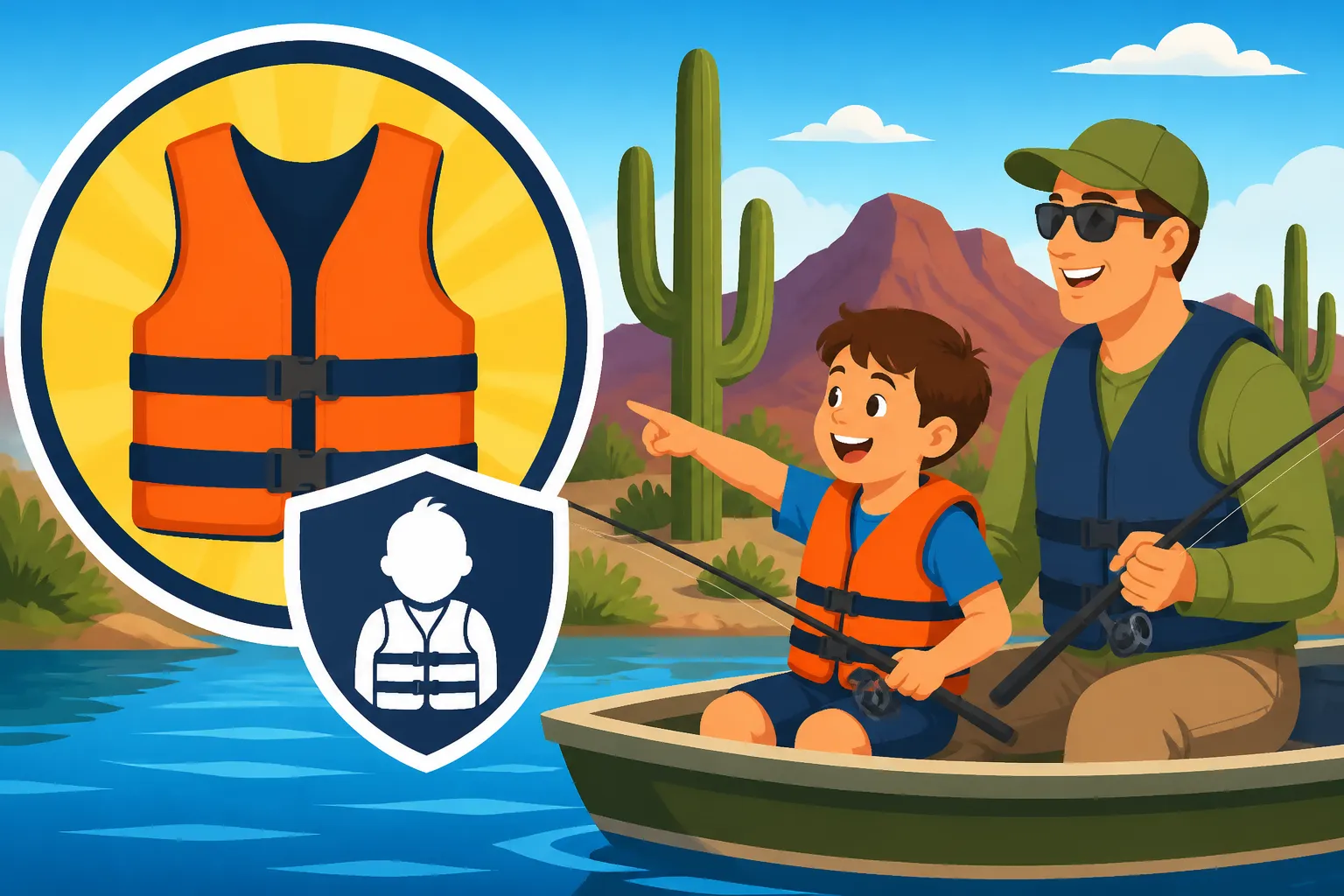
Here in Arizona, the law states that any child 12 years of age or younger must wear a U.S. Coast Guard-approved life jacket whenever they are on board any vessel. This isn't just a suggestion; it's a hard and fast rule. This age cutoff isn't arbitrary; it's based on studies and statistics about child drowning incidents and the developmental stage where children are typically less capable of reacting effectively in an unexpected water emergency.
Imagine you're out on Roosevelt Lake, enjoying a perfect day of Best Bass Fishing Lakes in Arizona with your 10-year-old. The sun is shining, the fish are biting, and your child is excitedly reeling in a catch. Even if the water is calm and you're just cruising along, that life jacket needs to be on and properly fastened. This rule applies whether you're in a motorized boat, a canoe, a kayak, or even a paddleboat. There's no exception for calm waters, proximity to shore, or even if the child is a strong swimmer. The law understands that accidents can happen in a flash – a sudden wake, an unexpected jolt, or even just a slippery deck. A life jacket buys those precious moments that can make all the difference, allowing an adult to react and assist. It’s a silent guardian, always there, always ready.
Vessel Type and Activity Mandates
The requirement for children aged 12 and under to wear a life jacket extends across nearly all vessel types when underway. This means if you're out on Lake Pleasant in your pontoon boat, cruising on Lake Havasu, or even just paddling a kayak on the Salt River, any child fitting that age description must be wearing their PFD. It's not enough to have it stowed away; it needs to be worn.
Let's consider different scenarios. If you're on a motorboat, whether it's a bass boat chasing Largemouth Bass Fishing Guide for Arizona or a family runabout, the rule applies. For those who enjoy the tranquility of non-motorized vessels like canoes or kayaks, the rule is still in effect. This is particularly important for smaller crafts where stability can be more of a concern, and children might be closer to the water. Think about a family outing on a stand-up paddleboard on Tempe Town Lake – if your child is under 13 and on that board with you, they need to be wearing their PFD. This isn't about hindering fun; it's about providing an essential layer of protection. These rules are part of Arizona's broader Boating Safety Gear Requirements in Arizona, which are designed to keep everyone safe on the water. It’s an essential piece of equipment, just like a seatbelt in a car, and its purpose is to save lives.
Understanding PFD Types and How to Choose the Right One for Your Child
Choosing a life jacket for your child isn't just about grabbing the first brightly colored one you see. Just like you wouldn't use a bass rod for fly fishing, you need the right tool for the job – and in this case, the right life jacket for your child. The market offers a huge variety, and knowing the differences can make a significant impact on comfort, effectiveness, and ultimately, safety.
Types of Personal Flotation Devices (PFDs) and Their Ratings
The U.S. Coast Guard approves five main types of PFDs, each designed for different situations and buoyancy needs. For children, you'll primarily be looking at Type I, II, III, and sometimes Type V.
- Type I (Offshore Life Jackets): These are the most buoyant and are designed for rough, remote waters where rescue might be delayed. They're bulky but offer excellent flotation and are designed to turn an unconscious person face-up. While extremely safe, they're often too cumbersome for active children.
- Type II (Near-Shore Vests): These are good for calmer, inland waters where a quick rescue is likely. They offer less buoyancy than Type I but are designed to turn some unconscious wearers face-up. They are a bit less bulky and a common choice for general boating.
- Type III (Flotation Aids): These are perhaps the most popular for recreational use, especially for fishing and water sports. They are comfortable and allow for a full range of motion, which is great for active kids. However, they are not designed to turn an unconscious person face-up, so active supervision is crucial. This is usually what you'll find at a place like Bass Pro Shops for everyday boating.
- Type V (Special Use Devices): These are specific PFDs approved for particular activities, often requiring them to be worn to count as a legal PFD. Examples might include kayaking vests with specific features or inflatable PFDs (though inflatables are generally not recommended for children under a certain weight or age).
When choosing, remember that for children, Type II and Type III are usually the most practical and comfortable, balancing safety with the ability to move and play. Make sure it's clearly marked as a U.S. Coast Guard-approved PFD. Many online retailers like Amazon will clearly list the PFD type and approval status in the product description, making it easier to shop from home if you know what you're looking for.
Here’s a quick overview:
| PFD Type | Description | Best Use for Children (General) | Key Feature |
|---|---|---|---|
| Type I | Offshore Life Jackets (Highest Buoyancy) | Very limited; too bulky for most kids | Turns unconscious wearer face-up; offshore use |
| Type II | Near-Shore Vests (Good Buoyancy) | General boating; calm, inland waters | Turns some unconscious wearers face-up; less bulky |
| Type III | Flotation Aids (Good Buoyancy & Comfort) | Recreational boating, fishing, water sports | Most comfortable; not designed to turn face-up |
| Type V | Special Use Devices (Specific Activities) | Activities like kayaking, wakeboarding | Must be worn to be considered approved |
Sizing and Fit: More Than Just the Label
A life jacket is only effective if it fits properly. This cannot be stressed enough. A life jacket that's too big can ride up around a child's ears, offering little to no protection, and one that's too small will be uncomfortably tight or won't buckle at all. The primary factor for PFD sizing for children is weight, not age. Most child PFDs will have a weight range clearly printed on the label (e.g., "Infant: under 30 lbs," "Child: 30-50 lbs," "Youth: 50-90 lbs"). Always go by this weight range.
Once you have a life jacket in the correct weight category, it's time to check the fit.
- Buckle it up: Fasten all zippers, buckles, and straps securely.
- Lift and check: Hold the child up by the shoulders of the life jacket. If the life jacket slides up past their chin or ears, it's too big. It should fit snugly, almost like a hug, but still allow them to breathe and move comfortably.
- Encourage movement: Have your child try moving around, sitting, and even mimicking casting a fishing rod. Ensure it doesn't chafe or restrict their movement excessively. A comfortable child is more likely to keep their life jacket on.
Think about it this way: if you’re planning a family trip to Lake Pleasant Arizona Fishing Guide, you’ll be spending a lot of time on the water. A poorly fitting life jacket can make a child miserable, leading them to constantly try and take it off, which defeats the purpose. Many parents find success by letting their child help pick out the color or design, giving them a sense of ownership over their safety gear. You can often find a great selection of child PFDs at local sporting goods stores or online. Checking out options from a wide array like those available on Amazon or at Bass Pro Shops can help you compare different brands and features to get the ideal fit and style for your child.
Beyond the Law: Best Practices for Child Water Safety on Arizona Lakes
While adhering to the letter of the law is crucial for avoiding fines and ensuring basic safety, true water safety, especially with children, goes far beyond mere compliance. It's about cultivating a culture of caution, respect for the water, and constant vigilance. Arizona's lakes and rivers can be incredibly fun, but they demand our utmost attention and responsible behavior.
Leading by Example and Constant Supervision
As parents and guardians, we are the primary role models for our children. If you expect your child to wear a life jacket, it sets an invaluable example if you, as an adult, wear one too, especially when the boat is underway or when participating in potentially risky activities like kayaking or paddleboarding. Seeing adults take safety seriously reinforces its importance for kids. This is true whether you're fishing for Best Catfish Fishing Spots in Arizona at night or enjoying a sunny afternoon.
Beyond setting an example, constant and active supervision is non-negotiable. This means more than just being physically present; it means being fully engaged and watching your child without distraction. Put away the phone, save the book for later, and don't get so absorbed in your fishing that you lose track of your little one. Drowning can happen silently and quickly, often without any of the dramatic splashing you might imagine from movies. It's especially critical in busy areas or around boat ramps where there are more variables at play. For instance, when you're at a popular spot like Lake Havasu, the wakes from other boats can be sudden and powerful. Even when bank fishing at a community lake, a quick slip can land a child in water deeper than expected. Make sure you understand the Minimum Age to Fish Without a License in Arizona and other regulations, but remember that safety goes beyond licenses. Always have a designated "water watcher" if multiple adults are present, and rotate the responsibility so everyone stays fresh and alert.
Maintenance and Care for Children's Life Jackets
A life jacket is an investment in your child's safety, and like any critical piece of gear, it needs proper care and maintenance to remain effective. Neglecting it can lead to degradation of its buoyancy materials, weakened straps, or damaged buckles, rendering it much less effective in an emergency.
Here are some tips for keeping your child's life jacket in top condition:
- Rinse After Use: After every outing, especially in chlorinated or saltwater (though most Arizona lakes are freshwater, if you venture out of state, this is key), rinse the life jacket thoroughly with fresh water. This removes dirt, sand, and chemicals that can break down the fabric and stitching over time.
- Air Dry Completely: Hang the life jacket in a well-ventilated area, out of direct sunlight, to air dry. Never put it in a dryer or store it while damp, as this can lead to mildew growth, which not only smells bad but can also degrade the materials.
- Inspect Regularly: Before each use, give the life jacket a quick once-over. Check for tears, punctures, faded colors (a sign of UV damage), broken buckles, or frayed straps. Test the zippers to ensure they still function smoothly. If you notice significant wear and tear, it’s time for a replacement. A compromised life jacket is a dangerous life jacket.
- Proper Storage: Store life jackets in a dry, cool place away from extreme temperatures and direct sunlight. Avoid storing them under heavy objects that could compress the flotation material, as this can permanently reduce buoyancy. When storing your boat for the season, ensure life jackets are removed and stored separately in a protected environment. You might even consider purchasing a dedicated storage bag to keep them clean and protected, which you can easily find at retailers like Bass Pro Shops or on Amazon.
Remember, a well-maintained life jacket is a reliable life jacket. Taking these small steps ensures that when you need it most, it will perform as intended, helping to keep your child safe on all your Arizona Best Family Fishing Spots in Arizona.
Disclaimer
This article is for general informational purposes only and does not constitute professional advice. Laws, prices and regulations vary by location and change over time. Consult a qualified professional for guidance on your specific situation.