Spawning Behavior of Crappie in Spring
It's that time of year again when the Arizona sun starts to really warm up, and every crappie angler feels that familiar itch. You know the drill: you hear whispers of the crappie bite turning on, you head out to your favorite lake, and sometimes, they're just not there where you expect them to be, or you catch a few and then it goes completely dead. It's incredibly frustrating when you're targeting a fish that's known for schooling, yet they seem to vanish without a trace. This guide is all about unraveling the mystery of crappie spawning behavior in Arizona's spring, helping you understand their patterns, predict their movements, and ultimately, put more of these tasty panfish in your livewell.
Understanding the Crappie Spawn in Arizona's Desert Lakes
Spring in Arizona isn't just about wildflowers blooming; it's also prime time for crappie to get busy reproducing. Unlike some other fish species, crappie can be a bit finicky, and understanding their motivations during this crucial period is key to consistent success. They're not just randomly swimming around; they have a very specific agenda driven by water temperature and the biological urge to create the next generation of slab crappie.
Water Temperature: The Crappie's Calendar
Water temperature is the absolute master key to unlocking the crappie spawn. Think of it as their internal calendar, telling them exactly when to move, when to feed, and when to start building nests. In Arizona's often rapidly warming desert lakes, these temperature shifts can happen quickly, so keeping an eye on them is crucial.
Typically, crappie will start their pre-spawn movements when water temperatures consistently hit the low 50s Fahrenheit. This is when they begin moving out of their deeper winter haunts and staging in slightly shallower areas, often near creek channels or submerged brush. They're feeding aggressively to bulk up for the energy-intensive spawning process. As the water creeps into the mid-50s to low 60s, that's when the real magic happens. This is the optimal window for the actual spawn, where males move to the shallows, prepare nests, and females lay eggs. Once temperatures climb higher, into the mid-60s and beyond, the post-spawn phase begins, and the fish start to disperse. Understanding these transitions is paramount, especially in lakes like Roosevelt Lake or Lake Pleasant, where large temperature swings can push fish around.
Pre-Spawn Staging and Aggressive Feeding
Before the actual egg-laying begins, crappie will stage in transitional areas. They're not quite in the super shallow spawning grounds yet, but they're definitely not in their deep winter holding patterns either. You'll often find them in depths of 10-20 feet, especially near the mouths of coves, along submerged creek beds, or adjacent to significant structure like brush piles and rock humps. This is a critical time because they are often at their most aggressive. They know they need to pack on calories, so they're willing to chase down baits.
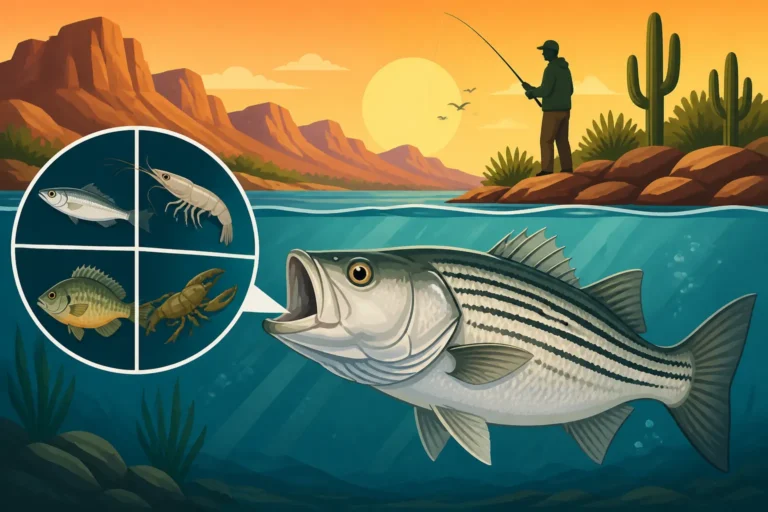
During this pre-spawn period, crappie are very actively feeding on shad, minnows, and small invertebrates. This means they're looking for a good meal, making them a fantastic target for anglers. You might find schools suspended over deeper water or tight to structure. This phase can offer some of the most exciting action, as they are often grouped up and feeding heavily before the focus shifts entirely to reproduction. This is a prime time to use horizontal presentations like small crankbaits or swimbaits that imitate their forage.
The Actual Spawning Act: Nest Building and Protection
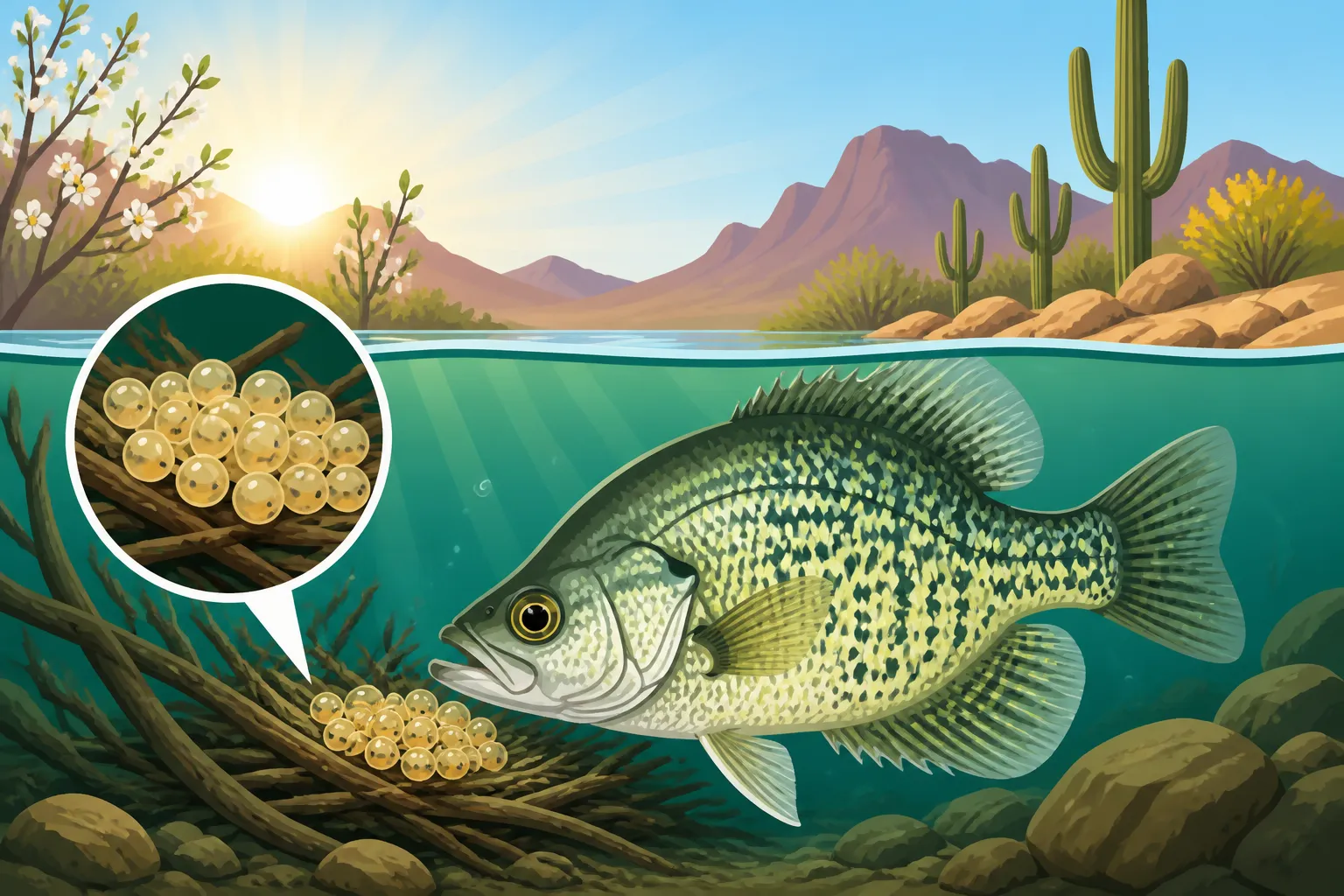
When those water temperatures settle into the ideal range (typically 58-68 degrees Fahrenheit for both black and white crappie), the males get serious. They move into very shallow water, often just 1-5 feet deep, and begin constructing nests. These nests are usually saucer-shaped depressions cleared on the bottom, often near some form of cover. This cover could be anything from submerged brush, roots of trees, docks, reeds, or even rock piles. They prefer hard bottom for nest building, but they're not afraid to use mud if that's all that's available, especially if there's good cover nearby.
Once the nests are ready, females move in to deposit their eggs. A single female can lay tens of thousands of eggs, and sometimes even hundreds of thousands over several spawning events. After the eggs are laid and fertilized, the male crappie takes over guard duty, aggressively protecting the nest from predators. This protective instinct is a huge advantage for anglers, as they're much less hesitant to strike at anything perceived as a threat. This is why you often hear about "limit out" days during the peak spawn – if you find a bedding area, you can often catch multiple fish from it. However, it's also why catch and release is important if you're not planning to keep a meal, to allow these fish to successfully reproduce.
Prime Locations for Finding Spawning Crappie
Knowing when crappie spawn is only half the battle; knowing where they go is the other crucial piece of the puzzle. Arizona's desert lakes offer diverse habitats, but crappie have a clear preference during the spring spawn. They're looking for safety, stability, and ideal conditions for their eggs.
Shallow Coves and Protected Bays
Crappie are smart. They don't want their precious eggs exposed to harsh winds, strong currents, or intense sunlight. That's why shallow coves and protected bays are absolute magnets for spawning crappie. These areas tend to warm up faster in the spring sun, reaching those ideal spawning temperatures before the main lake body. The calmer water also ensures their nests aren't washed away and gives the fry a better chance of survival after hatching.
Look for coves that have a gradual slope, allowing for different depth bands as the water temperature fluctuates. Areas with northern exposures might warm up slightly slower, while southern exposures get more direct sunlight. These bays often have plenty of natural cover too, which brings us to the next point. Think about places like the countless coves of Lake Pleasant or the quieter arms of Canyon Lake; these are prime crappie real estate in the spring.
Submerged Structure and Vegetation
Crappie, especially the males on guard duty, absolutely adore cover. It provides protection for their nests from predators like bass, sunfish, and even other crappie, and it also gives them ambush points. Any submerged structure in those shallow coves and bays is a potential crappie haven.
This can include:
- Brush Piles: Whether natural fallen trees or man-made brush piles, these are crappie magnets. The dense branches offer ideal protection.
- Stumps and Laydowns: Partially submerged trees and stumps provide excellent vertical and horizontal cover.
- Docks and Piers: The shaded areas under docks, especially those with brush or old tires sunk nearby, are frequently used.
- Rock Piles: If no vegetation or wood is present, rocky areas can serve as good spawning grounds, especially if they offer crevices.
- Emergent Vegetation: Areas with cattails, reeds, or submerged grasses provide excellent camouflage and attachment points for eggs.
When you're out on the water, pay close attention to shorelines that offer a mix of these elements. Sometimes, the best spots aren't obvious from a distance. Get up close, look for subtle changes in bottom composition or submerged objects. Consider looking into articles on How to Fish a Brush Pile for Crappie for more specific techniques.
Ideal Spawning Depths and Bottom Composition
While "shallow" is a general guideline, crappie have preferred depths within that shallow zone. Generally, they'll spawn in water from 1 to 5 feet deep, though in some murkier or deeper lakes, they might go a bit deeper, up to 8-10 feet if the cover is right. The key is that the male needs to be able to protect the nest effectively.
As for bottom composition, they prefer a firmer bottom for their nests, like gravel, sand, or hard clay. Soft, mucky bottoms are generally avoided, as eggs can be smothered, and it's harder for the male to clear a nest. However, if there's abundant cover, like a thick brush pile, they might tolerate a slightly softer bottom. Using your electronics, if you have them, can help identify these bottom changes. Even a basic fish finder you might pick up on Amazon can show you bottom hardness, which is a game-changer.
Best Techniques for Targeting Spawning Crappie
Once you've zeroed in on the right location and time, it's all about presenting your bait or lure in a way that triggers a strike from these protective, or sometimes wary, fish. Remember, while some crappie are aggressive, others can be more subtle during the spawn.
Jigging and Vertical Presentations
When crappie are tight to cover, especially on their nests, a vertical presentation is often the most effective. This allows you to drop your bait precisely into their strike zone without getting hung up constantly.
- Micro Jigs: Small jigs, often 1/32 to 1/16 ounce, are incredibly popular. Pair them with tiny plastic bodies like tubes, grubs, or small paddle tails. Colors can vary, but chartreuse, white, black/chartreuse, and natural shad patterns are always good starting points. Slowly lower the jig next to a brush pile or dock pilings, let it sit for a few seconds, then give it a very subtle twitch. Many strikes will feel like a slight "thump" or just added weight.
- Live Minnows: A live minnow rigged under a bobber or on a tiny jig head is often irresistible to crappie. The natural action of a struggling minnow is hard for a protective crappie to ignore. Use a small hook (size 4 or 6 light wire) hooked lightly through the minnow's lip or back.
- Trolling/Spider Rigging (Pre-Spawn): While less common during the actual shallow water spawn, spider rigging (multiple rods out from the boat, covering various depths) can be deadly during the pre-spawn when crappie are staging slightly deeper. This allows you to cover a lot of water and present jigs or minnows at different depths until you find the sweet spot. When crappie are staging, they might be scattered, and this technique helps you locate those schools.
Consider lighter line, like 4-6 lb test monofilament or fluorocarbon, for these presentations, as crappie can be line-shy, especially in clearer Arizona waters. You'll want a sensitive rod that can detect those subtle bites; there are many great options for crappie rods available on Amazon.
Slip Bobber Rigs for Precision
A slip bobber rig is invaluable for fishing shallow cover, especially when crappie are suspended or tight to structure. The beauty of a slip bobber is that you can set your depth precisely, allowing your bait to hang right in the crappie's face.
- Setting Up: Thread your line through the bobber stop, then a small bead, followed by the slip bobber itself. Tie on a small jig head or a bare hook if you're using live bait, adding a split shot a few inches above the hook if needed for casting weight or to get your bait down faster.
- Targeting: Cast your rig to the edge of a brush pile, a dock piling, or a reed bed. The bobber will float freely, and your bait will sink to the predetermined depth. This is fantastic for fishing around submerged cover where a fixed bobber would get tangled or not allow your bait to get deep enough. The visual cue of the bobber dipping is also helpful for detecting those light crappie bites. It's a fantastic technique for beginners and seasoned anglers alike.
You can use both jigs and live minnows with a slip bobber. Experiment with the depth until you find where the fish are holding, then replicate that depth for subsequent casts. For more detailed insights on crappie baits, check out Best Bait for Crappie in Arizona.
Factors Affecting the Crappie Spawn's Success
While water temperature is the primary driver, other environmental factors in Arizona's dynamic landscape can significantly impact the crappie spawn, sometimes making it boom or bust in certain years.
Cold Fronts and Weather Swings
Arizona spring weather can be notoriously unpredictable. One day it's glorious and warm, the next a cold front sweeps in, dropping air temperatures significantly. These cold fronts can send crappie into a tailspin. As the water temperature drops, especially rapidly, spawning activity will often slow or even halt completely. Males guarding nests may become lethargic and less aggressive, or even abandon their nests temporarily if the drop is severe enough.
During a cold front, crappie will often pull back from the very shallowest water and move to the nearest, slightly deeper cover. They might suspend a few feet off the bottom or tuck deeper into brush piles. The bite will typically become much more subtle, requiring slower presentations and keen attention to your line. Don't give up during a cold front, just adjust your approach – slow down, go slightly deeper, and be patient. The fish are still there; they're just not as enthusiastic.
Water Levels and Clarity
Arizona's lakes, being mostly reservoirs, are subject to fluctuating water levels, which can either help or hinder the crappie spawn. Stable or slowly rising water levels during the spring are generally beneficial. Rising water floods new terrestrial vegetation, creating fresh cover and food sources for the crappie and their fry. This can extend spawning areas and provide more habitat.
Conversely, rapidly dropping water levels can be detrimental. Nests can be left high and dry, or the sudden loss of water can make crappie more vulnerable to predators and less likely to spawn successfully. Sudden drops can also expose critical cover, forcing fish to relocate and potentially abandon spawning efforts. This is a common challenge on larger reservoirs.
Water clarity also plays a role. Crappie are primarily sight feeders, but during the spawn, especially in very clear water, they can be line-shy. Overcast days or slightly stained water can often produce better bites as the fish feel more secure. In muddy water, they rely more on lateral line senses, and brighter colored jigs or those with rattles might be more effective.
Post-Spawn Dispersal
Once the spawning is complete and the water temperatures continue to climb into the mid-to-high 60s and 70s, crappie begin to transition into their post-spawn patterns. The females, exhausted from laying eggs, will move out to deeper water to recover and feed aggressively. Males will also eventually leave the nests, often lingering in nearby cover before joining the females.
During this post-spawn phase, crappie can be a bit more scattered and harder to locate. They're often found suspended over open water, especially near baitfish schools, or relating to deeper structure like humps, points, and channel edges. This is when understanding Crappie Diet and Feeding Habits becomes even more critical, as their focus shifts entirely back to foraging. While the concentrated fishing of the spawn is over, post-spawn can still offer excellent opportunities for those willing to chase them into deeper water or employ techniques like open-water trolling.
When you're planning your spring crappie trips in Arizona, keep all these factors in mind. Monitoring local fishing reports, checking water temperatures, and observing weather patterns will give you a significant advantage. Whether you're at a popular spot like Lake Pleasant or exploring a smaller, less-known community lake, understanding the crappie's spring behavior is your best bet for a successful and enjoyable day on the water.
| Crappie Spawn Phase | Typical Water Temperature (Fahrenheit) | Crappie Behavior | Prime Locations | Key Techniques |
|---|---|---|---|---|
| Pre-Spawn | 50-57° | Moving shallower, staging near cover, aggressive feeding. | Mouths of coves, creek channels, submerged humps, deeper brush piles (10-20 ft). | Trolling jigs/minnows, casting small crankbaits/swim baits, vertical jigging. |
| Peak Spawn | 58-68° | Males building/guarding nests, females laying eggs, highly concentrated in shallow water. | Shallow coves/bays (1-5 ft), dense brush, laydowns, docks, reeds, firmer bottom areas. | Vertical jigging micro jigs/live minnows, slip bobber rigs, pitching jigs to cover. |
| Post-Spawn | 69°+ | Dispersing, females recovering, moving to deeper water, males lingering then moving deeper. | Transition areas, main lake points, deeper brush piles (8-25 ft), suspended over open water near baitfish schools. | Trolling, vertical jigging deep structure, targeting suspended schools with electronics, casting soft plastics. |
Remember, this is a general guideline, and crappie behavior can vary slightly between lakes and even within different arms of the same lake. Always consult the specific Arizona Fishing Regulations Explained for any size or bag limits that apply to crappie in your chosen body of water. Happy crappie fishing!
Disclaimer
This article is for general informational purposes only and does not constitute professional advice. Laws, prices and regulations vary by location and change over time. Consult a qualified professional for guidance on your specific situation.