Wiper Hybrid Bass Stocking in Arizona
It's completely understandable if you've heard the term "Wiper" while talking about Arizona fishing and scratched your head a bit. Many anglers, even seasoned ones, can get a little confused about this unique fish. They're not a naturally occurring species in our waters, but rather a specially bred hybrid that Arizona Game and Fish Department (AZGFD) introduces to enhance our fishing opportunities. This guide is here to clear up that confusion and give you all the details on why these hard-fighting fish are stocked, where you can find them, and how to get them on your line.
What Exactly is a Wiper Hybrid Bass?
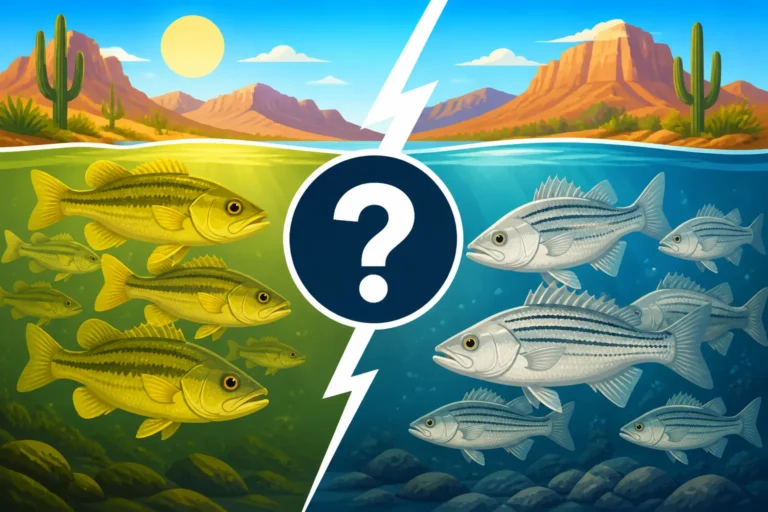
Let's start by demystifying the "Wiper" itself. When we talk about a wiper, we're referring to a hybrid cross between a striped bass and a white bass. Think of it as a carefully crafted blend of two formidable species, designed to combine some of their best traits into one super-fish. This isn't something that happens naturally in the wild; it's a specific, intentional breeding program undertaken by fisheries departments like Arizona's to create a fish that thrives in certain environments and offers a fantastic angling experience.
Distinguishing Wipers from Their Parent Species
One of the biggest questions I get is, "How do I tell a wiper from a regular striped bass or white bass?" It's a valid point, especially since they share many physical similarities with their parents. Wipers typically have broken, irregular stripes along their sides, unlike the distinct, unbroken stripes of a true striped bass, or the faint, often solid stripes of a white bass. Their body shape tends to be a bit more robust and deeper-bodied than a white bass, but not quite as streamlined as a full-grown striped bass. When you look closely at the rows of stripes, you'll often see that the lower stripes on a wiper are usually complete, while the upper stripes are broken or uneven. The dorsal fins can also offer a clue, with the two fins on a wiper being distinctly separated, similar to a white bass, but generally more pronounced than on a striped bass.
Another tell-tale sign is the tooth patch on their tongue. Both striped bass and wipers have two distinct tooth patches on their tongue, while white bass have only one. This requires a closer inspection, but it's a reliable way to differentiate them if you're unsure. While it might take a little practice, once you've seen a few, you'll start to notice those subtle differences that make a wiper unique. For a deeper dive into identifying these fish, you might find our guide on Striped Bass vs White Bass Identification particularly helpful.
Growth, Behavior, and Angler Appeal
Wipers are renowned for their aggressive nature and their ability to grow rapidly. They can reach impressive sizes, often exceeding what a white bass would achieve in Arizona waters, and put up a truly memorable fight on the end of a line. This makes them a prime target for sport anglers looking for a challenge. They tend to school, much like their striped bass parents, which means if you find one, you're likely to find more! They're also quite adaptable, tolerating a wide range of water temperatures and conditions, which is a huge benefit in Arizona's diverse and often extreme climate. Their diet is varied, preying on baitfish like shad, which makes them an excellent tool for managing forage populations in certain lakes. This combination of size, fight, and adaptability is precisely why fisheries managers view them as such a valuable addition to our state's angling opportunities.
Why Arizona Stocks Wiper Hybrid Bass
The decision to stock any fish species isn't made lightly; it's part of a careful ecological and recreational strategy by the Arizona Game and Fish Department. When it comes to wipers, their introduction into specific Arizona lakes serves several key purposes, balancing both the needs of the ecosystem and the desires of the angling community.
Enhancing Recreational Fishing Opportunities
Let's be honest, we all love catching a hard-fighting fish, and wipers deliver on that promise with gusto. Their aggressive strikes and powerful runs make them a favorite among anglers, from beginners looking for an exciting catch to seasoned veterans seeking a formidable opponent. By stocking wipers, the AZGFD provides diverse fishing experiences that go beyond our native species or more common introductions.
Imagine casting out on a calm morning, and suddenly your rod nearly gets ripped out of your hands by a schooling wiper. That kind of action is what keeps people coming back to the water. These fish grow quickly and thrive in a variety of conditions, meaning they can provide consistent fishing opportunities throughout much of the year, especially when other species might be less active. The presence of wipers adds another layer of excitement and variety to an Arizona fishing trip, making our lakes even more appealing destinations. If you're wondering which lakes offer the best overall experiences, check out our Best Fishing Lakes in Arizona guide.
Ecological Management and Forage Control
Beyond just providing a good fight, wipers play a crucial role in managing the ecosystem of certain lakes. One of their primary functions is to help control populations of prolific baitfish, particularly gizzard shad and threadfin shad. In many of Arizona's reservoirs, these shad species can reproduce rapidly, sometimes reaching numbers that outcompete other species for food or become overabundant, leading to ecological imbalances.
Wipers are voracious predators, and their aggressive feeding habits make them highly effective at reducing these baitfish populations. By keeping the shad numbers in check, wipers indirectly benefit other sport fish like largemouth bass, crappie, and even other striped bass, ensuring there's a healthier balance of food and less competition among species. This natural form of population control helps maintain the overall health and productivity of the lake's fishery, creating a more sustainable environment for all. It's a win-win: anglers get a fun fish to catch, and the lake gets a natural clean-up crew!
Adaptability to Arizona's Unique Water Conditions
Arizona's desert lakes are a unique environment. They often experience wide fluctuations in water levels and temperatures, especially during our scorching summers and cooler winters. Not all fish species can thrive under such dynamic conditions. Wipers, however, have proven to be remarkably adaptable.
Their hybrid vigor gives them a resilience that allows them to tolerate warmer water temperatures better than some pure striped bass populations, while still maintaining the aggressive growth rates and fighting spirit. This adaptability means they can be successfully introduced into lakes where other species might struggle, thereby maximizing the fishing potential of these waters. This robustness is a key factor in their continued stocking programs, ensuring a viable and exciting fishery even in our challenging desert climate.
Where to Find Wiper Hybrid Bass in Arizona
Knowing what a wiper is and why they're here is great, but the real question for most anglers is, "Where can I actually catch one?" While the Arizona Game and Fish Department (AZGFD) manages stocking programs, wipers aren't found in every single lake. They are strategically placed in specific reservoirs where they can thrive and provide the most benefit to both the ecosystem and the angling community.
Key Arizona Lakes for Wiper Fishing
When you're looking to target wipers, there are a few standout lakes that should be at the top of your list. These are typically larger reservoirs with ample forage and the right conditions for wipers to grow big and strong.
One of the most popular and consistent spots for wipers in Arizona is Lake Pleasant, just north of Phoenix. This lake is a known hotspot for a variety of species, and wipers contribute significantly to its allure. They thrive here due to the abundant shad populations and the expansive, deep waters. You'll often find them schooling in open water, chasing baitfish, or hanging around submerged structures. Another prime location is Roosevelt Lake, our largest lake, located east of Phoenix. Roosevelt's vastness and diverse underwater terrain, coupled with its healthy shad population, make it an excellent environment for wipers to flourish. They can be found throughout the lake, often in creek channels or around points where baitfish congregate.
Other lakes that have seen successful wiper stockings and offer good opportunities include Alamo Lake in western Arizona, known for its incredible bass fishing, which wipers complement perfectly. They utilize the same forage base and add another exciting dimension to the fishing experience there. Less commonly, wipers might be found in other larger impoundments, but Lake Pleasant and Roosevelt Lake remain your best bets for consistent action. For more detailed information on fishing these particular bodies of water, our specific guides like Lake Pleasant Arizona Fishing Guide and Roosevelt Lake Arizona Fishing Guide can offer invaluable insights.
Understanding Stocking Schedules and Locations
The AZGFD's stocking efforts are not random; they are carefully planned based on biological assessments of each lake. While they don't necessarily publish a specific "wiper stocking schedule" in the same way they do for trout in urban ponds, the department continuously monitors lake health, forage availability, and angler reports to determine where and when wipers are needed most.
Generally, stocking events might occur seasonally or when specific management goals need to be met, such as boosting predator populations to address an overabundance of shad. These larger, fingerling-sized wipers are released into the chosen lakes, where they then grow to catchable sizes over time. Your best bet for staying up-to-date on potential stocking information or general wiper presence in various lakes is to consult the official AZGFD website or their weekly fishing reports, which often highlight what's biting and where. Sometimes, local tackle shops will also have the most current information, as they interact directly with anglers on the ground.
Fishing for Wipers: Techniques and Tackle
Now that you know what wipers are and where to find them, let's get down to the fun part: catching them! Wipers are aggressive predators, but like any fish, they respond best to certain techniques and tackle. Being prepared with the right gear and knowledge can make all the difference in turning a good day on the water into a great one.
Best Baits and Lures for Wipers
Wipers are opportunistic feeders, largely targeting baitfish, so your lure selection should reflect that. Mimicking their natural prey is often the most effective strategy.
- Jigs and Soft Plastics: Grubs, swimbaits, and Fluke-style soft plastics rigged on a jig head are incredibly effective. White, chartreuse, and silver colors work well to imitate shad. Experiment with retrieve depths, especially in open water where wipers often suspend. You can find a fantastic selection of these versatile lures on Amazon, making it easy to stock up before your next trip.
- Spoons: Casting spoons, particularly chrome or silver ones, are excellent for imitating injured baitfish. A rapid retrieve with occasional pauses can trigger aggressive strikes, especially when wipers are actively chasing schools of shad.
- Crankbaits: Medium to deep-diving crankbaits in shad patterns or bright colors are fantastic when wipers are holding deeper or around submerged structures. Trolling these can also be very productive, covering a lot of water and increasing your chances of running into a school.
- Topwater Lures: During low-light conditions, especially dawn and dusk, or when wipers are actively boiling on the surface (chasing shad), topwater lures like poppers, walk-the-dogs, or pencil poppers can lead to explosive strikes. There's nothing quite like watching a wiper smash a topwater!
- Live Bait: If you prefer live bait, shad, minnows, or even small bluegill can be incredibly effective, especially when fished on a slip-sinker rig or under a bobber near schools of baitfish. However, always double-check Arizona's regulations on using live bait, as rules can vary by water body. Our Best Baits and Lures for Arizona Fishing guide offers more general advice.
Essential Tackle for Wiper Anglers
Having the right rod, reel, and line setup is crucial for effectively fighting these powerful fish.
- Rods: A medium-heavy to heavy action spinning or baitcasting rod, typically 6'6" to 7'6" in length, will give you the power and casting distance needed. The backbone is essential for handling their strong runs.
- Reels: For spinning setups, a 3000-4000 series reel is a good all-around choice. For baitcasting, a reel with a good drag system and a moderate retrieve ratio (6.1:1 to 7.1:1) will serve you well. Ensure your reel has enough line capacity for those long runs.
- Line: Spool up with 10-20 lb monofilament or fluorocarbon, or if you prefer the sensitivity and strength, 20-30 lb braided line with a fluorocarbon leader (15-20 lb) is an excellent choice. The leader provides invisibility and abrasion resistance. Strong, sharp hooks are also a must, as wipers have tough mouths. You can easily find high-quality fishing line and leaders on Amazon before heading out.
Effective Techniques for Catching Wipers
Wipers are often on the move, so covering water and adapting to their behavior is key.
- Casting and Retrieving: This is the most common method. Cast your chosen lure out and use a steady retrieve. Vary your retrieve speed and add twitches or pauses to mimic erratic baitfish. If you're targeting suspended schools, let your lure sink to the desired depth before beginning your retrieve.
- Trolling: For open-water wipers, trolling crankbaits or swimbaits at various depths can be extremely effective. Use a fish finder to locate schools of baitfish or wipers themselves, and then set your lines to run through that zone. This is a great way to explore large areas of the lake.
- Spotting Boils: Keep an eye out for "boils" or "blow-ups" on the surface, where wipers are actively herding and attacking schools of shad. When you see this, cast a fast-moving topwater lure or a spoon right into the commotion. This is some of the most exciting fishing you'll experience!
- Finding Structure: While often found in open water, wipers will also relate to submerged points, humps, creek channels, and other underwater structures, especially when not actively chasing bait on the surface. Use your fish finder to locate these features and target them with jigs or crankbaits. Our guide on Deep Water Structure Fishing Techniques can provide more insights into this approach.
- Night Fishing: Don't overlook night fishing, especially during the warmer months. Wipers, like their striped bass relatives, can be very active at night, particularly around lights that attract baitfish. Large soft plastics, jigs, or even cut bait can be productive after dark.
Remember, persistence and observation are your best friends when targeting wipers. Pay attention to what's working, and don't be afraid to switch up your lures or techniques until you find what the fish are responding to.
Conservation and Regulations for Wipers
As with any managed fish species, there are specific regulations and conservation considerations when fishing for wiper hybrid bass in Arizona. Understanding and adhering to these rules is not just about legality; it's about ensuring a healthy and sustainable fishery for future generations of anglers.
Bag and Possession Limits
The Arizona Game and Fish Department (AZGFD) sets specific bag and possession limits for wipers, just as they do for other sport fish. These limits are designed to prevent overharvesting and maintain a balanced population. Bag limits refer to the number of fish you can keep in a single day, while possession limits refer to the total number of fish you can have on hand, including those at home.
These limits can vary by lake or region, and they are subject to change, so it's absolutely critical to always check the most current Arizona Fishing Regulations booklet before you head out. You can find this booklet online on the AZGFD website or pick up a physical copy at most tackle shops and license dealers. For example, some lakes might have a more generous limit if wipers are being used more heavily for forage control, while others might be stricter. Don't rely on outdated information or hearsay; verify the current rules to avoid any issues. For a broader overview, check out Fishing Bag and Possession Limits Explained.
Size Restrictions and Special Regulations
In addition to bag and possession limits, some lakes may have size restrictions for wipers. This could mean a minimum length for keeping a fish, or sometimes even a slot limit, where you can keep fish below a certain size and above another, but must release fish within a specific "slot." These types of regulations are often implemented to protect larger, spawning-sized fish or to manage the population structure.
Occasionally, specific waters might also have other special regulations that apply to wipers or general bass fishing, such as restrictions on certain bait types or fishing methods. Always read the section on "Special Regulation Waters" in the Arizona Fishing Regulations to ensure you're compliant. Ignorance of the rules is not an excuse, and violations can lead to fines and penalties. If you're ever unsure about a regulation, it's best to practice catch-and-release or consult an official source.
The Role of Anglers in Wiper Conservation
Anglers play a vital role in the ongoing conservation efforts for wipers and all fish species. Here are a few ways you can contribute:
- Responsible Catch and Release: If you're not keeping your catch, practice proper catch and release techniques to minimize harm to the fish. Handle fish gently with wet hands, avoid excessive handling, and use de-hooking tools when necessary. Releasing fish quickly and efficiently ensures they have the best chance of survival.
- Report Violations: If you witness fishing violations, such as someone exceeding bag limits or using illegal methods, report it to the AZGFD. This helps protect the resource for everyone.
- Support AZGFD: A portion of your fishing license fees goes directly towards fisheries management, stocking programs, and conservation efforts, including those that benefit wipers. So, by simply purchasing your Arizona Fishing License Guide, you're directly contributing to the health of our fisheries.
- Educate Others: Share your knowledge of regulations and best practices with fellow anglers, especially those new to the sport. A well-informed angling community is a responsible one.
By being mindful of regulations and practicing ethical fishing, you can help ensure that wiper hybrid bass continue to provide exciting angling opportunities in Arizona for years to come.
Disclaimer
This article is for general informational purposes only and does not constitute professional advice. Laws, prices and regulations vary by location and change over time. Consult a qualified professional for guidance on your specific situation.