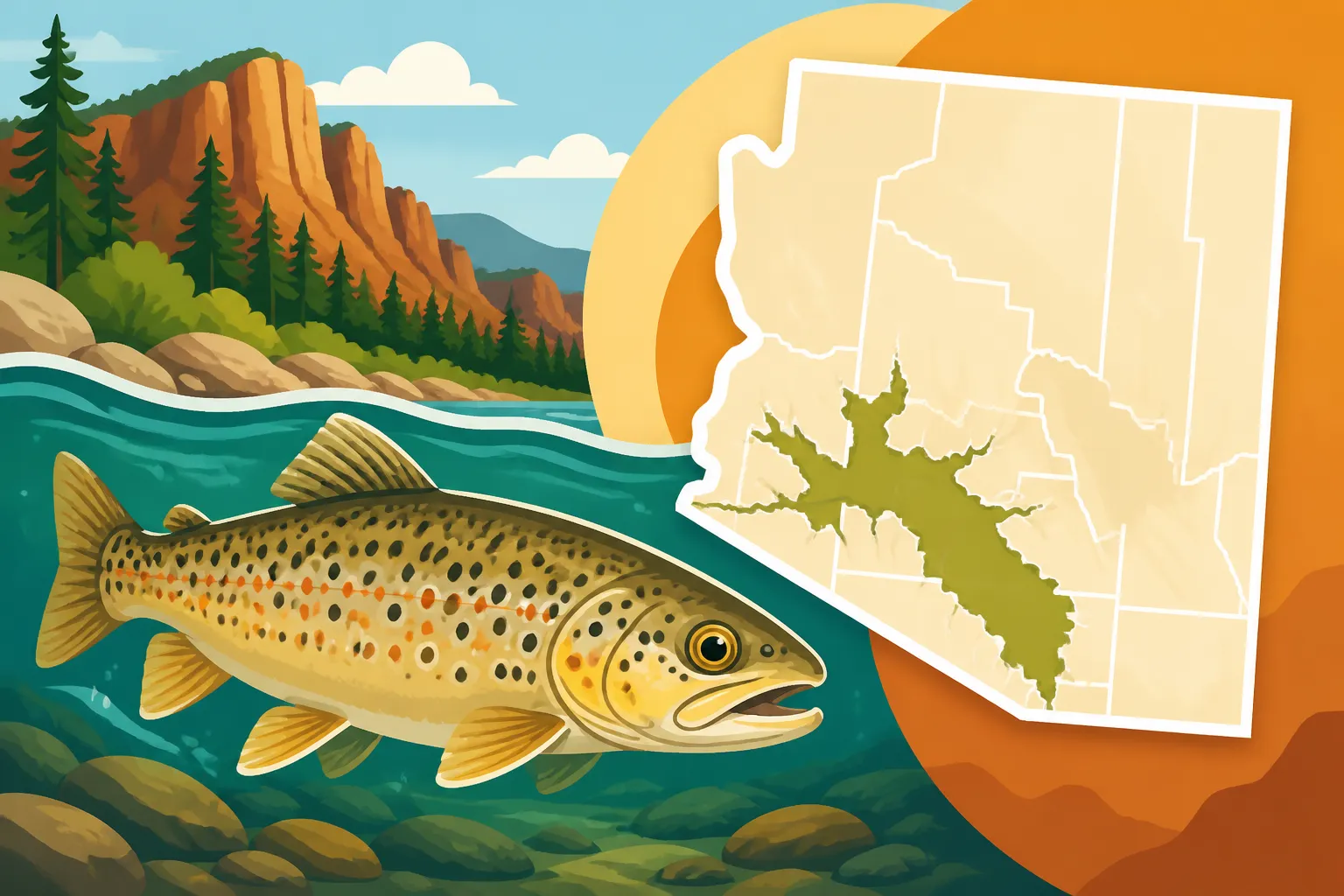
Gila Trout Range in Arizona
There's a special kind of magic that comes with discovering a truly native fish in its wild habitat, but for many Arizona anglers and outdoor enthusiasts, the Gila trout remains an elusive, almost mythical creature. It’s not just about catching them; it's about understanding their incredible journey of survival in a landscape that can be unforgiving and appreciating the dedicated efforts to bring them back from the brink. This guide will take you deep into the world of Gila trout, exploring their unique characteristics, where they call home in Arizona, and the vital conservation work that ensures their future.
Understanding the Elusive Gila Trout: A Glimpse into Arizona's Native Gem
When we talk about Arizona fishing, images of bass in desert lakes or rainbow trout in urban ponds often come to mind. But lurking in the cold, clear waters of our higher elevations is a true native Arizonan: the Gila trout. This isn't just any trout; it's a species with a rich history and a future hanging in the balance, a vibrant testament to the unique biodiversity of the American Southwest. Many anglers dream of encountering one, not just for the thrill of the catch, but for the profound connection it offers to Arizona's natural heritage.
These beautiful fish are a living relic, having adapted over millennia to the specific conditions of our mountain streams. They represent a critical piece of the ecological puzzle, playing a vital role in the health of the watersheds they inhabit. Their story is one of resilience, but also a stark reminder of how human activities can impact even the most remote corners of our wilderness. For those who care deeply about conservation and the wild spaces we cherish, understanding the Gila trout is a journey into the heart of Arizona's ecological identity.
The challenges surrounding the Gila trout’s survival make its presence in Arizona even more remarkable. Habitat degradation, the introduction of non-native species, and historical overfishing all contributed to its near disappearance. But through the unwavering commitment of conservationists and the Arizona Game and Fish Department, these fish are slowly, painstakingly making a comeback in their ancestral waters.
What Makes the Gila Trout So Unique?
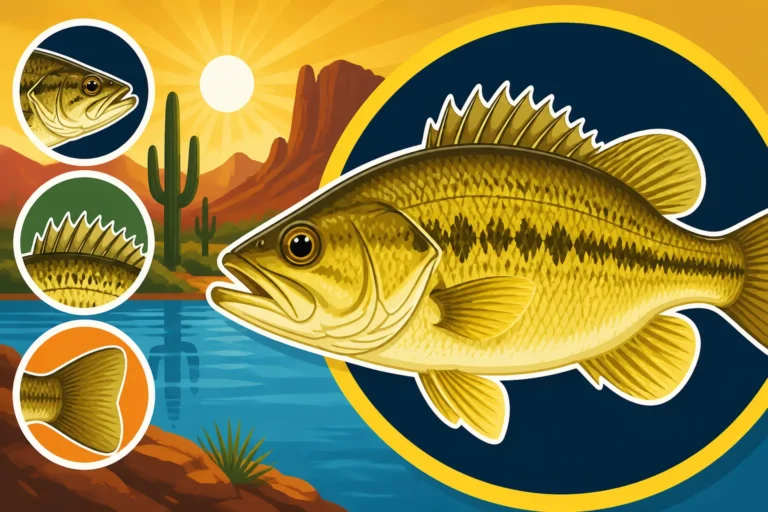
Physically, Gila trout (Oncorhynchus gilae) are stunning. They typically boast a golden to brassy yellow body, often with small, distinct black spots that are concentrated on their back and dorsal fin, though sometimes scattered across their sides. What sets them apart from their more common trout cousins is often their smaller, more delicate scales and a less iridescent, more earthy coloration that helps them blend perfectly with the gravelly, often shaded stream bottoms they inhabit. Their colors can vary slightly depending on their specific environment, from a vibrant golden hue in sun-dappled stretches to a more subdued bronze in deeper, darker pools.
Beyond their looks, their behavior is also distinct. Gila trout are highly adapted to the challenging, often ephemeral stream environments of the Southwest. They're typically found in smaller, headwater streams, often navigating steep gradients and fluctuating water levels. Their diet consists primarily of aquatic insects and small invertebrates, which they expertly forage from the stream bed or snatch from the surface with delicate rises. Watching a Gila trout feed in its natural environment is a masterclass in efficiency and adaptation, a quiet ballet performed in crystal-clear water.
Historically, the Gila trout's range was much broader, spanning tributaries of the Gila River system in Arizona and New Mexico. Their evolution in these isolated, high-elevation streams led to distinct genetic lineages, making each population a precious and unique entity. This isolation, while fostering unique adaptations, also made them incredibly vulnerable to changes in their environment, leaving them highly susceptible to habitat loss and the competitive pressures of introduced trout species.
The Weight of Conservation: Why These Fish Need Our Protection
The Gila trout carries a significant conservation burden. Once widespread, their populations plummeted in the 20th century, leading to their listing as an endangered species. The primary culprits were habitat destruction from logging, grazing, and mining, which caused erosion, increased water temperatures, and sedimentation in their pristine stream habitats. Further compounding the issue was the introduction of non-native trout species, like rainbow and brown trout, which outcompeted Gila trout for food and space, and worse, hybridized with them, diluting their unique genetic identity. Native Fish Species of Arizona are often the most vulnerable.
The "endangered" status isn't just a label; it means Gila trout are teetering on the edge, and every remaining fish and every healthy stream segment is critically important. Protecting these fish isn't just about saving a single species; it's about preserving the entire ecosystem of these high-elevation streams. Their presence is an indicator of healthy water quality and intact riparian zones, areas that are also vital for countless other species, including birds, mammals, and other aquatic life. It's a domino effect where saving one piece helps secure the whole.
The recovery efforts are a testament to scientific dedication and perseverance. Organizations, government agencies, and dedicated volunteers work tirelessly to restore their habitat, remove barriers to migration, and carefully reintroduce genetically pure Gila trout populations into streams where they once thrived. This intricate work involves everything from fencing off stream banks to prevent cattle grazing to carefully shocking streams to remove non-native fish before reintroducing the precious Gila trout. This commitment showcases the importance of protecting Endangered Fish Species in Arizona Rivers.
Pinpointing the Gila Trout's Native Strongholds in Arizona
For any angler or nature lover hoping to catch a glimpse, or perhaps even fish for (with strict catch-and-release practices and appropriate permits), a Gila trout, understanding their current range is paramount. These aren't fish you'll find just anywhere; their distribution is highly restricted, largely due to ongoing recovery efforts and the specific habitat requirements that define their survival. It’s a bit like searching for a rare desert wildflower – you need to know exactly where to look, and even then, success isn’t guaranteed.
The pursuit of Gila trout often takes you deep into Arizona's more remote, rugged terrain, far from the well-trodden paths of popular fishing lakes. This remoteness is both a blessing and a curse: it protects their delicate habitats from excessive human pressure but also makes access and monitoring challenging. The thrill of finding these fish is amplified by the journey itself, a testament to the wildness they represent.
These unique fish are often found at higher elevations where water temperatures remain cold year-round, even through Arizona's scorching summers. This typically means small, shaded streams nestled in the mountains, often fed by snowmelt or resilient springs. Their range is less about broad rivers and more about intricate networks of hidden rivulets.
Historic vs. Current Range: A Shrinking Footprint
Historically, Gila trout were found throughout the upper Gila River basin and its tributaries in Arizona and New Mexico. Imagine a time when these golden fish swam freely in many of the cool, clear streams flowing off the Mogollon Rim and other mountain ranges in the eastern part of the state. Unfortunately, that expansive range has dramatically shrunk. Logging, cattle grazing, and mining in the late 19th and early 20th centuries significantly degraded water quality and riparian habitat, breaking up their continuous populations into isolated, fragmented pockets.
The introduction of non-native trout species further exacerbated the problem. Rainbow and Brown Trout Presence in Arizona Streams, highly adaptable and often more aggressive, outcompeted the Gila trout for resources and, critically, interbred with them, leading to a loss of genetic purity. This meant that even in streams where Gila trout persisted, their unique genetic identity was under threat. The situation became so dire that by the mid-20th century, only a handful of pure Gila trout populations remained, primarily in New Mexico, necessitating drastic conservation measures to save the species from extinction.
Today, the Gila trout's range in Arizona is a testament to intensive conservation work, largely confined to a few carefully managed streams. The focus has been on creating "refugia" – safe havens where pure Gila trout can thrive without the threat of hybridization or competition from introduced species. This involves creating natural barriers to prevent non-native fish from migrating upstream or physically removing non-native species from target streams before reintroducing Gila trout. It's a slow, meticulous process, but one that has started to show promising results in recent decades.
Key Arizona Streams and Habitats
In Arizona, if you're looking for Gila trout, you'll need to focus your attention on specific high-elevation streams within the Gila River drainage, particularly in the eastern part of the state. One of the primary areas for Gila trout recovery and reintroduction is within the Coronado National Forest, particularly in tributaries that feed into the upper reaches of the Gila River system. These include streams like Frye Creek, Ash Creek, and a few other small, designated waters in the Pinaleno Mountains.
The streams where Gila trout are found are typically small, cold, and clear, often characterized by a mix of riffles, runs, and deeper pools. They require clean, oxygen-rich water and robust riparian vegetation that provides shade, keeps water temperatures cool, and contributes to the insect life that forms their primary diet. These areas are often rugged and require a significant hike to access, which helps maintain their pristine condition and limits pressure on the fish. You won't typically find Gila trout in larger rivers or desert lakes; they are creatures of the headwaters.
It's crucial to understand that many of these streams are part of active recovery programs and may have extremely strict regulations, or even be completely closed to fishing, to protect fragile populations. Always check the current Arizona Fishing Regulations Explained for any specific stream before planning a visit. The emphasis in these areas is often on observation and conservation rather than active angling, though opportunities for careful catch-and-release fishing may exist in some designated recovery waters, often requiring special permits. Websites and official publications are key resources. Many enthusiasts find excellent information and even purchase specialized gear or educational books on stream ecology and native fish identification through platforms like Amazon.
The Ideal Gila Trout Habitat: More Than Just Water
The Gila trout is a specialist, a species finely tuned to a very particular type of environment. Their range isn't just a matter of where they can survive, but where they can thrive and reproduce successfully. Understanding the nuances of their ideal habitat is key to appreciating why their recovery is such a challenging and precise undertaking, and why simply putting them in "any" cold stream won't work. It’s a delicate balance of water chemistry, physical structure, and ecological health.
Imagine a pristine mountain stream, shaded by a canopy of trees, its waters tumbling over smooth rocks and gravelly beds, interspersed with deep, undercut banks. This isn't just a picturesque scene; it's the carefully crafted environment that the Gila trout calls home. Any deviation from these ideal conditions—even seemingly minor changes—can have significant, detrimental impacts on their populations. This is why conservationists focus so heavily on holistic watershed health.
Anglers accustomed to fishing larger lakes might find the scale of Gila trout habitat almost miniature. These fish don't need vast stretches of water; they need specific, high-quality microhabitats within small streams. It's a testament to the power of adaptation that such a specialized fish can exist in Arizona's often arid landscape.
Water Quality and Temperature: The Lifeblood of Survival
For Gila trout, water isn't just water; it's their lifeblood, and its quality and temperature are non-negotiable. These fish require cold, clean, and highly oxygenated water year-round. Ideal water temperatures typically range from 45-65 degrees Fahrenheit, with higher temperatures quickly becoming lethal. This preference for cold water is why you'll find them primarily in high-elevation streams, often above 6,000 feet, where natural shade and spring-fed flows help maintain stable, cool conditions even during Arizona's hot summers.
Sedimentation is another critical threat to water quality. Runoff from disturbed lands—whether from wildfires, logging, or unmanaged recreation—can wash fine silt into streams, smothering the gravel beds where Gila trout lay their eggs. This sediment also reduces water clarity, making it harder for the trout to find food and signaling an unhealthy stream environment. A healthy Gila trout stream will have very low turbidity, allowing you to easily see the stream bottom and observe the fish.
The chemical composition of the water, including pH levels and dissolved oxygen, must also be within a specific range. Pollution from agricultural runoff or other sources can be devastating. Protecting the Gila trout means protecting the entire watershed, from the mountain peaks where snowmelt originates down through the forests and meadows that filter the water before it reaches the stream. This comprehensive approach ensures that the cold, clear water these trout depend on remains pure. A good waterproof guide to stream ecology, often found on Amazon, can really help in understanding these delicate balances.
Stream Structure and Vegetation: A Safe Haven
Beyond water quality, the physical structure of the stream and its surrounding vegetation are equally vital for Gila trout. These fish thrive in streams with complex habitats, meaning a diverse mix of riffles, runs, and deep pools. Riffles and runs provide oxygenated water and a steady supply of insect forage, while deeper pools offer refuge from predators, strong currents, and temperature fluctuations, especially during the heat of the day or cold of winter. Undercut banks, fallen logs, and large rocks create crucial cover, allowing the trout to ambush prey and hide from eagles, ospreys, and other predators.
The riparian zone – the lush strip of vegetation along the stream banks – plays an indispensable role. Trees and shrubs like alder, willow, and various conifers provide essential shade, which is critical for keeping water temperatures low, especially in Arizona's intense sun. This vegetation also stabilizes stream banks, preventing erosion and sedimentation, and contributes a steady supply of terrestrial insects that fall into the water, augmenting the trout's diet. Healthy riparian zones also slow down runoff, allowing water to infiltrate the ground and recharge springs, ensuring consistent stream flow.
Effective conservation efforts for Gila trout often involve restoring these elements of stream structure and riparian health. This can mean planting native vegetation along denuded banks, placing large woody debris in streams to create cover and scour pools, or even constructing rock structures to enhance habitat complexity. It's an ongoing process of ecological engineering, working hand-in-hand with nature to provide the optimal safe haven for these precious fish.
Supporting the Future: Conservation and Recovery Efforts
The story of the Gila trout isn't just one of decline; it's also a powerful narrative of hope and recovery. Decades of dedicated conservation work have slowly begun to turn the tide, proving that with concerted effort, even the most imperiled species can be given a second chance. These efforts are complex, involving multiple strategies and partnerships between state and federal agencies, Native American tribes, universities, and private conservation groups. It's a long-term commitment, often spanning generations, but one that is absolutely essential for the survival of this iconic Arizona fish.
For those of us who cherish Arizona's wild places, being aware of these efforts is the first step toward becoming part of the solution. Even if you never fish for a Gila trout, understanding and supporting their recovery contributes to the health of our entire ecosystem. This dedication highlights the importance of programs like Apache Trout Conservation in Arizona as well.
These programs often involve innovative science, from genetic analysis to tracking individual fish, combined with a deep understanding of ecological principles. It’s a true blend of high-tech and hands-on fieldwork, all aimed at restoring the natural balance.
Restoration and Reintroduction Programs
The cornerstone of Gila trout recovery in Arizona and New Mexico has been aggressive habitat restoration and carefully planned reintroduction programs. This often begins with securing existing pure populations, sometimes by moving fish to "refugia" – designated stream sections or even hatcheries – to protect them from threats like wildfire, drought, or genetic dilution. Once a donor population is secure, efforts shift to preparing suitable recipient streams. This crucial step involves meticulously removing non-native fish, often through electrofishing or piscicides, to ensure that newly stocked Gila trout face no competition or risk of hybridization.
Simultaneously, habitat restoration takes place. This might involve fencing off riparian areas to allow vegetation to recover from cattle grazing, stabilizing eroding stream banks with native plants, or strategically placing boulders and logs in streams to create the complex habitat Gila trout need for spawning and cover. Once the stream is deemed ready – with stable water flows, good water quality, and healthy habitat – genetically pure Gila trout are carefully reintroduced, often as fingerlings or young adults raised in hatcheries. This is a delicate process, with fish often transported by backpack or even helicopter to remote stream sections.
The success of these programs is monitored extensively. Scientists regularly survey streams to assess Gila trout populations, track their growth, and confirm natural reproduction. The long-term goal is to establish self-sustaining populations that can withstand natural disturbances and eventually, in some areas, allow for limited, highly regulated fishing opportunities, always with a strong emphasis on Catch and Release Rules for Arizona Anglers. Learning about these programs can be incredibly informative, and resources like books on fish conservation, often available on Amazon, can deepen one's appreciation.
How Anglers and Enthusiasts Can Help
Even if Gila trout fishing opportunities are rare or non-existent in certain areas, every angler and outdoor enthusiast can play a vital role in their recovery. The most important thing is education and awareness. Know your fish: be able to identify Gila trout and understand their protected status. If you suspect you've caught a Gila trout in a non-designated area, handle it with extreme care, release it immediately, and report your sighting to the Arizona Game and Fish Department. Adherence to Fishing Bag and Possession Limits Explained is always critical.
Beyond identification, responsible outdoor practices are paramount. "Leave No Trace" principles are essential: pack out everything you pack in, stay on designated trails to prevent erosion that can impact stream health, and be vigilant about preventing the spread of aquatic invasive species. Even something as simple as cleaning your wading boots and gear between different waterways can prevent the transfer of harmful organisms that could impact delicate Gila trout populations.
Lastly, supporting conservation organizations and purchasing your Arizona Fishing License Guide contributes directly to the funding of these vital recovery efforts. Many agencies rely on license sales to support habitat restoration, fish stocking (including native species), and law enforcement that protects these precious resources. Becoming an informed and ethical steward of Arizona's natural environment ensures that future generations will also have the opportunity to marvel at the resilient beauty of the Gila trout.
| Gila Trout Habitat Requirements | Description | Importance |
|---|---|---|
| Water Temperature | Cold, stable water (ideally 45-65°F), especially in summer. | Prevents stress, supports high oxygen levels, essential for survival and reproduction. |
| Water Quality | Clean, clear, highly oxygenated water with low turbidity (sediment). | Enables clear vision for feeding, crucial for egg development and aquatic insect health. |
| Stream Structure | Diverse mix of riffles, runs, and deep pools; complex cover from rocks, logs, and undercut banks. | Provides foraging areas, resting spots, refuge from predators, and spawning grounds. |
| Riparian Vegetation | Healthy native trees and shrubs along stream banks, forming a dense canopy. | Shades water to keep it cool, stabilizes banks (reduces erosion), provides insect food. |
| Gravel Substrate | Clean, loose gravel beds in spawning areas. | Essential for successful reproduction; eggs need clean, oxygenated gravel to hatch. |
| Lack of Non-Native Species | Absence of introduced trout (e.g., rainbow, brown trout) or other competing fish. | Prevents hybridization, competition for food and space, and maintains genetic purity. |
Disclaimer
This article is for general informational purposes only and does not constitute professional advice. Laws, prices and regulations vary by location and change over time. Consult a qualified professional for guidance on your specific situation.