Arizona State Record Flathead Catfish Weight and Location
Every angler dreams of landing that one fish, the absolute behemoth that tests their skill, patience, and tackle to the limit. For those of us chasing the elusive flathead catfish in Arizona, that dream often revolves around the legendary state record. This guide is dedicated to shedding light on that monumental achievement, revealing the impressive size and general location of Arizona's state record flathead catfish, and offering insights into how these magnificent river monsters grow so large and where you might find your own personal best.
The Legendary Arizona State Record Flathead Catfish
The Arizona state record for flathead catfish isn't just a number on a list; it's a testament to the incredible potential of our desert waters and the persistence of an angler. Flathead catfish are known for their massive size and their preference for live bait, making them a true challenge to pursue. When you finally hook into one, you'll know it – they fight like a freight train, digging deep and using the current to their advantage. To pull in a state-record fish requires not just luck, but a deep understanding of these powerful predators and the right gear to stand a chance.
The Record-Breaking Catch
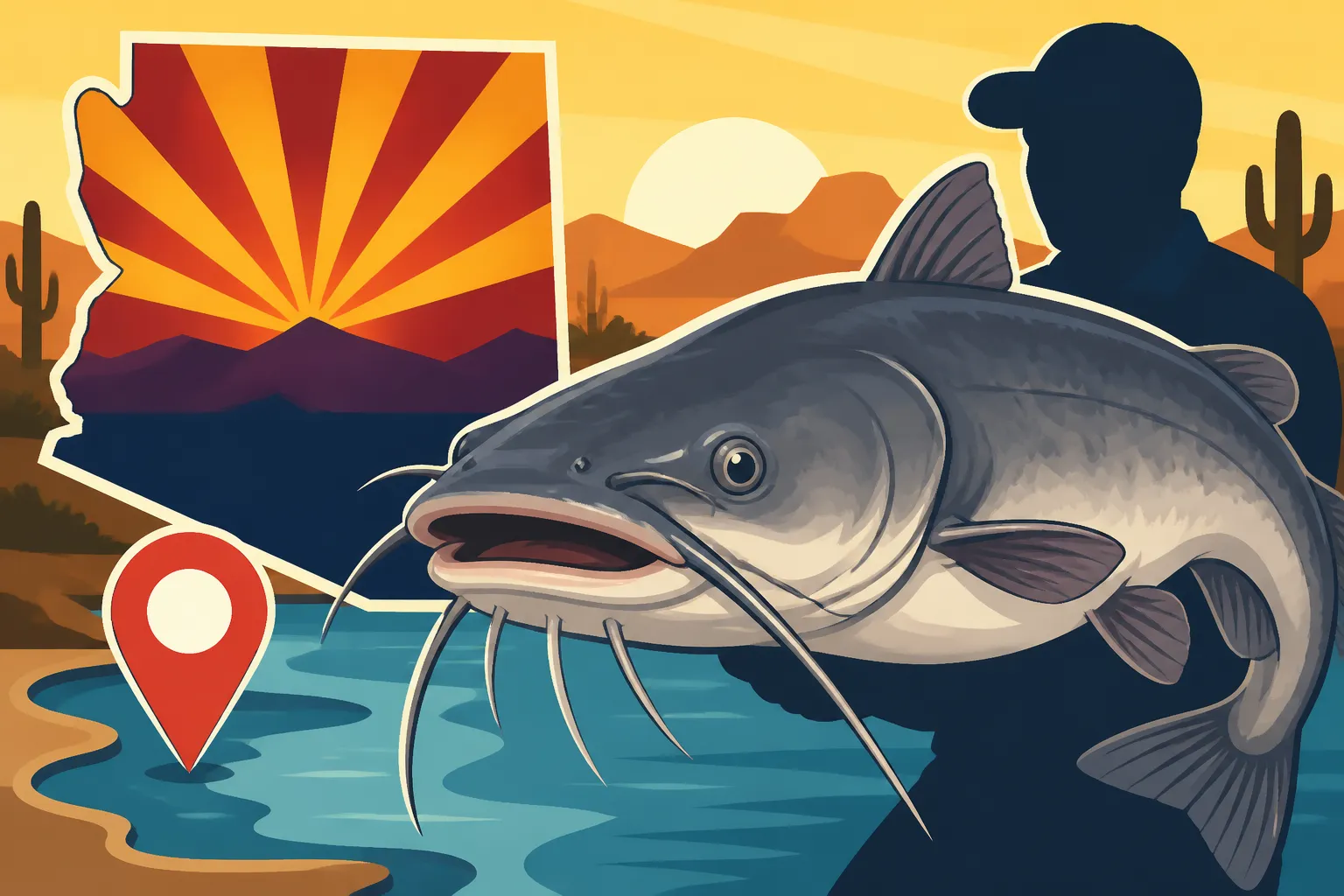
The current Arizona state record flathead catfish tipped the scales at a staggering 76 pounds, 8 ounces! This magnificent fish was caught in the Colorado River, a waterway renowned for producing true giants. This particular capture happened many years ago, and for good reason, the specific details of the angler and exact time are often held close by the fishing community. It's a truly iconic catch, reminding us of the hidden depths and wild possibilities within Arizona's rivers. Imagine the sheer power of pulling a fish heavier than a small child out of the water – it's an experience few anglers ever forget, and even fewer accomplish at this level. This record isn't just about weight; it's about the decades this fish spent growing, surviving, and becoming the apex predator of its stretch of water. It sets a benchmark for what's possible and fuels the passion of countless anglers who cast lines into these very same waters.
Why Flatheads Get So Big in Arizona
Arizona’s climate and river systems provide an almost perfect environment for flathead catfish to thrive and reach colossal sizes. These fish are warm-water species, and our long, hot summers extend their growing season considerably. They are also incredibly efficient predators. Unlike channel catfish that will readily take a variety of baits, flatheads are primarily piscivorous – meaning they prefer to eat other fish. This diet of protein-rich forage allows them to pack on pounds quickly.
Consider the abundance of food sources in Arizona's larger rivers and reservoirs. Species like carp, tilapia, and various sunfish provide an endless buffet for a growing flathead. The Colorado River, in particular, is a nutrient-rich system with a strong flow, which keeps oxygen levels high and food moving. Combine this with deep holes, submerged timber, and rocky structures that offer perfect ambush points and shelter, and you have the ideal habitat for a flathead to grow undisturbed for many years. It's not uncommon for these fish to live for several decades, steadily gaining weight and increasing in power. They are true river dwellers, preferring the current and the depths where they can hide and wait for an unsuspecting meal to swim by. Learning more about their habits can be found in our comprehensive Flathead Catfish Fishing Guide for Arizona.
Where Do These Giants Live? Top Flathead Haunts in Arizona
If you're dreaming of a flathead that might challenge the state record, you need to know where to find them. While any large body of water can theoretically hold a big flathead, some locations in Arizona are absolute strongholds for these leviathans. It's all about finding the right combination of deep water, strong current, abundant forage, and protective cover. These fish aren't usually found in open water; they prefer to hug structure, waiting for prey to come to them.
The Colorado River System
The Colorado River is, without a doubt, the prime destination for trophy flathead catfish in Arizona. The state record itself came from this river, and it continues to produce huge fish year after year. The sheer volume of water, diverse habitats, and prolific forage base make it a flathead paradise.
- Lake Havasu and Parker Strip: While known for bass, these stretches of the Colorado River hold immense flatheads in their deeper channels, especially around submerged structures like old pilings, rock piles, and artificial habitat. The constant flow and diverse fish populations here keep the flatheads well-fed and growing. Anglers often target these areas by anchoring near deep bends or ledges and deploying large live baits.
- The Yuma and Laguna Dam Areas: Downstream near Yuma, the Colorado River widens and slows in some sections, but still maintains significant current in others. The Laguna Dam area, in particular, has deep scour holes and plenty of cover where flatheads can ambush prey. Many local legends speak of monster flatheads caught from these waters. The sheer volume of water provides ample space for these fish to mature without excessive pressure in some of the more remote sections. For a full breakdown, check out our Colorado River Fishing Guide in Arizona.
Other Arizona Waters with Potential
While the Colorado River holds the current crown, other Arizona lakes and rivers have a proven track record of producing impressive flatheads, and certainly fish that could be a personal best for many anglers.
- Alamo Lake: Often called "Arizona's Bass Fishing Capital," Alamo Lake also boasts a phenomenal flathead population. The lake's structure, with its flooded timber and rocky points, provides perfect ambush locations. The abundant baitfish, particularly carp and shad, ensure flatheads have a steady diet. Many anglers specifically visit Alamo for the chance at a 30-pound plus flathead. Its remote location means less fishing pressure in some areas, allowing fish to grow larger. If you're looking for a serious challenge away from the bustling recreational traffic of the bigger lakes, Alamo is a fantastic option. Our Alamo Lake Arizona Fishing Guide has more details on this gem.
- Roosevelt Lake: As Arizona's largest lake, Roosevelt offers vast expanses of water and diverse habitats for flatheads. The Salt and Tonto River arms feed into it, bringing nutrients and creating current seams where flatheads often congregate. The deep channels and numerous submerged brush piles and rock formations are ideal hiding spots for these bottom-dwelling predators. Anglers often find success by targeting the deeper creek channels and points.
- Lake Pleasant: Closer to Phoenix, Lake Pleasant is another large reservoir that holds some respectable flathead catfish, though perhaps not quite on the same scale as the Colorado River or Alamo. However, it's a great option for anglers in the central part of the state. Focus on the deeper areas, especially where the Agua Fria River arm enters the lake, as these areas often have current and structure.
Gear and Techniques for a Trophy Flathead
Chasing a flathead catfish, especially one of state record caliber, isn't a job for light tackle. These fish are pure power, and they'll exploit any weakness in your setup. You need gear that can withstand immense pressure and techniques that put you where the fish are and present your bait effectively.
Heavy-Duty Tackle Essentials
Your rod, reel, and line are your lifeline to a monster flathead. Skimping here is a recipe for heartbreak.
- Rods: You'll want a heavy to extra-heavy action rod, typically 7 to 9 feet in length. Look for a rod with a strong backbone to horse those big fish out of cover, but enough tip sensitivity to detect subtle bites. Many anglers prefer a medium-heavy action rod that can handle the initial shock of a monster strike and still provide some give. Brands like Ugly Stik or Berkley make excellent, durable rods that won't break the bank and can be found readily on Amazon. If you want to dive deeper into specific choices, check out our guide on the Best Rod for Catfish.
- Reels: A sturdy baitcasting reel with a robust drag system is essential. Look for models with a high line capacity, as a big flathead can spool a lesser reel in a hurry. A good quality reel from brands like Penn, Shimano, or Abu Garcia will serve you well. The drag needs to be smooth and capable of applying significant pressure without locking up or becoming jerky.
- Line: This is not the place for thin monofilament. Most serious flathead anglers opt for braided line, with a test strength ranging from 50 to 80 pounds, or even heavier in snaggy environments. Braid offers incredible strength, minimal stretch (which means better hooksets), and excellent abrasion resistance. Pair this with a strong monofilament or fluorocarbon leader of similar or slightly higher test strength to absorb shock and provide extra abrasion resistance. Find strong, reliable line options on Amazon for your next outing. You can get more specific recommendations in our Best Line for Catfish Fishing article.
- Hooks and Terminal Tackle: Heavy-duty circle hooks (8/0 to 12/0 or larger, depending on bait size) are standard. Circle hooks are fantastic for flatheads because they set themselves in the corner of the fish's mouth, reducing gut-hooking and making for easier, safer releases. Use heavy swivels and sinkers to hold your bait in place against the current. Egg sinkers or flat river sinkers in weights from 2 to 6 ounces (or more in strong current) are common.
| Tackle Item | Recommended Specs | Why It's Important |
|---|---|---|
| Rod | 7-9 ft, Heavy to Extra-Heavy Action | Power to pull fish from cover, handle heavy weights |
| Reel | Sturdy Baitcaster, High Line Capacity, Robust Drag | Withstands powerful runs, holds enough line for long battles |
| Main Line | 50-80 lb Braided Line | High strength, low stretch for solid hooksets, abrasion resistance |
| Leader Line | 60-100 lb Monofilament or Fluorocarbon | Shock absorption, extra abrasion resistance around rough structure |
| Hooks | 8/0 – 12/0 Circle Hooks | Self-setting, reduces gut-hooking, safer for fish and angler |
| Sinkers | 2-6 oz (or more) Egg or River Sinkers | Holds bait in place against current, reaches bottom in deep holes |
| Swivels | Heavy-duty, Rated for 100+ lbs | Prevents line twist, ensures reliable connection between main line and leader |
Bait and Strategy for Monster Flatheads
Flatheads are notorious for their preference for live bait. They are ambush predators and want a struggling, lively meal.
- Live Bait is Key: The best baits for monster flatheads are typically live sunfish (bluegill, green sunfish), carp, or shad. The size of your bait often dictates the size of the flathead you'll attract – bigger bait, bigger fish. Make sure to check Arizona Fishing Regulations Explained for any rules regarding the use and transport of live bait. A legal, lively baitfish is irresistible to a hungry flathead. You can learn more about specific bait choices in our Best Bait for Catfish in Arizona guide.
- Finding the Right Spot: Flatheads love structure. Look for deep holes, submerged logs, brush piles, rock ledges, and current seams in rivers. In lakes, target creek channels, old river beds, flooded timber, and significant drop-offs. Use a quality fish finder to locate these features and identify any large marks that could be a flathead.
- Night Fishing: Many of the largest flatheads are caught at night. They are primarily nocturnal hunters, using their keen sense of smell and lateral line to find prey in the dark. This also means you'll likely encounter less boat traffic, leading to a more peaceful, and often more productive, fishing experience. Just be sure to bring adequate lighting and practice good safety. Our Catfish Night Fishing Techniques article offers some excellent tips.
- Patience and Persistence: Flathead fishing is not about constant casting and retrieving. It's often about setting up in a prime location, deploying your live bait, and waiting. These fish can take their time to commit, but when they do, you'll know it. Don't be afraid to leave your bait out for extended periods in known flathead zones.
The Pursuit of a Personal Best (and Maybe the Next State Record)
Chasing a state record is an incredible goal, but even a personal best flathead is an experience you won't soon forget. It requires dedication, preparation, and a deep respect for these powerful fish. Every cast offers the potential for that unforgettable fight.
Understanding Flathead Habits
To consistently catch big flatheads, you need to think like one. They are lazy predators, preferring to conserve energy and ambush rather than chase.
- Seasonal Movement: In warmer months, flatheads will be more active and spread out, often moving into shallower feeding areas at night. As water temperatures drop in winter, they tend to move into deeper, more stable water, often congregating in large holes or slower stretches of river.
- Current and Cover: Always relate your fishing to current and cover. In rivers, flatheads will hold just out of the main current, in an eddy or behind a log, waiting for food to drift by. In lakes, look for similar ambush points associated with submerged structure. Understanding their diet and feeding habits, detailed in Catfish Diet and Feeding Habits, will give you a significant advantage.
- Water Clarity: Flatheads are less dependent on sight than many other game fish, so they can be caught in murkier water, which is common after rain or high flows in the Colorado River. Their powerful sense of smell and touch allows them to find prey even when visibility is low.
Conservation and Responsible Angling
Landing a huge flathead is exhilarating, but it also comes with a responsibility to protect these magnificent fish and their habitat. The state record fish are often very old, and their survival is crucial for the health of the population.
- Handle with Care: If you do catch a potential record or a fish you plan to release, handle it with extreme care. Use a large net or a gripless lip-gripe tool to land it. Support its entire body weight horizontally for photos, especially if it's a very large fish. Avoid dragging it on rocks or sand.
- Know the Rules: Always be aware of the current Fishing Bag and Possession Limits Explained and other regulations set by the Arizona Game and Fish Department. These rules are in place to ensure sustainable fishing for generations to come. Be prepared to measure and weigh your fish accurately if you believe it's a record contender. Having a certified scale and a measuring tape on hand is critical.
- Release Safely: For fish you intend to release, minimize their time out of the water. If you can, revive them in the water before letting them go. A quick, healthy release ensures these genetic marvels continue to grow and reproduce. While the dream of a record is powerful, the health of our fisheries is paramount.
The pursuit of the Arizona state record flathead catfish is a journey, not just a destination. It's about spending time on the water, understanding the nuances of these incredible fish, and perhaps, with a bit of luck and a lot of skill, connecting with a true Arizona leviathan. Happy fishing, and may your drag sing!
Disclaimer
This article is for general informational purposes only and does not constitute professional advice. Laws, prices and regulations vary by location and change over time. Consult a qualified professional for guidance on your specific situation.