Arizona Channel Catfish Record
There's a special thrill that comes with chasing a state fishing record, isn't there? That quest to catch a fish that isn't just big, but truly monumental, a testament to skill, patience, and a little bit of luck. For many anglers in Arizona, the channel catfish holds that unique allure. It's a species that thrives in our desert waters, growing to impressive sizes, and consistently putting up a fantastic fight. This guide is all about diving deep into the world of Arizona's record-breaking channel catfish, exploring the current top catch, what it takes to land a true giant, and how you go about getting your own potential record certified.
The Arizona Channel Catfish State Record Explained
The pursuit of a state record isn't just about catching a big fish; it's about making history, about having your name etched into the angling books. For the channel catfish in Arizona, that record represents the pinnacle of size and weight for the species within our state's diverse waters. It's a benchmark that inspires countless anglers every year to cast their lines with the hope of catching something truly extraordinary.
Who Holds the Current Record?
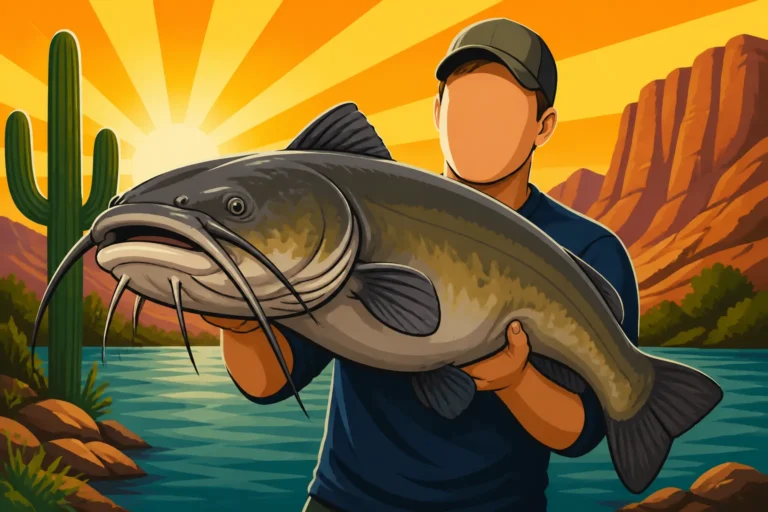
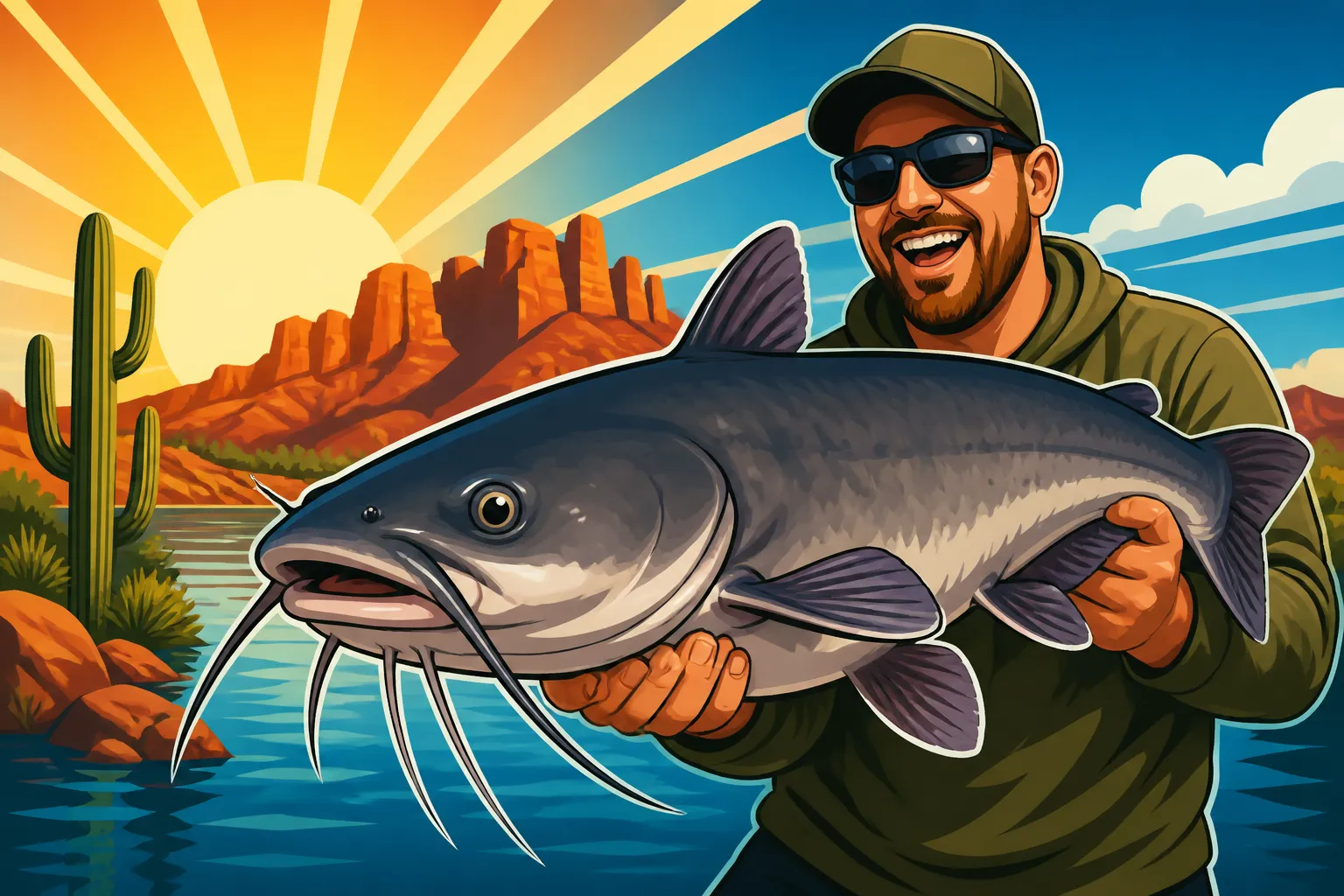
The current Arizona state record for channel catfish is a legendary fish caught by an angler named Gus F. Oscar. This incredible specimen weighed in at a whopping 35 pounds, 2 ounces. Just imagine pulling a fish of that magnitude out of the water! It was caught way back on March 27, 1987, at a spot called Ashurst Lake. This record has stood for decades, a testament to the sheer size of the fish and the challenging feat of landing it. It's truly remarkable how long some of these records hold, making them even more iconic. Every time an angler hooks into a truly massive channel cat, the thought of Gus Oscar's monster fish surely crosses their mind.
The Significance of Ashurst Lake
Ashurst Lake, located southeast of Flagstaff, might not be the first place that comes to mind for giant channel catfish, especially given its higher elevation and cooler waters compared to the typical desert reservoirs. However, it's a testament to the adaptability of channel catfish and the rich, though sometimes surprising, ecosystems in Arizona. Lakes like Ashurst often have periods of robust growth for various species, and clearly, back in 1987, the conditions were just right for a channel cat to reach truly monumental proportions. While it's primarily known for trout today, the fact that such a substantial catfish came from there adds to the lore and proves that big fish can turn up in unexpected places. It just goes to show you that if you're targeting big fish, sometimes thinking outside the box and trying different waters can pay off.
Identifying a Record-Worthy Channel Catfish
Before you can even dream of a state record, you need to be absolutely sure what you're reeling in. Distinguishing a channel catfish from other catfish species, especially the flathead, is crucial, not just for record purposes but also for understanding their behavior and where to find them. Getting the identification right is step one in the record-chasing journey.
Key Features of a Channel Catfish
Channel catfish are often recognized by a few distinct characteristics that set them apart. First, they typically have a forked tail, much like a salmon or trout, though not quite as deeply split. Their body color can vary quite a bit depending on the water clarity and diet, ranging from olive-brown to a bluish-gray on the back, fading to white on the belly. Younger fish and those from clearer waters often display distinct dark spots on their sides, which tend to fade as the fish grows larger and older.
They also possess barbels, those whisker-like protrusions around their mouths, which are crucial sensory organs for detecting food in murky water. Channel catfish generally have a relatively slender, elongated body shape compared to the broad, flat heads and robust bodies of flathead catfish. Understanding these specific identifiers is key, especially if you think you've caught a potential record, as misidentification could disqualify your catch. You can learn more about this by checking out our guide on Channel Catfish vs Flathead Catfish Identification.
Distinguishing from Other Catfish Species
Arizona is home to several catfish species, and while they all share some general characteristics, there are crucial differences, particularly when it comes to the flathead catfish. Flatheads are renowned for their massive size potential, but they are a different species entirely.
Here's a quick comparison:
| Feature | Channel Catfish | Flathead Catfish |
|---|---|---|
| Tail Shape | Distinctly forked | Square or slightly notched |
| Head Shape | More rounded, somewhat slender | Broad and flat (hence the name) |
| Body Color | Olive-brown to bluish-gray, often spotted | Mottled brown and yellow, often blotchy |
| Jaw | Upper jaw slightly overhangs lower jaw | Lower jaw protrudes beyond upper jaw |
| Barbels | Moderately long, with distinct sensory pores | Shorter, thicker barbels |
| Habitat | Wide range, often in open water, moderate current | Prefers slower, deeper currents, woody structure |
Knowing these differences is paramount because a record is species-specific. You don't want to get excited about a potential record only to find out you've caught a different species. This is where a good Catfish Fishing Guide for Arizona can really help you understand what you're targeting.
Where to Hunt for Arizona's Largest Channel Catfish
If you're dreaming of breaking the state record, you can't just drop a line anywhere. You need to target waters known for producing big channel catfish. Arizona has a fantastic array of lakes and rivers where these powerful fish thrive and reach impressive sizes. It’s all about understanding their preferred habitats and feeding grounds.
Top Arizona Lakes and Rivers for Big Catfish
While Ashurst Lake holds the record, many other waters across Arizona are more consistently known for big channel cats. The large desert impoundments are often prime territory.
- Lake Pleasant: This massive reservoir north of Phoenix is a phenomenal fishery for many species, and channel catfish are no exception. With its extensive coves, submerged structure, and abundant forage, Lake Pleasant provides an ideal environment for catfish to grow large. Anglers often find success here targeting deeper holes or areas with strong current.
- Roosevelt Lake: As Arizona's largest lake, Roosevelt offers vast stretches of water for catfish to roam. Its fluctuating water levels can concentrate fish in certain areas, and the countless coves and submerged timber provide excellent cover and feeding opportunities. Roosevelt Lake Arizona Fishing Guide provides a lot more information about this incredible fishery.
- Saguaro Lake, Canyon Lake, and Apache Lake (Salt River Chain): These central Arizona lakes are part of the Salt River chain and are consistent producers of quality catfish. They have similar characteristics to Roosevelt and Pleasant, with plenty of rocky structure, varying depths, and nutrient-rich waters that support a healthy catfish population. You'll find these lakes are popular with boat anglers and shore anglers alike.
- Colorado River (Lower Sections): Below the major dams, the Colorado River and its associated impoundments like Lake Havasu are well-known for producing massive catfish, including both channels and flatheads. The river’s steady flow and abundant food sources allow catfish to reach impressive weights. Fishing here can be very productive, especially in the slower backwaters and deeper channels.
Each of these locations presents unique challenges and opportunities, but they all share the common thread of having the potential to hold a truly monumental channel catfish.
Understanding Catfish Habitat and Behavior
To catch a record-breaker, you need to think like a catfish. Channel catfish are primarily bottom feeders and scavengers, but they are also opportunistic predators. They prefer areas with some current, structure, and access to deep water where they can retreat during the day, especially in Arizona's intense summer heat.
- Structure is Key: Look for areas with submerged timber, rock piles, ledges, and deep holes. These provide cover from predators, ambush points for prey, and protection from strong sunlight. If you're on a boat, your fish finder will be your best friend in locating these spots.
- Feeding Habits: Catfish have an excellent sense of smell and taste, which they use to locate food. They are most active during low-light conditions, particularly at dawn, dusk, and throughout the night. This is when they move into shallower areas to feed. Targeting them during these times can significantly increase your chances of hooking a big one. Our Catfish Night Fishing Techniques guide has some great tips.
- Water Temperature: Like all fish, catfish are sensitive to water temperature. They are most active when water temperatures are comfortable for them, typically in the 70s Fahrenheit. In extreme heat, they will move to deeper, cooler water. In colder months, their metabolism slows down, and they become less active, though still catchable.
By understanding these patterns, you can better predict where and when to find the biggest channel catfish in Arizona's waters, moving beyond just random casting to a more strategic hunt.
Essential Techniques and Tackle for Record Catfish
Chasing a record-breaking channel catfish isn't a task for flimsy gear or casual techniques. These are powerful fish, and if you hook into a truly giant one, you'll need the right tools and strategies to bring it to the bank or boat. This means thinking about heavy-duty equipment and proven methods that entice the biggest cats.
The Right Rod and Reel Setup
For a fish that can weigh over 30 pounds, you absolutely need robust tackle. A medium-heavy to heavy action rod, usually 7 to 9 feet long, is a good starting point. This length provides leverage for casting heavy baits and enough backbone to muscle a big fish away from snags. Look for rods specifically designed for catfish or heavy-duty freshwater applications. Many excellent options are available from brands that cater to serious anglers, and you can easily compare different models and read reviews on platforms like Amazon.
Pair your rod with a sturdy baitcasting reel or a large spinning reel, capable of holding a significant amount of strong line. A good drag system is paramount – it needs to be smooth and powerful enough to handle blistering runs from a monster catfish without locking up or failing. A reel with a good line capacity, often 200 yards or more of stout line, is advisable. Check out our detailed guide on the Best Rod for Catfish for more specific recommendations.
Line, Hooks, and Terminal Tackle
Your line is the connection to your dream fish, so don't skimp here. Most experienced catfish anglers opt for monofilament or braided line in the 20-50 pound test range, depending on the snags and size of fish expected. Braided line offers superior strength-to-diameter ratio and sensitivity, which can be critical when feeling subtle bites in deep water. Monofilament provides more stretch, which can act as a shock absorber during a fight. A good compromise is often a braided main line with a heavy monofilament or fluorocarbon leader, especially in clearer water. Check out Best Line for Catfish Fishing for more in-depth advice.
For hooks, you'll want strong, sharp, large hooks. Circle hooks are a favorite among catfish anglers, especially when using cut bait or live bait, as they are designed to hook fish in the corner of the mouth, reducing gut-hooking and making for easier release if it's not a record. Sizes ranging from 5/0 to 10/0 are common for targeting large channels. You'll want to choose a size that matches your bait. Heavy-duty swivels and strong snaps are also important to prevent line twist and ensure your rig holds up. Finding the Best Hook Size for Catfish Bait is critical for success.
Baits and Rigging Strategies for Big Cats
When it comes to bait for large channel catfish, fresh is usually best, and the smellier, the better!
- Cut Bait: Shad, carp, bluegill, or other oily baitfish cut into chunks are highly effective. The scent trail they release in the water is irresistible to channel cats. Experiment with different sizes of chunks.
- Prepared Baits: Various commercially prepared "stink baits" or "punch baits" are popular, especially in community lakes. These are designed to disperse a strong odor and are often used on treble hooks or specialized bait holders. Many anglers order their favorite specialized baits through retailers like Amazon.
- Live Bait: Smaller live bluegill, sunfish, or even large shiners can be incredibly effective, especially for targeting bigger, more predatory channel cats. Ensure live bait is legal in the waters you're fishing.
- Nightcrawlers: While often associated with smaller fish, a large wad of nightcrawlers can attract big catfish, particularly when fished on the bottom.
When rigging, the most common and effective method is a simple bottom rig. This typically involves a heavy sinker (a slip sinker is popular, allowing the fish to take the bait without feeling immediate resistance) above a swivel, and then a leader (1-3 feet long) tied to your hook. This setup keeps your bait on the bottom where catfish primarily feed. For a deeper dive, read our article on Bottom Fishing Techniques for Catfish.
Remember, fishing for record-size fish takes patience and persistence. Don't be afraid to experiment with different baits and locations until you find what's working best on a given day.
The Process of Certifying an Arizona State Record Fish
So, you've landed what you believe might be a state record channel catfish. Congratulations! That's an incredible achievement. But the battle isn't over yet. The next crucial step is getting your catch officially certified by the Arizona Game and Fish Department (AZGFD). There's a specific protocol you must follow to ensure your fish is recognized.
Immediate Steps After Catching a Potential Record
Time is of the essence when you're trying to certify a record. The weight of a fish can decrease over time, even by ounces, which could make all the difference.
- Keep the Fish Alive (If Possible): Ideally, you want to keep the fish alive and healthy. A livewell or a large cooler with aerated water can help significantly. This allows for a more accurate weight measurement, as a fish can lose bodily fluids once deceased.
- Contact AZGFD IMMEDIATELY: As soon as you suspect you have a record-breaker, contact the Arizona Game and Fish Department. You'll want to find the nearest biologist or certified weigh station. Many local tackle shops or marinas might be designated weigh stations. It’s a good idea to know these contacts and locations before you even go fishing.
- No Manipulation: Do not attempt to alter the fish in any way (e.g., gutting, cleaning, removing fins). The fish must be weighed and identified in its natural state.
- Preserve the Fish (If Not Alive): If keeping the fish alive isn't feasible, place it on ice in a cooler. This will help preserve its weight and condition until it can be officially weighed and identified.
These initial steps are critical for maintaining the integrity of your catch and the record-setting process.
Official Weighing and Documentation Requirements
Once you've contacted AZGFD, they will guide you through the official process.
- Certified Scale: The fish must be weighed on a certified scale. This is usually a scale that has been inspected and sealed by a government agency (like the Department of Weights and Measures) to ensure accuracy. This will typically be at an AZGFD office, a designated tackle shop, or a marina. The weigh-in must be witnessed by an AZGFD official or an authorized agent.
- Identification by a Biologist: An AZGFD fisheries biologist will physically examine the fish to confirm its species. This is where knowing the distinct features of a channel catfish, as discussed earlier, becomes paramount. They will look at the tail, fin rays, barbels, and overall body shape to ensure it's indeed a channel catfish and not another species.
- Photographs: High-quality photographs of the fish are usually required. These should include clear shots of the entire fish, close-ups of identifying features, and photos of the fish on the scale with the weight visible. Pictures of the angler with the fish are also great for posterity.
- Application Form: You'll need to complete an official application form provided by AZGFD. This form will request details such as the date, time, and location of the catch, the angler's information, the bait/lure used, and the names of witnesses.
The AZGFD takes state records very seriously to ensure fair play and accurate record-keeping. Following their guidelines to the letter is essential for your catch to be considered legitimate.
Beyond the Record: Why Channel Catfish are an Arizona Angler's Favorite
Even if you never break a state record, channel catfish remain one of Arizona's most cherished sportfish. They offer incredible angling opportunities, are widely accessible, and provide a fantastic fight. The pursuit of a record only adds a layer of excitement to an already rewarding fishing experience.
Excellent Sport and Table Fare
Channel catfish are renowned for their powerful fights. Once hooked, they'll pull hard, often making strong runs and bulldogging tactics that test your gear and your angling skills. Whether you're fishing from the bank or a boat, a big channel cat provides an exhilarating experience. Learning How to Fight a Big Flathead Catfish can give you good insights into handling powerful catfish, even if it's a channel you're after.
Beyond the fight, channel catfish are highly regarded as table fare. Their white, flaky meat has a mild flavor that is delicious whether fried, baked, or grilled. Many anglers consider them one of the best-eating freshwater fish available, making the effort to catch them even more rewarding. Properly cleaning and preparing your catch ensures a tasty meal, and keeping fish fresh in the Arizona heat is a skill in itself. Our guide on the Best Way to Keep Fish Fresh in Desert Heat has some useful tips.
Accessible Fishing for All Skill Levels
One of the greatest appeals of channel catfish is their accessibility. You don't need highly specialized, expensive equipment to catch them. A basic rod and reel combo, some sturdy line, and a few common baits like worms, hot dogs, or cut bait can put you on fish. This makes them an excellent target for beginner anglers, families, and those who enjoy a more relaxed fishing experience.
Arizona's Community Fishing Program lakes are regularly stocked with channel catfish, providing easily accessible fishing opportunities in urban areas. These urban ponds offer a convenient way for new anglers to learn the ropes and experience the joy of catching fish close to home. You can find robust populations of channel catfish in almost every major lake and river system across the state. This widespread availability means that no matter where you are in Arizona, a good channel catfish spot is likely not too far away.
Their Role in Arizona's Ecosystem
Channel catfish are a vital part of many of Arizona's aquatic ecosystems. As omnivores, they help to keep various populations in balance, feeding on everything from insects and crustaceans to smaller fish and decaying matter. Their presence indicates a healthy and robust environment, and the Arizona Game and Fish Department actively manages their populations to ensure sustainable fishing for years to come. This management includes stocking programs in certain waters to enhance fishing opportunities.
Whether you're casting a line in a quiet desert lake under the stars, hoping to connect with a giant, or enjoying a casual afternoon at a community pond, the channel catfish offers something special for every angler. The dream of breaking the state record adds an exciting layer to this already fantastic fishery, reminding us all of the thrilling possibilities that lie beneath Arizona's waters.
Disclaimer
This article is for general informational purposes only and does not constitute professional advice. Laws, prices and regulations vary by location and change over time. Consult a qualified professional for guidance on your specific situation.