Fish Species Guide for Arizona Lakes
It’s easy to picture Arizona as a vast expanse of sun-baked desert, but beneath the surface of its many lakes, rivers, and even urban ponds lies a surprisingly vibrant aquatic world. Many anglers, especially those new to the state, are caught off guard by the sheer diversity of fish species thriving here, often leading to a mix of excitement and confusion about what they’ve hooked. This comprehensive guide is designed to cut through that mystery, offering a detailed look at the most common, popular, and ecologically significant fish species you'll encounter in Arizona's unique waterways.
The Surprising Diversity of Arizona's Aquatic Ecosystems
When you think of fishing, towering pine forests or vast ocean expanses might come to mind, not necessarily saguaros and red rock. Yet, Arizona boasts an incredible variety of aquatic environments, from cool, high-elevation mountain lakes and streams to vast, warm desert reservoirs and even community fishing ponds nestled right in the heart of its cities. This diverse landscape directly translates to a rich tapestry of fish species, offering something for every type of angler.
Beyond the Desert Mirage: Waterways Abound
Arizona's seemingly arid environment belies a network of vital waterways. The state's large reservoirs, like Lake Powell, Lake Mead, Roosevelt Lake, and Lake Pleasant, are true oases, fed by major river systems such as the Colorado River and the Salt River. These massive bodies of water create incredibly varied habitats, supporting a wide range of fish that have either adapted to warm, deep impoundments or thrive in the cooler, spring-fed canyon arms. Then you have the high-country lakes and perennial streams in areas like the White Mountains, which are distinctly different, providing cold-water havens for species that simply couldn't survive the desert heat. Even our urban ponds, part of the extensive Community Fishing Program, are regularly stocked, turning city parks into unexpected fishing hotspots. The variety is truly astounding, making Best Fishing Lakes in Arizona a tough list to narrow down! What might look like barren land on the drive often opens up to bustling shorelines and active fisheries.
Understanding General Fish Categories and Habitats
To really get a handle on Arizona's fish, it helps to think in terms of general categories. We have our warm-water species, which are the dominant players in most of our larger desert lakes. Think largemouth bass, striped bass, channel catfish, and various panfish. These species are built to thrive in warmer temperatures and often use the abundant structure—submerged trees, rock piles, canyon ledges—found in these reservoirs. Then there are the cool-water species, which might include smallmouth bass, sometimes crappie, and in certain transition zones, even some trout. These fish prefer slightly less extreme temperatures, often retreating to deeper, cooler water when the summer heat cranks up. Finally, the cold-water species are almost exclusively found in the high country or in specifically managed urban programs during the cooler months. This category includes different types of trout, and they absolutely depend on those crisp, oxygen-rich waters. Understanding these habitat preferences is key to successful angling. For instance, the species you'll target in Lake Powell Arizona Fishing Guide will be very different from those in a small mountain stream. Knowing which category your target fish falls into will inform your choice of location, tackle, and even the time of year you head out.
Arizona's Premier Sportfish: The Bass Family
When it comes to sportfishing in Arizona, the bass family reigns supreme. These aggressive, hard-fighting fish are the primary targets for countless anglers, offering thrilling strikes and challenging battles. Whether you're after a trophy largemouth, a feisty smallmouth, or a powerhouse striped bass, Arizona's waters provide ample opportunity.
Largemouth Bass: The Classic Arizona Hunter
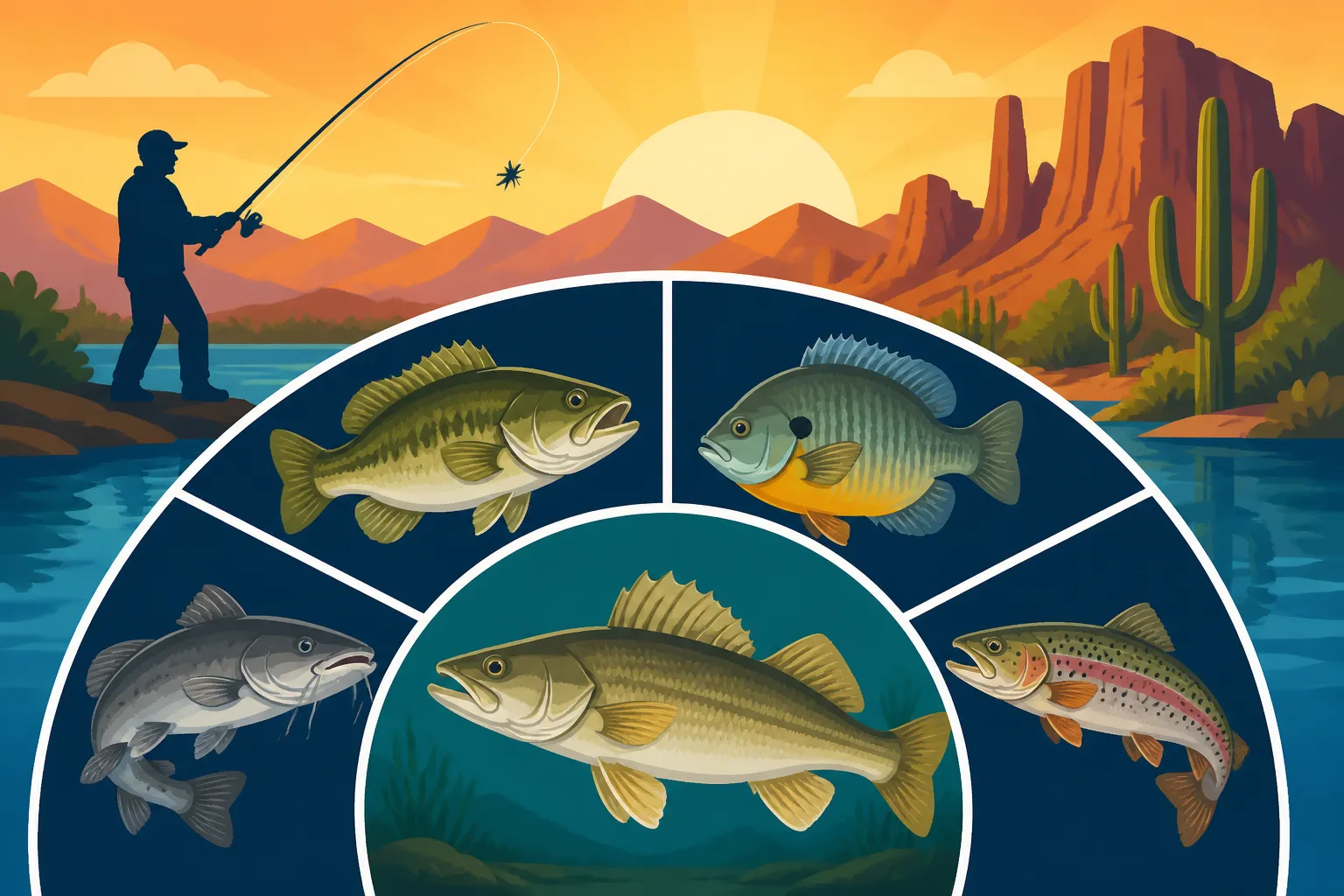
The largemouth bass is undeniably the king of Arizona's warm-water fisheries. Found in nearly every major desert lake, including Roosevelt Lake, Apache Lake, and Canyon Lake, these green giants are masters of ambush. They love to lurk around submerged trees, rock piles, weed lines, and any other cover that offers a strategic hiding spot from which to surprise their prey. Their distinct jaw, which extends beyond their eye, is a key identifier, distinguishing them from their smaller-mouthed relatives. Largemouth bass in Arizona grow to impressive sizes, with trophy fish weighing upwards of 10 pounds not uncommon. They feed voraciously on shad, crawfish, and any smaller fish or even frogs that venture too close. Targeting largemouth offers diverse opportunities, from burning a topwater lure at dawn to slowly working a plastic worm through deep structure. For an in-depth look at chasing these incredible fish, check out our Largemouth Bass Fishing Guide for Arizona.
Landing a big largemouth bass is an experience that keeps anglers coming back year after year. They are known for their explosive strikes and powerful jumps, often trying to throw the hook with violent head shakes. Their preferred habitat often dictates fishing techniques; anglers might pitch jigs into heavy cover, cast crankbaits along rocky points, or Carolina rig soft plastics across deeper flats. Understanding their seasonal movement patterns is also crucial; they'll be shallow and aggressive during the spawn in spring, then move to deeper, cooler waters during the brutal summer heat, often returning to the shallows during fall. Arizona's desert lakes provide ideal conditions for these fish, with vast amounts of forage and plenty of structure to call home.
Smallmouth Bass: Canyon Lake Conquerors
While not as widespread as their largemouth cousins, smallmouth bass hold a special place in the hearts of many Arizona anglers. These bronze beauties prefer cooler, clearer water and rocky habitats, making them less common in the shallow, weedy areas favored by largemouths. You'll find strong populations in deep, rocky reservoirs like Lake Powell, Apache Lake, and parts of the Colorado River. Smallmouth bass are identified by their jaw that typically does not extend beyond the middle of their eye, and often by vertical bars or mottled patterns on their sides. They are renowned for their incredible fighting ability, often leaping clear of the water multiple times and making powerful runs, earning them the nickname "bronzebacks." Unlike largemouths, they are less inclined to hide in thick cover and prefer to cruise rocky ledges, points, and humps in search of crawfish, insects, and small baitfish.
Fishing for smallmouth bass can be a truly exhilarating experience. Their preference for rocky terrain often means fishing with finesse techniques like drop-shot rigs, shaky heads, or small jigs, which allow anglers to painstakingly work lures through complex underwater landscapes. When they hit, it's often a sharp, aggressive strike that immediately signals a spirited fight. Smallmouth Bass Fishing Guide for Arizona goes into great detail on how to effectively target these tenacious fighters. They offer a different kind of challenge compared to largemouth, requiring a more nuanced approach and an appreciation for their stunning power in open water. Their presence in lakes like Powell, with its vast canyon systems, adds an adventurous element to fishing for them, often requiring navigating remote areas to find their prime spots.
Striped Bass: The Open Water Predators
For sheer power and adrenaline-pumping action, nothing quite compares to Arizona's striped bass. These hard-pulling torpedoes are pelagic, meaning they roam the open waters of vast reservoirs like Lake Powell, Lake Mead, and Lake Havasu, constantly chasing immense schools of shad. They are easily identified by the distinct dark, horizontal stripes running down their silver sides, and they can grow to truly enormous sizes, often exceeding 20 or even 30 pounds. Striped bass are famous for their "boils," where entire schools of stripers erupt on the surface, pushing baitfish into a frothing feeding frenzy. Witnessing and fishing a striper boil is an unforgettable experience and a true bucket-list item for any angler in Arizona.
Targeting striped bass often involves trolling large crankbaits or swimbaits in open water, vertical jigging spoons or plastics over deep structure where schools are marked on a fish finder, or casting topwater lures and walk-the-dog baits into those electrifying surface boils. They are fierce fighters, making long, powerful runs that will test your drag and your endurance. The abundance of threadfin shad in these large reservoirs provides an unlimited food source, allowing striped bass populations to thrive and grow to impressive sizes. If you want to dive deeper into the tactics for these powerful fish, our Striped Bass Fishing Guide for Arizona offers invaluable advice. Their schooling nature means that when you find one, you've likely found a whole school, leading to incredible action.
The Whiskered Wonders: Arizona's Catfish Species
Beyond the explosive strikes of bass, Arizona's waters are home to two formidable species of catfish that offer a different kind of angling thrill: the accessible and abundant channel catfish, and the massive, hard-fighting flathead catfish. Both provide excellent table fare and unique challenges for those willing to chase them.
Channel Catfish: Community Lake Staples
The channel catfish is perhaps the most widely distributed and accessible fish species in Arizona. You’ll find them in almost every warm-water lake and river, from the largest reservoirs to the smallest community fishing ponds. They are incredibly tolerant of varying water conditions and thrive where other species might struggle. Channel cats are easily identified by their forked tail, smooth skin, and often dark spots along their sides, especially when younger. They are opportunistic scavengers, meaning they’ll eat almost anything—cut bait, stink baits, worms, and even hot dogs! This makes them a fantastic target for anglers of all ages and skill levels, particularly those looking for consistent action and a delicious meal. The Arizona Game and Fish Department regularly stocks channel catfish in urban ponds as part of their community fishing program, ensuring plenty of opportunities.
Night fishing is a particularly popular and effective way to target channel catfish, as they become more active under the cover of darkness. Anglers often set up multiple rods with various baits, waiting for that tell-tale twitch or bend in the rod that signals a hungry cat has found their offering. Their fight is strong and steady, a powerful pull that tests tackle without the acrobatic jumps of a bass. Whether you're a seasoned angler looking for a relaxing evening or introducing a child to the joys of fishing, channel catfish provide reliable and rewarding action. Our comprehensive Catfish Fishing Guide for Arizona offers tons of tips on how to catch these widespread whiskerfish.
Flathead Catfish: The River Monsters
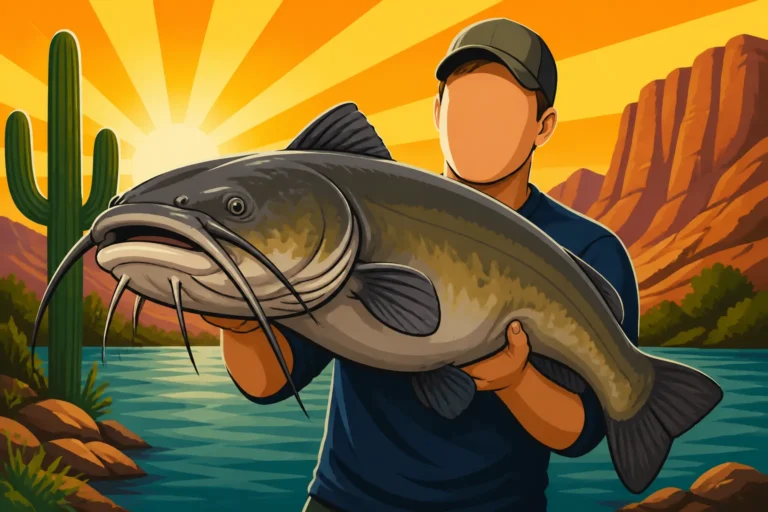
If you're looking for a true monster of the deep, the flathead catfish is your quarry. These colossal bottom-dwellers are legendary in Arizona for their immense size and brutal strength. Unlike channel cats, flatheads are ambush predators, preferring live bait over prepared stinks baits, and they typically inhabit deep holes, heavy cover, and slower currents in major rivers like the lower Colorado River, Gila River, and larger reservoirs such as Lake Pleasant and Bartlett Lake. Their distinguishing features include a very broad, flat head, a lower jaw that protrudes past the upper, and a square or slightly notched tail, never forked. Hooking a large flathead is a test of will and tackle, as they often weigh tens of pounds, with some exceeding 50 pounds or more, as seen with record-breaking catches on the Colorado River. They fight with incredible power, using their broad, flat bodies to leverage against the current and often trying to bury themselves in underwater snags.
Targeting flatheads requires heavy-duty gear, strong lines, and a lot of patience. Live bluegill, carp, or even small shad are preferred baits, presented on heavy bottom rigs in areas with significant structure. Often, anglers will scout out deep holes or submerged timber fields during the day, then return to fish them intensely at night. The reward for this dedication can be a truly monumental fish, a memory that lasts a lifetime. For those who dream of battling a truly massive freshwater fish, the flathead catfish offers an unparalleled challenge. If you're curious about the potential size, check out Flathead Catfish Average Weight on the Colorado River to get a sense of what's out there.
Panfish Perfection: Crappie and Sunfish for All Ages
While bass and catfish offer exciting battles, the world of panfish provides consistent action, delicious table fare, and an ideal entry point for beginner anglers and families. Arizona's lakes are teeming with crappie, bluegill, and various other sunfish, guaranteeing fun for everyone.
Crappie: Springtime Slab Seekers
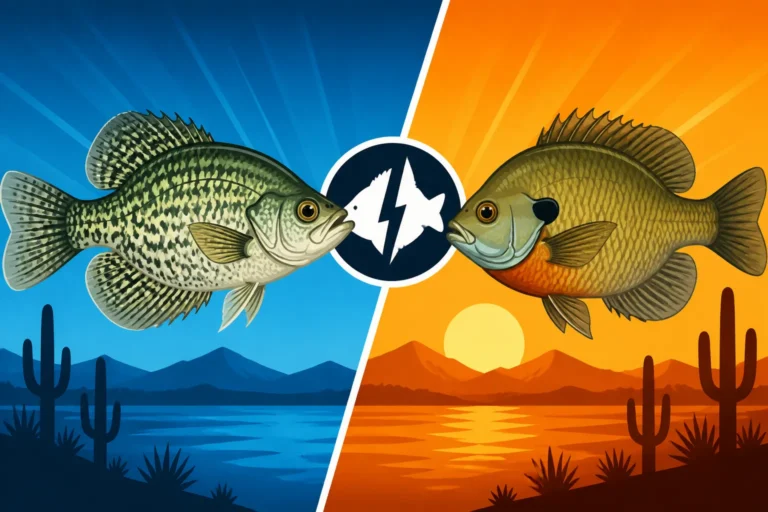
Crappie, both black and white varieties, are highly sought-after panfish known for their delicate, flaky white meat and their tendency to school in large numbers. In Arizona, they are most often targeted during the spring spawning season, when they move into shallower water and congregate around submerged brush, standing timber, rock piles, and other forms of cover. Lakes like Roosevelt Lake, Alamo Lake, and Lake Pleasant are particularly famous for their crappie populations. Crappie have a distinctive deep, compressed body, with black crappie having irregular dark spots and seven or eight dorsal spines, while white crappie typically have more distinct vertical bars and six dorsal spines. They primarily feed on small minnows, insects, and crustaceans.
Fishing for crappie is a fantastic way to fill a cooler and enjoy a fast-paced fishing experience. Anglers often use light tackle, small jigs, or live minnows suspended under a bobber, carefully presenting their bait near cover. When a crappie school is found, the action can be non-stop, making it incredibly popular with families and those who love to eat what they catch. The challenge lies in locating these schools and presenting your bait effectively in their preferred cover. Our Crappie Fishing Guide for Arizona offers fantastic strategies for finding and catching these delicious "slabs." The springtime crappie bite is a celebrated event across the state, bringing anglers out in droves.
Bluegill and Other Sunfish: Family Fun Fish
For introducing kids to fishing, or for simply enjoying a relaxing day with consistent bites, bluegill and other sunfish are absolutely perfect. These brightly colored, feisty little fish are abundant in virtually all of Arizona's warm-water lakes, ponds, and slower-moving rivers. Bluegill are perhaps the most iconic panfish, recognizable by their deep, round bodies and a dark spot on their gill flap. Along with bluegill, you'll also encounter redear sunfish (often called "shellcrackers" for their ability to crush snails) and green sunfish, all of which share similar habits and can be caught with similar methods. They typically hang out in weedy areas, around docks, fallen trees, and shallow coves, where they feed on insects, aquatic invertebrates, and small crustaceans.
Catching sunfish couldn't be simpler: a small hook, a bit of nightcrawler or corn, and a bobber are often all you need. Kids especially love the immediate gratification of a bobber disappearing under the surface, followed by the satisfying tug of a panfish. While not large, their aggressive nature and willingness to bite make them incredibly fun to catch. They are also excellent table fare, perfect for a fresh-fried fish dinner. These species are the backbone of many urban fishing programs, providing readily available and exciting opportunities for new anglers. They are truly the unsung heroes of Arizona's fisheries, offering joyful moments for anyone who casts a line.
Cool Water Gems: Trout in Arizona's Diverse Climates
While Arizona might be famous for its desert heat, it also harbors incredible cold-water fisheries, particularly for trout. These beautiful fish thrive in the state's high-country streams and lakes, and are even stocked seasonally in urban waters, providing diverse angling opportunities.
Rainbow Trout: Stocked and Sought After
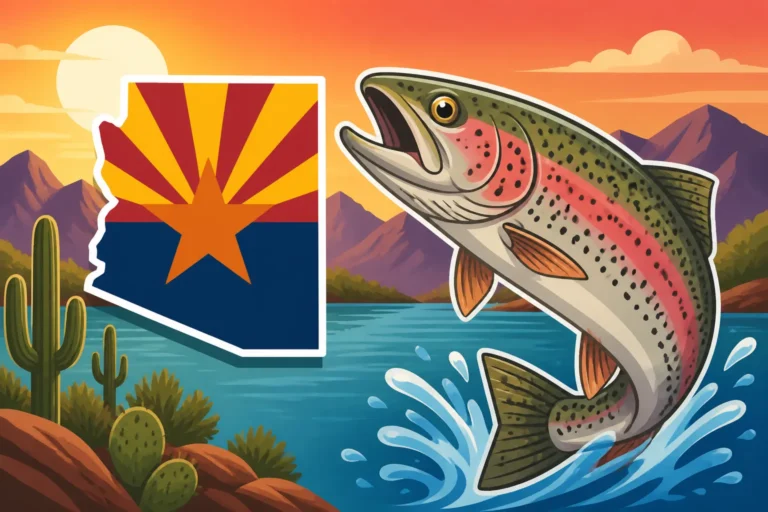
Rainbow trout are the most common and widely distributed trout species in Arizona, largely due to extensive stocking programs by the Arizona Game and Fish Department. You'll find them year-round in the cool, clear waters of the high country, such as Big Lake, Woods Canyon Lake, and the numerous streams of the White Mountains. During the cooler winter and spring months, they are also stocked in many urban lakes across the state, transforming these desert ponds into temporary trout fisheries. Rainbows are easily identified by their iridescent, often pink or red stripe running along their sides, and numerous small black spots on their bodies and fins. They are fierce fighters, known for acrobatic jumps when hooked.
Anglers target rainbow trout using a variety of methods, including PowerBait, worms, corn, small spinners, spoons, and fly patterns. Their willingness to bite makes them a popular target for all ages, and their exquisite flavor makes them a prized catch for the dinner table. The stocking schedule, often available from the Arizona Game and Fish Department, is a critical piece of information for anglers planning a trout trip to urban lakes. For those looking to master trout fishing, our Rainbow Trout Fishing Guide for Arizona is an essential read. Whether you're exploring a pristine mountain stream or an easily accessible city pond, the rainbow trout offers a rewarding experience.
Arizona's Native Trout Species: A Conservation Focus
Beyond the widespread rainbow trout, Arizona is also home to precious native trout species, primarily the Apache trout and the Gila trout. These fish are true treasures, endemic to the state's high-elevation streams and river systems, and represent vital parts of Arizona's natural heritage. Both species are listed as threatened, making their conservation a top priority. Fishing for them is often restricted to specific areas, requires special permits, and is strictly catch-and-release to ensure their populations can recover and thrive. The Apache trout, Arizona's state fish, has a unique golden body, large spots, and a dark operculum (gill plate) marking. The Gila trout is typically a bit darker, with smaller, more numerous spots, and is found in even more remote stream systems.
Anglers who have the privilege of targeting these native species do so with a profound sense of respect and responsibility. It’s an opportunity to connect with a unique piece of Arizona's wilderness and contribute to ongoing conservation efforts. These fisheries are not about filling a cooler; they are about the experience of casting a fly into a pristine mountain stream and carefully releasing a rare, beautiful fish. Apache Trout Conservation in Arizona highlights the efforts being made to protect these incredible fish and the role anglers play in their future. Adhering to all regulations, including using barbless hooks and practicing careful handling, is paramount.
Other Notable and Sometimes Unexpected Catches
While bass, catfish, crappie, and trout are the marquee species, Arizona's waters hold a few other fish that can provide unexpected thrills or unique angling opportunities. These species often add diversity to your catch and can be incredibly fun to target.
Yellow Bass and White Bass: Schooling Action
Yellow bass and white bass are often overlooked but can provide some of the fastest-paced action in Arizona's larger reservoirs, particularly at Lake Pleasant and Lake Havasu. These smaller members of the temperate bass family are highly aggressive and school in large numbers, often feeding on shad near the surface, similar to their striped bass cousins. Yellow bass are distinguished by their brassy yellow color and several broken horizontal lines along their sides, while white bass are silver with more continuous, though sometimes faint, dark stripes. When you find a school of either species actively feeding, it can be a non-stop catching frenzy, making them incredibly popular with anglers looking for constant bites.
They are fantastic targets for light tackle, readily taking small spinners, jigs, and spoons. When white or yellow bass are active, it’s not uncommon to catch dozens of fish in a short amount of time, providing excellent practice for casting and fighting fish. They also make for good eating, though their smaller size means you'll need a few more for a meal. The key to success is often locating the schools, either by observing surface activity or using a fish finder to pinpoint them suspended in open water. While they may not be as large as a striped bass, their sheer numbers and aggressive nature guarantee an exciting time on the water.
Tilapia, Carp, and Other Forage Fish
Arizona's waters are also home to various other fish species that, while not always considered traditional "sportfish" by all, offer unique angling experiences and play important roles in the ecosystem. Tilapia, an introduced species, are common in many urban lakes and warm-water reservoirs. They are primarily herbivores and filter feeders, but can be caught on small pieces of corn, worms, or even tiny jigs. Some anglers specifically target them for their fighting prowess and their mild, white meat. They are a good option for anglers seeking a challenge with a different kind of fish.
Carp, particularly common carp, are found in almost all Arizona waterways. These large, powerful fish are often overlooked by many, but they are incredibly strong fighters and can grow to immense sizes. European-style carp fishing, using specialized baits and techniques, is gaining popularity for the incredible battle these fish provide. Carp are primarily bottom feeders, eating insects, worms, and plant matter. They are often caught on corn, dough balls, or specific carp baits. While not typically eaten by all anglers in Arizona, they offer a fantastic opportunity for a challenging catch. Other forage fish like threadfin shad and gizzard shad are vital to the health of the fisheries, providing the primary food source for bass and other predators. While not typically targeted directly, their presence is crucial to the overall health and productivity of Arizona’s fishing destinations.
Essential Identification and Resource Tips
Knowing your fish species isn't just about satisfying curiosity; it's crucial for responsible angling, adhering to regulations, and ensuring the health of Arizona's diverse aquatic ecosystems. Misidentification can lead to inadvertently violating bag limits or, worse, harming a protected species.
Key Features for Accurate Identification
Accurately identifying your catch is a skill that improves with practice and a keen eye for detail. Here are some key features to pay attention to:
- Jaw Length: One of the most common identification challenges is distinguishing between largemouth and smallmouth bass. Remember: a largemouth's jaw extends past its eye, while a smallmouth's jaw typically ends directly under or slightly before the middle of its eye.
- Dorsal Fin: Count the spines on the dorsal fin. For example, black crappie usually have 7 or 8 dorsal spines, while white crappie generally have 6. The connection between the spiny and soft-rayed dorsal fins can also be a clue.
- Tail Shape: Catfish species are often differentiated by their tails. Channel catfish have distinctly forked tails, while flathead catfish have square or slightly notched tails.
- Coloration and Markings: Look for distinct patterns. Striped bass have clear, continuous horizontal stripes; yellow bass have broken stripes and a brassier color. Rainbow trout often have a red/pink stripe, while native trout have their own unique spot patterns.
- Mouth Position: Some fish, like suckers, have downturned mouths for bottom feeding, while others, like topwater bass, have upturned mouths for surface feeding.
When you're unsure, it's always best to assume the strictest regulation applies, or simply practice catch and release. Proper identification is key to understanding and following Fishing Bag and Possession Limits Explained and contributing to conservation efforts.
Utilizing Field Guides and Digital Tools
Even seasoned anglers can benefit from a good reference. There are many excellent resources available to help with fish identification:
- Field Guides: A good waterproof field guide specific to freshwater fish of the Southwest or North America is an invaluable tool. These books often include detailed illustrations or photos, descriptions of habitat, and key identification features. You can often find a wide selection of these on platforms like Amazon, offering everything from general guides to very specific regional editions.
- Arizona Game and Fish Department Resources: The official Arizona Game and Fish Department website and their annual fishing regulations booklet (often available for free at license dealers) are fantastic resources. The booklet not only details all the current rules but also includes illustrations and descriptions of many common fish species found in the state. Always keep a current copy handy.
- Mobile Apps: Several reputable fishing apps are available for smartphones that include fish identification features, allowing you to quickly look up a species on the water. These digital tools can be incredibly convenient, offering instant access to information right from your pocket.
By using these resources, you'll quickly become proficient at identifying your catches, ensuring you're compliant with regulations and deepening your understanding of Arizona's fascinating aquatic residents. Knowing what you've caught also allows you to brag about it accurately!
Responsible Angling and Fish Conservation
Our ability to enjoy fishing in Arizona, both today and in the future, hinges entirely on responsible angling practices and a strong commitment to conservation. The sheer beauty and unique challenges of fishing in a desert state make it especially important to understand and respect the regulations and the delicate balance of the aquatic ecosystems.
Understanding Regulations and Limits
The single most important rule for any angler is to understand and abide by the Arizona Fishing Regulations Explained. These regulations are not arbitrary; they are carefully crafted by wildlife biologists to ensure the sustainability of fish populations. This includes adhering to specific:
- Bag Limits: The maximum number of fish of a certain species you can keep in a single day.
- Possession Limits: The maximum number of fish you can have in your possession at any time, including those at home.
- Size Limits: Minimum or maximum lengths for certain species, designed to protect juvenile fish or large, spawning adults.
- Season Closures: Specific times of the year or particular waters where fishing for certain species might be prohibited, often during critical spawning periods.
Ignoring these rules not only puts fish populations at risk but can also result in significant fines and penalties. Always purchase your Arizona Fishing License Guide through authorized channels and take the time to read the current regulations booklet before heading out. Ignorance of the law is never an excuse. These regulations are reviewed and updated regularly, so staying current is key to ethical and legal angling.
Protecting Native Species and Preventing Introductions
Arizona is home to several incredibly unique native fish species, some of which are endangered or threatened. Species like the Apache trout, Gila trout, and various chubs and suckers are vital components of the state's natural heritage. Anglers play a critical role in protecting these vulnerable fish. If you're fishing in waters known to harbor native species, understand proper handling techniques for catch and release to minimize stress and injury. Always use barbless hooks if required or recommended, and quickly return the fish to the water. Our Native Fish Species of Arizona article delves deeper into these important populations.
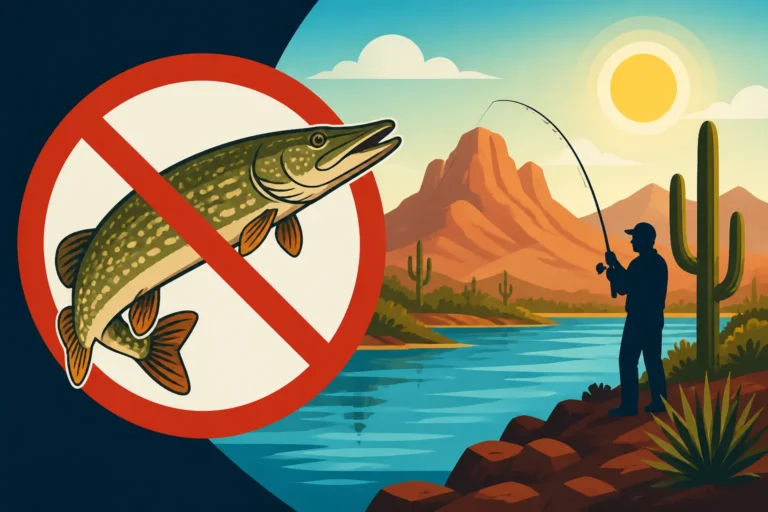
Equally important is preventing the introduction of non-native or invasive species. Never move fish from one body of water to another, even if it's just from a bait bucket. This seemingly innocent act can introduce diseases, parasites, or invasive species that can outcompete, prey upon, or hybridize with native fish, leading to devastating ecological consequences. For example, some common baitfish or aquarium species could become invasive, disrupting the delicate balance. The Arizona Game and Fish Department has strict guidelines regarding Invasive and Protected Fish Species in Arizona for good reason. Always drain your livewell and clean your boat and gear thoroughly when moving between different lakes or river systems to prevent the spread of aquatic hitchhikers. By practicing these responsible angling habits, we all contribute to a healthier, more vibrant fishing future for Arizona.
Disclaimer
This article is for general informational purposes only and does not constitute professional advice. Laws, prices and regulations vary by location and change over time. Consult a qualified professional for guidance on your specific situation.