Can You Fish Right After It Rains in Arizona?
That moment when the Arizona sky opens up, letting loose a much-needed downpour, often leaves anglers wondering: should I pack up my gear and head home, or is this a golden opportunity? It's a common dilemma, and one many of us have faced. This guide will cut through the guesswork, helping you understand how rain affects Arizona's diverse fishing environments and equipping you with the knowledge to decide if hitting the water right after a storm is your next best move.
The Immediate Aftermath: What Happens Right After an Arizona Rain?
When the desert finally gets a good soaking, the landscape changes dramatically, and so do the conditions under the water. It’s not just about getting wet; there are some significant ecological shifts that impact our finned friends. Understanding these immediate changes is key to figuring out your post-rain fishing strategy.
Water Clarity and Runoff Challenges
Arizona is known for its dramatic desert scenery, which unfortunately means that when it rains, a lot of dirt, silt, and debris washes off the dry land and into our precious lakes and rivers. Think about it: months of dust and loose sediment just waiting to be carried away. A light, gentle rain might cause minimal disruption, perhaps just a slight discoloration near the banks. However, a heavy monsoon downpour, especially after a long dry spell, can transform crystal-clear waters into a murky, coffee-colored mess in a matter of minutes. This runoff carries not just fine silt but also leaves, twigs, and sometimes even larger debris.
For fish, particularly those that rely on sight to hunt, this sudden reduction in water clarity can be a real challenge. Their visibility drops significantly, making it harder for them to spot your lure or bait. It can also disrupt their natural feeding patterns. Imagine trying to find a meal in a dense fog – that's often what it feels like for a bass or trout in extremely muddy water. You'll typically see the most severe murkiness around inlets, coves, and areas where washes flow directly into the main body of water. These areas, while sometimes holding new food sources, can also be temporary "dead zones" for visual predators.
Temperature Shifts and Oxygenation Boosts
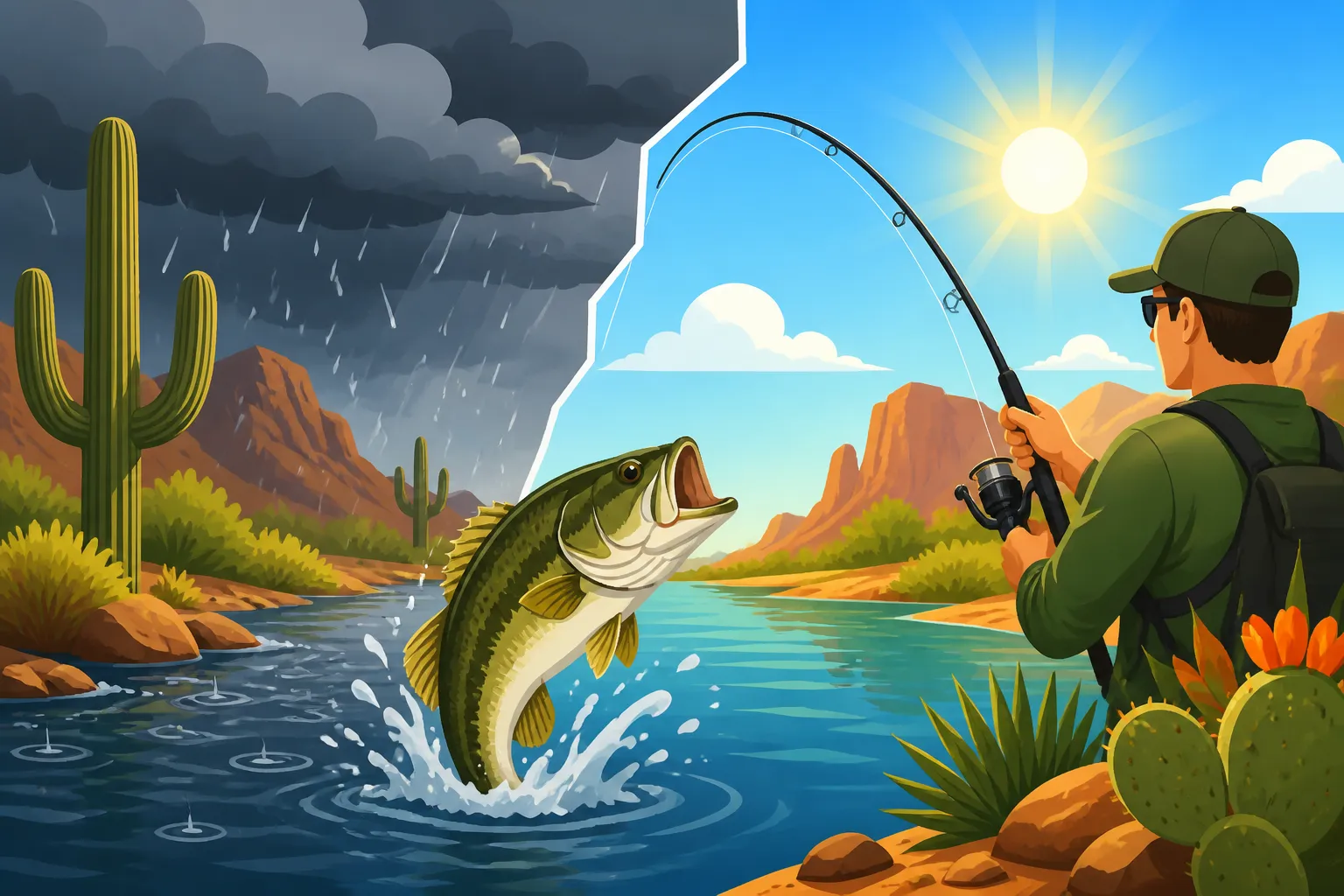
While the runoff might be a negative for clarity, rain brings some definite positives, especially in Arizona's often scorching climate. One of the most immediate benefits is the cooling effect on the surface water. During the summer, surface temperatures in many Arizona lakes can climb into the high 80s or even low 90s, making life uncomfortable for many fish species and pushing them deeper. A good rain shower can quickly drop those surface temperatures by several degrees, making the upper water column much more hospitable. This can encourage fish to move shallower, becoming more active and accessible.
Beyond just cooling, rain also provides a vital oxygenation boost. As raindrops hit the water's surface, they create countless tiny disturbances, which agitates the water and mixes atmospheric oxygen into it. In warm, stagnant waters, oxygen levels can sometimes dip, making fish lethargic. A fresh infusion of oxygen from rainfall can act like a shot of espresso for fish, invigorating them and sparking a feeding frenzy. This is particularly true for lakes that have experienced prolonged periods of high heat and little wind. The combination of cooler temperatures and increased oxygen can make fish feel much more active and willing to chase a meal.
Deciding When to Go: Factors to Consider Post-Rain
Knowing what happens after it rains is only half the battle. The real question is, when is it actually worth heading out? The answer isn't a simple yes or no; it depends heavily on the specifics of the rainfall and the unique characteristics of the fishing spot you have in mind.
Type and Intensity of Rainfall
Not all rain is created equal, especially in Arizona. A gentle, prolonged drizzle or a series of light showers, perhaps over several hours, is often a blessing for fishing. This kind of rain tends to cool the water gradually without causing excessive runoff or murkiness. It can gently wash terrestrial insects and small food items into the water, creating a subtle feeding opportunity. Under these conditions, fishing can be excellent either during the rain itself or immediately afterward, as fish become more active in the cooler, oxygenated water.
However, a fierce, short-lived thunderstorm or a sustained, heavy monsoon downpour presents a very different scenario. While the initial cooling and oxygenation benefits are still there, the sheer volume of water can create destructive runoff. This type of rain can turn a lake or river into a chocolate milkshake, making it nearly impossible for fish to see. In these cases, it's often best to wait. Give the water a few hours, or even a day or two, to settle and for the heaviest silt to fall out of suspension. The sweet spot usually comes when the water starts to clear, but before it returns to its pre-rain conditions. During the peak monsoon season, this waiting game is crucial for safety and success; you can learn more about navigating these conditions in our Arizona Monsoon Season Fishing Guide.
The Body of Water You're Fishing
The size and type of water body you're targeting also play a huge role in how quickly it recovers from rain and how fish respond. Smaller, shallower ponds, like those in the Best Urban Fishing Lakes in Arizona program, can become muddy very quickly due to their limited volume and often have significant surrounding development contributing to runoff. However, they can also clear up relatively fast, sometimes within hours, if the rain wasn't too severe. The fish in these community lakes are often accustomed to fluctuating conditions.
Large reservoirs such as Lake Pleasant, Roosevelt Lake, or Lake Havasu have immense volumes of water, so a localized rain shower might have little overall impact on clarity, though specific coves and arms where washes enter could still be very turbid. These larger lakes take much longer for widespread murkiness to clear, sometimes days. On the other hand, rivers like the Salt River Arizona Fishing Guide can react almost instantly. Rain in the watershed upstream can cause rapid rises in water levels and significant turbidity downstream, and these changes can be very swift and sometimes dangerous. Understanding the specific dynamics of your chosen lake or river is paramount. Always consider how much land drains into that particular spot.
| Type of Rainfall | Body of Water | Immediate Impact on Fishing | Recommended Action |
|---|---|---|---|
| Light Drizzle/Steady Rain | Small Pond/Urban Lake | Often improves activity, slight murkiness | Fish during or immediately after |
| Light Drizzle/Steady Rain | Large Reservoir/River | Minor impact, may increase activity | Fish during or immediately after |
| Heavy Thunderstorm/Monsoon | Small Pond/Urban Lake | Very murky, can be poor initially | Wait 6-24 hours for water to settle |
| Heavy Thunderstorm/Monsoon | Large Reservoir/River | Turbidity near inlets, main body may clear slowly | Focus on less affected areas, wait longer if widespread |
| Prolonged Heavy Rain | Any | Widespread murkiness, high flow/currents | Wait 1-3 days for conditions to stabilize |
Tactical Adjustments for Post-Rain Success
Okay, you've decided the conditions are right – or at least workable – after a rain. Now what? You can't just throw the same old lure with the same old retrieve and expect results. Post-rain conditions demand some strategic adjustments to your tackle and approach to really cash in on that weather-induced opportunity.
Lure and Bait Selection in Murky Waters
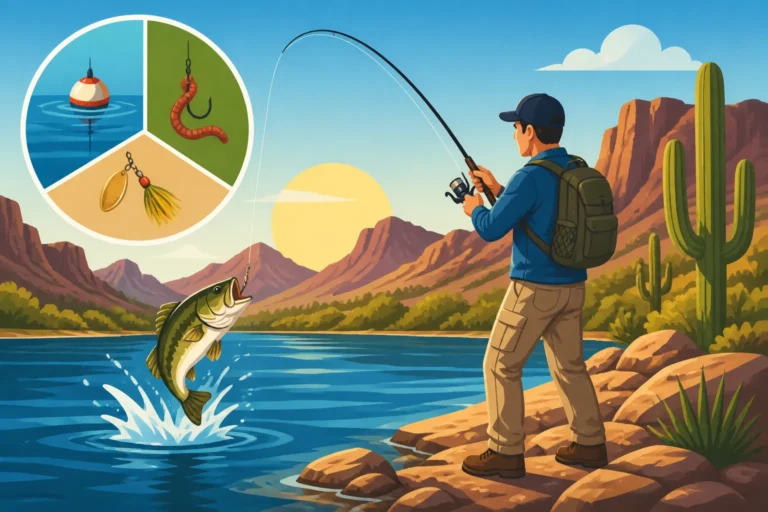
When the water is discolored, whether it's a light stain or a thick pea-soup hue, fish rely less on sight and more on their other senses: sound, vibration, and scent. This is where your lure selection becomes critical. Bright, contrasting colors, like chartreuse, white, or firetiger, can be more visible in murky conditions. Think about something that stands out, almost glowing against the dull background. Lures that create a lot of vibration are also incredibly effective. Chatterbaits, lipless crankbaits, spinnerbaits with large thumping blades, and even noisy topwater lures (if the surface isn't too agitated) can help fish locate your presentation even when they can't see it clearly. Many anglers find excellent options for these types of lures on Amazon, ensuring they have a variety of choices ready for changing water conditions.
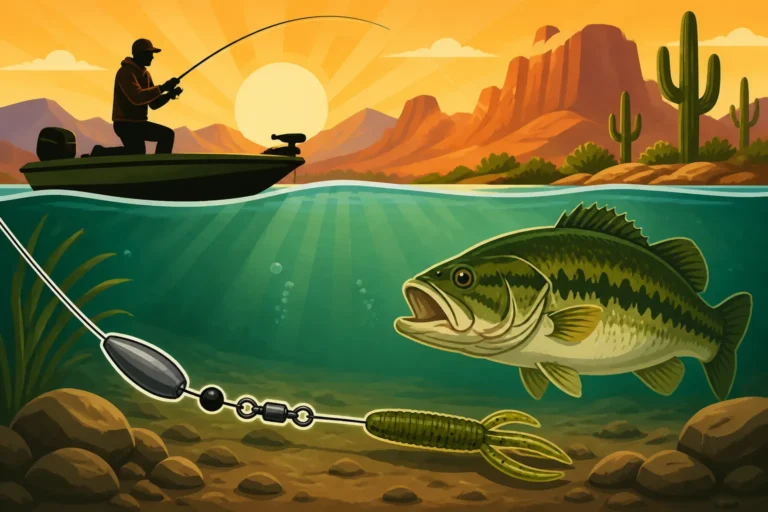
Scent is another powerful tool. Adding a scent attractant to your soft plastics or using natural baits can make a huge difference. Worms, cut bait, or live minnows (where legal, of course) emit natural scents that fish can home in on, even in zero visibility. For bass, a Texas-rigged plastic worm or creature bait that pushes a lot of water can be very effective. For catfish, this is prime time for stink baits or cut bait on the bottom. If you're looking for more ideas on what works well after a good downpour, be sure to check out our deep dive on How to Fish Muddy Water After a Monsoon.
Finding Fish in Changing Conditions
Rainfall often causes fish to shift their locations, and if you can predict these movements, you're in for a treat. One common behavior is for fish to move shallower, sometimes right up to the bank. This is partly due to the increased oxygen and cooler temperatures, but also because new food sources are washing in. Terrestrial insects, worms, and other small creatures get flushed into the water, creating an easy meal for opportunistic fish. Look for areas where runoff enters the lake or river – these can be hotspots of activity, as fish congregate to feed on the buffet.
Another strategy is to focus on "transition areas." These are spots where murky water meets clearer water, like the edges of a main channel or the mouth of a cove that hasn't received as much runoff. Fish often stage on the cleaner side, darting into the murk to ambush prey. Points, submerged structures like brush piles or rock formations, and even boat docks can hold fish seeking refuge from the main current or looking for new feeding lanes. Understanding the Seasonal Movement Patterns of Arizona Bass can give you an edge in these situations. Remember that fish are often more active after a rain, so covering water and trying different depths, especially shallower ones, can pay off handsomely.
Safety First: Precautions for Post-Rain Fishing
While the fishing opportunities after a rain can be fantastic, Arizona's desert environment demands a heightened sense of awareness when it comes to safety. The very conditions that make fishing great can also present serious hazards if you're not careful.
Understanding Flash Flood Risks
This is perhaps the most critical safety consideration in Arizona. Our desert landscape, with its hard, often non-porous ground, doesn't absorb water quickly. This means that even a moderate rain can lead to rapid and dangerous flash floods, especially in washes, arroyos, and canyons. A sunny sky above you doesn't mean you're safe; heavy rain miles upstream can send a wall of water roaring down a dry wash in minutes. Never, ever fish in or near a wash during or after rain, and always keep an eye on weather forecasts, not just for your immediate area but for the entire watershed that feeds your fishing spot.
The phrase "right after it rains" is crucial here. It never means during a heavy downpour or when water is actively rushing. Always wait until the immediate threat of heavy rain has passed and allow any visible flooding to subside. If you're planning to fish any river or stream that flows through a canyon, be extra vigilant. High water and swift currents can create treacherous conditions, even for experienced anglers. Our guide on How to Fish Safely During Monsoon Storms in Arizona offers essential advice on staying safe during these dynamic periods.
Slippery Banks and Debris Hazards
Rain makes everything wet, and in the Arizona desert, "wet" often means "slick." Muddy banks, rocky shorelines, and even concrete boat ramps can become incredibly slippery. A simple fall could lead to serious injury or, worse, falling into cold or fast-moving water. Always wear appropriate footwear with good traction, and take extra care when moving around the shoreline. Using a walking stick can provide added stability on uneven terrain. This is a good time to make sure your fishing boots or wading shoes, easily found on Amazon with reviews from fellow anglers, are up to snuff.
Heavy rainfall, particularly during the monsoon season, also washes an incredible amount of debris into lakes and rivers. This can range from small twigs and leaves to entire trees, tires, and other large objects. For boat anglers, this floating debris can be a significant hazard, potentially damaging propellers, lower units, or even capsizing smaller vessels. For shore anglers, it means constantly checking your line for snags and avoiding casting into areas choked with floating trash. Always be aware of your surroundings and scan the water for any unexpected obstacles, both floating and submerged. A sturdy set of pliers, also available on Amazon, can be invaluable for dealing with snags.
In conclusion, fishing right after it rains in Arizona is absolutely possible, and often incredibly productive, but it requires careful consideration and tactical adjustments. The key is to understand the type of rain, the specific body of water, and to prioritize safety above all else. With the right approach, those post-rain conditions can turn a potentially washed-out day into an unforgettable fishing experience.
Disclaimer
This article is for general informational purposes only and does not constitute professional advice. Laws, prices and regulations vary by location and change over time. Consult a qualified professional for guidance on your specific situation.