Is Fly Fishing Effective for Bass in Arizona?
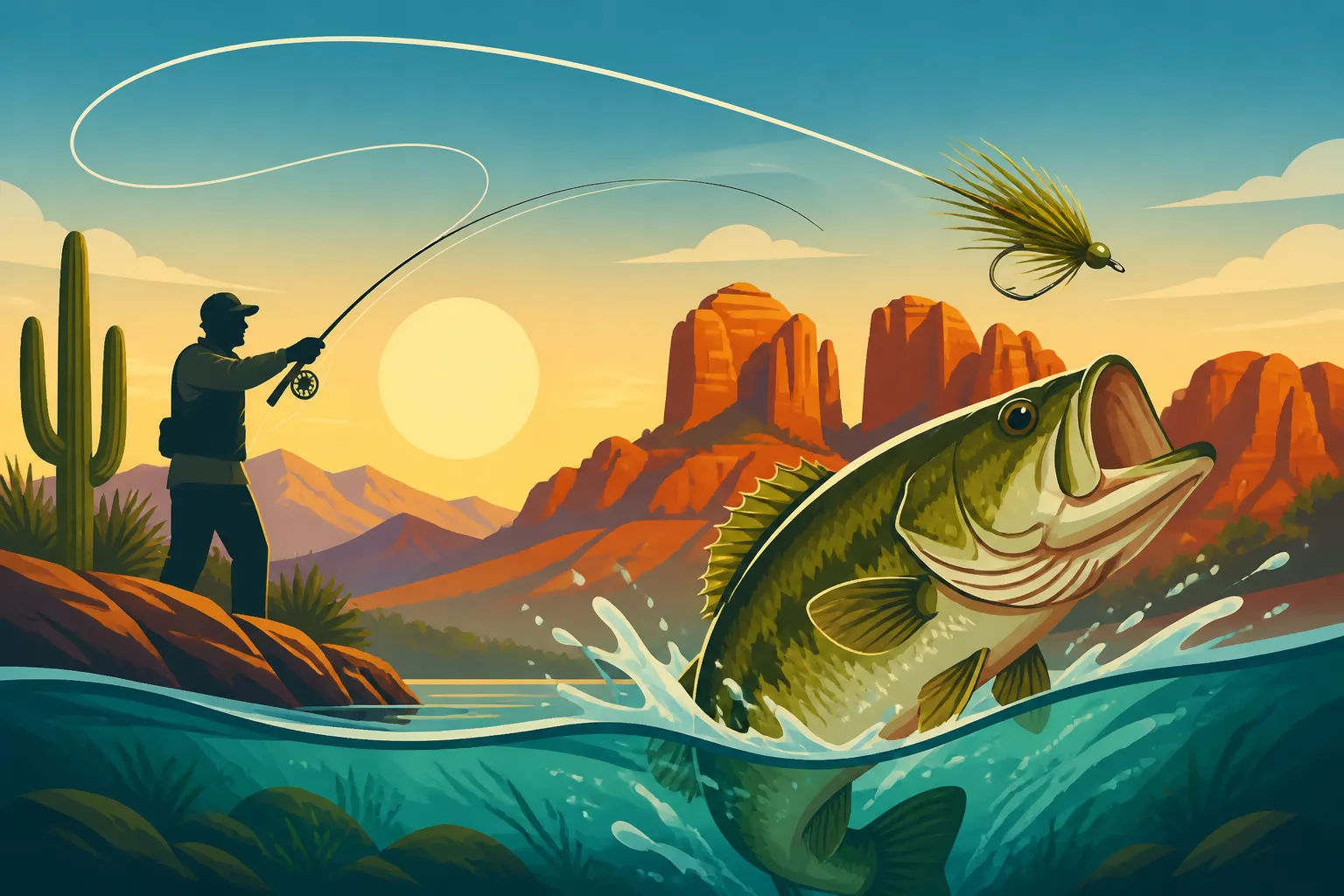
Let's be honest, when you think of fly fishing, your mind probably conjures up images of pristine mountain streams, crystal-clear water, and delicate trout rising to a perfectly presented dry fly. It’s a beautiful picture, but for many Arizona anglers, the idea of chasing bass with a fly rod seems a bit… unconventional. You might even wonder if it's truly effective given our hot desert lakes and the reputation bass have for hammering conventional gear. Well, I'm here to tell you that not only is fly fishing for bass in Arizona incredibly effective, but it also offers a uniquely rewarding experience that every angler should try. This guide will dive deep into why and how you can successfully target bass with a fly rod right here in the Grand Canyon State.
Debunking the Myth: Why Fly Fishing for Bass Makes Sense in Arizona
It's a common misconception that fly fishing is a niche sport reserved solely for trout. The truth is, many predatory fish, including bass, are fantastic targets for the fly angler. Arizona's diverse waters are teeming with different bass species, and their feeding habits make them perfect candidates for various fly presentations.
The Bass's Predatory Nature
Bass are, by nature, opportunistic and aggressive predators. Whether it's a largemouth lurking in the shadows of a submerged tree, a smallmouth patrolling rocky ledges, or a striped bass busting baitfish on the surface, their instincts drive them to strike at anything that looks like an easy meal. This aggressive behavior is precisely what makes them so much fun to catch on a fly rod.
Think about what bass eat: insects, crawfish, baitfish, frogs, even small rodents or birds that happen to fall into the water. Every single one of these food sources can be perfectly mimicked by a well-tied fly. A popper gurgling on the surface mimics a struggling critter, a streamer darting through the water looks just like a fleeing baitfish, and a crawfish pattern bounced along the bottom can fool even the wariest of bass. You’re not just hoping for a reaction strike; you’re often presenting a realistic imitation of their actual food. This makes fly fishing less about finesse and more about understanding the bass's diet and behavior, which is a huge part of the puzzle for any angler.
Arizona's Diverse Bass Habitats
Arizona offers a surprising array of bass habitats, from expansive desert reservoirs to cooler, higher-elevation lakes, and even sections of mighty rivers. Each of these environments presents unique opportunities for the fly angler.
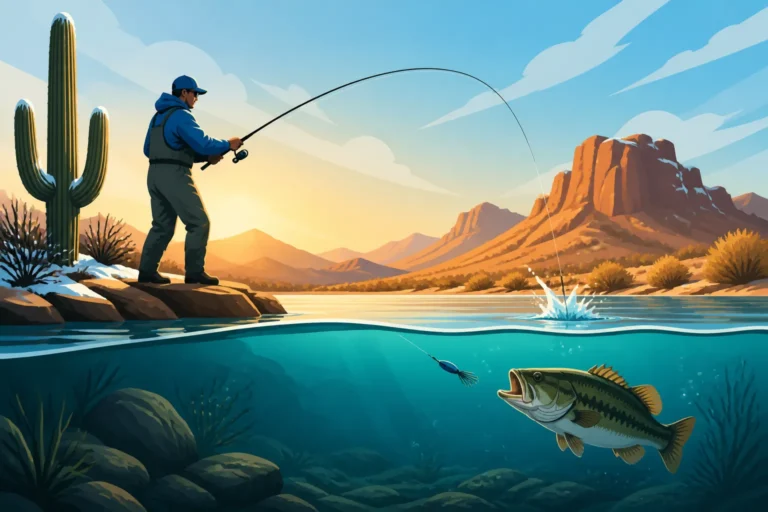
Our large desert lakes like Roosevelt Lake Arizona Fishing Guide, Lake Pleasant, and Lake Havasu are prime bass country. These lakes feature extensive shorelines with varying cover: rocky points, submerged timber, dense cattail beds, and even man-made structures. A fly rod, especially with a bit of practice, allows for incredibly precise presentations into tight spots where bass love to hide. You can skip flies under overhanging branches or drop a popper right into a small opening in a lily pad field, something that's often difficult with conventional gear. For those who love the chase, the Colorado River system, particularly the calmer sections, also holds excellent bass populations, including some truly monstrous striped bass. Even many of our urban fishing lakes, which are often stocked with various species, can hold surprising numbers of catchable bass, providing convenient local opportunities to hone your fly fishing skills.
Essential Gear for Arizona Bass Fly Fishing
While the basic concept of fly fishing remains the same regardless of your target species, the gear for bass can differ significantly from what you might use for delicate mountain trout. You need to be prepared for bigger fish, heavier flies, and potentially tougher conditions.
Rods, Reels, and Lines: Stepping Up from Trout Gear
If you're already a trout fly angler, you'll find that your typical 4- or 5-weight trout setup just won't cut it for most Arizona bass. You'll need to beef up your arsenal. For largemouth and smallmouth bass, a 7-weight or 8-weight rod is often ideal. It provides the backbone needed to cast larger, wind-resistant flies (like big poppers or heavy streamers) and has the power to turn a stubborn bass away from heavy cover. If you're planning to target the bigger striped bass on the Colorado River or Lake Powell, consider stepping up to a 9-weight rod for extra muscle.
Your reel needs to be robust enough to handle these larger line weights and provide a smooth, reliable drag system, though honestly, with bass, most of the fight is controlled by stripping line by hand rather than relying on the reel's drag like you might with a running trout. The most critical component for bass, however, is your fly line. A weight-forward (WF) line is essential for punching out those heavier flies. Consider a specialized bass taper line, which typically has a shorter, more aggressive front taper to help turn over bulky flies. For fishing deeper structure in our reservoirs during the summer or winter, an intermediate or full-sinking line can be invaluable for getting your flies down to where the fish are holding. You can find a fantastic selection of these specialized rods, reels, and lines on platforms like Amazon, often with detailed reviews to help you choose the right setup for your needs.
Top Flies for Arizona Bass
Choosing the right fly is half the battle, and for Arizona bass, you've got a fantastic arsenal of patterns to work with. These aren't your dainty little dry flies; we're talking about flies with some bulk and presence!
- Topwater Flies: Nothing beats the thrill of a bass exploding on a topwater fly! Poppers are classics, creating a disturbance that mimics a struggling frog or baitfish on the surface. Choose them in various colors, from natural greens and browns to brighter chartreuses and oranges, especially in lower light conditions. Divers, which push water with a cupped face but dive slightly when stripped, are also highly effective. Foam frogs and mice imitations are killer patterns when bass are feeding near vegetation or overhanging banks. These are particularly effective during early mornings, late evenings, and overcast days when bass are more willing to feed at the surface.
- Streamers: When bass are feeding on baitfish, streamers are your go-to. Patterns like Clouser Minnows, Deceivers, and articulated baitfish flies in shades of white, chartreuse, olive, or black can imitate shad, sunfish, or other forage fish. Vary your retrieve — short, sharp strips for an aggressive look, or longer, smoother pulls for a more subtle presentation. Size matters here; match the hatch, so to speak, to the size of the baitfish bass are actively feeding on.
- Subsurface Flies: For those times when bass are holding deeper or just aren't looking up, subsurface patterns are key. Crawfish imitations, often tied with rubber legs and dumbbell eyes to sink quickly, are incredibly effective, especially when hopped along rocky bottoms. The ever-versatile Woolly Bugger in black, olive, or brown, fished with a slow, erratic retrieve, can imitate everything from a baitfish to a leech or even a drowning insect, making it a staple in any bass fly box. Jig-style flies with rabbit strips or marabou also work wonders when bass are tight to structure.
Techniques for Taming Arizona Bass on the Fly
Having the right gear is a great start, but knowing how to use it effectively is what truly unlocks the potential of fly fishing for bass. It's not just about flinging a fly; it's about presentation, reading the water, and knowing how to fight these strong fish.
Mastering the Cast and Presentation
Casting for bass often differs from typical trout casting. You'll frequently be making shorter, more accurate casts into tight spots, rather than long, delicate presentations. Learning to roll cast effectively is invaluable for getting your fly out from under overhanging trees or dense bushes without needing a backcast. Practice punching flies under docks, into openings in lily pads, or alongside cattail lines. Accuracy is often more important than distance.
Once your fly is on the water, the retrieve is critical. For topwater flies, experiment with pauses, short strips, and aggressive pops until you find what triggers a strike. Sometimes a long pause after the fly lands is all it takes for a curious bass to inspect it before inhaling it. For streamers and subsurface flies, think about mimicking the natural movement of their prey. Baitfish dart and pause; crawfish scuttle along the bottom. Varying your strip speed and incorporating pauses can make a huge difference. Don't be afraid to experiment! If a certain retrieve isn't working, change it up.
Reading the Water and Targeting Structure
Just like with conventional tackle, success in fly fishing for bass hinges on your ability to read the water and identify prime holding areas. Bass are masters of ambush, so they'll relate to structure and cover that offers protection and an advantage when ambushing prey.
Look for classic bass haunts: rocky points, submerged timber, brush piles, weed lines, changes in bottom composition, and steep drop-offs. In Arizona's desert lakes, shade is also a massive factor, especially during hot summer days. Target areas shaded by cliffs, docks, or even large submerged objects. When the fish are shallow, pitch your flies right into the densest cover you can find. For deeper bass, especially during colder months or the heat of summer, use sinking lines to get your subsurface patterns down to those deeper ledges or humps. Understanding the seasonal movement patterns of Arizona bass is key here, as their preferred depth and location will change throughout the year. Don't forget to pay attention to subtle cues like nervous baitfish or diving birds, which can indicate feeding activity.
The Fight: Landing Arizona's Hard-Hitting Bass
Bass are known for their powerful initial runs and head shakes, and fighting them on a fly rod is a thrilling experience. When a bass strikes, set the hook firmly with a strip set – a quick, hard pull of your line hand, rather than lifting the rod tip. This ensures a solid hookup, especially with larger, heavier flies.
Once hooked, keep the rod tip high and use its backbone to control the fish. Try to keep the bass's head turned towards you and apply steady pressure to keep it from running into heavy cover, where it can easily break you off. Palming the reel (applying gentle pressure to the rim of the spool) can give you extra control if a particularly strong bass tries to take line. For larger bass, especially those in the multi-pound range, a good landing net is indispensable. It helps protect the fish and makes for a safer, easier release. Remember, a quick fight and release are always best for the fish's health.
Seasonal Considerations and Best Bets for Arizona Bass Fly Fishing
Arizona's climate means that bass behavior, and therefore your fly fishing strategy, will shift dramatically throughout the year. Understanding these seasonal changes is crucial for consistent success.
Spring and Fall: Prime Time for Aggressive Bass
If you want to experience some of the most exciting fly fishing for bass in Arizona, focus on the spring and fall. These are truly prime times.
- Spring: As water temperatures rise in spring, bass move shallower for their pre-spawn and spawning activities. They become incredibly aggressive, protecting their nests and feeding heavily to prepare for or recover from spawning. This is fantastic news for fly anglers! Topwater action can be phenomenal during this period, especially in the mornings and evenings. Poppers and frog patterns fished near spawning flats, rocky banks, and weed lines can draw explosive strikes. During the mid-day, slower retrieves with subsurface flies like crawfish patterns or lightly weighted streamers can tempt cruising fish.
- Fall: Fall mirrors spring in many ways, offering another excellent window of opportunity. As water temperatures begin to cool, bass go on a feeding frenzy, bulking up for the leaner winter months. They become highly active, chasing baitfish and often schooling up. This is a great time to throw streamers that mimic shad or sunfish. Look for bass pushing bait against banks or in open water. Topwater action can also still be strong, especially in warmer stretches of the fall. These transitional seasons mean bass are typically shallower and more predictable in their movements, making them easier to intercept with a fly.
Summer and Winter: Adapting to Extremes
While spring and fall are prime, you absolutely can catch bass on a fly rod during Arizona's extreme summer heat and cooler winters, you just need to adjust your tactics.
- Summer: Arizona summers mean scorching temperatures, and the water often follows suit. Bass will seek refuge in deeper, cooler water during the hottest parts of the day. Your best bet for summer fly fishing is to hit the water extremely early in the morning, right at first light, or fish into the evening and even at night. During these cooler periods, bass might move shallower to feed, making topwater and shallow-running streamers effective. During the heat of the day, you'll need to focus on deep water techniques. Use sinking lines and heavy subsurface flies to reach bass holding on ledges, humps, or submerged timber. A slow, methodical retrieve is often key. Remember to prioritize heat safety tips for summer fishing in Arizona – bring plenty of water, wear sun protection, and know your limits.
- Winter: Our winters are mild compared to many places, but water temperatures do drop significantly, slowing down bass metabolism. The fish will be less active and often hold tight to deep structure. This is the time for slow, deliberate presentations. Think about slow-rolling Woolly Buggers or jig flies along the bottom on a sinking line. Bass will often stack up in deeper channels or on structure adjacent to deep water. While the bites might be fewer and farther between, the fish you do catch can often be larger, as they conserve energy. Focus on sunny days when the water might warm up a degree or two, or target north-facing banks that get more consistent sun exposure.
| Bass Species | Preferred Arizona Habitats | Effective Fly Types | Prime Seasons |
|---|---|---|---|
| Largemouth Bass | Weed lines, submerged timber, rocky banks, docks | Poppers, Frogs, Crawfish, Clouser Minnows, Woolly Buggers | Spring, Fall, Summer (early/late) |
| Smallmouth Bass | Rocky points, ledges, clear water, main lake humps | Clouser Minnows, Crayfish, Streamers, Poppers (smaller) | Spring, Fall, Winter |
| Striped Bass | Open water, deep channels, main lake points, boils | Large Streamers (Deceivers, Sardina), Poppers (large) | Spring, Fall, Summer (boils) |
| Yellow Bass | Open water, schooling with stripers/white bass | Small Streamers, Micro Jigs, Wet Flies | Year-round, often opportunistic |
Fly fishing for bass in Arizona is not just effective; it's an exciting challenge that adds a whole new dimension to your angling adventures. From the explosive strikes on topwater flies to the subtle takes on deep-running streamers, it’s a rewarding pursuit that connects you with the environment in a unique way. So, next time you’re heading out to hit your favorite Best Bass Fishing Lakes in Arizona, don't leave your fly rod behind. You might just discover a new passion!
Ready to expand your fly fishing horizons? Explore guides on Arizona Fishing Regulations Explained or learn about Best Baits and Lures for Arizona Fishing to round out your knowledge. Don't forget that knowing the Arizona Fishing Season Dates and Limits is crucial before any trip. If you're new to fly fishing, a good starting point might be looking into Best Fishing Reels for Beginner Anglers in Arizona or learning about Essential Tackle Box Setup for Arizona Beginners. For those serious about catching bigger fish, understanding How to Fish for Striped Bass or Best Bass Fishing Techniques for Arizona Lakes will be invaluable. Remember to also check Arizona Fishing License Types Compared to ensure you have the correct permits for your chosen waters.
Disclaimer
This article is for general informational purposes only and does not constitute professional advice. Laws, prices and regulations vary by location and change over time. Consult a qualified professional for guidance on your specific situation.