Best Season to Catch Smallmouth Bass at Lake Powell
Fishing for smallmouth bass at Lake Powell can be an incredible experience, but it’s easy to feel overwhelmed by the sheer size of the lake and the challenge of knowing when and where to even begin. Many anglers struggle to pinpoint the ideal time to target these feisty fighters, often leaving a trip feeling less successful than hoped. This guide is here to unravel the seasonal mysteries of Lake Powell, helping you identify the prime windows for catching smallmouth bass, understand their behaviors, and equip you with the knowledge to make your next trip unforgettable.
Why Lake Powell is a Smallmouth Bass Paradise
Lake Powell, with its breathtaking red rock canyons, crystal-clear waters, and endless coves, isn't just a scenic wonderland; it's a genuine smallmouth bass haven. Unlike the murky, vegetation-choked waters where largemouth bass often thrive, smallmouth prefer the rocky, arid environments that dominate Lake Powell's landscape. The lake's deep, cool waters and abundance of rocky structure create the perfect habitat for these bronze-backed fighters, leading to some truly epic fishing opportunities if you know when and how to approach them.
Unique Habitat and Forage for Smallmouth Bass
What makes Lake Powell so special for smallmouth bass? It really comes down to the geology and the food chain. The lake is essentially a drowned canyon system, offering countless miles of submerged cliffs, ledges, boulder fields, and talus slopes – all prime real estate for smallmouth. These structures provide both ambush points for hunting and protection from predators. The water clarity is often exceptional, allowing smallmouth to rely heavily on sight to hunt their prey.
Their primary diet in Lake Powell includes crayfish, threadfin shad, and various smaller fish species. The availability and location of these forage items directly influence where smallmouth will be throughout the year. As temperatures change, these baitfish and crustaceans move, and the smallmouth follow suit. Understanding this predator-prey relationship is critical to consistently finding and catching these fish. For more on what these fish eat, you might find our guide on Smallmouth Bass Diet and Feeding Habits helpful.
The Thrill of the Fight: Smallmouth vs. Largemouth
If you've ever hooked into a smallmouth bass, you know they're a different breed. While largemouth bass are known for their powerful initial strike and deep dives into cover, smallmouth are acrobatic, hard-fighting, and relentless. They'll often make multiple jumps, rapid changes in direction, and furious runs, especially in the clear, open water of Lake Powell. This makes them an incredibly exciting target for anglers, offering a truly memorable battle on light to medium tackle. Their aggressive nature means they're often willing to chase down a well-presented lure, adding to the thrill.
The Absolute Best Seasons for Smallmouth Success
When it comes to consistently catching smallmouth bass at Lake Powell, two seasons stand head and shoulders above the rest: spring and fall. These periods offer the most favorable conditions, combining active fish with often comfortable weather, leading to higher catch rates and more enjoyable outings.
Spring: The Pre-Spawn and Spawning Frenzy
Without a doubt, spring is arguably the single best season to catch smallmouth bass at Lake Powell. As the water temperatures begin to climb from the cold grip of winter, smallmouth become incredibly active, moving into shallower waters to feed aggressively in preparation for the spawn.
The magic typically begins when water temperatures reach the high 40s to low 50s Fahrenheit, usually around late March through May. During this pre-spawn phase, smallmouth are gorging themselves, trying to pack on as much energy as possible. They’ll be found on rocky points, submerged humps, and ledges leading into protected coves and pockets. Crankbaits, jerkbaits, and suspending minnow imitations are deadly during this time. As the water warms further into the mid-50s and 60s, the smallmouth begin to bed. This is when sight fishing can be particularly effective, though it's crucial to practice ethical angling and avoid over-pressuring spawning fish. Remember, these fish are trying to reproduce, so a quick photo and release are always best. You can learn more about specific techniques in our guide to Spring Bass Fishing Tactics in Arizona.
Fall: Feeding Frenzy Before Winter
Just as productive, and often less crowded than spring, is the fall season at Lake Powell. As air and water temperatures begin to cool from the summer highs, smallmouth bass once again enter a hyper-aggressive feeding pattern. They sense the impending winter and need to fatten up, making them incredibly susceptible to a variety of presentations.
This autumnal feeding frenzy typically kicks off around September and continues strong through November. The cooling water temperatures (from the 70s down into the 60s) trigger baitfish to move into shallower coves and creek arms, and the smallmouth are right on their tails. Look for schooling activity, especially early and late in the day. Topwater lures, spinnerbaits, and swimbaits can be incredibly effective when fish are chasing shad. As the water continues to cool, consider transitioning to slower presentations like drop shots, jigs, and small spoons fished on rocky ledges and points. The fall colors reflecting off the canyon walls also make for an absolutely stunning backdrop to your fishing adventure.
Understanding Smallmouth Behavior Through the Year
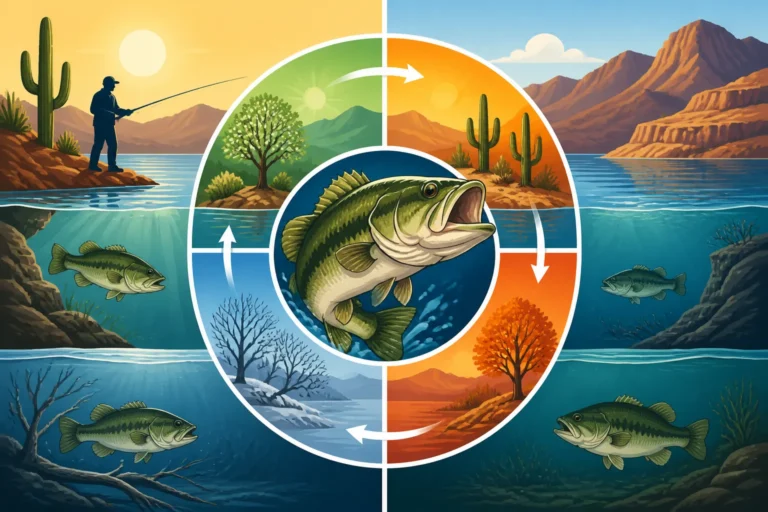
While spring and fall offer peak opportunities, smallmouth bass can be caught year-round at Lake Powell if you adapt your strategies. Understanding their seasonal movements and habits is the key to consistent success.
Summer: The Deep Water Game
Summer fishing at Lake Powell can be challenging due to the intense Arizona heat and high recreational boat traffic, but it's far from impossible to catch smallmouth. As water temperatures soar into the 80s, smallmouth retreat to deeper, cooler waters to escape the heat and bright sunlight.
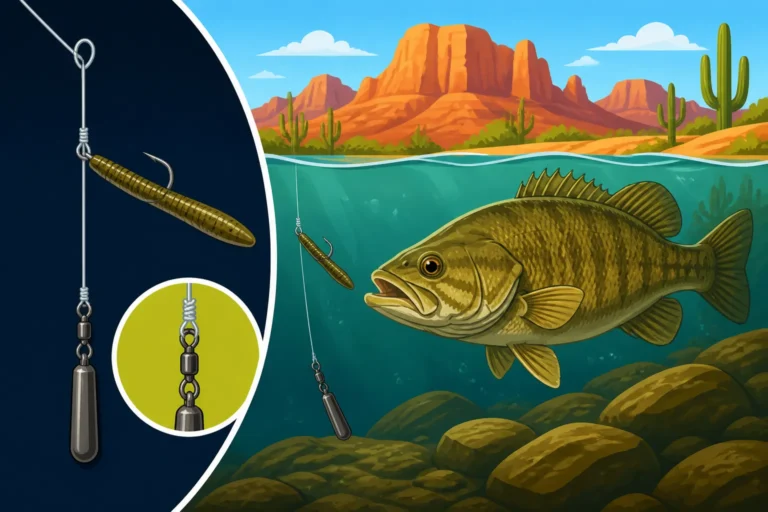
From June through August, you'll typically find smallmouth congregating around deep structure – 20 to 60 feet or even deeper. Look for submerged canyon walls, ledges, humps, and points that drop quickly into deep water. Early mornings and late evenings offer the best chances for fish to move shallower, sometimes even chasing bait near the surface during "boils" (when schools of stripers and smallmouth herd shad to the surface). During the heat of the day, slow and precise presentations are key. Drop shots, Ned rigs, small jigs, and Carolina rigs fished right on the bottom are highly effective. You'll need good electronics to locate these deep-water fish. For tips on navigating the heat, our Best Time of Day to Fish in Arizona Heat guide has you covered.
Winter: Slow and Methodical
Winter fishing at Lake Powell for smallmouth requires patience and a slower approach, but it can yield some surprisingly large fish when conditions are right. Water temperatures can drop into the 40s, making the fish less active and their metabolism much slower.
During December through February, smallmouth bass will be found in their deepest winter haunts, often suspending over deep water near vertical rock walls, submerged timber, or deep creek channels. They tend to school up tightly in these areas. Vertical jigging with spoons, blade baits, or slow-fished jigs can be effective. Your retrieve should be incredibly slow, often just barely moving the lure. Look for sunny days when fish might move shallower to warm up on sun-drenched rock walls, but even then, they'll likely still be deep. This is a time when fewer bites mean more quality, and the serene quiet of the canyons in winter is an experience in itself.
Key Tactics and Gear for Lake Powell Smallmouth
Having the right gear and understanding the most effective tactics can significantly increase your success rate when targeting smallmouth bass at Lake Powell, regardless of the season.
Recommended Rods, Reels, and Line
For smallmouth bass, especially in clear water and often around rocky structure, a medium-light to medium power spinning rod is often the go-to. This allows for excellent sensitivity to detect subtle bites and enough backbone to fight feisty fish. A 6'6" to 7'2" rod length is versatile for various presentations. Pair this with a 2000 or 2500 series spinning reel. For line, I highly recommend using a braided main line (10-15 lb test) for its sensitivity and casting distance, connected to a fluorocarbon leader (6-10 lb test) for its invisibility in clear water and abrasion resistance against rocks. If you're looking for new gear, you can find a wide selection of suitable rods and reels on Amazon. Choosing the right setup can make a huge difference in your fishing experience; consider our detailed comparisons in Best Rod and Reel Combo for Bass.
Smallmouth Bass Gear Recommendations
| Gear Type | Recommendation | Rationale |
|---|---|---|
| Rod | 6'6" – 7'2" Medium-Light to Medium Power Spinning Rod | Versatility, sensitivity, and enough backbone for fighting. |
| Reel | 2000 – 2500 Series Spinning Reel | Balanced for rod, smooth drag, good line capacity. |
| Main Line | 10-15 lb Braided Line | Superior sensitivity, casting distance, no stretch. |
| Leader Line | 6-10 lb Fluorocarbon (3-6 ft length) | Nearly invisible in clear water, abrasion resistant. |
| Pliers | Long-nose fishing pliers (e.g., from Amazon) | Essential for hook removal and cutting line, especially with trebles. |
| Sunglasses | Polarized Sunglasses | Crucial for spotting fish and structure in clear water, reducing glare. |
Top Lures and Baits for Different Conditions
Smallmouth bass are opportunistic feeders, but certain lures consistently produce results at Lake Powell:
- Jerkbaits: Especially effective in spring and fall when fish are suspended or cruising rocky points. Brands like Rapala and Lucky Craft make excellent jerkbaits.
- Crankbaits: Medium-diving crankbaits that mimic shad or crayfish are great for covering water and triggering reaction strikes, particularly in pre-spawn and fall. Look for models that dive to 8-15 feet.
- Soft Plastics (Drop Shot, Ned Rig, Carolina Rig): These shine in all seasons, particularly when fish are deeper or less active. Finesse worms, tubes, and small creature baits rigged on a drop shot or Ned rig are deadly. Carolina rigs with lizard or brush hog baits are excellent for covering rocky bottom. You can find a huge variety of these plastics on sites like Amazon. For more on this, check out Drop Shot Techniques for Smallmouth Bass.
- Swimbaits: Small paddle tail swimbaits on a jig head can imitate shad and are effective year-round, especially when fish are targeting baitfish.
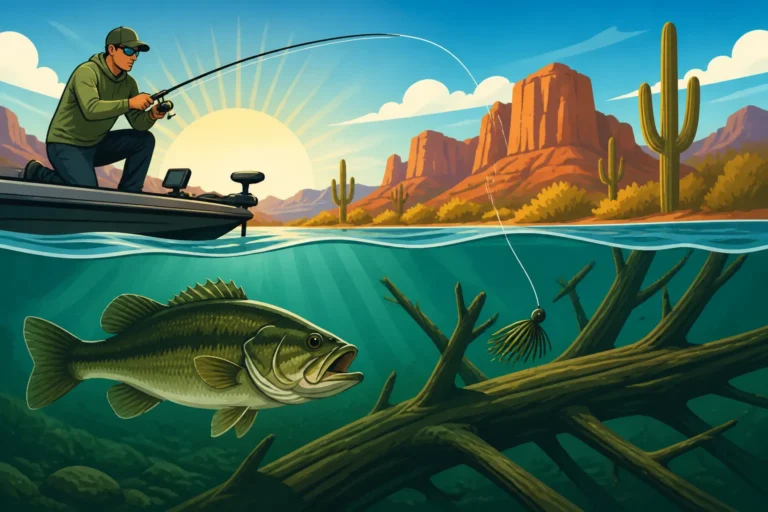
- Jigs: Finesse jigs (1/4 to 3/8 oz) with crayfish-imitating trailers are excellent for pitching to rocky cover or dragging along ledges.
- Topwater Lures: During low-light conditions in spring, summer (early morning/late evening), and fall, poppers, walking baits, and prop baits can entice explosive strikes.
Always carry a variety of lure types and colors to adapt to changing conditions. The clarity of Lake Powell's water often means more natural, subtle colors work best, but don't shy away from brighter colors on overcast days or in stained water after a storm.
General Tips for Lake Powell Success
- Focus on Structure: Smallmouth bass are almost always associated with some form of rocky structure. This could be a sheer cliff wall, a transition from rock to sand, a submerged point, or a boulder field.
- Watch for Shad Schools: If you find threadfin shad, smallmouth won't be far behind. Use your fish finder to locate schools of baitfish, especially in the deeper canyons.
- Go Light and Clear: Due to the clear water, lighter line and more natural bait presentations often lead to more bites. Fluorocarbon leaders are your friend.
- Embrace the Wind: A light chop on the water can break up the surface, making fish less spooky and often more aggressive. Wind-blown points can be excellent feeding grounds.
- Check Water Levels: Lake Powell's water levels can fluctuate significantly. Always check current conditions, as this can change access points and fish locations. Information about Drought Water Levels at Lake Powell can be very insightful.
- Consider a Guide: For your first few trips, especially if you're new to the area, hiring a local guide can be invaluable. They know the current patterns, best spots, and effective techniques.
Disclaimer
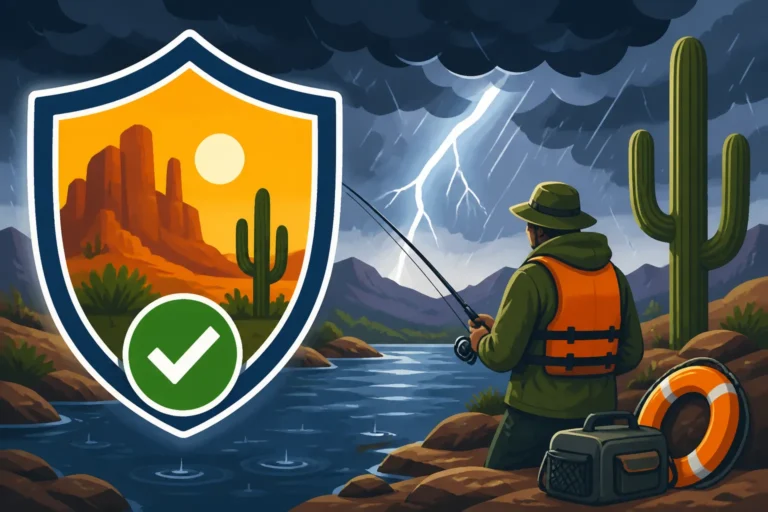
Fishing conditions can change rapidly based on weather, water levels, and fish behavior. Always check the latest Arizona Game and Fish Department regulations before heading out. This guide provides general advice and should be used as a starting point for your own research and on-the-water experience. Be safe, respect the environment, and practice responsible catch-and-release, especially during spawning seasons, to help preserve Lake Powell's incredible smallmouth bass fishery for generations to come.