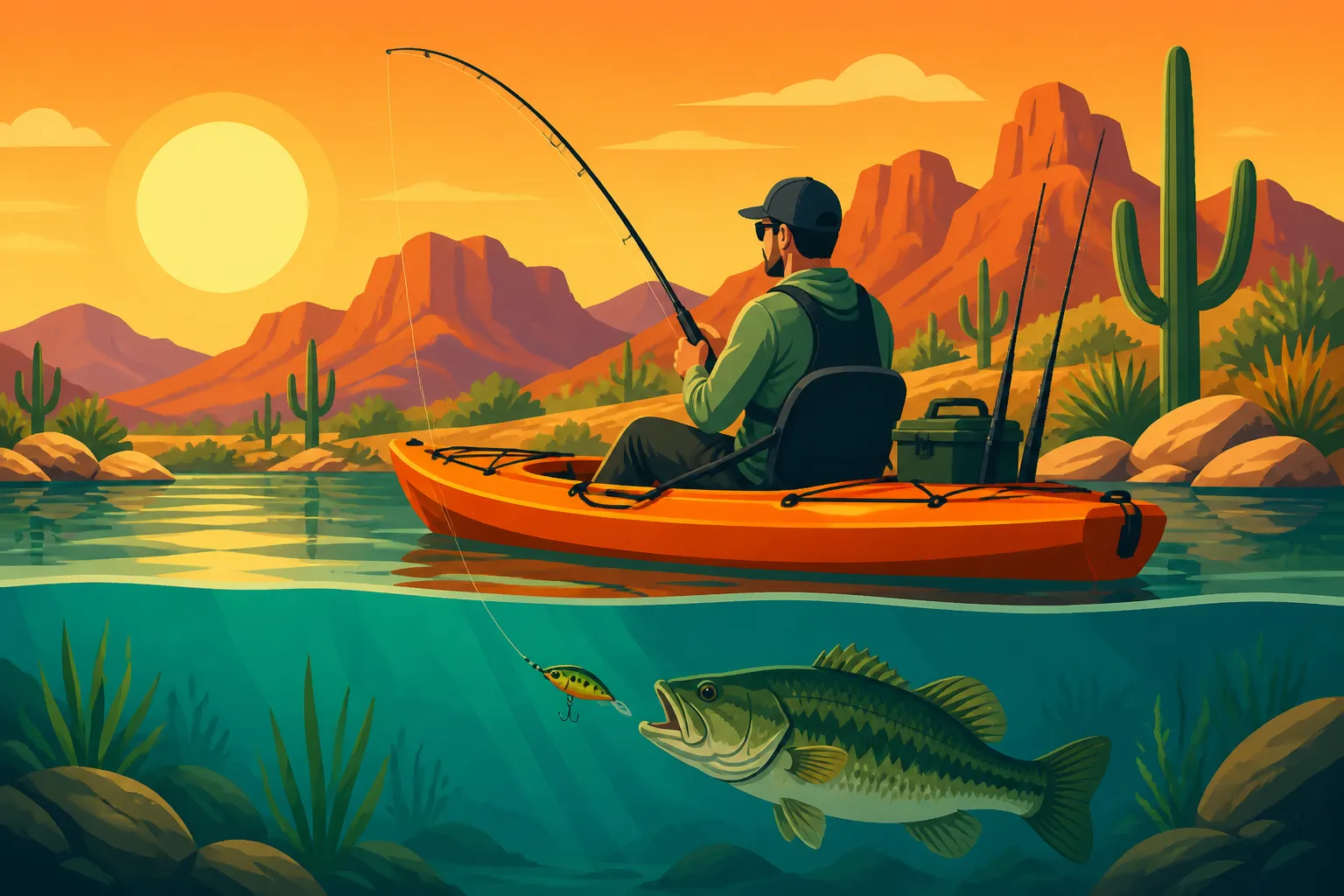
How to Fish From a Kayak on a Desert Lake
There's nothing quite like the feeling of silently gliding across the glassy surface of an Arizona desert lake at dawn, the only sound the gentle dip of your paddle or the whir of your reel. But let's be real, kayak fishing on these vast, sun-baked waters presents its own unique set of challenges that can quickly turn a peaceful outing into a struggle if you're not prepared. From battling unexpected winds to staying hydrated under that relentless Arizona sun, it’s a whole different ballgame than fishing from a big boat or the bank. This guide is here to walk you through everything you need to know to not just survive, but truly thrive, while kayak fishing on our incredible desert lakes.
Why Kayak Fishing Shines on Arizona's Desert Lakes
You might wonder why anyone would choose a kayak over a full-sized bass boat on a sprawling lake like Roosevelt or Lake Pleasant. Well, my friend, there are some undeniable advantages that a small, agile craft offers, especially in our unique Arizona environment. It's not just about getting on the water; it's about how you interact with it and the fish.
Accessing Unpressured Waters
One of the biggest frustrations for many anglers on popular Arizona lakes is the sheer amount of boat traffic and fishing pressure. The main lake points, easy-to-reach coves, and well-known structures can get pounded by dozens of boats, especially on weekends. This constant activity often spooks fish, pushing them into harder-to-reach areas. This is where your kayak becomes your secret weapon.
Think about those long, winding canyon arms of Apache Lake or the countless hidden coves on Saguaro Lake. Many of these spots are too shallow or too rocky for large bass boats to navigate safely, and they're often too far to hike to with a full load of gear. Your kayak, however, can slip right in. You can paddle deep into those quiet pockets, exploring narrow passages and finding fish that rarely see a lure. Imagine discovering a pristine patch of submerged timber holding a school of hungry largemouth bass, far from the roar of outboard motors. That's the kind of experience kayak fishing unlocks – giving you exclusive access to unpressured waters where fish are less wary and more likely to strike. This alone can dramatically improve your catch rates and the overall quality of your fishing trip.
Stealth and Presentation
Fish, especially the larger, wiser ones, are incredibly sensitive to vibrations and noise. A rumbling outboard motor or even the loud splash of an anchor dropping can send them scattering. The beauty of kayak fishing lies in its inherent stealth. You glide across the water with minimal disturbance, allowing you to approach prime fishing spots without alerting the fish to your presence.
This quiet approach enables incredibly precise and natural presentations of your baits and lures. You can creep up to a brush pile, a rocky outcropping, or a submerged tree, and make that perfect, subtle cast right into the strike zone. You’re not just casting at the fish; you’re almost becoming part of their environment. This quiet intimacy with the water is a huge advantage when targeting species like bass, crappie, or even the often-skittish trout in clearer waters. The ability to hold your position quietly and make multiple, accurate casts to a specific piece of structure is a game-changer. Plus, the lower profile of a kayak means less shadow on the water, reducing another potential spook factor.
Cost-Effectiveness and Simplicity
Let's face it, owning a powerboat can be a significant investment – purchase price, insurance, maintenance, fuel, registration, and storage all add up quickly. Kayak fishing offers a much more accessible and budget-friendly entry point into boat-based angling. The initial cost of a good fishing kayak is a fraction of a powered boat, and the ongoing expenses are minimal. You don't need to worry about gas prices impacting your fishing budget, and maintenance is typically limited to a quick rinse after each trip.
Transport and launching are also remarkably simple. Most fishing kayaks can be easily loaded onto a car roof rack or into the bed of a truck, eliminating the need for a specialized trailer. This means you can launch from virtually any shoreline access point, not just designated boat ramps, further expanding your fishing options. The simplicity extends to the actual fishing experience; there are fewer complicated systems to manage, allowing you to focus more on the fishing itself. For anglers just getting started or those looking for a low-fuss way to get out on the water, kayak fishing is an incredibly attractive and practical option. If you're looking for an affordable way to enjoy Arizona's waters, check out some options on Amazon for Best Kayaks for Fishing in Arizona.
Essential Gear for Desert Lake Kayak Fishing
Stepping into kayak fishing on Arizona's desert lakes means you'll need more than just a rod and reel. The harsh environment demands specific gear for safety, comfort, and, of course, successful fishing. For a full breakdown of what to bring on any Arizona fishing trip, our Essential Tackle Box Setup for Arizona Beginners provides a great starting point, but let's dive into the specifics for kayak fishing.
Choosing the Right Kayak
The foundation of your kayak fishing adventure is, naturally, the kayak itself. There's a wide range of options, and selecting the right one depends on your priorities for stability, speed, and comfort. For fishing on our larger desert lakes, stability is often key, especially when you're fighting a big fish or reaching for gear.
- Sit-on-Top (SOT) vs. Sit-in: Most dedicated fishing kayaks are sit-on-top models. They are generally more stable, easier to get in and out of (a huge plus if you need to swim or re-enter from the water), and offer ample space for mounting accessories like rod holders and fish finders. They also drain water through scupper holes, so you don't have to worry about bailing out water. Sit-in kayaks, while sometimes faster, can feel more restrictive and are harder to re-enter if you capsize. Given the warm Arizona waters, the occasional dunk isn't as terrifying as in colder climates, making SOTs a comfortable choice.
- Pedal vs. Paddle: This is a big one. Pedal-drive kayaks, like those from Hobie or Old Town, allow for hands-free propulsion, which is a massive advantage when fishing. You can constantly position yourself with your feet while casting, reeling, or fighting a fish. This greatly enhances your ability to cover water and stay on fish. Paddle kayaks are generally less expensive and lighter, but constantly juggling your paddle while trying to fish can be frustrating. If your budget allows, a pedal-drive kayak is a game-changer for desert lake fishing, allowing you to maneuver against the wind or current effortlessly.
- Length and Stability: Longer kayaks (12 feet and up) tend to track straighter and are faster, which is beneficial on large, open lakes where you might cover significant distances. Shorter kayaks are more maneuverable but can be slower and more susceptible to wind. Look for a kayak with a wider beam (width) for increased stability. Features like elevated seating are also fantastic, offering a better vantage point for spotting fish and reducing fatigue.
Must-Have Safety and Comfort Items
Arizona's desert environment is beautiful but unforgiving, especially on the water. Prioritizing safety and comfort is non-negotiable for a successful and enjoyable trip.
- Personal Flotation Device (PFD): This isn't just a recommendation; it's a legal requirement and a lifesaver. Even if you're a strong swimmer, a PFD will keep you afloat if you capsize or fall out, allowing you to focus on re-entering your kayak or retrieving gear. Look for a fishing-specific PFD with pockets and attachment points for essential tools. Check out the Boating Safety Gear Requirements in Arizona to make sure you're compliant. Remember, even if adults aren't required to wear them, PFD Requirements for Kids in Arizona mandate that children 12 and under must always wear one.
- Sun Protection: The Arizona sun is no joke. Wide-brimmed hats, sunglasses (polarized ones are amazing for spotting fish underwater!), long-sleeved UPF-rated shirts, and plenty of high-SPF sunscreen are absolutely essential. Consider a neck gaiter and even fishing gloves. Dehydration and sunburn can quickly ruin your day and pose serious health risks.
- Hydration: Bring more water than you think you'll need. A gallon per person for a half-day trip isn't overkill, especially during the warmer months. Electrolyte drinks are also a good idea. Insulated water bottles or a hydration bladder on Amazon can keep your drinks cool for hours.
- Communication Device: A fully charged cell phone in a waterproof bag is a must. For more remote areas or longer trips, a marine radio or a satellite communication device provides an extra layer of safety. Always let someone know your float plan – where you're going and when you expect to return.
Fishing-Specific Tackle for Kayaks
While your rods, reels, and lures are mostly the same, how you manage and access them in a kayak requires some specific considerations.
- Rod Holders: Integrated or aftermarket rod holders are crucial for storing rods while paddling, moving between spots, or fighting a fish. Flush-mount holders keep them out of the way, while adjustable ones offer versatility for trolling or different casting angles. Aim for at least three: two for storage and one for active fishing.
- Tackle Management: Space is at a premium. Small, organized tackle boxes or waterproof bags that fit neatly into your kayak's storage hatches or crates are ideal. Avoid large, bulky tackle boxes that can tip over or take up too much deck space. Many kayak anglers use a "milk crate" system in their stern well, customized with rod holders and storage bins.
- Anchoring System: Even a light breeze can quickly push your kayak around on a large lake. A small anchor system (grapple anchor, drag chain, or stick anchor) with a quick-release mechanism is invaluable for holding position over productive structure or when you're fighting a fish. Make sure the rope is long enough for the depths you'll be fishing.
- Fish Finder: A compact, portable fish finder can significantly increase your success, especially on our deep desert lakes. Models like those from Humminbird or Garmin offer excellent features in a kayak-friendly size. They help you locate underwater structure, identify baitfish schools, and mark fish, giving you a distinct advantage. Many can be mounted easily with suction cups or clamps.
- Net and Grips: A small, easily accessible landing net is critical for safely landing fish, especially larger bass or catfish, without bringing them onboard still thrashing. Fish grips (like a Boga Grip) are also fantastic for handling fish without harming them or getting hooked yourself.
| Gear Category | Essential Items for Kayak Fishing | Why It's Crucial |
|---|---|---|
| Kayak | Sit-on-Top Fishing Kayak (10-14ft) | Stability, easy entry/exit, space for gear, self-draining for desert conditions. |
| Pedal Drive (Optional, but recommended) | Hands-free propulsion for constant positioning and fishing efficiency. | |
| Safety | PFD (Fishing-specific) | Legal requirement, keeps you afloat, pockets for essentials. |
| Whistle/Signal Horn | Attract attention in emergencies. | |
| Paddle (even with pedal drive) | Backup propulsion, maneuvering in shallow water. | |
| Waterproof Dry Bag (for electronics, keys) | Protects valuables from water. | |
| First-Aid Kit | For minor injuries, cuts, hook pokes. | |
| Knife/Line Cutter | Cutting line, emergencies. | |
| Comfort & Hydration | Wide-Brim Hat, Polarized Sunglasses | Essential sun protection, reduces glare for spotting fish. |
| UPF Long-Sleeve Shirt, Sunscreen | Prevent severe sunburn in harsh Arizona sun. | |
| Large Water Bottle/Hydration Bladder (1+ gallon capacity) | Crucial for preventing dehydration in extreme desert heat. | |
| Cooling Towel | Helps manage body temperature. | |
| Fishing Specific | Rod Holders (multiple) | Securely hold rods while paddling, trolling, or re-tying. |
| Small, Organized Tackle Boxes/Crate System | Maximizes space, keeps tackle accessible and secure. | |
| Anchor System (grapple, drag chain) with quick release | Holds position over structure, prevents drifting. | |
| Fish Finder (portable/kayak specific) | Locates structure, bait, and fish. | |
| Landing Net (small, rubberized) | Safely land fish, protects fish and angler. | |
| Fish Grips/Pliers | Safe fish handling, hook removal. | |
| VHF Radio or Satellite Messenger (for remote areas) | Emergency communication beyond cell service. |
Strategies for Kayak Fishing Success on Desert Lakes
Once you've got your gear dialed in, it's time to talk strategy. Kayak fishing isn't just about putting a boat on the water; it requires a slightly different approach to planning, movement, and actual fishing techniques to truly excel on Arizona's unique desert reservoirs.
Planning Your Trip and Weather Considerations
Success on the water often starts long before you launch your kayak. For a broader understanding of how our Arizona seasons affect fishing, check out our Arizona Fishing Seasons Explained guide, but here’s what you need to focus on for kayak trips.
- Scout Your Launch and Target Areas: Before you even leave the house, use satellite maps (Google Earth is your friend!) to identify potential launch spots, parking, and, most importantly, the specific areas you want to fish. Look for coves, points, submerged creek channels, or drop-offs that might hold fish. Consider the distance you'll need to paddle to get to these spots and back. Is there an easier, closer launch point that gets you to the desired fishing zone without excessive paddling?
- Crucial Weather Checks: This is paramount in Arizona.
- Wind: Wind can be a kayak angler's worst enemy, especially on large, open lakes like Lake Pleasant or Alamo Lake. Even a moderate breeze can make paddling exhausting and fishing difficult. Always check the wind forecast, and if winds are predicted to be above 10-15 mph, consider rescheduling or finding a more sheltered area. If you must go, plan your route to utilize the wind for travel in one direction and avoid being caught far from your launch point against a strong headwind.
- Temperature: Our summer temperatures are legendary. Pay close attention to air and water temperatures. High air temps mean you need to be extra vigilant about hydration and sun protection. High water temps often mean fish will be deeper, so adjust your tactics accordingly. For tips on managing the heat, our Heat Safety Tips for Summer Fishing in Arizona is indispensable.
- Monsoon Season: From July through September, afternoon thunderstorms can pop up quickly and violently. These storms bring sudden, strong winds, lightning, and heavy rain, which are extremely dangerous for kayak anglers. Always check the radar and be prepared to get off the water immediately if dark clouds start building. For more insight into these challenging conditions, read our Arizona Monsoon Season Fishing Guide.
Mastering Kayak Positioning and Movement
The beauty of kayak fishing is the ability to quietly get into prime locations. But once you're there, knowing how to position and move your kayak effectively can make or break your day.
- Silent Approach: Always approach your target fishing spot with minimal noise and disturbance. Paddle slowly and deliberately, avoiding banging your paddle or gear against the kayak. If you have a pedal drive, use gentle, consistent movements. This stealth is your biggest advantage.
- Using the Wind to Your Advantage: Instead of constantly fighting the wind, learn to use it. If you're fishing a long bank or structure, you can often "drift" with the wind, making casts as you go. Deploy a small drift sock or anchor to slow your drift and maintain control. This saves energy and allows for thorough coverage of an area.
- Effective Anchoring: When you find a productive spot, anchoring securely is key to precise casting and working a specific area. Use your anchor to hold your position relative to the structure you're targeting. If fishing a point or ledge, anchor slightly upwind or upstream from your target to allow your casts to drift naturally into the strike zone. Quick-release anchor systems are vital for safely detaching if a big fish pulls you into danger or if weather conditions change rapidly.
- Hands-Free Maneuvering: This is where a pedal drive truly shines. Being able to subtly adjust your position with your feet while actively casting or fighting a fish means you can stay focused on the fishing. If you're paddle-powered, you'll need to practice holding your paddle between your knees or having it readily accessible for quick adjustments.
Effective Fishing Techniques from a Kayak
Fishing from a kayak often means adapting your usual techniques to account for your lower vantage point, limited casting space, and the need for efficient fish handling.
- Casting from a Seated Position: Most kayak fishing will be done sitting down. Practice making accurate, controlled casts – often shorter and more precise than from a boat or shore. Sidearm and roll casts become your best friends, especially around overhead obstacles like tree branches or canyon walls. You'll want to choose your Best Fishing Rods for Bass in Arizona with a medium-fast action and a length that's manageable from a seated position, typically 6'6" to 7'2".
- Managing the Fight: When you hook into a good fish, especially a feisty bass or a hard-pulling striped bass, the fight can be amplified in a kayak. Keep your rod tip low and to the side of the kayak to avoid it getting hung up on the boat or breaking. Use your paddle or pedal drive to pivot the kayak and keep the fish off the bow or stern. This is where stability is crucial!
- Lure Presentations for Kayaks:
- Vertical Jigging: This is incredibly effective from a kayak, especially with a fish finder. Position yourself directly over submerged structure or fish, and drop jigs, spoons, or soft plastics straight down. This technique minimizes casting space needed and is very efficient.
- Flipping and Pitching: For targeting tight cover like brush piles or reeds, flipping and pitching jigs or Texas-rigged plastics from your kayak allows for a quiet, precise entry into the strike zone.
- Trolling: For covering open water or targeting suspended fish, especially striped bass, slow trolling with crankbaits or swimbaits can be highly effective. Rod holders are essential for this, allowing you to paddle or pedal while your lures do the work. Remember to choose the Best Fishing Reels for Beginner Anglers in Arizona that are smooth and have a reliable drag for this.
- Targeting Species: Arizona's desert lakes offer a variety of species. Bass (largemouth and smallmouth) are popular kayak targets due to their structure-oriented habits. Crappie often school up in brush piles, perfect for a vertical presentation. For insights into species-specific habits, explore our Fish Species Guide for Arizona Lakes.
Navigating Challenges and Staying Safe
Kayak fishing in Arizona is an incredible experience, but it comes with its own set of challenges. Being prepared for these will ensure your trips are not only successful but, most importantly, safe.
Beating the Desert Heat and Sun
This cannot be stressed enough: the Arizona sun is relentless, especially on the water where reflections intensify its effects. Heatstroke and severe sunburn are real dangers that can turn a fantastic day into a medical emergency.
- Hydration is Your #1 Priority: Carry significantly more water than you think you’ll need – at least a gallon per person for a half-day outing, even more for longer trips. Electrolyte drinks can help replenish essential salts lost through sweating. Keep them in an insulated cooler. Dehydration can creep up on you quickly, leading to fatigue, confusion, and impaired judgment.
- Maximum Sun Protection: Layer up with UPF-rated clothing, including long-sleeved shirts, pants, and a wide-brimmed hat that shades your neck and ears. Polarized sunglasses protect your eyes and help you spot fish beneath the glare. Apply broad-spectrum, high-SPF sunscreen to all exposed skin, and reapply frequently, especially after getting wet. Consider a face mask or neck gaiter for added protection.
- Time Your Trips Wisely: During the hottest months (May-September), the best fishing and safest times for kayak anglers are often the early morning hours, right at sunrise, or late evening as the sun begins to set. Avoid being out on the water during the peak heat of the day, generally between 10 AM and 4 PM. For detailed advice, consult our guide on the Best Time of Day to Fish in Arizona Heat.
- Know Your Limits: Listen to your body. If you start feeling dizzy, nauseous, or excessively fatigued, it's time to head back to shore, rehydrate, and cool down. Pushing through these symptoms in the heat can be incredibly dangerous.
Dealing with Wind and Rough Water
Arizona's desert lakes, while beautiful, can quickly become formidable bodies of water when the wind picks up. A calm morning can transform into a choppy, white-capping afternoon in a matter of minutes.
- Monitor Wind Forecasts Religiously: Before every trip, check multiple weather sources for wind speed and direction. If sustained winds are predicted to be 10-15 mph or higher, especially on large open lakes like Lake Powell or Roosevelt Lake, serious consideration should be given to postponing your trip or choosing a smaller, more sheltered body of water.
- Understand Wind Effects on Kayaks: Kayaks, particularly sit-on-tops, have a relatively high profile above the water, making them susceptible to being pushed around by the wind. A strong headwind can make paddling exhausting and virtually impossible to make headway. Crosswinds can push you sideways, making casting difficult and potentially leading you into unsafe areas.
- Plan for Sheltered Areas: When planning your route, identify coves, canyon arms, or shorelines that offer protection from prevailing winds. If the wind unexpectedly picks up, these can be safe havens to retreat to until conditions improve.
- Stay Close to Shore: On windy days, it's often safer to hug the shoreline. This offers a bit more protection from the wind and waves and means you're never too far from solid ground if you encounter trouble. However, be mindful of potential hazards like submerged rocks or shallow areas.
- Practice Self-Rescue: Know how to re-enter your kayak from the water, even if you capsize. Practice this in calm conditions close to shore. This skill is vital if you get dumped in choppy water.
Understanding Local Regulations and Permits
Just like any other form of fishing, kayak angling in Arizona requires adherence to specific rules and regulations. Staying informed protects both you and the fishery.
- Arizona Fishing License: Almost all fishing in Arizona requires a valid Arizona fishing license. There are very few exceptions, such as during specific Free Fishing Days. Be sure to purchase the correct license for your residency status and duration. Our Arizona Fishing License Guide is an excellent resource for all the details on types, costs, and requirements. You can also learn how to purchase one easily through our How to Buy an Arizona Fishing License guide.
- PFD Requirements: While you should always wear your PFD for safety, Arizona law dictates specific requirements, especially for children. Ensure everyone on board, particularly those 12 and under, has a properly fitted and readily accessible (or worn) PFD.
- Boat Registration: Most non-motorized kayaks do not require registration in Arizona. However, if you add an electric trolling motor to your kayak, it then falls under motorized vessel regulations and will need to be registered with the Arizona Game and Fish Department. Always double-check current regulations if you plan any modifications.
- Lake-Specific Rules: Some lakes have special regulations regarding speed limits, no-wake zones, or even bait restrictions. For example, some areas may have catch-and-release only rules or specific bag and possession limits that differ from statewide regulations. Always consult the Arizona Game and Fish Department's current regulations booklet or website for any specific rules pertaining to the lake you plan to fish. You wouldn't want to accidentally violate Arizona Fishing Regulations Explained for a specific body of water.
- Tribal Lands: Many of Arizona's excellent fishing waters are located on tribal lands, such as San Carlos Lake. Fishing on these waters almost always requires a separate tribal fishing permit in addition to your state license. Make sure you understand these requirements before you go.
By being prepared for the unique challenges of Arizona's desert lakes, you'll ensure your kayak fishing adventures are safe, enjoyable, and filled with plenty of fish stories to tell!
Disclaimer
Please remember that fishing conditions, regulations, and safety recommendations can change. Always consult the latest official Arizona Game and Fish Department regulations and local weather forecasts before heading out on the water. Stay safe and happy fishing!