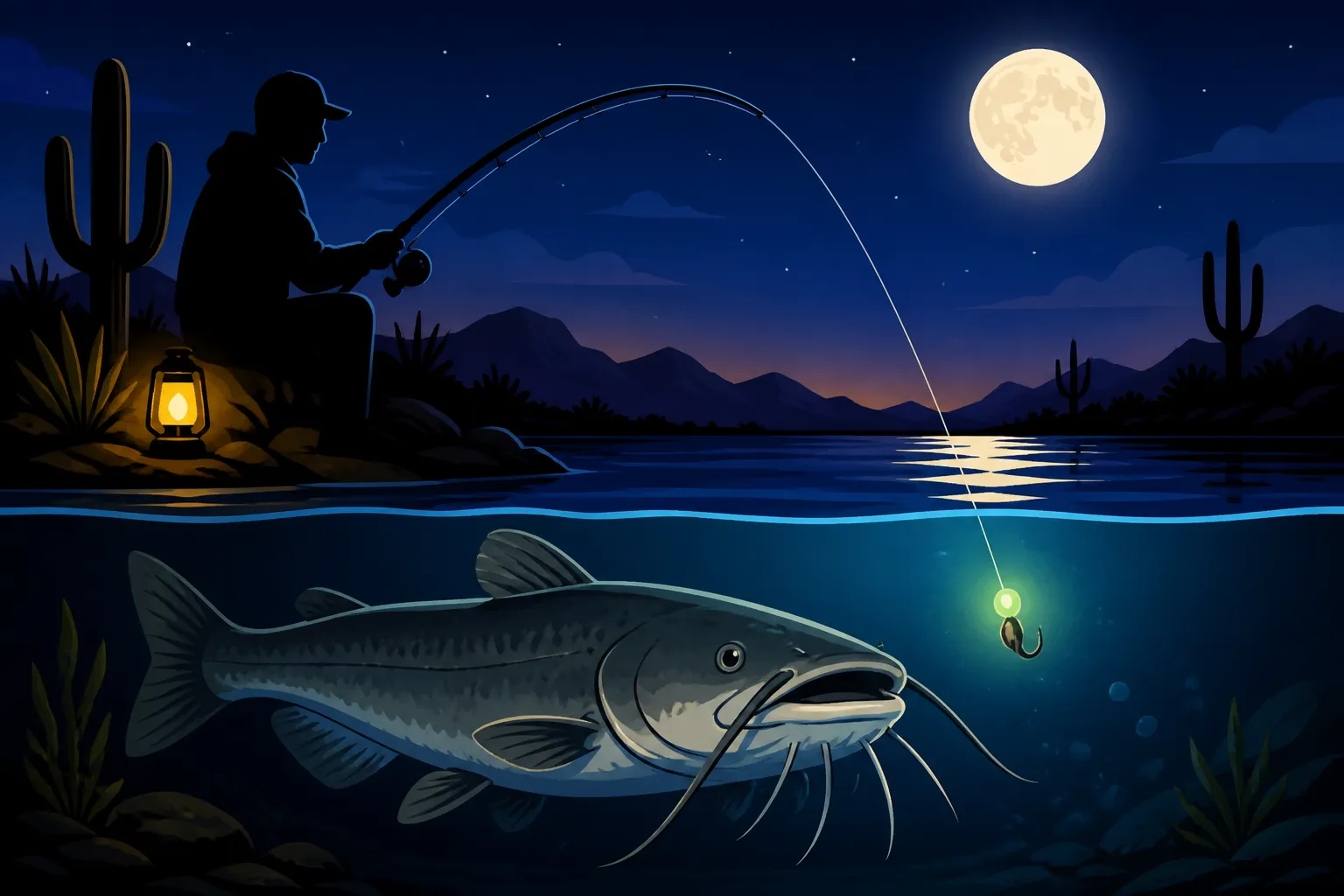
How to Fish for Catfish at Night
The scorching Arizona sun can make a daytime fishing trip feel like a survival challenge, leaving many anglers wondering if there’s a better way to pursue those elusive bottom dwellers. If you've ever found yourself baking on the shore or battling a heat-induced haze, you know the frustration. This guide is your ultimate deep dive into the cooler, more productive world of night fishing for catfish in Arizona, revealing expert strategies, essential gear, and the prime locations to help you reel in those nocturnal giants under the desert sky.
Why Night Fishing for Catfish is a Game Changer in Arizona
Arizona's unique climate and the natural behavior of catfish create a perfect storm for night fishing success. It's not just about comfort; it's about tapping into the fish's natural rhythm and maximizing your chances when they're most active.
Beating the Arizona Heat and Sun
Let's be real, summer fishing in Arizona during the day is tough. The sun beats down mercilessly, pushing air temperatures well over 100 degrees Fahrenheit, and surface water temperatures can climb into the high 80s or even 90s. As an angler, you're not just fighting the fish; you're battling dehydration, sunburn, and overall exhaustion. It's simply not enjoyable, and it can even be dangerous.
For the fish, especially those that prefer cooler waters or seek refuge from bright light, the intense daytime heat is also a major factor. Catfish, like many other species, become lethargic and move into deeper, cooler water during the hottest parts of the day. They might still bite, but their activity levels are significantly reduced. The moment that sun dips below the horizon, however, everything changes. Air temperatures drop, often by 20 to 30 degrees, making it infinitely more pleasant for us humans. More importantly, the cooling air begins to cool the surface water, stimulating fish activity. This is when catfish, feeling more comfortable and emboldened by the dim light, start to move out of their deep-water sanctuaries and actively hunt in shallower areas. It's like the entire lake breathes a sigh of relief, and the fishing often heats up as the temperature cools down.
Catfish are Nocturnal Hunters
One of the most compelling reasons to chase catfish at night is their inherent biology. These incredible fish are perfectly adapted for low-light conditions, making them truly nocturnal hunters. Unlike sight-feeding predators like bass, catfish rely heavily on their superior senses of smell, touch, and lateral line system. Their small eyes are not designed for keen vision in bright light, but they function surprisingly well in the dark, picking up subtle changes in light and shadow.
However, it's their other senses that truly shine at night. Catfish possess highly sensitive barbels (whiskers) that are packed with chemoreceptors, allowing them to "taste" and "smell" their environment with incredible precision. They can detect the faintest scent of prey, even in murky water. Their lateral line system, a series of sensory organs along their sides, allows them to feel vibrations and pressure changes in the water, helping them locate prey in complete darkness. This means that as darkness falls, these fish shift into high gear. They emerge from cover, patrolling shallower flats, humps, and creek channels, searching for an easy meal. This behavior directly translates into more consistent bites for the patient night angler. They'll be actively seeking out the very baits that rely on scent and vibration, which is exactly what we'll be presenting to them.
Essential Gear and Bait for Night Catfishing
Successful night catfishing requires a bit more than your standard daytime setup. You'll need specific gear to navigate the dark, present your bait effectively, and ensure your safety.
Lighting, Rods, and Reels
First and foremost, you need light. A reliable headlamp is absolutely non-negotiable. Look for one with a red light option. Red light preserves your night vision and is less likely to spook fish or disturb other anglers. A good camping lantern or two (LED or propane, always be mindful of propane safety) can provide ambient light for your fishing area, allowing you to tie knots, rig baits, and sort through your tackle box with ease. Some anglers even use light sticks or small LED lights clipped to their hats for extra localized illumination.
When it comes to rods, you'll want something sturdy. Catfish, especially the bigger flatheads and channel cats, can pull hard. A medium-heavy to heavy action rod, typically 7 to 9 feet in length, will give you the backbone needed to cast heavy baits and battle strong fish. Fiberglass rods are often preferred by many seasoned catfishermen for their durability and parabolic bend, which acts like a shock absorber when a big fish hits. For reels, a robust baitcasting reel is often the choice for targeting larger flatheads, offering excellent cranking power and line capacity. For channel cats, a quality spinning reel with a smooth, reliable drag system works perfectly well. You'll want a reel that can hold at least 150-200 yards of stout line, around 20-50 lb test monofilament or braided line. Braided line offers superior sensitivity and strength for its diameter, while monofilament provides more stretch, which can be forgiving. I often use braid with a monofilament or fluorocarbon leader, giving me the best of both worlds. You can find a fantastic selection of durable rods and reels suitable for night catfishing on Amazon.
Baits That Shine in the Dark
Since catfish rely so heavily on scent and vibration at night, your bait selection becomes paramount. Forget the flashy lures; we're talking about smelly, natural offerings that call out to a catfish's nose.
Stink Baits and Cut Baits
These are your bread and butter for channel catfish and often entice flatheads too.
- Chicken Livers: A classic for a reason. They're bloody, smelly, and have a texture that catfish find irresistible. They can be messy to handle, but they're incredibly effective.
- Hot Dogs: Cut into chunks, these can be soaked in garlic, Kool-Aid, or other attractants to make them even more potent. They're easy to use and stay on the hook well.
- Prepared Stink Baits: Brands like Catfish Charlie or Secret 7 offer dough baits or dip baits designed specifically for channel cats. These are extremely potent and often applied to sponges or specialized holders on your hook.
- Cut Shad or Tilapia: If you can catch or buy fresh shad or small tilapia, cutting them into chunks provides a natural, oily, and bloody bait that predatory catfish, including flatheads, can't resist. The scent trail is incredibly powerful.
- Shrimp: Raw shrimp, especially those that have been allowed to "stink up" a bit, are excellent for channel catfish.
Live Baits
For trophy flathead catfish, there's often no substitute for live bait. Flatheads are ambush predators that prefer live, struggling prey.
- Live Bluegill or Sunfish: These are prime targets for large flatheads. Ensure they are legal to use as bait in Arizona, and check size restrictions. Generally, you hook them through the back or lips.
- Live Carp or Goldfish: Smaller versions of these can also be very effective. Again, always verify local regulations on using specific fish species as live bait.
- Large Minnows: While not as common for huge flatheads, large minnows can still attract respectable channel and smaller flathead catfish.
Using fresh, smelly bait is key. The more pungent, the better. You can often buy fresh bluegill or shad from local bait shops, or even catch them yourself with a cast net or small hook and worm setup, making sure to check the specific regulations about live bait use in Arizona Fishing Regulations Explained.
Here's a quick comparison of some popular night catfishing baits:
| Bait Type | Target Species | Pros | Cons |
|---|---|---|---|
| Chicken Livers | Channel Catfish, Small Flatheads | Highly smelly, very attractive | Messy, falls off hook easily |
| Hot Dogs | Channel Catfish | Easy to use, stays on hook, customizable | Less natural scent unless doctored |
| Cut Shad/Tilapia | All Catfish, especially Flatheads | Natural, strong scent, oily | Requires fresh source, can be messy |
| Live Bluegill/Sunfish | Trophy Flathead Catfish | Irresistible to large predators | Requires keeping bait alive, regulations |
| Prepared Stink Baits | Channel Catfish | Extremely potent, convenient | Not always effective for Flatheads |
Specialized Night Fishing Accessories
Beyond your basic rod, reel, and bait, a few extra items can make your night catfishing trip much more successful and enjoyable.
- Lighted Bobbers or Glow Sticks: If you're fishing with a float, a lighted bobber or a small glow stick attached to a regular bobber is essential to see strikes in the dark. Brands like Thill offer excellent lighted bobbers.
- Rod Holders/Bank Sticks: You'll likely be fishing with multiple rods, and you need a secure way to hold them. Sturdy rod holders that can be driven into the bank or freestanding tripod holders are a must. This allows you to set your rod down, wait for a bite, and keep it from being dragged into the water by a hard-hitting catfish.
- Heavy Weights: Depending on current and depth, you'll need various sizes of lead or tungsten sinkers. Pyramids, no-roll, or egg sinkers from 1/2 ounce to 4 ounces are common. Heavy weights keep your bait on the bottom in strong currents, preventing it from drifting into snags.
- Strong Hooks: Catfish have tough mouths, so sharp, strong hooks are crucial. Circle hooks, particularly in sizes 4/0 to 8/0, are highly recommended. They are safer for the fish, leading to more jaw hook-ups and fewer gut hooks, and they're incredibly effective – once a fish takes the bait and swims away, the hook generally sets itself without you needing to aggressively set the hook.
- Pliers: Robust fishing pliers are essential for hook removal, cutting line, and crimping weights.
- Bug Spray: Arizona's desert nights, especially near water, can bring out mosquitoes and other biting insects. Don't forget bug spray!
- Cooler: A good cooler is vital not just for keeping your catch fresh but also for storing your bait, especially live or cut bait, to keep it from spoiling in the still-warm evening air. You can find quality fishing-specific coolers that keep ice for days on
Amazon. - First Aid Kit: Accidents happen, even in the dark. A basic first aid kit with bandages, antiseptic wipes, pain relievers, and any personal medications is always a smart addition to your gear list for any "Night Fishing Techniques and Safety" trip.
Having these specialized accessories ready will ensure you're prepared for whatever the night throws at you, from a subtle bite to an unexpected insect invasion.
Top Arizona Spots and Tactics for Night Catfish
Now that you're geared up, let's talk about where to go and how to maximize your chances of hooking into some Arizona catfish after dark.
Best Night Catfish Lakes and Rivers
Arizona boasts several prime locations for night catfishing, each with its own charm and opportunities. It's crucial to remember that night fishing regulations can vary by specific body of water, so always consult the latest Arizona Fishing Regulations Explained.
- Roosevelt Lake: As one of the largest lakes in Arizona, Roosevelt is a legendary spot for both channel catfish and monstrous flatheads. The numerous coves, submerged timber, and deep creek channels offer ideal habitats. During summer nights, flatheads will move onto shallow flats and points to ambush prey. The Tonto Creek Arm and the Salt River Arm are particularly productive. For more in-depth information, check out the Roosevelt Lake Arizona Fishing Guide.
- Lake Pleasant: Closer to Phoenix, Lake Pleasant is another fantastic option. It's known for abundant channel catfish and growing populations of flatheads. The lake's clear waters can make daytime catfishing challenging, but at night, the catfish become much more active. Target points, submerged islands, and areas where creek beds enter the main lake. The northern coves and the Agua Fria River arm are often hot spots. For detailed insights, refer to the Lake Pleasant Arizona Fishing Guide.
- Lower Salt River: Below Saguaro Lake, the Lower Salt River is a consistent producer of channel catfish and some impressive flatheads. This flowing water system provides excellent cover and a rich food source. Look for deeper pools, current breaks, and areas with overhanging vegetation. Access points near Phon D Sutton Recreation Site or Granite Reef are popular. Remember, flow rates can change, so always check conditions before heading out.
- Colorado River: The vastness of the Colorado River offers incredible catfishing, especially for large flatheads. Areas below dams, such as Laguna Dam near Yuma, or sections around Lake Havasu and the Parker Strip, are prime. Flatheads love the strong current and abundant baitfish. Night fishing here can yield truly enormous fish, so be prepared with heavy tackle. Get more details from the Colorado River Fishing Guide in Arizona.
- Alamo Lake: Located in western Arizona, Alamo Lake State Park is renowned for its flathead catfish. The lake's extensive submerged timber and brush provide perfect ambush points for these nocturnal predators. Night fishing here can be spectacular, but navigating in the dark requires caution due to the heavy cover.
- Community Fishing Program Lakes: Many urban lakes participate in the Arizona Game and Fish Department's Community Fishing Program, stocked primarily with channel catfish. While they can be productive, always check specific regulations for night fishing hours. Some community lakes have strict curfews. You can find more about these opportunities in the Arizona Community Fishing Program Rules.
Before heading out, always consult the Arizona Game and Fish Department website for the most current regulations, including Bag and Possession Limits Explained and any specific rules about night access or bait use for the body of water you plan to fish. You'll also need an Arizona Fishing License Guide which explains how to obtain one.
Locating Catfish After Dark
Finding catfish at night isn't just about showing up; it's about understanding their nocturnal movements. While they hide deep during the day, they become bolder after sundown.
- Structure is Key: Catfish are drawn to structure. This includes submerged trees, rock piles, ledges, old roadbeds, and creek channels. These features provide cover, ambush points, and often hold baitfish. If you're on a boat, a good fish finder is invaluable for identifying these underwater features. From shore, look for visible signs of structure extending into the water or use online mapping tools to scout potential spots beforehand.
- Current Breaks: In rivers or areas with current (like below dams), catfish will often sit in current breaks, waiting for food to wash by. Look for eddies, the downstream side of submerged rocks or fallen trees, or areas where the current slows down.
- Shallow Flats and Points: As darkness settles, catfish will move out of their deep-water sanctuaries and cruise shallower flats and points to feed. These areas often warm up faster and hold baitfish seeking warmer water or moving into shallower feeding zones themselves. Casting your bait onto these flats, especially where they drop off into deeper water, can be highly effective.
- Creek Mouths and Inflows: Any area where a creek or stream flows into a larger lake or river can be a catfish magnet, especially at night. These inflows bring in nutrients, baitfish, and often create subtle current changes that attract catfish.
Patience is a virtue in night fishing. Once you've identified a promising spot, set up your rods, cast your baits, and give the area time. Catfish move around, and it might take a while for them to find your offering.
Rigging and Presentation for Nocturnal Success
The way you present your bait is just as important as the bait itself, especially when fishing for bottom-dwelling catfish.
- The Carolina Rig: This is perhaps the most versatile and popular rig for catfishing. It consists of a sliding sinker (like an egg sinker or a no-roll sinker) on your main line, followed by a bead (to protect the knot), a barrel swivel, and then a leader (12-36 inches of monofilament or fluorocarbon) tied to your hook. The sliding sinker allows the fish to pick up the bait and move off without feeling the weight of the sinker, giving you a better chance for a solid hookset. It's perfect for presenting bait naturally on the bottom.
- The Slip Sinker Rig: Very similar to the Carolina rig, the slip sinker rig also allows your weight to slide freely on the main line. The main difference might be a slightly heavier sinker or a longer leader depending on the specific application. This rig is fantastic for situations where you want your bait to settle on the bottom, but still allow a cautious catfish to take the bait without immediate resistance.
- The Float Rig (with a Glow Bobber): For fishing shallower areas, suspended bait, or over snaggy bottoms, a float rig is ideal. You'll use a large, lighted or glow-in-the-dark bobber to suspend your bait at a desired depth. This can be particularly effective for channel catfish that might be cruising just off the bottom. Make sure your bobber is large enough to support your bait and any added weight.
- Casting and Letting It Soak: Catfishing is often a waiting game. Cast your rig out to your desired spot, engage the reel, and let the bait settle. Place your rod securely in a rod holder, open the bail slightly (or set your bait clicker on a baitcasting reel) to allow a fish to run with the bait, and wait. Watch your rod tip or glow bobber for any signs of a bite—a slow bend, a twitch, or a sudden violent pull. Resist the urge to constantly reel in and re-cast unless you're not getting any action after a good 30-45 minutes. Catfish often need time to find the bait and commit.
Patience, understanding catfish behavior, and choosing the right presentation for the conditions are the keys to success when night fishing in Arizona.
Safety and Etiquette for Night Fishing in the Desert
Night fishing in the Arizona desert is an incredible experience, but it comes with its own set of challenges and responsibilities. Prioritizing safety and respecting your environment ensures a great trip for everyone.
Staying Safe Under the Stars
The desert at night is a beautiful but wild place. Awareness and preparation are your best friends.
- Wildlife Encounters: Arizona is home to various nocturnal creatures. Be mindful of rattlesnakes, scorpions, gila monsters, and tarantulas, which are all more active at night. Always use your headlamp to scan the ground around you, especially when walking, reaching for gear, or setting up camp. Javelina, coyotes, and bobcats are also active after dark, so store food securely and don't leave trash or bait unattended.
- Uneven Terrain and Limited Visibility: Even familiar spots can look drastically different in the dark. Uneven ground, loose rocks, thorny bushes, and sudden drops can lead to falls. Stick to well-worn paths if possible, wear sturdy closed-toe shoes, and always use your light to illuminate your path. Pack extra batteries for your headlamp!
- Hydration: While temperatures drop significantly, the dry desert air can still lead to dehydration. Keep drinking water throughout the night.
- Buddy System: Whenever possible, go night fishing with a friend or two. There's safety in numbers, and an extra set of hands is always helpful, whether it's for landing a big fish or in an emergency.
- Inform Someone: Always let someone know where you're going, when you expect to be back, and what your contingency plans are. Cell service can be spotty or non-existent in remote Arizona locations.
- First Aid and Emergency Preparedness: As mentioned, a well-stocked first aid kit is crucial. Beyond that, consider carrying a portable battery pack for your phone, a multi-tool, and even a satellite communication device if you're venturing into very remote areas.
Respecting the Environment and Fellow Anglers
Part of being a good angler is being a responsible one, especially when fishing under the cloak of night.
- Leave No Trace: This is paramount. Pack out everything you pack in, and then some. This includes all trash, leftover bait, fishing line scraps, and any other debris. Let's keep Arizona's beautiful fishing spots pristine for everyone.
- Noise Considerations: Night fishing is often about tranquility. Be mindful of noise levels, especially if other anglers or campers are nearby. Keep conversations low, and avoid loud music or excessive shouting.
- Light Discipline: While your headlamp is essential, use it judiciously. Avoid shining bright lights directly into other people's faces or fishing areas, as it can temporarily blind them and ruin their night vision. Use your red light setting whenever possible.
- Know Your Regulations: Before you even cast a line, ensure you understand all current Arizona Fishing Regulations Explained. This includes specific rules for night fishing, bait regulations, and catch limits. Ignorance of the law is no excuse, and wardens are often out patrolling at night. Double-check things like Fishing Bag and Possession Limits Explained for catfish in the waters you're targeting.
- Proper Bait Disposal: Never dump unused live bait into the water. This can introduce invasive species that harm native ecosystems. Dispose of all bait properly in a trash receptacle.
- Fish Handling: Practice proper catch and release techniques for fish you don't intend to keep. Handle fish gently, minimize their time out of water, and use proper tools like pliers for hook removal. If you are keeping fish, know how to effectively keep them fresh, especially in the desert heat.
By following these safety precautions and practicing good etiquette, your night catfishing adventures in Arizona will be both productive and respectful, allowing you to fully enjoy the unique magic of fishing under the desert stars.
Disclaimer
The information provided in this guide is for general informational purposes only and is not intended as legal advice. Fishing regulations in Arizona can change frequently. It is the sole responsibility of the angler to consult the latest official Arizona Game and Fish Department regulations before engaging in any fishing activity. Always prioritize safety and environmental stewardship.