San Carlos Lake Fishing Conditions
Navigating the unique challenges of fishing in Arizona often means dealing with fluctuating lake levels, intense heat, and sometimes, complicated access rules. San Carlos Lake, a jewel nestled within the San Carlos Apache Indian Reservation, presents its own distinct set of circumstances that can leave even seasoned anglers scratching their heads. This comprehensive guide aims to demystify current San Carlos Lake fishing conditions, providing you with the critical information needed to plan a successful and respectful angling adventure.
Understanding San Carlos Lake's Unique Environment
San Carlos Lake isn't just another body of water in Arizona; its management, characteristics, and access set it apart. This distinction is crucial for any angler planning a visit.
The San Carlos Apache Nation's Role and Access
San Carlos Lake is entirely located within the San Carlos Apache Indian Reservation, which means it operates under a different set of rules compared to state-managed lakes. Many anglers, especially those unfamiliar with tribal lands, can understandably feel confused about the permits required or even where to begin planning their trip. It's a common misconception that an Arizona state fishing license is sufficient, but for San Carlos Lake, a separate tribal permit is absolutely essential. This dual permitting system adds an extra layer of planning that, if overlooked, can quickly derail your fishing excursion.
The San Carlos Apache Tribe has sovereign authority over the lake, its fisheries, and all recreational activities. This stewardship involves active conservation efforts and specific guidelines designed to protect the natural resources and cultural heritage of the area. Consequently, access points, camping regulations, and even certain fishing methods might differ significantly from what you'd encounter at public lakes. It's not just about compliance; it's about respecting the traditions and management practices of the San Carlos Apache Nation. You’ll need to understand the specifics of "Tribal Land Fishing Permits in Arizona" to ensure you're prepared.
Understanding the why behind these unique rules can significantly enhance your experience. The Tribe is deeply committed to maintaining a healthy ecosystem and providing sustainable opportunities for both tribal members and visitors alike. This unique and dedicated approach fosters a fishing environment that feels both pristine and culturally rich. Before you head out, make sure to find out "Where to Buy a San Carlos Apache Fishing Permit" to avoid any last-minute surprises or disappointments.
General Lake Characteristics and Water Levels
San Carlos Lake is a truly massive reservoir, created by the Coolidge Dam on the Gila River. Its sheer scale means that fishing conditions can vary dramatically across different parts of the lake, from its deeper main channels and submerged riverbeds to its numerous coves, shallow flats, and intricate shoreline features. One of the most significant factors influencing fishing at San Carlos, much like many other Arizona reservoirs, is the constantly fluctuating water levels. These changes play a colossal role in dictating fish behavior and where you'll find them throughout the year.
When water levels are high, fish often move into newly flooded vegetation, brush, and other shoreline structure, which can create fantastic shallow-water opportunities for anglers. Conversely, during periods of significant drought, the lake can shrink dramatically. This concentrates fish into deeper, more predictable areas, but it also makes boat launches and general access much more challenging, sometimes even impossible from certain ramps. These substantial fluctuations are a constant consideration for anyone planning a fishing trip to San Carlos, impacting everything from your choice of lures and presentation to your boat ramp strategy.
Savvy anglers always make it a point to check the current lake levels before embarking on their trip. Information provided by the San Carlos Apache Tribe or even various dedicated fishing forums can offer invaluable real-time insights into the current state of the lake. Knowing whether the water is rising, falling, or stable gives you a significant advantage in predicting fish locations and planning your fishing approach. The intricate underwater topography of the lakebed, with its varying depths, rock formations, and submerged features, completely changes its presentation to the fish (and to the angler) depending on the prevailing water levels.
Seasonal Fishing Outlook at San Carlos Lake
Fishing conditions at San Carlos Lake are highly seasonal, with each part of the year offering distinct opportunities and challenges. Understanding these patterns is key to a successful trip.
Spring and Summer Fishing Prospects
Spring at San Carlos Lake is often heralded as one of the prime times for fishing, particularly for bass. As the cooler winter water temperatures gradually begin to climb, fish become much more active, shaking off their winter sluggishness and moving into shallower waters for spawning. This period, typically spanning from early March through May, offers fantastic opportunities to target prespawn and spawning largemouth bass, which are often at their heaviest and most aggressive. Anglers frequently find success by focusing on protected coves, rocky points, and areas with submerged timber, using a variety of baits and lures to entice strikes.
As spring transitions into the intense Arizona summer, the fishing dynamics at San Carlos Lake shift dramatically. Water temperatures can soar, often pushing most fish species into deeper, cooler waters during the day. During these hotter months, fish activity is typically concentrated during the cooler hours of dawn and dusk. While midday summer fishing can be quite challenging due to the oppressive heat, it transforms into a prime time for targeting catfish, which are robust and thrive in warmer water. In fact, night fishing becomes an incredibly popular and often highly effective strategy during the summer, especially for species like channel catfish and the much-sought-after flathead catfish. You can learn more about "Catfish Night Fishing Techniques" to maximize your chances.
During both spring and summer, a deep understanding of fish behavior relative to water temperature is absolutely critical. In spring, focus your efforts on areas with emerging vegetation or sun-exposed banks that warm up quickly. In summer, your best bet is to target deeper drop-offs, shaded areas created by canyon walls or structures, or plan your trips specifically around the low-light periods. The immense size and varying depths of San Carlos Lake mean that even in the blistering summer, there are always pockets of cooler water or deeper haunts where fish can be found, provided you know where and how to look.
Fall and Winter Opportunities
Fall ushers in another incredibly productive period for San Carlos Lake anglers, often referred to as a "second spring" due to the resurgence of fish activity. As air and water temperatures begin their much-anticipated descent from the summer highs, fish, particularly bass, become significantly more active. They enter a crucial feeding frenzy, aggressively packing on calories to build up essential fat reserves for the lean winter months ahead. This autumn "fall turnover" can initially scatter fish as water columns mix, but it eventually concentrates them around abundant baitfish schools, making for some truly exciting and fast-paced fishing, typically from late September through November.
Winter fishing at San Carlos Lake, while generally slower and requiring more patience than the peak spring and fall seasons, still offers unique and rewarding opportunities for those willing to brave the cooler temperatures. Bass will typically move to deeper, more stable structure, such as submerged points, humps, and the original creek channels, where they can be effectively targeted with slower, more deliberate presentations. Crappie fishing can also pick up considerably in winter, with schools of "slabs" (large crappie) often found tightly grouped in deeper water around brush piles or standing timber. If you're targeting crappie, exploring "Crappie Spawning Season Tactics" can provide insights even though it's not their primary spawn season.
The key to consistently successful fall and winter fishing at San Carlos Lake lies in patience, keen observation, and an understanding of subtle bite patterns. Fish metabolism naturally slows down in colder water, meaning they are less likely to chase fast-moving baits. Therefore, a slower retrieve, smaller presentations, and baits that imitate cold-stunned or lethargic prey are often far more effective. While you might not necessarily catch the sheer numbers of fish as in spring, the quality of winter catches can be exceptional, with larger, healthier fish frequently making an appearance. Always keep a close eye on weather patterns; a warming trend in winter can sometimes "turn on" the bite in a surprising way.
Key Fish Species and Current Target Conditions
San Carlos Lake is a diverse fishery, offering excellent opportunities for several popular species. Knowing what to target and when is crucial.
Largemouth Bass Fishing Focus
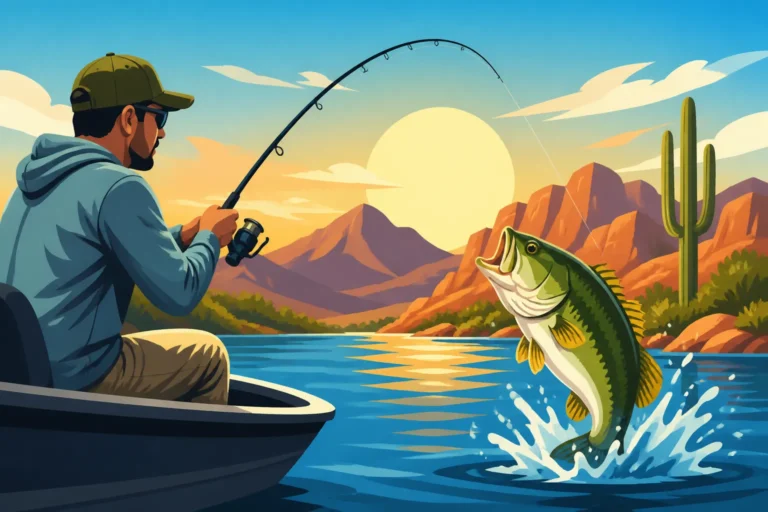
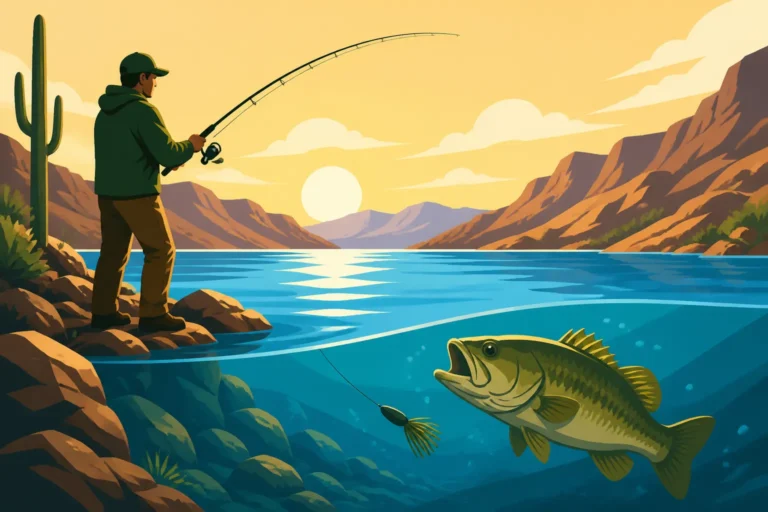
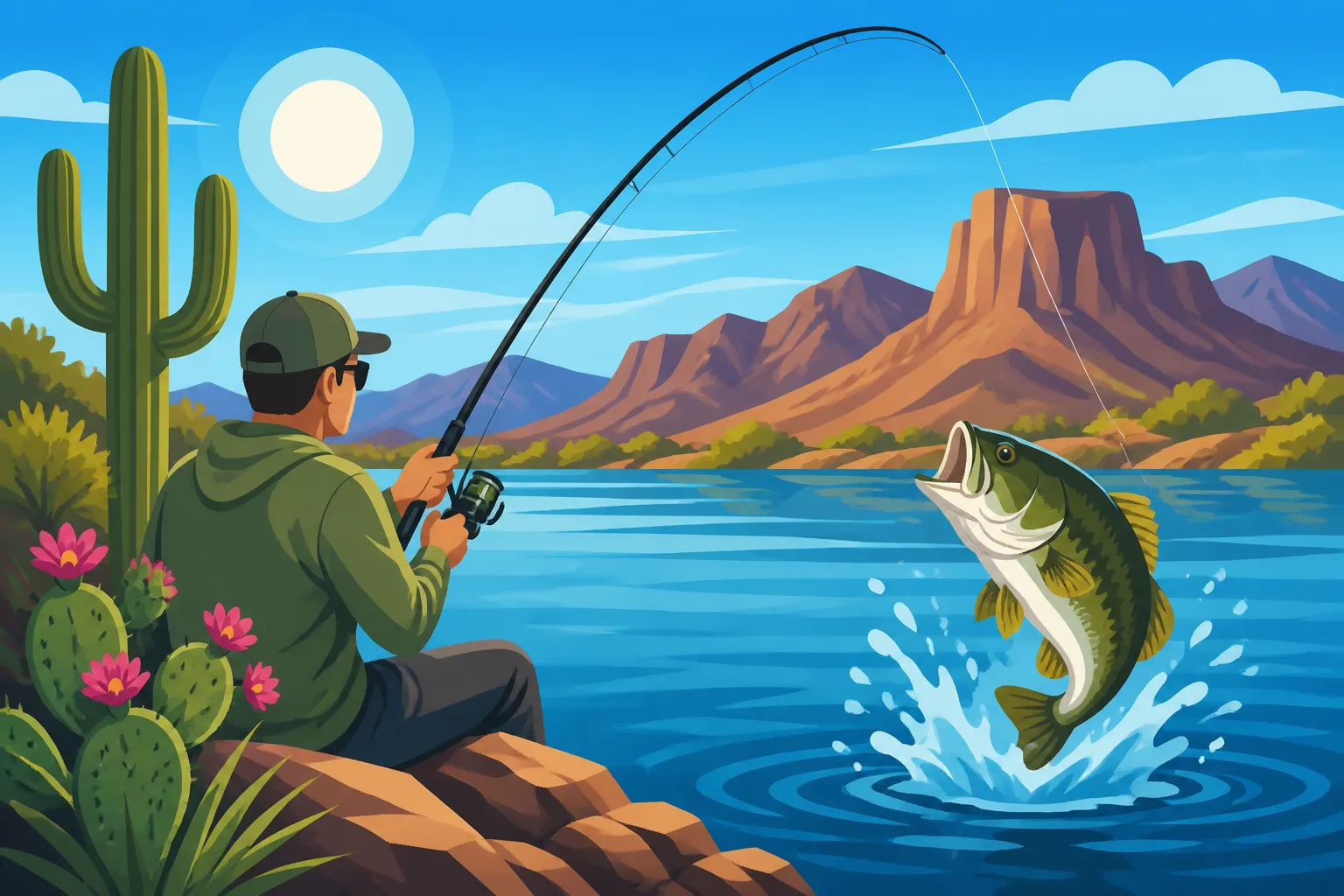
San Carlos Lake has earned a well-deserved reputation for its largemouth bass fishery, consistently producing both impressive numbers and substantial sizes of fish. Current conditions, as always, are heavily influenced by the season and the prevailing water levels, but generally, dedicated anglers find consistent success here. During the crucial spring spawning period, focus your efforts on the shallower coves, protected pockets, and rocky points where bass are actively bedding or preparing to do so. Later in the year, as air and water temperatures climb, bass will retreat to deeper humps, brush piles, submerged timber, and along the main lake channel for comfort. Topwater action can be absolutely explosive during the cooler hours of early mornings and late evenings, especially when the lake surface is calm and undisturbed.
Successful largemouth bass fishing at San Carlos Lake almost always involves a versatile approach with a variety of techniques. Soft plastic worms (Texas rigs, Carolina rigs), jigs, crankbaits, and spinnerbaits are all time-tested staples that should be in your tackle box. When the bite becomes particularly tough or fish are lethargic, slowing down your presentation with a weightless worm or a finesse jig near submerged structure can be incredibly effective. The expansive nature of the lake means there is always new water to explore, and finding isolated cover or subtle changes in depth can often lead to significant catches. Many experienced anglers rely heavily on a good quality fish finder to locate schools of baitfish, which invariably draw in the predatory bass lurking nearby.
For those looking to gain an edge or who are new to the lake, considering a guided trip can be a game-changer. Platforms like FishingBooker often list experienced local guides who specialize in San Carlos Lake bass fishing. These guides provide invaluable local knowledge on where the bass are currently biting, what specific lures and colors are working best, and how to safely and effectively navigate the lake's unique features. Always make sure to check current tribal regulations for catch and release rules for bass, as these can sometimes vary or include special provisions for specific times of the year. For more general advice, consult a "Largemouth Bass Fishing Guide for Arizona".
Catfish and Crappie Action
Beyond its renowned bass fishery, San Carlos Lake stands out as a fantastic destination for catfish and crappie enthusiasts, offering diverse angling opportunities. The lake boasts a robust and healthy population of channel catfish, known for their strong fight and delicious table fare. Additionally, it's home to some truly impressive flathead catfish, particularly found in the deeper channels and along the main riverbed where they ambush prey. Catfish action typically picks up significantly during the warmer months of summer and fall, with night fishing being a particularly productive method. Anglers often use cut bait, various stink baits, or even live sunfish to entice these bottom-dwelling predators.
Crappie fishing at San Carlos Lake, while sometimes requiring a bit more effort and finesse to pinpoint, can be incredibly rewarding when you find a school. Look for crappie to congregate heavily around submerged brush piles, standing timber, and deeper creek channels, especially during their spring spawning period when they move shallower, and again in winter when they tend to school tightly in deeper water. Small jigs, live minnows, or tiny crankbaits are generally the go-to baits for these tasty panfish, often referred to as "paper mouths" due to their delicate bite. A quality fish finder equipped with side-imaging or down-imaging can be an indispensable tool for locating those elusive crappie schools hiding within cover.
The health and vitality of both the catfish and crappie fisheries are directly tied to the lake's overall ecosystem and the diligent management by the San Carlos Apache Tribe. Through their conservation efforts, these species continue to thrive, offering excellent and diverse angling experiences. For anyone planning a trip, considering a multi-species approach can lead to a more action-packed day on the water. Before you go, it's always wise to familiarize yourself with the general "Arizona Fishing Regulations Explained", keeping in mind that tribal rules for San Carlos Lake take precedence.
Essential Tips for a Successful San Carlos Lake Trip
A memorable trip to San Carlos Lake requires more than just fishing skill; it demands careful planning and adherence to specific local requirements.
Permitting and Regulations Specific to San Carlos
This aspect cannot be overstated: properly securing your permits is arguably the single most critical step for fishing San Carlos Lake. Unlike the vast majority of Arizona's public waters, you must purchase a San Carlos Apache Tribe fishing permit in addition to your standard state of Arizona fishing license. Attempting to fish without both valid permits can result in significant fines, confiscation of gear, and potential legal repercussions from tribal authorities. These tribal permits are typically available at various authorized vendors located on the reservation, or sometimes conveniently online through the official San Carlos Apache Recreation & Wildlife Department website. It is absolutely vital to have both your state and tribal permits readily accessible and on your person at all times while fishing.
Beyond just the permits, it is imperative to be aware that the San Carlos Apache Tribe maintains its own distinct set of fishing regulations. These rules cover important aspects such as specific bag limits, minimum and maximum size restrictions for certain species, and approved fishing methods. These tribal regulations often differ from statewide Arizona regulations, so relying solely on your knowledge of general state rules could lead to inadvertent violations. Always, without exception, consult the latest San Carlos Apache Recreation & Wildlife Department rules and regulations booklet before your trip. Ignorance of these specific tribal rules is not accepted as an excuse, and tribal law enforcement diligently enforces them to protect their invaluable natural resources.
For context, while a regular "Arizona Fishing License Guide" will cover your obligations for state waters, it will not cover you on San Carlos Lake. This is a critical distinction that many overlook. Be prepared to familiarize yourself with all the nuances of fishing on tribal lands. Even general information like "Arizona Fishing Season Dates and Limits" should be cross-referenced with tribal regulations for San Carlos to ensure full compliance. This meticulous pre-trip planning, while perhaps a bit more involved, is a small price to pay for the privilege of experiencing the incredible fishing opportunities that San Carlos Lake generously offers.
Recommended Gear and Tactics
Given the incredible diversity of fishing opportunities available at San Carlos Lake, a versatile gear setup will be your best friend. For targeting largemouth bass, a medium-heavy action spinning or baitcasting rod, spooled with 10-20lb fluorocarbon or monofilament line, makes for an excellent starting point. Be sure to have a well-stocked tackle box with a variety of soft plastics for Texas rigs and Carolina rigs, along with an assortment of jigs, crankbaits, and topwater lures to cover different depths and conditions. If you're focusing on catfish, you'll need heavier tackle – think 20-40lb test line, sturdy hooks designed for large fish, and plenty of sinkers to keep your bait on the bottom. For crappie, light spinning gear, small jigs, and live minnows are generally the most effective choices. For a general overview, consider reviewing "Best Baits and Lures for Arizona Fishing".
Tactically, flexibility and adaptability are paramount for success on San Carlos Lake. Start your fishing day by focusing your efforts on areas that offer significant cover—submerged trees, expansive brush piles, rocky outcrops, or abrupt changes in depth along the lakebed. If you find yourself new to the lake or are not having immediate success, do not hesitate to move around, explore different sections of the lake, and experiment with various depths and lure presentations until you find what the fish are responding to. Monitoring online fishing reports from reputable sources or, even better, hiring a local guide (many of whom can be found and booked through platforms like FishingBooker) can provide you with an invaluable advantage in understanding the current hot spots and the most effective techniques.
Don't underestimate the intensity of the Arizona heat, especially during the warmer months. Always bring an ample supply of water – more than you think you'll need – and wear appropriate sun protection, including wide-brimmed hats, polarized sunglasses, and long-sleeved UPF clothing. Consider planning your fishing for the cooler parts of the day, such as early mornings or late evenings. A well-stocked cooler packed with ice is absolutely crucial for keeping your catch fresh, and having a comprehensive first-aid kit along with extra safety gear (like a spare prop or jump starter for boats) is always a smart and responsible move. Even if you're only planning a short day trip, consulting a thorough "Fishing Gear Checklist for Desert Lakes" can make a world of difference in ensuring a comfortable and safe experience.
| Feature | San Carlos Lake (Tribal Waters) | General Arizona State Lake |
|---|---|---|
| Primary Permit Required | Arizona State Fishing License + San Carlos Apache Tribal Permit | Arizona State Fishing License Only |
| Management Authority | San Carlos Apache Tribe | Arizona Game and Fish Department |
| Regulations Source | Tribal Regulations (can differ significantly from state rules) | Arizona Game and Fish Department Regulations |
| Key Species | Largemouth Bass, Channel Catfish, Flathead Catfish, Crappie | Varied, but often Largemouth Bass, Trout, Catfish, Crappie |
| Water Level Fluctuation | Often significant, impacting access and fishing patterns | Common, but typically less extreme than San Carlos |
| Access & Amenities | Managed by Tribe; specific ramps, camping, and rules apply | State-managed; standardized amenities, public access rules |
Disclaimer
The information provided in this guide is for general informational purposes only and is subject to change. Fishing conditions, regulations, and access policies can vary, sometimes without prior notice. Always consult the official San Carlos Apache Recreation & Wildlife Department and the Arizona Game and Fish Department websites for the most current rules and conditions before planning your trip. Angling always carries inherent risks, and adherence to safety guidelines is paramount.