Boat Ramp Locations at Roosevelt Lake
Oh, the joy (and sometimes, pure headache) of planning a fishing trip to a massive Arizona lake like Roosevelt! One of the biggest hurdles many of us face, especially with those ever-fluctuating water levels, is figuring out where on earth to actually get our boats into the water. It’s not just about knowing the name of a ramp; it’s about knowing which ones are actually usable, what conditions to expect, and how to best prepare. This guide is here to untangle all that confusion, giving you the insider scoop on boat ramp locations at Roosevelt Lake so you can spend less time stressing and more time casting.
Understanding the Unique Challenges of Launching at Roosevelt Lake
Roosevelt Lake isn't just any body of water; it's Arizona's largest lake, a sprawling desert oasis that offers incredible fishing but comes with its own set of navigational quirks for boaters. Its sheer size means that driving from one end to another to find an open ramp can eat up valuable fishing time, and its primary purpose as a water storage reservoir means that water levels are constantly in flux. This isn't like a small community pond where the ramp is always there, always ready. Roosevelt demands a bit more homework and preparation.
Imagine driving for an hour or two, boat in tow, full of anticipation, only to arrive at your chosen ramp and find it completely high and dry, or so shallow your prop would be digging trenches. That's a frustrating reality many Arizona anglers have faced. These fluctuations mean that a ramp that was perfectly fine last month might be unusable today. It's crucial to understand this dynamic nature before you even leave your driveway. Furthermore, because it's such a popular destination, especially on weekends and holidays, these ramps can get incredibly busy, leading to long waits and crowded conditions. Planning ahead isn't just a suggestion; it's a necessity for a smooth and enjoyable trip.
Detailed Guide to Roosevelt Lake Boat Ramp Locations
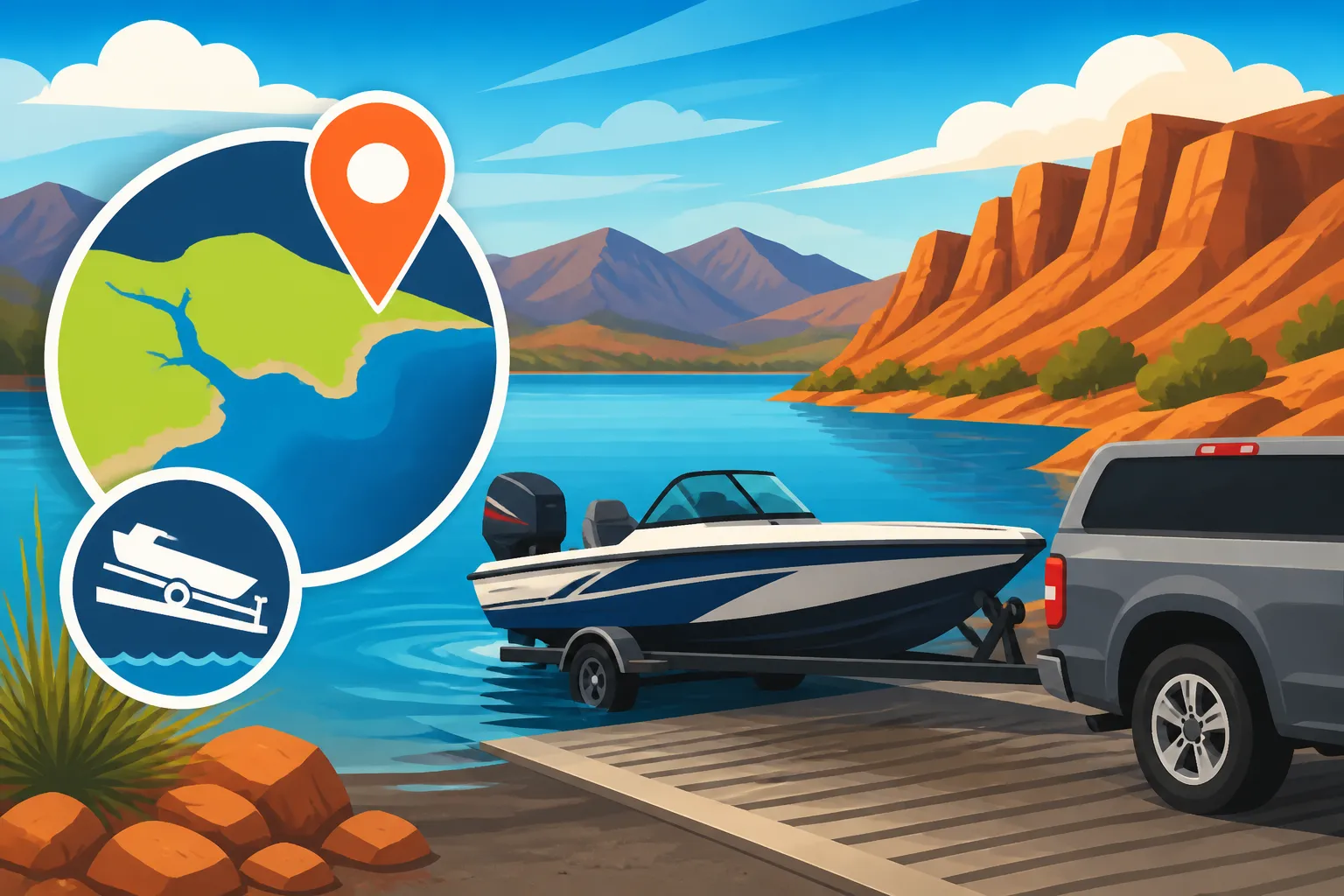
Roosevelt Lake has several primary public boat ramps managed by the Tonto National Forest, each with its own characteristics and usability that often depend heavily on the current lake level. Knowing these spots is half the battle; the other half is checking their current status, which we'll get into shortly.
Cholla Recreation Site Boat Ramp
The Cholla Recreation Site is arguably one of the most popular and generally reliable boat launch areas on Roosevelt Lake. It's located on the north side of the lake, off Arizona State Route 188. This site is known for having multiple paved lanes, making it capable of handling a good number of boats even on busy days. You'll typically find restrooms and often fish cleaning stations here, which are always a huge plus after a successful day out on the water.
Cholla's ramp design is relatively long, which means it tends to remain usable even when the lake levels dip significantly. However, even Cholla has its limits. When water levels get exceptionally low, below 2,100 feet elevation, even its lower sections can become challenging or completely unlaunchable for larger boats. On those rare occasions, you might see smaller craft, like kayaks or smaller aluminum boats, being hand-launched from the shoreline nearby, but it's not ideal for everyone. For those planning a guided fishing trip, many excellent guides booked through platforms like FishingBooker often use Cholla due to its reliable access, so it's a good spot to meet up if you're going with a pro.
Grapevine Group Site Boat Ramp
Located on the southern side of Roosevelt Lake, the Grapevine Recreation Site offers another well-used boat ramp. It's accessible off SR 188, a little further south from Cholla. Grapevine is often favored by anglers coming from the southern parts of Arizona, like Tucson. Similar to Cholla, Grapevine typically features multiple launch lanes, ample parking, and essential facilities like restrooms.
The Grapevine ramp also has a good length, allowing for decent access across a range of water levels. However, like all ramps on Roosevelt, it's not immune to the lake's dynamic nature. When the water drops, Grapevine can become quite shallow at its edges, requiring careful navigation during launch and retrieval. The approach to Grapevine can also be a bit more winding than Cholla, so take your time, especially if you're towing a larger vessel. It's another excellent hub for fishing, known for its proximity to good bass and crappie spots, especially in the spring. If you're wondering about the best time of year to fish Roosevelt Lake, Grapevine is often bustling during the spring crappie spawn.
Windy Hill Recreation Site Boat Ramp
Further east along SR 188, you'll find the Windy Hill Recreation Site. This ramp is often considered a great option for those looking for a slightly less congested experience than Cholla or Grapevine, although it too can get busy. Windy Hill boasts a wide, paved ramp and generally good facilities, including restrooms and picnic areas, making it a good choice for families who want to combine fishing with a relaxing day out.
The usability of the Windy Hill ramp is also very water-level dependent. It has a solid design that allows for considerable drops in lake levels before becoming problematic. However, access to the ramp can sometimes be impacted by localized conditions or maintenance, so it's always wise to confirm its status. For those keen on deep water structure fishing techniques, Windy Hill provides good access to some of the lake's deeper canyons and points, making it a favorite for targeting striped bass or larger bass holding in cooler waters during the warmer months.
Schoolhouse Recreation Site Boat Ramp
The Schoolhouse Recreation Site, located closer to the eastern arm of the lake, is less frequently discussed but still an option for boaters, particularly when water levels are high. It's a bit more remote and typically sees less traffic than the other three main ramps. Schoolhouse offers a more rustic experience, and its ramp might not be as long or as well-maintained as Cholla or Grapevine, especially during extreme low water conditions.
This ramp really shines when the lake is at or near full capacity, allowing for easy access to the upper reaches of the Salt River arm, which can be fantastic for bass fishing, especially during periods of higher flow and cooler temperatures. However, when water levels drop, Schoolhouse is often one of the first ramps to become completely unusable for trailered boats. It's essential to check the most current conditions if you're considering launching here.
Here's a quick overview of the main boat ramps:
| Boat Ramp Location | General Location on Lake | Typical Usability (Water Levels) | Key Features | Notes |
|---|---|---|---|---|
| Cholla Recreation Site | North | High to Mid-Low | Multiple lanes, restrooms, fish cleaning | Most popular, often busiest, reliable |
| Grapevine Group Site | South | High to Mid-Low | Multiple lanes, restrooms | Good for southern access, good crappie fishing nearby |
| Windy Hill Recreation Site | East | High to Mid-Low | Wide ramp, restrooms, picnic area | Can be less crowded, good for eastern lake access |
| Schoolhouse Recreation Site | Far East | High | More rustic, limited facilities | Best at high water, often first to close at low water |
Note: "Mid-Low" typically refers to lake elevations down to about 2,100 feet. Below that, even these ramps can become very challenging or closed.
Navigating Water Levels and Planning Your Launch at Roosevelt
The single most critical factor for successful boating at Roosevelt Lake is checking the current water level and corresponding ramp conditions before you leave home. This isn't just good advice; it's essential for avoiding disappointment and wasted fuel.
The Arizona Game & Fish Department (AZGFD) and the Tonto National Forest websites are your best friends here. They often provide updates on lake levels and ramp statuses. The Bureau of Reclamation also publishes water elevation data, which, while not always indicating specific ramp usability, gives you a clear picture of the lake's overall health. Always cross-reference this information. A simple search for "Roosevelt Lake water level" or "Roosevelt Lake boat ramp status" will usually get you the most up-to-date information. Remember, just because a ramp exists doesn't mean it's usable.
If you arrive and find a ramp is too shallow for your boat, don't despair immediately. For smaller boats, like jon boats, canoes, or the ever-popular fishing kayaks, Best Kayaks for Fishing in Arizona could be a great read. Often, there are areas near the main ramps or in secluded coves where you can hand-launch your vessel, especially if you're prepared for it. This might mean getting your feet wet or using a beach cart, but it can salvage a trip. For larger boats, if the main paved ramps are unserviceable, you're usually out of luck and will need to explore other lake options, or postpone your trip. This highlights the importance of real-time intel.
When the water is low, prepare your boat and trailer for potentially steeper, rougher, or even unpaved sections of the ramp. Ensure your trailer tires are properly inflated and your winch is in good working order. Always use an extra-long tie-down rope to keep your boat secure at the dock while you park your trailer, as the ramps can be incredibly long during low water. Safety is paramount, so always be aware of your surroundings and any submerged hazards that might become visible or be just under the surface in lower water.
Essential Boating Tips and Local Insights for Roosevelt Lake
Beyond just finding the ramps, there are a few other critical things you need to keep in mind when boating and fishing on Roosevelt Lake. A little preparation goes a long way in ensuring a safe and successful outing.
First and foremost, you'll need a Tonto Pass for day use at any of the developed recreation sites, including the boat ramps. These passes can be purchased at various vendors in the area, or often online. Don't get caught without one, as fines can be steep. While we're on the topic of regulations, it’s always a good idea to brush up on the Arizona Fishing Regulations Explained to ensure you're compliant with bag limits, size restrictions, and bait rules specific to Roosevelt Lake.
Safety gear is non-negotiable, especially on a large lake like Roosevelt where conditions can change quickly. Make sure you have all the Boating Safety Gear Requirements in Arizona on board, including enough U.S. Coast Guard-approved Personal Flotation Devices (PFDs) for everyone, a fire extinguisher, signaling devices, and a first-aid kit. The sun in Arizona is intense, so sun protection, plenty of water, and knowing how to stay hydrated are vital, even in cooler months.
Navigating Roosevelt Lake itself requires vigilance. The lake is full of submerged islands, rock piles, and old timber, especially in the upper reaches of the Salt River and Tonto Creek arms. Pay close attention to your depth finder and always be aware of your surroundings. Buoy markers are there for a reason; understand what they mean and respect them. Some anglers even prefer to hire a local guide, perhaps through a service like FishingBooker, for their first few trips to learn the lake's intricacies and where the best fishing spots are without risking damage to their boat. These guides are intimately familiar with the lake's contours and hazards.
If you're interested in extending your stay, Camping Options Near Roosevelt Lake are plentiful, offering everything from developed campgrounds to more primitive dispersed camping. Combining a fishing trip with an overnight stay can make for a truly memorable Arizona adventure. Whether you're targeting largemouth bass, chasing crappie, or trying for the elusive flathead catfish, Roosevelt Lake offers incredible opportunities once you master the art of the launch.
Disclaimer
The information provided in this guide is for general informational purposes only and is subject to change. Water levels at Roosevelt Lake can fluctuate rapidly due to weather conditions, water releases, and management decisions, directly impacting boat ramp usability. Always check the most current conditions and regulations with the Arizona Game & Fish Department and the Tonto National Forest before planning your trip. Safety on the water is your responsibility; always wear appropriate safety gear and exercise caution.