Best Season for Striped Bass at Lake Powell
Trying to figure out the absolute best time to catch striped bass at Lake Powell can feel like searching for a needle in a massive, beautiful haystack. This enormous reservoir offers incredible fishing, but with its vastness and changing conditions, knowing when to target those hard-fighting stripers is a game-changer. This guide will walk you through the seasonal rhythms of Lake Powell's striped bass, helping you plan your next unforgettable angling adventure.
Understanding Striped Bass Movements and Feeding Patterns
Lake Powell's striped bass are fascinating fish, and their behavior throughout the year is heavily influenced by water temperature, forage availability, and spawning cycles. Unlike some species that might hold in one area for extended periods, stripers are constantly on the move, chasing baitfish like threadfin shad. This means that successful striper fishing is often about understanding these migratory patterns and being in the right place at the right time.
Their diet primarily consists of the abundant threadfin shad, which means that wherever the shad go, the stripers are usually not far behind. When the shad are schooling near the surface, stripers will often engage in spectacular "boils," creating a feeding frenzy that's a sight to behold and an angler's dream. However, these boils aren't always predictable and can be influenced by many factors. Recognizing these subtle shifts in behavior is key to consistent success, no matter the season.
The Role of Water Temperature in Striper Activity
Water temperature is arguably the single most important factor dictating striped bass behavior at Lake Powell. As the water warms in spring, stripers become more active, moving into shallower coves and channels to feed. The summer heat pushes them deeper to find cooler, more oxygenated water, but also creates those famous surface boils when baitfish school up. In the fall, as temperatures cool, they once again become highly active, gorging themselves in preparation for winter.
During the colder winter months, striper metabolism slows down, and they'll typically hold in deeper water, becoming less aggressive. This doesn't mean they can't be caught, but it often requires different tactics and a more patient approach. Understanding these thermal preferences allows you to anticipate where the fish will be and how they're likely to react to your presentation.
Forage Availability: The Shad Connection
The health and abundance of the threadfin shad population directly impact the overall quality of striped bass fishing at Lake Powell. When shad are plentiful, stripers grow larger and are more robust. Conversely, a decline in shad numbers can lead to leaner fish and tougher fishing conditions. Stripers are opportunistic predators, constantly searching for these small, silvery baitfish.
This pursuit of shad is why fishing around main lake points, submerged islands, and canyon walls where shad congregate is often productive. The presence of large bait balls on your fish finder is usually a strong indicator that stripers are in the vicinity. Keeping an eye on reports about the shad population can provide valuable insights into the upcoming fishing season.
Seasonal Breakdown: Prime Times for Lake Powell Stripers
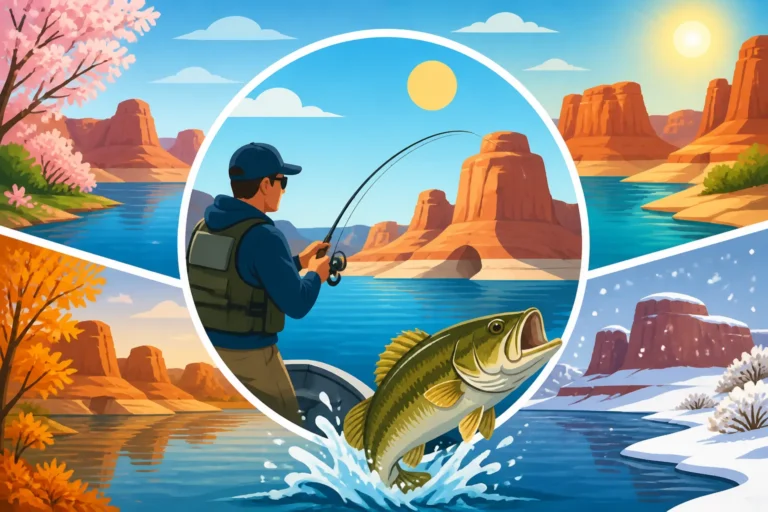
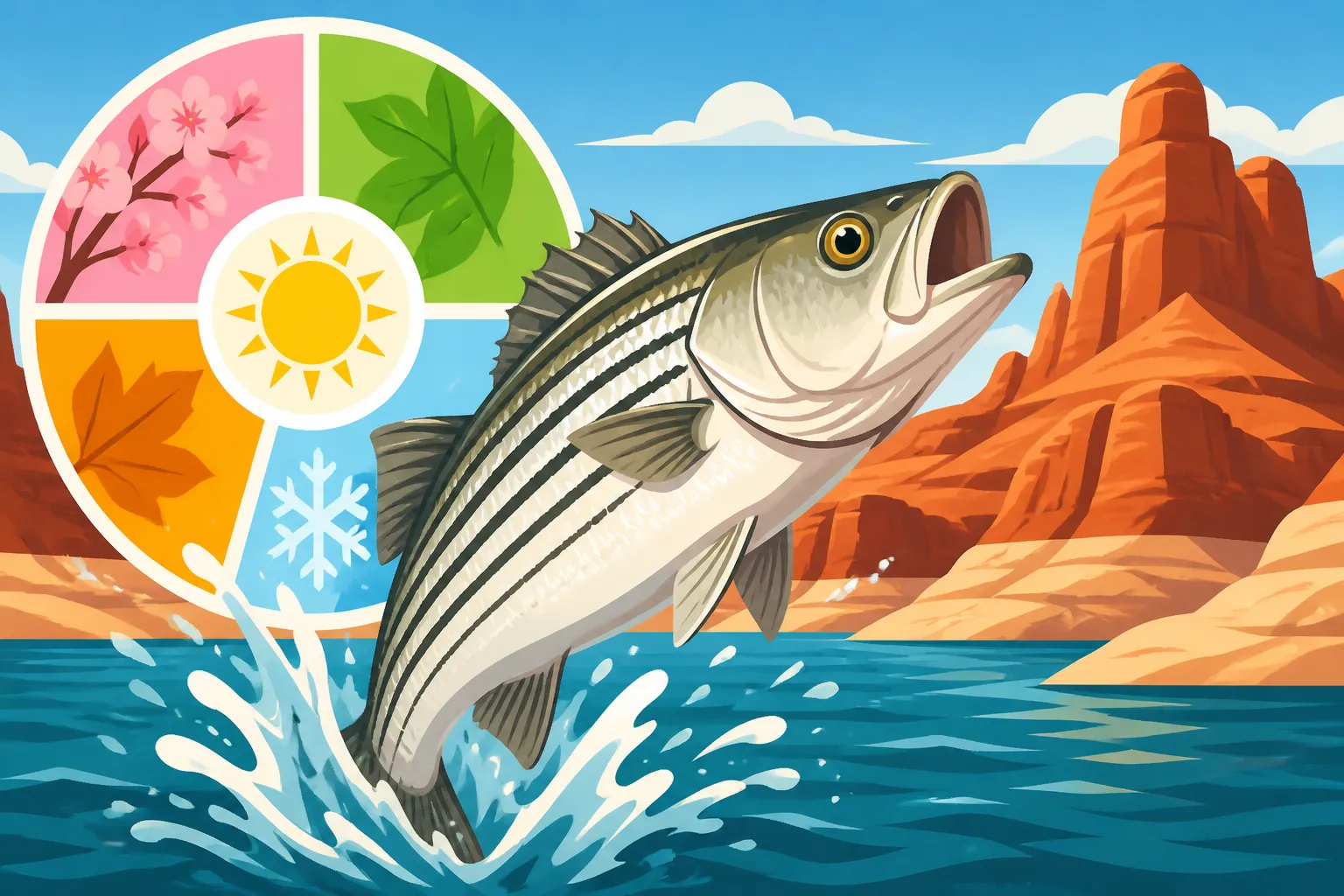
While you can technically catch striped bass year-round at Lake Powell, there are definitely peak seasons when the action truly heats up. Each season presents its own unique challenges and opportunities, demanding different strategies and locations. Let's dive into what you can expect throughout the year.
Spring: The Awakening and Pre-Spawn Feed
Spring is a fantastic time for striped bass fishing at Lake Powell, generally from March through May. As the water temperatures begin to climb from the 40s into the 50s and 60s, stripers shake off their winter lethargy and become incredibly active. This is their pre-spawn feeding frenzy, where they're looking to bulk up. You'll find them moving into shallower, warmer water in the backs of major canyons and coves, often congregating around submerged brush and rock structures.
During this season, you might not see as many "boils" as in summer, but the fish are often more consistently catchable. Trolling with crankbaits or casting swimbaits and jerkbaits along shorelines and over submerged points can be highly effective. The key is to cover water and find those active schools. It's also a great time to focus on areas where tributary creeks bring in warmer, nutrient-rich water, drawing both baitfish and stripers.
Summer: The Season of Epic Boils
Ah, summer at Lake Powell! From June through early September, this is often considered the most exciting time for striped bass, primarily due to the legendary surface boils. As the desert heat intensifies, surface water temperatures can soar, but deep down, cooler water still offers refuge. The magic happens at dawn and dusk, and sometimes throughout the day, when massive schools of threadfin shad are pushed to the surface by hungry stripers. The water literally erupts with fish, creating a feeding frenzy that is truly spectacular.
Locating these boils requires keen observation and often a bit of luck, but once you find them, the action can be non-stop. Cast poppers, Kastmasters, or small swimbaits directly into the chaos. The fish are often so focused on the shad that they'll hit almost anything. This is also a prime time for using techniques like chumming with cut anchovies to draw stripers to your boat. While the heat can be intense, the rewards of summer striper fishing are often well worth it. You can find more specific advice on How to Find Striper Boils on Lake Powell.
Fall: The Post-Summer Feast
As the scorching summer heat begins to wane and water temperatures gradually cool, typically from late September through November, Lake Powell experiences another incredible striped bass season. This is a transition period, and often one of the most consistent for catching quality fish. The stripers, having spent their summer chasing shad, continue their aggressive feeding to build up reserves for the colder months ahead. While the massive surface boils might become less frequent, they still occur, especially in the early fall.
During this time, stripers will start to spread out more, moving throughout the lake's vast canyons and open water. Trolling becomes exceptionally effective, especially with deep-diving crankbaits or umbrella rigs, as the fish are actively chasing bait. Vertical jigging over deep humps and structure can also produce excellent results. Fall is a fantastic time to explore different sections of the lake, as stripers can be found in a wider variety of habitats compared to the concentrated summer boils. It's a great opportunity for those who prefer a more tranquil fishing experience without the intense summer crowds.
Winter: The Deep Water Challenge
Winter fishing for striped bass at Lake Powell, from December through February, presents a different kind of challenge but can still be highly rewarding for dedicated anglers. The fish are generally in deeper water, often suspending over channel beds or congregating around major points and humps. Their metabolism slows down, making them less aggressive and requiring a more subtle approach.
Vertical jigging with heavy spoons or large swimbaits is a popular and effective technique. Using electronics to locate schools of baitfish and the stripers holding underneath them is crucial. While the numbers of fish caught might not rival the spring or summer, the average size of the fish can often be impressive. Patience is a virtue in winter, and presenting your bait directly to the fish is key. If you're planning a trip with a guide, you might consider booking through a service like FishingBooker to ensure you're paired with someone who has extensive winter striper experience.
Here's a quick overview of what to expect seasonally:
| Season | Typical Months | Striper Behavior | Recommended Techniques | Key Areas |
|---|---|---|---|---|
| Spring | March – May | Highly active, pre-spawn feed, move shallower. | Trolling crankbaits, casting swimbaits/jerkbaits. | Backs of major canyons, coves, submerged brush. |
| Summer | June – Early Sept | Chasing shad to surface, epic boils. | Casting topwater lures, spoons, swimbaits into boils; chumming. | Main lake points, open water, deep channels (outside boils). |
| Fall | Late Sept – Nov | Aggressive feeding, scattered schools, fewer boils. | Trolling deep-diving crankbaits, umbrella rigs; vertical jigging. | Major canyons, open water, humps, structure. |
| Winter | Dec – Feb | Deeper water, less active, slower metabolism. | Vertical jigging with heavy spoons/swimbaits. | Deep channels, major points, humps. |
Essential Tactics for Seasonal Striped Bass Success
No matter the season, having the right tactics in your arsenal will greatly improve your chances of success. Stripers are powerful fish that demand appropriate gear and a smart approach. Don't be afraid to experiment, as conditions can change rapidly on Lake Powell.
Trolling Strategies for Covering Water
Trolling is an incredibly effective way to locate and catch striped bass, particularly during the spring and fall months when fish are more dispersed. By slowly moving your boat while dragging lures behind it, you can cover vast areas of water, presenting your bait to numerous fish. The depth at which you troll is critical, so pay close attention to your electronics to identify baitfish schools and suspended stripers.
Using a variety of lures, such as deep-diving crankbaits (like those from Norman or Rapala), bucktail jigs, or even umbrella rigs, can help you determine what the fish are keying in on. Adjust your speed and depth until you start getting bites. Many anglers also use planer boards to spread out their lines and cover an even wider swath. If you're unsure about the best trolling setups, consulting with a local guide or looking up specific Trolling Techniques for Striped Bass can be very beneficial.
Chumming and Bait Fishing for Consistent Action
Chumming is a highly popular and effective technique for striped bass at Lake Powell, especially during the summer and early fall when fish are aggressively feeding. The practice involves regularly tossing small pieces of cut bait, typically anchovies or shad, into the water to create a scent trail that attracts stripers. Once the fish are drawn in, you can then present baited hooks, often using a simple bottom rig or a bobber setup.
This method can be incredibly productive for getting consistent action, even when surface boils aren't occurring. Anchor your boat over a likely spot, such as a deep point or a submerged hump, and start your chum line. It often takes a little while for the fish to find your offering, but once they do, the action can be fast and furious. When planning a guided trip where chumming is a primary tactic, ensure your guide service, perhaps found through platforms like FishingBooker, specializes in this method. For specific bait recommendations, you might want to review Best Baits and Lures for Arizona Fishing.
Mastering Casting and Jigging for Active Fish
When stripers are actively feeding, whether in a surface boil or suspended over structure, casting and jigging become your go-to techniques. For surface boils, having a rod rigged with a topwater lure, spoon, or small swimbait ready to cast quickly is essential. Accuracy and speed are key, as boils can appear and disappear quickly. When the fish are deeper, vertical jigging with heavy spoons, lipless crankbaits, or large soft plastics can be incredibly effective.
Using a good fish finder to locate schools of fish is crucial for successful jigging. Drop your lure directly into the school and work it with an erratic up-and-down motion. Sometimes a fast, aggressive retrieve is best, while other times a slower, more subtle jigging action will draw strikes. Learning How to Fish for Striped Bass using various casting techniques will give you a significant advantage.
Beyond the Calendar: Factors Influencing Striper Action
While understanding the seasonal patterns is crucial, Lake Powell is a dynamic environment, and other factors can significantly impact striper activity. Being aware of these additional influences will help you fine-tune your approach and increase your chances of a successful day on the water.
Lake Levels and Water Clarity
Lake Powell's water levels can fluctuate dramatically, and these changes often influence where stripers hold and feed. High water levels can open up new feeding grounds in flooded vegetation, while low water levels might concentrate fish in main channels or around newly exposed structures. Pay attention to current lake reports before your trip.
Water clarity also plays a role. In clearer water, stripers might be more skittish and require longer casts or more natural-looking presentations. In slightly stained water, they might be more aggressive and less wary, and brighter lures can be effective. After heavy rains, runoff can reduce clarity, and this can sometimes push stripers to the edges of the muddy water where they ambush prey. For a broader understanding of the lake, check out a Lake Powell Arizona Fishing Guide.
Weather Patterns and Barometric Pressure
Just like many other fish species, striped bass are influenced by weather patterns and barometric pressure. Stable weather systems, particularly those with consistent barometric pressure, often lead to more predictable and active feeding periods. Conversely, sudden changes in weather, like approaching cold fronts or intense storms, can make fish less cooperative.
Overcast days can sometimes extend surface activity into midday during the warmer months, as the sun's intensity is reduced. Wind can also play a significant role; a light chop can break up the surface, making it harder for fish to spot your boat and easier for them to ambush bait. Extremely windy conditions, however, can make boat control and fishing very difficult. Always check the weather forecast before heading out on Lake Powell, which can become dangerous in high winds.
Utilizing Technology: Fish Finders and Mapping
In a reservoir as vast and complex as Lake Powell, modern fishing electronics are invaluable. A high-quality fish finder can help you locate schools of baitfish, identify suspended stripers, and pinpoint underwater structure like humps, points, and old river channels. Learning to interpret what you see on your screen is a skill that will dramatically improve your success rate.
GPS mapping systems are also essential for navigating the countless canyons and coves, marking productive spots, and safely returning to your launch point. Many advanced units combine both fish-finding and mapping capabilities, offering an integrated approach to finding and catching more fish. Consider researching the Best Fish Finders for Bass Fishing in Arizona to help you on your striper pursuit. If you're venturing out with a guide, they'll undoubtedly be using top-tier electronics to put you on the fish, and booking through a service like FishingBooker can connect you with experienced professionals who are masters of their craft on Lake Powell.
Final Thoughts on Your Striper Quest
Catching striped bass at Lake Powell is an experience unlike any other. While summer often gets the most hype for its spectacular boils, every season offers unique opportunities for anglers willing to adapt their strategies. Whether you're trolling the canyons in spring, chasing boils in summer, casting to active schools in fall, or jigging deep in winter, Lake Powell's stripers provide a thrilling challenge. Remember to respect the lake, practice responsible angling, and most importantly, enjoy the incredible beauty and bounty that this Arizona treasure offers.
Disclaimer
Please remember that fishing conditions can change rapidly based on weather, water levels, and fish behavior. Always consult the latest Arizona Game and Fish Department regulations before heading out. Safety should be your top priority on the water.