Lake Havasu Arizona Fishing Guide
Trying to figure out where to cast your line in Arizona's vast and varied waters can feel like a daunting task, especially when you hear whispers of legendary fishing but aren't sure where to start. Many anglers, new and seasoned, dream of tackling big bass or battling powerful stripers, but getting to grips with a new lake's nuances is a challenge. This comprehensive guide will walk you through everything you need to know to unlock the incredible fishing potential of Lake Havasu, from its prime spots to the best techniques for reeling in your next trophy.
Why Lake Havasu is a Premier Arizona Fishing Destination
Lake Havasu isn't just a pretty face on the Colorado River; it's a legitimate angling powerhouse that draws fishermen from all over. Situated along Arizona's western border with California, this sprawling reservoir, created by Parker Dam, offers a unique blend of rugged desert beauty and incredibly productive fisheries. It's not just a place to visit; for many, it's a destination that becomes an annual pilgrimage. The sheer variety of fish, coupled with a generous climate, makes it stand out even among the many fantastic fishing lakes in Arizona.
The Allure of Diverse Fish Species
One of the biggest draws of Lake Havasu is its remarkable diversity of sport fish. Unlike some lakes that might specialize in one or two species, Havasu boasts thriving populations of several prized game fish. We're talking about everything from hard-fighting black bass to schooling stripers and chunky catfish. This means that no matter your preferred style of fishing or what you're hoping to catch, Lake Havasu likely has a strong bite waiting for you. It's a place where you can switch gears from finesse fishing for smallmouth in clear water to power fishing for largemouth in heavy cover, all in the same day if you're ambitious.
Anglers regularly flock here for the chance to hook into trophy-sized largemouth and smallmouth bass. The lake's abundant rocky structure, submerged vegetation, and deep channels provide ideal habitats for these popular species. But the excitement doesn't stop there. Lake Havasu is also renowned for its incredible striped bass fishery, with these schooling predators offering explosive topwater action and fierce fights. Beyond the bass, you'll find impressive populations of channel catfish, flathead catfish, and a variety of panfish like bluegill and redear sunfish, ensuring there's always something bending a rod. For a deeper dive into targeting specific species, check out our guides on the Largemouth Bass Fishing Guide for Arizona and the Striped Bass Fishing Guide for Arizona.
Year-Round Angling Opportunities
Another fantastic aspect of Lake Havasu is its accessibility for fishing throughout the entire year. Thanks to Arizona's warm climate, freezing over is rarely a concern, allowing anglers to pursue their passion even in the depths of winter. While the heat of summer can be intense, early morning and late evening bites, or shifting to night fishing, can still be incredibly productive. This consistency sets Havasu apart, as many other fisheries in colder climates shut down for significant portions of the year.
Each season brings its own set of challenges and rewards. Spring is often considered prime time for bass, as they move shallow for spawning. Fall offers a reprieve from the summer heat and sees fish actively feeding in preparation for winter, making for aggressive bites. Even winter can be fantastic, especially for deep-water bass and stripers, when fishing pressure is often lower. This year-round potential means you don't have to wait for a specific "season" to plan your trip; there's always an opportunity to wet a line on Lake Havasu.
Navigating Lake Havasu's Unique Waters
Lake Havasu is a significant body of water, stretching roughly 45 miles from Parker Dam north to the Mohave Mountains. Understanding its geography and how the water behaves is crucial for a successful fishing trip. This isn't just a giant pond; it's a complex system of main channels, coves, submerged features, and constantly fluctuating conditions that demand a bit of local knowledge and careful navigation.
Key Fishing Zones and Structures
Lake Havasu offers a fascinating array of fishing zones, each with its own character and species preferences. The lake's main channel, which is essentially the Colorado River itself, runs through the heart of Havasu and is often deep and swift. This area is a prime hunting ground for striped bass, which frequently school in these open waters, especially around submerged humps and current breaks. Moving off the main channel, you'll find countless coves and bays, many of which are home to rocky points, brush piles, and shallow flats perfect for largemouth and smallmouth bass.
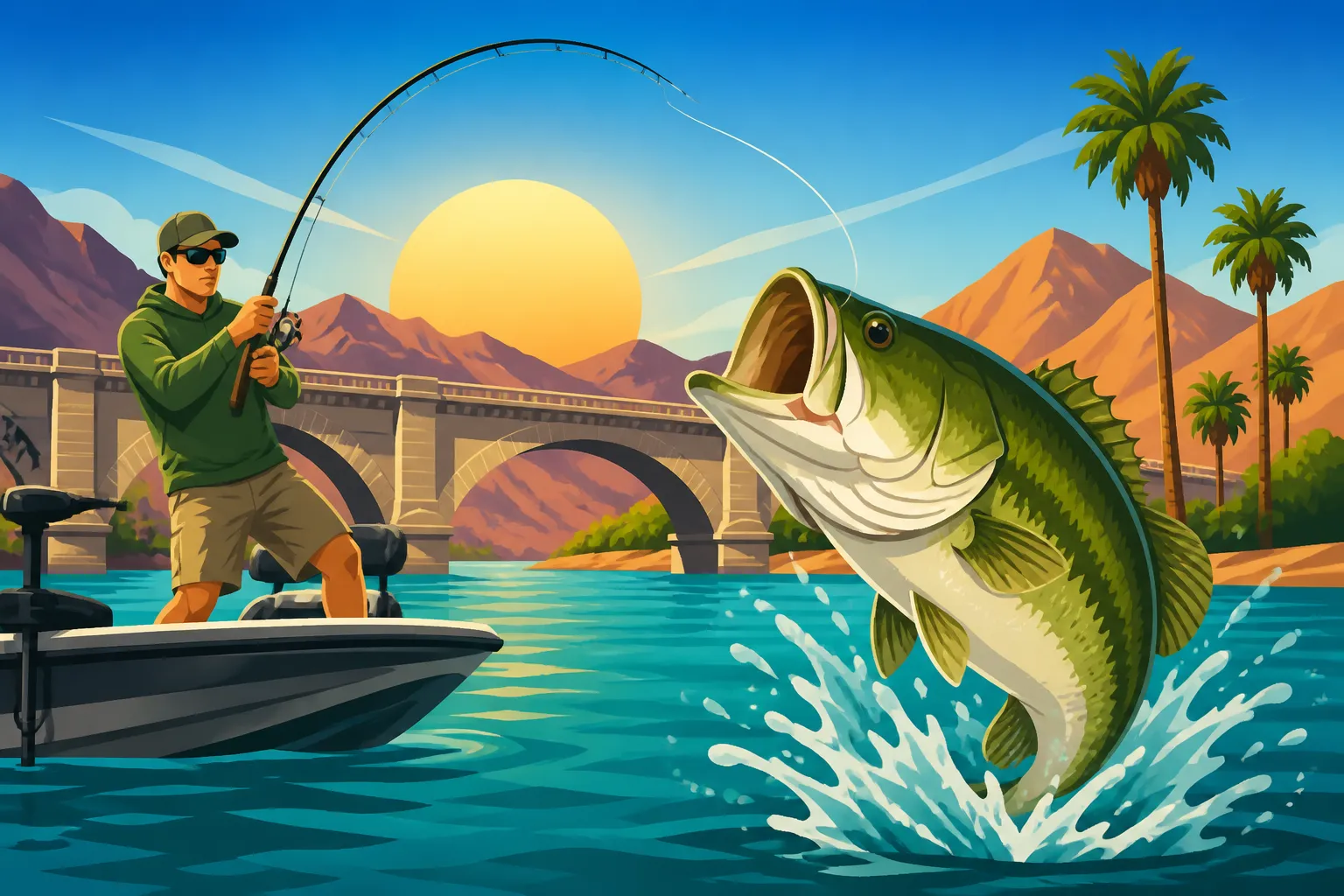
Some of the most iconic structures include the London Bridge area, which, while busy, can hold surprisingly good fishing for various species, especially during cooler months. Heading north, the river sections offer different challenges, with varying current and more natural riverine features. South of the bridge, the main lake opens up into broader expanses, featuring wide-open water interspersed with significant submerged rock piles and artificial fish habitat structures created by the Arizona Game and Fish Department (AZGFD). Learning how to read your fish finder for structure is paramount here, as much of the best fishing is not visible from the surface. Areas like Site Six and Steamboat Cove are well-known spots, but don't be afraid to explore lesser-known coves and points away from the crowds.
Understanding Water Levels and Clarity
Like many reservoirs, Lake Havasu's water levels can fluctuate, influenced by releases from upstream dams and downstream demands. These fluctuations can significantly impact fish behavior and the accessibility of certain fishing spots. When water levels are high, fish might spread out into newly inundated vegetation or shallow flats, making them harder to pinpoint. Conversely, lower water levels can concentrate fish around primary structures or deeper channels, sometimes exposing previously submerged cover.
Water clarity also plays a massive role in lure selection and presentation. Lake Havasu generally has quite clear water, especially in the deeper main lake areas. This means longer leaders, lighter lines, and more natural bait presentations are often required, particularly when targeting finicky bass. However, after heavy rains or significant recreational boating traffic, clarity can decrease, especially in shallower coves. In these murkier conditions, brighter colored lures, those with more vibration, or larger profiles can become more effective. Always observe the water conditions on the day you fish to adapt your approach accordingly.
Targeting Lake Havasu's Top Game Fish
Lake Havasu truly shines when it comes to the variety and quality of its game fish. Each species demands a slightly different approach, and understanding their habits and preferred habitats is the key to consistent success. Whether you're a bass fanatic or a striper enthusiast, Havasu has a challenge waiting for you.
Largemouth and Smallmouth Bass Strategies
Lake Havasu is an exceptional destination for both largemouth and smallmouth bass. These two species, while both "bass," have distinct preferences that inform how and where you'll target them. Largemouth bass in Havasu tend to favor areas with more cover: think submerged brush, docks, cattail beds, and rocky points with some vegetation. They are ambush predators, so look for them lurking near structure where they can dart out and surprise unsuspecting prey. Common tactics include pitching jigs or Texas-rigged worms into heavy cover, throwing crankbaits or spinnerbaits along weed lines, and working topwater lures over shallow flats during low light conditions. You might even find success with swimbaits imitating the lake's abundant forage. For more detailed tips, refer to our Best Bass Fishing Techniques for Arizona Lakes guide.
Smallmouth bass, on the other hand, are typically found in the clearer, rockier sections of the lake. They love hard bottom, steep drop-offs, rocky ledges, and the main lake points. Smallmouth are often more nomadic than largemouth, chasing schools of baitfish in open water or staging on underwater rock piles. Effective techniques for smallmouth include drop-shotting finesse worms, casting tubes or grubs on light jig heads, and working small crankbaits or jerkbaits along rocky contours. They are also notoriously fun to catch on topwater lures, especially around submerged boulders or points early in the morning. When the bite is tough, slowing down your presentation and using subtle movements can make all the difference for these discerning fish.
Chasing the Elusive Striped Bass
Striped bass are one of Lake Havasu's most exciting species, known for their powerful runs and schooling behavior. Unlike the black bass, stripers are often found in open water, chasing schools of shad. They're pelagic, meaning they roam the main lake channel and large coves rather than sticking to specific structures. The key to finding stripers is often locating their food source – huge schools of threadfin shad. Many anglers use fish finders to locate these bait balls, then drop lines or cast lures into the chaos.
When stripers are actively feeding on the surface, it's called a "boil," and witnessing one is an incredible experience. During a boil, the water erupts as schools of stripers drive baitfish to the surface. Topwater plugs, Kastmasters, or spoons cast into a boil are almost guaranteed to hook a fish. At other times, trolling deep-diving crankbaits or large swimbaits in the main channel or off prominent points can be very effective. Live bait, especially shad or anchovies, is also a highly productive method, often fished on a Carolina rig or under a bobber in areas where baitfish are abundant. Mastering How to Fish for Striped Bass can take your Havasu trip to the next level.
Catfish and Panfish for Consistent Action
Don't overlook the incredible catfish and panfish opportunities Lake Havasu provides. These species offer consistent action, often making them perfect targets for family outings or when the bass bite is slow. Channel catfish are abundant throughout the lake, particularly in the warmer coves and shallower flats. They are opportunistic feeders and can be caught using a variety of baits, including stink bait, cut bait, chicken livers, or even hot dogs. Bottom fishing with a simple paternoster or Carolina rig is usually the most effective method, especially around submerged channels or creek mouths. Night fishing for catfish is exceptionally productive, as they become more active in cooler temperatures and lower light.
Flathead catfish, the true giants of Havasu's catfishing scene, prefer deeper water and rocky areas, often near submerged timber or large boulders. They are predators and primarily target live bait, so a large live bluegill or carp is your best bet for enticing a trophy flathead. Panfish, like bluegill and redear sunfish, are plentiful in most shallow, vegetated coves and around docks. They offer easy, fun fishing for anglers of all ages. Small hooks, light line, and baits like worms, crickets, or small pieces of bread fished under a bobber are all you need for a day of non-stop bluegill action. For dedicated catfishing information, see our Catfish Fishing Guide for Arizona.
Essential Gear and Techniques for Havasu Success
Having the right gear and knowing the most effective techniques can dramatically improve your fishing experience on Lake Havasu. The desert environment and diverse fisheries demand versatility from your tackle box. Don't worry, you don't need to break the bank, but a few strategic choices will go a long way.
Rods, Reels, and Line Recommendations
For bass fishing in Lake Havasu, a versatile setup is key. For largemouth, a medium-heavy to heavy power baitcasting rod, around 7 feet to 7 feet 6 inches in length, is ideal for pitching jigs, flipping soft plastics into cover, or throwing bigger crankbaits. Pair this with a baitcasting reel with a gear ratio that matches your technique – a faster retrieve for topwater or burning spinnerbaits, a slower one for deep crankbaits or jigs. For smallmouth, a medium power spinning rod, 6 feet 6 inches to 7 feet long, is excellent for finesse techniques like drop-shotting, shaky heads, or throwing lighter jerkbaits. A matching spinning reel in the 2500-3000 size range will balance well. Our guide on Best Fishing Rods for Bass in Arizona has more specifics.
Line choice is critical in Havasu's clear waters. For baitcasting, 12-20 pound fluorocarbon or monofilament is common for general bass fishing, with braided line (30-50 lb) as a main line when fishing heavy cover, often with a fluorocarbon leader. For spinning setups targeting smallmouth, 6-10 pound fluorocarbon or a braided main line (10-20 lb) with a fluorocarbon leader is a popular choice for sensitivity and stealth. When chasing striped bass, you'll want heavier gear, often a medium-heavy spinning or baitcasting rod with 15-25 pound monofilament or fluorocarbon, or 30-50 pound braided line. If you're going after the big flathead catfish, beef up your tackle considerably – heavy action rods, stout reels, and 30-80 pound braided or monofilament line are necessary.
Proven Baits and Lures for Local Waters
Lake Havasu's fish are diverse, and so too should be your tackle. For largemouth bass, some consistently productive lures include:
- Jigs: Flipping and pitching jigs (1/2 to 1 oz) in shades of black, blue, or green pumpkin are excellent for tempting bass out of cover.
- Soft Plastics: Texas-rigged worms, creature baits, and senkos in natural colors work year-round. Drop shots with finesse worms are deadly for smallmouth.
- Crankbaits: Deep-diving crankbaits are great for covering water and targeting bass holding on offshore structure. Lipless crankbaits are effective around grass and open flats.
- Spinnerbaits & Chatterbaits: Ideal for shallower water and around submerged vegetation, especially in stained water or on windy days.
- Topwater: Walking baits, poppers, and buzzbaits create explosive strikes during low light conditions or when bass are actively feeding shallow.
For smallmouth bass, consider tubes, grubs, small swimbaits, jerkbaits, and lighter shaky head jigs. When it comes to striped bass, you'll want to stock up on:
- Spoons: Casting spoons like the Kastmaster are classic striper killers, especially during boils or when vertical jigging.
- Swimbaits: Large paddle-tail swimbaits, both hard and soft, mimic the shad forage.
- Topwater Plugs: Pencil poppers and spook-style baits are thrilling during topwater action.
- Live Bait: Threadfin shad or anchovies are incredibly effective, especially when fished on a simple Carolina rig.
And for catfish, simple is often best: nightcrawlers, cut bait (like mackerel or anchovies), chicken liver, and prepared stink baits will all get the job done. Our Best Baits and Lures for Arizona Fishing offers a broader look.
Effective Fishing Techniques from Shore and Boat
Whether you're fishing from the bank or a boat, Lake Havasu offers plenty of opportunities. Shore anglers often find success around accessible public areas like the London Bridge State Park beaches, local parks with water access, and various coves along the shoreline. For shore fishing, focus on casting to submerged rocks, ledges, or any visible cover. For bass, try throwing medium-diving crankbaits, spinnerbaits, or Texas-rigged worms parallel to the shore. For catfish, a simple bottom rig with a weight and bait is usually all you need. Don't forget that Night Fishing Techniques and Safety can really pay off for catfish and sometimes even bass, especially in the summer.
Boaters, of course, have access to the entire lake and can target a wider range of structures and species. A boat allows you to reach remote coves, offshore humps, and the vast open waters where stripers roam. Trolling is a highly effective method for covering large areas and finding schooling stripers or deep-holding bass. For black bass, boaters can employ techniques like flipping and pitching into heavy cover, drop-shotting deep points, or using side imaging on their fish finders to locate submerged brush piles and rock formations. Regardless of your chosen platform, always prioritize Boating Safety Gear Requirements in Arizona and keep an eye on weather conditions, as strong winds can whip up quickly on this large body of water.
Planning Your Lake Havasu Fishing Adventure
A successful fishing trip to Lake Havasu involves more than just knowing where the fish are; it requires a bit of planning, especially when it comes to timing your visit and understanding the local rules.
Best Times of Year to Visit
While Lake Havasu offers year-round fishing, certain seasons truly shine, depending on your target species and tolerance for heat.
| Season | Target Species | Key Advantages | Considerations |
|---|---|---|---|
| Spring (March-May) | Largemouth, Smallmouth, Crappie, Stripers | Bass spawn, highly active fish, pleasant weather | Crowds increase, especially during spring break |
| Summer (June-Aug) | Stripers, Catfish, Deep Bass | Excellent night fishing, topwater striper boils | Intense heat (often 100°F+), busy recreational lake |
| Fall (Sept-Nov) | Largemouth, Smallmouth, Stripers, Catfish | Post-spawn feeding frenzy, cooling temperatures | Less crowded, good weather for diverse fishing |
| Winter (Dec-Feb) | Largemouth, Smallmouth, Stripers | Less fishing pressure, deep-water bites, calm | Slower bites, fish can be lethargic, colder mornings |
Spring (March-May) is often considered prime time, particularly for bass. As water temperatures rise, largemouth and smallmouth move shallow for their spawning rituals, making them more accessible and aggressive. Stripers also become very active, chasing baitfish. Fall (September-November) offers another fantastic window. The oppressive summer heat begins to subside, and fish enter a strong feeding pattern as they prepare for winter. You'll find active bass and stripers, often with fewer crowds. Summer can be incredibly productive for stripers, especially with early morning or late evening topwater action and fantastic night fishing for catfish, but the daytime heat demands careful Heat Safety Tips for Summer Fishing in Arizona. Winter fishing can be excellent for deep-water bass and stripers, especially with reduced pressure.
Licensing, Regulations, and Local Resources
Before you even think about casting a line, ensure you have the proper licensing. Everyone 10 years of age and older needs an Arizona Fishing License Guide to fish in Lake Havasu. If you're an out-of-state angler, you'll need an Arizona nonresident fishing license. These can be purchased online through the Arizona Game and Fish Department (AZGFD) website, or from licensed dealers throughout the state, including many sporting goods stores and bait shops in Lake Havasu City. If you're fishing on the California side of the lake, you'll also need a California fishing license or a special Colorado River stamp if you have an Arizona license. Always double-check current Arizona Fishing Regulations Explained for bag limits, size restrictions, and any special rules specific to Lake Havasu or the Colorado River. These regulations are subject to change, so staying informed is crucial to avoid any unwelcome surprises.
Finding a Fishing Guide or Charter
For those who are new to Lake Havasu or simply want to maximize their chances of success, hiring a local fishing guide is an excellent investment. A good guide knows the lake intimately, understands seasonal patterns, and can put you on fish quickly, saving you valuable time and effort. They often provide all the necessary gear and bait, and many specialize in specific species, like bass or stripers. This is especially true on a big, complex lake like Havasu.
Finding a reputable guide is easier than ever. Online platforms like FishingBooker connect anglers with local, experienced fishing charters and guides in the Lake Havasu area. You can browse different guide profiles, read reviews from other anglers, and compare prices and offerings to find the perfect fit for your trip. They often have real-time availability and can provide invaluable local knowledge, helping you navigate the lake's complexities and ensuring a memorable and productive outing. Whether you're looking for a half-day bass trip or a full-day striper hunt, a knowledgeable local can be the difference between a good day and a truly great one.
Lake Havasu Fishing at a Glance
To help you get a quick overview of Lake Havasu's fishing potential, here's a handy table summarizing key information:
| Feature | Detail |
|---|---|
| Location | Mohave County, Arizona (Colorado River border with California) |
| Primary Species | Largemouth Bass, Smallmouth Bass, Striped Bass, Channel Catfish, Flathead Catfish, Bluegill, Redear Sunfish |
| Best Seasons | Spring (March-May) & Fall (Sept-Nov) for bass; Year-round for stripers & catfish |
| Typical Depth | Averages around 30-40 ft; Max depth ~90 ft |
| Surface Area | Approximately 19,300 acres |
| Water Clarity | Generally clear, especially in main lake areas |
| Key Structures | Rocky points, submerged ledges, brush piles, docks, main river channel, offshore humps, artificial habitat |
| Fishing Access | Numerous public boat ramps, shore access points (parks, beaches), guide services |
| Licensing | Arizona Fishing License required; California license needed for CA side of lake |
| Boating | Very popular for recreational boating; be aware of traffic, especially on weekends |
Disclaimer
Fishing conditions and regulations in Arizona, including at Lake Havasu, can change frequently. Always consult the official Arizona Game and Fish Department (AZGFD) website or their current regulations booklet for the most up-to-date information on licenses, limits, and special rules before planning your trip. The information provided in this guide is for general informational purposes only and should not be considered legal advice or an exhaustive list of all regulations.