Do You Need a Trailer to Launch a Boat in Arizona?
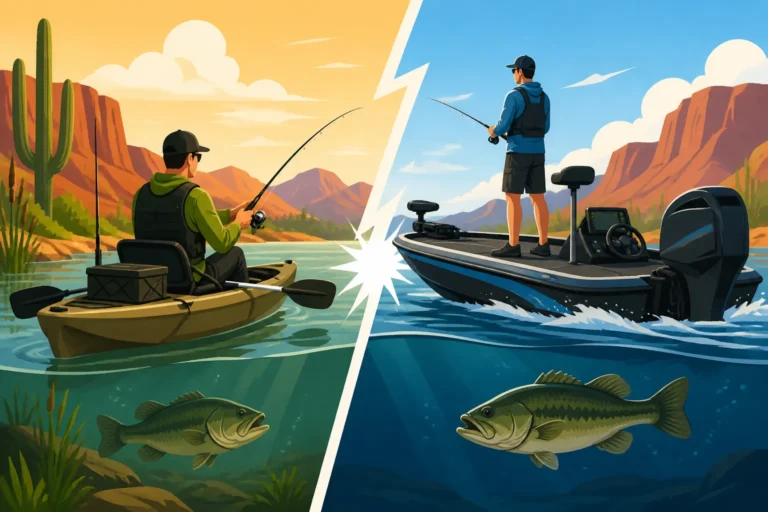
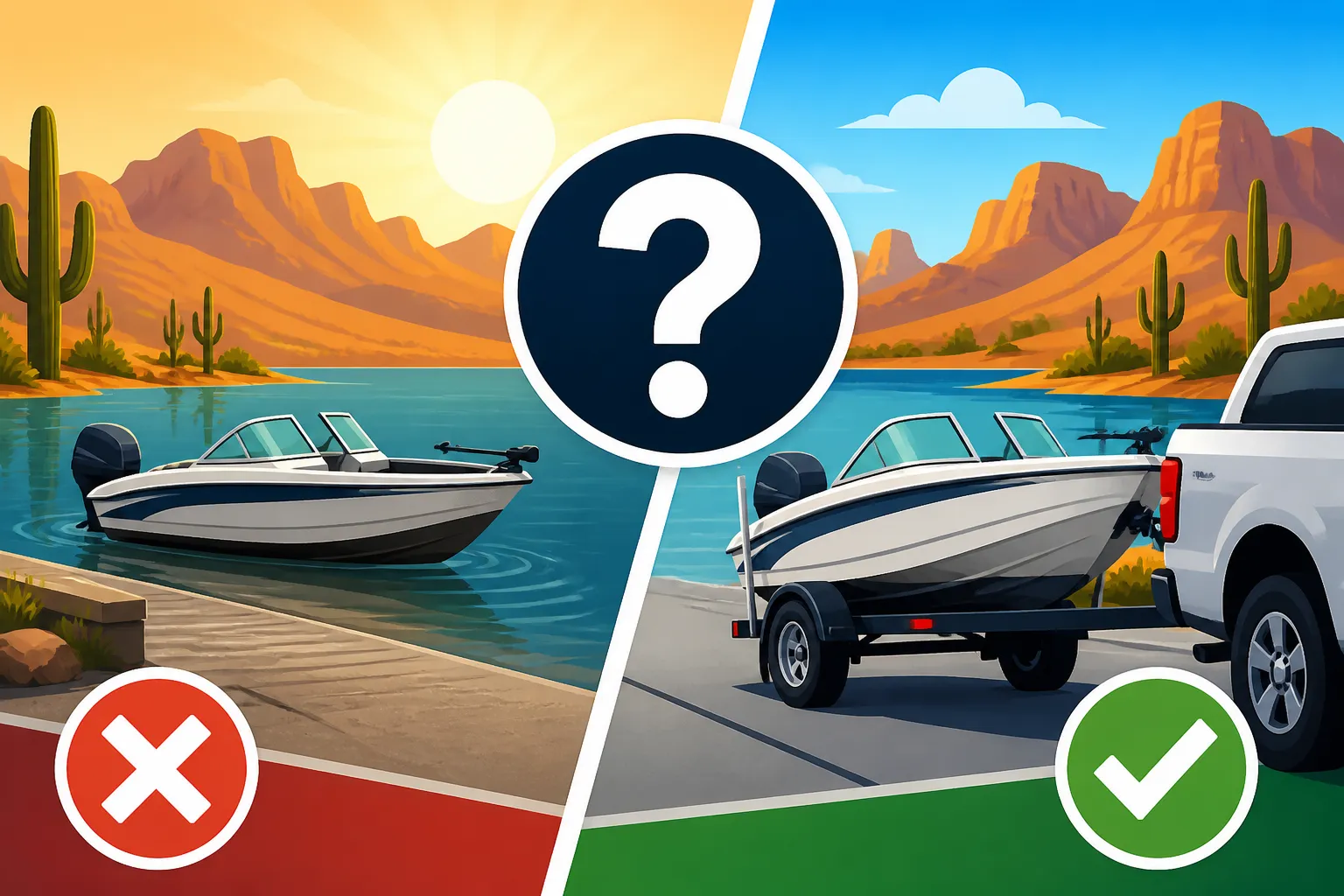
There's a common misconception that if you want to enjoy the incredible fishing Arizona has to offer, you absolutely need a full-blown boat and trailer setup. Many aspiring anglers get hung up on this, thinking it's a huge barrier to entry. But let me tell you, that's simply not true for everyone! This guide will break down the realities of launching a boat in Arizona, focusing on when a trailer is essential and, more importantly, when it's not, helping you get out on the water no matter your equipment.
The Basics of Boat Launching in Arizona
Arizona's diverse aquatic landscape, from massive desert reservoirs to serene mountain lakes and winding rivers, means there's no single "right" way to launch a boat. The method you use often depends on the type of watercraft you have and the specific access points available. Understanding these fundamental aspects is key to a smooth and frustration-free day on the water.
Understanding Arizona's Waters and Ramps
Arizona boasts some truly spectacular fishing locations, each with its own character and access challenges. Think about Lake Powell, a vast, canyon-filled expanse that absolutely dwarfs many other lakes, or Roosevelt Lake with its expansive open water and numerous coves. These big reservoirs typically feature developed public boat ramps designed for larger, trailer-launched vessels. These ramps are usually paved, have ample parking for trucks and trailers, and offer a gradual slope into the water. However, head to a smaller community fishing lake in Phoenix or Tucson, or a remote mountain lake in the White Mountains, and the launching situation changes entirely. Some might have small, unimproved dirt ramps, while others might just have a designated shoreline access point.
It's crucial to scout your chosen location beforehand. A quick search for the specific lake or river access point can usually tell you if it's a "developed ramp" or more of a "carry-in" spot. If you show up to a remote mountain lake with a bass boat on a trailer, only to find a narrow, rocky shoreline, you're going to have a bad day. Conversely, trying to launch a large inflatable kayak at a busy, multi-lane concrete ramp on a holiday weekend might feel awkward and inefficient compared to the big boats. Always match your launch method to the facility and the body of water.
Trailer vs. Hand-Launch: What's the Difference?
When we talk about launching a boat, there are essentially two main categories: trailer launching and hand launching. A trailer launch involves backing your boat, which is secured on a wheeled trailer, down a ramp into the water using a vehicle. This method is standard for anything from small aluminum fishing boats to large bass boats, pontoon boats, and even modest cruisers. It allows for the easy transport of heavier, larger vessels and is designed for the infrastructure of public boat ramps. You drive your truck, back the trailer into the water until the boat floats, unhook it, and then park your vehicle and trailer in a designated spot.
Hand launching, on the other hand, means exactly what it sounds like: physically moving your watercraft into the water, typically without the aid of a trailer. This can range from carrying a lightweight kayak or canoe directly from your vehicle to the water's edge, using a specialized cart or dolly to roll a small Jon boat, or simply inflating a portable boat right by the shoreline. Hand launching is ideal for smaller, lighter craft and opens up a huge range of access points that don't have traditional boat ramps. It's often favored by those looking to fish quieter, less crowded areas, or anglers who prefer the simplicity and lower cost associated with not owning a trailer and a tow vehicle.
When a Trailer is Absolutely Necessary (and When It's Not)
Deciding whether you need a trailer really boils down to the size and type of boat you plan to use, and where you intend to fish. There's no universal answer, but understanding the common scenarios can save you a lot of grief and expense.
Larger Boats and Public Ramps
If your fishing aspirations involve a bass boat, a pontoon boat, a larger aluminum fishing boat, or any vessel that's too heavy or cumbersome for one or two people to comfortably lift and carry, then yes, a trailer is pretty much non-negotiable. These boats are designed to be trailered, and the vast majority of public access points on Arizona's major lakes – like Lake Pleasant, Saguaro Lake, or Roosevelt Lake – are equipped with concrete boat ramps specifically for trailer launching. Trying to launch a 17-foot bass boat without a trailer at one of these ramps would be an exercise in futility, and frankly, quite dangerous.
Furthermore, towing a boat on a trailer requires a capable vehicle. You'll need a truck or SUV with sufficient towing capacity, a trailer hitch, and often a wiring harness for trailer lights. This is where the commitment and cost can really add up. Maintenance for both the trailer (tires, bearings, lights) and the tow vehicle (fuel efficiency, wear and tear) also needs to be factored in. For many anglers, especially those just starting out or on a budget, this can be a significant hurdle. However, for serious anglers who want to cover large expanses of water and carry a lot of gear, a trailer-launched boat offers unmatched capability and comfort. If you're looking at specific large bodies of water like Lake Powell Arizona Fishing Guide or Roosevelt Lake Arizona Fishing Guide, you'll quickly realize how essential a trailer is for getting your substantial craft into these vast lakes.
Smaller Watercraft and Alternative Launches
This is where the good news for many aspiring anglers comes in! For kayaks, canoes, stand-up paddleboards (SUPs), inflatable boats, and even some very small, lightweight Jon boats or car-topper fishing boats, a trailer is often completely unnecessary. These smaller vessels are perfectly suited for "alternative" launch methods, opening up a world of fishing opportunities without the added cost and hassle of a trailer.
Many of Arizona's smaller community lakes, such as those in the Best Urban Fishing Lakes in Arizona network, often have designated "carry-in" launch areas where you can simply pull your car up, unload your kayak, and walk it to the water's edge. Similarly, countless stretches of river, especially on the calmer sections of the Salt River or parts of the Colorado River, offer bank access points ideal for hand-launching. Car-topping a kayak or canoe on your vehicle's roof rack is a common and efficient way to transport these vessels. Inflatable boats can be deflated, packed into a bag, and easily transported in a car trunk, then inflated quickly at the shoreline. This flexibility means you can access remote coves, quiet ponds, or narrow river sections that larger, trailer-launched boats simply can't reach, offering a unique and often more peaceful fishing experience.
Navigating Arizona's Launch Options Without a Traditional Trailer
So, you've decided a trailer isn't for you, or at least not for now. Great! Arizona still offers a plethora of ways to get your smaller watercraft into the fishing grounds. Let's explore some of the most popular and effective methods.
Portable Boat Dollies and Carts
For those who have a small, rigid boat that's a bit too heavy to comfortably carry a long distance, but not quite large enough to warrant a full trailer, a portable boat dolly or cart can be an absolute game-changer. These clever devices typically consist of a frame with two wheels, designed to cradle the keel of your boat. You simply lift one end of your boat onto the dolly, strap it down, and then you can roll it relatively easily from your vehicle to the water.
Imagine you have a 12-foot aluminum Jon boat that you want to launch at a small reservoir with a dirt path leading to the water, but no paved ramp. Carrying it might be a struggle, especially if you're fishing solo. A sturdy boat dolly, available from retailers like Bass Pro Shops or online platforms such as Amazon, makes this trek manageable. Some dollies are designed to fold up for easy storage in your car or even in the boat itself once you've launched. They're excellent for accessing remote areas or unimproved launch sites where a traditional trailer would get stuck or simply isn't feasible. Just remember to secure your boat properly to the dolly to prevent it from sliding off on uneven terrain. This method provides a fantastic middle ground between full trailer dependence and pure muscle power, greatly expanding your fishing horizons.
Inflatable Boats and Their Portability
Inflatable boats have come a long way from the flimsy pool toys of yesteryear. Modern inflatable kayaks, rafts, and even pontoon boats are incredibly durable, stable, and surprisingly capable fishing platforms. Their biggest advantage, of course, is their portability. Since they deflate and pack down, you can easily transport them in the trunk or backseat of almost any vehicle. No roof rack, no trailer, no problem!
Once you arrive at your chosen launch spot, it's just a matter of unfolding the boat and using a hand or electric pump to inflate it. Many quality inflatables can be ready to launch in under 15 minutes. This makes them perfect for spontaneous trips, accessing difficult-to-reach locations, or even for those who live in apartments and don't have space to store a rigid boat or trailer. They're also incredibly buoyant and often surprisingly stable, making them great for exploring quiet coves or drifting down calmer river sections. After your fishing adventure, simply deflate, pack up, and head home. Check out options from reputable outdoor retailers – you might be surprised by the variety and quality available.
Car-Topping and Rooftop Racks
For rigid kayaks, canoes, and smaller, lighter Jon boats (often called "car-toppers"), a roof rack system on your vehicle is the go-to solution for trailer-free transport. This involves mounting crossbars onto your car's roof and then using specialized cradles, J-hooks, or foam blocks and straps to secure your boat on top. It’s a very common sight across Arizona, particularly on roads leading to popular spots like Tempe Town Lake or smaller community ponds.
Once at the launch, you simply unstrap the boat and carry it to the water's edge. This method is incredibly versatile, allowing you to launch from almost any shoreline access point. It eliminates the need for a trailer, saving on purchase cost, registration, maintenance, and the added fuel consumption of towing. It also means you don't need a truck; many cars, SUVs, and vans can be fitted with roof racks. However, loading and unloading can require some effort, especially with heavier kayaks, and it's wise to practice securing your boat properly before hitting the highway. Always double-check your straps before driving, and be mindful of overhead clearances, particularly when entering parking garages or low-clearance areas.
Essential Gear and Considerations for Trailer-Free Launching
Embarking on a fishing trip without a trailer brings a unique set of needs and considerations. While the freedom is fantastic, it's crucial to be well-prepared, both for safety and to ensure a pleasant experience for everyone.
Safety Gear and Preparation
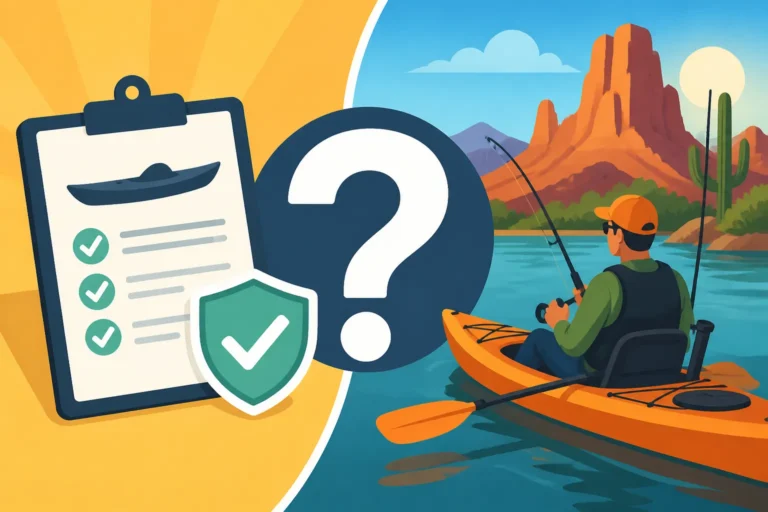
Regardless of how you launch your boat, safety should always be your top priority, especially when you're exploring Arizona's diverse and sometimes challenging waters. When you're in a smaller, hand-launched craft like a kayak or inflatable, you're often closer to the water and more exposed to the elements. Always wear a properly fitted U.S. Coast Guard-approved Personal Flotation Device (PFD). This isn't just a suggestion; it's a Boating Safety Gear Requirements in Arizona. Even if you're a strong swimmer, a PFD can save your life if you unexpectedly capsize or run into trouble.
Beyond a PFD, consider carrying a small dry bag with essentials like a first-aid kit, a whistle, a charged cell phone, a headlamp (if there's any chance you'll be out near dusk), and plenty of water. A bailing device (like a small bucket or sponge) is vital for removing any water that might get into your boat. If you're using a Best Kayak Anchors for Still Fishing, make sure it's appropriate for the water body you're on. Always tell someone your float plan – where you're going, when you expect to return, and what your craft looks like. Arizona's weather can change quickly, so be prepared for sudden winds or even monsoon storms.
Respecting the Environment and Other Anglers
When using non-traditional launch points, it's particularly important to be mindful of your surroundings and other users of the water and shoreline. Parking can sometimes be limited at informal access points, so park courteously and ensure you're not blocking private access or emergency routes. If you're at a popular spot, try to be efficient with your launching and retrieval to avoid creating bottlenecks for others.
Beyond etiquette, environmental responsibility is paramount. Always practice "Leave No Trace" principles. Pack out everything you pack in, and perhaps even a little extra litter you find. Be especially diligent about preventing the spread of aquatic invasive species. Before leaving any body of water, always "Clean, Drain, Dry" your boat, fishing gear, and any equipment that came into contact with the water. This means removing all visible mud, plants, and animals, draining all water from your boat (livewells, bilge, etc.), and thoroughly drying your equipment before moving to a new location. These simple steps protect Arizona's precious waterways for everyone.
Legal and Regulatory Aspects of Boat Launching in Arizona
Even without a trailer, launching a boat in Arizona comes with a few legal and regulatory considerations. It's not just about getting on the water, but doing so responsibly and in compliance with state rules.
Boat Registration and Requirements
Many anglers assume that if a boat is small or inflatable, it doesn't need to be registered. This is a common misconception! In Arizona, most motorized boats, regardless of size or method of launch, are required to be registered with the Arizona Game and Fish Department. This includes canoes, kayaks, and even inflatable boats if they have any kind of motor attached – electric trolling motors included. Human-powered boats (canoes, kayaks, paddleboards) generally do not require registration in Arizona unless they are equipped with a motor. However, it's always wise to check the most current regulations as they can change.
If your boat does require registration, you'll need to display the registration numbers and a valid decal. This process involves filling out paperwork, providing proof of ownership, and paying a fee. For more details on this, you might find information in articles like Kayak Registration Rules in Arizona or Cost to Register a Boat in Arizona. Failing to register a required vessel can lead to fines, so it's far better to be prepared. This ensures that even your small, hand-launched craft is officially recognized and you're contributing to the conservation efforts that make Arizona's fishing so great.
Launch Fees and Permit Considerations
While you might be avoiding boat ramp fees associated with trailer launching at some developed sites, many popular fishing areas in Arizona, even those with carry-in access, may still require permits or day-use fees. For instance, state parks, regional parks, and certain recreation areas often charge an entrance fee per vehicle, which covers your access to launch a small boat.
Some specific lakes, especially those managed by tribal authorities like San Carlos Lake, might require a separate tribal fishing permit in addition to your state fishing license. Always check with the managing authority of your chosen fishing spot before you go. This information is usually available on their websites or at kiosks near the entrance. It’s also worth noting that while you don't need a specific "launch permit" for a hand-launched boat in most cases, you will absolutely need a valid Arizona Fishing License Guide to fish any public waters. Always keep your license with you, whether it's a physical copy or a digital one on your phone. Being prepared with the correct permits and licenses helps support the management and stocking programs that keep Arizona's fishing vibrant.
Alternatives to Owning and Launching Your Own Boat
What if you don't have a boat, don't want the hassle of transport, or just want to try out different types of fishing? You're still in luck! Arizona offers fantastic options to get on the water without owning any watercraft or a trailer.
Renting Boats for a Day or Weekend
Many of Arizona's larger lakes and popular fishing destinations feature marinas that offer boat rentals. This is an excellent option for those who want to experience fishing from a boat without the commitment of ownership or the need for a trailer. You can rent everything from small fishing boats with outboard motors to pontoon boats perfect for family outings, or even larger pleasure boats. Places like Lake Pleasant, Roosevelt Lake, and Saguaro Lake often have several marinas with rental fleets.
Renting a boat often includes basic safety gear, and the marina staff will usually give you a rundown on operation and local rules. This allows you to experience fishing on a large body of water, exploring coves and deeper structures that are inaccessible from the shore. It's also a great way to "try before you buy" if you're considering purchasing your own boat someday. You simply show up, rent the boat, enjoy your day, and return it. This removes all the concerns about launching, trailering, storage, and maintenance. If you're near Phoenix, for example, you might find options by looking into Best Boat Rental Options at Saguaro Lake or Can You Rent a Pontoon Boat at Lake Pleasant?.
Guided Fishing Trips and Charters
For the ultimate hassle-free fishing experience, consider booking a guided fishing trip or charter. Arizona has a fantastic network of professional fishing guides who operate on various lakes and rivers, specializing in different species like bass, trout, or striped bass. When you go with a guide, everything is taken care of: the boat, the tackle, the bait, and most importantly, their expert knowledge of the local waters and fishing techniques.
You simply show up at a designated meeting spot, hop in the guide's boat (which, of course, they have trailered and launched for you), and spend the day learning and catching fish. This is particularly valuable for beginners who want to learn the ropes, or for experienced anglers looking to tackle a new species or water body with local expertise. Guides often provide all the necessary safety equipment and can even help with your Arizona Fishing License Guide questions. This option completely bypasses the need for a trailer, a boat, and even much of your own gear, making it incredibly accessible for anyone wanting to fish in Arizona.
Conclusion: Flexibility is Key for Arizona Anglers
The idea that you absolutely need a trailer to launch a boat in Arizona is a common misconception that can deter many from enjoying the state's fantastic fishing. While a trailer is undoubtedly necessary for larger, heavier vessels and for utilizing many of the public concrete boat ramps on Arizona's vast reservoirs, it's far from the only option. The reality is that for a huge segment of anglers, especially those interested in kayaks, canoes, inflatable boats, or smaller rigid car-toppers, a trailer is completely unnecessary.
From car-topping your kayak for a quiet morning on a community lake to rolling a small Jon boat with a dolly into a secluded river access point, there are numerous ways to get your craft to the water's edge without the added expense and logistics of a trailer. Furthermore, for those who simply want to fish without any boat ownership at all, renting a boat or booking a guided trip provides an effortless pathway to Arizona's abundant fisheries. The key is to assess your needs, the type of fishing you want to do, and the kind of watercraft you'll be using. Don't let the lack of a trailer be a barrier to experiencing the incredible angling adventures waiting for you in Arizona! Get out there, explore, and find the perfect launch method that fits your style.
Disclaimer
This article is for general informational purposes only and does not constitute professional advice. Laws, prices and regulations vary by location and change over time. Consult a qualified professional for guidance on your specific situation.