Is Fluorocarbon Line Worth the Extra Cost?
Every angler has stared at the fishing line aisle, wondering if spending more on that fancy fluorocarbon spool is truly going to make a difference. In the challenging, often crystal-clear waters of Arizona, where fish can be finicky and the sun unforgiving, your line choice matters immensely. This guide will dive deep into fluorocarbon fishing line, breaking down its unique properties and whether those extra dollars are a worthwhile investment for your Arizona fishing adventures.
The Essential Differences in Fishing Line Materials
Before we dive into fluorocarbon specifically, it's helpful to understand how it stacks up against the other major players in the fishing line world. Each type of line has its own strengths and weaknesses, making them suitable for different applications and fishing conditions. Understanding these foundational differences is key to making informed choices, especially when fishing in diverse environments like Arizona's high mountain lakes, murky desert reservoirs, or swift-flowing rivers.
Monofilament: The Traditional Workhorse
Monofilament line, often simply called "mono," has been a staple in tackle boxes for decades. It's made from a single strand of nylon, making it relatively inexpensive to produce and widely available. Its affordability is a huge draw for many anglers, especially beginners or those on a budget. You can find massive spools of reliable monofilament at any Bass Pro Shops or even local sporting goods stores without breaking the bank.
Mono is known for its stretch, which can be both a blessing and a curse. This elasticity acts as a shock absorber, helping to prevent hooks from tearing out of a fish's mouth, especially with species known for head shakes or sudden runs. However, that same stretch reduces sensitivity, making it harder to detect subtle bites. It also tends to be more visible in clear water, and while it floats, which can be useful for topwater lures, it absorbs water over time, which can degrade its strength and cause it to lose shape on the reel. It’s a great all-around line, but not always the best for specialized tactics.
Braided Line: Power and Sensitivity
Braided line is a different beast entirely. It's constructed by weaving together multiple strands of synthetic fibers, typically Spectra or Dyneema. This construction results in an incredibly strong line with almost zero stretch, offering unparalleled sensitivity. When a fish breathes on your bait, you'll feel it! This super-sensitivity is a game-changer when you're fishing deep water, trying to detect light bites, or using finesse techniques.
Braided line also boasts exceptional abrasion resistance, making it ideal for fishing around heavy cover like submerged timber or rocky ledges, common in Arizona lakes like Roosevelt or Apache. It has a very thin diameter for its breaking strength, meaning you can load more line onto your reel and make longer casts. The main downsides? It's highly visible, which often necessitates a fluorocarbon or monofilament leader, and it can be notoriously difficult to cut without specialized scissors. Plus, it tends to be pricier than monofilament, though its durability often makes it a long-term value. Best Line for Bass Fishing often involves a braid-to-fluoro setup.
Fluorocarbon: The Stealthy Specialist
Now we come to fluorocarbon, the focus of our discussion. This line is made from polyvinylidene fluoride (PVDF), a polymer with properties distinctly different from nylon (mono) or braided fibers. Its primary claim to fame is its near invisibility underwater, a characteristic that makes it highly prized by serious anglers. It's denser than both mono and braid, causing it to sink rather than float, which can be advantageous for keeping baits in the strike zone, especially when targeting deep-dwelling bass or crappie.
Fluorocarbon also offers excellent abrasion resistance, often superior to monofilament, and fantastic sensitivity due to its low stretch. However, it's generally stiffer than mono, which can lead to memory issues on spinning reels if not spooled correctly, and it's less elastic than mono, meaning it offers less shock absorption. And, of course, there's the cost. It’s almost always the most expensive option per yard, leading many to question if the benefits truly outweigh the higher investment.
Why Fluorocarbon Carries a Higher Price Tag
It’s easy to look at a spool of fluorocarbon line at your local tackle shop or while browsing Amazon and wonder why it commands such a premium price compared to monofilament. There's a tangible reason for this, rooted in the material science and manufacturing processes involved. It’s not just about marketing; it’s about a unique combination of properties that are difficult and expensive to achieve.
The Science Behind Its Invisibility
The single biggest selling point of fluorocarbon line is its low visibility underwater. This isn't just a marketing gimmick; it's based on a scientific principle called refractive index. Every material has a refractive index, which measures how much light bends when it passes through that material. Water has a refractive index very close to 1.33. Monofilament nylon line has a refractive index closer to 1.52, meaning light bends significantly as it hits the line, making it stand out like a beacon to fish.
Fluorocarbon, however, has a refractive index of approximately 1.42, which is much closer to that of water. This means light passes through fluorocarbon with very little distortion, making the line appear almost invisible to fish in the water column. Producing a material with such a specific and consistent refractive index requires specialized polymers and a more precise manufacturing process, which inherently drives up production costs. For species like trout in gin-clear mountain streams or bass in Arizona's Clear Water in Winter conditions, this invisibility can be the difference between a bite and a frustrated cast.
Unique Material Properties and Manufacturing
Beyond its refractive index, fluorocarbon possesses a suite of other properties that contribute to its higher cost. It's a much denser material than nylon, which gives it its sinking characteristic but also makes it heavier and more challenging to extrude into a consistent, thin line. The raw materials themselves are often more expensive and specialized than those used for monofilament.
The manufacturing process for fluorocarbon is also more complex and precise. Maintaining the consistent diameter, strength, and low memory required for quality fishing line demands tighter tolerances and more advanced machinery. Any imperfections in the line can compromise its strength or visibility, so quality control is paramount. This intricate process, from raw material to finished spool, naturally increases the overhead and, subsequently, the retail price. Brands like Seaguar and Berkley invest heavily in this research and development to produce their high-performance fluorocarbon lines.
Performance Benefits Justifying the Cost
So, what do you get for that extra expense? A lot, actually. The benefits of fluorocarbon extend far beyond just invisibility. Its low stretch provides incredible sensitivity, allowing anglers to feel the slightest tap or change in bottom composition. This is particularly valuable when fishing deep or trying to detect light bites from wary fish. For many Arizona anglers, this sensitivity is critical for finesse fishing for bass or when using subtle presentations for crappie.
Fluorocarbon is also highly resistant to abrasion, making it an excellent choice for fishing around rocks, stumps, and other abrasive structures that can quickly fray monofilament. This means fewer break-offs and more confidence when fishing challenging terrain. Furthermore, its UV resistance is superior to monofilament, meaning it won't degrade as quickly from prolonged exposure to the Arizona sun, extending its useful life. This combination of invisibility, sensitivity, and durability often justifies the higher upfront cost for serious anglers seeking a competitive edge.
Real-World Advantages for Arizona Anglers
When you're out on an Arizona lake or river, facing bright sun and often incredibly clear water, the choice of fishing line can genuinely impact your success. Fluorocarbon isn't just a fancy, expensive option; it offers distinct advantages that are particularly relevant to the unique challenges and opportunities presented by fishing in the Grand Canyon State.
Fishing Clear Desert Lakes and Rivers
Arizona is home to many stunning desert lakes and reservoirs like Lake Pleasant, Canyon Lake, and Lake Havasu, where the water can be exceptionally clear, especially during cooler months or after periods without significant runoff. In these conditions, fish have excellent visibility, making them very line-shy. A thick, visible line can easily spook them, causing them to shy away from your bait or lure. This is where fluorocarbon's near-invisibility truly shines.
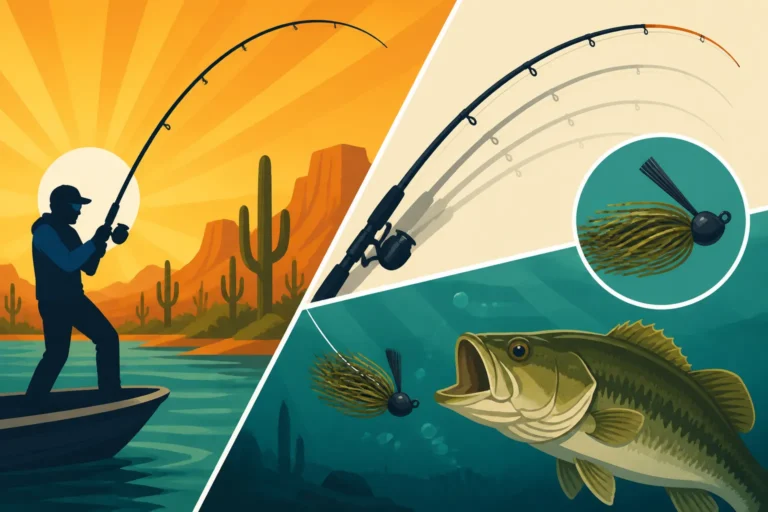
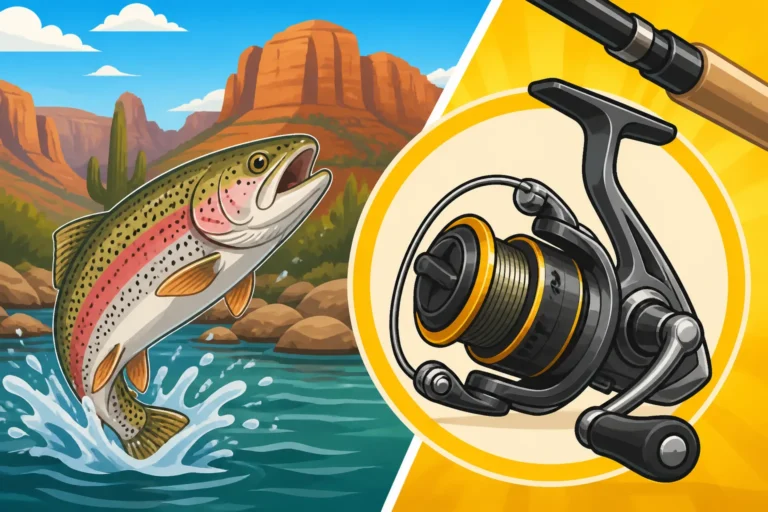
Imagine you're targeting largemouth bass at Lake Pleasant on a calm, sunny day. Using a fluorocarbon leader or even a main line can make your lure presentation much more natural. The fish are less likely to see the line connecting to your bait, leading to more aggressive takes and fewer refusals. Similarly, if you're fly fishing or light tackle fishing for trout in the Best Trout Fishing Spots in Arizona like Lees Ferry or the White Mountains, the clarity of the water makes line diameter and visibility paramount. Fluorocarbon helps your offerings blend seamlessly into the aquatic environment, fooling even the most cautious of fish.
Targeting Wary Fish Species
Beyond just water clarity, some fish species are inherently warier than others. Smallmouth bass, for example, are notorious for their keen eyesight and often spooky nature, especially in highly pressured waters. If you're chasing Smallmouth Bass Fishing Guide for Arizona at Lake Powell, where the water can be crystal clear and the fishing pressure intense, using fluorocarbon can significantly improve your hook-up ratio. Their aggressive strikes often mask their initial hesitation, but fluorocarbon reduces that hesitation in the first place.
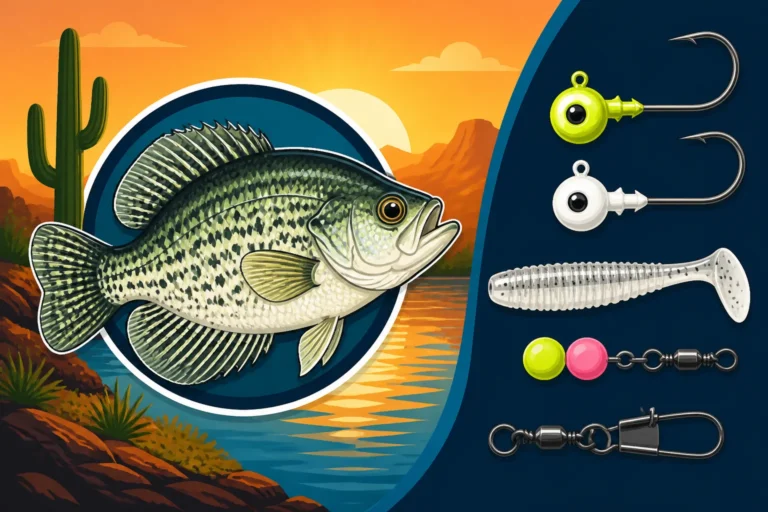
Even largemouth bass, especially larger, more experienced ones, can become line-shy. Crappie, too, particularly when suspending in clear water, can be incredibly finicky and turn their noses up at a visible line. By making your presentation as stealthy as possible, fluorocarbon increases your chances of getting bites from these wary creatures. It's not a magic bullet, but it removes one major factor that can turn fish off. For detailed guidance on specific techniques, you might check out Drop Shot Techniques for Smallmouth Bass which pairs perfectly with fluoro.
Enhanced Sensitivity and Abrasion Resistance
While visibility is often the primary reason anglers turn to fluorocarbon, its other properties are equally valuable in Arizona's diverse fisheries. The low stretch of fluorocarbon means excellent sensitivity. When you're fishing deep structure for bass at Roosevelt Lake or dragging a worm along the bottom for catfish in the Colorado River, every subtle bump, tick, or change in bottom composition is transmitted clearly to your hands. This allows you to differentiate between a snag, a rock, or that faint bite you might otherwise miss with stretchier lines.
Furthermore, Arizona's aquatic environments can be tough on fishing line. Many lakes feature rocky shorelines, submerged brush piles, and sharp ledges. The higher abrasion resistance of fluorocarbon is a significant advantage in these scenarios. It holds up better against rough surfaces than monofilament, reducing the chances of fraying and break-offs when a big fish buries itself in cover. This added durability provides peace of mind, especially when you've got a trophy on the line. Ensuring your tackle is up to scratch is crucial, so exploring Best Fishing Rods for Bass in Arizona is a good next step.
Making the Investment: When Fluorocarbon Shines Brightest
Deciding whether to open your wallet for that higher-priced spool of fluorocarbon can be a tricky choice. While its benefits are undeniable, it's not always necessary to use it for every fishing scenario or as your main line. Understanding when and how to best deploy fluorocarbon can help you maximize its value without overspending.
Primary Line vs. Leader Material
One of the most common ways Arizona anglers utilize fluorocarbon is as a leader material rather than a primary main line. This is particularly popular when your main line is braided. Braided line offers incredible strength, sensitivity, and casting distance, but its high visibility is a drawback. By tying a fluorocarbon leader (typically 3-10 feet long) to the end of your braid, you get the best of both worlds: the power and feel of braid, combined with the stealth of fluorocarbon at the business end of your setup. This hybrid approach is often referred to as a "braid-to-fluoro" setup and is a staple for bass, crappie, and even some trout fishing.
Using fluorocarbon as a leader significantly reduces your overall cost compared to spooling an entire reel with it, as you only use a small amount per trip. It also allows you to experiment with different leader strengths and lengths to match varying conditions without having to re-spool your entire reel. When picking up your next leader material, whether from Bass Pro Shops or browsing online, remember that the goal is seamless connection and optimal stealth.
Comparing the Cost-Benefit for Different Species
The value of fluorocarbon can also vary depending on the species you're targeting. For highly visual and wary fish like smallmouth bass, trout, or finicky crappie, the investment in fluorocarbon is almost always worth it. Their ability to detect line and their cautious nature make line visibility a critical factor. When every bite counts, especially in tournament situations or when chasing trophy fish, the added cost is a small price to pay for the increased strike probability.
However, for less line-shy species, or when fishing in murky water where visibility is already poor, the benefits might not justify the expense. If you're bottom fishing for channel catfish in a turbid river, or casually targeting aggressive panfish at a community pond, monofilament might be perfectly adequate and much more economical. Consider the specific habits of your target species and the typical conditions of your chosen fishing spot. A quick look at Fish Species Guide for Arizona Lakes can help you determine the visual acuity of different fish.
Here's a quick comparison of popular line types:
| Line Type | Visibility (Underwater) | Stretch | Sensitivity | Abrasion Resistance | Buoyancy | Typical Cost (per yard) | Best Use Cases |
|---|---|---|---|---|---|---|---|
| Monofilament | Medium to High | High | Low | Medium | Floats | Low | All-around, topwater, shock absorption, general purpose |
| Braided | High | Very Low | Very High | High | Floats | Medium to High | Heavy cover, long casts, high sensitivity, main line with leader |
| Fluorocarbon | Very Low | Low | High | High | Sinks | High | Leaders, clear water, wary fish, deep water contact, finesse |
Maximizing Your Fluorocarbon Investment
If you do decide to invest in fluorocarbon, there are a few tips to ensure you get the most out of your money. Firstly, always use a proper knot designed for fluorocarbon, like the Alberto knot or FG knot, when connecting it to braid. Because fluorocarbon is stiffer, some knots can slip or weaken if not tied correctly. Secondly, be mindful of spooling. Fluorocarbon can develop memory, especially on spinning reels, so avoid overfilling your spool and consider using a line conditioner to keep it supple. Many anglers suggest letting the line uncoil from the spool in water to reduce memory before reeling it onto your fishing reel.
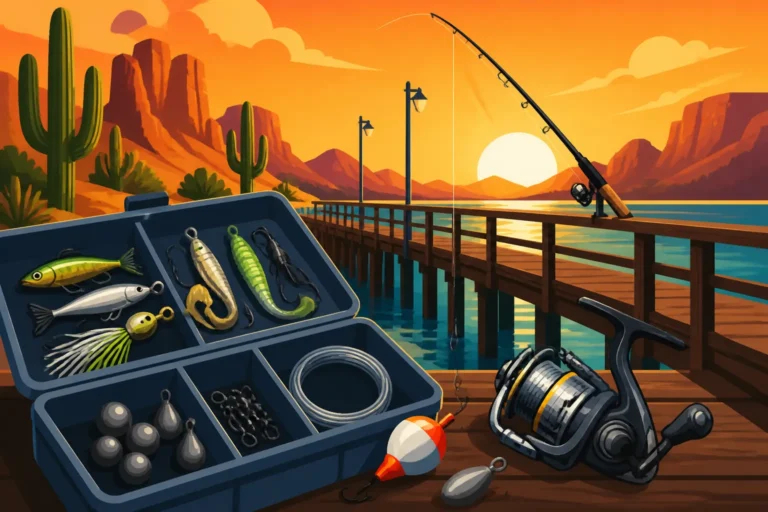
Finally, buy from reputable brands and check reviews. The quality of fluorocarbon can vary greatly between manufacturers. Investing in a known, high-quality brand, perhaps one recommended by your local Bass Pro Shops or with excellent reviews on Amazon, will generally provide better performance and fewer headaches. While the initial cost may seem high, the performance benefits, particularly for serious Arizona anglers, often make fluorocarbon a valuable and worthwhile addition to your tackle arsenal. Check out Best Tackle for Desert Lake Fishing for more ideas on what gear to pair with it.
Disclaimer
This article is for general informational purposes only and does not constitute professional advice. Laws, prices and regulations vary by location and change over time. Consult a qualified professional for guidance on your specific situation.