Is Braided Line Better Than Monofilament for Beginners?
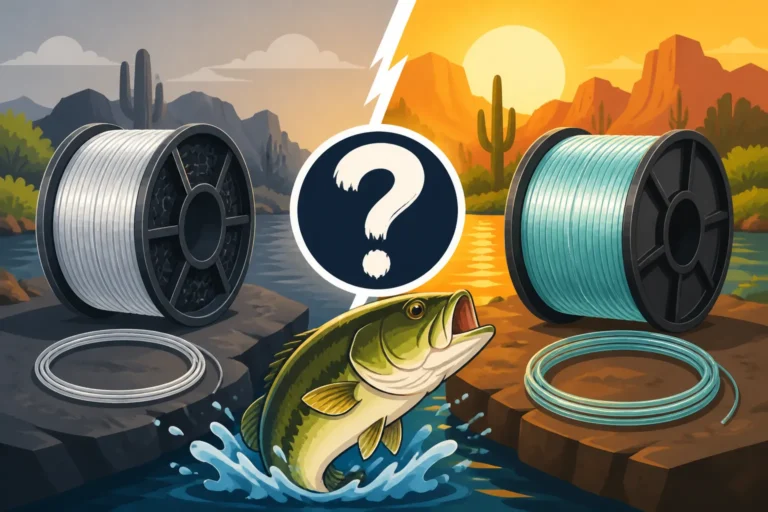
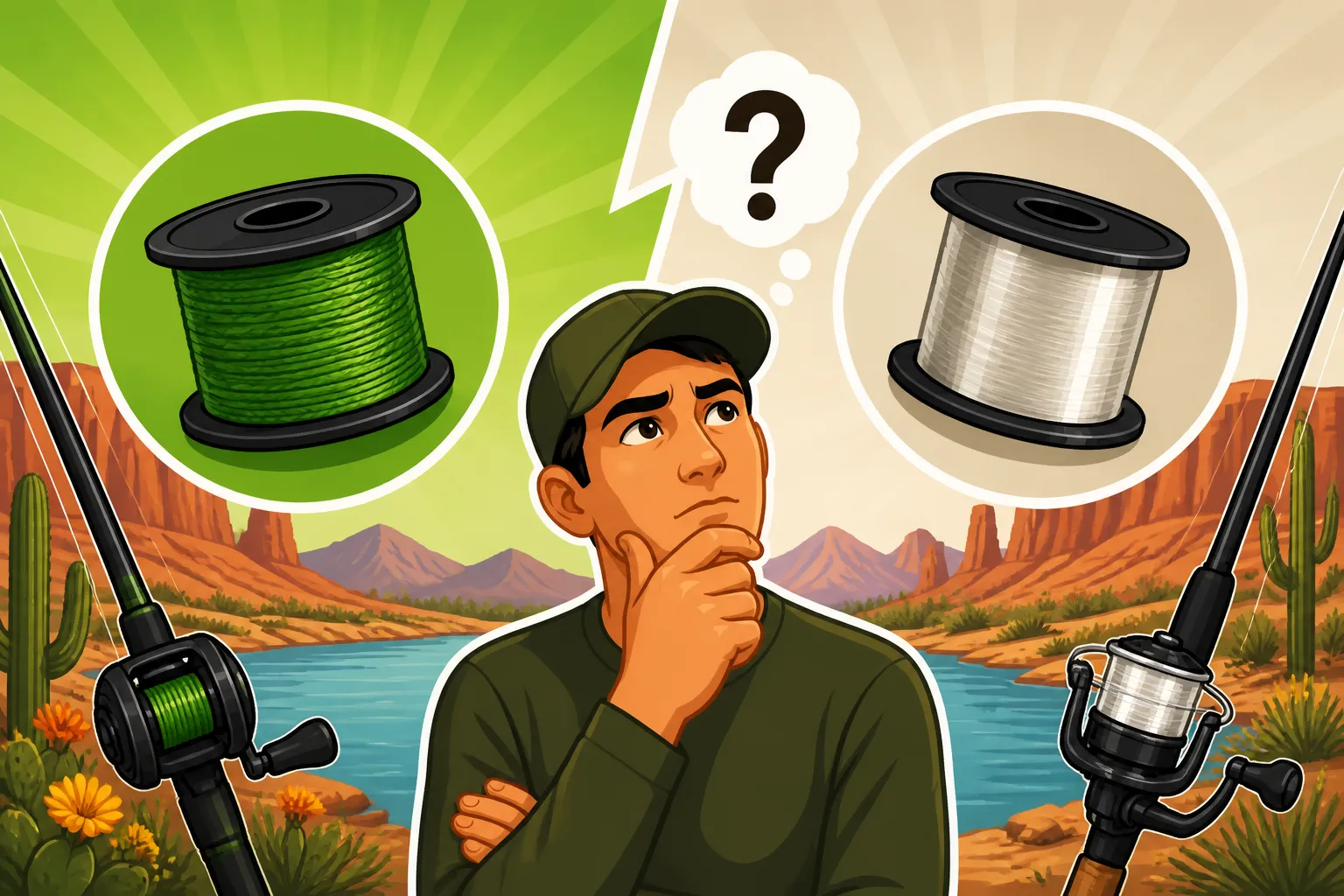
Choosing the right fishing line can feel like stepping into a labyrinth when you're just starting out, and many new anglers find themselves completely overwhelmed by the sheer number of options. It’s a common frustration to stand in the tackle aisle, staring at spools of monofilament, fluorocarbon, and braided line, wondering which one will actually help you catch fish in Arizona's diverse waters. This guide is here to untangle that confusion, offering a realistic look at whether braided line truly is better than monofilament for beginners casting their lines in the Grand Canyon State.
Understanding Monofilament Line: The Tried and True Choice
For decades, monofilament, or "mono," has been the go-to fishing line for anglers worldwide, and for good reason. It's often the first type of line many of us learned to tie knots with, and its versatility makes it a staple in tackle boxes everywhere. If you've ever picked up a fishing rod that came pre-spooled, chances are it was rigged with monofilament.
What is Monofilament?
At its core, monofilament line is made from a single strand of nylon. This single-strand construction is where it gets its "mono" moniker. When you hold it, you'll notice it has a smooth, somewhat stretchy feel. The manufacturing process allows it to be produced in various strengths (test weights) and colors, though clear and green are exceptionally popular for their ability to blend into many water conditions. Its simplicity and widespread availability mean that almost every tackle shop, from big box stores to local bait and tackle joints, will have a wide selection.
One of the defining characteristics of monofilament is its inherent stretch. When a fish hits your bait or lure, or when you set the hook, mono will give a little. This elasticity can be both a blessing and a curse, depending on the fishing situation, but for beginners, it often leans more towards being a benefit. It’s the kind of line that has helped countless anglers land their first fish, making it a foundation of the sport.
Pros for Beginners
Monofilament offers several distinct advantages that make it particularly appealing to those new to fishing, especially in Arizona's varied environments, from tranquil urban ponds to large desert lakes.
Firstly, its ease of use is a major plus. Monofilament is very forgiving when it comes to knot tying. Its relatively smooth surface and tendency to stretch allow knots to cinch down securely without slipping or breaking as easily. For someone still fumbling with an improved clinch or palomar knot, this can save a lot of frustration and lost tackle. Imagine spending valuable fishing time trying to re-tie a knot that keeps failing – mono helps reduce that headache.
Secondly, the stretch we mentioned earlier acts as a built-in shock absorber. When a feisty bass at Lake Pleasant takes off or a rainbow trout on the Lower Salt River suddenly darts, monofilament's stretch can cushion the blow, preventing hooks from tearing out of a fish's mouth or your line from snapping under sudden pressure. This cushioning effect also means your rod tip doesn't have to work quite as hard, providing a more forgiving fight. It’s a bit like having training wheels on your bike; it smooths out the bumps in your learning curve. This quality is particularly useful when you're just getting the hang of setting the hook without overdoing it.
Finally, monofilament is generally more cost-effective than braided lines. This makes it an excellent choice for beginners who might not want to invest heavily in specialized gear right away. You can pick up a decent spool of quality mono for a very reasonable price, allowing you to get out on the water without breaking the bank. It's a great option for those looking to stock up on their Essential Tackle Box Setup for Arizona Beginners without a huge upfront investment.
Cons for Beginners
While monofilament has its undeniable perks, it also comes with a few drawbacks that new anglers should be aware of, especially as their skills progress.
One common issue is "line memory." If you've ever pulled line off a spool and seen it coil up like a spring, you've witnessed line memory in action. Monofilament tends to retain the shape of the spool it's stored on. This can lead to more tangles, particularly when casting, and can make your line less manageable on the reel. Over time, and especially if the line gets twisted, those coils can become a real nuisance.
Another disadvantage is its lower sensitivity. Because mono stretches, some of the subtle vibrations from a fish mouthing your bait or a lure bumping against structure are absorbed by the line's elasticity. This means it can be harder for a beginner to feel those light "taps" or "thumps," especially when fishing deeper waters or in windy conditions. You might miss a few bites that a more sensitive line would have telegraphed straight to your rod tip.
Lastly, monofilament is generally thicker in diameter compared to braided line of the same test strength. This means you can't fit as much line on your reel, and the thicker line can sometimes be more visible to wary fish in very clear waters. It also degrades over time from exposure to UV light and can absorb water, which can weaken it. This isn't usually an immediate problem, but it's why experienced anglers replace their mono more frequently.
Understanding Braided Line: The Modern Powerhouse
Braided fishing line has soared in popularity over the last few decades, becoming a favorite among many experienced anglers for its incredible strength and sensitivity. It represents a significant departure from monofilament in both construction and performance, offering a different set of advantages and challenges.
What is Braided Line?
Unlike the single strand of nylon in monofilament, braided line is made by weaving multiple strands of synthetic fibers – often materials like Spectra or Dyneema – together. Imagine tiny ropes made from incredibly strong, thin threads. This woven construction gives braided line its characteristic appearance and feel, often rougher than mono and less stretchy. It also results in a much thinner diameter for a given breaking strength compared to monofilament.
The weaving process is key to braid's unique properties. Because it's a weave, there's virtually no stretch in the line. This lack of stretch is what contributes to its exceptional sensitivity and direct feel. It also means that braided line is incredibly strong for its size, allowing anglers to use lighter tackle while still having the power to battle larger fish or pull lures free from snags. It's a marvel of modern fishing technology, designed for maximum performance.
Pros for Beginners
While braided line often comes with a steeper learning curve, its benefits can be incredibly rewarding for beginners once they get the hang of it, especially when targeting specific fish or fishing in particular conditions.
First and foremost is its incredible strength-to-diameter ratio. You can spool a 20-pound test braided line that is as thin as a 6-pound test monofilament. This means you can fit a lot more line on your reel, which is fantastic for long casts or when a big fish decides to make a run. The thin diameter also cuts through the water and air more efficiently, resulting in longer, more accurate casts. This can be a huge advantage when you're trying to reach that distant cover at Apache Lake or need to make a long presentation on the Colorado River.
Secondly, braided line offers unparalleled sensitivity. With almost zero stretch, every bump, subtle bite, or change in bottom structure is transmitted directly up the line to your rod tip and into your hands. This dramatically increases your ability to detect even the lightest takes from fish, which is crucial for finicky eaters or when fishing deep water. Feeling that faint "tick" instead of a strong tug can be the difference between catching a fish and missing it entirely. This sensitivity makes it a favorite for jigging techniques.
Finally, braided line is incredibly durable and resistant to UV degradation. While it might cost more upfront, it lasts significantly longer than monofilament, often for several seasons if properly cared for. Its strength also makes it more resistant to abrasion against rocks or submerged timber, which can be a lifesaver in snag-prone areas. This makes it a great investment, especially if you plan on consistent fishing. It's important to choose the right Best Fishing Reels for Beginner Anglers in Arizona that can handle braid well, as not all reels are designed for it.
Cons for Beginners
Despite its impressive advantages, braided line presents some specific challenges that can be quite daunting for beginners. It's not always a plug-and-play solution, and a little foreknowledge can save a lot of frustration.
The biggest hurdle for beginners is often knot tying. Because braided line is so slick and thin, and lacks stretch, many traditional knots that work well with mono can slip or fail. Special knots, like the Palomar or Uni knot (with extra wraps), are often required, and they need to be tied meticulously and cinched down very tightly. An improperly tied braid knot can unravel with disastrous consequences, leading to lost lures and fish. Mastering these knots takes practice and patience, which can be discouraging for a novice.
Another common issue is that braided line can be prone to "wind knots" or tangles, especially with spinning reels if not spooled correctly or if fished in windy conditions. Its limpness and light weight mean it can fly off the spool in loose coils, creating a bird's nest that's incredibly difficult to untangle. Imagine spending more time picking out a knot than actually fishing! This can be particularly frustrating when you're just trying to enjoy a peaceful afternoon by the water.
Lastly, braided line is highly visible underwater, especially in clear Arizona lakes. This can spook wary fish, which is why many anglers pair it with a leader of monofilament or fluorocarbon. While this hybrid setup offers the best of both worlds, it adds another layer of complexity (tying the leader to the main line) that might be too much for a brand-new angler. Plus, braid can be tough on rod guides, especially older or lower-quality ones, and its higher price point can be a deterrent. For anglers setting up a Best Fishing Rods for Bass in Arizona specifically for braid, ensuring robust guides is key.
Monofilament vs. Braided: Which is Best for Arizona Beginners?
The million-dollar question for any aspiring angler in Arizona: which line should you choose? There's no single "correct" answer, as the best choice really boils down to what you're fishing for, where you're fishing, and your personal comfort level as you learn. Let's break down the key considerations for novice anglers.
Key Differences for Novice Anglers
When comparing monofilament and braided line from a beginner's perspective, these differences stand out:
| Feature | Monofilament (Mono) | Braided Line (Braid) |
|---|---|---|
| Stretch | High (Acts as shock absorber) | Virtually Zero (High sensitivity) |
| Sensitivity | Low to Moderate (Muted feel) | Very High (Feel every subtle bite and structure) |
| Visibility | Low (Blends well, especially clear/green) | High (Can spook wary fish in clear water) |
| Knot Tying | Easy (Forgiving, holds traditional knots well) | Difficult (Requires specific knots, prone to slipping) |
| Abrasion Res. | Moderate (Can fray on rocks, gets nicks) | High (Very strong, durable against snags) |
| Cost | Lower (Very budget-friendly) | Higher (Greater upfront investment) |
| Memory | High (Coils, prone to tangles if not managed) | Low (Lays flat, less memory) |
| Casting | Good (Decent distance) | Excellent (Longer, smoother casts due to thin diameter) |
Understanding these distinctions is crucial, as they directly impact your fishing experience, particularly during those early learning stages. For instance, the forgiveness of mono on knots can be a huge confidence booster, while the sensitivity of braid might feel like overkill if you're just dunking a worm under a bobber.
When to Choose Monofilament
For many beginners, especially those just getting their feet wet in Arizona fishing, monofilament is often the most sensible starting point. Its forgiving nature makes the initial learning process much smoother.
You should opt for monofilament if:
- You're primarily bait fishing: Whether you're using worms for bluegill at a local community lake or cut bait for catfish at Bartlett Lake, mono's stretch helps keep the bait from being ripped off the hook by gentle bites and provides a nice cushion when a fish takes it.
- You're learning casting and knot tying: The ease of handling and tying reliable knots with mono will reduce frustration and help you build fundamental skills more quickly.
- You're fishing topwater lures: The stretch in mono allows for a more natural action with topwater baits and helps prevent the fish from throwing the hook during violent strikes.
- You're fishing in clear water: While braid is highly visible, clear or light green monofilament blends exceptionally well, making it less likely to spook wary fish in Arizona's often crystal-clear reservoirs. This is particularly relevant for places like the Community Fishing Program lakes or the Trout Stocking Schedule for the Lower Salt River.
- You want to keep costs down: Mono is an economical choice, allowing you to focus your budget on other essential gear.
For general, all-around fishing, especially for species like trout, panfish, and smaller bass in shallower water, monofilament truly shines for beginners. It’s perfect for those casual trips to a local pond.
When to Consider Braided Line
While mono has its place, there are scenarios where even a beginner might benefit from considering braided line, perhaps as they progress beyond their very first few outings.
You might want to consider braided line if:
- You're fishing in heavy cover: Think submerged brush piles, weed beds, or rocky areas where snags are common. Braid's incredible abrasion resistance and strength allow you to pull lures free from snags more often and muscle fish out of thick vegetation. This is invaluable when Fishing Around Submerged Timber or pitching jigs into dense cover for bass.
- You need to feel subtle bites: If you're struggling to detect light taps or pickups, especially when fishing deeper water or in windy conditions, braid's sensitivity can be a game-changer. This is particularly useful when you start experimenting with Best Bass Fishing Techniques for Arizona Lakes like jigging or drop-shotting for smallmouth bass.
- You want longer casting distance: For covering more water or reaching distant structures, braid’s thin diameter and low friction can help you cast significantly farther than monofilament. This can be key when targeting schooling fish in open water.
- You're specifically targeting larger, harder-fighting fish: While mono can land big fish, braid provides more direct power and control, especially when you need to turn a fish away from cover. This might be for bigger bass at Roosevelt Lake or even striped bass.
Ultimately, for beginners, braided line usually becomes more appealing once they've mastered the basics of casting, knot tying, and feel confident in their ability to manage tangles. It's often seen as the next step in their angling journey, rather than the absolute first one. Many anglers start with mono and then experiment with braid on a second rod or as they become more comfortable.
The Best of Both Worlds: Using a Leader
For many experienced anglers, the debate isn't about choosing between monofilament and braided line, but rather combining them. This "best of both worlds" approach involves spooling your reel with braided line and then attaching a shorter piece of monofilament or fluorocarbon line, known as a leader, to the end.
Why a Leader?
The primary reason to use a leader is to leverage the strengths of both line types while mitigating their weaknesses. You get the incredible casting distance, strength, and sensitivity of braided line on your main spool, combined with the low visibility, abrasion resistance (especially for fluorocarbon), and shock absorption of a leader material near your lure or hook.
Think about it: the fish sees the leader, not your main line. If that leader is a nearly invisible fluorocarbon, it significantly increases your chances of getting a bite. Meanwhile, the power and feel of your braided main line are still there for you to detect the slightest nibble and battle the fish confidently. This setup is particularly effective in Arizona’s clear waters where fish can be line-shy.
Leader Materials
When choosing a leader, you'll typically be looking at two main materials:
- Fluorocarbon: This is arguably the most popular leader material. Fluorocarbon is nearly invisible underwater because it has a refractive index very close to that of water. It's also much more abrasion-resistant than monofilament, making it excellent for fishing around rocks, timber, or other rough structures. It has very little stretch, so it doesn't compromise the sensitivity of your braided main line much. Many anglers use fluorocarbon for bass fishing, especially when using finesse techniques, because of its invisibility and direct feel. You can find excellent quality fluorocarbon leaders at Bass Pro Shops or online through Amazon.
- Monofilament: While not as invisible or abrasion-resistant as fluorocarbon, monofilament leaders are still a good option. They offer more stretch than fluoro, which can be beneficial when fishing with lures that require a bit of give, or when you want an extra cushion against aggressive strikes. They are also generally less expensive than fluorocarbon. For certain applications, like topwater fishing or when targeting species like crappie, a mono leader can be perfectly suitable.
The choice between fluoro and mono for your leader often depends on water clarity, target species, and the type of bait or lure you're using. For Best Line for Bass Fishing, many will lean towards fluorocarbon, while for Best Line for Trout Fishing, either can work, often depending on the specific trout technique.
Tying a Leader
Attaching a leader to your braided main line is probably the most challenging knot you'll learn, but it's an incredibly valuable skill. The goal is to create a strong, low-profile connection that can pass smoothly through your rod guides.
Two of the most popular knots for this are:
- The FG Knot: This knot is often considered the strongest and most streamlined braid-to-leader knot. However, it is also the most difficult to learn and tie quickly on the water, especially for beginners. It takes practice, but once mastered, it's incredibly reliable.
- The Double Uni Knot: This is a much simpler knot to learn for beginners and is still quite strong. While it creates a slightly larger knot profile than the FG, it's a great starting point for anyone looking to attach a leader. It's much easier to tie roadside or on the boat.
For beginners, practicing these knots at home before you hit the water is highly recommended. Watch some videos, practice with different line types, and get comfortable with the process. A strong connection between your braid and leader is paramount; a weak knot means lost fish and lost tackle. When you're considering your Best Line for Catfish Fishing, for example, a braided main line with a stout fluorocarbon leader can offer both the strength to battle big cats and the stealth to entice them. Looking up specialized knot-tyying tools or instructional videos on sites like Amazon can be a great way to accelerate your learning.
Conclusion
So, is braided line better than monofilament for beginners in Arizona? The short answer is: not always, and not necessarily. For a true beginner, just dipping their toes into the vast world of fishing, monofilament often provides a more forgiving and less frustrating introduction. Its ease of knot tying, lower cost, and built-in stretch make it an excellent choice for learning the ropes and catching those first few fish.
However, as you gain experience and start to target specific species or fish in challenging environments like Arizona's brushy lakes or deep canyons, braided line, especially when paired with a leader, offers distinct advantages that can significantly enhance your success. It all depends on your comfort level and the specific fishing scenario you're tackling that day. Don't be afraid to experiment, try both, and see what works best for your personal angling style. The best line is the one that gives you confidence and helps you enjoy your time on the water.
Disclaimer
This article is for general informational purposes only and does not constitute professional advice. Laws, prices and regulations vary by location and change over time. Consult a qualified professional for guidance on your specific situation.