Best Setup for Fishing From the Bank
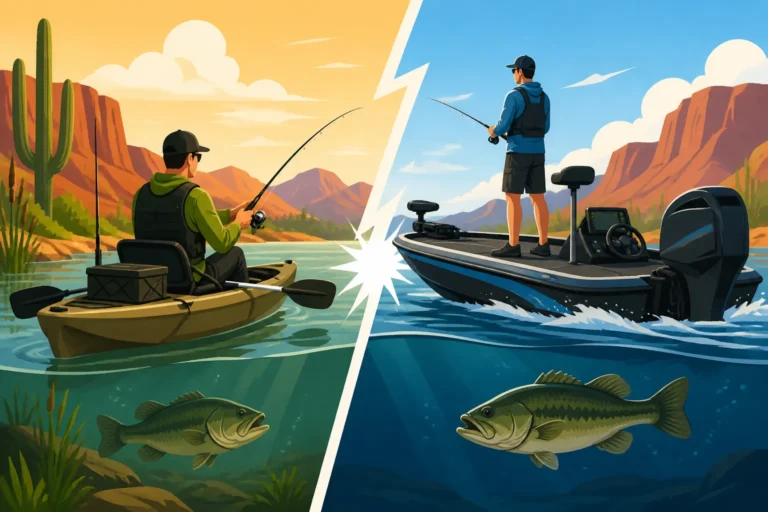
It’s easy to feel a bit overwhelmed when you’re standing on the bank of an Arizona lake, watching anglers with all sorts of fancy boats and gear, and wondering if you have what it takes to catch anything significant. But don't you worry! Bank fishing in Arizona is not only possible, it’s incredibly rewarding, and you don’t need a massive investment to get started. This guide is all about building a practical, effective, and comfortable setup that will have you reeling in fish from the shore.
Building Your Core Rod and Reel Setup
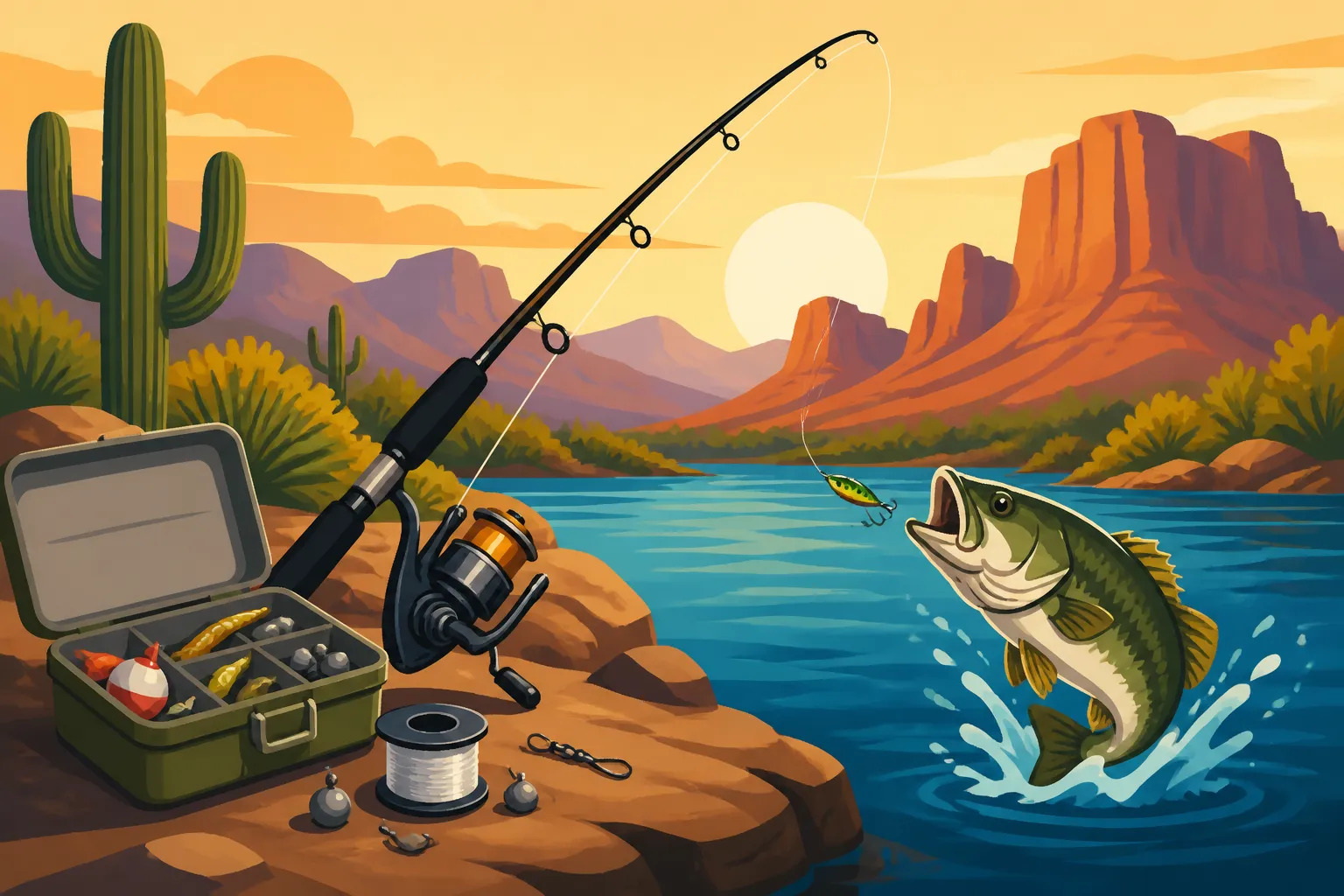
The foundation of any successful fishing trip, especially from the bank, is your rod and reel. You need something versatile enough to handle the various species found in Arizona's desert lakes and community ponds, yet light enough to be enjoyable for extended periods. Forget the idea that you need a dozen specialized rods; for bank fishing, a good all-around combo is your best friend.
Choosing the Right Rod for Bank Fishing
When selecting a rod for bank fishing, you're looking for a balance of casting distance, power, and sensitivity. A medium-action spinning rod, typically in the 6-foot 6-inch to 7-foot range, is often the sweet spot. This length offers good casting distance, which is crucial when you can't reach prime spots with a boat, and it's still manageable in tighter bankside vegetation. The medium action provides enough backbone to fight larger fish like bass or catfish, while retaining enough flexibility in the tip to detect subtle bites from smaller panfish or finicky trout.
Consider the material as well. Graphite rods tend to be lighter and more sensitive, helping you feel those light taps, while fiberglass rods are generally more durable and forgiving, which can be a real plus if you're prone to accidental drops or bumps along rocky shorelines. Many anglers find a composite rod, blending graphite and fiberglass, offers the best of both worlds. Look for a comfortable handle, too. Cork or EVA foam grips provide good traction even when wet, ensuring you maintain a firm hold throughout your fishing adventure.
Selecting a Versatile Spinning Reel
For bank fishing, a spinning reel is generally more forgiving and easier to use than a baitcaster, especially for beginners. A good size to aim for is a 2500 or 3000 series. This size provides a decent line capacity, which is important for longer casts and fighting bigger fish, without being overly heavy or bulky. The retrieve ratio isn't as critical for general bank fishing as it might be for specific techniques from a boat, but a medium-speed retrieve (around 5.2:1 to 6.2:1) is a good all-rounder for most baits and lures.
You'll want a reel with a smooth drag system. This is absolutely crucial for preventing line breaks when a strong fish decides to make a run. Many reputable brands offer excellent entry to mid-level spinning reels that will serve a bank angler well for years. Before you hit the water, practice adjusting your drag by pulling line off the spool by hand; it should come off smoothly without sticking or jerking. Having a spare spool filled with a different line type or weight can also be a game-changer when you're restricted to a single rod setup from the bank.
Optimal Line Choices for Arizona Bank Anglers
Your fishing line is the direct link between you and the fish, so choosing the right one is paramount. For general Arizona bank fishing, a monofilament line in the 8 to 12-pound test range is an excellent starting point. Monofilament is affordable, has good knot strength, and its stretchiness acts as a shock absorber, which can prevent hooks from pulling out when a fish strikes hard. It also floats, which can be beneficial for topwater presentations or when using bobbers.
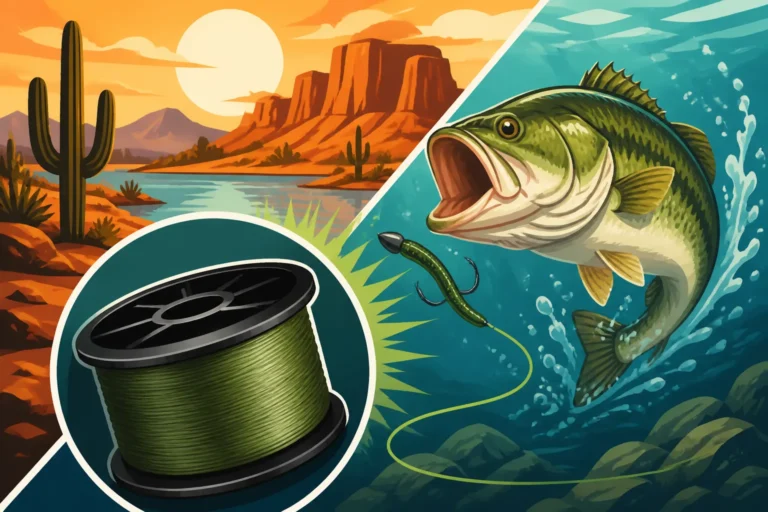
However, if you're targeting areas with a lot of heavy cover, like submerged brush or rocky ledges, or if you want more sensitivity for jigging, consider a braided line. Braided line in a 15 to 20-pound test size offers superior strength-to-diameter ratio, allowing for longer casts, and has virtually no stretch, meaning you'll feel every bump and nibble. Because braid is more visible and has no stretch, it's often best paired with a fluorocarbon leader (6-10 pound test) for better stealth and abrasion resistance. Fluorocarbon sinks, which can be good for getting baits down, and is nearly invisible underwater. A good rule of thumb is to match your leader strength to your lure or bait size and the conditions you're fishing.
Essential Terminal Tackle and Baits
Once you have your rod, reel, and line sorted, it’s time to fill your tackle box with the bits and pieces that actually catch fish. For bank fishing, keeping things streamlined and versatile is key. You can't carry everything, so focus on the essentials that will work for a variety of species and situations common in Arizona.
The Must-Have Hooks and Weights
A good selection of hooks is non-negotiable. For general bank fishing, I always recommend having a variety of sizes and styles. You'll want some smaller Aberdeen or bait holder hooks (sizes 6-10) for panfish and trout, and larger worm hooks (like an EWG or straight shank in sizes 1/0-3/0) for soft plastic bass baits. Circle hooks in sizes 1/0 to 4/0 are fantastic for catfish, as they are designed to hook fish in the corner of the mouth, reducing gut-hooking and making catch-and-release easier.
When it comes to weights, an assortment of split shots (various small sizes) and egg sinkers (1/4 oz to 1 oz) will cover most of your needs. Split shots are perfect for adding just a bit of weight to a float rig or finesse presentation, while egg sinkers are ideal for bottom fishing rigs for catfish or heavier bass setups. Having a few bullet weights (1/8 oz to 1/2 oz) is also a good idea if you plan on Texas-rigging soft plastics for bass, as they slide easily through cover.
Versatile Baits and Lures for Arizona Waters
Arizona's lakes and ponds hold a fantastic array of fish, and a bank angler needs baits that appeal to many of them. For live bait, worms (nightcrawlers, red wigglers) are king. They catch everything from bluegill and trout to bass and catfish. Small containers of worms are readily available at most tackle shops. For artificials, start with a few proven performers. Spinnerbaits and crankbaits are excellent for covering water and attracting aggressive bass. Colors like chartreuse, white, and crawfish patterns are often effective. Small soft plastic grubs, tubes, or senko-style worms can be rigged in many ways and catch bass, crappie, and even larger panfish.
Don't forget about spoons and inline spinners for trout. Stocked trout in community lakes love these. For catfish, stink baits, cut baits (like hot dogs or chicken livers), or even simple corn can be incredibly effective when fished on the bottom. Remember to check local regulations for Live Bait Rules for Arizona Lakes before using anything you've collected yourself. The idea here isn't to have a massive collection, but a carefully curated selection that offers versatility. You can often find starter kits or a good selection of these basics at places like Bass Pro Shops or even local sporting goods stores.
The Role of Bobbers and Floats
Bobbers are often underestimated but are incredibly useful for bank fishing, especially for panfish and trout. They allow you to suspend your bait at a specific depth, which is vital when fish are holding in a particular water column. A simple red and white clip-on bobber is fine for most situations, but having a few slip bobbers can really expand your capabilities. Slip bobbers allow you to fish much deeper water than traditional clip-on bobbers, as the line slides through them until it hits a small bobber stop, which you can adjust for depth. This is particularly useful in deeper impoundments where fish might be holding far off the bottom but still out of reach of a standard float. Understanding How to Set Up a Slip Bobber for Trout can open up new opportunities.
Comfort and Convenience for the Bank Angler
Bank fishing isn't just about catching fish; it's about enjoying your time outdoors. Being comfortable and having convenient access to your gear makes the experience infinitely better, especially under the Arizona sun.
Staying Hydrated and Shaded
The Arizona sun is no joke, even in cooler months. Staying hydrated is paramount. A good insulated water bottle or a small cooler filled with ice water or sports drinks is an absolute must. Dehydration can sneak up on you, leading to headaches and fatigue, cutting your trip short. Alongside hydration, sun protection is critical. A wide-brimmed hat, polarized sunglasses, and long-sleeved, breathable UV-protective clothing will go a long way in preventing sunburn and heatstroke. Don't forget high-SPF sunscreen, reapplying it frequently. You want to focus on your fishing, not on getting roasted! Many of these items, like a quality sun hat or a dependable cooler, are readily available on Amazon with quick delivery, ensuring you’re prepared for your next outing. Best Sun Protection for Desert Fishing is a great resource.
Comfortable Seating and Gear Transport
Unless you enjoy standing for hours, a comfortable, lightweight folding chair or stool can dramatically improve your bank fishing experience. There are many options, from compact three-legged stools to more substantial chairs with backrests and even rod holders. Consider what you’re willing to carry versus the comfort it provides.
For transporting your gear, a fishing backpack or a tackle bag with a shoulder strap is far more practical than lugging a bulky tackle box, especially if you plan on walking any distance along the shoreline. Look for one with multiple compartments to keep your tackle organized and easily accessible. Some even have exterior rod holders, leaving your hands free for the trek to your perfect spot. A backpack also allows you to bring along those essentials like extra water, snacks, a first-aid kit, and your camera.
Strategic Add-ons for Enhanced Success
While the core setup gets you started, a few thoughtful additions can significantly improve your effectiveness and overall enjoyment when fishing from the bank. These aren't strictly necessary, but they make a big difference.
The Benefits of a Landing Net
Trying to hoist a decent-sized fish out of the water onto the bank can be a precarious affair. It puts immense stress on your line, rod, and the fish itself, often resulting in lost fish or even broken gear. A lightweight, collapsible landing net is a smart investment for any bank angler. It allows you to safely land fish, especially larger bass, catfish, or trout, without unnecessary struggle. Look for a net with rubberized or knotless mesh to protect the fish's slime coat if you plan on practicing catch and release. Having a net close by also speeds up the landing process, getting the fish out of the water quicker and minimizing stress.
Pliers, Scissors, and a Scale
A good pair of fishing pliers is indispensable. You’ll use them for everything from removing hooks (especially from toothy fish like striped bass or catfish) to cutting line, crimping weights, and even repairing minor lure issues. Look for a pair with a comfortable grip and a line cutter built-in. A small pair of sharp scissors or nail clippers also works wonders for cleanly trimming braided or monofilament line.
If you’re interested in tracking your catches or participating in local club tournaments (many of which welcome bank anglers!), a portable digital scale is a fun addition. It allows you to accurately weigh your fish before releasing them or keeping them for dinner, giving you bragging rights and helping you understand the size of fish in your local waters. These small tools can be easily tucked into a pocket of your Best Fishing Backpacks for Hikers or tackle bag.
Understanding the Use of a Fish Finder (Yes, Even from the Bank!)
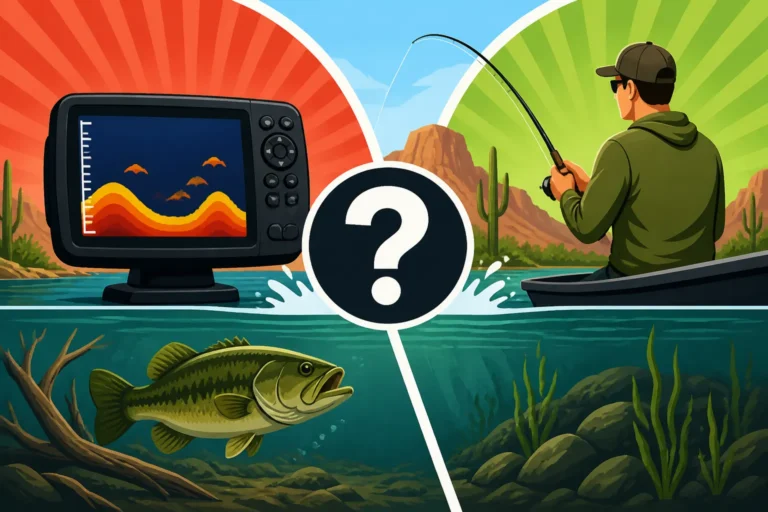
You might think fish finders are just for boats, but there are now excellent portable options perfect for bank anglers. Devices like castable fish finders can be thrown out with your rod and reel, linking wirelessly to your smartphone or tablet to display depth, water temperature, and even fish arches and bottom structure. This information can be a game-changer, revealing hidden drop-offs, submerged timber, or schools of baitfish that you'd never know were there just by looking at the surface. Knowing where fish are likely to be holding significantly increases your chances of success. It allows you to cast more precisely and tailor your bait presentation to the conditions below the surface. Investing in one of these can feel like a luxury, but the insights they provide are invaluable for any serious bank angler wanting to learn How to Read a Fish Finder for Bass or any other species.
Setting Up Your Bank Fishing Station
Once you arrive at your chosen spot on the bank, a bit of organization goes a long way. Think of it like setting up a small base camp.
Organizing Your Gear for Easy Access
Before you make your first cast, take a few minutes to organize your immediate fishing area. Set up your chair, lay out your tackle bag or open your backpack so that frequently used items – like a specific lure, your pliers, or your sunscreen – are within easy reach. Having a designated spot for your water bottle and snacks keeps them from getting knocked over or covered in dirt. If you brought a landing net, extend it and place it nearby, ready for action. This small bit of pre-fishing organization minimizes fumbling and maximizes your time with a line in the water. It’s also safer, as you won't be tripping over gear or searching frantically for a tool when you've got a fish on. Many experienced bank anglers even create a routine for their setup, making it second nature.
Mastering Different Bankside Rigs
Being a versatile bank angler means knowing a few basic rigs that can be adapted to different situations. The most common is a simple bait-and-bottom rig, often used for catfish or larger bass, consisting of an egg sinker above a swivel, then a leader to a hook. This keeps your bait on the bottom. For trout or panfish, a bobber rig, with a small split shot or two above your hook, allows your bait to suspend at a specific depth.
For bass, the Texas Rig is a classic for bank anglers when fishing around weeds or brush. It involves a bullet weight slid onto your line, then tied to a hook, with the soft plastic bait threaded onto the hook so the point is hidden in the plastic, making it weedless. Another excellent rig for bass and crappie is a drop shot, which suspends a small soft plastic above a weight, keeping it right in the fish's strike zone. Understanding how to tie these basic rigs, like the How to Rig a Drop Shot for Smallmouth Bass, will give you the confidence to adapt to whatever the fish are doing that day. Practice tying your knots at home so you're not fumbling with them on the water.
This comprehensive setup will equip you for countless successful and enjoyable bank fishing trips across Arizona. Remember, the best setup is one that you're comfortable with and confident using. Happy fishing!
Disclaimer
This article is for general informational purposes only and does not constitute professional advice. Laws, prices and regulations vary by location and change over time. Consult a qualified professional for guidance on your specific situation.