PFD Requirements for Kids in Arizona
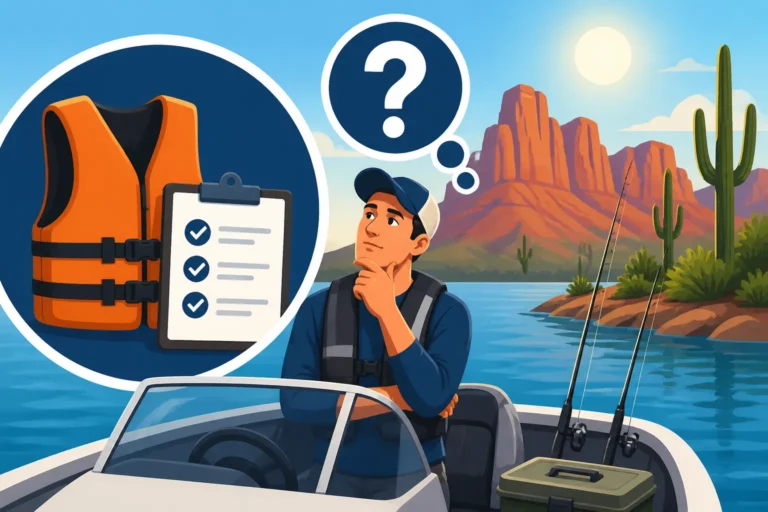
The Arizona sun, while beautiful, can make fishing trips tricky, especially when you're out on the water with kids. Many parents find themselves scratching their heads, wondering if little Timmy really needs to be wearing a life jacket the whole time, or if just having one on board is enough. This guide is here to clear up all that confusion, breaking down Arizona's specific personal flotation device (PFD) requirements for children, so you can enjoy a safe and compliant day on the water.
Understanding Arizona's Core PFD Law for Children
Navigating the rules for boating and fishing can feel like learning a whole new language, and PFD requirements for kids often cause the most head-scratching. Arizona, like most states, has clear, non-negotiable rules designed to keep our youngest adventurers safe. It's not just about avoiding a fine; it's about safeguarding lives, and understanding these fundamental laws is the first step toward a worry-free day.
The Age Requirement: Who Needs to Wear It?
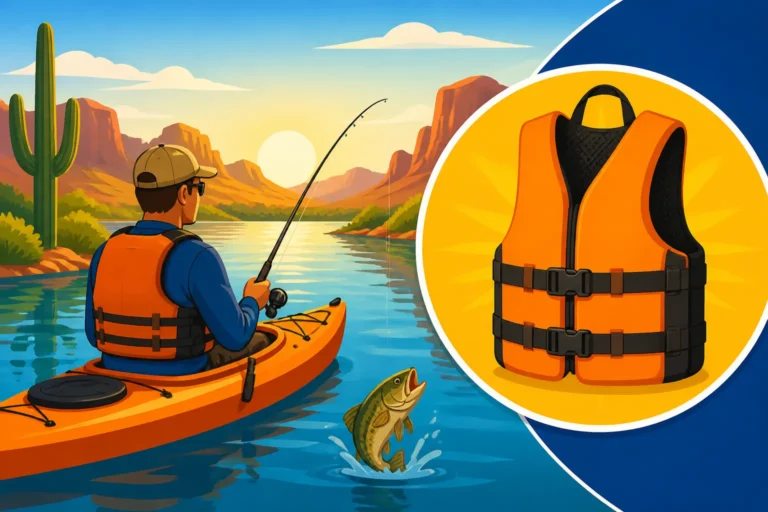
Let's cut right to the chase: in Arizona, any child under the age of 12 (yes, that's twelve) must wear a U.S. Coast Guard-approved PFD at all times while on board any vessel. This isn't just a suggestion; it's the law. This rule applies whether the boat is moving at full throttle across Lake Pleasant, drifting slowly for crappie on Roosevelt Lake, or simply anchored while you’re enjoying a quiet moment on the water. The emphasis here is on "wearing it" – having a life jacket stowed in a locker or under a seat, even if it's the right size, isn't enough to meet the legal requirement for a child under 12.
Imagine you're out on Canyon Lake, the sun is shining, and your eight-year-old is excitedly reeling in a panfish. If that child isn't wearing their PFD, you're not in compliance. The law is designed to ensure immediate protection in case of an unexpected fall overboard or an emergency situation. Kids can slip, trip, or lean too far over the side in a moment of excitement, and having that PFD already on can be the critical difference in preventing a tragedy. It’s about proactive safety, not reactive recovery. You can find more comprehensive information about all the essential safety gear in our Boating Safety Gear Requirements in Arizona guide.
When and Where These Rules Apply
The PFD requirement for children under 12 isn't limited to just large motorized boats. It applies to all vessels, which includes everything from powerboats and sailboats to canoes, kayaks, rafts, and even paddleboards, whenever they are underway or simply on the water. So, whether you're taking a family pontoon boat out on Lake Havasu or kayaking down a calm stretch of the Salt River, if a child under 12 is on board, they need to be in their PFD. This broad application covers nearly every conceivable scenario where a child could be on the water in a boat.
There are also no distinctions based on the type of water body. It doesn't matter if you're on a vast desert reservoir, a scenic mountain lake, or a small urban community fishing pond; the rule is consistent across Arizona's waters. The law’s intent is universal: if a child is on a boat, they need to be protected. This consistency makes it easier for boaters to remember and comply, regardless of their chosen fishing spot. This proactive stance on safety is part of a broader effort to ensure everyone enjoys Arizona's beautiful waterways responsibly. For those wondering about other rules, our article on Arizona Fishing Rules for Beginners might be helpful.
Exceptions and Nuances to the General Rule
While Arizona's PFD laws for children are quite strict, there are a couple of very specific exceptions. The primary exception applies if the child is within an enclosed cabin or below deck on a vessel. An enclosed cabin means a fully enclosed area of the boat, like the interior of a cruiser or a house-boat, where they are protected from falling overboard. This is usually only relevant for larger vessels, not your typical fishing boat or recreational craft. For the vast majority of fishing trips on Arizona's lakes and rivers, kids will be on an open deck or in an open cockpit, meaning the PFD rule applies.
Another nuance to understand is that while the law mandates wearing the PFD for children under 12, it's also a federal requirement that all vessels must have a readily accessible, USCG-approved PFD for every person on board, regardless of age. So, even if your child is 13 and an excellent swimmer, there must still be a PFD available for them on the boat, even if they aren't legally required to wear it. It's always best practice to encourage everyone to wear one, especially if conditions are choppy or if you're in unfamiliar waters. It’s peace of mind for everyone on board.
Types of PFDs and Choosing the Right One for Your Child
Choosing the right PFD for your child isn't just about grabbing the first brightly colored vest you see. It's a critical safety decision that impacts their comfort, mobility, and most importantly, their chances of survival in the water. Understanding the different types, proper fit, and what to look for can make all the difference.
US Coast Guard Approved PFDs: The Gold Standard
When it comes to life jackets, "US Coast Guard approved" isn't just a label; it's a promise of safety and reliability. This approval means the PFD has undergone rigorous testing to ensure it meets strict performance and safety standards. There are several types of USCG-approved PFDs, each designed for different situations and conditions. For children, you'll primarily be looking at Type II and Type III PFDs. Type II (Near-Shore Buoyant Vests) are designed to turn an unconscious person face-up in the water, which is a huge advantage for young children. Type III (Flotation Aids) are generally more comfortable and allow for more freedom of movement, but they rely on the wearer to tilt their head back to stay face-up. Always check the label to ensure it's approved and suitable for the activity.
It's also important to note that the approval specifically for children often means additional features like a grab handle for easy retrieval from the water, a crotch strap to prevent the PFD from riding up, and a head pillow to support the child's head and neck. These features are vital for young, developing bodies that might not have the same coordination or strength as an adult. Never use a PFD that isn't USCG approved, or one that is designed for adults for a child. For insights into selecting the best options, our Best Life Jackets for Anglers article offers a broader perspective on PFD choices.
Here’s a quick overview of common USCG PFD types relevant to children:
| PFD Type | Description | Best Use Cases for Children | Key Features |
|---|---|---|---|
| Type II | Near-Shore Buoyant Vest. Good for calm, inland waters. Less bulky than Type I, but still designed to turn an unconscious person face up. | Young children, non-swimmers, calm lake fishing, pontoon boats. | Less bulky than Type I, good flotation, often has head support and crotch strap. |
| Type III | Flotation Aid. Good for general recreational use where rescue is likely to be prompt. Most comfortable and allows for greatest freedom of movement, but wearer must keep their face out of water. | Older children (good swimmers), active fishing, water sports where quick rescue is likely. | More comfortable, allows for more arm movement, often comes in vest or jacket styles. |
| Type V (Hybrid) | Special Use Device. Can be Type II or III performance, but for specific activities (e.g., kayaking vests). Often combines inherent and inflatable buoyancy. | Specific water sports, if clearly labeled and USCG approved for children for that activity. | Varies by design, check label carefully for child suitability and approval. |
Sizing, Fit, and Comfort for Young Anglers
A PFD is only effective if it fits properly. For children, this is even more crucial. PFDs are sized by weight, not chest circumference, so always refer to the manufacturer's weight range on the label. A PFD that is too large will ride up around their ears, offering little protection, while one that is too small won't provide adequate buoyancy. To check for a proper fit, put the PFD on your child and fasten all zippers and buckles. Then, lift them by the shoulders of the PFD. If the PFD slides up past their ears, it's too big.
Comfort is another key factor, especially for kids who might spend hours fishing. An uncomfortable PFD will lead to complaints, tugging, and potentially attempts to take it off. Look for PFDs with soft materials, adjustable straps at the shoulders, sides, and waist, and designs that don't chafe or restrict movement excessively. Allowing your child to help pick out their PFD (within safety guidelines, of course) can also increase their willingness to wear it. Places like Bass Pro Shops or even online retailers like Amazon offer a wide variety of youth PFDs in different styles and colors, making it easier to find one your child will be happy to wear. Many PFDs are now designed with vibrant colors, cartoon characters, or even fishing-specific pockets to make them more appealing to kids.
Inflatable PFDs for Children: Are They an Option?
Inflatable PFDs have become popular among adults for their low profile and comfort, but they are generally not suitable or approved for young children. Most inflatable PFDs are only approved for individuals 16 years of age or older, and for those who are good swimmers. The reason is simple: inflatable PFDs require conscious action to inflate (either manually or automatically upon immersion), and a young child might panic, be unconscious, or simply not have the presence of mind or ability to activate it.
For children under 12, who are legally required to wear a PFD at all times, an inherently buoyant PFD (one that floats naturally without inflation) is the only acceptable and safe choice. These provide instant flotation upon entry into the water, eliminating any need for action from the child. Always double-check the USCG approval label for age and weight restrictions before considering any PFD, especially an inflatable one, for a child. Safety is paramount, and there's no room for shortcuts when it comes to kids on the water.
Practical Tips for Ensuring Your Child's PFD Compliance and Safety
Getting kids to wear anything they don't want to wear can be a challenge, and PFDs are no exception. However, with a few practical strategies, you can make wearing a life jacket a non-issue and even a positive part of your family fishing adventures. Compliance isn't just about following the law; it's about instilling a culture of safety.
Making PFD Wearing a Positive Experience
The best way to ensure your child wears their PFD without complaint is to make it a positive and routine part of every boating trip. Start by leading by example – if you, as the parent or guardian, wear a PFD (even if not legally required), your child is much more likely to accept it as the norm. Let them pick out their own PFD from a selection of safe, USCG-approved options. Giving them ownership in the choice can make a big difference. Bright colors, fun patterns, or even a vest with a favorite cartoon character can make it feel less like a chore and more like cool gear. You might find a good selection that caters to kids' preferences at stores like Bass Pro Shops.
Incorporate the PFD into your pre-trip routine. Just like you pack snacks and fishing rods, make putting on the life jacket a natural first step before stepping onto the boat. Praise them for wearing it, and emphasize that it's their "super suit" for water adventures, keeping them safe. Avoid making it a punishment or a struggle, as that can create negative associations. Positive reinforcement and consistency are your best tools here. For other important safety information, remember to check out Boating Safety Course Requirements in Arizona.
Storage and Maintenance for Longevity and Safety
A PFD won't do its job if it's damaged or degraded. Proper care and storage are essential for maintaining its effectiveness and extending its lifespan. After each use, especially if it's gotten wet, rinse the PFD with fresh water to remove any lake or river water, dirt, or sunscreen residue. Hang it in a well-ventilated area, out of direct sunlight, to air dry completely. Never store a wet PFD, as this can lead to mildew, fabric degradation, and weakening of the buoyancy material.
Before each trip, quickly inspect your child's PFD. Check for tears, rips, or punctures in the fabric. Make sure all zippers, buckles, and straps are in good working order and aren't frayed or broken. Test the buckles to ensure they latch securely. Over time, exposure to sun and chemicals can cause the flotation material to break down, reducing its buoyancy. If a PFD shows significant signs of wear and tear, or if it feels less buoyant than it used to, it's time to replace it. A well-maintained PFD is a reliable PFD, and reliable PFDs save lives. You can easily find replacement PFDs on Amazon if yours is no longer up to par.
Beyond the Law: Additional Safety Considerations
While the law specifically targets children under 12, true water safety goes beyond minimum legal requirements. Even if your child is a strong swimmer, or if they are just barely over the age of 12, there are many situations where wearing a PFD is still a highly recommended safety measure. Consider conditions like cold water, rough weather, unfamiliar waters, or situations where your child might be particularly active or prone to slipping (like on a wet deck).
For example, when fishing in the White Mountains, the water can be surprisingly cold, even on a warm day. Hypothermia is a serious risk if someone falls in, and a PFD provides essential insulation and keeps a person afloat, conserving energy. Similarly, if you're navigating areas with heavy boat traffic or strong currents, an extra layer of protection for all children, regardless of age, is a wise choice. Teaching children to wear PFDs consistently, even when not legally required, fosters a lifelong habit of water safety. When you are planning a trip, check out our Heat Safety Tips for Summer Fishing in Arizona as well, which are crucial for staying safe in the desert.
Common Misconceptions and Penalties for Non-Compliance
Despite the clear rules, misconceptions about PFDs for kids persist. Clearing up these misunderstandings and knowing the potential consequences of non-compliance are vital for any responsible boater in Arizona.
Dispelling Myths About PFDs and Kids
One of the most common myths is, "My child is a strong swimmer, they don't need a PFD." While swimming skills are valuable, even the most proficient swimmer can be overwhelmed in an unexpected situation. A fall into cold water can cause a gasping reflex, leading to aspiration. A knock to the head can render someone unconscious. Strong currents can quickly exhaust even an adult. A PFD provides instant flotation, keeping their head above water and conserving energy, regardless of their swimming ability. It's a safety net for the unexpected.
Another misconception is, "We're only going a short distance/staying close to shore." Accidents can happen anywhere, anytime, and often when you least expect them. A sudden wake from another boat, a mechanical issue, or a moment of inattention can quickly turn a calm situation into an emergency. The PFD is there for those unforeseen moments. Lastly, "It's too hot to wear a PFD." While Arizona summers are undeniably scorching, modern PFDs are designed with lighter, more breathable materials. Prioritizing safety over a bit of discomfort is always the right call, and planning your trips for cooler parts of the day can also help.
Understanding the Consequences: Fines and Safety Risks
Ignoring Arizona's PFD requirements for children carries both legal and, more importantly, life-threatening repercussions. On the legal side, law enforcement officers (such as Arizona Game and Fish Department wardens or local sheriff's deputies) regularly patrol waterways. If they observe a child under 12 not wearing a PFD on board a vessel, they can issue a citation. The specific fine amount can vary, but it's a penalty you definitely want to avoid. While not something we can put a specific dollar amount on, suffice it to say, a fine is an unpleasant end to a day on the water.
However, the financial penalty is insignificant compared to the potential safety risks. Drowning is silent and swift, especially for children. A PFD is a primary line of defense. Without one, a child who falls overboard faces immediate danger. Even if quickly retrieved, the trauma and potential health consequences can be severe. Ensuring your child is always wearing a properly fitted, USCG-approved PFD isn't just about following the rules; it's about protecting their life and preventing unimaginable heartache for your family. Understanding rules like Fishing License Age Requirements in Arizona are also important for a compliant outing.
Where to Find Official Information and Resources
When in doubt, always turn to official sources for the most current and accurate information. The Arizona Game and Fish Department (AZGFD) is the primary authority for boating and fishing regulations in the state. Their website and annual fishing and boating regulations booklet are invaluable resources. You can typically find a free copy of the current regulations booklet at any licensed vendor who sells fishing licenses, such as many sporting goods stores or general merchandise stores across Arizona.
Additionally, the U.S. Coast Guard (USCG) provides federal boating safety guidelines that apply nationwide, and their website offers extensive information on PFD types, selection, and general boating safety. Many local marinas and boat rental companies also provide safety brochures and can answer questions about local regulations. Taking a certified boating safety course, such as those offered by the USCG Auxiliary or other accredited providers, is another excellent way to deepen your understanding of all boating regulations and safe practices. This knowledge empowers you to make informed decisions and ensure a safe experience for everyone on board. For information specific to younger anglers, our Youth Fishing License Rules in Arizona can also be a helpful read.
Disclaimer
This article is for general informational purposes only and does not constitute professional advice. Laws, prices and regulations vary by location and change over time. Consult a qualified professional for guidance on your specific situation.