Do Largemouth and Smallmouth Bass Interbreed?
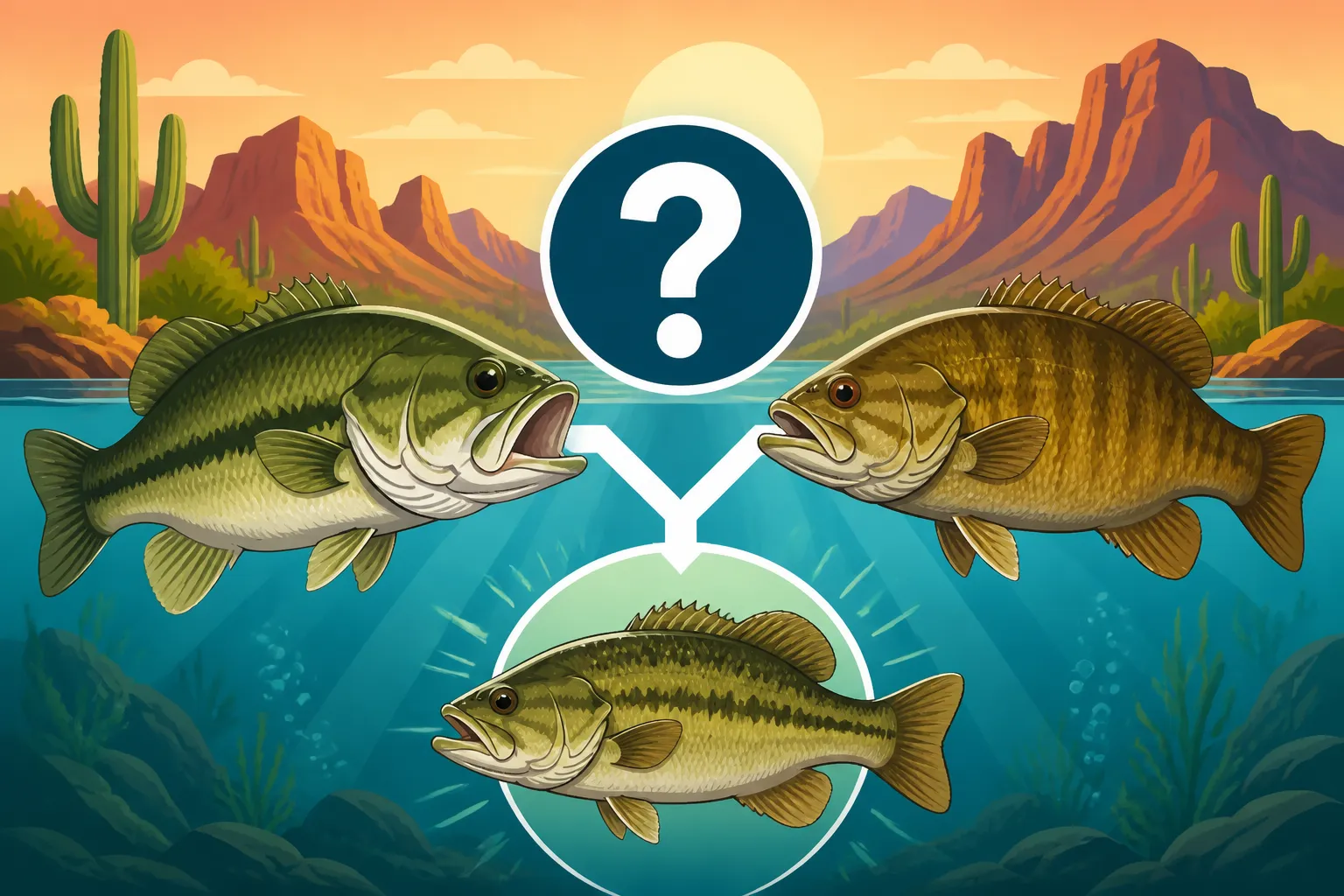
It's a common sight on the waters of Arizona: an angler holds up a bass, squints at its markings, and wonders, "Is this a largemouth? A smallmouth? Or some kind of hybrid?" The truth is, many of us have pondered whether these two popular sport fish, despite their similarities, can actually interbreed. This comprehensive guide aims to put that question to rest, clarifying the genetic realities of Largemouth and Smallmouth Bass and helping you confidently identify your next catch.
The Genetic Reality: Largemouth and Smallmouth Bass Do Not Naturally Interbreed
Let's get straight to the heart of the matter: in natural environments, Largemouth Bass (Micropterus salmoides) and Smallmouth Bass (Micropterus dolomieu) do not typically interbreed to produce viable, fertile offspring. While they both belong to the Micropterus genus, they are distinct species, and the biological barriers between them are generally quite strong. It's a fundamental aspect of biology that defines what a "species" truly is – the ability to reproduce successfully within their own kind.
Understanding Hybridization in Fish Species
Hybridization, the process of cross-breeding two distinct species, does occur in the animal kingdom, and fish are actually quite prone to it compared to other vertebrates. You've probably heard of "wipers" (a hybrid of striped bass and white bass) or "tiger trout" (brown trout and brook trout), both of which are common and even intentionally produced in hatcheries for stocking. These instances demonstrate that some species, especially closely related ones, can produce offspring together. However, just because hybridization can happen doesn't mean it's universal across all related species. The key often lies in their genetic compatibility and whether they can produce fertile offspring that can then reproduce themselves.
When hybridization does occur, it's usually between species that are more closely related, perhaps within the same genus but with some overlapping genetic material that allows for a cross. Even then, the resulting hybrids are often sterile or have reduced fertility, meaning they can't continue the genetic line effectively. This biological safeguard helps maintain the distinctness of each species over generations.
Why Largemouth and Smallmouth Bass Remain Separate
Despite being in the same genus, Micropterus, Largemouth and Smallmouth Bass maintain their genetic integrity due to several factors that act as reproductive barriers. Their evolutionary paths have diverged enough that their mating rituals, spawning environments, and genetic codes are simply not perfectly aligned for natural, successful interbreeding. Think of it like a very specific lock and key; while they might be similar locks, only the correct key will open them consistently.
One of the primary reasons is their distinct spawning preferences and timing. Largemouth Bass typically spawn in shallower, vegetated areas, building nests in softer bottoms, and often prefer slightly warmer water temperatures for this activity. Smallmouth Bass, on the other hand, usually seek out cooler, clearer water with rocky or gravel bottoms for their nests, often in areas with some current. These differences mean they are often not in the same places, doing the same things, at the same critical reproductive moments. Even if they were to encounter each other during spawning season, their courtship behaviors and chemical cues (pheromones) might not be mutually attractive or recognizable, preventing successful mating. So, while you might hear anecdotal stories or see fish with unusual markings, the scientific consensus is that these two species do not naturally produce hybrids.
Decoding Distinctive Features: How to Tell Them Apart
Since natural hybridization between Largemouth and Smallmouth Bass is not a concern, what you're likely encountering are purebred individuals with variations in appearance, or perhaps other bass species entirely. Learning to accurately distinguish between Largemouth and Smallmouth is a crucial skill for any angler, especially in Arizona, where both are popular game fish. This knowledge isn't just for bragging rights; it's essential for adhering to specific regulations that might apply to one species over another, and it certainly helps improve your fishing strategy.
Key Physical Differences for Accurate Identification
The most reliable way to tell a Largemouth from a Smallmouth is by examining a few key anatomical features. Forget the subtle color variations that can change with water conditions or diet; these physical characteristics are consistent.
Here’s a quick comparison to highlight the main differences:
| Feature | Largemouth Bass | Smallmouth Bass |
|---|---|---|
| Jaw Line | Extends past the rear edge of the eye (when mouth is closed) | Does not extend past the rear edge of the eye (when mouth is closed) |
| Dorsal Fin | Deep notch, appearing almost like two separate fins | Shallow or no notch, appearing as one continuous fin |
| Coloration | Often dark green back, prominent horizontal dark stripe along sides, white belly | Brown, bronze, or golden-green back, vertical bars/blotches on sides, white to yellowish belly |
| Scales | Relatively large scales | Smaller scales (especially noticeable on cheek plates) |
| Tongue Patch | Absent | Absent |
Let's delve into these a bit more. The jaw line is often the easiest and most definitive feature. Gently close the fish's mouth and observe where the corner of its jaw ends relative to its eye. If it extends past the eye, you've got a Largemouth. If it stops before or directly under the eye, it’s a Smallmouth. This is a tell-tale sign that rarely fails. The dorsal fin is another excellent indicator. Run your finger along the top fin. A Largemouth will have a distinct, deep dip or separation between the spiny front section and the soft-rayed back section, making it look like two fins. A Smallmouth's dorsal fin will have a much shallower indentation, appearing more continuous.
While coloration can be variable, Largemouth tend to have a more distinct dark, horizontal stripe running down their side, often against a greenish background. Smallmouth are typically more brownish or bronzish, with vertical bars or blotches on their sides, earning them the nickname "bronze bass." However, a Largemouth in murky water or a Smallmouth in a sandy bottom area might show different shades, so always use this in conjunction with jaw and fin checks. Understanding these differences can be vital when trying to correctly identify fish for catch limits or when reviewing a Fish Species Guide for Arizona Lakes.
Habitat and Behavioral Distinctions
Beyond physical traits, Largemouth and Smallmouth Bass exhibit different preferences in where they live and how they behave, which further contributes to their reproductive isolation. Knowing these tendencies can greatly enhance your ability to find and catch them.
Largemouth Bass are often found in warmer, shallower waters with abundant vegetation, submerged timber, or other structure that offers ambush points. Think about the weedy coves of Lake Pleasant, the submerged trees in Roosevelt Lake, or the lily pads in a community pond. They are ambush predators, often hiding in cover and darting out to strike prey. Their diet typically consists of larger items like baitfish, crawfish, frogs, and even small birds or rodents. Their preference for these environments means they are less likely to cross paths with Smallmouth during critical breeding times. If you're targeting Largemouth Bass Fishing Guide for Arizona, you'll be looking for these kinds of areas.
Smallmouth Bass, conversely, prefer cooler, clearer water with rocky bottoms, gravel, and some current. They thrive in places like the deep, canyon-bound sections of Lake Powell or the cooler, rockier areas of the Colorado River. Smallmouth are often described as "bronzebacks" not just for their color but for their preference for hard, rocky structures where they can hide and ambush prey. They are highly attuned to crawfish, small baitfish, and insects. Their schooling behavior and tendency to inhabit deeper, open water or strong current areas also set them apart. When focusing on a Smallmouth Bass Fishing Guide for Arizona, you'll be geared up for more open water and rocky structure fishing. These habitat distinctions are a natural barrier, ensuring their populations remain separate, leading to distinct species with unique needs for conservation and management.
Common Misconceptions and What Anglers Might Actually Be Seeing
It's easy to see a bass with slightly unusual markings or a jaw that seems almost past the eye and jump to conclusions about interbreeding. However, there are much more common explanations for these observations. Most "hybrid" bass sightings are actually misidentified purebred fish or, in some cases, entirely different species.
Identifying "Spotted Bass" and Other Look-Alikes
One of the most frequent sources of confusion, especially in states where they are present (though less common in Arizona's main fishing lakes), is the Spotted Bass (Micropterus punctulatus). Spotted Bass are a third species within the Micropterus genus, and they often possess characteristics that seem "in-between" a Largemouth and a Smallmouth. They have a jaw that extends to the middle of the eye (not past it like a Largemouth, but not as short as a Smallmouth), and their dorsal fin has a less pronounced notch than a Largemouth. Crucially, they have a patch of teeth on their tongue (unlike Largemouth and Smallmouth, which lack this). This "tooth patch" is a definitive way to identify them. Many anglers, without knowing about Spotted Bass, might assume such a fish is a hybrid of the two more common species. When reviewing something like a Largemouth vs Smallmouth Bass Identification chart, it's worth noting the existence of the Spotted Bass to avoid misidentification.
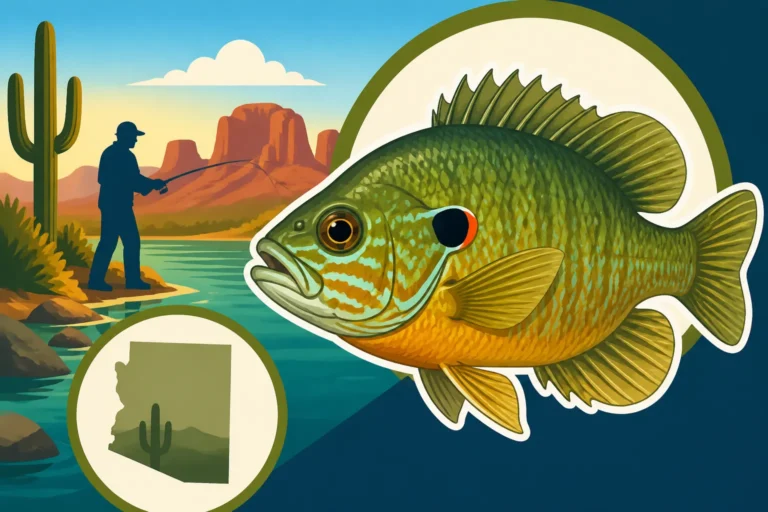
Beyond Spotted Bass, other members of the sunfish family (Centrarchidae), which includes panfish like Bluegill and Sunfish, can occasionally cause confusion for new anglers, although they are far less likely to be mistaken for bass hybrids. The best way to combat these identification challenges is to carry a reliable fish identification guide or use a fishing app on your phone. You can find excellent waterproof field guides on Amazon that detail all the fish species you might encounter in Arizona, complete with clear diagrams and distinguishing features.
Environmental Factors Affecting Appearance
Another major reason why fish might appear unusual is the impact of their environment. Fish coloration is incredibly adaptive. A Largemouth Bass living in clear, rocky water with a sandy bottom might develop a lighter, more bronze hue, and its lateral line might be less pronounced, making it look strikingly similar to a Smallmouth at first glance. Conversely, a Smallmouth Bass in murkier, tannin-stained water might appear darker than usual. These variations are purely superficial and do not indicate a genetic mix.
Factors like diet can also play a role. A fish with a very specific diet might have different muscle tone or fat content that slightly alters its body shape compared to a typical specimen. Water temperature, depth, and the presence of certain minerals can also influence skin pigmentation. It's truly amazing how quickly fish can adapt their appearance to blend into their surroundings or reflect their health. This is why relying on multiple anatomical markers (jaw, dorsal fin, scale size) is always superior to judging by color or overall shape alone. Understanding these nuances helps us appreciate the diversity within a single species, rather than incorrectly concluding a hybrid.
Why Accurate Bass Identification Matters for Arizona Anglers
Beyond satisfying curiosity, understanding the difference between Largemouth and Smallmouth Bass is incredibly important for responsible and successful fishing in Arizona. From legal compliance to effective angling techniques, knowing your bass is a fundamental skill.
Conservation and Management Implications
Arizona Fish and Game regulations are often species-specific, and for good reason. Largemouth Bass and Smallmouth Bass have different population dynamics, growth rates, and environmental needs. Therefore, bag and possession limits, as well as size restrictions, can vary for each species, even in the same body of water. For example, specific waters might have a slot limit for Largemouth but a general limit for Smallmouth, or vice-versa. Catching a fish that you think is one species but is actually another could inadvertently lead to a violation. Staying informed about Arizona Fishing Regulations Explained is key, and that starts with knowing what you've caught.
Accurate identification is also vital for conservation efforts. Biologists rely on angler reports and creel surveys to monitor fish populations. If anglers are consistently misidentifying species, it can skew data and lead to less effective management strategies. Protecting specific habitats, understanding disease susceptibility, and managing stocking programs all depend on a clear understanding of which species are where. When we correctly identify fish, we contribute to better data, which in turn helps ensure healthy fisheries for future generations.
Improving Your Fishing Success and Strategy
Knowing your target species allows you to tailor your approach for maximum success. As we discussed, Largemouth and Smallmouth Bass have distinct habitat preferences and feeding habits. This means the best lures, baits, and techniques will differ depending on which bass you're after.
For Largemouth, you might lean towards jigs, plastic worms, spinnerbaits, or topwater frogs fished around heavy cover like weed beds, lily pads, or submerged timber. Your approach would be more about precision casting and working through dense structure. Articles like Best Bass Fishing Techniques for Arizona Lakes often detail these specific approaches.
For Smallmouth, you'll likely opt for crankbaits, tubes, drop-shot rigs, or swimbaits, targeting rocky points, ledges, current breaks, and deeper, clearer water. Your fishing might involve more open-water searching, using sonar to locate structure, and a retrieve that mimics crawfish or baitfish. Knowing the differences can save you countless hours of unproductive casting. If you're on a multi-species lake like Lake Powell, knowing whether you're over a rocky point (Smallmouth territory) or a shallow, brushy cove (Largemouth heaven) will dictate your tackle choice instantly. Equipping yourself with the right gear, whether it's specialized rods, reels, or a wide array of lures purchased from Amazon, all starts with understanding your quarry. When you truly grasp the nuances of each species, your time on the water becomes much more efficient and enjoyable.
Disclaimer
This article is for general informational purposes only and does not constitute professional advice. Laws, prices and regulations vary by location and change over time. Consult a qualified professional for guidance on your specific situation.