Trophy Trout Threshold Weight in Arizona
For many Arizona anglers, the dream isn't just catching a trout; it's landing that elusive, magnificent "trophy" trout – a fish that makes your heart pound and gives you a story to tell for years. But what exactly qualifies as a trophy here in our desert state? It can feel like a moving target, especially when you're comparing notes with fellow anglers or looking at state records. This guide is here to demystify what makes a trout a true trophy in Arizona, whether you're chasing the common rainbow or the more elusive brown, and how you can increase your chances of landing one yourself.
What Truly Defines a "Trophy" Trout in Arizona?
The concept of a "trophy" fish often conjures images of massive, record-breaking catches, but in the unique environment of Arizona, it's a bit more nuanced. It’s not just about raw numbers on a scale; it’s about the context of the catch, the species, the water body, and often, the sheer effort and skill involved in coaxing a truly large specimen from its hiding place. For many, a trophy isn't solely defined by state records, but by a combination of factors that elevate a fish from a good catch to a truly memorable one.
One of the frustrations many anglers face is the lack of a clear, universally agreed-upon definition. You might catch a hefty rainbow at a community lake that feels huge, only to hear about a monster pulled from a remote mountain stream. This can make it hard to gauge your success. However, by understanding both the official benchmarks and the community's informal standards, you can better appreciate the significance of your own catches and set realistic goals for future outings. We’ll explore how these different perspectives shape the idea of a trophy trout in Arizona.
Beyond the Scale: The Art of the Personal Best
Let's be honest: for most of us, fishing isn't just about breaking records; it's about the experience and the personal challenge. A "trophy" can absolutely be a personal best, regardless of whether it makes the statewide leaderboard. Imagine spending years trying to catch a big brown trout in a particular stretch of the Black River, enduring countless chilly mornings and perfecting your fly presentation. When you finally hook into a 20-inch brown, even if it's not the biggest ever caught in Arizona, it’s a monumental achievement for you. That's a trophy.
This subjective definition is incredibly important because it keeps fishing fun and accessible. Not everyone has the time, resources, or specialized gear to chase state records, but everyone can strive for their personal best. Perhaps you’ve only ever caught stocker rainbows, and then one day, you hook into a thick, brilliantly colored 16-inch holdover at Woods Canyon Lake. That fish, vibrant and strong, represents a significant step up in your angling journey, a testament to improved skill or a stroke of luck, and is absolutely a trophy in your book. It's the fish that pushes your boundaries and leaves a lasting impression.
Official Benchmarks and Community Expectations
While personal bests are deeply rewarding, there are indeed more objective standards that contribute to the "trophy" conversation. The Arizona Game and Fish Department (AZGFD) maintains state records for various species, and these are, without question, the ultimate trophy benchmarks. However, breaking a state record is an incredibly rare feat, often requiring a lifetime of dedication and significant luck. For the average angler, these records serve as aspirational targets rather than everyday goals. You can check out the official lists to see what true giants look like, and understand the Arizona State Fishing Records Explained.
Beyond the official records, there's a strong, informal consensus within the Arizona fishing community about what constitutes a "trophy" for different trout species. This often depends heavily on the specific water body. For instance, a 15-inch rainbow might be considered a very respectable catch at an urban community lake, while at a high-elevation White Mountains lake known for producing larger trout, the same fish might just be "average." Anglers sharing stories at local tackle shops or online forums often implicitly set these community expectations. Understanding these unwritten rules helps you put your catches into perspective and celebrate successes appropriate to the context.
Specific Trophy Weight Thresholds for Arizona Trout Species
When we talk about specific weights for trophy trout in Arizona, it's important to understand that these aren't hard-and-fast legal definitions (outside of state records). Instead, they are generally accepted community benchmarks that have evolved over time based on typical catch sizes, stocking programs, and the potential of certain fisheries. A fish that might be considered a trophy in one type of water, like a small, stocked urban pond, would be merely a nice catch in a larger, wilder mountain lake. It's about calibrating your expectations to the specific environment.
The size and weight of a trout are heavily influenced by factors like food availability, water temperature, genetics, and angler pressure. In Arizona, our varied aquatic environments, from cold mountain streams to warmer desert lakes, mean that trout growth rates can differ dramatically. This variability is why a blanket "trophy weight" can be misleading. However, by looking at common species individually, we can establish some practical thresholds that most Arizona anglers would agree signify a truly exceptional catch.
Rainbow Trout: The Most Common Pursuit
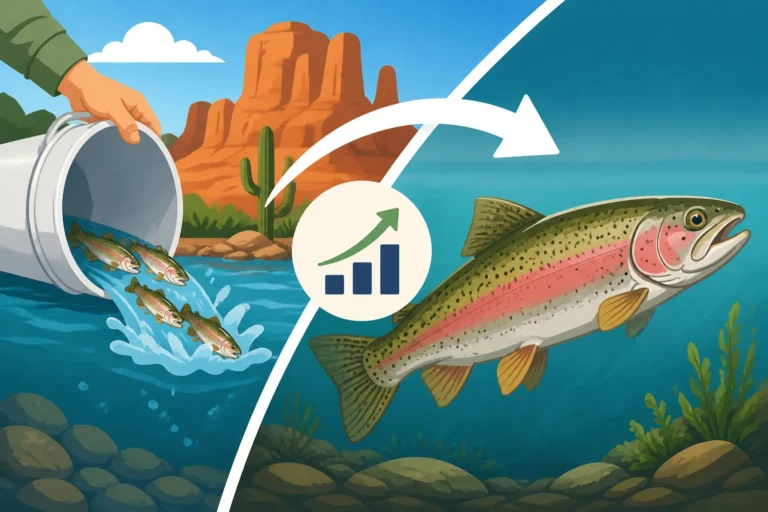
Rainbow trout are undoubtedly the most popular and widely stocked trout species in Arizona. You'll find them in urban ponds, lower elevation rivers, and our stunning high country lakes. For a typical stocked rainbow, anything over 12-14 inches is often considered a "good" fish, and anything reaching 15-18 inches starts entering into trophy territory for many. These fish usually have a bit more girth and fight than their smaller brethren, often having survived a season or two as "holdovers" after the initial stocking.
However, in lakes known for producing larger, well-fed rainbows, such as the upper Salt River chain or some of the White Mountains lakes, the bar for a "trophy" rainbow can shift. Here, anglers might consider a rainbow over 18 inches, especially if it's thick and healthy, to be a true trophy. A rainbow pushing or exceeding 20 inches in length and weighing over 3 pounds would certainly turn heads and generate excitement at most Arizona fisheries. Such fish often require specific techniques and patience, as they are less prone to biting indiscriminately than newly stocked fish. Landing one often feels like a significant accomplishment.
Brown Trout: Elusive Giants of Arizona Streams
Brown trout are a different beast entirely. Known for their predatory nature and notoriously wary disposition, they are often found in cooler, more oxygenated streams and some of the deeper mountain lakes. Unlike rainbows, they aren't stocked in the same volume and often require more specific strategies to catch. Because of their elusive nature, a "trophy" brown trout generally commands a higher size threshold and respect within the angling community. Finding a good spot requires understanding where these fish like to hide. Best Trout Fishing Spots in Arizona can help.
For brown trout, a fish around 18 inches in length is often considered a great catch, signifying a mature and healthy specimen. However, true trophy brown trout in Arizona are usually in the 20-24 inch range and can weigh between 3 to 6 pounds, sometimes more depending on the fishery. Waters like Lee Valley Lake, certain stretches of the Black River, or even some hidden pockets of Canyon Creek are known for producing browns of this caliber. Landing a brown of this size is a testament to skill, stealth, and persistence, as these fish are incredibly smart and difficult to fool. Their vibrant, spotted flanks make them a beautiful and challenging prize.
Apache Trout: A Native Treasure
The Apache trout holds a very special place in Arizona's angling heart. As one of our two native trout species, they are protected and managed with a strong conservation focus, often requiring catch-and-release practices in their designated waters. Therefore, the concept of a "trophy" Apache trout is less about sheer weight and more about its length, health, and the privilege of catching such a rare and beautiful fish. Learning about Native Fish Species of Arizona gives you a deeper appreciation for these unique fish.
Given that Apache trout typically do not reach the massive sizes of some rainbows or browns, a trophy Apache is often considered anything over 14 inches in length. A fish measuring 16 inches or more is truly exceptional and would be celebrated as a significant catch. It's important to remember that the primary goal when targeting Apache trout is their conservation. Handle them with extreme care, minimize their time out of the water, and ensure a quick, healthy release. The reward isn't the fillet, but the opportunity to briefly hold a piece of Arizona's natural heritage. Getting a quick photo to remember the moment is often the greatest "trophy" of all.
Here's a quick look at general community-accepted trophy thresholds:
| Species | Good Catch (Inches) | Trophy Range (Inches) | Trophy Weight (Pounds) | Notes |
|---|---|---|---|---|
| Rainbow Trout | 12-14 | 18+ | 2-4+ | Varies greatly by fishery; larger in high-quality lakes. |
| Brown Trout | 16-18 | 20+ | 3-6+ | Elusive and challenging; often found in specific streams/lakes. |
| Apache Trout | 10-12 | 14+ | 1-2+ | Native species, often catch-and-release; length is key. |
Note: These are general guidelines based on angler experience and community consensus, not official regulations.
Strategies for Landing Your Arizona Trophy Trout
So, you've got a better idea of what constitutes a trophy trout in Arizona – now how do you actually go about catching one? It’s going to take more than just a worm and a bobber, especially for those larger, more elusive fish. Landing a trophy trout is often a blend of knowing where to go, employing advanced techniques, and having the right gear. It's about patience, observation, and a willingness to adapt.
Many anglers find themselves frustrated when they consistently catch smaller fish but can't seem to break into the "trophy" class. This is usually because bigger fish behave differently; they're smarter, more cautious, and often hold in deeper, more complex structures. They didn't get big by being easy to catch! This section will outline some key strategies to shift your focus from simply catching fish to actively pursuing that one special, trophy-sized trout.
Targeting the Right Waters
The first step to landing a trophy trout is simple: fish where the trophy trout live. While stocked community lakes are great for consistent action and beginner anglers, they often don't hold fish that reach true trophy sizes. You'll want to focus your efforts on Arizona's premier trout fisheries. For rainbow trout, consider some of the larger mountain lakes like Big Lake, Willow Springs Lake, or even Becker Lake, which are known for growing out healthy holdovers. The Best White Mountains Fishing Lakes in Arizona are often prime locations. For brown trout, you'll need to seek out specific rivers and streams like sections of the Black River, Canyon Creek, or the East Fork of the White River.
Beyond the specific lake or stream, understanding where trout hold within those waters is critical. Trophy trout, especially browns and larger rainbows, often gravitate towards deeper water, submerged structures like old timber or rock piles, and points or drop-offs. They're looking for cover and ambush points for baitfish. Using a quality fish finder can be invaluable here, helping you locate these deeper structures and even identify larger fish arches. Look for areas with consistent cold water temperatures, especially during warmer months, as these provide crucial refuge for bigger trout.
Advanced Tactics and Gear Considerations
Once you've identified potential trophy waters, your tactics and gear need to match the challenge. For larger trout, especially those that have been caught and released before, finesse and presentation become paramount. Fly fishing, using streamers or nymphs that imitate larger baitfish or insects, can be incredibly effective for wary brown trout in streams. For lake trout, trolling with spoons, crankbaits, or even large shiners can entice bigger fish holding in deeper water. Trolling Techniques for Striped Bass can be adapted for larger trout species as well.
Consider upgrading your gear if you're serious about trophy hunting. While light tackle is fun, a slightly heavier rod with a faster action can give you the leverage needed to handle a powerful fish in challenging terrain. Pair it with a smooth spinning reel or a precise baitcaster. A quality fluorocarbon leader, known for its low visibility and abrasion resistance, is a must in clear Arizona waters. Don't skimp on hooks either; sharp, strong hooks are essential to ensure a solid hookset and prevent bend-outs. You can find a vast selection of these specialized items on platforms like Amazon, from high-quality Best Fishing Rods for Bass in Arizona (many of which are suitable for larger trout) to specific Best Lures for a Trout Tackle Box. A good pair of polarized sunglasses will also help you spot submerged structure and cruising fish.
Patience, Persistence, and Presentation
Catching a trophy trout is rarely a quick affair. It often requires immense patience and persistence. You might spend hours, or even multiple trips, casting to the same promising spot without a bite. Trophy trout are often solitary, territorial, and have seen every lure and bait imaginable. They don't make mistakes often, so when they do, you need to be ready. This means paying attention to every detail: how your lure is moving, the feel of your line, and subtle changes in the environment.
Presentation is key. Whether you're casting a fly, drifting bait, or slowly trolling a lure, making it look as natural and enticing as possible is crucial. Don't be afraid to experiment with different retrieve speeds, pauses, and twitches. Sometimes, the slightest alteration can trigger a strike. Observing the water, understanding the trout's behavior (are they feeding on the surface, or are they deep?), and being willing to adjust your approach based on conditions are all vital. Remember that understanding the Trout Stocking Season in Arizona can help predict when fresh fish are available, but targeting true trophy fish means looking for the holdovers that have been there longer. Keep at it, stay positive, and cherish every moment spent on the water. The reward of that truly exceptional catch will be all the sweeter for the effort.
Disclaimer
This article is for general informational purposes only and does not constitute professional advice. Laws, prices and regulations vary by location and change over time. Consult a qualified professional for guidance on your specific situation.