Mercury Advisories for Fish in Arizona Lakes
It's a beautiful day out on the water in Arizona, and there's nothing quite like the thrill of reeling in a big one. But as much as we love bringing home a fresh catch for dinner, a common concern often floats to the surface: what about mercury? It's a valid worry, and understanding the facts about mercury advisories for fish in Arizona lakes is crucial for enjoying your angling adventures safely. This guide is here to help you navigate those concerns, providing clear, realistic advice on enjoying the fruits of your labor while keeping health in mind.
Understanding Mercury in Fish and Why It Matters
Let's be real, nobody wants to accidentally put themselves or their family at risk when they're simply trying to enjoy a meal they worked hard to catch. The topic of mercury in fish can feel a bit scary, shrouded in scientific jargon, but it’s something every angler should understand. It’s not about fear-mongering; it's about being informed and making smart choices so you can continue to enjoy fishing our incredible Arizona waters for years to come.
What is Mercury and How Does it Get into Fish?
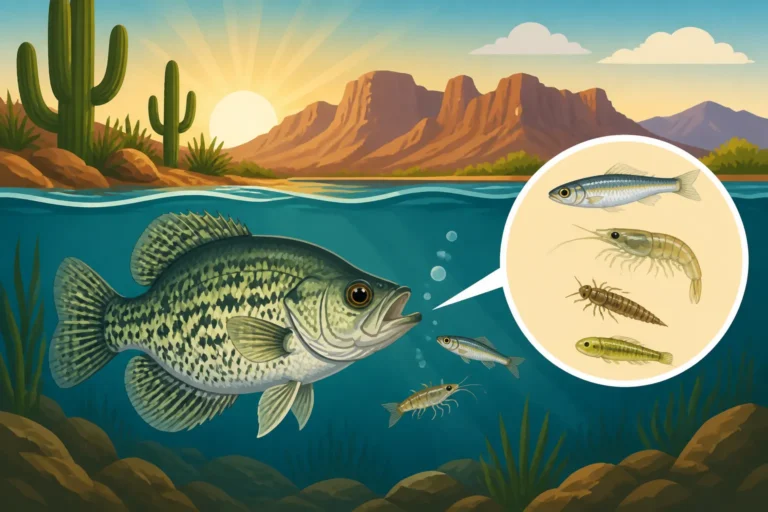
Mercury, in its elemental form, isn't necessarily the problem. The real concern is methylmercury, an organic compound that forms when elemental mercury (released from natural sources like volcanic eruptions or human activities like burning coal) settles into water and is converted by bacteria. This methylmercury then makes its way into the aquatic food chain. Tiny organisms absorb it, small fish eat those organisms, and then bigger fish eat the smaller fish. This process is called biomagnification. Think of it like a pyramid: the mercury concentration gets higher and higher as you move up the food chain. So, generally, larger, longer-lived predatory fish tend to accumulate more mercury than smaller, shorter-lived species. It's not something you can see, smell, or taste, which is why official advisories are so important.
The unique ecosystems of Arizona's desert lakes, with their varying water levels and specific forage bases, can influence these mercury levels. Understanding the sources and pathways helps us appreciate why certain species in certain lakes might have higher concentrations. It's a complex environmental issue, but for us anglers, the takeaway is simple: larger, older fish are generally more likely to have accumulated more mercury. This is one of the many reasons why understanding Fish Species Guide for Arizona Lakes is so valuable, helping you identify potential species of concern.
Who is Most at Risk from Mercury Exposure?
While methylmercury can affect anyone, certain groups are more vulnerable to its potential health impacts. The primary concern is for pregnant women, women who might become pregnant, nursing mothers, and young children. For these groups, methylmercury can interfere with the development of the nervous system. That's why you'll often see consumption advisories specifically tailored with stricter limits for these sensitive populations. For the average healthy adult, moderate consumption of fish with lower mercury levels is generally fine.
It’s about balance and making informed choices. If you fall into a high-risk category, it doesn't mean you have to give up fishing or eating fish entirely! It just means paying closer attention to the advisories and perhaps opting for different species or adjusting your consumption frequency. Knowing your personal risk factor helps you approach the consumption guidelines with the right perspective. This goes hand-in-hand with understanding Arizona Fishing Regulations Explained which are designed to protect both fish populations and public health.
Navigating Arizona's Fish Consumption Advisories
So, how do we actually figure out which fish are safe to eat and how much? This is where Arizona's official fish consumption advisories come into play. It can sometimes feel like trying to decipher a secret code, but once you know where to look and what the terms mean, it becomes much clearer.
How Arizona's Advisories Are Established and What They Mean
In Arizona, these advisories are a collaborative effort, primarily managed by the Arizona Department of Environmental Quality (ADEQ) in partnership with the Arizona Game and Fish Department (AZGFD). They conduct scientific studies, collecting fish samples from various lakes and rivers across the state and testing them for contaminants like mercury. Based on these tests and established health criteria, they issue consumption advisories for specific bodies of water and specific fish species. These advisories aren't about banning fishing; they're about providing recommendations to help you make healthy choices.
An advisory might recommend limiting consumption to, say, one meal per week or one meal per month, especially for sensitive groups. Sometimes, an advisory might suggest avoiding certain fish altogether from a particular water body. It's not a blanket rule for the entire state, which is why checking the specific lake and specific fish you plan to keep is so important. These details are critical, just like understanding Fishing Bag and Possession Limits Explained for conservation purposes.
General Guidelines for Safe Fish Consumption in Arizona
Even without looking at a specific advisory, there are some general rules of thumb that can help guide your choices for safe consumption of fish caught in Arizona:
- Size Matters: As a general principle, smaller, younger fish tend to have lower mercury levels than larger, older fish of the same species. This is due to the biomagnification process mentioned earlier. So, if you're targeting a species known to accumulate mercury, consider keeping the smaller, legal-sized fish rather than the trophy-sized lunker.
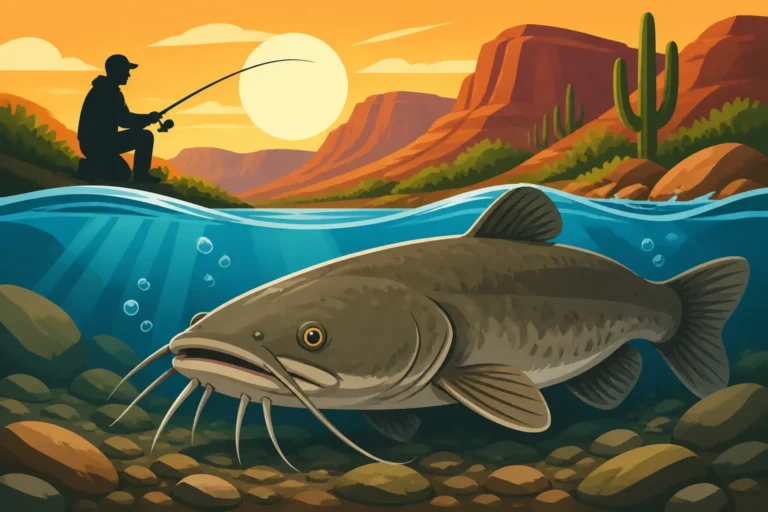
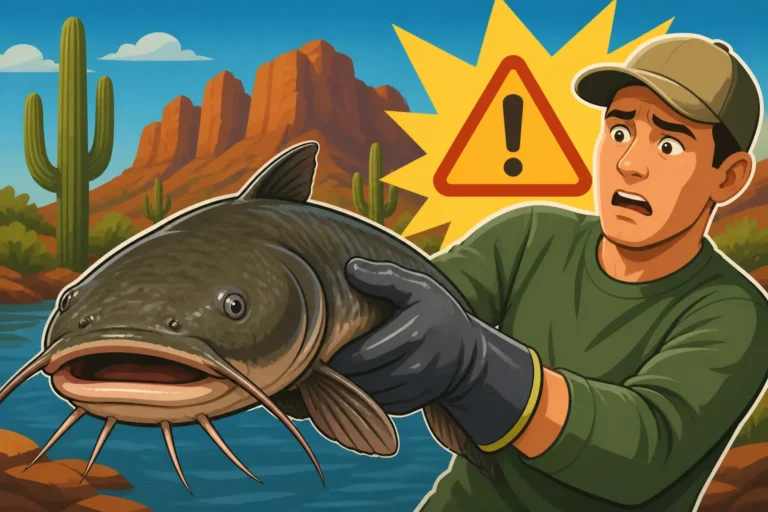
- Species Choice: Not all fish are created equal when it comes to mercury. Fish that are higher on the food chain and live longer, like larger bass or flathead catfish, generally accumulate more mercury. Species like sunfish, trout, or smaller crappie typically have lower levels. Knowing what you're catching and its place in the food web helps a lot. We cover many of these in guides like Largemouth Bass Fishing Guide for Arizona and Catfish Fishing Guide for Arizona.
- Variety is Key: Eating a variety of fish from different sources (and different species) can help reduce your overall exposure to any single contaminant. Don't eat the same type of fish from the same lake every single day.
- Check the Source: Always, always, always refer to the official Arizona Department of Environmental Quality (ADEQ) and Arizona Game and Fish Department (AZGFD) websites for the most current and detailed advisories. They are the authoritative source, and advisories can be updated periodically as new data becomes available.
Here's a simplified general comparison, but remember, local advisories always take precedence:
| Fish Type (General) | Typical Mercury Level (General) | Examples (Arizona) |
|---|---|---|
| Small, Shorter-Lived Fish | Lower | Bluegill, Green Sunfish, Stocked Rainbow Trout |
| Medium-Sized Predators | Moderate | Crappie, Channel Catfish, Smaller Largemouth Bass |
| Large, Long-Lived Predators | Higher | Large Largemouth Bass, Flathead Catfish, Striped Bass |
This table is a general guide only. Always consult current, specific advisories from ADEQ and AZGFD before consuming your catch.
Specific Mercury Advisories for Popular Arizona Lakes and Species
It’s often frustrating when you hear about advisories, but they aren’t specific enough for the water you plan to fish. You want to know if that beautiful Best Fishing Lakes in Arizona hotspot has a particular advisory for your target species. While I can't provide real-time, specific advisories (as these change and must come directly from the state agencies), I can tell you how these advisories typically work and where you need to go to get the most accurate information.
The Importance of Checking Local Advisories
Arizona has a diverse array of fishing waters, from the deep canyons of Lake Powell to the urban ponds of the Community Fishing Program. Due to varying environmental factors, fish species present, and historical industrial impacts, mercury levels can differ significantly from one water body to another. This is why a statewide blanket advisory is rarely issued. Instead, you'll find advisories specifically for lakes like Lake Pleasant, Roosevelt Lake, Alamo Lake, and various stretches of the Colorado River. Each advisory is the result of careful monitoring and analysis of fish samples from that particular location.
For example, a large flathead catfish caught in one reservoir might have a different mercury profile than a similar fish caught in another. Similarly, even within the same lake, a striped bass could have different mercury levels than a sunfish. You might also find that specific advisories are issued for different sections of a large water body, like various coves or arms of a major lake. This level of detail underscores why simply Googling "mercury in fish" isn't enough; you need to seek out the specific Arizona data.
Understanding Species and Size Recommendations
When you look up an advisory on the ADEQ or AZGFD website, you'll typically see recommendations broken down by both the fish species and, importantly, by size. For instance, an advisory might state:
- "For Largemouth Bass over 18 inches from Lake Pleasant: Limit consumption to one meal per month for the general population, and no consumption for pregnant women, women who may become pregnant, nursing mothers, and young children."
- "For Channel Catfish of all sizes from Roosevelt Lake: No consumption restrictions."
These examples illustrate that the advice is highly tailored. The size aspect is critical because, as we discussed, larger and older fish accumulate more mercury over their lifespan. So, adhering to length limits isn't just about conservation or Arizona Fishing Season Dates and Limits; it's also about potential health considerations.
It's also common to see advisories differentiate between the general population and sensitive populations. This is not to scare anyone, but to provide an extra layer of caution for those most vulnerable to mercury's effects. Always read these advisories carefully and apply them to your specific circumstances and the fish you're targeting.
Practical Tips for Responsible Fishing and Eating in Arizona
Fishing in Arizona is a fantastic pastime, and with a little knowledge, you can ensure it remains a healthy one. Being responsible means not only respecting the fish populations and regulations but also understanding how to prepare and consume your catch safely.
Choosing Lower-Mercury Fish Species
Making smart choices even before you cast your line can significantly reduce your potential mercury exposure. When planning your fishing trip or deciding what to keep, consider targeting species that are generally known to have lower mercury levels.
Good choices for lower mercury consumption often include:
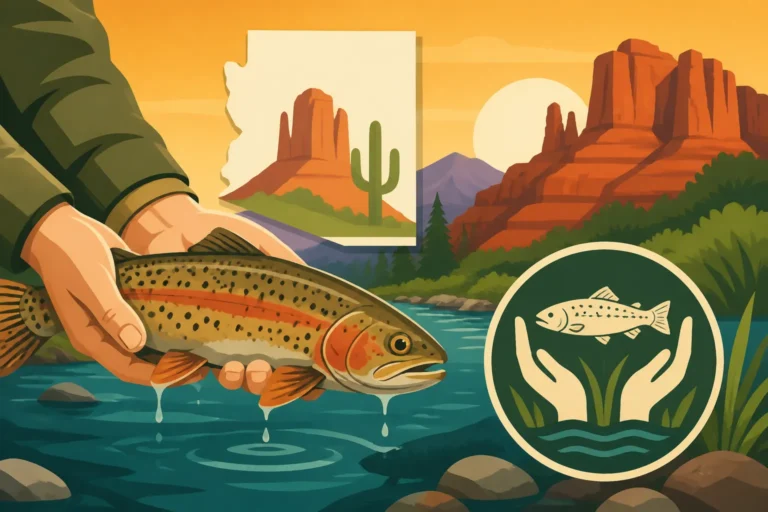
- Stocked Rainbow Trout: These fish are typically younger and grow quickly in controlled environments or are frequently stocked in urban lakes and colder streams. They haven't had as much time to accumulate mercury. Check out our guide on Rainbow Trout Fishing Guide for Arizona for more on these beauties.
- Panfish (Bluegill, Sunfish, Crappie): These smaller, shorter-lived species are generally lower on the food chain and typically have lower mercury levels. They're also incredibly fun to catch and make for delicious meals.
- Smaller Catfish (Channel Catfish): While large flathead catfish can accumulate significant mercury, smaller channel catfish, especially those not at the very top of the food chain, often have lower levels.
Again, always cross-reference these general recommendations with specific advisories for the lake you are fishing. Sometimes, even generally low-mercury species can have advisories in particular water bodies due to unique local conditions.
Preparing Your Catch and Staying Informed
While cooking methods don't reduce the mercury content in fish (mercury is bound within the muscle tissue), proper cleaning and preparation can help reduce other contaminants. When filleting your fish, trimming off the skin, fat, and belly meat can sometimes reduce levels of other fat-soluble pollutants, although not mercury itself. What does matter immensely is staying informed.
- Consult Official Sources: Bookmark the ADEQ and AZGFD websites. They are your best, most up-to-date resources. A quick search before each fishing trip can save you worry later.
- Practice Catch and Release: If you're targeting trophy-sized fish, especially species known to accumulate mercury, consider practicing Catch and Release Rules for Arizona Anglers. This allows those larger, older fish to remain in the ecosystem and reduces your personal consumption of potentially higher-mercury fish. It’s also great for conserving big fish genetics!
- Invest in Good Gear: Having the right tools makes all the difference. A sturdy cooler, which you can find many options for on Amazon, is essential for keeping your fish fresh on those hot Arizona days until you can properly clean and store them. Likewise, a quality fillet knife (also readily available on Amazon) makes the cleaning process much more efficient and clean. Don’t forget essential items for your Essential Tackle Box Setup for Arizona Beginners to make sure you're prepared for anything.
- Spread Out Your Meals: If you enjoy eating your catch regularly, try not to eat the same species from the same lake several times a week. Vary your protein sources throughout the week, mixing in commercially sourced fish (which also have their own advisories, often listed on seafood guides) or other protein options.
By being mindful of where you fish, what you keep, and how often you consume it, you can confidently continue to enjoy the fantastic fishing Arizona has to offer while protecting your health and the health of your family.
Disclaimer
This article is for general informational purposes only and does not constitute professional advice. Laws, prices and regulations vary by location and change over time. Consult a qualified professional for guidance on your specific situation.