Best Fish Species for Beginners to Target in Arizona
Ever felt a bit lost when trying to figure out where to start your fishing journey in Arizona? With its stunning desert lakes, cool mountain streams, and diverse aquatic environments, the Grand Canyon State offers incredible angling opportunities. However, for someone new to the sport, staring at a wall of tackle or flipping through dense regulation books can feel incredibly overwhelming. You want to cast a line and actually catch something, right? This comprehensive guide is specifically designed for beginner anglers, helping you identify the best, most accessible, and most forgiving fish species that are not only abundant but also perfect for building confidence and falling in love with Arizona fishing.
Why Some Fish Are Better for Beginners
When you're just starting out, the last thing you want is a frustrating, fish-less day. Success in fishing, especially early on, is often about targeting species that are more predictable, aggressive, and readily available. This isn't about "easy" fish in a derogatory sense, but rather smart choices that set you up for a positive experience.
Predictable Behavior and Abundance
Some fish species are simply more cooperative, making them ideal targets for those learning the ropes. These are the fish that don't require highly specialized techniques, perfectly tuned gear, or years of accumulated knowledge to entice a bite. They're often schooling fish, meaning if you find one, you're likely to find more, leading to consistent action. This consistent action is gold for beginners – it keeps spirits high, allows for practice with casting and retrieving, and quickly teaches you how a bite feels on the line.
Think about it: spending hours without a single tug can quickly turn someone off from a new hobby. But feeling that characteristic thump-thump or seeing your bobber disappear under the surface? That's what hooks people on fishing for life! Moreover, these beginner-friendly species tend to be widely distributed across many of Arizona's lakes and ponds, meaning you don't have to venture to remote, hard-to-reach locations to find them. Their sheer abundance in accessible waters greatly increases your chances of success, making every outing a genuine learning experience rather than a test of infinite patience.
Choosing a species known for its abundance also simplifies your bait and lure selection. Instead of needing a vast array of specialized tackle, you can often get by with a few tried-and-true offerings that these fish can't resist. This reduces the initial investment in gear and removes the guesswork from selecting what to use, allowing you to focus on the fundamental skills of casting, retrieving, and fighting a fish. It's about building a foundation of success before moving on to more challenging pursuits.
Accessibility in Arizona's Community Waters
Arizona is home to a fantastic resource for new anglers: the Community Fishing Program. These waters are specifically managed and stocked by the Arizona Game and Fish Department (AZGFD) with high catch rates in mind. They are, quite literally, designed for easy access and a positive fishing experience, making them a perfect starting point. When we talk about Arizona Community Fishing Program Rules, you'll find these lakes are often situated within city parks, offering amenities like restrooms, paved parking, and even fishing piers, which eliminates many common barriers for beginners.
The convenience factor cannot be overstated. Imagine wanting to get out for an hour or two without a long drive. Community lakes make that possible. They're typically close to urban centers like Phoenix, Tucson, Yuma, and Payson, meaning less travel time and more fishing time. This accessibility is a huge benefit for families or individuals who are just exploring the hobby and might not be ready for a full-day expedition to a remote reservoir. Many of these ponds are stocked frequently, ensuring that there's always a healthy population of fish eager to bite.
Furthermore, fishing in these managed environments often comes with clearer, simpler regulations compared to some of the larger, more complex bodies of water. This means less worry about intricate size or bag limits for specific species, allowing you to focus on the act of fishing itself. The goal here is fun and learning, and the AZGFD's commitment to these community waters truly reflects that. It's an ideal environment to get comfortable with your gear and practice catch-and-release, or even bring home a fresh dinner!
Top Beginner-Friendly Fish Species in Arizona
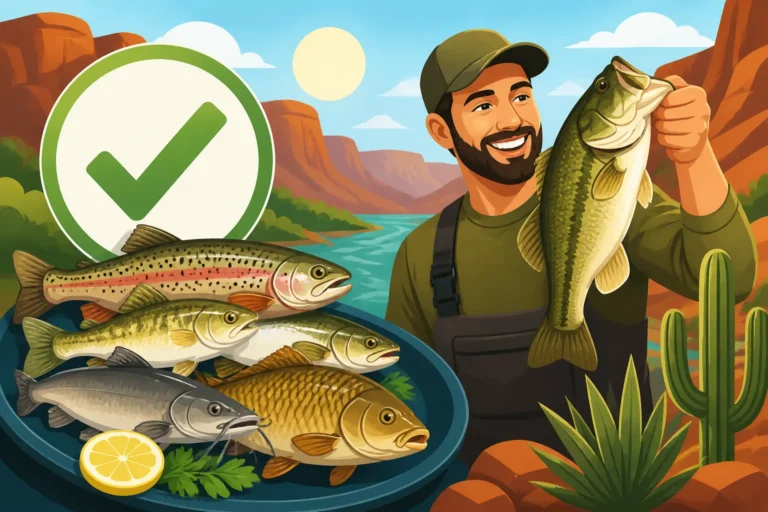
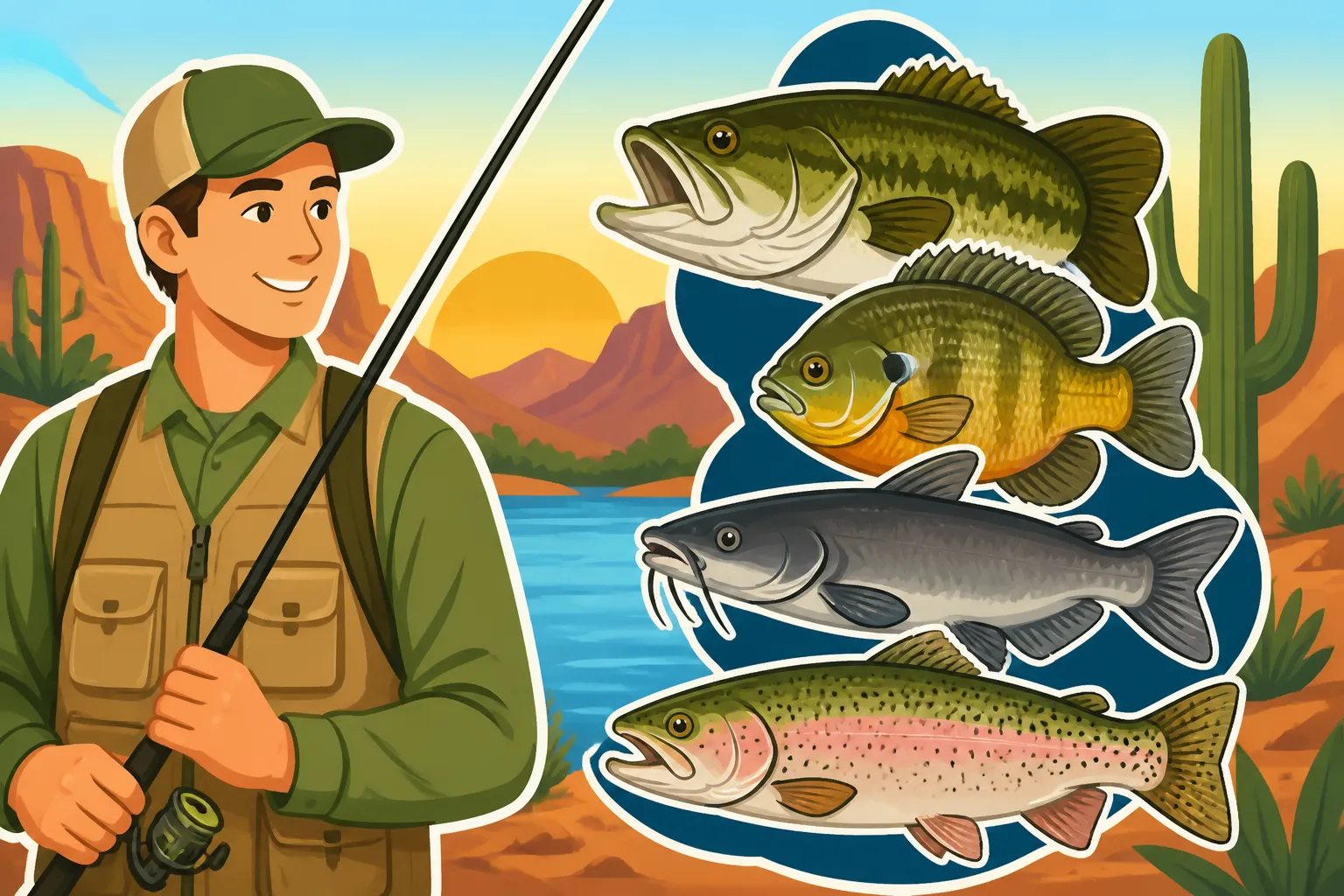
Alright, let's get down to the fun part: meeting the fish! Arizona has several species that are particularly welcoming to new anglers. These are the fish that will give you action, teach you the basics, and send you home with a smile.
Sunfish (Bluegill, Redear, Green Sunfish)
If there's one fish that defines a beginner's success, it's the sunfish. These little powerhouses, including bluegill, redear sunfish, and green sunfish, are ubiquitous across Arizona. They're often the first fish a child ever catches, and for good reason: they are incredibly aggressive biters, widely distributed, and don't require heavy tackle or advanced techniques. You'll find them in almost every lake, pond, and even some slow-moving river sections.
Sunfish love to hang out near structure – think docks, submerged brush, rocky shorelines, or beds of aquatic vegetation. They're often found in relatively shallow water, making them easy to target from the bank or a pier. For bait, they are not picky at all. A small piece of a worm, a cricket, or even a kernel of corn on a tiny hook under a bobber is often all it takes. Imagine a calm morning, you cast out your line with a bobber, and within minutes, it starts dancing before plunging under the surface – that's the classic sunfish bite! You can find simple, effective bait options readily available, and a basic fishing kit with hooks and bobbers can be easily purchased on Amazon to get you started.
While they don't grow to be monsters, a feisty 6-inch bluegill puts up a surprisingly good fight on light tackle, making every catch exciting. They're also delicious panfish, perfect for frying up a fresh meal. These fish are fantastic for practicing casting accuracy, setting the hook, and reeling in a fish. You'll gain confidence with every sunfish you bring in, making them the ultimate entry-level species for anyone new to fishing in Arizona. Learning the basics with sunfish will prepare you for a wide array of other species.
Channel Catfish
When the weather warms up, channel catfish become an absolute go-to for beginners. These whiskered bottom-dwellers are abundant in many of Arizona's community lakes and larger reservoirs like Lake Pleasant, Roosevelt Lake, and Alamo Lake. They grow to a respectable size, offering a more substantial fight than sunfish, and are caught using techniques that are both simple and effective. You don't need fancy lures or intricate retrieves; just good bait and a bit of patience.
Channel catfish are primarily scavengers, meaning they're attracted to strong smells. This makes bait choice wonderfully straightforward. Stink bait, chicken livers, hot dogs, cut bait (pieces of smaller fish), or even shrimp are all highly effective. For a basic setup, you'll want a medium-action rod and reel, a hook (often a circle hook, which helps prevent gut-hooking), and a weight heavy enough to keep your bait on the bottom. Cast your bait out, let it sink, and wait for that distinctive, steady pull on your line. Many new anglers find great success fishing for catfish during the evening or even at night, especially during the warmer months, as the fish become more active in cooler water temperatures. For more in-depth tips, check out Catfish Night Fishing Techniques.
Finding channel catfish usually involves targeting deeper holes, channel edges, or areas with submerged structure. However, in community lakes, they're often stocked in readily accessible spots, making them a prime target for bank anglers. The thrill of reeling in a 2-5 pound channel catfish is a fantastic experience for a beginner, offering a strong pull and a satisfying catch. Plus, they are excellent table fare! Gathering your catfish tackle, including specialty baits, is also very convenient on platforms like Amazon.
Stocked Rainbow Trout
For those who prefer cooler weather or a different kind of fight, stocked rainbow trout are an exceptional beginner-friendly species in Arizona, particularly from fall through spring. The AZGFD regularly stocks these beautiful, spirited fish into urban community lakes and some higher-elevation waters when temperatures are suitable. This means you can find them close to home in places like Tempe Town Lake or the various Community Park Lakes in Phoenix and Tucson.
Rainbow trout are visual feeders, but also opportunistic, making them susceptible to a variety of easy-to-use baits and lures. The classic beginner setup involves fishing PowerBait (in various colors and scents), corn, or small pieces of worm either on the bottom with a light sinker or suspended under a bobber. For those wanting to try a simple lure, small inline spinners can be incredibly effective when retrieved slowly. The key is often to use light line and a small hook, as trout can have excellent eyesight.
Fishing for stocked trout is a wonderful family activity. Imagine a crisp winter morning at a local park lake, the air is cool, and suddenly your bobber dips or your rod tip twitches with the telltale bite of a trout. Their vibrant colors and spirited fight are incredibly rewarding. Keeping an eye on the Trout Stocking Season in Arizona schedule is crucial for planning a successful trip, as freshly stocked fish are often the most eager to bite. Remember that a trout stamp may be required for certain areas, so always check the latest regulations.
Largemouth Bass (When Conditions Are Right)
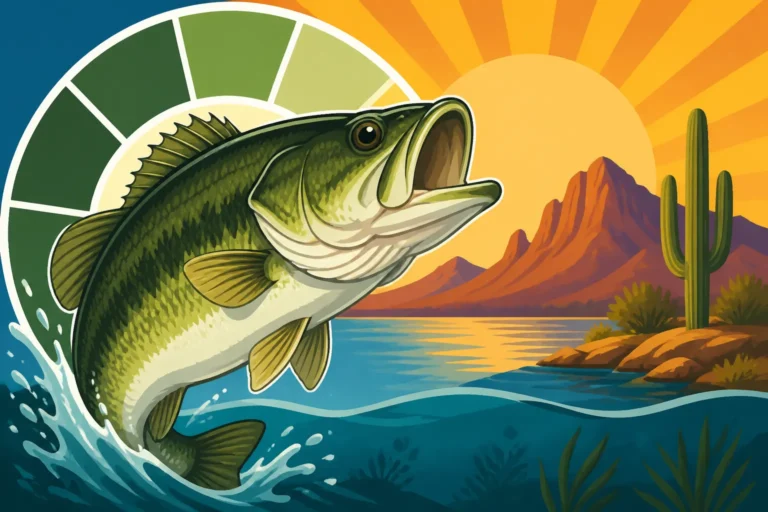
While perhaps a step up in terms of technique from sunfish or stocked trout, largemouth bass are arguably the most iconic freshwater sportfish in Arizona, and they can absolutely be a rewarding target for beginners under the right conditions. Arizona's desert lakes, like Roosevelt Lake, Lake Pleasant, and Saguaro Lake, are teeming with these aggressive predators. The key for beginners is to simplify the approach and focus on their natural habits.
Largemouth bass are ambush predators, often found hiding near cover: submerged trees, rocky points, docks, or weed beds. For beginners, simple techniques like Texas-rigging a plastic worm (a weedless presentation that's easy to cast into cover) or throwing a spinnerbait are excellent starting points. You don't need to master complex presentations; often, just getting the bait near cover and giving it a simple retrieve will provoke a strike. Beginner Fishing Techniques for Arizona Desert Lakes can provide more detail on these methods.
The thrill of a largemouth bass strike is unforgettable. They hit hard and fight aggressively, jumping and pulling, making for an incredibly exciting experience. While not as "guaranteed" as sunfish, landing even one bass can create a lifelong angler. Focus on fishing during prime times like spring (when they spawn and are often shallow) or fall (when they feed heavily) for the best beginner success. A basic spinning rod and reel with 8-12 lb monofilament line, paired with a few packs of plastic worms and some hooks and sinkers, is a great starting setup you can easily assemble from offerings on Amazon.
Essential Gear and Simple Techniques for New Anglers
Getting started in fishing doesn't require a second mortgage for fancy gear. In fact, keeping it simple is often the best approach for beginners. Focus on reliability, ease of use, and versatility.
Basic Rod and Reel Setup
For beginners, a spinning rod and reel combo is hands-down the best choice. They are incredibly user-friendly, forgiving for casting errors, and versatile enough for most beginner-friendly species. Look for a medium-light to medium power rod, typically between 6 and 7 feet long. This length offers a good balance for casting distance and handling fish. The "action" (how much the rod bends) should be moderate to fast, which gives you good feel for bites and enough backbone to set the hook.
Pair this with a spinning reel in the 2000-3000 size range, which is appropriate for the rod power and line sizes you'll be using. Spool your reel with 6 to 10-pound test monofilament fishing line. Monofilament is stretchy, which is forgiving for new anglers, relatively inexpensive, and easy to tie knots with. It's a great all-around choice for everything from sunfish to modest-sized bass and catfish. While there are more advanced options, a decent quality pre-spooled spinning combo, often found as an all-in-one package, is perfect to start. Best Rod and Reel Combo for Bass might have some higher-end suggestions, but for beginners, simplicity and reliability are key.
The most important thing about your first rod and reel is that it feels comfortable in your hands and is easy to operate. Don't get caught up in technical specifications just yet. Focus on learning to cast smoothly, retrieve consistently, and feel for bites. As you gain experience, you'll naturally discover what types of setups you prefer for different fishing situations.
Simple Baits and Lures
Choosing what to put on your hook can seem daunting with the endless options out there. For beginners, the rule of thumb is to stick with natural baits or simple, universally effective artificials.
-
Natural Baits:
- Worms: The king of all baits. Red wigglers or nightcrawlers work for almost everything – sunfish, trout, catfish, and even bass. They're cheap, easy to find, and fish can't resist them.
- Corn: Surprisingly effective for stocked trout and panfish. Just a few kernels on a small hook.
- Hot Dogs/Chicken Livers/Stink Bait: These are phenomenal for catfish, especially when you're bottom fishing. Their strong scent attracts catfish from a distance.
- Minnows: Live minnows (check regulations for specific waters) can be incredibly effective for bass and crappie.
-
Simple Artificial Lures:
- Small Jigs: A small jig head paired with a grub or a small plastic worm can catch almost anything. They're versatile and mimic small baitfish or insects.
- Inline Spinners: Lures like a Rooster Tail or Mepps Aglia are fantastic for stocked trout and panfish, and even smaller bass. Their spinning blade attracts fish with flash and vibration.
- Plastic Worms: For bass, a simple 4-7 inch plastic worm (darker colors like junebug or green pumpkin are often good) rigged Texas-style is a deadly and relatively snag-proof option that’s easy to learn.
Start with a few of these, and don't be afraid to experiment! Often, the simplest approach yields the best results. You can find a huge variety of these baits and lures, sometimes even in beginner-friendly assortments, on Amazon. For more detailed insights, definitely check out Best Baits and Lures for Arizona Fishing.
Tackle Box Essentials
You don't need a massive, overflowing tackle box to start. A small, organized box with the absolute essentials will serve you well. Think of it as your portable fishing toolkit.
Here's a basic rundown of what every beginner's tackle box should contain:
- Hooks: A variety of sizes (e.g., #8 for sunfish, #6 for trout, #2 for catfish, 1/0-3/0 for bass). Circle hooks are great for catfish.
- Sinkers: Split shot (small, crimp-on weights for light lines and bobber fishing) and egg sinkers (for heavier bottom fishing).
- Bobbers: Assorted sizes of clip-on or slip bobbers. These are invaluable for detecting bites and controlling bait depth.
- Pliers/Forceps: Essential for removing hooks safely and cutting line.
- Line Clippers/Small Scissors: For clean cuts of fishing line.
- Extra Fishing Line: A small spool of the same line you have on your reel, just in case of tangles or needing to re-spool.
- Small First-Aid Kit: Accidents happen, so a few band-aids and antiseptic wipes are always a good idea.
- Sunscreen and Insect Repellent: Protect yourself from the elements.
- A Small Cooler or Stringer: If you plan on keeping fish, you'll need a way to keep them fresh.
Having these basics ensures you're prepared for most common fishing scenarios and species. You can find comprehensive Essential Tackle Box Setup for Arizona Beginners lists that include these and other helpful items. Building your initial tackle kit can be quite simple and cost-effective, with many starter kits and individual components readily available for purchase online, including through retailers like Amazon.
Finding Your First Arizona Fishing Spot
Once you have your basic gear and a target species in mind, the next step is finding a good place to fish. Arizona offers a surprising amount of accessible water, even in its urban centers.
Community Fishing Program Lakes
As mentioned earlier, the AZGFD's Community Fishing Program is a goldmine for beginners. These lakes and ponds are specifically managed to provide easy and frequent fishing opportunities, making them the absolute best starting points. You'll find these waters dotted throughout the major metropolitan areas. For instance, in the Phoenix metro area, lakes like Tempe Town Lake, Chaparral Lake in Scottsdale, or Desert Breeze Lake in Chandler are popular. In Tucson, Silverbell Lake or Kennedy Lake are great choices. You can find a list of Community Park Lakes in Phoenix and other cities through the AZGFD website.
What makes these spots so ideal? They're stocked with a variety of beginner-friendly species – often rainbow trout in the cooler months, and channel catfish and sunfish year-round. They usually have paved access, restrooms, and sometimes even fishing piers, which eliminate the need for a boat and provide a safe, comfortable platform for casting. Before you go, it's a good idea to check the AZGFD stocking schedule online; knowing when trout or catfish were last stocked can significantly boost your chances of success. It's a fantastic environment to learn, practice, and almost guarantee some bites, making it incredibly encouraging for new anglers.
These locations are often bustling with other anglers, which can also be a benefit. Don't be shy about observing what others are doing, or even politely asking for tips. You'll find most fellow anglers are more than happy to share a bit of local knowledge. The objective is to make fishing accessible and enjoyable for everyone, and these community waters truly deliver on that promise.
Smaller Coves and Accessible Banks on Larger Lakes
Once you've built some confidence in the community ponds, you might be ready to explore Arizona's larger, breathtaking reservoirs. Lakes like Bartlett Lake, Canyon Lake, or Saguaro Lake offer incredible fishing, but for a beginner, the sheer size can be intimidating. The trick is to focus on smaller, more manageable areas.
Look for sheltered coves, quiet points, or easily accessible stretches of shoreline that don't require a boat. These areas often concentrate fish due to calmer waters, available cover (like submerged rocks or brush), and often shallower depths compared to the wide-open expanse of the main lake. You can use online satellite maps to scout for these kinds of features before you even leave home. Look for areas with a slower taper into deeper water, or visible structures like old trees near the bank.
These spots allow you to experience the beauty of Arizona's larger lakes without the complexities of boating. You can target largemouth bass, sunfish, and even some catfish from the bank in these locations. Fishing these areas can be a bit more challenging than community ponds, requiring a slightly longer cast or a bit more walking to find the fish, but the rewards can be bigger. Always be mindful of your surroundings, especially during warmer months, and make sure you're aware of any specific regulations for that body of water.
By starting with these proven, beginner-friendly species and locations, you'll quickly discover the joy and tranquility that fishing offers. Get your Arizona Fishing License Guide, grab some simple gear, and head out to one of our fantastic waters. You might just find your new favorite hobby!
Here's a quick comparison of our top beginner-friendly species:
| Fish Species | Ease for Beginners | Common Locations | Best Beginner Bait/Lure | Typical Size Range (Arizona) |
|---|---|---|---|---|
| Sunfish (Bluegill) | Very Easy | Community Ponds, most AZ Lakes | Worms, Crickets, Small Jigs | 4-8 inches |
| Channel Catfish | Easy | Community Ponds, Major Lakes, Rivers | Stink Bait, Hot Dogs, Cut Bait | 1-5 lbs (can be much larger) |
| Rainbow Trout | Easy (seasonal) | Stocked Urban Lakes, Mountain Streams | Powerbait, Worms, Corn, Small Spinners | 8-15 inches |
| Largemouth Bass | Moderate | Most AZ Lakes and Reservoirs | Plastic Worms, Spinnerbaits, Live Minnows | 1-4 lbs (can be much larger) |
Disclaimer
This article is for general informational purposes only and does not constitute professional advice. Laws, prices and regulations vary by location and change over time. Consult a qualified professional for guidance on your specific situation.